REVIEW · KYOTO
Izakaya Style Cooking Class
Book on Viator →Operated by Cooking Sun · Bookable on Viator
Cooking Kyoto in 3 hours beats guessing at shops. In this izakaya-style class at Cooking Sun, you learn dashi and seasoning basics, then sit down for dinner made by your own hands. It’s not just a meal. It’s practice you can repeat at home.
I especially like the personal pace. The group stays small, with a maximum of 8 people, so you actually get help while you cook. I also love that you leave with the recipes, not just photos.
One thing to watch: food is included, but drinks may not be. If sake gets offered, it may cost extra on the spot, so don’t assume everything comes with the class price.
In This Review
- Key takeaways before you book
- Izakaya In Kyoto: Why This Style Feels Different
- Cooking Sun Studio Setup: The Practical Part
- The Core Skill You’ll Actually Use: Dashi and Seasoning
- Hands-On Izakaya Cooking: What You’ll Make
- Why these dishes teach you
- The Lesson Part: English Guidance and Personal Attention
- Dinner You Can Be Proud Of: Eating What You Cook
- Dietary Needs: What You Should Tell Them Up Front
- Price and Value: Is $71.63 Worth It?
- Getting the Most Out of the Class (My Simple Game Plan)
- Who Should Book This Izakaya Class?
- Should You Book Cooking Sun’s Izakaya Cooking Class?
- FAQ
- What time does the class start, and how long does it last?
- What’s included in the price?
- Do I need to pay for food or drinks separately?
- How many people are in each class?
- Can the class handle dietary requirements like allergies or vegetarian meals?
- What if I need to cancel?
Key takeaways before you book
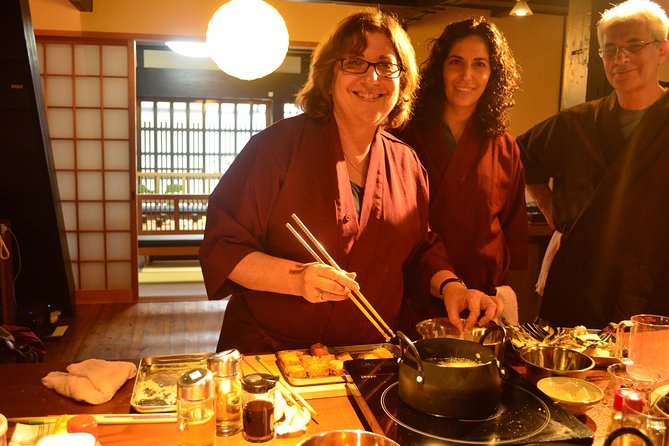
- Small group (max 8) means more hands-on guidance during knife work and cooking steps
- Dashi first, then dishes so you learn a core flavor skill that powers lots of Japanese food
- Izakaya culture lesson gives context for why these foods show up with sake and casual evenings
- Seasonal menu changes keep the class fresh, but you might not get every dish you expected
- All ingredients and apron included so you can focus on cooking, not shopping
Izakaya In Kyoto: Why This Style Feels Different
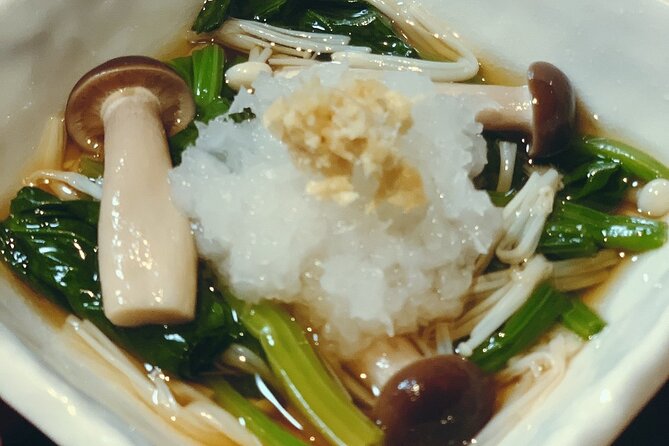
Izakaya is Japan’s casual hangout food. Think small plates, shared bites, and ordering a little of everything. Instead of cooking a single “fancy” dish, this class teaches you how people actually eat on an ordinary evening.
The class also starts with the story of where izakaya came from. Many historians trace its roots to the 18th century, when rice had been taxed for sake brewing, and later it grew in the Edo era, when sake bottle shops began serving dishes too. The point wasn’t just food. It was giving people a reason to stay longer—and drink and eat together. That context matters because it shapes the flavors. Izakaya food leans toward comfort, balance, and bold seasonings that work well alongside sake.
In a city like Kyoto, this approach feels extra satisfying. You get out of the typical sushi-and-temiraki routine without losing the comfort-food side of Japanese eating.
You can also read our reviews of more tours and experiences in Kyoto.
Cooking Sun Studio Setup: The Practical Part
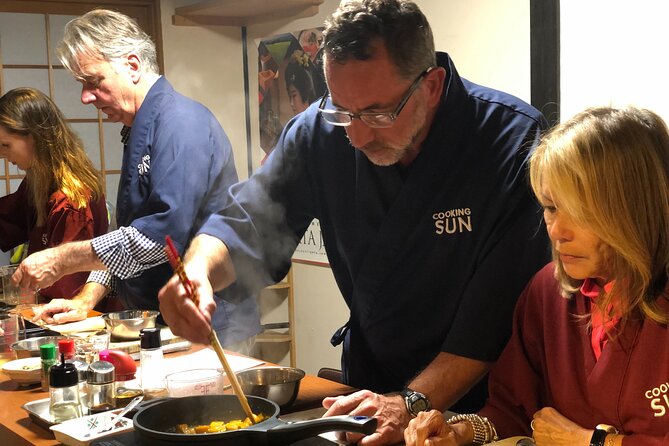
The class meets at Cooking Sun in Kyoto at 679 Funayachō, Shimogyo Ward, Kyoto 600-8466, and it starts at 2:00 pm. It runs about 3 hours, and it ends back at the meeting point, so you don’t have to plan a second journey.
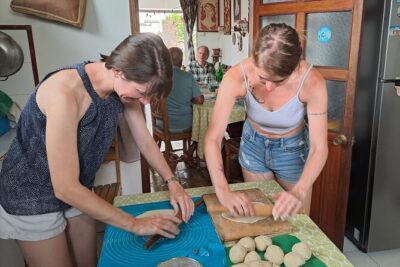
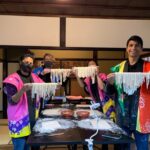
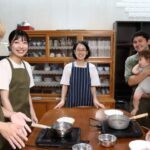
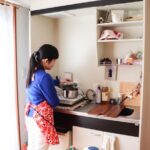
This isn’t some giant factory where you watch from the sidelines. The teaching team keeps things organized in a traditional wood house-style studio setting, and the structure is built for active cooking. Reviews point out smooth teamwork and quick clearing of your area so you can move through dishes without long dead stops.
You’ll also get an apron, and the class includes all ingredients. That’s a big deal for value. You’re paying for an efficient system: pre-portioned ingredients, clear steps, and a guide who can correct what matters (salt levels, sauce balance, heat control) while you’re still at the cutting board.
The Core Skill You’ll Actually Use: Dashi and Seasoning
If you only learn one thing from Japan, make it dashi. It’s the stock base that shows up in soups, noodle broths, and lots of simmered flavors. Once you understand it, many Japanese dishes become easier to recognize—and easier to cook.
In this class, you learn how to prepare dashi and how seasoning techniques work in real life. That includes understanding why certain flavors show up together: savory depth, gentle sweetness, and a finish that feels clean rather than heavy.
What I like about teaching it early is that it stops you from treating each dish like a separate recipe puzzle. Instead, you build a flavor foundation. Once you know what good dashi tastes like, you can adjust sauces and soup bases with confidence at home.
Hands-On Izakaya Cooking: What You’ll Make
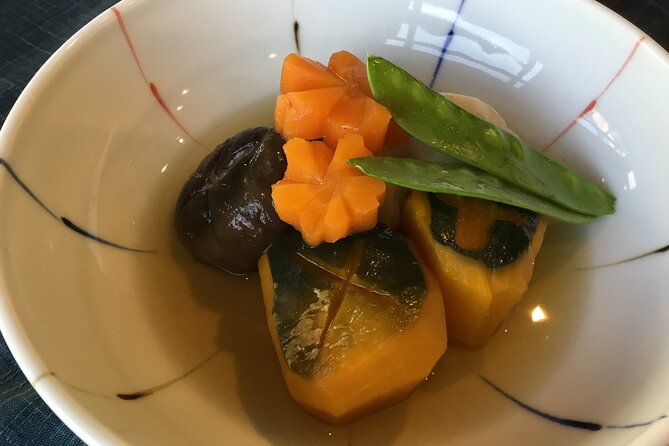
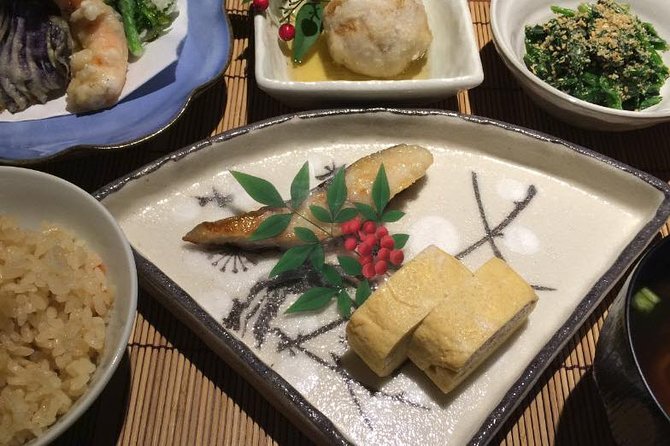
The menu focuses on home-style izakaya favorites. It’s designed to be doable, not intimidating. Your exact dishes can vary because they adjust based on seasonal ingredients, but you can generally expect the session to include a mix of savory, saucy, and fried textures—plus rice and soup elements.
Common dish examples include:
- Spinach with sesame sauce
- Teriyaki yellowtail
- Vegetable chowder
- Mushroom tempura
- Rice with vegetables
On top of that core set, some sessions may include other items depending on what’s available, such as cucumber salad, pumpkin soup, mochi dessert, or even a pasta-based dish. The key takeaway is that you’re practicing techniques, not just copying a one-off meal.
Why these dishes teach you
Each dish hits a different skill:
- Sesame sauce helps you practice how thickening and flavor concentration should feel.
- Teriyaki teaches balance between sweet and savory so it isn’t just sugary.
- Tempura builds technique awareness around batter lightness and how quickly things can go from perfect to overdone.
- Chowder and soup highlight stock depth and seasoning timing.
- Rice shows you how vegetables and flavor can thread through the whole plate.
Even if one dish isn’t your personal favorite, the technique usually is.



The Lesson Part: English Guidance and Personal Attention
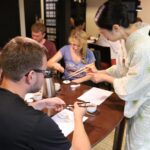
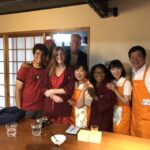
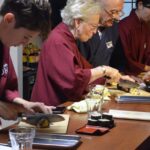
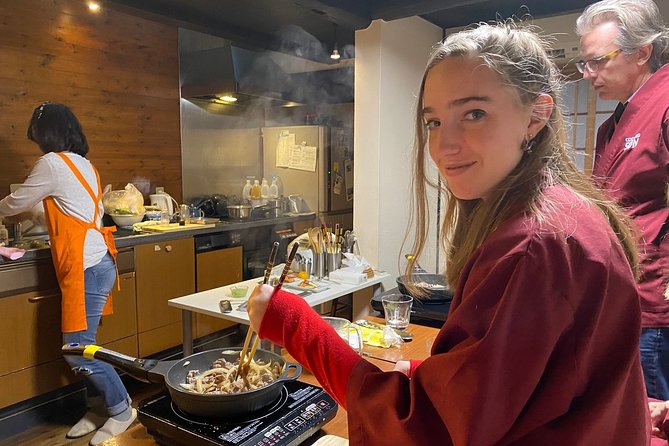
You’ll cook with an English-speaking instructor, and the teaching approach is hands-on. The guides explain what you’re doing while you’re doing it, which is the difference between a class that feels like a demonstration and one that actually upgrades your cooking at home.
A recurring theme in the experience is attention to everyone. With a max group size of 8, the staff can check your pan, your seasoning, and your knife work without leaving half the class behind. You also get tips and recommendations to help you keep going after the tour ends.
If you’re traveling with kids, this is often a good fit. The session pace and structure are set up so even younger participants can follow steps and learn the basic logic behind the flavors. If you’re a serious cook, you’ll still get value from the seasoning and stock focus.
Dinner You Can Be Proud Of: Eating What You Cook
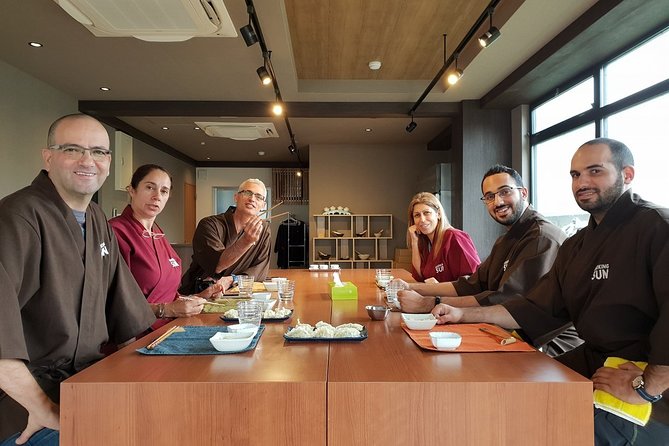
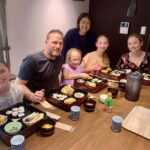
At the end, you sit down with the rest of the group and eat the dinner you made. This part matters more than it sounds. When you taste your own food right after cooking, you learn what success feels like.
You also get an informal quality check. If something tastes off, the staff can guide you during the process so your final plate is actually something you’d want to recreate.
And yes, you’ll likely leave hungry in the best way. The session includes both cooking and eating, so plan to treat this as a true meal stop, not just a snack.
Dietary Needs: What You Should Tell Them Up Front
This class asks you to advise dietary requirements at booking. That’s not just polite—it’s how you make sure ingredients and steps fit your needs.
There’s evidence of real flexibility in practice. People have reported successful accommodations for allergies like celiac, and they’ve handled vegetarian requests without making it a stressful issue. If you have a specific allergy or dietary style, put it in writing when you book so the kitchen can plan ahead.
Price and Value: Is $71.63 Worth It?
At $71.63 per person for about 3 hours, you’re paying for a full guided cooking + dinner experience with:
- dinner included
- all cooking ingredients included
- an English-speaking instructor
- an apron
- take-home recipes
This is where the value is clear. Many cooking classes charge you for the instruction but make you buy most ingredients yourself. Here, your money goes toward getting you into the action: learning dashi, learning seasoning, and practicing multiple dishes without shopping headaches.
You’re also buying time. If you tried to figure out Japanese seasoning and dashi from scratch on your own in Kyoto, it would take longer than a single afternoon—and it would be easy to end up with a weak broth or a sauce that tastes flat.
So if your goal is practical skills you can use later, the price is in a sensible range for what’s included. If your only goal is eating a nice meal, you could probably find cheaper options—but you’d miss the hands-on part that makes this class worth repeating.
Getting the Most Out of the Class (My Simple Game Plan)
If you want this to stick, do three things during the lesson.
First, taste as you go. Ask what you should look for in the flavor and texture. Dashi and sauce balance improve fast when you’re paying attention in real time.
Second, ask for notes on substitutions. You’re leaving with recipes, but Japanese cooking often has a few flexible pieces. If you know what swaps are acceptable, the recipes become easier to cook at home with what you can buy.
Third, take your recipes seriously once you’re back. The class is built around learning techniques you can apply. Your future self will thank you for writing down any quick tips you hear during the cooking flow.
Who Should Book This Izakaya Class?
Book it if you want:
- hands-on practice with Japanese seasoning and dashi
- a small-group setting where you can ask questions
- a meal that’s more than a show-and-tell experience
- practical recipes you can cook again for friends and family
You might skip it if:
- you only want a very specific dish that can vary with seasonal availability
- you strongly prefer drinks to be included, because food is included and drinks are not guaranteed unless specified
Should You Book Cooking Sun’s Izakaya Cooking Class?
Yes, I think you should book it if you’re in Kyoto and you want something more useful than another dinner out. This is one of those experiences where the learning has direct payoff. You leave knowing how to build flavor at home, not just how to eat it once.
Two smart decisions before you go:
- Tell them your dietary needs at booking, especially if you have allergies.
- Expect drinks to be separate unless explicitly included, and don’t treat sake like it’s automatically free.
If you like casual Japanese food culture and you enjoy cooking, this class is a high-return afternoon.
FAQ
What time does the class start, and how long does it last?
It starts at 2:00 pm and runs for about 3 hours.
What’s included in the price?
You get dinner, all ingredients for cooking, an English-speaking cooking instructor, and an apron.
Do I need to pay for food or drinks separately?
Food is included (dinner). Food and drinks are not included unless specified, so plan on paying for drinks separately if you order them.
How many people are in each class?
Each booking has a maximum of 8 people.
Can the class handle dietary requirements like allergies or vegetarian meals?
You should advise dietary requirements at the time of booking. The class notes that you can request adjustments, and there are examples of accommodations being handled.
What if I need to cancel?
You can cancel for a full refund if you cancel at least 24 hours before the experience start time. If you cancel less than 24 hours before, you won’t get a refund.