REVIEW · KYOTO
Ramen Cooking Class at Ramen Factory in Kyoto
Book on Viator →Operated by Japan food entertainment Ltd · Bookable on Viator
Ramen from scratch is surprisingly fun. At the Ramen Factory in Kyoto, I love the chance to make handmade noodles and then personalize my toppings into a bowl that actually tastes like I made it. One thing to plan for: drinks aren’t included, so you’ll likely want to grab water/tea separately.
It’s a small-group, hands-on class (max 20 people) that runs about 1 hour 30 minutes, with multiple departure times. The factory is Halal-certified, and vegetarian and vegan options are handled on request, which makes this an easier “food experience” than most Kyoto tastings.
In This Review
- Key Highlights That Matter (Not Just The Sales Pitch)
- Finding Ramen Factory Kyoto: Where the Class Starts
- A 90-Minute Ramen Plan: What Happens Step by Step
- What you get at the end
- Noodle Workshop: Kneading, Rolling, and Making It Real
- Soup and Seasoning: Choose Flavor and Build Your Bowl
- Toppings: Meat, Veg, and That Finishing Touch
- Lunch Is Included: Eat What You Make (Not a Separate Meal)
- Dietary Options: Halal, Vegetarian, Vegan Requests That Actually Work
- Your Instructor and the Class Style: Friendly, Fast, and Funny
- Small Group Size: Why Max 20 Travelers Changes Everything
- Value for the Price: Why $131.32 Can Make Sense
- Who Should Book This Class
- Practical Tips Before You Go (So You Don’t Waste Time)
- Should You Book the Ramen Cooking Class at Ramen Factory?
- FAQ
- Is this ramen class vegetarian or vegan friendly?
- What’s included in the price?
- How long is the cooking class?
- How many people are in the class?
- Where does the class meet?
- Will I be photographed or filmed during the experience?
Key Highlights That Matter (Not Just The Sales Pitch)
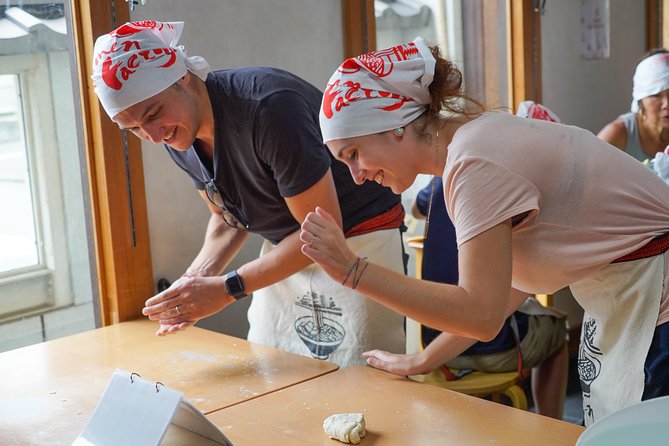
- Noodles from scratch: knead, roll, and shape the dough yourself, not just watch
- Build-your-own bowl: choose flavors and toppings, then eat what you made
- Halal and meat-free options: you can request Halal, vegetarian, and vegan setups
- Small group energy: max 20 travelers keeps the class interactive
- Real lunch included: your personalized ramen comes as the meal, not a sample
Finding Ramen Factory Kyoto: Where the Class Starts

The action begins at Ramen Factory Kyoto, BF1 at 44714 Kajiichō, Kamigyo Ward, Kyoto (602-0841). You’ll start and end back at the same meeting point, so you don’t need to think about transfers after class—just show up and follow the flow.
This class also runs with a mobile ticket, which is handy if you’re moving fast between sights. And since it’s near public transportation, it’s usually easy to slot into a normal Kyoto day without burning time on logistics.
You can also read our reviews of more tours and experiences in Kyoto.
A 90-Minute Ramen Plan: What Happens Step by Step
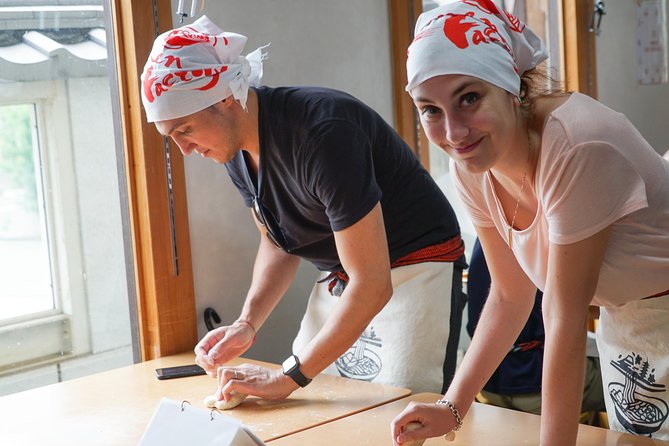
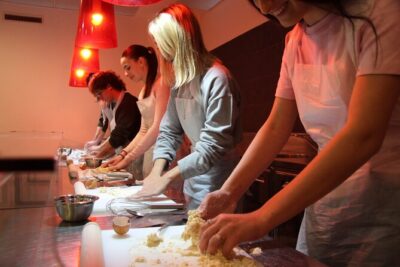
This is a full ramen-making experience in about 1 hour 30 minutes, and the pacing is built around keeping you hands-on. The class covers the core ramen tasks: making the noodles, mixing the soup, preparing toppings, then finishing with lunch.
Expect to work in stations or as a group with an instructor guiding the timing. Ramen is one of those dishes where the small steps matter, and this class gives you the cause-and-effect right in front of you: noodle texture changes when the dough is handled a certain way; flavor changes when you adjust seasoning.
What you get at the end
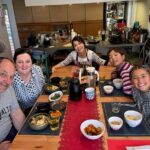
You don’t just get to taste a tiny bite. Your class finishes with a home-cooked lunch where you eat your own personalized ramen bowl.
Noodle Workshop: Kneading, Rolling, and Making It Real
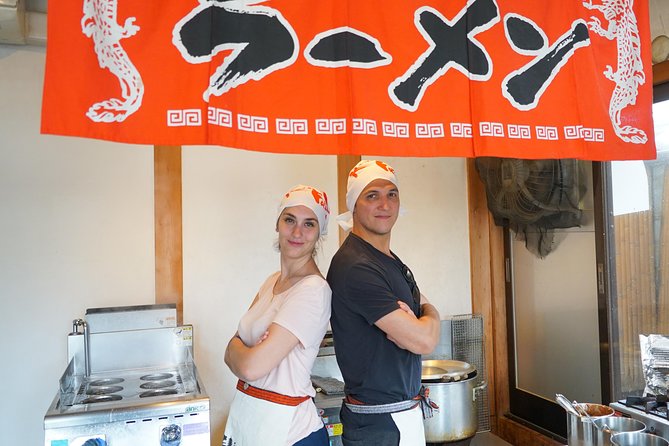
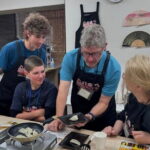
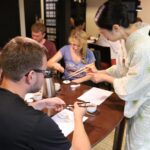
One of the most praised parts is the noodle work itself. You’re not limited to cutting vegetables or mixing sauce—you learn the physical basics of ramen noodles, including steps like kneading and shaping the dough.
From the way the class is described, you’ll get a real sense of why ramen noodles aren’t “just noodles.” The dough has to feel right, then it has to be handled and formed in a way that helps it cook evenly in broth.
A practical takeaway: even if you don’t become a ramen chef overnight, you’ll leave understanding what to watch for if you try making noodles at home. That skill is far more useful than another photo stop in a busy Kyoto alley.
Soup and Seasoning: Choose Flavor and Build Your Bowl
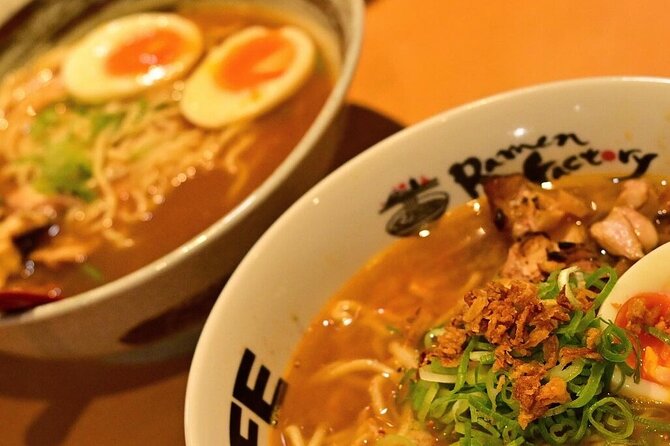
After the noodles, the class moves into the soup. You’ll learn how to mix the broth and manage seasoning so it matches the flavor style you chose.
This is where customization becomes more than a checkbox. The idea is that you can pick flavors and toppings, then learn how the broth responds to your choices. It’s also the part that tends to make your bowl taste like yours, not like a generic restaurant version.
If you’re the type who loves food science (or just wants control over salt and richness), this section is a big win. It turns ramen into something you understand, not something you just order.

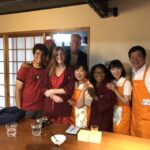


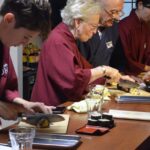
Toppings: Meat, Veg, and That Finishing Touch
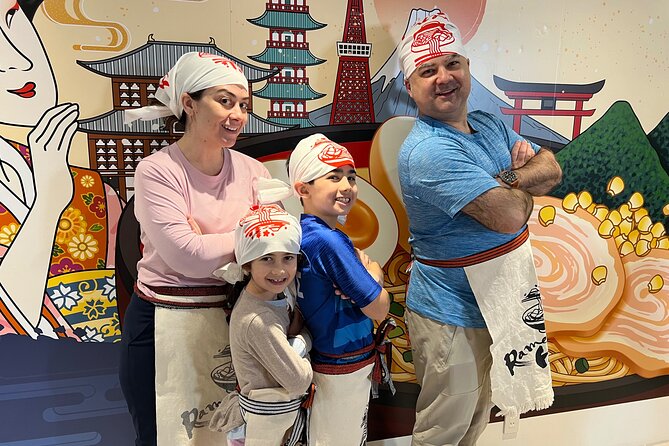
The class includes topping prep, and the process is explained in a way that makes the steps feel manageable. You’ll handle ingredients for your bowl, then cook or finish them as part of the class flow.
Some instructors use techniques that feel very chef-y, including ways to roast or finish proteins with high heat near the end of cooking. In other words, the class doesn’t treat toppings like an afterthought. You’ll feel the payoff when you assemble your bowl and take the first bite.
And since you can choose vegetarian and vegan-friendly setups (on request), you can still build a satisfying bowl even if you’re not eating typical ramen toppings. The goal is ramen that matches your preferences, not just ramen “with modifications.”
Lunch Is Included: Eat What You Make (Not a Separate Meal)
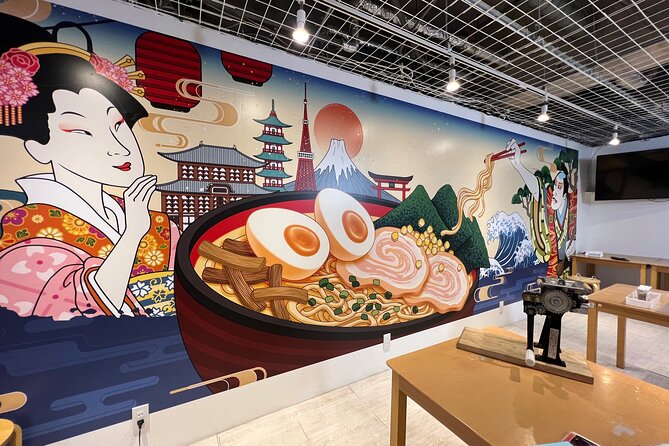
This is one of the smarter food classes in Kyoto because lunch is included. You’ll have the satisfaction of finishing the work and sitting down to eat the results, which also helps you pace the session. If you’re tempted to snack on sweets before class, I’d avoid it. Come hungry enough to enjoy what you made.
Also note: the class includes food tasting plus your lunch, but drinks are not included. That’s not a dealbreaker, but it matters for budget planning. If you want a cold drink or tea, plan to buy it separately.
Dietary Options: Halal, Vegetarian, Vegan Requests That Actually Work
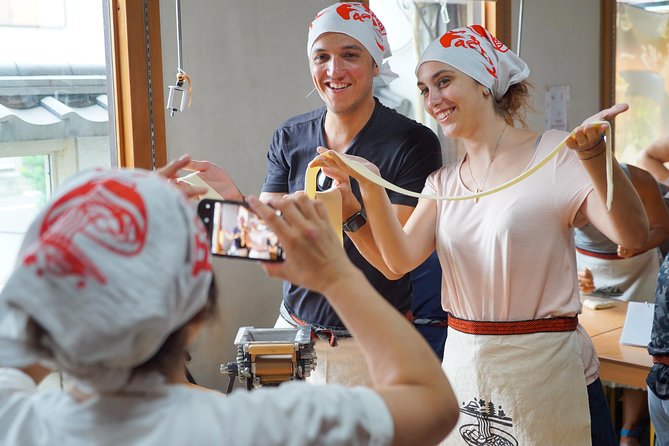
This factory is Halal-certified, and the class can accommodate Halal preferences. Vegetarian options are available, and vegan options are also possible, but you need to contact the provider after booking to set that up.
So what’s the practical advantage? You can book with more confidence than the usual “maybe they can adjust” scenario. If dietary restrictions are part of your trip planning, this class makes it easier to enjoy a hands-on meal without stressing over substitutions.
One small thing to do: when you book, double-check how the option is handled for your dietary needs. For vegan requests, you’ll have to follow up after booking, so don’t wait until the day of class.
Your Instructor and the Class Style: Friendly, Fast, and Funny
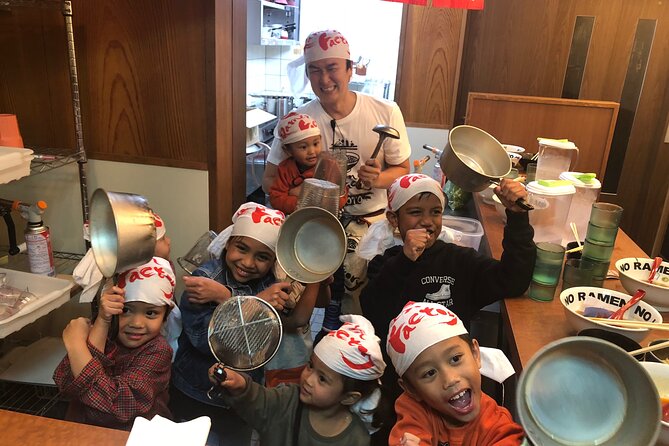
The class runs as a small-group format, and instruction is a major part of the experience. Multiple instructors are featured in class experiences, including names like Mahiro, Moeka, Haruka, Fuku, Reika, Hiro, Akemi, and Moe.
What connects these instructors is the teaching style: clear guidance plus humor, so you don’t feel awkward when your first dough roll isn’t perfect. Even when ramen looks simple in photos, the class makes it practical. You learn what to do, what to avoid, and how to correct mistakes while still having fun.
This also explains why so many people call it one of the best food activities in Kyoto. You’re not just eating ramen; you’re learning the method behind it.
Small Group Size: Why Max 20 Travelers Changes Everything
This class caps at 20 travelers, which is the sweet spot for an activity like this. It keeps attention on you and your group, and it’s easier for instructors to step in if you’re unsure about a step.
It also helps with pacing. You’re moving through a sequence: noodle work, soup mixing, topping prep, then eating. If the group is too large, that chain gets slower and more stressful. Here, the format is designed to keep things flowing.
Value for the Price: Why $131.32 Can Make Sense
At $131.32 per person, this is not the cheapest thing you can do in Kyoto. But it’s also not just a ramen meal.
What you’re paying for is:
- a hands-on cooking class
- lunch included
- local taxes included
- a food tasting component
- a small-group setting with instructor guidance
If you tried to replicate the experience on your own, you’d still need ingredients, time, and knowledge. This class compresses that learning into a single afternoon, and you get to eat the final product immediately.
For ramen lovers, it’s also a skill upgrade. Even if you only make ramen once at home, you’ll know how to think about noodles, broth, and seasoning like a cook instead of a customer.
Who Should Book This Class
I think this is best for people who want more than a meal. If you enjoy cooking, learning basics, or eating somewhere that feels like a workshop (not a performance), you’ll get a lot out of it.
It’s also a strong family-friendly option. The class format is described as fun for kids and includes an activity feel that keeps people engaged. Couples can also enjoy it because you get to work together, then share the bowl at the end.
And if you’re the kind of traveler who wants one practical Kyoto food experience instead of five hours of lining up, this fits that mindset well.
Practical Tips Before You Go (So You Don’t Waste Time)
- Come hungry. You’re going to eat the ramen you make, and it’s better when your appetite is ready.
- Plan for drinks separately. Drinks aren’t included, so bring your budget mindset for water/tea/anything else.
- Expect media filming. There’s a media shooting notice, and you may be photographed or filmed for promotional or 360-degree purposes.
- If you don’t want to appear, speak up early. The notice says you should tell staff before class begins, and they’ll try to accommodate your request.
Also, double-check your timing. With multiple departure times throughout the day, pick one that matches your hunger. If you choose a slot that’s too close to dinner, you might find yourself already full before lunch.
Should You Book the Ramen Cooking Class at Ramen Factory?
Book it if you want a Kyoto food experience that’s hands-on, structured, and ends with a real meal you built yourself. The mix of noodle-making practice, broth seasoning education, and customizable toppings makes it feel worth the price.
Skip it if you’re only looking for a quick bowl of ramen with no learning component. If that’s your goal, you might prefer a restaurant meal and save the class cost. This experience is about cooking, not just eating.
FAQ
Is this ramen class vegetarian or vegan friendly?
The factory is Halal-certified, and vegetarian options are available. Vegan options are also possible, but you need to contact the provider after booking to request them.
What’s included in the price?
The class includes a tour escort or host, local taxes, food tasting, and lunch. Drinks are not included.
How long is the cooking class?
The session runs about 1 hour 30 minutes.
How many people are in the class?
The tour/activity has a maximum of 20 travelers.
Where does the class meet?
It meets at Ramen Factory Kyoto, BF1, at the address in Kamigyo Ward: 602-0841 Kyoto, Kajiichō, 44714. The class also ends back at the meeting point.
Will I be photographed or filmed during the experience?
You may be photographed or filmed for promotional or media purposes. If you don’t want to appear in recordings, notify a staff member before the class begins.