REVIEW · SICILY
Cannoli Cooking Class in Taormina
Book on Viator →Operated by Porta Messina Restaurant Cooking Class · Bookable on Viator
You can smell the lesson in this class. A pro teaches you cannoli making step by step at Porta Messina, with plenty of time for questions and hands-on work. I like that you’re not just watching—you actually shape, fry, fill, and taste what you make.
Two big wins for me: the hands-on pace feels friendly even if you’re not a cook, and the ending gives you more than a snack. You finish with cannoli tasting, coffee or tea, and a certificate, which makes the morning feel like a real activity, not a quick demo.
One drawback to keep in mind: the location is described as a bit tricky to find, and there’s at least one report of a no-show situation where someone waited without contact. It’s rare, but I’d still confirm the exact meeting details when you book and plan a little extra time to get there.
In This Review
- Key highlights you’ll care about
- Finding Porta Messina Restaurant at Largo Giove Serapide, 4
- Getting your hands dirty: cannoli dough basics that actually make sense
- Ricotta cream and the filling secrets: from ricotta to a flavor you can repeat
- Frying the shells: when the class goes from baking talk to golden reality
- Tasting and finishing strong: coffee, certificate, and sometimes a little more
- Price and value: what $78.64 buys you in real life
- Who should book this cannoli class (and who might not)
- Final call: should you book the Cannoli Cooking Class in Taormina?
- FAQ
- Where do I meet for the cannoli cooking class in Taormina?
- What time does the class start, and how long is it?
- Is the class offered in English?
- What will I make during the class?
- Do you include coffee, tea, or soft drinks?
- Do I receive anything at the end besides tasting?
- How large is the group?
- What’s the cancellation policy?
Key highlights you’ll care about
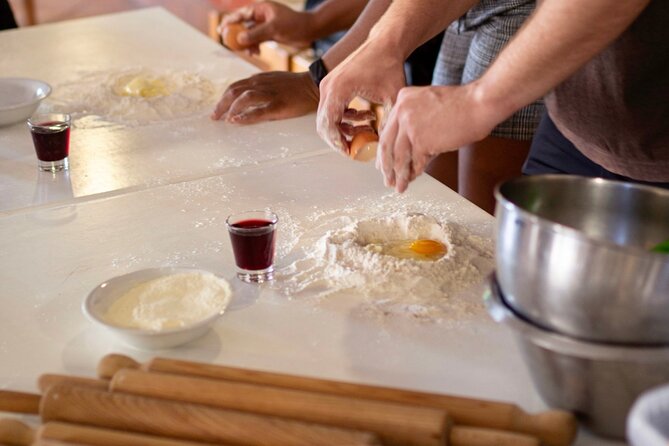
- Real pro-led technique: you work with the dough, cream/ricotta, and the frying process
- Big hands-on factor: you don’t leave empty-handed—most people end up making a lot of cannoli
- Clear English instruction: classes are offered in English, and the teaching style is praised for being patient and upbeat
- Tasting plus drinks: coffee, tea, and soft drinks are included, and many sessions include alcohol at the end
- Porta Messina Restaurant setting: the class happens at an actual restaurant, not a storefront demo space
- A certificate to take home: it’s a fun souvenir and a nice confidence boost
Finding Porta Messina Restaurant at Largo Giove Serapide, 4
Your morning starts at the Porta Messina Restaurant cooking class location in Taormina, at Largo giove serapide, 4, 98039 Taormina ME. The start time is 10:00 am, and the class runs about 1 hour 30 minutes, so you’re not wasting half a day just to learn a dessert.
I like that this is set up as a true meeting point with a clear end back at the same spot. That reduces stress in a hill town like Taormina, where it’s easy to get turned around. Also, it’s capped at a maximum of 40 people, which usually means you’ll get more attention than you would in a huge group tour.
One practical tip: plan a little buffer before class. Some people have mentioned the meeting place can be hard to spot. If you give yourself 10–15 extra minutes, you won’t start the class rushed or flustered, and you’ll be ready when your chef calls everyone in.
You can also read our reviews of more tours and experiences in Sicily.
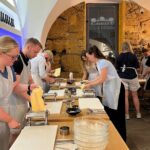
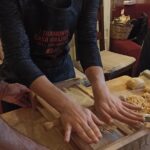
Getting your hands dirty: cannoli dough basics that actually make sense
The class is built around the classic cannoli workflow: making cannoli dough, then making the cream/ricotta filling, then frying the shells, and finally tasting and eating what you made.
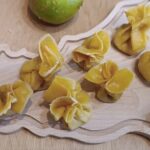
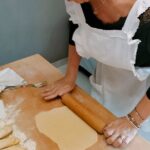
For the dough section, you’ll learn the mechanics, not just the myth. Expect the chef to guide you through mixing and working the dough, and then into forming cannoli shells the way they’re meant to be shaped. The real value here is that you get technique you can use later, including the small details that determine whether shells crisp properly.
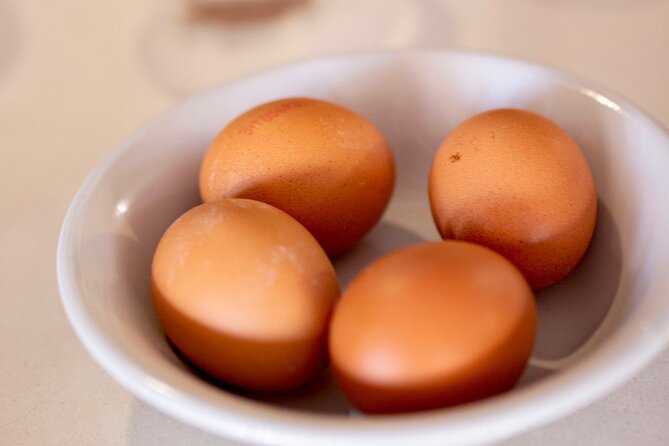
One helpful detail that comes up in the feedback: sealing matters. One person specifically pointed out that sealing the shell with egg white on the edge is key to getting the cannoli to stay together instead of sticking to the tube. Even if you’ve never fried anything in your life, this kind of step-by-step guidance turns a scary task into something you can follow.
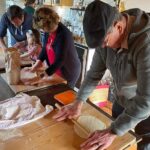
And yes, you’ll be doing more than just one micro-task. People describe this as very hands-on, with time to work through dough and shell prep, not a quick show-and-tell. If you’re traveling with kids, a teen, or a partner who wants to feel involved, this format is a good fit.
Ricotta cream and the filling secrets: from ricotta to a flavor you can repeat
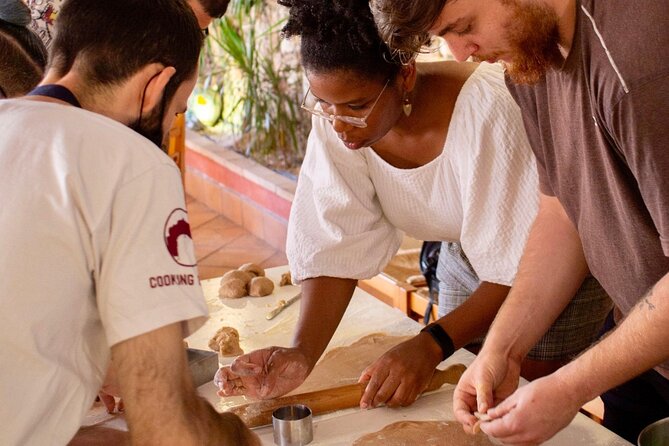
After the dough work, the class shifts to the filling—cream and ricotta—which is where cannoli become more than a crispy wrapper. The chef teaches what to combine and how to think about texture so the filling tastes balanced, not grainy or overly heavy.
Some sessions also cover more than one filling style. In the feedback, people mention working with a regular ricotta filling and even a second option (like a custard-style filling). You can treat this as a chance to learn the logic of fillings, not just follow one recipe once.
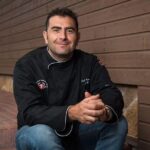
This is also where the instructors’ personalities show through. Names that come up in the experience include Chef Francesca, Chef Carmelo, Chef Jackie, Maurizio, and Marcelo, and the common thread is clear: the teaching is patient, the pace works for amateurs, and you’re encouraged to ask questions while you’re still in the step.
Why this part matters for you: cannoli filling is easy to mess up at home if you only memorize ingredients. In class, you get the cues—how it should look and feel—so you can correct yourself rather than guessing later.
Frying the shells: when the class goes from baking talk to golden reality
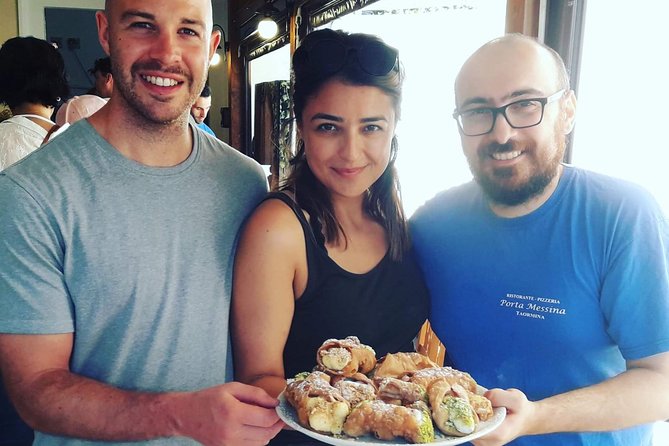
The frying stage is where the whole event turns into the good kind of chaos. You’ll move from prep into frying cannolis and watching shells turn golden. The instructor should guide you through the process, including what to look for so you don’t end up with undercooked shells or a filling that suffers from timing.
This isn’t a passive moment. People describe being guided right through the frying process, then shown what to use for filling the shells. You’re not just handed a finished cannoli like a souvenir—you’re part of the workflow.
The best practical payoff of frying in a class setting: you learn timing and handling habits. That’s hard to learn from a recipe alone, because frying is fast and physical. Once you’ve done it once with coaching, you’ll understand why cannoli taste the way they do when they’re made right.
Also, this is a great option when the weather turns. One person even called it a fun rainy-day plan in Taormina. With a warm indoor setup, this feels like a smart pivot from walking and sightseeing when clouds or showers show up.
Tasting and finishing strong: coffee, certificate, and sometimes a little more
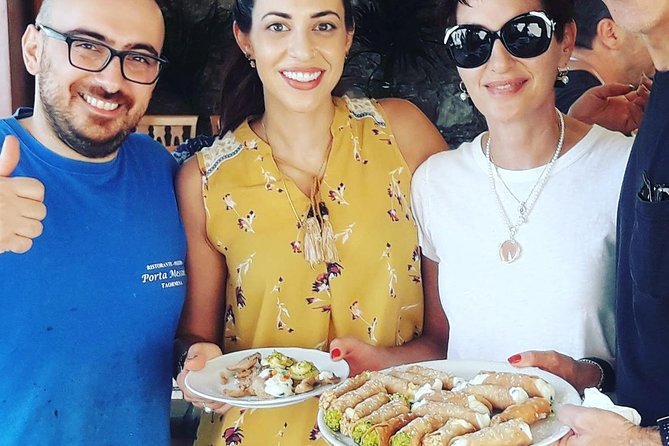
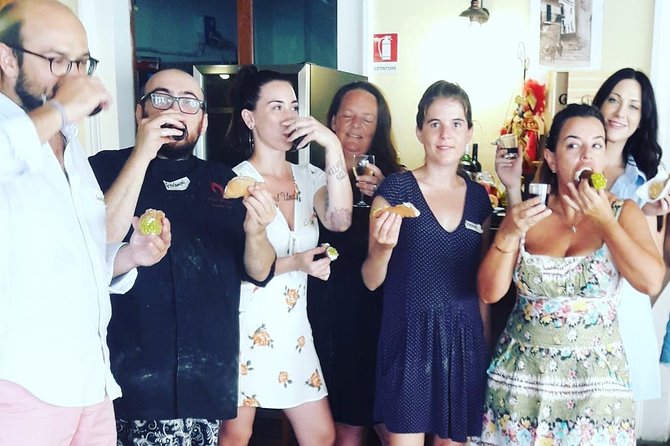
The class ends with cannoli tasting and a certificate. That certificate is small, but it adds a real sense of closure—especially if you’re the type who likes having proof you took a cooking class seriously.
Along with tasting, you should expect complimentary coffee, tea, and soft drinks. A lot of people also mention alcohol at the end—white wine, red wine, and even lemoncello—so you might find a little celebratory vibe in the final minutes. Either way, plan for the fact that you’ll leave satisfied.
One more value point: people mention getting recipes after the class (sometimes via email). That matters because the real benefit of cooking classes is not just the experience—it’s bringing the know-how home without rebuilding everything from memory.
One word of caution: several people say the class produces a lot of cannoli. If you have a dinner reservation right afterward, you may be too full—or you may want to plan a lighter evening. If you’re traveling with a group, this is also prime for sharing.

Price and value: what $78.64 buys you in real life
At $78.64 per person, this isn’t the cheapest activity in Taormina. But it is priced like a hands-on food workshop, and that’s what you’re buying: labor, technique, and time, plus a meal-like finale.
Here’s where the value shows up:
- You make the dough and shells with guidance, instead of receiving a finished item
- You learn filling technique—texture and balancing, not just assembly
- The class is short (about 1.5 hours), which keeps it from eating your sightseeing day
- You get extras: coffee/tea/soft drinks and a certificate, with many sessions adding wine or limoncello
Also, with English offered and a maximum group size of 40, you should expect a well-run session rather than a free-for-all. The rating is strong—4.9 with 139 reviews, and 99% recommendation mentioned in the stats—so on average, this looks like it hits the mark for value.
One small logistical reality: it’s commonly booked about 28 days in advance. That’s a sign it fills up. If Taormina is your base during a specific window, book early so you can pick the session time that fits your plan.
Who should book this cannoli class (and who might not)
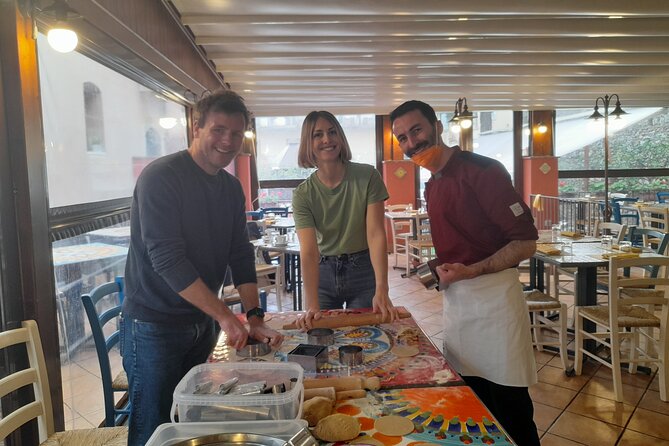
This class fits best if you want something practical, social, and delicious without requiring serious cooking skills. It’s a solid pick for families, because children and teens can participate in tasks that aren’t overly technical, and the class format keeps everyone involved. It also works well for couples who want a shared activity that feels Italian and interactive rather than another walking tour.
It’s especially good if you care about learning technique. You’ll practice the steps that most home cooks skip: proper dough handling, shell sealing, and filling methods that affect final texture and taste.
If you strongly prefer to watch rather than participate, you might find a cooking class format a bit too hands-on. But based on how the experience is described, the whole point is active involvement, not observation.
Final call: should you book the Cannoli Cooking Class in Taormina?
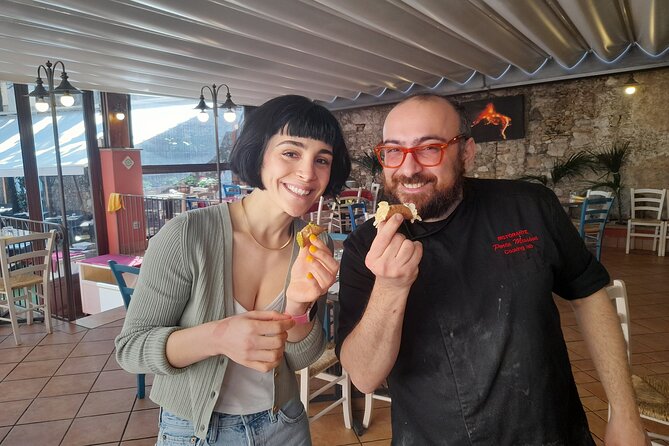
I’d book it if you want a high-satisfaction morning activity that’s hands-on, taught in English, and ends with a satisfying cannoli tasting (plus coffee/tea and likely something stronger). The restaurant setting at Porta Messina makes it feel like you’re learning from people who actually make cannoli, not just hosting a one-time demo.
Hold off only if you hate cooking tasks, or if you’re very tight on dinner timing right after the class. Also, since there’s at least one report of a no-show, I’d treat it like any important reservation: confirm details close to start time and arrive with a little extra buffer to find the meeting point.
If you’re in Taormina and you want one authentic, practical food memory, this is one of the easiest yes-calls on your list.
FAQ
Where do I meet for the cannoli cooking class in Taormina?
The meeting point is Porta Messina Restaurant Cooking Class at Largo giove serapide, 4, 98039 Taormina ME, Italy.
What time does the class start, and how long is it?
The class starts at 10:00 am and lasts about 1 hour 30 minutes (approx.).
Is the class offered in English?
Yes. The tour/activity is offered in English.
What will I make during the class?
You’ll learn the main steps: making cannoli dough, making cream and ricotta cheese, frying cannolis, and then eating the cannolis.
Do you include coffee, tea, or soft drinks?
Yes. The class includes complimentary coffee, tea, and soft drinks.
Do I receive anything at the end besides tasting?
Yes. You finish with cannoli tasting and you receive a certificate.
How large is the group?
This activity has a maximum of 40 travelers.
What’s the cancellation policy?
Cancellation is free. You can cancel up to 24 hours in advance of the experience for a full refund, based on local time.