REVIEW · SICILY
Palermo: Pasta and Tiramisu Small Group Cooking Class with Wine
Book on Viator →Operated by The Roman Food Tour - Food Tour Rome · Bookable on Viator
Three hours, and your dinner is solved. In Palermo, this small-group cooking class turns fresh pasta and tiramisu into a hands-on plan, with a Prosecco welcome and an end-of-class meal that you actually get to eat.
I especially like how it’s structured: you learn the basics of pasta dough step by step, then you switch gears to tiramisu with clear guidance. And I like the social side too—this is capped at 12 travelers, so you’re not stuck watching from across the room.
One more thing I like: it’s offered in English, so you can focus on technique and flavor instead of translating. The main thing to consider is food limits: it’s not recommended for vegans, and it’s also flagged for egg allergy, lactose intolerance, and gluten intolerance/allergy.
In This Review
- Key things to know before you go
- Prosecco Welcome, Then Back-Of-House at a Working Palermo Spot
- Fresh Pasta From Dough to Sauce: What You’ll Actually Learn
- Tiramisu Training That’s Easier Than It Looks
- The End Meal: Wine Pairing and Sitting Down Together
- Price and Logistics: Is $83.48 Worth It?
- Who This Class Suits (and Who Should Think Twice)
- Should You Book This Palermo Pasta and Tiramisu Class?
- FAQ
- What dishes will I make in this class?
- Is the class offered in English?
- How long is the cooking class?
- Will wine be included?
- Is this class suitable for dietary restrictions or allergies?
- What is the cancellation policy?
Key things to know before you go
- Max group size of 12 means more hands-on time and less standing around
- Prosecco at the start plus complimentary wine and soda during the meal
- You’ll learn the difference between pasta fresca and pasta secca
- The class includes both fresh pasta and tiramisu, with lunch or dinner at the end
- The instruction is in English, with step-by-step coaching in the kitchen
- Traditional recipe focus for allergens means cross contamination can’t be fully ruled out
Prosecco Welcome, Then Back-Of-House at a Working Palermo Spot
This experience starts where you can find it easily and get oriented fast: you meet at Carlo VPiazza Bologni, 22, 90100 Palermo, then step inside for a welcome glass of Prosecco. That first sip matters more than it sounds—within minutes you’ll be in a real restaurant flow, not a demo setup.
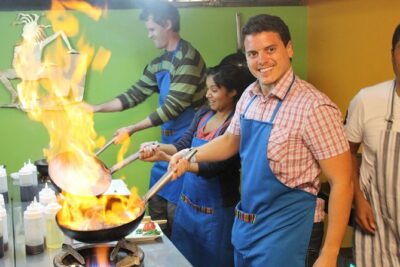
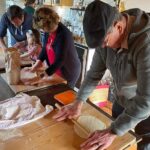
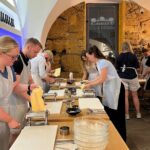
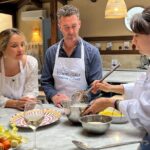
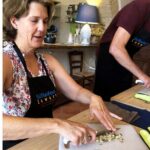
From there, you’ll go behind the scenes to see how an authentic Italian restaurant actually runs. I like this approach because it frames the whole evening: pasta and dessert aren’t “performances,” they’re part of a working kitchen routine. You’ll be shown the space, then invited into the kitchen where you’ll tie on an apron and move to your workstation.
You’re also not dealing with language friction. With the class in English, the instructor can explain technique clearly—how to handle dough, what flour choices change, and what you’re aiming for visually as you work.
A practical note: the experience is about 3 hours total, so you should show up ready to cook. This isn’t the kind of class where you have time to wander or second-guess; you’ll jump right in.
You can also read our reviews of more tours and experiences in Sicily.
Fresh Pasta From Dough to Sauce: What You’ll Actually Learn
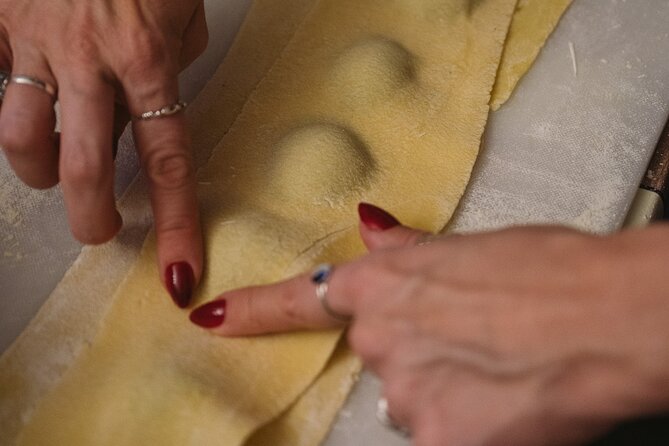
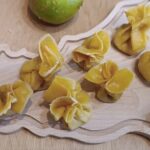
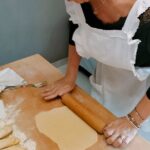
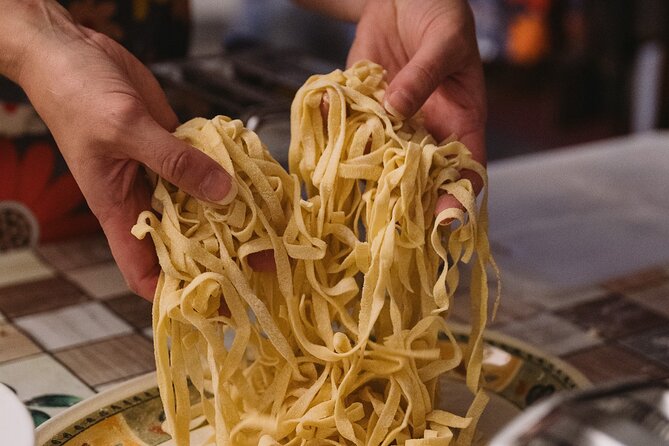
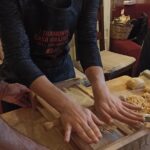
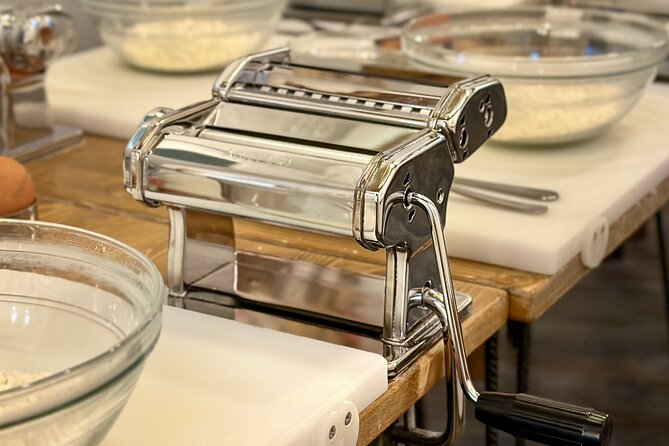
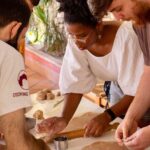
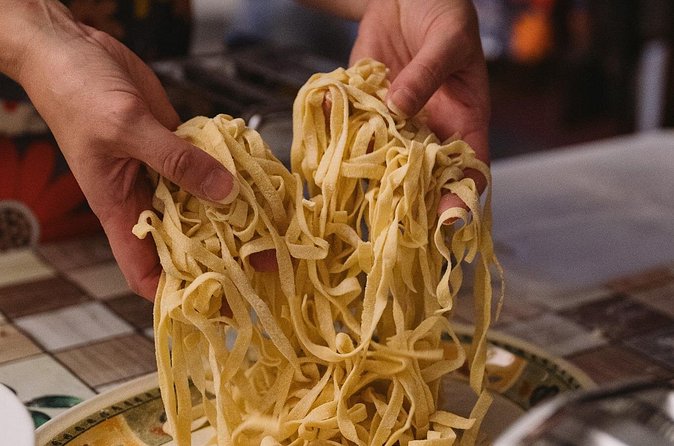
Once you’re set up in the kitchen, the lesson zeroes in on the region’s most famous pasta style—fresh pasta—and the technique that makes it work. You’ll get step-by-step guidance on preparing pasta dough, including which flour to use and what that choice affects in texture and stretch.
One of the most useful parts is how they explain the difference between pasta fresca and pasta secca. Even if you’ve eaten both kinds, this is where it becomes practical. Fresh pasta is about working with dough that’s meant to be cooked sooner, while dried pasta (secca) is built for shelf-life and a different texture outcome. Knowing that helps you recreate results later, not just remember a recipe.
Depending on the group flow, you’ll make fresh pasta you can recognize when it lands on a plate. The sample menu includes:
- Fettuccine with tomato sauce
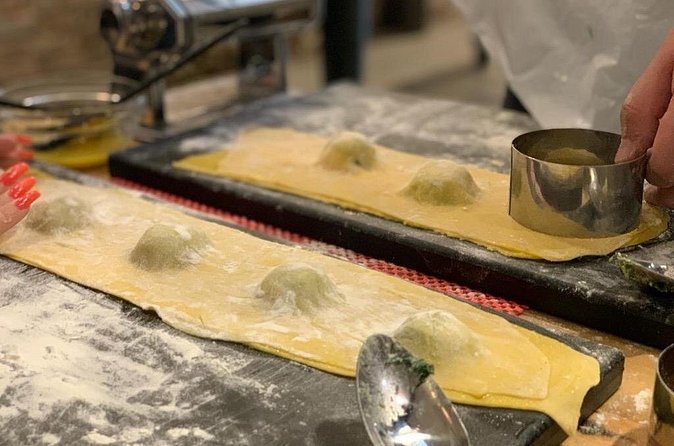
- A ravioli option with ricotta and spinach, finished with butter and sage
- And you may also work with another pasta shape, like tallietelle, based on how the class is set up
After pasta is ready, you’ll learn how to pair it properly—so the sauce isn’t an afterthought. The goal is that your final plate makes sense as a Sicilian-Italian meal, not just a pile of pasta shapes.
Why this matters for value: lots of cooking classes stop at “make a dough ball.” Here, you’re guided through the full arc from dough to the end dish. And because the group is limited to 12, you’re more likely to get direct help if your dough feels too sticky or not pliable enough.
Also, the sample meal includes wine with the pasta pairing options—prosecco, red wine, white wine—plus non-alcoholic beverages. That’s a nice touch because it keeps the class from feeling like a dry cooking lesson.
Tiramisu Training That’s Easier Than It Looks
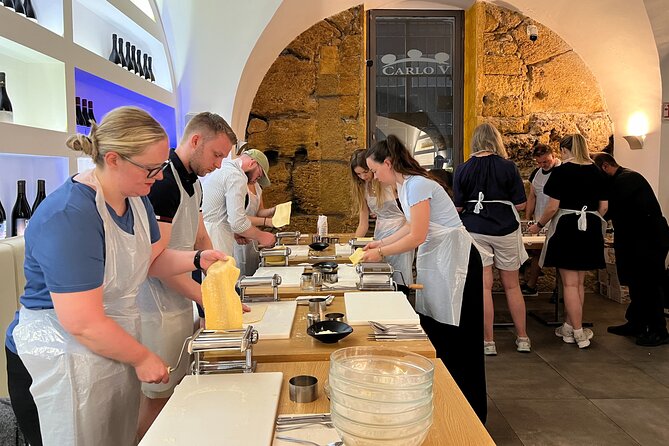
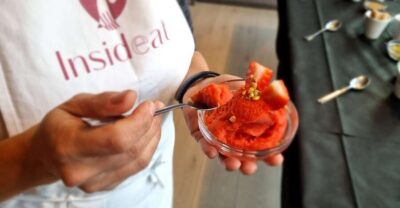
Then comes the dessert work: tiramisu. The class doesn’t treat tiramisu like a trick or a test. You’ll get instructions that break it into manageable steps so you can focus on the texture and layering, not just timing.
This is exactly where the pacing matters. You’ll make tiramisu first, then move to pasta (based on how the class is run). That order works well: tiramisu steps can feel calm and rhythmic, while fresh pasta demands attention to dough handling and shaping.
What I appreciate here is the “kitchen-ready” angle. Instead of vague tips, you get guidance tied to what you can see and feel as you work—how the cream should behave and how to build the layers so the finished dessert holds up when it’s served.
And since this is a small group, you’re not stuck waiting for someone else to finish. You’re actively cooking alongside others, which helps the whole class feel more like a shared evening than a school assignment.
The End Meal: Wine Pairing and Sitting Down Together
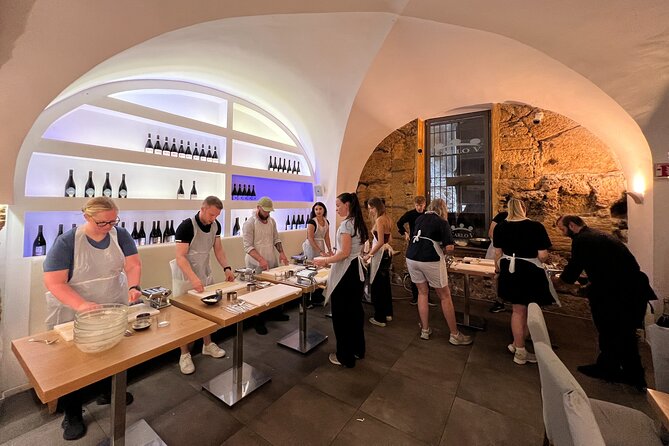
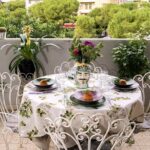
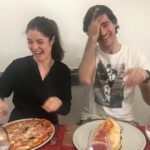
After cooking, you’ll sit down together for lunch or dinner, depending on the schedule. In practice, many classes like this would send you out to eat somewhere nearby. Here, you typically return to where you met and get served what you made while sipping wine.
Wine is part of the experience in a straightforward way:
- You start with Prosecco
- You then have complimentary wine and soda as you eat
- You’ll be served a glass of wine that pairs well with your meal
This is also where the class feels most rewarding. You’re not just learning technique; you’re tasting it immediately with the people you cooked with. And if you’re the type who likes to talk through what you did right (or what you’d do differently next time), this is the easy moment to do it.
One small detail that adds comfort: the group setting makes it easy to meet people. The class size cap means you can actually have conversations without shouting over a crowd.
Price and Logistics: Is $83.48 Worth It?
At $83.48 per person for about 3 hours, this lands in the mid-range category for cooking classes in a major travel city—but the value depends on what you want.
Here’s the value logic I use:
- You’re getting hands-on instruction for both fresh pasta and tiramisu, not just one dish.
- You’re getting a shared meal that includes wine and soda (and a Prosecco welcome).
- You’re capped at 12 travelers, which usually means better attention and fewer bottlenecks in the kitchen.
- You’ll also get recipes to take home, so you can repeat at your own pace later.
If your goal is a quick tasting with minimal cooking, you might find cheaper options. But if your goal is to leave Palermo with a real skill set—pasta dough basics plus a plated tiramisu method—this price makes more sense.
Timing-wise, it’s popular, with bookings averaging about 20 days in advance. If you’re traveling during a busy season, you’ll feel that popularity. I’d book early so you’re not trying to plug the class into a tight schedule at the last minute.
And yes, it uses a mobile ticket approach, with confirmation at booking, which keeps things simple when you’re moving around Palermo.
Who This Class Suits (and Who Should Think Twice)
This is a great fit if you want a fun evening with food focus and light social energy. I’d especially recommend it if:
- You want an English-speaking class without language stress
- You enjoy hands-on cooking more than watching
- You’d like your meal to be both educational and genuinely delicious
- You’re traveling solo and want a structured way to meet people
It’s also a solid choice if you care about authenticity. This class is built around a traditional technique approach and a realistic restaurant workflow, so it feels tied to Palermo rather than generic Italian food showmanship.
But there are clear flags:
- Not recommended for people with egg allergy
- Not recommended for vegans
- Not recommended for lactose intolerants
- Not recommended for gluten intolerants/allergic
They do offer substitutes for allergies or preferences, but the instructions always focus on the traditional recipe, and cross contamination can’t be guaranteed. If you have a serious allergy concern, don’t treat this as a safe bet. Instead, ask directly and only book if the provider can meet your needs with enough clarity for you.
Should You Book This Palermo Pasta and Tiramisu Class?
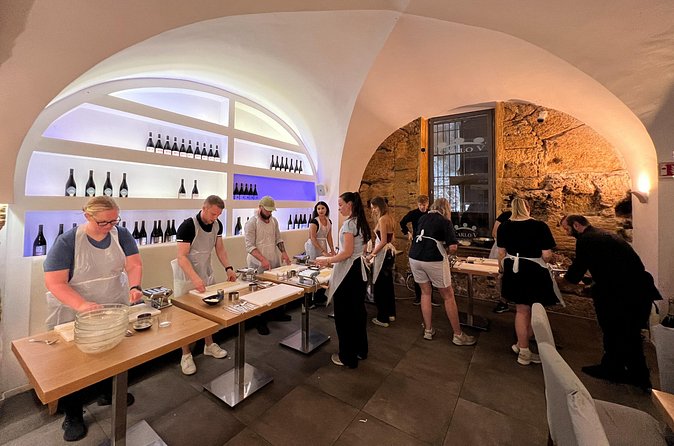
I’d book it if you want a small-group cooking class that actually feeds you what you make, with wine included and instruction you can follow in English. The combination of fresh pasta dough training, tiramisu technique, and then a shared plated meal is a strong payoff for 83.48—especially if you like learning by doing.
Skip it (or ask tough questions first) if your dietary needs rule out eggs, dairy, or gluten, since the traditional recipe focus and cross contamination limits are part of how the class runs.
If you’re in Palermo for a few days and you want one evening that gives you both a memory and a repeatable skill, this is the kind of plan that tends to land perfectly.
FAQ
What dishes will I make in this class?
You’ll make fresh pasta (with options like fettuccine with tomato sauce and ravioli with ricotta and spinach, plus sage and butter) and you’ll also make tiramisu.
Is the class offered in English?
Yes. The class is offered in English.
How long is the cooking class?
It runs for about 3 hours.
Will wine be included?
Yes. You receive a welcome glass of Prosecco, and during the meal there are complimentary wine and soda options.
Is this class suitable for dietary restrictions or allergies?
It’s not recommended for egg allergy, vegans, lactose intolerants, or gluten intolerants/allergic. The provider offers substitutes for allergies or preferences, but the instructions still focus on the traditional recipe and cross contamination cannot be guaranteed.
What is the cancellation policy?
You can cancel for a full refund up to 24 hours before the experience starts.