REVIEW · SINGAPORE
Experience Singapore: Cultural Cooking Class
Book on Viator →Operated by Food Playground · Bookable on Viator
Your apron beats another food tour. In a small group at Food Playground (24A Sago St), you’ll learn to recreate Singapore favorites like laksa and Hainanese chicken rice, with local instructors who explain how the dishes connect to everyday Singaporean culture.
I like the fact that it’s hands-on: you prep, cook, and then sit down to eat what you made, instead of just watching someone else work. I also love the practical extras people rave about, like the food quiz at the start and getting recipes (plus photos) afterward, so you can actually repeat the meals at home with less guesswork.
One possible downside to plan for: the class can start with a chunk of explanation and history before the cooking ramps up. If you’re the type who wants immediate action, that early timing might feel a touch slow for you.
In This Review
- Key Highlights You’ll Actually Feel
- Why A Chinatown Cooking Class Works So Well in Singapore
- What You’ll Cook: Laksa, Chicken Satay, Hainanese Chicken Rice and More
- Inside Food Playground: The Setup, Tools, and Why It Matters
- The 3-Hour Flow: From Food Quiz to Lunch You Actually Make
- Price and Value: What $96.97 Includes (and What You Should Compare)
- Who Should Book This (and Who Might Want a Different Style)
- Tips to Make Your Morning Go Smoothly
- Should You Book This Singapore Cultural Cooking Class?
- FAQ
- How long is the Singapore Cultural Cooking Class?
- Where is the meeting point?
- What time does the class start?
- What’s included in the price?
- What is not included?
- How many people are in the class?
- What dishes will we cook?
- What are the age and dietary requirements?
- Is free cancellation available?
Key Highlights You’ll Actually Feel
- Small group size (max 12) means you’re not stuck in the back.
- Three dishes in about 3 hours keeps it focused and doable on a vacation schedule.
- Real Singapore flavors like laksa, chicken satay, and Hainanese chicken rice get taught step-by-step.
- A food quiz at the beginning makes the session feel lively, not like a lecture.
- Recipes and photos afterward help you recreate the dishes later.
- Heritage shop-house location near Chinatown makes it easy to add a walk before or after.
Why A Chinatown Cooking Class Works So Well in Singapore
Singapore is one of those food cities where it’s easy to fall into a routine: you eat, you move on, you forget how it was made. This class is built to break that loop. You don’t just taste Singapore. You learn the mechanics: the prep, the seasoning choices, and the timing that makes the dish land the way it should.
The setting helps too. The class runs in a heritage shop-house area near Chinatown, and it’s the kind of neighborhood where you can tack on quick sightseeing without a long commute. Since you’re meeting at 24A Sago St and ending back at the same point, you don’t need to build your whole day around complicated logistics.
And because the group is capped at 12, you usually get more attention at the stove. That matters a lot when you’re learning spice levels, how long to simmer, or how to handle a component like noodles or sauce. It’s also easier to ask questions when the room isn’t overflowing.
You can also read our reviews of more tours and experiences in Singapore.
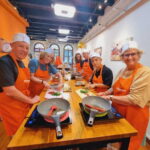
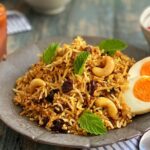
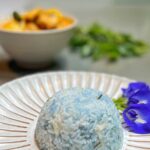
What You’ll Cook: Laksa, Chicken Satay, Hainanese Chicken Rice and More
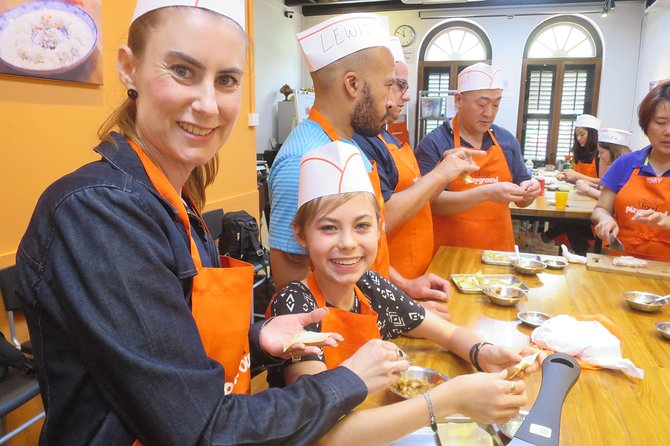
The class is designed around making three dishes in a single morning session. The exact menu can vary (the provider notes that class menu, ingredients, and instructions are subject to change), but you can expect Singapore standards and flavor techniques that translate well at home.
Here are dish examples that show up in the program description and in the learning outcomes people mention:
- Laksa (a noodle soup built on layered spice and broth flavors)
- Hainanese chicken rice (a classic built on careful chicken cooking and the right accompaniments)
- Chicken satay (often tied to a specific marinade and grill-style seasoning approach)
- Curry chicken (including the kind of spice work people remember after)
- Ondeh Ondeh (a dessert example mentioned in class write-ups)
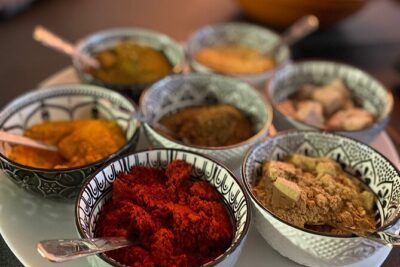
A cool detail: some sessions include learning more than just assembly. In at least one experience, people specifically highlight making curry paste from scratch, which is where the flavor foundation really happens. That’s valuable because once you understand the base, you can adapt it later to new dishes.
Also pay attention to the cultural framing. Singapore food isn’t one single origin story. It reflects influences from Malay, Chinese, Indian, and British cooking traditions. In this class, that shows up as the why behind certain flavor combinations, and it helps you stop thinking of Singapore dishes as random lists of ingredients.
Inside Food Playground: The Setup, Tools, and Why It Matters
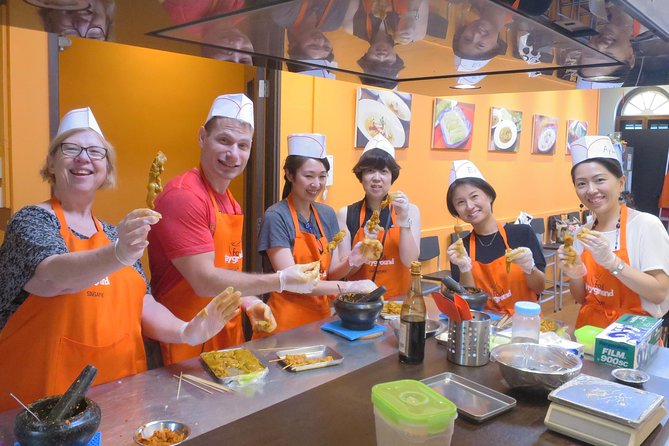
You meet at Food Playground on Sago Street, and the class is organized to keep you moving. You’ll put on an apron and get to work with instructors who guide you through prep and cooking in sequence. The materials are provided, since the package includes all equipment and ingredients.
Why that matters: when you’re learning something new, the biggest stress isn’t the recipe. It’s missing the right tools or not having the exact ingredients. This class removes that friction. You can focus on technique and on what the dish looks like as it cooks.
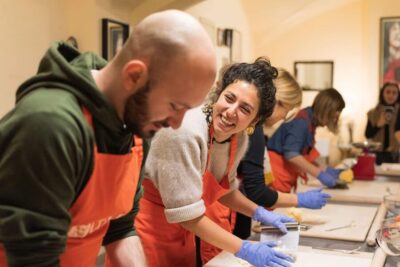
The format also tends to keep everyone involved. Many cooking classes split into a quick demonstration and then hands-off stations. This one stays interactive: there’s a group walkthrough first, then people reproduce the steps with guidance. In small groups, you’re more likely to get direct help when something is simmering too fast or when you’re unsure how a paste should smell after seasoning.
One more plus is the language support. The class includes local English-speaking instructors, which makes a big difference when you’re asking follow-up questions about spice level, texture, or timing.
And yes, the building context feels like part of the experience. People talk about the course being in a heritage shop-house and mention sights nearby such as a Pagoda temple and an upstairs roof garden/museum option. Even if you don’t plan a full add-on, that location gives you a sense of place, not just a kitchen room.
The 3-Hour Flow: From Food Quiz to Lunch You Actually Make
This is about three hours, starting at 9:30 am. The schedule is simple, but it’s built for learning rather than just eating.
Here’s the arc you can expect:
- Arrive and get oriented
You’ll begin with a fun start like a food quiz. It sounds small, but it works. It gets your brain switched on and helps you pay attention to what makes each dish Singaporean.
- Step-by-step cooking instruction
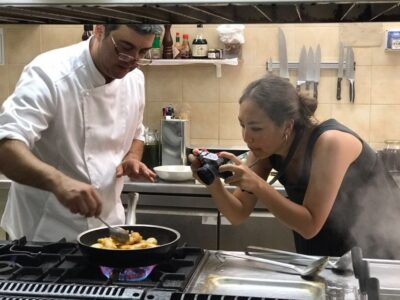
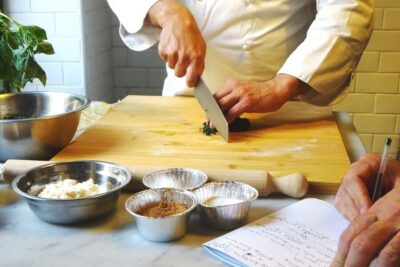
Instructors walk you through prep and cooking for three dishes, with guidance on the key steps. Aromas of spices and seasonings fill the room quickly, and the lesson style is meant to be understandable for both cooking beginners and more advanced cooks.
- Hands-on cooking time
You participate in the actual making. Some sessions use a paired setup at cooking stations, so it can feel social without losing the focus.
- Eat what you made (lunch)
Once cooking is done, you sit down for your meal in a relaxed, informal atmosphere. Lunch includes water, coffee, and tea, so you’re not scrambling to find a meal afterward.
Important consideration for timing: a few people note the early part can run longer than they hoped before the cooking starts. It doesn’t mean the class is ineffective. It just means if you’re hungry for action, manage expectations and treat the opening as your flavor primer.
Price and Value: What $96.97 Includes (and What You Should Compare)
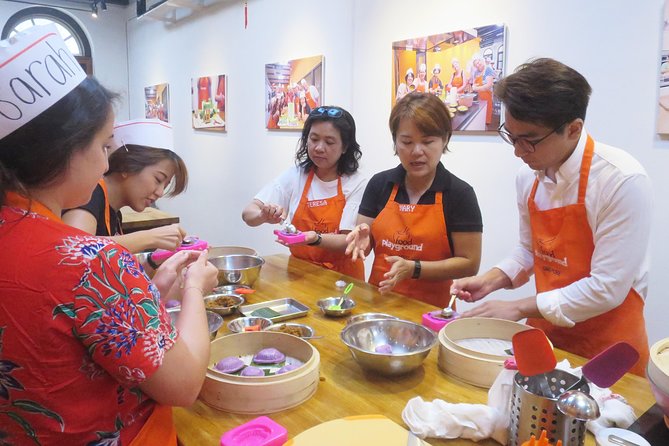
At $96.97 per person, the price lands in the middle tier for Singapore food activities. The value isn’t just the cooking part. It’s what’s included and how the class is structured.
What you get:
- All equipment and ingredients
- Lunch plus water, coffee, and tea
- Local English-speaking instructors
- A small group limit (maximum 12)
What you don’t get:
- Hotel pickup and drop-off
Here’s the practical way to judge value. If you were to replicate this yourself at home, you’d have to source ingredients, figure out technique, and still hope your kitchen has the right setup. This class handles ingredient access and technique guidance in one go, then feeds you with the results.
Also, the take-home part matters. People mention that recipes and photos are shared afterward. That’s not just a nice souvenir. It’s what turns a single meal into repeatable skills, so you get more than a one-time experience.
If you’re comparing to street food sampling, remember: street food gives you variety and local energy. This class gives you process. If you’re the type who likes to understand how flavors are built, the cost starts to look more reasonable.
Who Should Book This (and Who Might Want a Different Style)
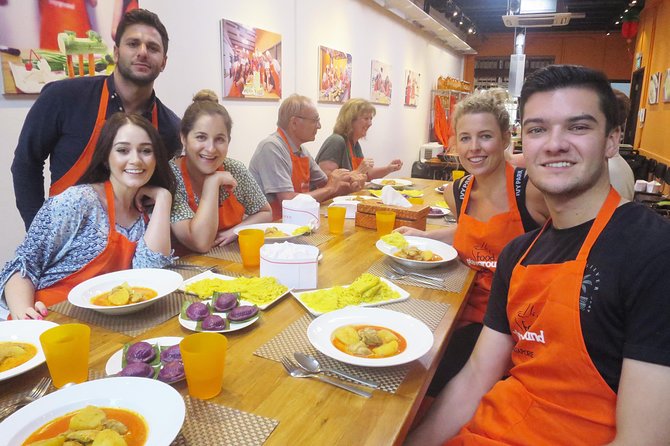
This class is a strong fit if you:
- Want to learn specific Singapore dishes, not just eat them
- Like hands-on cooking with step-by-step guidance
- Appreciate the cultural context (influence from Malay, Chinese, Indian, and British traditions)
- Prefer small groups that make it easier to ask questions
It’s also family-friendly in a practical way. The minimum age is 7, which makes it one of the more straightforward options if you’re traveling with a child who genuinely enjoys cooking.
You might want to consider a different format if:
- You get restless during long introductions
- You expect a purely fast-paced cooking session from minute one
- You need hotel pickup (this one does not include it)
Also, because the menu can change, don’t book it expecting one exact dish every time. The consistent promise is three dishes taught with Singapore technique and culture, not a fixed lineup locked in forever.
Tips to Make Your Morning Go Smoothly
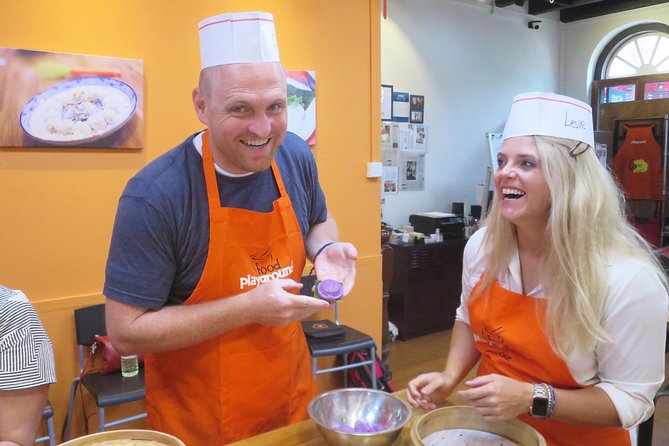
If you want the best experience, do a few simple things before you even arrive:
- Arrive hungry but not rushed. You’re cooking for lunch, so a calm start helps you taste and learn.
- Bring questions early. If you’re curious about spice level, texture, or substitutions, ask while the instructor is still setting up the steps.
- Take notes on the parts you’ll forget. The ingredient list is the easiest part. The timing and the look/smell cues are what you’ll want later.
- Plan your day around ending back at the meeting point. Because you don’t have pickup or drop-off, build in time to walk or use nearby transport afterward.
If you’re in Chinatown already, this class is easy to pair with a short cultural walk. People mention the Pagoda temple and the surrounding area as fun to explore after you’ve had your meal and your appetite for browsing is back.
Should You Book This Singapore Cultural Cooking Class?
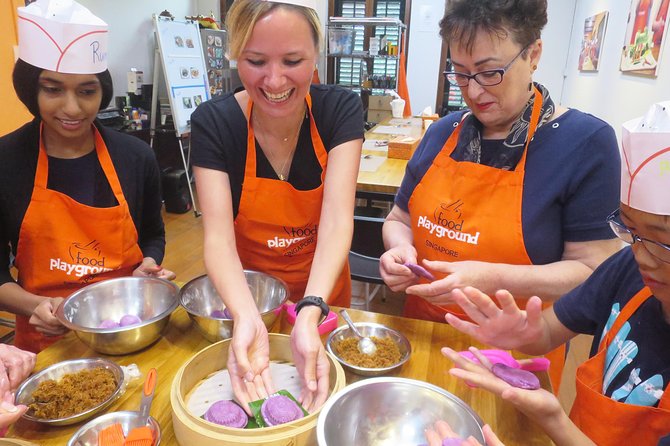
Yes, if you want a practical Singapore food lesson that goes beyond eating. For most people, the winning combo is hands-on cooking, three dishes in about 3 hours, and the fact that you leave with recipes and photos you can use later. The small group size also makes the experience feel less like a show and more like real instruction.
Book it especially if you’re fascinated by how Singaporean dishes blend influences and you want to understand the process behind flavors like laksa and Hainanese chicken rice. Just go in knowing that the start may include some explanation before the cooking gets going, and you’ll be happy with the pacing.
If you want, tell me your food interests (spicy noodles, chicken dishes, desserts, curries). I’ll suggest the best way to approach this class so you’re more likely to enjoy what you end up cooking.
FAQ
How long is the Singapore Cultural Cooking Class?
The class runs for about 3 hours.
Where is the meeting point?
You meet at 24A Sago St, Singapore 059020, and the activity ends back at the same meeting point.
What time does the class start?
The start time is 9:30 am.
What’s included in the price?
The price includes all equipment and ingredients, lunch with water, coffee and tea, and local English-speaking instructors.
What is not included?
Hotel pickup and drop-off are not included.
How many people are in the class?
The class operates with a minimum of 2 people and a maximum of 12.
What dishes will we cook?
You will cook three dishes during the step-by-step lesson. Examples mentioned include chicken satay and laksa, and the menu can change.
What are the age and dietary requirements?
The minimum age is 7 years. If you have dietary requirements, you should advise them at the time of booking.
Is free cancellation available?
Yes. You can cancel up to 24 hours in advance for a full refund.