REVIEW · LOMBOK
Anggrek Putih Lombok Cooking Class
Book on Viator →Operated by Anggrek Putih Homestay and Cooking Class · Bookable on Viator
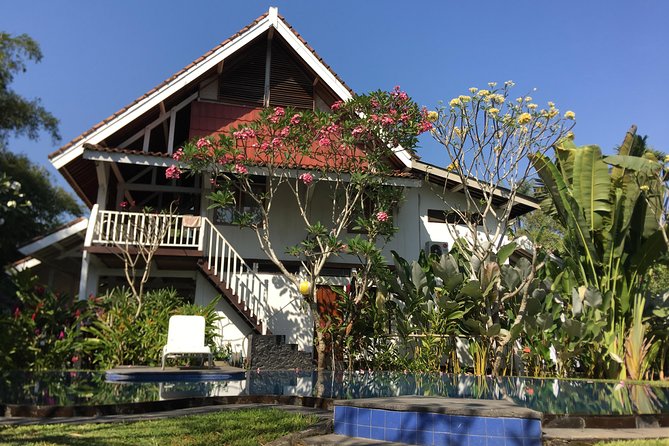
Food lessons start with dirty hands. This Lombok cooking class pairs a stroll through a vegetable garden with hands-on cooking, so the meal doesn’t feel random or packaged. I like how it starts at the Anggrek Putih guest house with a proper welcome, then sends you to their Little Eden area to get involved right away.
After that greeting and registration (plus a free welcome drink), the best part is the garden walk and seed-planting. I enjoy doing something physical first—planting seeds—so you understand what you’ll be cooking later instead of just being handed ingredients.
One catch: you’ll want good weather, since part of the activity happens outdoors in the garden. If weather ruins it, you’ll either get a different date or a full refund, but if you cancel yourself, it’s non-refundable and can’t be changed.
In This Review
- Key things you’ll remember from Anggrek Putih’s Cooking Class
- Getting to the class: pickup, timing, and how the day flows
- Little Eden vegetable garden: seeds, photos, and why it matters
- Cooking for real: small group hands-on time and traditional tools
- What you’ll eat: banana-leaf fish, curry, and vegetarian options
- Lunch, chit chat, and the small-group social side
- Price and value: is $30 per person a good deal?
- Weather, flexibility, and what to plan around
- Who should book this cooking class (and who should think twice)
- Should you book Anggrek Putih’s Lombok Cooking Class?
- FAQ
- What time does Anggrek Putih’s cooking class start?
- How long is the cooking class?
- Is hotel pickup included?
- What dishes will I eat?
- How large is the group?
- What happens if the weather is bad or I need to cancel?
Key things you’ll remember from Anggrek Putih’s Cooking Class
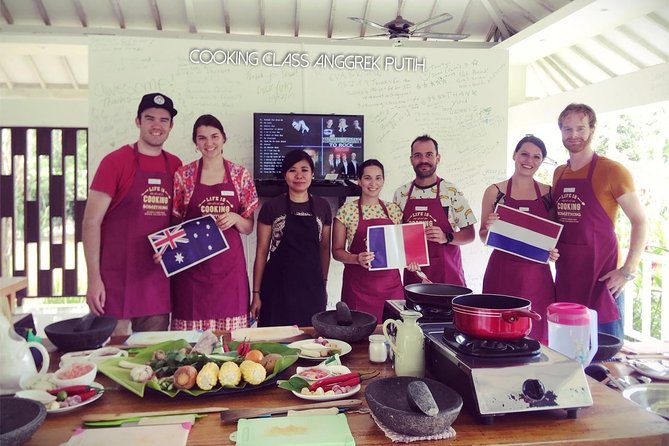
- Little Eden garden time: walk the vegetable garden and plant seeds during the session
- Tiny group format: capped at 10 for a more personal class (up to 12 max)
- Traditional tools in action: you’ll use stone pestle and mortar techniques while cooking
- Signature Lombok dishes: expect banana-leaf fish and curry on the table
- Vegetarian options included: you can eat well without forcing plain “side food”
- Photo session + lunch together: you’ll share the meal and time for chit chat at the end
Getting to the class: pickup, timing, and how the day flows
This is a half-day activity designed around a relaxed morning start. The class begins at 10:30 am, and you meet the group right after arrival at the guest house for a meet-and-greet. There’s a simple registration step, and you get a free welcome drink before you head out to the garden portion.
What I like about this setup is that it reduces the usual stress of figuring things out. You’re not hunting for a start point mid-day. If you’re staying in Mataram or Senggigi, pickup is offered from those areas, so you can focus on the experience instead of transit logistics.
You’ll also get a mobile ticket, which helps if you’re traveling light or don’t want to keep track of paper. The whole experience runs about 3 hours (approx.), so it fits neatly into a day when you still want time for beaches, waterfalls, or just wandering.
Quick reality check: confirmations happen within 48 hours of booking, based on availability. So if you’re traveling on tight timing, give yourself a little cushion.
Little Eden vegetable garden: seeds, photos, and why it matters
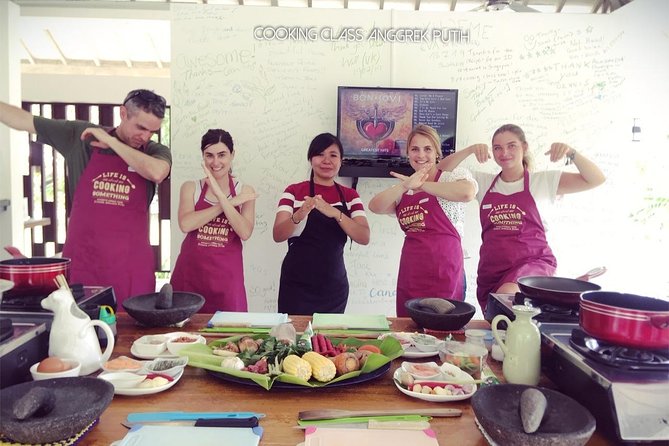
The class doesn’t start at a stove. It starts in their vegetable garden, in an area they call Little Eden. This part is more than a scenic warm-up. You walk through the garden first, then you plant seeds for every member.
That seed-planting is the “why” behind the whole day. When you later cook with ingredients that came from a nearby garden, it makes the flavors feel connected. You’re not just learning recipes; you’re learning how food moves from plant to plate.
You’ll also have a photo session during this section. It’s not just about cute pictures. Having everyone take photos here also helps you remember the garden moment—especially if you’re planning your trip as a mix of food stops across Indonesia.
One thing to keep in mind: since this portion is outdoor-based, good weather matters. The operator specifically notes the activity requires it. If weather gets rough, you may be offered another date or a full refund, so you shouldn’t book this as your only option on a day with strict plans.
Cooking for real: small group hands-on time and traditional tools
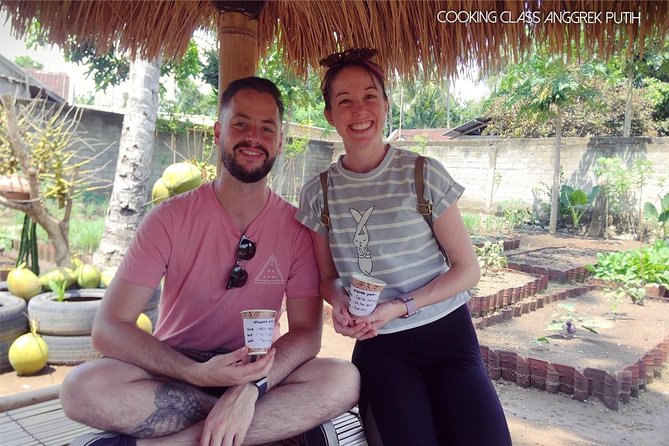
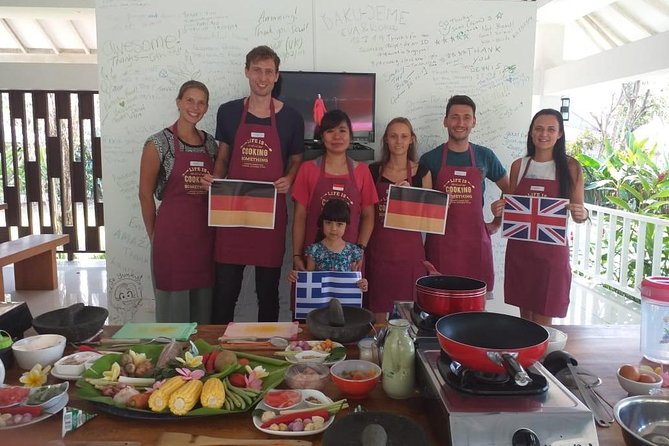
After the garden portion, you move into the cooking time with a small group. The class is intentionally limited—up to 10 people for a personalized experience, with a maximum of 12 people per session. That size difference matters. In bigger cooking classes, you often watch more than you do. Here, the format is built to keep you active.
You’ll cook using traditional tools like a stone pestle and mortar. That’s not just a gimmick. Working with stone tools changes the rhythm of cooking. You feel the texture as you grind and mix, and you’re more likely to notice the difference between a quick chop and a properly crushed spice blend.
The class is designed around exploring Indonesian regional cuisines in Lombok, and it doesn’t stop at one style. You’ll learn preparation methods for dishes tied to Lombok, Java, and beyond. Even if you’ve eaten Indonesian food before, this structure tends to help you understand patterns—how spices, sour notes, and aromatics work together—so you can recreate the flavors later.
You’ll also sit down to cook and learn, not just collect “tips.” The final meal is part of the lesson, and that makes it easier to remember what you did and why.
What you’ll eat: banana-leaf fish, curry, and vegetarian options
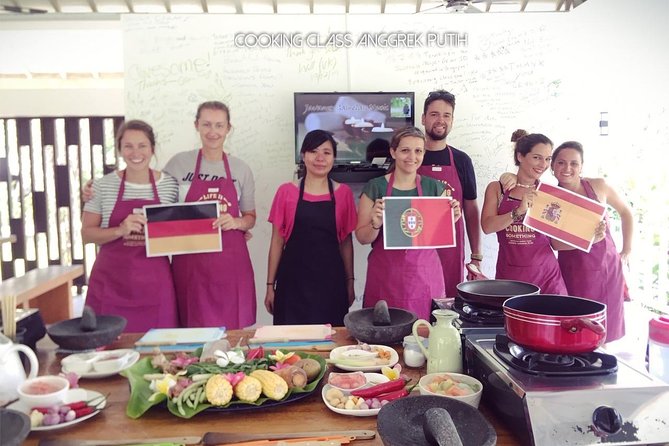
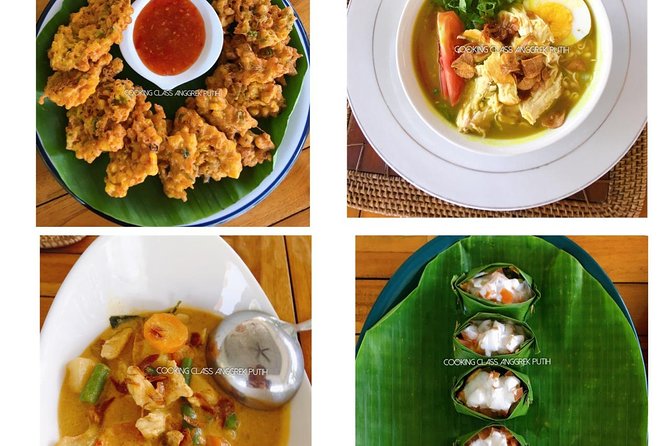
The class culminates in a lunch feast made from what you prepare. Expect dishes like banana-leaf fish and curry. These are the kinds of Indonesian flavors that give you both aroma and comfort—banana-leaf cooking adds fragrance, while curry brings depth.
What’s especially useful for planning your own meals later is that you’re not just tasting. You’re learning the dish components through the cooking process, then eating the result while everything is fresh in your mind.
Vegetarian diners are specifically supported. One of the strongest highlights from the experience is that vegetarian options are accommodated, and there’s mention of handling allergies as well. That doesn’t mean every allergy is automatically covered without discussion, but it does tell me the operator takes dietary needs seriously.
If you have allergies, I’d treat this as a “tell them clearly” kind of situation. Bring your needs into the conversation early, so they can guide you toward the right options during the meal.
Lunch, chit chat, and the small-group social side
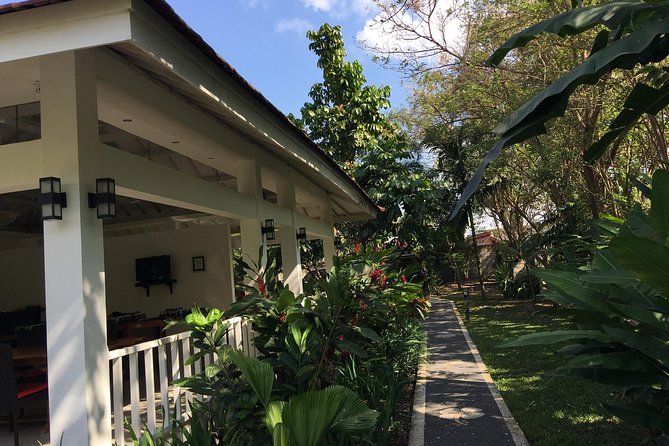
After cooking, you eat lunch and spend time chit chatting with the group. This isn’t a silent tasting where you’re expected to just nod and move on. The meal is structured as part of the experience, so you get a chance to talk about what you learned, what you liked, and what you’d want to recreate later.
That social time matters more than people think. In a small group capped around 10, you get a chance to ask practical questions. For example: which spice step felt most important, what texture they aimed for with the mortar, or how they balance the curry. When you leave with answers you can actually use, the cooking class becomes more than a fun afternoon.
Price and value: is $30 per person a good deal?
At $30 per person, this class is priced like a budget-friendly food activity, but it includes more than just a lecture. You’re getting:
- About 3 hours of guided activity
- A vegetable garden tour in Little Eden
- Seed-planting
- A cooking session using traditional tools
- A lunch feast
- Pickup offered from the Mataram and Senggigi areas (when applicable)
- A photo session
- Mobile ticket convenience
So the real question is whether you’re paying for a meal and experience, or paying for “watching.” With the small group cap, you’re more likely to do real work, and that tends to make the value feel fair for the price.
If you’re staying in Mataram or Senggigi, the pickup feature also adds value. Transportation costs and time add up in Lombok, and a class that wraps pickup into the experience saves you effort.
If you’re in Lombok and looking for something that feels hands-on without being expensive, this lands in the sweet spot.
Weather, flexibility, and what to plan around
This is the part you should plan for before you hit book. The operator states the experience requires good weather. If it’s canceled due to poor weather, you’ll be offered another date or a full refund.
But if you’re the one changing your mind, the experience is non-refundable and cannot be changed for any reason. That means you should avoid booking this on a day where you already expect delays or you might need to cancel last minute.
Also remember: start time is 10:30 am. If you’re coming from a far corner of Lombok or mixing it with a morning beach plan, build in buffer time so you don’t sprint to the guest house.
Who should book this cooking class (and who should think twice)
This class is a good fit if you:
- Want a small group cooking experience instead of a large tour crowd
- Love food that you can taste and then recreate later
- Care about learning practical cooking steps, not just hearing food facts
- Prefer a session with vegetarian options
- Like the idea of tying the meal to the garden and ingredient story
You might think twice if:
- Your schedule is fragile and you can’t risk a weather-based reschedule
- You’re trying to keep everything ultra spontaneous without a fixed morning slot
- You have strict allergy needs and you want extra reassurance beyond what’s stated (your best move is asking directly)
Overall, the class feels best for people who enjoy doing and eating, not just photographing.
Should you book Anggrek Putih’s Lombok Cooking Class?
I’d book it if you want a genuine food-focused morning in Lombok that’s built around real participation. The Little Eden garden walk and seed-planting give the day meaning, and the small group setup makes the cooking feel personal. Add in the fact that you end up eating dishes like banana-leaf fish and curry, with vegetarian options supported, and the value at $30 starts to make sense.
Just be smart about timing. Pick a morning where you’re not relying on perfect weather to keep other plans on track, and plan to arrive early at the guest house (or use pickup if you’re in Mataram/Senggigi). If you do that, this is the kind of half-day experience that leaves you with both full plates and useful cooking memories.
FAQ
What time does Anggrek Putih’s cooking class start?
The start time is 10:30 am.
How long is the cooking class?
It runs about 3 hours (approx.).
Is hotel pickup included?
Pickup is offered from Mataram and Senggigi areas.
What dishes will I eat?
The meal includes dishes such as banana-leaf fish and curry, with vegetarian options available.
How large is the group?
The experience is capped at 10 for a personalized experience, with a maximum of 12 people.
What happens if the weather is bad or I need to cancel?
The activity requires good weather. If it’s canceled due to poor weather, you’ll be offered a different date or a full refund. If you cancel, it’s non-refundable and cannot be changed.