REVIEW · ROME
Bruschetta, Fettuccine, Gnocchi, Tiramisu Cooking Class
Book on Viator →Operated by Local Aromas - Rome Food Tours · Bookable on Viator
A Rome cooking class shouldn’t feel like a classroom. This one plays like a relaxed villa dinner party with a surprise menu, step-by-step pasta work, and plenty of laughs in a small group. You’ll start with a Spritz and local snacks, then learn to make two pasta doughs from scratch, finish with a classic Roman dessert twist, and eat what you made with wine.
Two things I really like: the chef-led pace (you’re not rushed), and the fact that you get practical tips you can actually use back home. The one thing to consider is that this experience does not include hotel pickup/drop-off, so you’ll want to plan your way to the meeting point near public transportation.
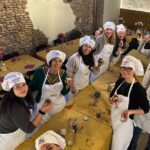
The setting is a big part of the value here. Classes run at a private villa in Trastevere, so you’re cooking and eating in a real Roman home base rather than a sterile kitchen. In the classes hosted by Christina and her daughter Valentina, the tone is warm and instructional, and people repeatedly mention the views and the overall hospitality—plus the food really is the focus, not just the performance.
The menu does include tiramisù as a common name people expect, but your dessert here is described as a Roman treat not tiramisù, so go in with a mystery mindset and you’ll enjoy it more.
In This Review
- Key Things to Know Before You Cook in Trastevere
- A Rome Cooking Class That Feels Like a Dinner Party
- The Meeting Point and the Trastevere Advantage
- Spritz and Local Snacks: The Easy Start That Sets the Tone
- Two Pasta Doughs From Scratch (Yes, You Really Do the Work)
- What you’ll practice (and remember later)
- Cacio e Pepe and a Surprise Sauce: Eating Your Results
- Why cacio e pepe matters in a pasta class
- The Roman Dessert That Isn’t Tiramisu
- The Villa Setting: Why Location Is Part of the Recipe
- Small Group Size Means More Hands-On Time
- Price and Value: What You’re Really Paying For
- Who Should Book This Cooking Class in Rome?
- Should You Book It? My Take
- FAQ
- What is the duration of the cooking class experience?
- Where do I meet, and where does the experience end?
- Is the class offered in English?
- What’s included in the price?
- Is hotel pickup or drop-off included?
- Can I get a refund if my plans change?
Key Things to Know Before You Cook in Trastevere
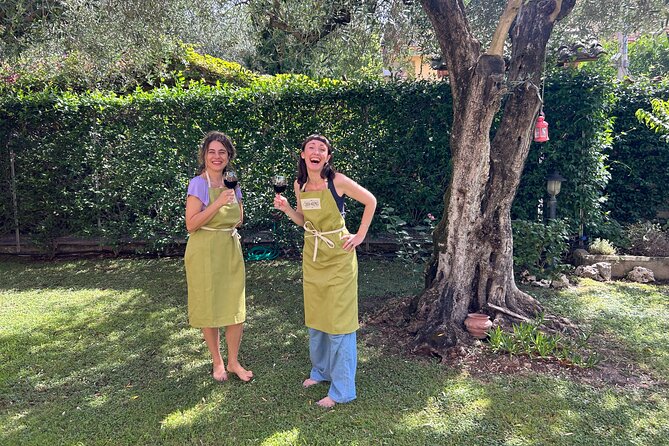
- A private villa setting: Trastevere, home-kitchen energy, and a very “Rome dinner” feel rather than a quick demo.
- A surprise menu: you start with Spritz and snacks, then you cook two pasta doughs and eat them with cacio e pepe and a surprise sauce.
- Hands-on pasta dough work: you’ll make doughs from scratch, not just shape ingredients once.
- Wine with your meal: you’ll get two glasses of local wine during the sitting.
- Small group size (up to 12): more attention and less waiting around.
- Roman dessert twist: dessert is traditional but not tiramisù, and one class tradition involves wine dipping.
A Rome Cooking Class That Feels Like a Dinner Party
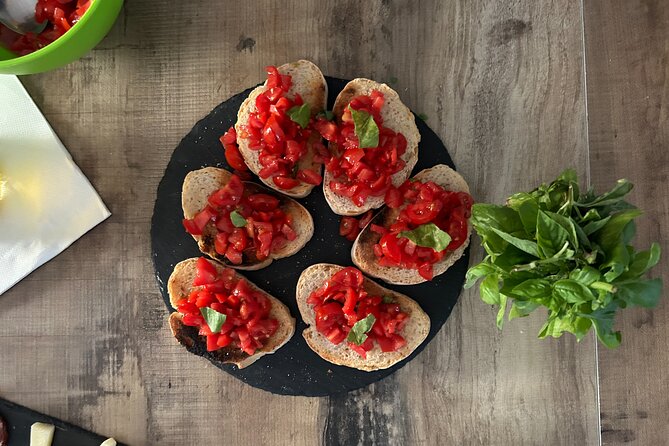
Most Rome classes teach you techniques and then you watch. This one leans harder into the dinner-party model: a friendly chef, a private home setting, and a clear arc from drinks to dough to eating, all in about three hours.
That structure matters. When a class is timed like an event, you spend less mental energy figuring out what’s next and more energy learning what the chef is doing and why. You also get more room to ask “small” questions—things like how dough should feel, when sauce needs balancing, and what to focus on first when you recreate the dishes later.
Price-wise, $189.87 for about three hours can feel steep until you line up what’s included: dinner, local wine, bottled water, and a local chef guiding you step by step. You’re not just paying for ingredients; you’re paying for the chef’s teaching time, the private villa setting, and the fact that you actually eat what you make. For Rome, that’s a fair trade when you compare it to the cost of wine-forward dinners plus cooking instruction.
You can also read our reviews of more tours and experiences in Rome.

The Meeting Point and the Trastevere Advantage
The experience starts at Via Zanazzo Giggi, 4, 00153 Roma RM and ends back at that same meeting point. There’s no hotel pickup or drop-off, so this is best for people who are comfortable getting around on their own (or already staying near Trastevere / central neighborhoods).
Trastevere is a smart pick for this type of evening. Even if you’ve never been, you’ll feel the neighborhood shift the moment you step into it: local energy, side streets, and a more lived-in Roman rhythm than the postcard zones. And since the class is in a private villa, you’re not just sightseeing—you’re using the neighborhood’s atmosphere as your backdrop.
One practical tip: arrive a few minutes early. With private-home experiences, you don’t want to be the person who shows up at exactly start time and delays everyone.
Spritz and Local Snacks: The Easy Start That Sets the Tone
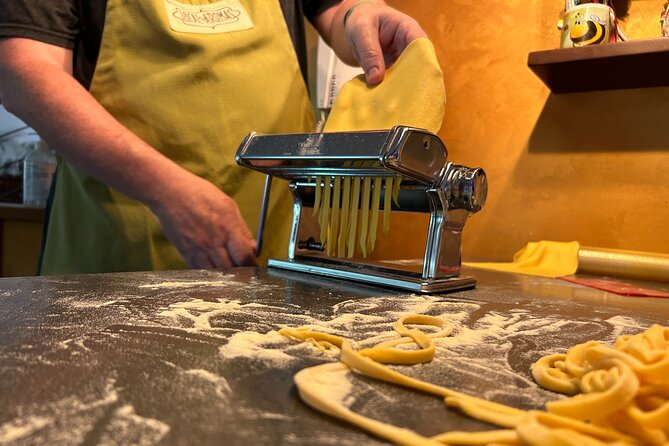
The evening begins with a classic Spritz and local snacks. It’s a simple move, but it works. Starting with something familiar and social helps you settle in before flour dust enters the chat.
Think of this as your “warm-up.” You’ll get a chance to meet the small group, meet the hosts, and get comfortable with the kitchen setup. Then the chef can walk you through what you’ll do next without feeling like you’re jumping straight into a task.
In class experiences hosted by the Local Aromas team, this first part tends to be where the laughs start. People also mention the hosts’ hospitality and willingness to explain basics without making anyone feel slow or silly. That matters, because pasta dough can intimidate you—until someone shows you what to look for.
Two Pasta Doughs From Scratch (Yes, You Really Do the Work)
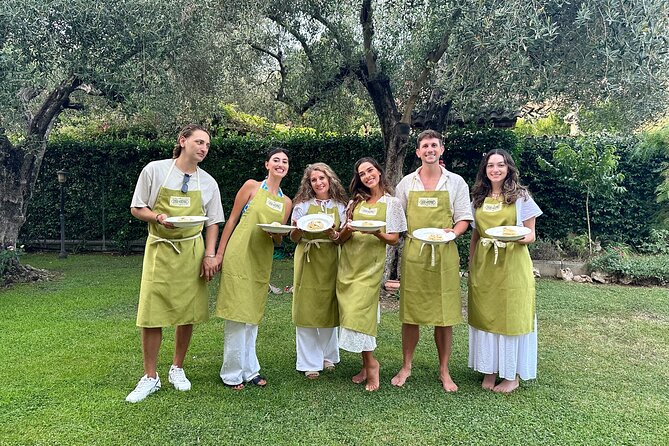
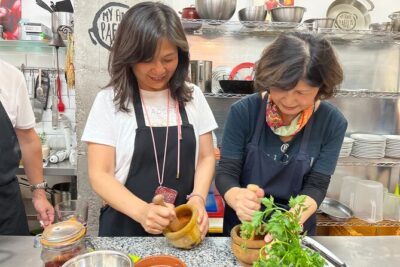
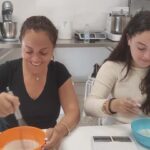
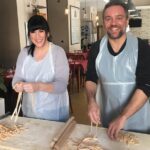
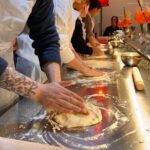
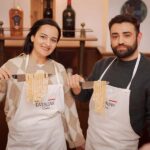
Your main hands-on section is where this class earns its keep. You’ll learn how to make two pasta doughs from scratch, guided step by step. Even if your Italian cooking skills start at “I can boil water,” the format is built for participation, not observation.
Here’s why that’s valuable: fresh pasta is less about magic and more about touch and timing. When you make dough yourself—rather than buying it pre-made—you learn the feel of the dough and the visual cues that matter. That’s exactly the sort of knowledge you can take home.
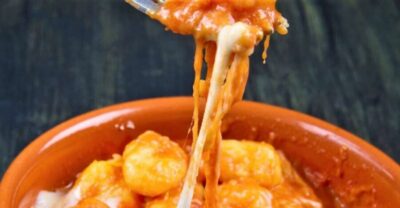
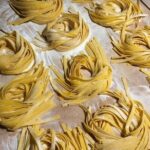
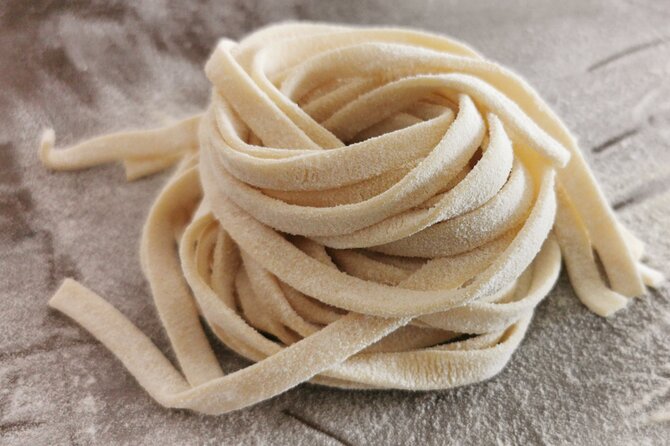
From the experience descriptions and names shared through hosts, you may work on classic Roman-style pasta shapes and dough techniques such as fettuccine and gnocchi. People repeatedly talk about being taught in clear steps and having enough time to participate rather than rushing through motions.
What you’ll practice (and remember later)
You’re not just learning a recipe card. You’re picking up reusable skills:
- How dough comes together and what it should look/feel like as it rests
- How shaping steps relate to sauce (why certain pasta styles handle certain sauces better)
- What consistency means when you’re working with flour, eggs, and kneading time
That’s the kind of knowledge that turns into home-cooking success. The chef’s tips aren’t meant to impress; they’re meant to make your next attempt go smoothly.


Cacio e Pepe and a Surprise Sauce: Eating Your Results
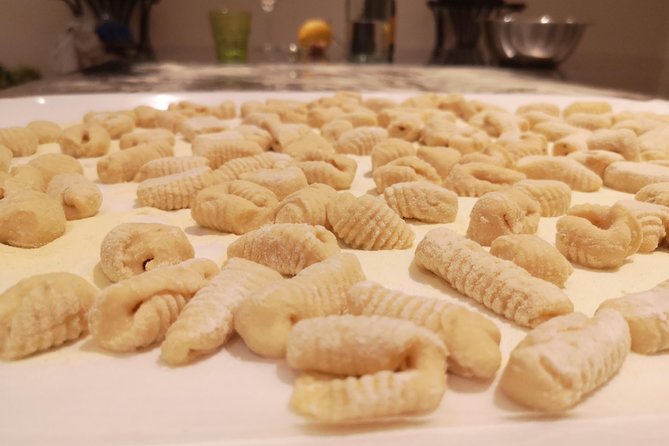
After the dough work, you sit down and eat what you made. Your handmade pastas are served with cacio e pepe and a surprise sauce, and you’ll get two glasses of local wine to go with the meal.
This is another part where the format is smart. In many classes, the cooking is the event and the tasting is an afterthought. Here, the tasting is built in and treated seriously. You’ll taste your own work right away—so when something tastes extra good, you know why. And if something needs adjustment, you’ll remember exactly what step happened right before the final result.
Why cacio e pepe matters in a pasta class
Cacio e pepe is not complicated on paper—just cheese and pepper and usually a pasta-water trick. But it’s also easy to mess up if you don’t understand how starch carries the sauce. That’s why it’s a great “home-skill builder.” It teaches you how to make a simple sauce behave.
If you’re the type who wants food that’s both comfort and technique, this meal hits that sweet spot.
The Roman Dessert That Isn’t Tiramisu
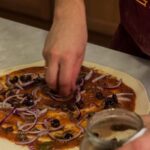
Dessert is part of the fun and part of the surprise. Your experience includes a classic Roman dessert and, despite common expectations, it’s specifically described as not tiramisù. People mention a wine-dipping style for the dessert, which is very Roman in spirit: treat, soak, enjoy, move on.
You’ll also recognize why dessert is included right after wine and pasta. The pace keeps the evening from dragging, and dessert becomes a finale rather than a heavy afterthought.
If you love trying Roman classics, go with an open mind. You’ll get something traditional, and you’ll likely taste a different side of Rome’s sweet menu than what you’ve already seen in tourist menus.
The Villa Setting: Why Location Is Part of the Recipe
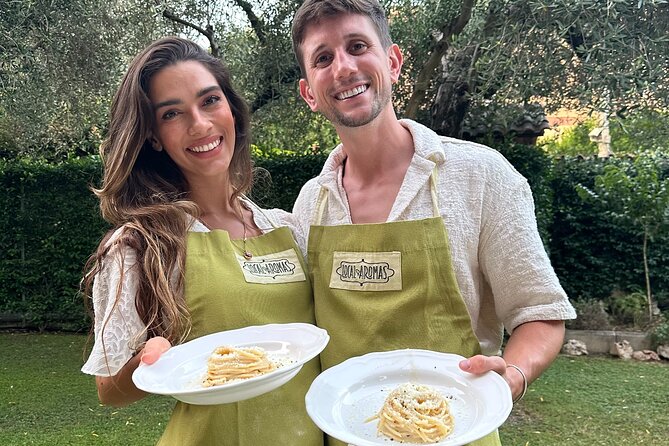
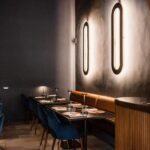
You’re not cooking in a rented classroom kitchen. You’re in a private villa setting in Trastevere, and people consistently call out the beautiful environment and even the scenic views (including views toward the Vatican area).
That matters for two reasons:
- You cook better when the setting is calm and you’re not squeezed into a tiny space.
- The mood helps you stick with the steps. Pasta dough needs patience—if the space feels stressful, people tend to rush.
The hospitality style also shows up in the names mentioned by hosts and staff in class experiences. Christina (and her daughter Valentina in some hosting setups) comes up often for warmth and laughter, and Benne/Bruno/Carla/Gueila are also mentioned across class narratives. In plain terms: you’re likely to feel like you’re being welcomed into a home, not managed like a reservation.
Small Group Size Means More Hands-On Time
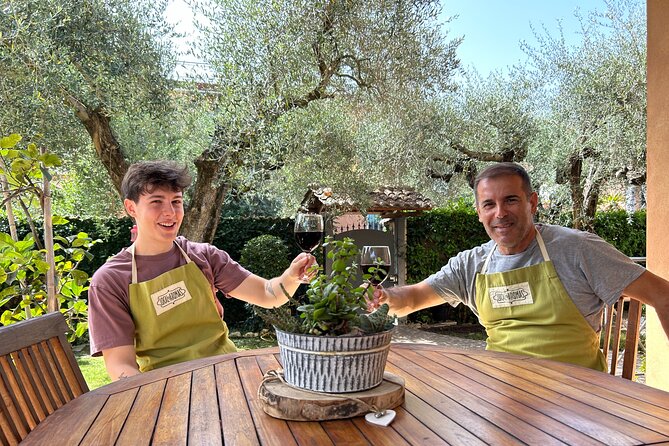
This experience caps at 12 travelers. And even within that cap, the tone is described as relaxed and not rushed. The benefit is simple: smaller groups tend to get more direct attention, fewer waiting gaps, and more chances to ask the chef to clarify.
That’s especially helpful for pasta dough, where one tiny adjustment—more kneading, a different resting time, a small change in texture—can make the whole batch feel right.
If you’re traveling solo, this is also a social sweet spot. You’ll meet people, share the work, and have an easy conversation starter while you’re waiting for dough to rest or sauce to come together.
Price and Value: What You’re Really Paying For
Let’s talk money in a way that helps you decide.
$189.87 for about three hours includes:
- A local chef
- Dinner
- Two glasses of local wine
- Bottled water
- Alcoholic beverages (as stated)
What you do not get is hotel pickup and drop-off. But you do get a private-villa cooking environment, hands-on instruction, and a full meal you’ll actually eat.
So the value logic is: you’re paying for the chef, the venue, the teaching time, the wine, and the meal. In Rome, that combination often costs more if you piece it together yourself: a dinner with wine plus a separate cooking workshop would usually land higher than one bundled experience.
The only “cost” consideration is your time and logistics. If you don’t want to travel to Trastevere and return, factor in the effort. But if you’re already exploring central Rome, this is one of those experiences where the setting makes the price feel more reasonable.
Who Should Book This Cooking Class in Rome?
This is a great fit if you:
- Want hands-on cooking that includes wine and dinner
- Like small-group activities with more conversation than lecture
- Want something more authentic than a quick cooking demo
- Enjoy Roman comfort food like cacio e pepe and classic Roman sweets
- Plan to cook at home and want real technique, not just a souvenir recipe
It might be less ideal if you:
- Hate meeting points and prefer hotel pickup
- Want a purely academic cooking class with no social feel
- Are extremely sensitive to surprise elements (the menu is described as a mystery, including the dessert)
One more note: people mention that the steps feel accessible for different ages and cooking comfort levels, including families. If you’re bringing kids, this format can work well because you’re doing, not just watching.
Should You Book It? My Take
Book it if you want your Rome trip to include a real Roman meal experience with actual technique. The blend of small-group instruction, villa setting, and wine-forward dinner makes this more than a ticketed activity. It’s also a strong choice for couples and small groups who want a shared thing to do beyond museums.
Skip it only if you’re set on a no-surprises menu and a purely structured classroom vibe. Here, the fun comes from the mystery and the home-kitchen energy—and that’s also why it’s such a popular night out in Rome.
If you’re deciding between cooking classes, pick the one where the meal is part of the point, not the afterthought. This one follows through.
FAQ
What is the duration of the cooking class experience?
It lasts about 3 hours.
Where do I meet, and where does the experience end?
You start at Via Zanazzo Giggi, 4, 00153 Roma RM, Italy, and the activity ends back at the same meeting point.
Is the class offered in English?
Yes, it is offered in English.
What’s included in the price?
The experience includes a local chef, alcoholic beverages, dinner, and bottled water.
Is hotel pickup or drop-off included?
No, hotel pickup and hotel drop-off are not included.
Can I get a refund if my plans change?
Yes. You can cancel for a full refund up to 24 hours in advance of the experience start time.