REVIEW · ROME
Rome: Pizza and Tiramisù Cooking Class with Glass of Wine
Book on GetYourGuide →Operated by Eat and Walk Italy · Bookable on GetYourGuide
You’ll never look at pizza the same way again. This Rome cooking class is a hands-on mash-up of Roman pizza technique and classic tiramisu, all in a small group kitchen with an expert chef. You roll up your sleeves, learn why ingredients matter, and end by eating what you make with a glass of wine.
I especially like the way the class focuses on fundamentals, not just assembly. You get guided help on dough from scratch using flour and water, including what the right consistency should feel like, and you also work on the tiramisù process with an emphasis on fresh raw materials.
One thing to keep in mind: this is a tight 3-hour session, so you may not experience every step of long fermentation firsthand. The chef explains the timing and method, but the practical reality is that dough prep can involve earlier stages behind the scenes.
In This Review
- Key points that matter before you go
- Roman pizza dough and tiramisù in 3 hours: the real appeal
- The tiramisù workshop: cream work, timing, and fresh ingredients
- Pizza dough from scratch: flour, water, and the feel of the dough
- Choosing your path: hands-on help without feeling rushed
- Eating your results: wine, limoncello, and a proper sit-down finish
- Price and value: is $66.84 worth it?
- Logistics that actually matter: Via Giuseppe Zanardelli 14 and arriving on time
- Who should book this cooking class in Rome
- Should you book this Rome pizza and tiramisù class?
- FAQ
- What is included in the Rome pizza and tiramisù cooking class?
- How long is the experience?
- What do I make during the class?
- Is the class taught in English?
- How big is the group?
- Where does the class start and end?
- Are drinks included with the meal?
- Is the class wheelchair accessible?
- Can I cancel and get a refund?
- Is there a pay later option?
Key points that matter before you go
- Small group, up to 12 people: you get hands-on attention instead of standing on the sidelines.
- Tiramisù first, then pizza dough from scratch: you learn two core Italian skills back-to-back.
- Ingredient-driven cooking: you’re taught how fresh inputs affect both the dessert and the pizza.
- Wine and limoncello included: the meal payoff is part of the lesson, not an afterthought.
- English instruction with a chef who teaches for real: many sessions are led by instructors like Carlotta, Sara, Masha, Hassan, and Claudio.
Roman pizza dough and tiramisù in 3 hours: the real appeal
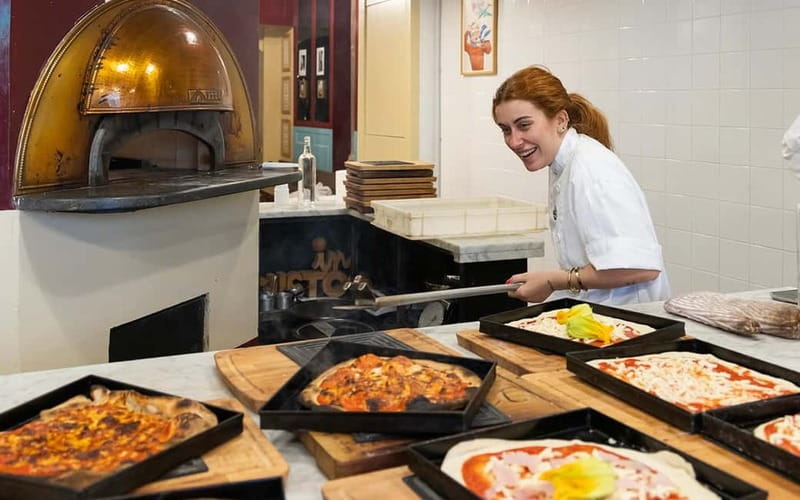
Cooking classes can go two ways. Either you get a fun show and eat decent food, or you learn enough technique that you could cook something similar back home. This one lands closer to the second option.
The best part is the flow. You start with tiramisù as a group activity, then shift gears into pizza dough, where you’re shown how to build the dough from scratch. The chef keeps circling and correcting, and because the group is capped at 12, you’re not stuck waiting your turn.
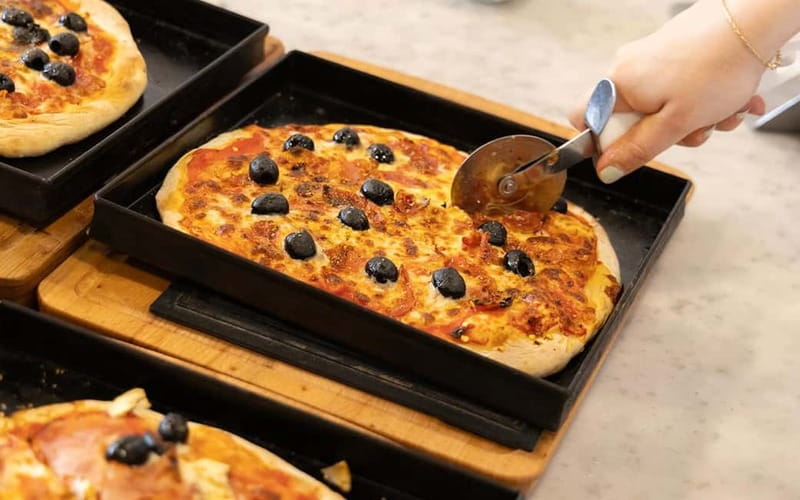
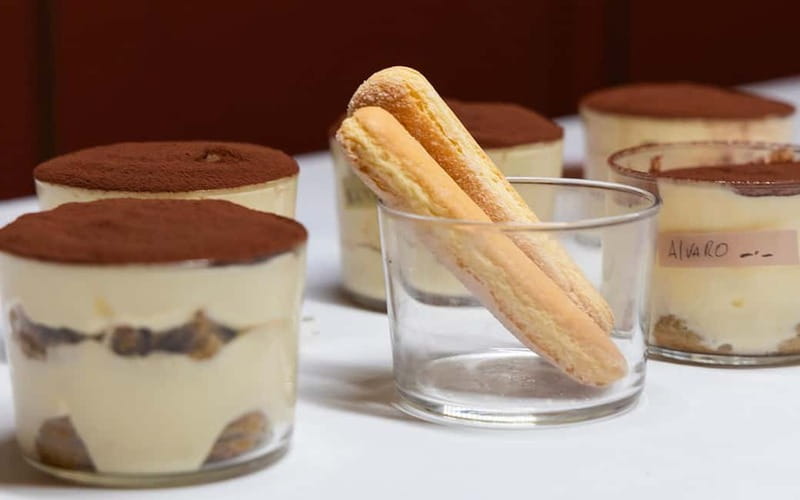
Then comes the moment that makes it all worth it: you sit down and eat your personalized pizza and homemade tiramisù with a glass of wine. Add limoncello or coffee, plus water throughout, and you end the session full, not just “educated.”
You can also read our reviews of more tours and experiences in Rome.
The tiramisù workshop: cream work, timing, and fresh ingredients
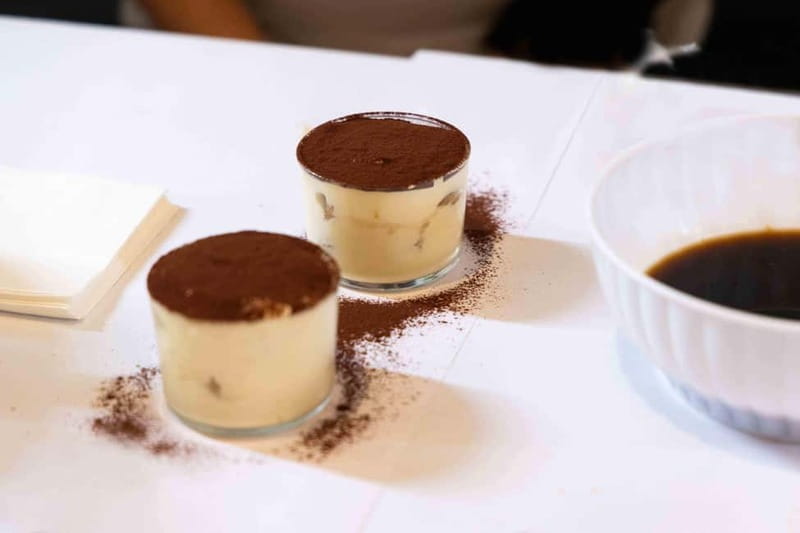
Tiramisù has a reputation for being easy, but good tiramisù is all about balance. In this class, you don’t just dump ingredients together. You learn what changes the flavor and texture: the freshness of the components and the way the cream is assembled.
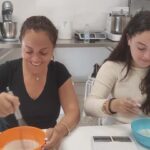
You begin with a group tiramisù activity, and the chef explains the key techniques while you either help hands-on or watch closely, depending on the flow that day. Some participants get to help with the cream, while others focus on learning the process so they can recreate it later.
Here’s what I think you’ll find valuable: the chef doesn’t treat tiramisù as a random dessert. They frame it as a method that depends on raw materials. That means you start thinking in “why,” not just “what.” If you’ve ever tasted a tiramisù that was too sweet, too heavy, or oddly flat, this lesson helps you spot the causes.
And because it’s the first activity, it sets the tone. You’re already in a cooking mindset before you tackle pizza dough, which can feel more technical to beginners.
Pizza dough from scratch: flour, water, and the feel of the dough
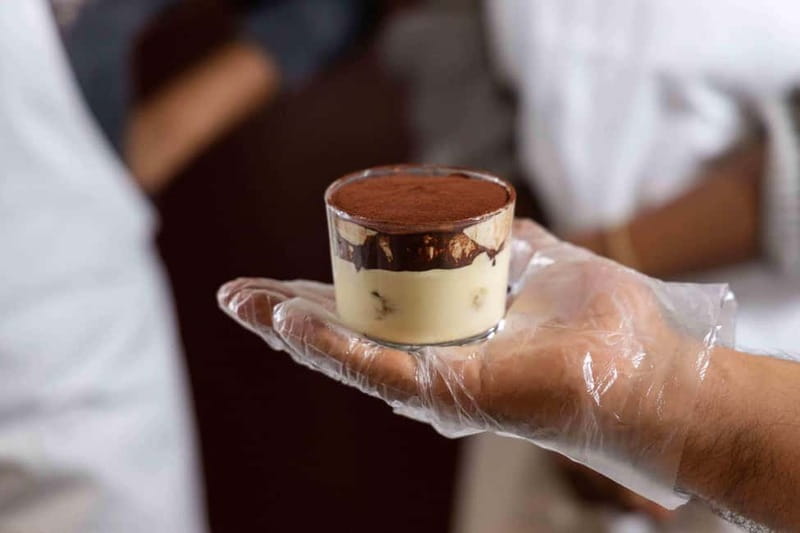
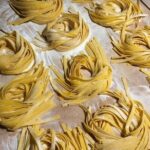
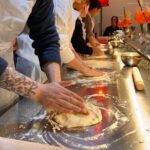
Roman-style pizza dough isn’t about fancy toppings. It’s about the dough doing its job. In the pizza portion, you build your dough from scratch using flour and water, and the chef guides you toward the right consistency.
The most practical teaching point here is tactile. The chef doesn’t just say “knead until smooth.” You learn what texture signals that the dough is headed the right direction, and you get explanation around the role of different flour types. That matters because flour isn’t interchangeable. Even if you use the same recipe, different flour can absorb water differently and change how the dough behaves.
A few real-world notes from similar classes in the same program family are worth keeping in mind. Pizza dough can require more time than a single afternoon, and some class versions handle fermentation earlier so you can focus on technique during the workshop. So if you’re expecting to see every stage from start to rise in real time, adjust your expectations. You’ll still learn the method and how to judge dough properly, but some timing may happen off-stage.
If you cook at all, you’ll appreciate the emphasis on consistency and flour choice. It’s the difference between repeating a recipe and understanding a process.
Choosing your path: hands-on help without feeling rushed
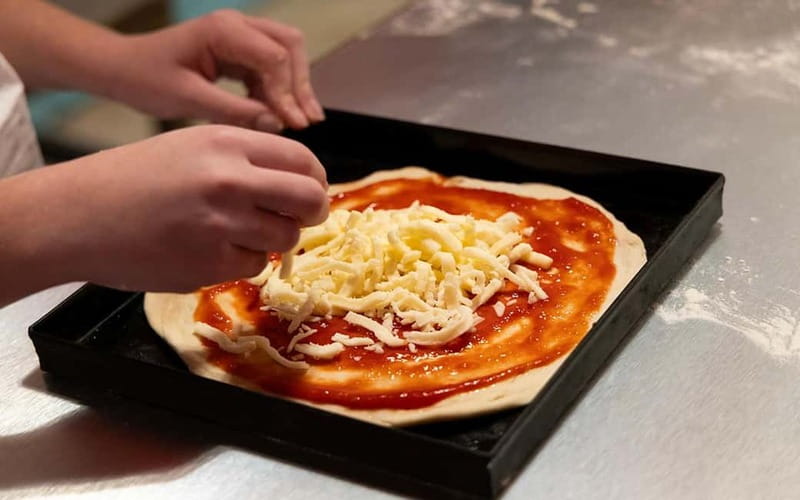
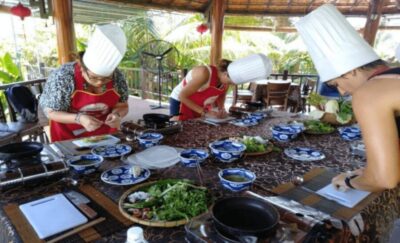
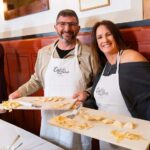
This is built for actual participation. The class is in an intimate setting, limited to 12 participants, and it runs in two parts: active prep, then a shared meal.
In the first part, the structure is group-based, especially for tiramisù. Some tasks invite you to jump in, like assisting with cream work. If you’re a watcher, you’re still learning, because the chef explains what you should notice.
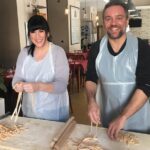
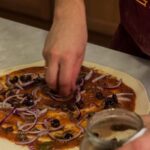
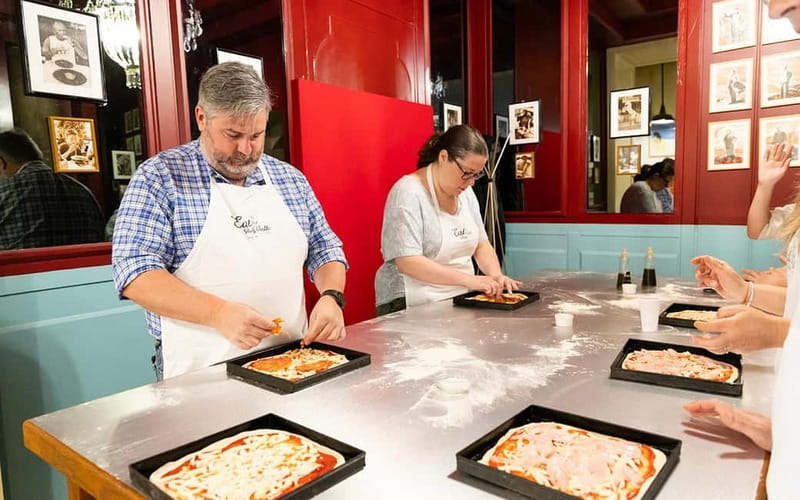
In the second part, you shift into pizza-making where guidance is ongoing. You’re not left to figure it out alone, which is key if you’re visiting Rome as a first-time cook or you’re traveling with someone who gets nervous in kitchens.
From instructors I’ve seen in this format, the teaching style tends to be supportive and a bit comedic. Names that show up across recent classes include Carlotta, Sara, Masha, Hassan, and Claudio. Regardless of who’s at the helm on your day, the pattern is consistent: English instruction, humor, and a pace that keeps you moving.
Eating your results: wine, limoncello, and a proper sit-down finish
The meal isn’t filler. It’s the payoff for doing the work.
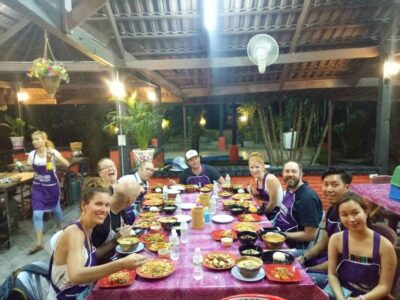
You eat your homemade meal featuring your personalized pizza and homemade tiramisù. Included drinks make it feel like a dinner, not a snack. A glass of wine (or a non-alcoholic beverage) is part of the package, and you’ll also get limoncello or coffee. Water is provided throughout, which sounds basic, but it matters during hands-on cooking when you’re talking, tasting, and working.
This is also where the experience becomes memorable in a very Rome way: you’re eating food that’s tied to local technique. It’s not just Italian food in name. You learn how dough is handled and how dessert cream is put together, then you taste what those choices create.
If you’re the kind of traveler who likes cultural experiences you can actually repeat, this meal format is a winner. You leave with a full stomach and the start of a real cooking memory.



Price and value: is $66.84 worth it?
Let’s talk money plainly. At $66.84 per person for a 3-hour class, you’re paying for three things at once:
- A real chef-led workshop (not just a demo)
- Small-group attention (12 people max)
- A sit-down meal with drinks (wine or non-alcoholic option, plus limoncello or coffee)
For Rome, that’s often good value compared to doing a food tour where you get tastes but not technique. You also avoid the common frustration of cooking classes that feel like overpriced instruction with tiny bites. Here, the lesson ends with enough food to count as a meal.
The one “gotcha” is that tips aren’t included. If you’ve got a generous streak, budget a little extra. Also, bring the mindset that you’re paying for guidance and ingredients tied to the experience, not for a private chef.
If you want authentic food culture you can take home in your hands, the price feels fair.
Logistics that actually matter: Via Giuseppe Zanardelli 14 and arriving on time
The meeting point is Via Giuseppe Zanardelli 14, and the activity ends back at the meeting point.
Because the class is time-based and runs for about 3 hours, timing matters. One participant noted confusion about which class they were in and ended up waiting while the session had started. I’d treat that as a hint: arrive a few minutes early and double-check the time you booked when you get there.
Inside, the setting is designed for interaction, so you’ll want to show up ready to cook. Wear something comfortable that can handle flour on fabric and the occasional splash that happens in any kitchen with enthusiastic beginners.
Who should book this cooking class in Rome
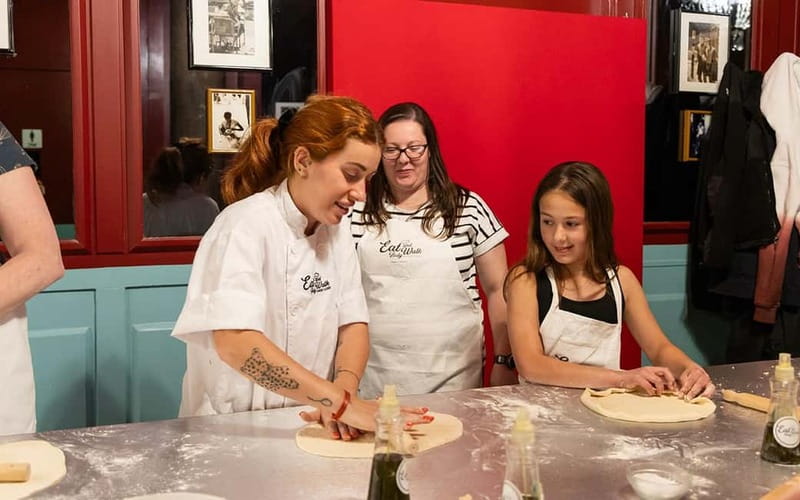
This class is a great fit if you want:
- A hands-on experience rather than passive sightseeing
- Two classic skills: tiramisù and pizza dough technique
- A meal that tastes like the thing you learned, not just something served alongside
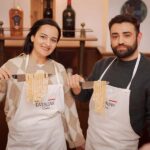
It also works well for couples. One big plus for two-person trips is that you can cook together, compare how your dough feels, and share a glass of wine as you eat the results.
Families can also have a good time. Some recent classes in this program family were singled out as highlights for kids, mainly because the sessions are structured and involve tasks where younger hands can participate.
If you’re a serious baker, you’ll still appreciate the flour and consistency lessons. Just remember the session is short, so you’re learning technique and judgment more than building a multi-day sourdough project.
Should you book this Rome pizza and tiramisù class?
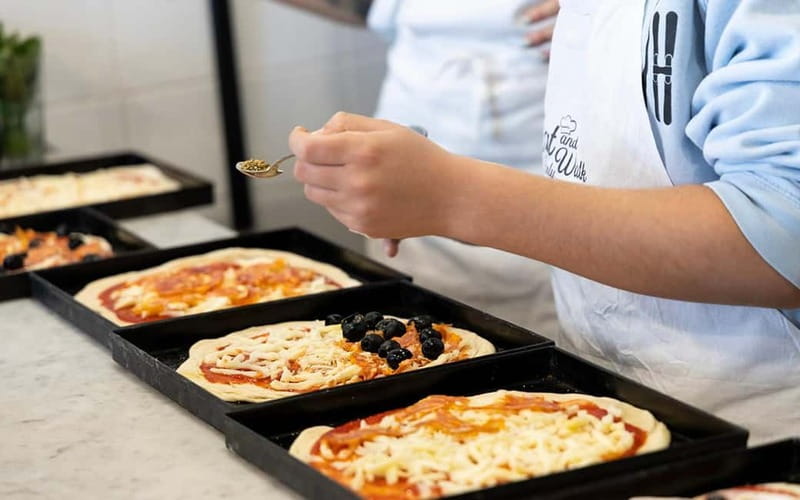
Yes, if you want a fun, skill-building food experience and you like the idea of ending with a real meal you made yourself. The small-group size, chef-led instruction in English, and the focus on dough texture plus fresh-ingredient tiramisù make it feel worth your time.
Skip it only if you need a long, slow fermentation journey or you’re looking for a full-day deep culinary production. This is 3 hours. You’ll learn a lot, but it’s designed for a satisfying afternoon, not a professional training camp.
If you book, do one smart thing: follow the chef’s instructions closely, even if you find other recipes online. The workshop’s method is the one to trust during your hands-on session.
FAQ
What is included in the Rome pizza and tiramisù cooking class?
You get the pizza and tiramisù cooking class led by an expert local chef, a meal featuring your personalized pizza and homemade tiramisù, a glass of wine or a non-alcoholic beverage, limoncello or coffee, and water provided throughout the experience.
How long is the experience?
The class lasts about 3 hours. Start times vary, so you’ll need to check availability for the schedule.
What do I make during the class?
You’ll make Roman-style pizza dough and a classic tiramisù. The session starts with a group tiramisù activity and then moves into pizza making.
Is the class taught in English?
Yes. The instructor teaches in English.
How big is the group?
It’s an intimate setting with small groups limited to 12 participants.
Where does the class start and end?
It starts at Via Giuseppe Zanardelli 14 and ends back at the same meeting point.
Are drinks included with the meal?
Yes. A glass of wine or a non-alcoholic beverage is included, plus limoncello or coffee. Water is also provided.
Is the class wheelchair accessible?
Yes, it is listed as wheelchair accessible.
Can I cancel and get a refund?
You can cancel up to 24 hours in advance for a full refund.
Is there a pay later option?
Yes. You can reserve now and pay later to keep your plans flexible.