REVIEW · BALI
From Ubud: Authentic Cooking Class in a Local Village
Book on GetYourGuide →Operated by Paon Bali · Bookable on GetYourGuide
Your spoon gets a story in Bali. This Paon Bali class links a market run with real cooking inside the traditional village of Laplapan, where the welcome feels personal and warm. I like that you spend the morning learning ingredients and methods, not just watching someone else cook.
Second, I really like the hands-on rhythm. You chop, pound, mix, and cook as your group rotates through stations, then you sit down to eat the dishes you made. And they handle dietary needs with real care, from vegetarian choices to adapting recipes for garlic or onion allergies.
One catch: if you pick the afternoon session, it’s shorter because it skips the market tour. You’ll still cook and eat, but you’ll miss that ingredient-shopping start that sets the whole day’s flavor.
In This Review
- Key highlights worth planning around
- From Ubud pickup to Laplapan: why this class feels different
- Morning market tour: the fastest way to understand Balinese flavor
- Rice plantation stop: the staple behind so many dishes
- Laplapan village welcome: family temple moments and real kitchen life
- Cooking class structure: seven courses, lots of hands-on turns
- Meat vs vegetarian: choosing your dishes without missing the point
- Allergy-friendly cooking: how they handle real restrictions
- Lunch: eating your work in a proper sit-down meal
- Price and value: what $35 buys you in Ubud
- Who should book this class, and who might skip it
- Should you book Paon Bali’s Laplapan cooking class in Ubud?
- FAQ
- Is hotel pickup included?
- How long is the cooking class?
- What’s the difference between the morning and afternoon classes?
- Can I choose vegetarian or meat dishes?
- Do I get recipes to take home?
- Is there free cancellation?
Key highlights worth planning around
- Market shopping that actually affects your meal (morning class)
- Rice plantation scenery plus how rice is processed
- A traditional village welcome in Laplapan, with temple access for photos
- Seven courses, made by you: 3 starters, 4 mains, 1 dessert
- Small group setup (up to 15) so you get real turns at the stove
- Vegetarian or meat options, plus serious allergy accommodations
From Ubud pickup to Laplapan: why this class feels different
Ubud cooking classes are common. What’s less common is this one’s “follow the food” flow: you start with ingredients, then see how rice fits into daily life, then cook where people actually live.
Pickup keeps it easy. You’re collected from hotels in the Ubud area, and transport has been a standout. The small group size (up to 15) helps, too. You won’t feel like you’re in a factory line. It’s structured, but it still feels human.
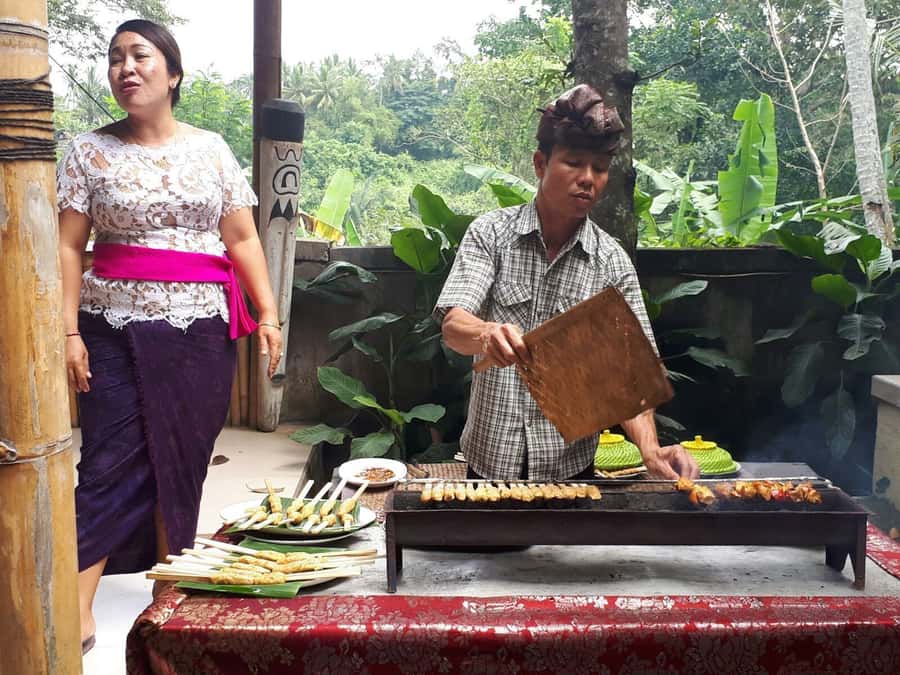
Then you arrive at Laplapan, a traditional village setting. The whole tone shifts from tourist mode to local routine. You’re welcomed, offered Balinese tea and coffee, and brought into a kitchen compound where meals are part of everyday culture, not a show. That matters, because you leave with a better sense of what Balinese cooking is trying to do.
You can also read our reviews of more tours and experiences in Bali.
Morning market tour: the fastest way to understand Balinese flavor
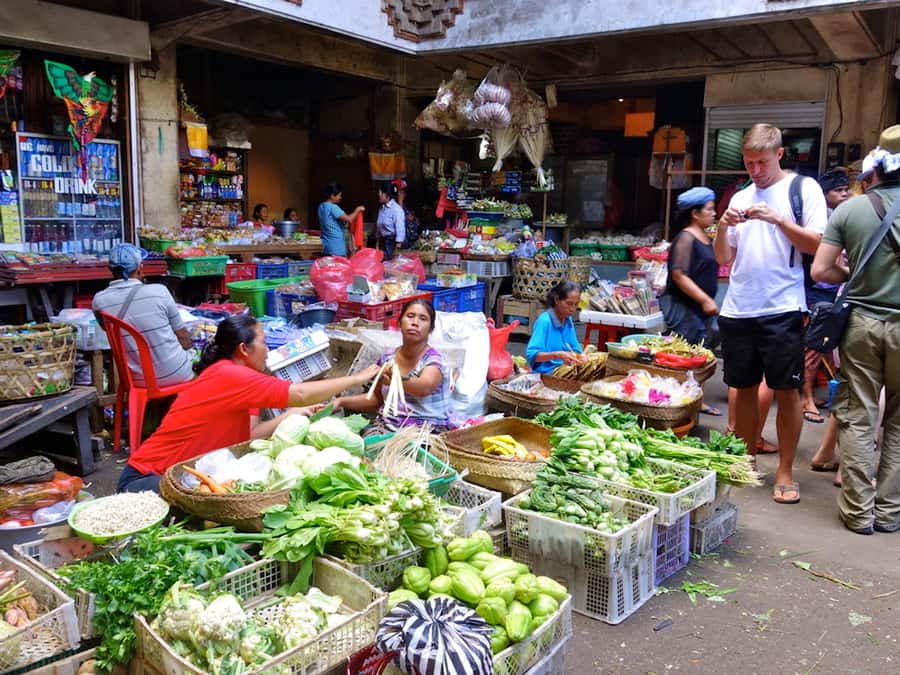
If you can, choose the morning class. The market stop turns this from a cooking demo into a food education.
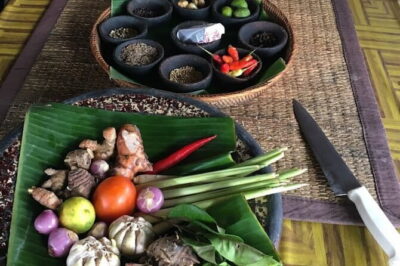
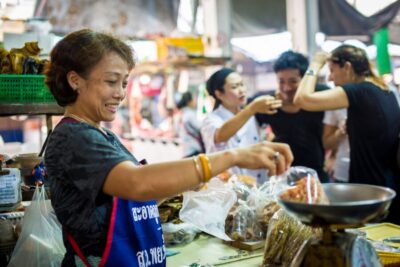
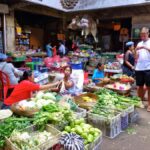
You’ll go to a fresh food market with an English guide, where you choose ingredients for your class. You’re looking at vegetables, herbs, meat, and spices displayed in a way that’s easy to recognize after the first few minutes. And yes, you get hands-on learning here: you learn what key ingredients look like, what they smell like, and how they show up across multiple dishes.
A bonus detail that people love: tasting. You may sample local fruits, and you can also buy spices from local stalls (great if you want to recreate flavors back home without guessing).
Why this matters for your final meal: Balinese cooking relies on layered flavor. If you only learn the cooking steps, you miss the logic. If you also select your ingredients at the start, the dishes make sense even when you’re back at home with different brands or sizes of produce.
Rice plantation stop: the staple behind so many dishes
After the market, you’ll head to a rice plantation. You’ll see where Bali’s staple crop grows, and you’ll get explanations about cultivation and preparation.
This part is short compared with the cooking, but it gives context. Rice isn’t just a side dish in Balinese life. It’s the base for how meals are structured, and it connects food to land and routine.
You also get scenic views while you’re there, which helps reset your brain between market excitement and kitchen work. In practice, it makes the day feel like more than “travel to a class, cook, leave.”
Laplapan village welcome: family temple moments and real kitchen life
Next comes Laplapan village. This is where the experience becomes genuinely cultural.
You arrive to a warm welcome from locals. Then your group spends time in the kitchen environment where the cooking happens. In some classes, the team also shares access to a family temple area, and you get time for photos.
What I like about this stop is that it doesn’t feel like you’re being herded through a checklist. The host and staff set a friendly tone right away, so your questions feel normal. People explain things in plain language, and you’re not stuck watching from the sidelines.
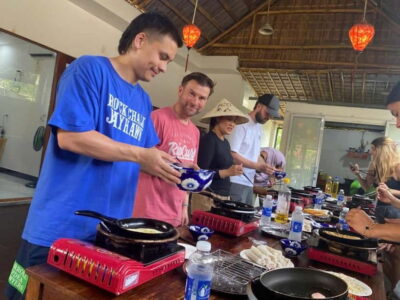
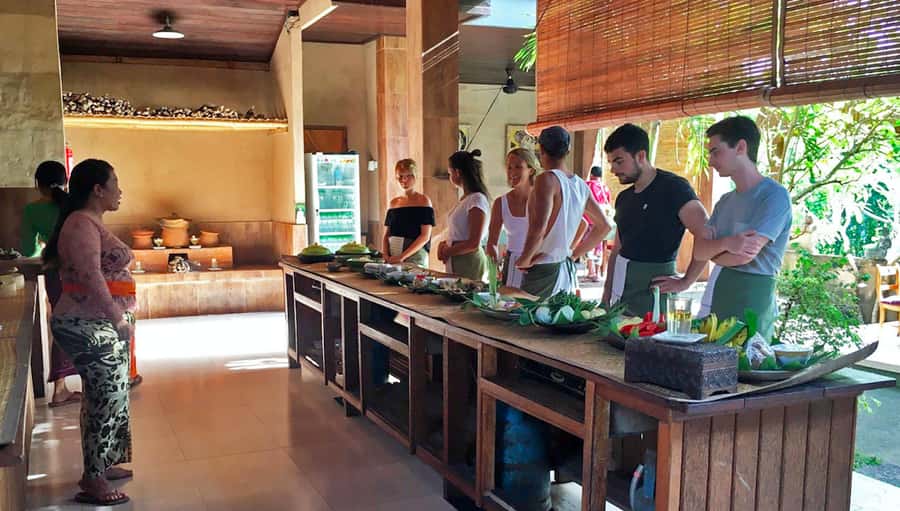
You’ll notice that the kitchen setup is built for group cooking. There are stations. There’s pacing. And the day flows so you’re always doing something, whether it’s chopping, mixing, pounding, or cooking.
Cooking class structure: seven courses, lots of hands-on turns
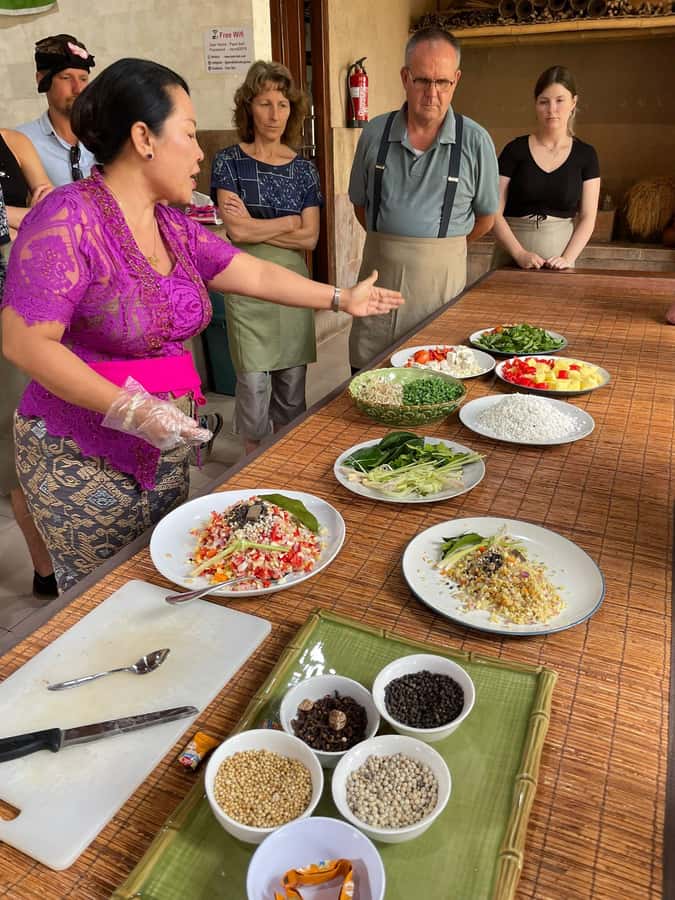
The class itself is built around making a full meal. You’ll learn to prepare 3 starters, 4 main courses, and 1 dessert. That’s seven dishes total, which is exactly why the session feels like more than a snack-and-sauce class.
You’ll cook with guidance from expert chefs. It’s hands-on, meaning you actively participate. People aren’t just tasting at the end while someone else does the work. You chop ingredients, pound spices, mix components, and cook at the right steps so flavors develop correctly.
The group rotates. In other words, everyone gets turns rather than repeating the same task for hours. You’ll often work in pairs or small stations, which keeps it moving and makes it easier to learn from the person next to you.
You also get a strong foundation in technique. Even if a dish isn’t something you normally order at home, you learn the patterns: how Balinese seasoning works, how herbs are used, and how the balance of spice and aromatics changes across starters, mains, and dessert.
Expect humor and energy from the kitchen team. This isn’t stiff. It’s organized fun.
Meat vs vegetarian: choosing your dishes without missing the point
You have a choice of meat or vegetarian dishes. That matters because Balinese cooking isn’t only about meat sauces. The plant-based options still use aromatics, herbs, spices, and cooking techniques that feel fully Balinese.
If you go vegetarian, you’re still learning the same logic behind flavor building. If you choose meat, you’ll see how seasoning profiles shift for different proteins.
This approach is also why the class is worth it even if you’re not a hardcore foodie. You’ll come away understanding how flavors are constructed, not just copying one recipe.
Allergy-friendly cooking: how they handle real restrictions
One of the biggest reasons this class gets such strong word of mouth is how they handle dietary needs.
You can find examples of the team accommodating:
- capsicum allergies
- garlic and onion allergies, with adjustments and separate cooking approaches
- gluten-free adaptations
The key detail is that they don’t treat allergies like an afterthought. They actively adjust what you cook and how it’s handled. If you have restrictions, you’ll want to communicate them clearly when booking so the kitchen can prepare the right plan.
If you’ve been nervous about Balinese food because it often uses onion and garlic, you’ll feel better here. The staff have demonstrated that they’ll work around those ingredients while keeping dishes flavorful.
Lunch: eating your work in a proper sit-down meal
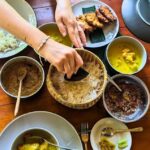
After cooking, you eat what you made. Lunch is included, along with Balinese tea and coffee.
This is one of those travel activities where the payoff is immediate. You don’t have to wonder if your dish will taste good. You taste it straight from the same kitchen you worked in.
The meal setup also gives you a social moment. You’re seated with your fellow cooks, so it turns into a shared lunch rather than a quiet “thanks, goodbye” transaction. If you’re traveling solo, this format is a great way to avoid the awkward start-and-end feeling of many tours.
Some groups even have had special moments during the meal, like birthday surprises. If that matters to you, you can mention it ahead of time when you book.
Price and value: what $35 buys you in Ubud
At about $35 per person, this class is strong value for what you get: a small-group cooking session, ingredient learning, transportation from Ubud area hotels, and a full meal you cook yourself.
Here’s why the price makes sense:
- You’re not just taking a cooking class. You’re also doing ingredient education at a local market and learning rice context.
- You receive the ingredients for the dishes, plus instructions and notes you can keep.
- You get multiple dishes (seven courses), which makes the session feel complete rather than snack-sized.
- The pacing is set so everyone participates, helped by the small group limit.
If you’ve done higher-priced cooking workshops elsewhere, you might notice a difference: this one is built around local life and hands-on technique, not only presentation.
Who should book this class, and who might skip it
This is a great pick if you:
- want a serious Ubud food experience beyond eating out
- enjoy hands-on activities (chopping and cooking, not just tasting)
- want to understand Balinese flavor building and spice logic
- need vegetarian options or have dietary restrictions
- want something fun that also teaches you how to cook
You might skip it if:
- you’re short on time and can only do the afternoon slot (you lose the market tour)
- you want a mostly quiet, low-participation activity
If you’re the type who likes to bring home skills, not just photos, you’ll feel right at home here.
Should you book Paon Bali’s Laplapan cooking class in Ubud?
Yes, I think you should book it if you want a grounded Ubud experience that moves at a good pace. The structure is practical: market for ingredients, rice plantation for context, then Laplapan cooking where you make a full meal.
Choose the morning class if you can. The market visit is where the flavors start becoming yours.
And if you have allergies or dietary needs, this is one of the few cooking experiences in Bali where you’re not just told to wing it. The team has shown they can adjust dishes with care. That’s worth real money on its own.
FAQ
Is hotel pickup included?
Yes. Pickup and drop-off are included for hotels in the Ubud area. Pickup from outside Ubud can be arranged as an add-on if requested when you book.
How long is the cooking class?
The experience runs about 210 minutes (around 4 hours).
What’s the difference between the morning and afternoon classes?
The morning class includes the fresh market tour. The afternoon class is shorter and does not include the market visit.
Can I choose vegetarian or meat dishes?
Yes. You’ll have a choice between meat or vegetarian dishes.
Do I get recipes to take home?
Yes. Recipes and notes are supplied for you to keep, and you receive a certificate.
Is there free cancellation?
Yes. You can cancel up to 24 hours in advance for a full refund.