REVIEW · BALI
Ubud: Balinese Cooking Class at an Organic Farm
Book on GetYourGuide →Operated by Bali Farm Cooking School · Bookable on GetYourGuide
Breakfast with a view, then Balinese flavors. This day blends a morning market walk, an organic farm harvest, and an open-air cooking session with fresh ingredients and hands-on meal making. Just keep in mind the farm is outside central Ubud and you’ll share cooking stations, so it’s not a quiet sit-down experience.
I also love how the class is built around real Balinese cooking basics, like Base Gede spice paste and the balance of sweet, sour, and coconut. If you pick the vegetarian menu, you still get satisfying mains (like opor tempe and gado gado) instead of a sad side-plate. One possible drawback: you’re looking at a long, full day, and the drive back can mean traffic delays depending on where you’re staying.
The vibe is what I’d call practical-and-local: you tour the farm, pick what you’ll cook, and then you eat what you make. Guides such as Buda and Depi are part of the reason it works so smoothly, with step-by-step instruction that keeps you from feeling lost once the cooking starts.
In This Review
- Key things I’d clock before you go
- Why This Ubud Cooking Class Starts With the Market
- Organic Farm Morning: Gardens, Harvesting, and Why It Matters
- Your Chef and the Balinese Cooking Method You’ll Reuse
- What’s Really Cooking: The Regular Menu’s Six-Dish Lineup
- Base Gede + Sayur Urab start you off the Balinese way
- Opor Ayam and sate lilit are the heart of the meal
- Pindang base tomat and tempe asam manis keep it varied
- Dessert ties it together with pisang goreng or bubur injin
- The Vegetarian Menu Stays Serious (No Sad Substitute Dishes)
- Shared Stations, Small Groups, and How the Day Feels
- Value for $32: Why This Is More Than a One-Off Meal
- Food, Drinks, and What’s Included in Your Day
- Logistics That Can Affect Your Comfort: Drive Time and Timing
- Who This Cooking Class Is Best For
- Final Call: Should You Book This Ubud Organic Farm Cooking Class?
- FAQ
- How long is the cooking class?
- Is a market tour included?
- What’s included besides cooking?
- Can I choose a vegetarian menu?
- Is it wheelchair accessible?
- Are pets allowed?
Key things I’d clock before you go
- Market tour in the morning if you book that time slot, with fruit and vegetable tasting and early-day local routine
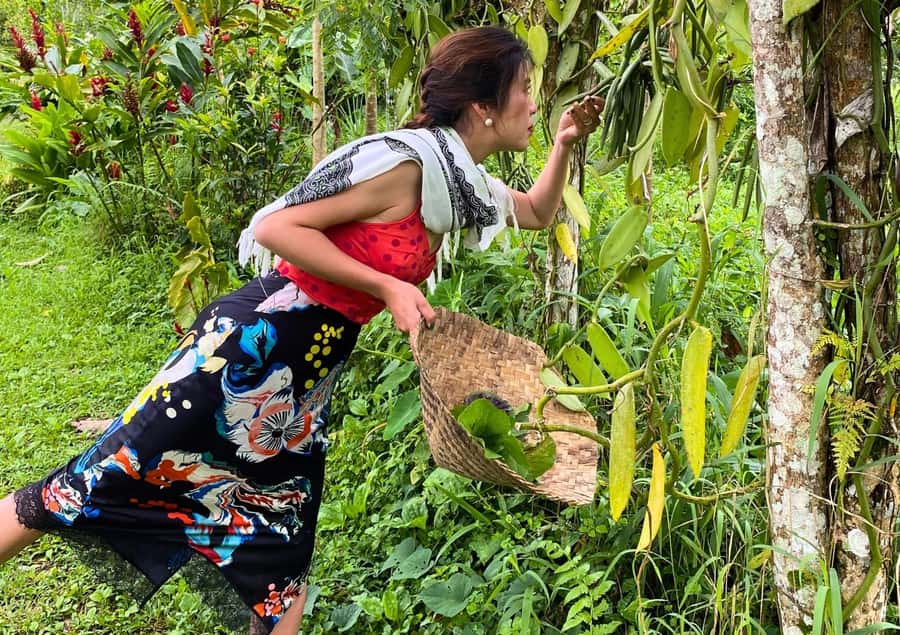
- Organic farm harvesting of your own vegetables before you step into the kitchen
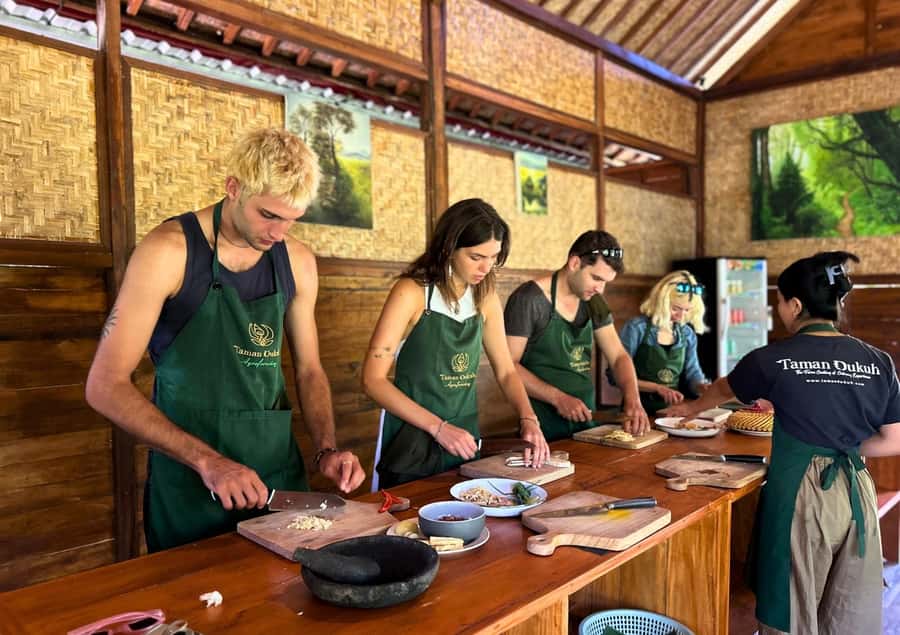
- Six Balinese dishes made with you at shared stations, so you’re cooking more than watching
- Recipe book + downloadable PDF so you can remake the dishes back home
- Vegetarian choices stay Balinese, with opor tempe, gado gado, and a jackfruit-based sate lilit option
- Small groups (max 14), with 2 or 3 groups per session running at the same time
Why This Ubud Cooking Class Starts With the Market
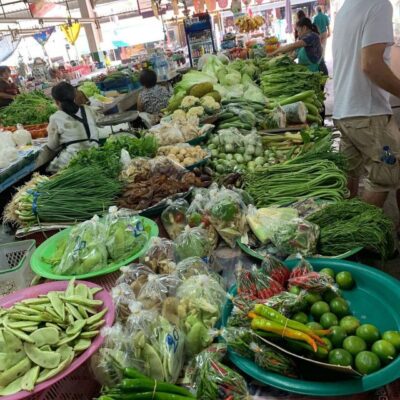
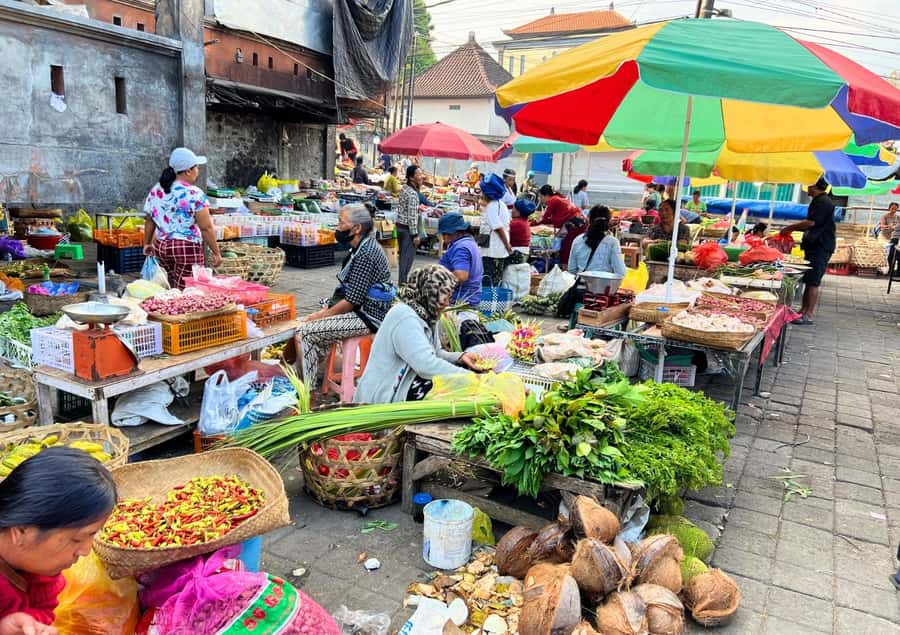
This is one of those Ubud experiences where the food journey starts before you ever turn on the stove. If you choose the morning session, you go to a local market where you’ll learn what people buy early, and you’ll get time to taste local fruits along the way.
That market stop matters because Balinese cooking is ingredient-driven. You’ll see how spices, herbs, greens, and fruit show up in everyday meals, not just on restaurant menus. It also sets your brain up to notice flavors later—once you’re picking vegetables at the farm, you’ll understand why they’re the right ones for the dishes you’ll make.
You can also read our reviews of more tours and experiences in Bali.
Organic Farm Morning: Gardens, Harvesting, and Why It Matters
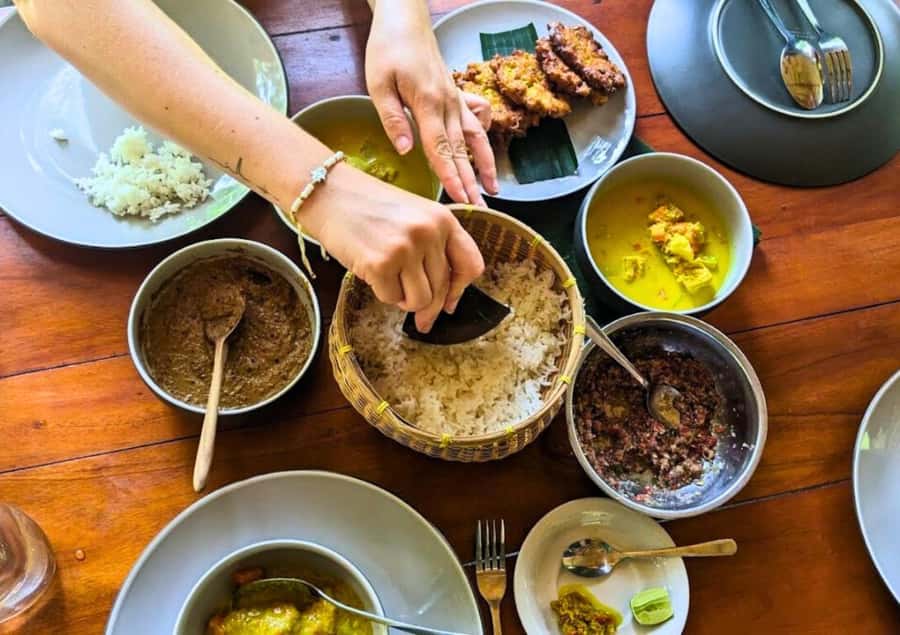
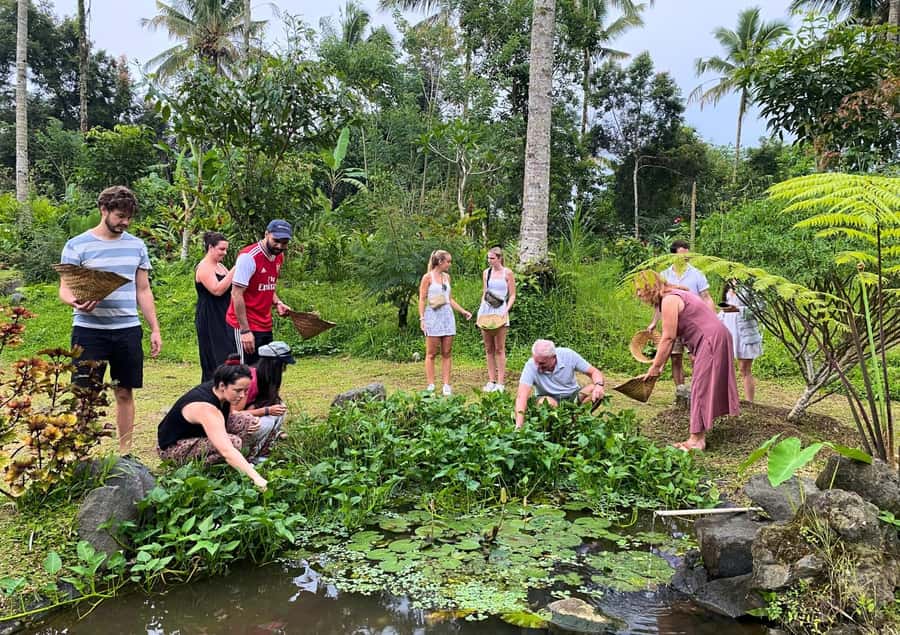
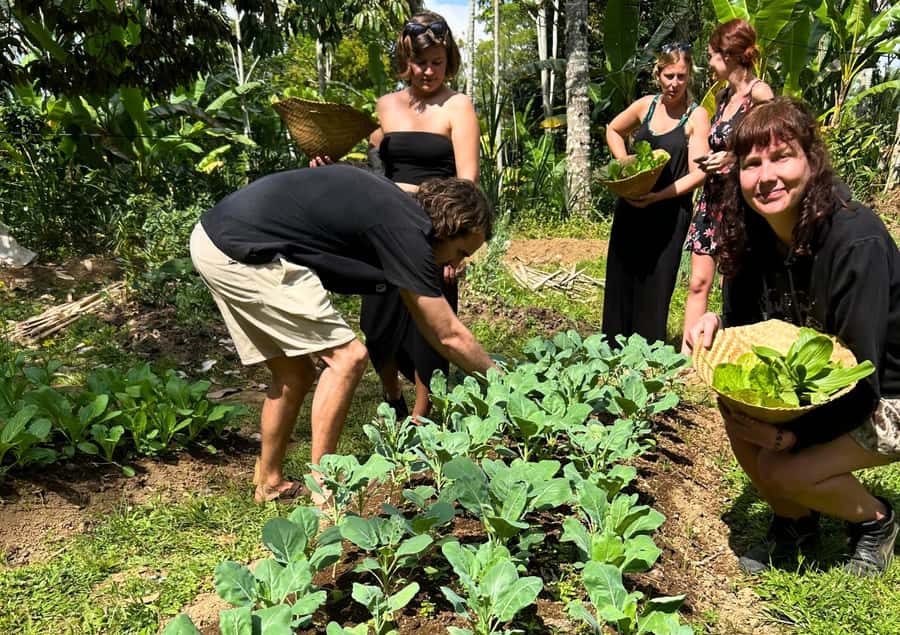
After the market, you head to an organic farm where the day slows down fast. You tour the premises, see the plants they grow, and learn how families use what’s around them—so the food doesn’t feel random or imported.
Then you do the fun part: harvesting some of the vegetables you’ll cook. You’re not just grabbing pre-chopped items; you’re choosing ingredients, which makes the cooking feel grounded. It also gives you something to talk about back home besides the final dish—people remember the moment they picked the produce more than the spice measurement.
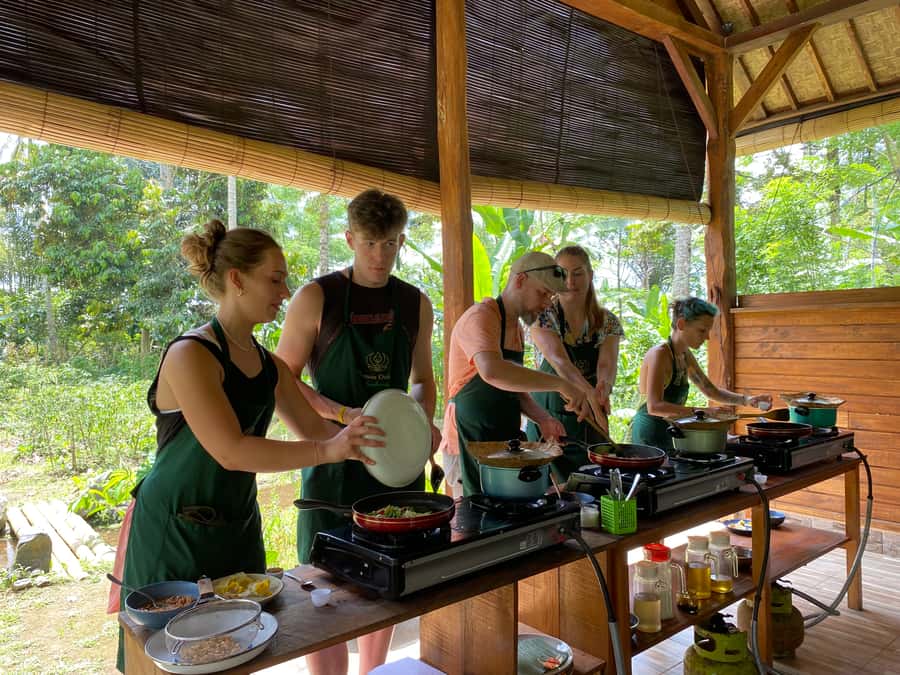
The farm kitchen is open-air, which adds to the “real day on a working property” feel. Rain can happen, and if it does, you might be given umbrellas to keep the walk around the garden moving.
Your Chef and the Balinese Cooking Method You’ll Reuse
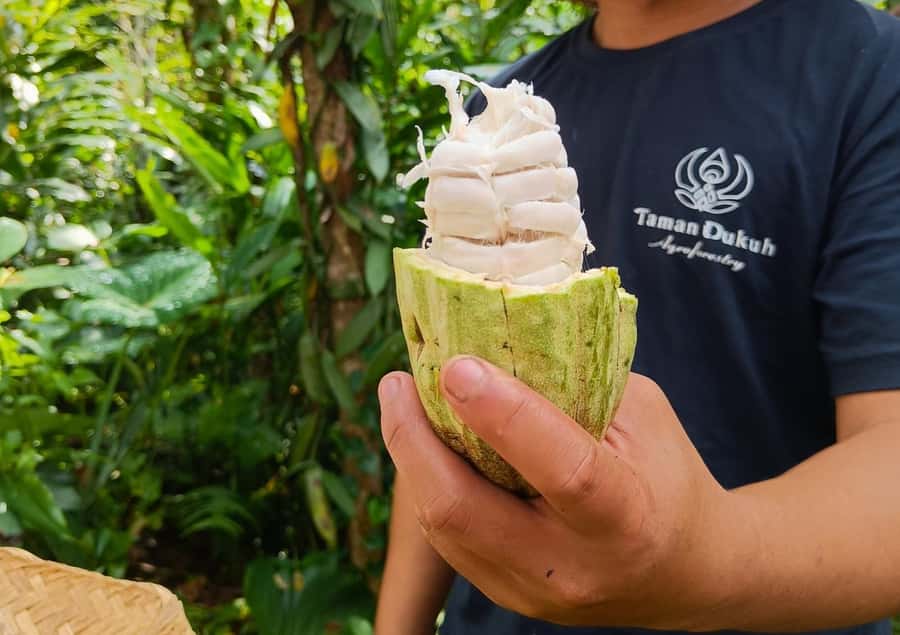
The class is structured so you’re not stuck waiting for someone else to do the work. You’ll get an introduction to your chef and the team, and they keep things moving in a way that works for small groups of up to 14.
What I like most is that you’re taught the logic behind the dishes, not just a checklist. One example: Base Gede (a traditional spice paste) shows up in both regular and vegetarian menus. Learning that first gives you a flavor backbone for the rest of the cooking.
You’ll also work at shared stations (each station is shared between two people). That can be a plus—if you travel with someone, you’ll cook side by side; if you’re solo, it’s easier to jump in without feeling like the whole kitchen depends on you. The trade-off is you won’t have an entire counter to yourself.
What’s Really Cooking: The Regular Menu’s Six-Dish Lineup
If you choose the regular menu, you’ll cook six Balinese dishes that cover a wide range of textures and tastes. Expect a mix of spice-paste starters, coconut-forward salads, chicken curry, grilled-style flavors, tomato-based fish, tempe sweet-sour notes, and a dessert with either banana or black rice.
Here’s how the day typically plays out in flavor order:
Base Gede + Sayur Urab start you off the Balinese way
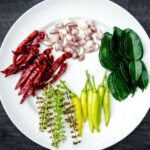
You begin with Base Gede, the spice paste that’s central to many Balinese dishes. Then you make Sayur Urab, a mixed green salad with coconut and spices. This starter is a smart early lesson because it teaches you how coconut and herbs work together—less about heat, more about balance.
Opor Ayam and sate lilit are the heart of the meal
Next comes Opor Ayam, a Balinese chicken curry. After that, you learn sate lilit, a traditional kebab made with meat, coconut, and spice paste. This combo is useful if you want to replicate Balinese flavor at home later: curry technique plus a spiced “paste-meat” approach.
Pindang base tomat and tempe asam manis keep it varied
Then you move to pindang base tomat (fish with tomato sauce) and tempe asam manis (sweet sour tempe). The point here isn’t just variety; it’s teaching you how Balinese meals often balance sweetness, acidity, and spice in one lineup.
Dessert ties it together with pisang goreng or bubur injin
For dessert, you’ll make either pisang goreng (banana fritters with coconut and palm sugar syrup) or bubur injin (black rice pudding). This is where the cooking class earns its keep—dessert is close enough to everyday ingredients that you can actually recreate it after the trip.
The Vegetarian Menu Stays Serious (No Sad Substitute Dishes)
If you choose vegetarian, you’ll still follow a Balinese path rather than a generic veggie remake. The menu keeps key flavors in the center, including Base Gede and the coconut-spice approach Balinese cooking is known for.
You’ll cook:
- Base Gede as the flavor foundation
- Gado gado, blanched vegetables with traditional peanut sauce
- Opor tempe, a tempe curry in the Balinese style
- Bergedel, fried corn with Balinese spices
- Tempe asam manis, sweet and sour tempe
- Vegan sate lilit, made with jackfruit and spice paste
- Dessert: pisang goreng or bubur injin
I like that this menu doesn’t treat tempe as a filler. It’s a real centerpiece in two dishes, and it gives you a repeatable method for balancing sweet-sour flavor at home.
Shared Stations, Small Groups, and How the Day Feels
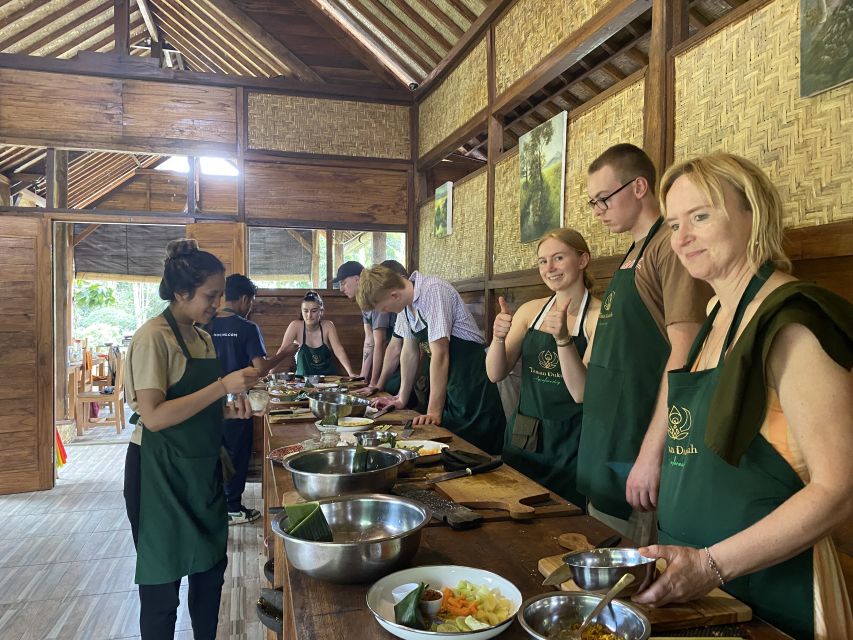
This is a small group experience with a maximum of 14 people. At the farm, you might have 2 or 3 groups running during the same session, which is why you’ll cook at shared stations.
What that means for you:
- You get enough attention to learn, but you’re also expected to be active.
- Cooking time is structured, and you’ll move through steps with your chef.
- You’ll spend a full workday doing things, not passively listening.
One practical bonus: some classes include eating the food you cook during the session, not only at the very end. That keeps energy up and helps the meal feel like a sequence rather than a finish-line.
Value for $32: Why This Is More Than a One-Off Meal
At around $32 per person for an 8-hour experience (330 minutes), this class is priced like a food activity, but it runs like a skill session. You’re paying for three real components: transportation, ingredient work, and instruction that leads to a multi-course outcome.
Here’s where the value shows up:
- You harvest ingredients at the farm, not just pick from a pre-set ingredient tray.
- You cook six dishes, which is a big output for one day.
- You get a recipe book plus a downloadable PDF, which turns the class into something you can use later.
It’s also a decent deal for people who like structured learning. If you’re the type who hates paying for tastings that don’t teach you anything, this is the opposite. You’ll leave with enough practical steps to reproduce at least several dishes, not just memories.
Food, Drinks, and What’s Included in Your Day
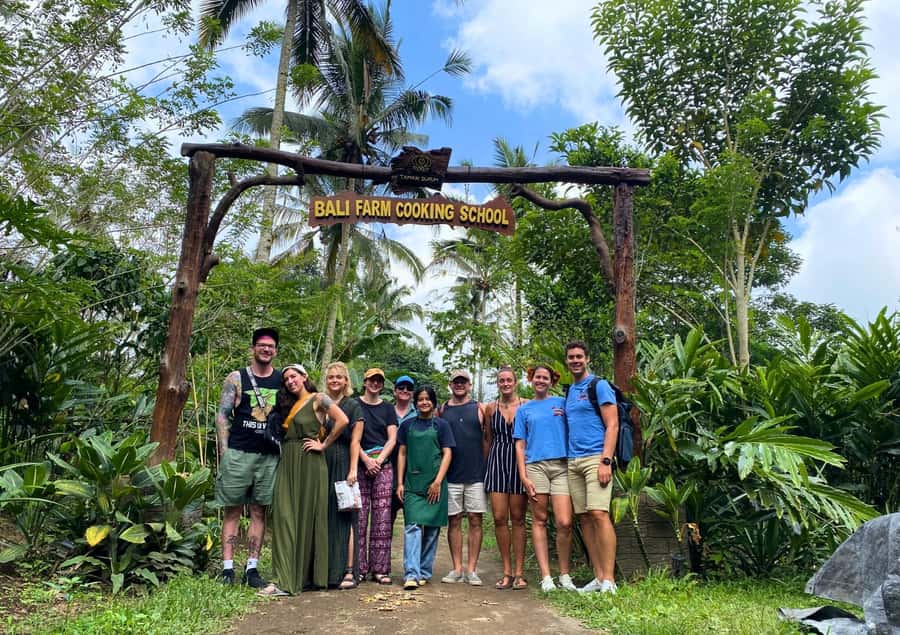
You’ll be picked up in Ubud with a shuttle from the meeting point (meeting point can vary by booked option). On arrival, you get a welcome coffee or tea and a light breakfast.
During the class, mineral water and coffee or tea are included, and of course you eat the meals you cook. Soft drinks and beer aren’t included, but they’re available for purchase.
If you’re sensitive to meal timing, this matters: you’ll snack on fruit at the market, have a light breakfast on arrival, and then build into full course cooking. That’s a good setup for a day with plenty of walking around a farm property.
Logistics That Can Affect Your Comfort: Drive Time and Timing
The farm is not in the middle of Ubud. Depending on where you start, expect about an hour drive each way, and Bali traffic can stretch the return trip. If your schedule is tight, go morning so you’ve already done the big work before evening congestion hits.
Comfort tips that actually help:
- Wear shoes you don’t mind getting a bit dusty.
- Bring a light layer for the drive and cooking time.
- Plan for shared station spacing, so don’t pack anything you need constant fussing with.
If you’re booking around the early morning, that’s often when you get the market tour and more of the local rhythm of the day—especially if you see an early slot such as 7:15am.
Who This Cooking Class Is Best For
This is a great fit if you want more than a meal and you like learning by doing. It also suits different skill levels because the class is step-by-step and designed for groups.
You’ll likely enjoy it most if you:
- Want authentic Balinese dishes and not a Westernized cooking demo
- Enjoy markets and seeing ingredients close up
- Travel with a friend and don’t mind shared kitchen space
- Prefer small-group learning (max 14 people)
It’s less ideal if you need wheelchair access, since it’s not suitable for wheelchair users. Pets aren’t allowed either.
Final Call: Should You Book This Ubud Organic Farm Cooking Class?
I think this is a strong booking for most first-timers to Bali cuisine—especially if you like the idea of starting at a market and ending with six dishes you made yourself. The combination of farm harvesting, Balinese spice foundations like Base Gede, and the recipe book you keep makes it feel worth the day.
If you’re short on time, have mobility constraints, or you dislike long drives, you might reconsider. But if you want a full, practical food experience in Ubud that leaves you with repeatable results, this is an easy yes.
FAQ
How long is the cooking class?
It runs about 330 minutes, which is roughly 8 hours, depending on the starting time you book.
Is a market tour included?
Yes, the market tour is included for the morning class option.
What’s included besides cooking?
You get a shuttle from the Ubud meeting point, an organic farm tour, harvesting fresh ingredients, a hands-on cooking class, mineral water plus coffee or tea during the class, and the meals you cook. You also keep a recipe book and receive a downloadable PDF of the latest recipes.
Can I choose a vegetarian menu?
Yes. There’s a vegetarian menu option with dishes like gado gado, opor tempe, and a jackfruit-based vegan sate lilit.
Is it wheelchair accessible?
No, it is not suitable for wheelchair users.
Are pets allowed?
No, pets are not allowed.