REVIEW · LISBON
Hands on Portuguese Cooking Class in Lisbon
Book on Viator →Operated by Compadre Cooking School · Bookable on Viator
Cooking bacalhau like a local beats restaurant meals. At Compadre Cooking School, you cook step by step, with your own kitchen station, and you finish by eating what you made. I like that the class covers a full Portuguese meal from start to finish, not just one dish.
Another thing I love: the small-group setup (max 12) means you get real attention while you’re chopping, cooking, and tasting. One possible drawback to weigh: dessert isn’t part of the class menu, so you may want to plan a sweet stop afterward.
In This Review
- Key Highlights Worth Planning For
- Entering Compadre Cooking School: What Makes It Feel Like Lisbon
- Your Own Station and a Small Group (So You Actually Cook)
- The 3-Hour Menu Flow: Starter, Cod (Bacalhau), and a Meat Dish
- Bacalhau, Peppers, and the Stuff That Changes Your Restaurant Orders
- Hands-On Cooking Skills That Translate to Your Home Kitchen
- The Meal Moment: Cooking Together, Then Sharing
- Price and Value: Why $82.24 Can Make Sense in Lisbon
- Where This Class Fits in Your Lisbon Day Plan
- Who Should Book This Portuguese Cooking Class?
- FAQ
- FAQ
- Where is the class meeting point?
- How long is the Portuguese cooking class?
- Is the class offered in English?
- Do I get recipes to take home?
- What dishes are included in the menu?
- How big is the class group?
- Is there a dessert included?
- Can kids or teens participate?
- Are alcohol drinks included?
- What’s the cancellation policy?
- Should You Book This Hands-On Portuguese Cooking Class?
Key Highlights Worth Planning For
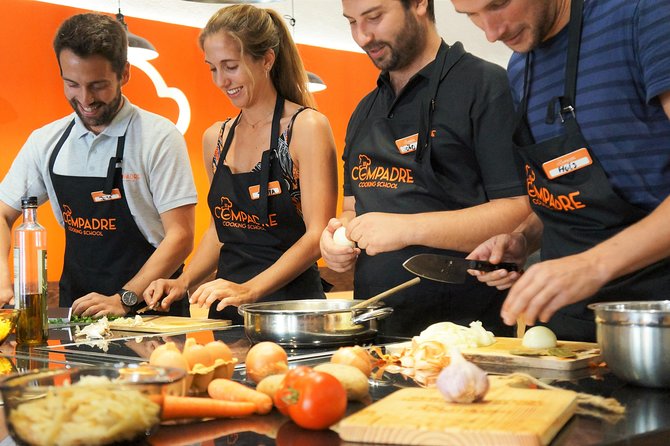
- Your own station keeps you actively cooking, not watching from the sidelines.
- A small group (up to 12) helps you get guidance when you need it.
- Take-home recipes let you recreate the Portuguese flavors after you’re back home.
- Portuguese meal, full-course flow—starter, fish cod, and a meat dish style of menu.
- History and technique are built in so you understand what you’re making, especially with bacalhau.
- Cook, then eat together for a social finish around the dishes you created.
Entering Compadre Cooking School: What Makes It Feel Like Lisbon
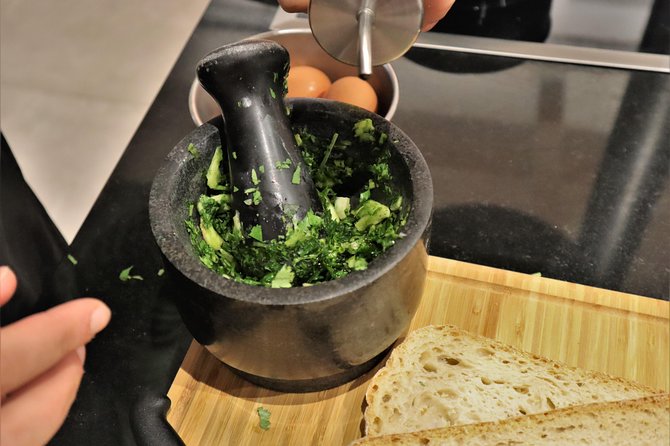
If you want your Lisbon food day to be more than just tasting, this class is a great choice. The vibe is practical: you walk in, get set up at your station, and start cooking right away. You’re not waiting around for a show—you’re making a Portuguese meal with guidance as you go.
The meeting point at R. Heliodoro Salgado nº14 is simple and helps the whole thing start on time. It’s also near public transportation, which matters in Lisbon where travel time can sneak up on you. You’ll typically want to arrive a few minutes early so you can settle in before the first prep.
You’ll be working in English, and the class runs about 3 hours. That’s a sweet spot: long enough to learn real technique and finish multiple dishes, but short enough to keep your evening open for the rest of Lisbon.
You can also read our reviews of more tours and experiences in Lisbon.


Your Own Station and a Small Group (So You Actually Cook)
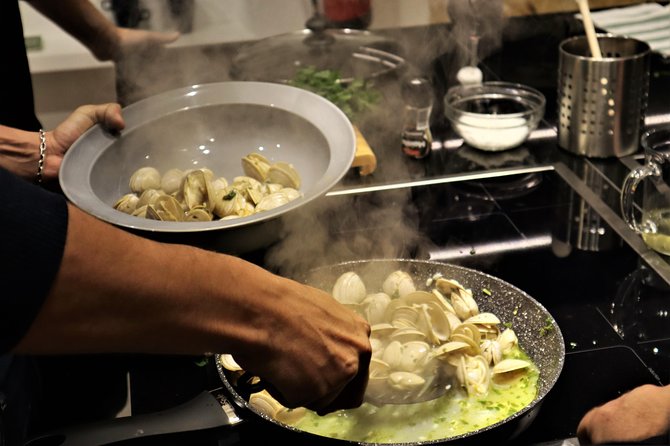
This is the sort of class that respects your time and your appetite. With a maximum of 12 travelers, the instructors can actually see what you’re doing, not just sweep the room. You get your own setup, which means you can move at your own pace while still staying on track.
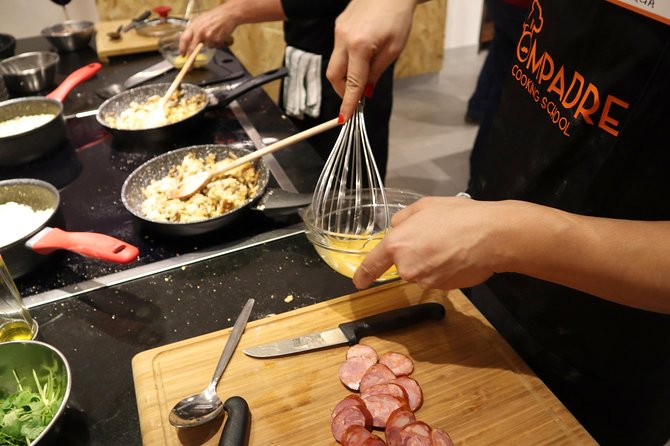
What stood out in the experiences people shared is the hands-on prep. The space is described as clean and well organized, with each small group working at their own station under instructor oversight. That’s what you want: guidance when you’re unsure, but not so much control that the lesson stops feeling like yours.
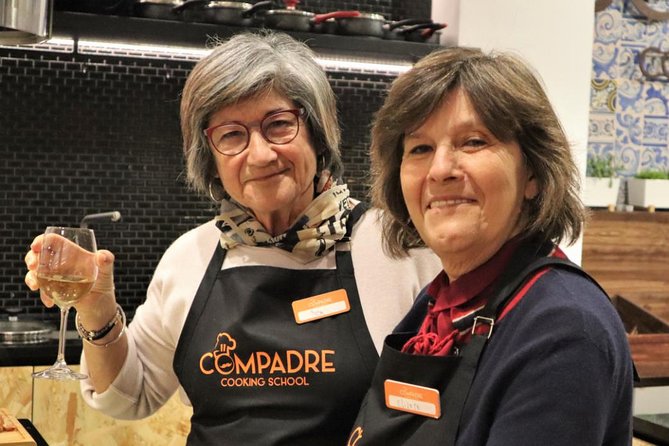
I also like the social element. The class ends with you sitting down to share the meal with the other people in your group. It turns a cooking session into an evening moment, with everyone comparing notes on what went right (and what needed a quick fix mid-cook).
The 3-Hour Menu Flow: Starter, Cod (Bacalhau), and a Meat Dish
The heart of the class is learning what a Portuguese full meal feels like. The menu format you can expect follows a clear pattern: a traditional Portuguese starter, a fish dish made with cod, and a traditional meat dish. You’ll prep and cook through each course, then eat them together at the end.
Cod in Portuguese cooking isn’t just a fish choice—it’s a national obsession. Many people come away talking about bacalhau and why salted cod matters in Portuguese food culture. In practice, that means you learn how the ingredient behaves, how it’s treated, and what to look for so you don’t end up with something overly salty or bland.
On the fish course, expect step-by-step instruction geared toward home cooking results. That matters, because some restaurant dishes can feel impossible to copy. Here, the goal is that you’ll recognize the logic of the recipe when you cook it again later.
Then you move to a traditional meat dish. Even if you don’t consider yourself a meat person, this part helps you understand Portuguese seasoning style and how mains are built to complement the starter and fish course. It’s also where the class pacing clicks: you build skills as you go, instead of doing everything in one burst.
Bacalhau, Peppers, and the Stuff That Changes Your Restaurant Orders
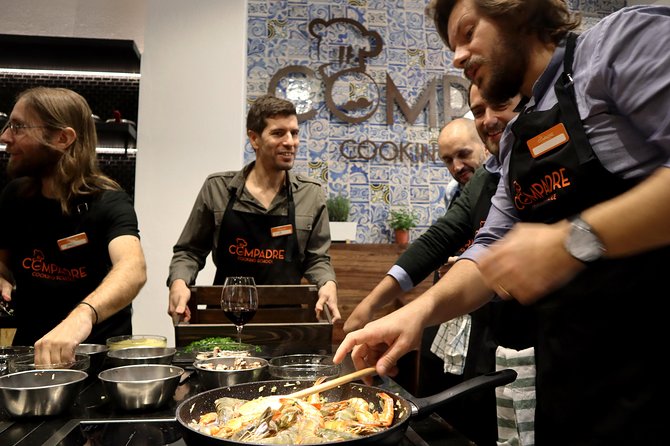
One of the most useful parts of this kind of cooking class is what it teaches you to notice when you’re eating out. With Portuguese food, sauces, peppers, and cod preparation make the biggest difference, and people consistently mention learning the role of salted cod (bacalhau) and why it shows up so often.
You’ll likely pick up practical knowledge that helps you order with confidence later. For example, you’ll understand what bacalhau is and why it’s treated differently than fresh cod. You’ll also get a better sense of how Portuguese cooks use peppers, including the heat level and how flavors stack up with olive oil, herbs, and other common Portuguese ingredients.
The class isn’t only about technique—it’s also about context. In instructor-led explanations, people mention colorful stories tying dishes to Portuguese food traditions. Even if you just pay attention to the ingredient logic, you’ll get better at reading menus and choosing dishes you’ll actually like.
Hands-On Cooking Skills That Translate to Your Home Kitchen
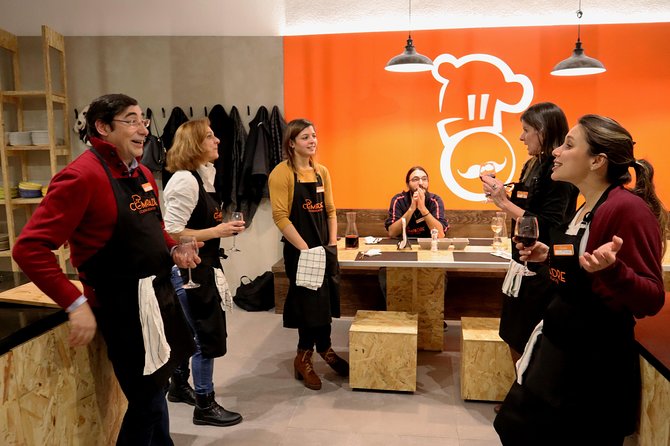
This class is built around the idea that you should be able to recreate the meal after you leave. That’s why the instruction emphasizes clear steps and why you work at your own station while the instructor watches.
Many experiences highlight that the teachers are patient and give a good level of help, even for people who cook at home but not professionally. If you’re a first-timer, you’ll still have structure to follow. If you already cook, you’ll still benefit because the recipes and technique are specifically Portuguese, not generic “European-style” instructions.
Also, the fact that you take home recipes is a big value driver. It turns your time in the cooking school into a usable souvenir. When you get home and want a Portuguese dinner, you won’t be guessing what went into the sauce or how the cod was meant to finish.
If you’ve got a friend or partner who likes to eat, this is also a win because it’s easy to bring them in later with a meal you can actually explain.




The Meal Moment: Cooking Together, Then Sharing
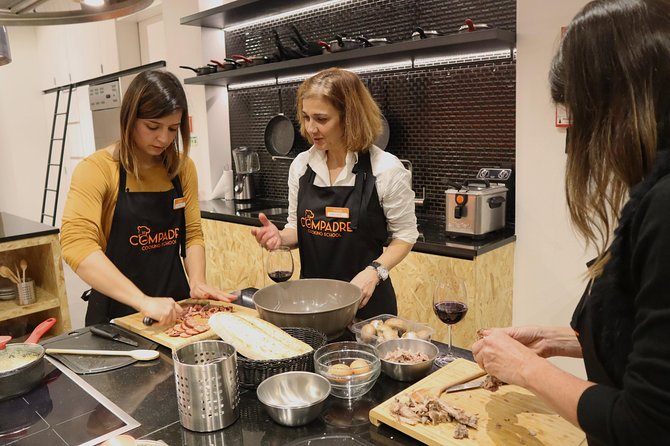
The best part after the work is the payoff: you sit down and eat what you made. Sharing the meal with your fellow students is more than social. It helps you understand the balance of the courses—how the starter sets up the palate, how the cod course feels, and how the meat dish lands.
People often describe the atmosphere as welcoming and fun, and that matters if you’re worried about cooking classes feeling awkward. A small group setup usually helps everyone loosen up. And because everyone cooked, there’s a natural friendliness that comes from teamwork at the stations.
Food classes can sometimes leave you full but unsure. Here, the tasting part confirms what the recipe is trying to do. You’ll likely notice texture and seasoning differences—especially with cod—once you taste it side by side with what you worked on.
Price and Value: Why $82.24 Can Make Sense in Lisbon
At $82.24 per person for about 3 hours, you’re paying for three things: instruction, ingredients and meal, and recipes to recreate at home. That’s not a low price, but it’s often fair for a hands-on class where you’re not just paying to eat.
The value improves because the class is small (max 12). In bigger group cooking demos, you can end up feeling like a spectator with a recipe card. Here, the station setup pushes you into active cooking, so you leave with both skills and understanding.
Also, the class includes a full-course meal structure: starter plus cod plus meat. You’re not just making one item and leaving early. For a lot of people, it becomes one of the most satisfying food-focused experiences in Lisbon because it combines learning and eating in the same time block.
One thing to keep in mind: dessert isn’t part of the class menu. That doesn’t make the meal less enjoyable, but it can affect value if dessert is a must for you. Plan a sweet after class, and you’ll feel balanced.
Where This Class Fits in Your Lisbon Day Plan
This is a great activity for the day you want a food anchor. It can serve as your “Portuguese primer,” helping you understand what to look for in restaurants afterward. A lot of the useful learning is about how to interpret Portuguese favorites, especially bacalhau and the pepper flavors people love.
Because the class is about 3 hours, you can pair it with a relaxed Lisbon itinerary before or after. I like scheduling it earlier in the trip, so you can use your new ingredient knowledge while you’re still exploring.
Also, with mobile tickets and a clear meeting point, it’s straightforward to handle in a busy travel day. You’ll still want to give yourself buffer time so you can get settled without rushing into cooking.
Who Should Book This Portuguese Cooking Class?
This class is a strong fit if you want:
- Hands-on Portuguese cooking, not a lecture-only experience
- A small-group setting where your instructor can actually help
- A way to learn bacalhau and other Portuguese flavors with real technique
- Take-home recipes you can use later
You might skip it if you’re mainly looking for a full evening that includes dessert as part of the package. Since dessert isn’t included in the menu, you’d need to add that separately.
If you’re traveling as a couple or solo, you’ll likely enjoy the shared meal time. If you’re coming as a family, note that children up to 17 must be accompanied by an adult. And alcoholic beverages won’t be served to participants under 18—water or tea is used instead.
FAQ
FAQ
Where is the class meeting point?
The start location is Compadre Cooking School, at R. Heliodoro Salgado nº14, 1170-176 Lisboa, Portugal.
How long is the Portuguese cooking class?
It runs for about 3 hours.
Is the class offered in English?
Yes. The experience is offered in English.
Do I get recipes to take home?
Yes. You can take home the recipes so you can recreate the dishes at home.
What dishes are included in the menu?
The course is structured as a traditional Portuguese starter, a fish dish made with cod, and a traditional meat dish.
How big is the class group?
The experience has a maximum of 12 travelers.
Is there a dessert included?
Dessert is not listed as part of the course menu.
Can kids or teens participate?
Children up to 17 must be accompanied by a participating adult (plus 18 years old).
Are alcohol drinks included?
Alcoholic beverages are not served to participants under 18; water or tea is provided instead.
What’s the cancellation policy?
Free cancellation is available. You can cancel up to 24 hours in advance for a full refund.
Should You Book This Hands-On Portuguese Cooking Class?
If you want a Lisbon food experience that’s practical, social, and repeatable at home, I’d book it. The small group format plus the own-station cooking makes it feel hands-on rather than performative, and the full-course flow (starter, cod bacalhau, and meat) gives you a real taste of Portuguese table logic.
Just go in knowing the class focuses on savory courses, so if dessert is your priority, plan one afterward. If that fits your style, this is a smart way to spend a few hours and leave with both recipes and confidence ordering and cooking Portuguese classics.