REVIEW · LISBON
Lisbon: 2-Hour Pastel de Nata Cooking Class
Book on GetYourGuide →Operated by Compadre Cooking School · Bookable on GetYourGuide
Egg tarts are easy to love.
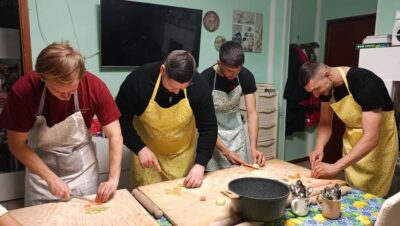
This 2-hour Pastel de Nata cooking class turns that love into a skill, with an in-kitchen setup in Lisbon and plenty of step-by-step guidance. You’ll learn why these egg tarts became a national symbol, including their roots in 19th-century monasteries, and you’ll do it while working right alongside the chefs.
I especially like two things here. First, you get to make two Portuguese treats instead of just watching or tasting. Second, the instructors—often Anna and Marta—explain the process clearly enough that even a shaky cook can end up with good results.
One thing to keep in mind: the class involves standing for about 1h20, so it’s not a great pick if you have back problems. Also, it’s not very vegan friendly, so if that matters, you’ll need to check in ahead.
In This Review
- Key highlights that make this class worth your time
- A hands-on Lisbon moment in a working kitchen
- Pastel de Nata plus a second Portuguese recipe (you’ll leave with more than memories)
- How the tarts are made: what you’ll actually learn
- The pace: 2 hours that feel focused, with about 1h20 on your feet
- The food experience: coffee, tea, and eating together at the end
- Price and value: is $64 per person fair?
- Who this class suits (and who should skip it)
- Practical tips to make your first Pastel de Nata go smoother
- Should you book this Pastel de Nata cooking class?
- FAQ
- How long is the Pastel de Nata cooking class in Lisbon?
- What will I cook during the class?
- Is the class taught in English?
- What’s included in the price?
- What should I bring to the class?
- Is this class suitable for people with back problems?
Key highlights that make this class worth your time
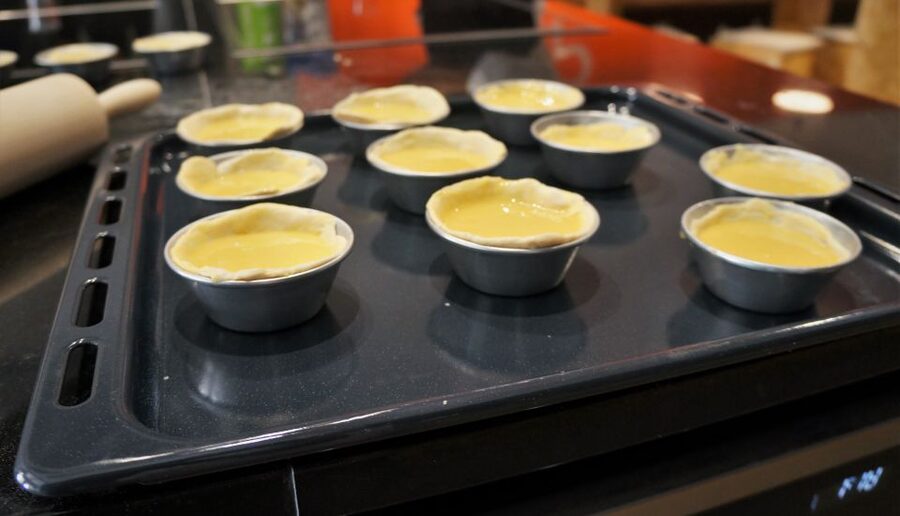
- Hands-on pastry time: you roll up your sleeves and actually bake what you make
- Two recipes, not one: you leave with more than just a single tart skill
- Real instruction, not vague tips: guides walk you through each step in English
- Take-home results: you typically get recipes (and often packaging) for sharing later
- History built into cooking: you learn the story behind Pastel de Nata while you work
A hands-on Lisbon moment in a working kitchen

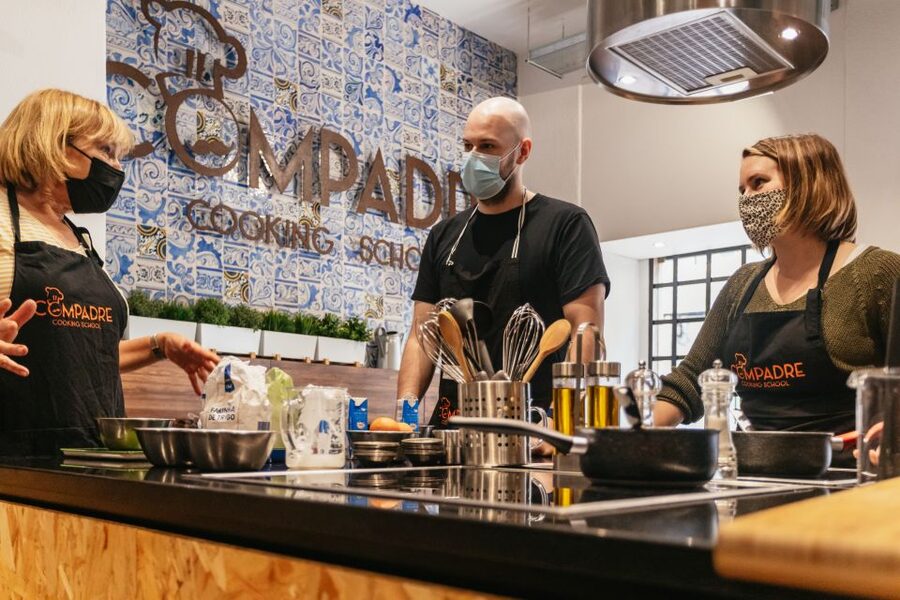
If you’ve been around Portuguese pastries for more than five minutes, you’ve noticed the quiet reality: most people eat Pastel de Nata and never find out how it’s made. This class fixes that. You go from first mixing cues to finished tarts, right in the kitchen where the process happens.
For me, the biggest value is the pace. It’s not a rushed “tour” where you’re herded from one photo op to the next. It’s closer to a short workshop where the chefs can guide you in real time, so you learn the technique you can reuse back home.
You’ll also get that Lisbon food feeling without needing to hunt for a restaurant. You’re learning in English, you’re surrounded by the tools and ingredients you need, and you’re eating together at the end while you compare results.
You can also read our reviews of more tours and experiences in Lisbon.
Pastel de Nata plus a second Portuguese recipe (you’ll leave with more than memories)
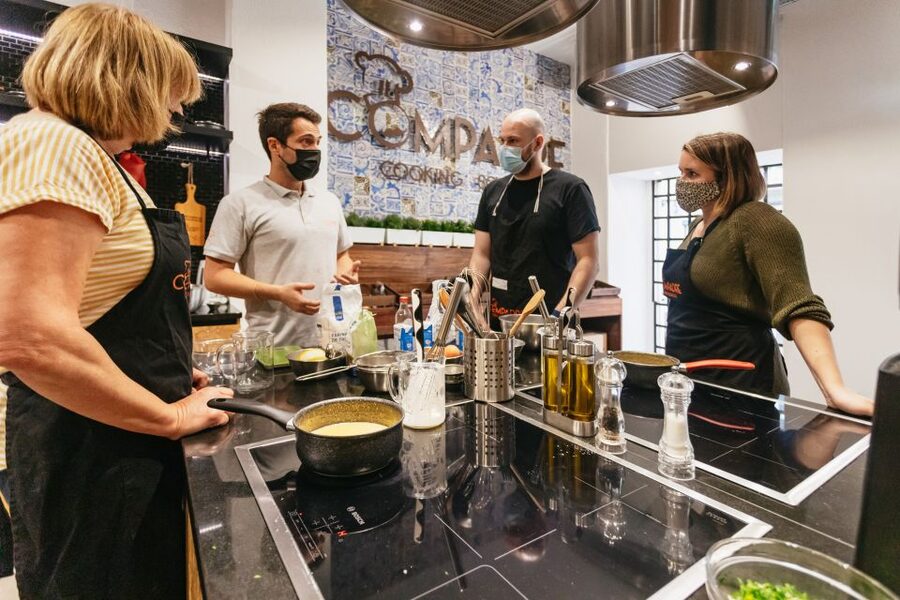
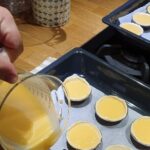
The star is, of course, Pastel de Nata—Portugal’s famous egg tarts. The class format usually starts with pastry and custard that are set up for you, so you’re not building everything from scratch. That matters because it keeps the class fun and achievable, especially if pastry is not your thing.
Then you make a second traditional Portuguese recipe alongside the tarts. The second dessert can vary by session. Based on what’s been made in the past, you might see a custard-style meringue dessert (often referred to as farófios) or something savory-sweet like cod fritters / bacalhau cakes. Either way, the point is the same: you get a broader taste of Portuguese cooking than just one iconic pastry.
And yes, you get recipes to take home. That’s a small detail that pays off later. It turns the class into something you can repeat instead of something you only remember.
How the tarts are made: what you’ll actually learn
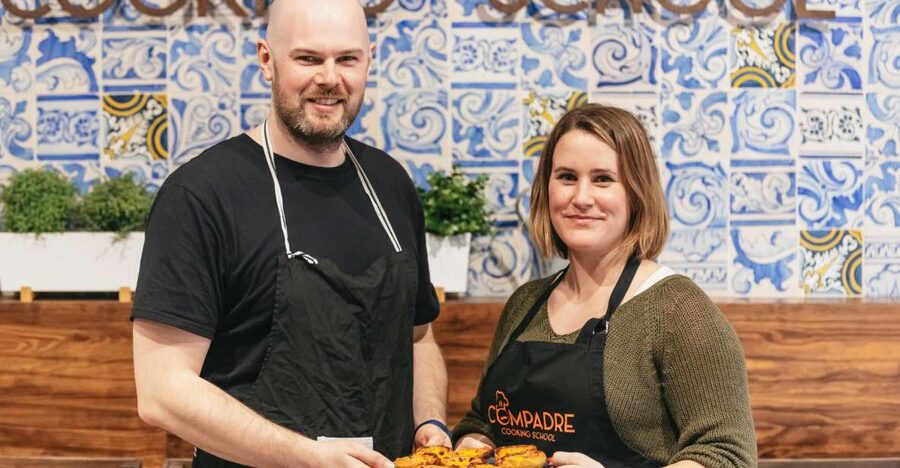
Pastel de Nata looks fancy in shop windows, but it’s built on technique, not magic. In class, you’ll learn the steps that affect the final texture and look—especially around the custard filling and baking process.
A few practical things you’ll likely focus on:
- Custard simplicity and control: you learn how to handle the mixture so it sets properly
- Tart assembly: how to fill the cases evenly instead of under- or over-filling
- Finishing and timing: cues that help you avoid soggy results
One reason this class earns such high scores is that the instructors break things down without talking down to you. When a teacher can explain what to do with clear, usable instructions, you can actually feel your progress mid-class, not just after you taste the results.
The pace: 2 hours that feel focused, with about 1h20 on your feet
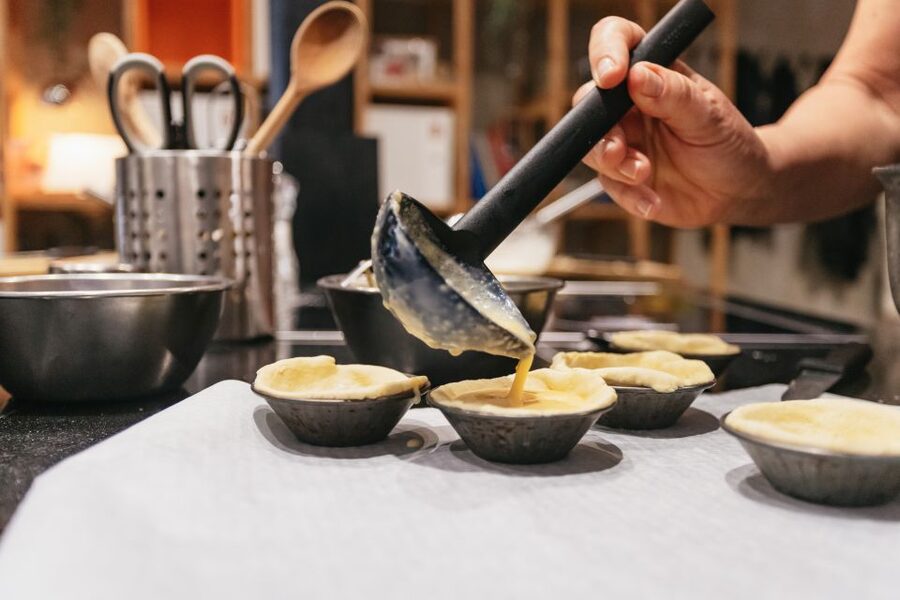
The class runs about 2 hours, and the standing time is roughly 1h20. That’s long enough to matter if your back is sensitive, even if you don’t consider yourself “disabled” or “injured.”
What you can expect during that time:
- You’ll spend a big portion actively cooking, not just eating
- You’ll get guidance while you work, so you’re not stuck guessing
- You’ll end with a light shared meal that includes what you made
If you’re planning this between long sightseeing blocks, build in breathing room. Wear comfortable shoes. Lisbon walking is already a lot, and this adds a standing component.
The food experience: coffee, tea, and eating together at the end
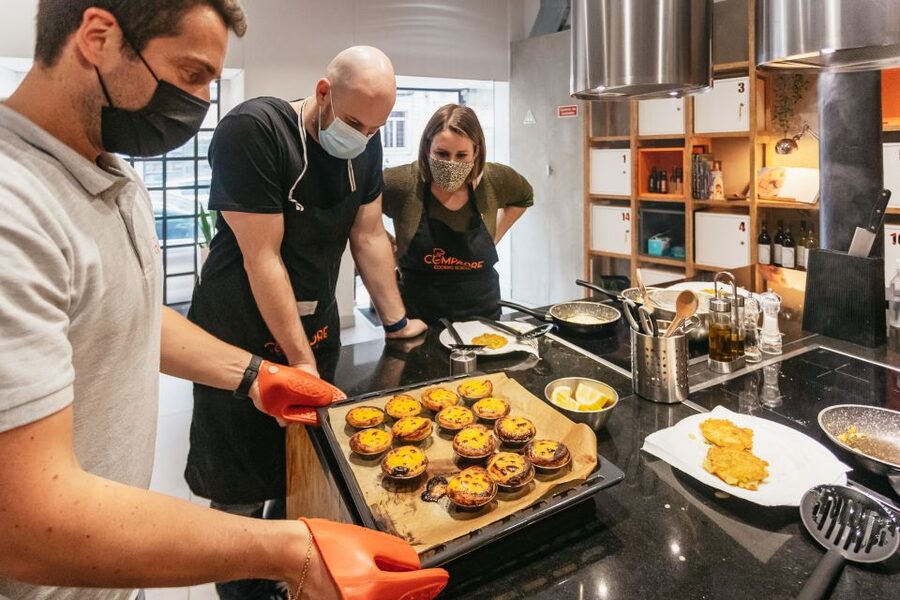
You’re not just making pastries and leaving. You sit down afterward to taste what you baked, and the experience is designed to be social in a laid-back way.
Refreshments are part of the plan. The class information says you’ll have tea and coffee, and tea is included. In practice, there can be small variations in what you’re offered at the moment—so I’d treat this as a “expect tea, ask about coffee” situation rather than a guaranteed coffee every time.
Still, the meal portion is more than a formality. It gives you a chance to check your results—whether your custard set right, whether your pastry browned the way it should, and whether the tart texture matches what you were aiming for.
Once you can bake the nata, the rest of the city is dessert: the Lisbon Traveler rounds up Lisbon’s tours and tickets by review score for everything beyond the pastry counter, tram rides and miradouro walks included.



Price and value: is $64 per person fair?
At $64 per person, this isn’t a cheap snack class. But it’s also not just paying for ingredients and a worksheet.
You’re paying for:
- Instruction from English-speaking chefs (step-by-step guidance)
- Equipment, utensils, and ingredients
- Two recipes you take home
- A built-in eating moment (your own pastries)
Where the value really shows is in the “skill per hour.” Two hours is short enough to fit most travel schedules, but long enough for real practice. And because you leave with a second Portuguese recipe besides Pastel de Nata, the class feels like more than a single-purpose experience.
If you love Lisbon food but don’t want to commit to a full-day cooking plan, this hits a sweet spot. If you’re only looking to taste pastries, you’ll likely do better with a tasting-focused food stop. But if you want to bring something home you can actually make, the price makes more sense.
Who this class suits (and who should skip it)
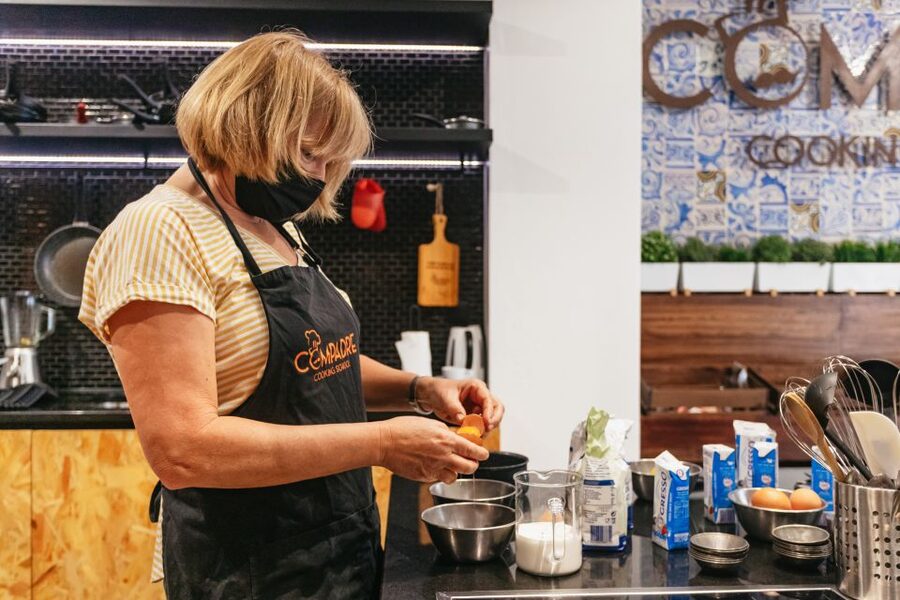
This works best if you fall into one of these groups:
- You’re a first-timer who wants clear instructions and a doable outcome
- You want a food activity that’s still hands-on, not just a walking tour
- You like learning the story behind what you eat, not only the “what”
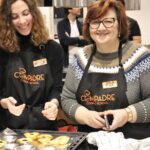
It’s also a good choice if you travel solo. The class setup encourages interaction during cooking and eating, and the vibe tends to be friendly and relaxed.
I’d avoid it if:
- You have back problems (standing for 1h20 is a deal-breaker for some people)
- You need a vegan option without advance coordination, since Portuguese cuisine isn’t very vegan friendly
And if you’re expecting a class where you start from raw dough every minute, adjust expectations. This is structured so you can succeed in the time you have.
Practical tips to make your first Pastel de Nata go smoother
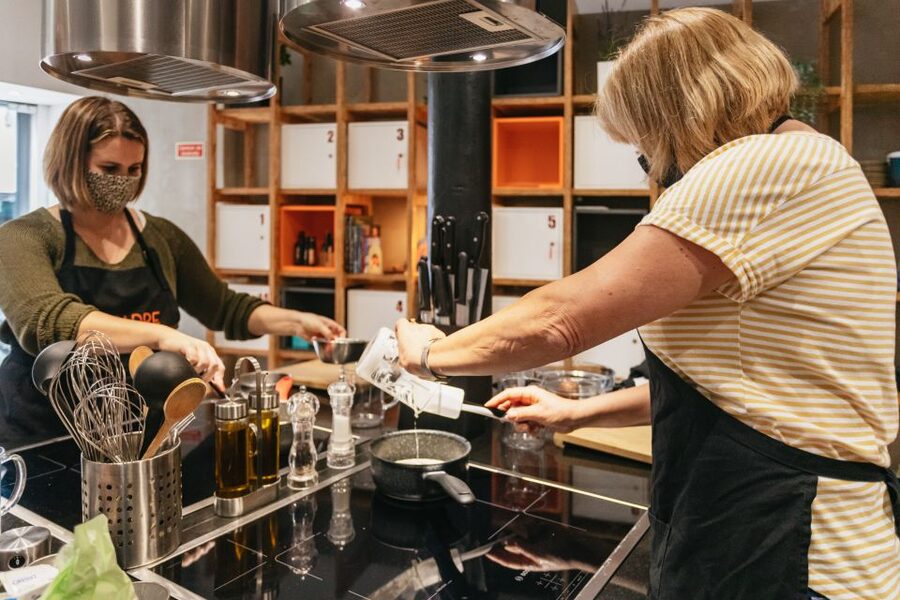
You don’t need to be a baker to do well here, but a few choices help:
- Wear comfortable shoes and plan for standing
- Arrive a few minutes early so you can settle in and get started on time
- Don’t be shy about asking questions mid-step; the whole class is built around guidance
- Bring a mental checklist: custard control, even filling, and watching your baking cues
If you’re curious about where to eat Pastel de Nata afterward, you’ll be better prepared. Once you’ve made them, you start noticing details like how the custard sets and how the pastry behaves.
Should you book this Pastel de Nata cooking class?
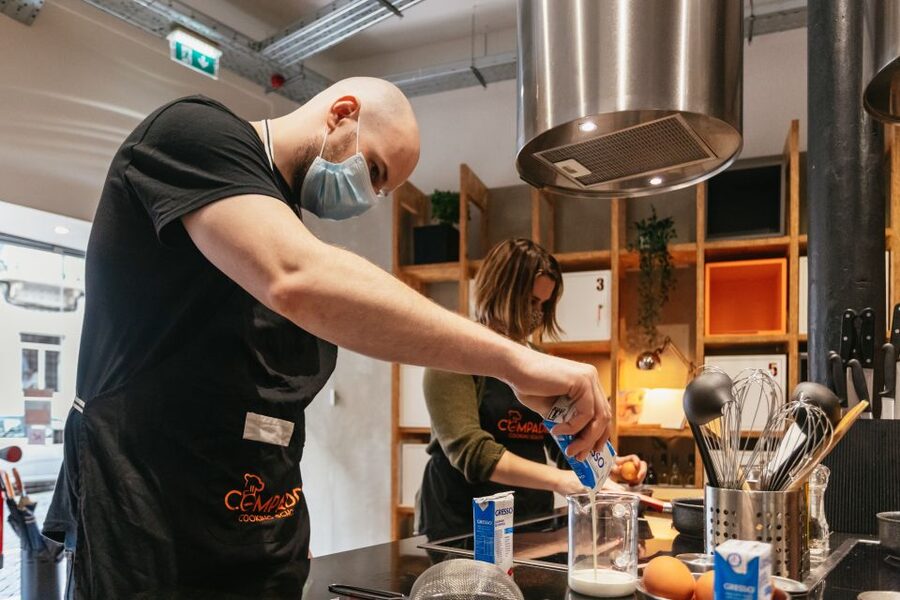
Book it if you want a Lisbon experience that gives you both a story and a skill. This is one of those activities that’s practical, not just entertaining: you learn the steps, you bake the tarts, you leave with recipes, and you get a second Portuguese treat along the way.
Skip or rethink it if standing time is an issue for you, or if you need a vegan-focused menu without advance help. And if you’re chasing a full-on cooking marathon from scratch, know that the class is designed to be achievable within two hours.
If your goal is to come home saying, I can make this, this is a strong pick.
FAQ
How long is the Pastel de Nata cooking class in Lisbon?
The class lasts 2 hours.
What will I cook during the class?
You’ll make Pastel de Nata and another traditional Portuguese recipe, plus you’ll enjoy a light meal and tea during the session.
Is the class taught in English?
Yes, the instructor speaks English.
What’s included in the price?
Included items are cooking equipment, utensils, ingredients, an instructor, insurance, two recipes, and tea.
What should I bring to the class?
Wear comfortable shoes.
Is this class suitable for people with back problems?
No. The class involves standing for about 1h20, and it’s not recommended for people with back problems.