REVIEW · PHUKET CITY
Thai Cooking Class with Market & Garden Tour
Book on GetYourGuide →Operated by The Guide Thailand · Bookable on GetYourGuide
Food, fruit, and curry, all in one day. This Thai cooking class in the Kata area pairs a real ingredient shopping trip with a garden walk, then ends at Chef Woody’s kitchen for hands-on cooking you can actually repeat later. You get market context and a garden-to-plate feel, without needing to be a foodie first.
What I love most is the way you start with market shopping and herbs/spices you’ll use right away, not just watch and snack. I also like the personal cooking station setup, because the instruction stays practical while you cook three dishes you choose for lunch or dinner.
One thing to keep in mind: if you have a serious allergy or very strict dietary rule, you’ll want to be extra clear about ingredients (Thai cooking can use similar flavor bases across dishes, and shared steps can matter).
In This Review
- Key highlights to plan your day around
- Why Chef Woody’s market-and-garden approach makes this class click
- Hotel pickup and timing: morning lunch vs afternoon dinner
- The local market stop: herbs, spices, fruit, and what to actually buy
- Wooddy Kitchen in Kata: the welcome, the garden walk, and the kitchen setup
- Hands-on Thai cooking: how you get real technique, not just memorization
- What you’ll cook: dish choices for lunch and dinner
- Morning class menu (lunch cooking)
- Afternoon class menu (dinner cooking)
- Eating your meal and taking leftovers home
- Recipe e-book, videos, and the apron: what you take back to your kitchen
- Price and value: is $73 a fair deal for a 5-hour class?
- Safety, allergies, and dietary rules: what to watch on a hands-on day
- Who should book this class, and who might skip it
- Should you book this Thai Cooking Class with Market & Garden Tour?
- FAQ
- What’s the duration of the Thai Cooking Class with Market & Garden Tour?
- Where does pickup and drop-off happen?
- Is the cooking instruction in English?
- What does the tour include besides the cooking class?
- How many dishes do you cook?
- Which dishes are available for the lunch (morning) class?
- Which dishes are available for the dinner (afternoon) class?
- Do you receive a recipe book or cooking materials to take home?
- Is alcohol included?
Key highlights to plan your day around
- Local market ingredient shopping with the chef, so you learn what you’re buying and why
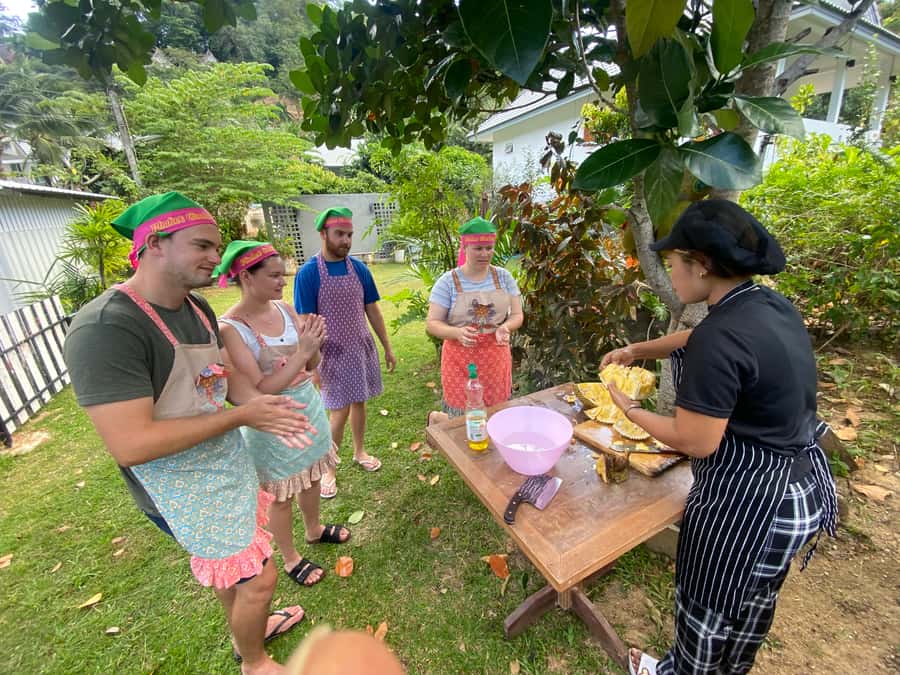
- Wooddy’s garden tour focused on the Thai herbs and fruits that end up on your plate
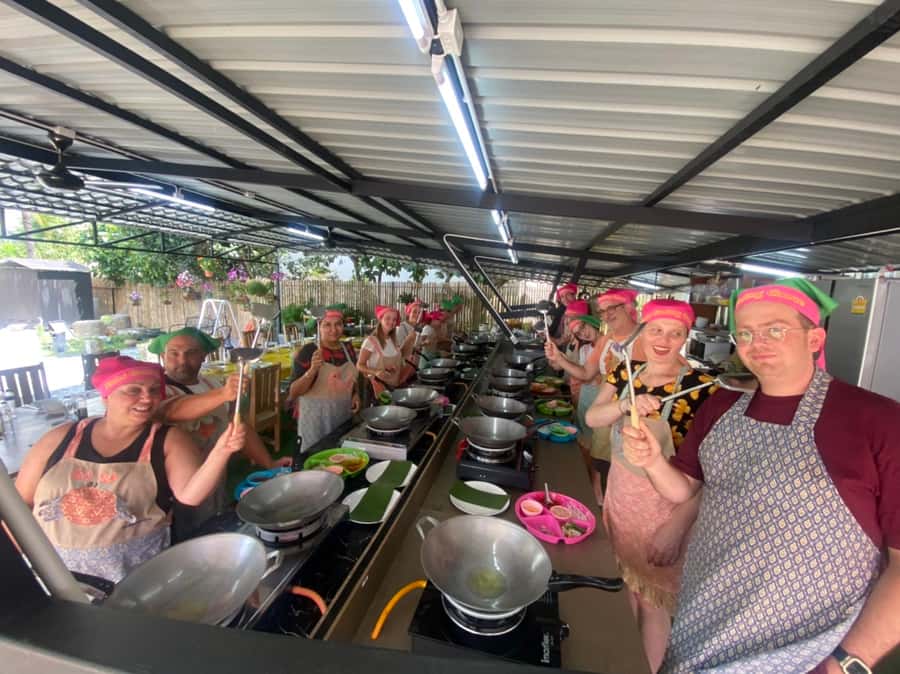
- Hands-on cooking at your own station with step-by-step help in English
- Choose-your-own menu: 3 dishes for lunch or dinner, plus a classic dessert option
- Take-home materials including a recipe e-book/video set and a paper recipe book
- Leftovers packed up in a food box so you can keep eating after the class
Why Chef Woody’s market-and-garden approach makes this class click
This isn’t a cooking demo where you mostly stand and watch. It’s structured like a Thai food lesson that starts with ingredients, then moves to technique, then finishes with you eating the result. That flow helps you understand flavor building instead of copying a recipe blindly.
Chef Woody (often called Mr. Woody) runs the whole experience with humor and lots of practical talk. The kitchen is set up so you cook at your own station, and the assistants help keep everything moving without turning the class into chaos.
If you like the idea of learning Thai cooking as a skill, not a souvenir, the market and garden parts matter. You’re not just learning what to cook, you’re learning what to look for and how Thai herbs and produce show up in real meals.
You can also read our reviews of more tours and experiences in Phuket City.

Hotel pickup and timing: morning lunch vs afternoon dinner
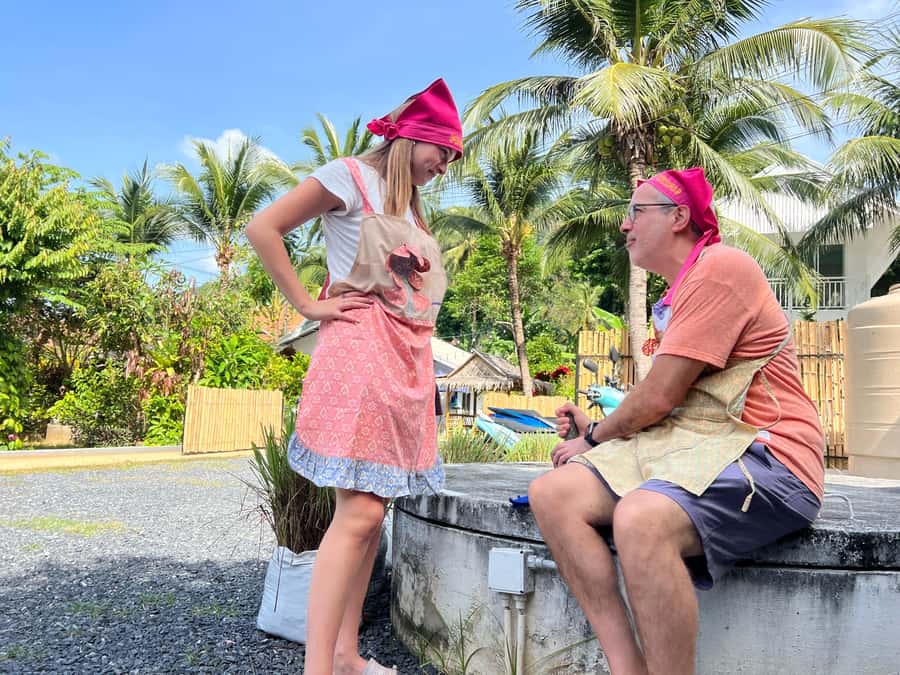
The experience runs about 270 minutes (around 5 hours). You’ll get free round-trip transfer if your hotel is in the Patong, Karon, or Kata Beach area, and pickup is handled by minibus.
You also get two scheduling styles, and which one you choose changes the mood of the day:
- Morning class (lunch cooking): pickup roughly 09:00–09:30, market visit 09:30–09:50, cooking + lunch 10:00–13:30
- Afternoon class (dinner cooking): pickup roughly 14:15–14:30, cooking + dinner 15:00–19:00
Morning fits well if you want to feel fresh and get back early. Afternoon can be a good choice if you’d rather slow down after beach time, and you don’t mind it running into evening.
The local market stop: herbs, spices, fruit, and what to actually buy
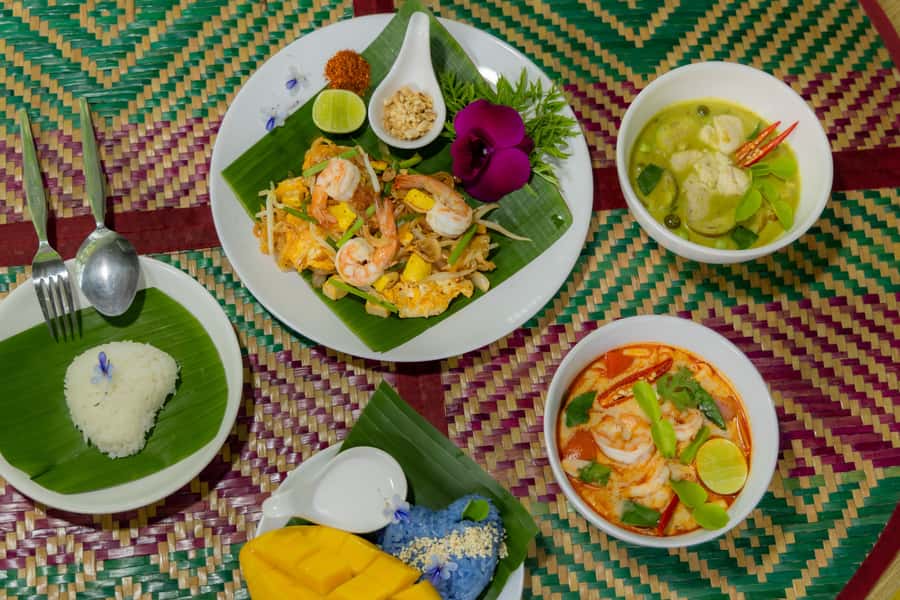
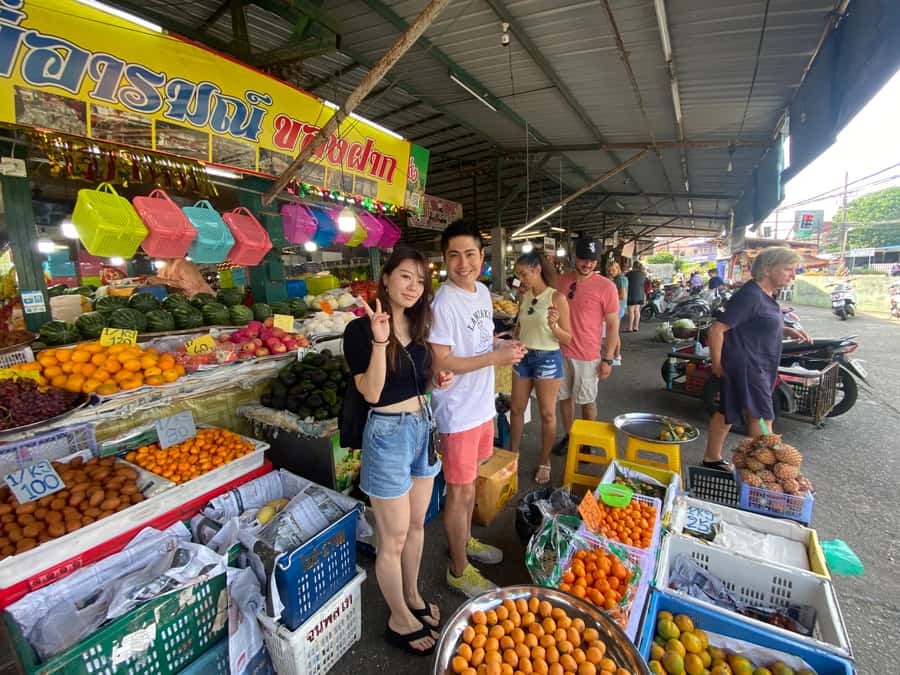
The market visit is short by design, but it’s not random. You shop with the chef for ingredients that match the dishes you’ll cook, and you learn what key Thai herbs and spices do for flavor.
You also get seasonal tropical fruit tasting, which is more than a snack break. It’s a quick lesson in how Thai cuisine uses fruit for sweetness, aroma, and balance. One of the smartest ways to use that tasting is to pay attention to what you like and then ask how that flavor shows up in the dishes.
Bring cash if you want to try extra items from stalls. The class includes the ingredients you’ll need for cooking, but the market is also where you’ll spot interesting things that aren’t part of the shopping list.
Wooddy Kitchen in Kata: the welcome, the garden walk, and the kitchen setup
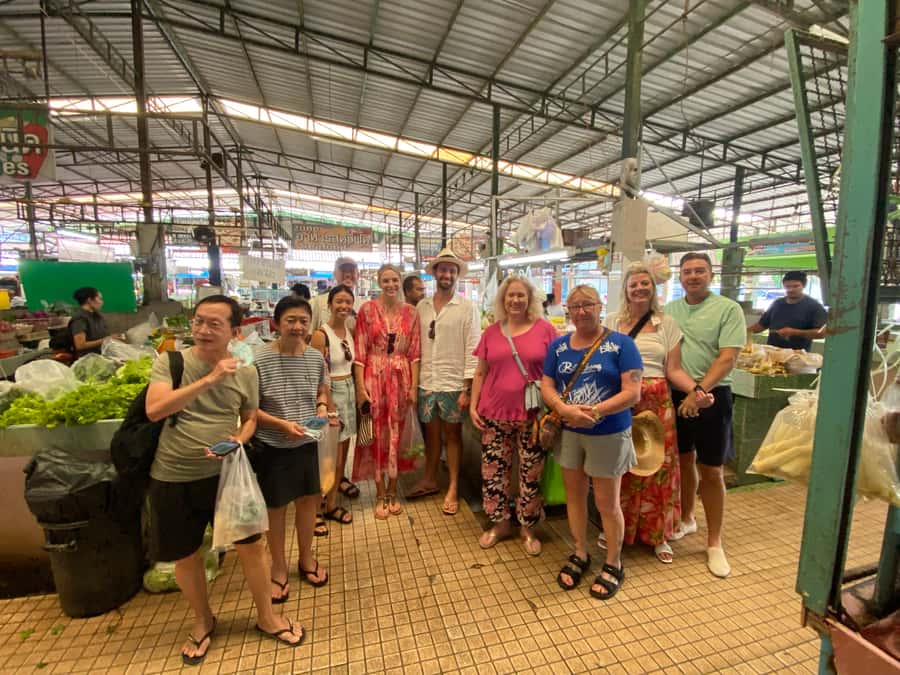
After the market, you head to Wooddy Kitchen in the Kata village area. You’ll be welcomed and usually offered a refreshing herbal drink, which is a nice reset after the heat of shopping.
Then comes the garden tour. The main point isn’t pretty scenery. It’s showing you the plants used in Thai cooking—Thai herbs, fruit, and produce that you can connect back to what’s on your cutting board later. When someone shows you the ingredient source in the garden, the cooking steps start to make more sense.
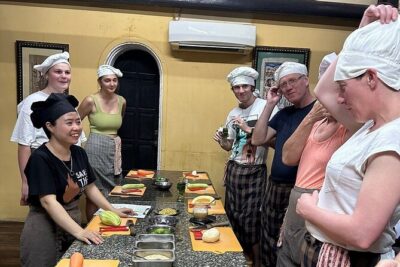
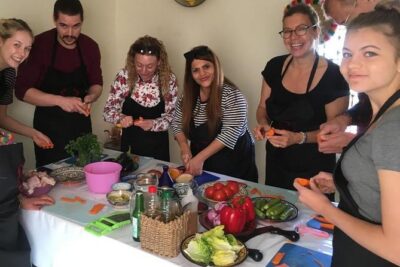
The kitchen itself is set up for group cooking with practical tools and enough space for everyone to work. You’ll be cooking at your own station, and you’ll get guidance while you chop, mix, and build curries and sauces.
Hands-on Thai cooking: how you get real technique, not just memorization
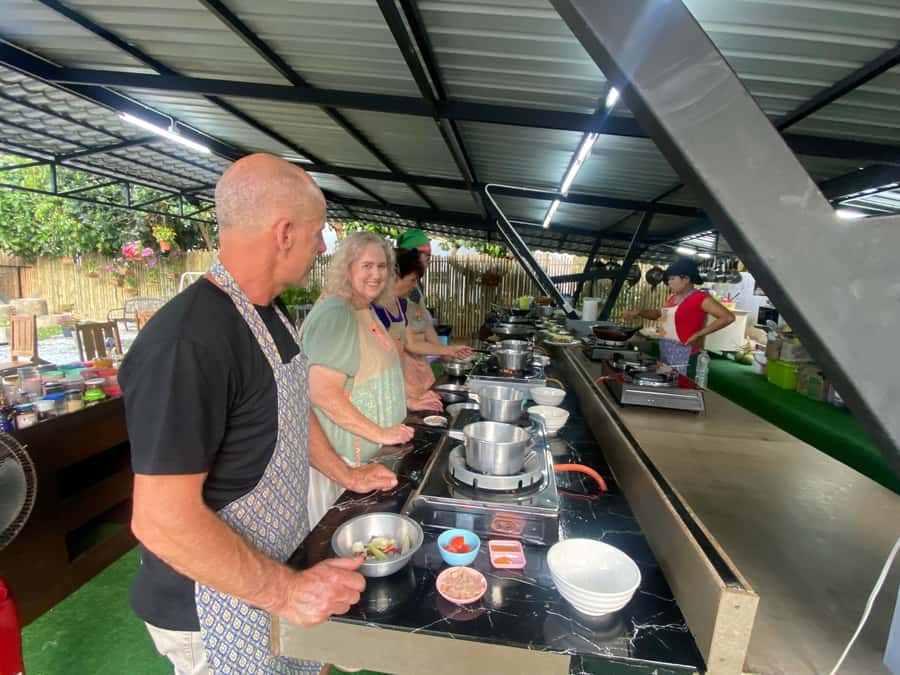
The class centers on cooking three dishes you select. Each person works through the process step by step, so you learn the rhythm of Thai cooking: prep ingredients, balance flavors, then finish with the right texture.
You’ll also get lots of English instruction. The goal is clear: you should walk out knowing what ingredient choices affect the final taste. People love this part because it turns Thai food into something you can recreate, even if your kitchen at home doesn’t look like a Thai home kitchen.
Two practical tips I recommend:
- Watch the steps closely the first time. Later, you’ll rely on memory when making it again.
- Take notes on sauces and pastes. Thai dishes often live or die by the flavor base you build early.
Also, you’ll use an apron during class, and you’ll eat what you cook on site. If you’re tired after the market, the hands-on cooking is a good way to burn off that energy.
What you’ll cook: dish choices for lunch and dinner
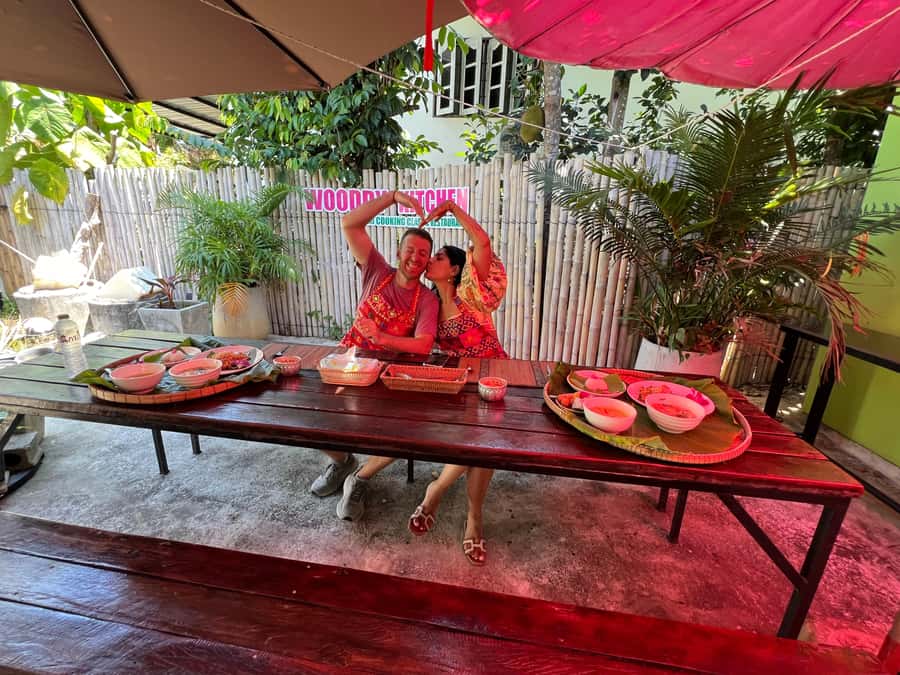
You choose three dishes, and the menu selection differs depending on whether you pick the lunch or dinner session.
Morning class menu (lunch cooking)
Common choices include:
- Green Curry, Red Curry, or Panang Curry (chicken or vegetarian options are mentioned for at least some classes)
- Tom Yum Goong or Tom Kha Kai
- Pad Thai or Pad See Ew
- Mango Sticky Rice
Afternoon class menu (dinner cooking)
Common choices include:
- Panang Curry or Green Curry
- Som Tum (Papaya Salad)
- Tom Kha Kai (Chicken Coconut Soup)
- Stir-Fried Chicken with Cashew Nuts
- Deep-Fried Banana
Pick based on what you like to eat, but also think about what you want to learn. Curries teach paste-building and balance. Som Tum teaches sour-spicy-pulse technique. Pad Thai or Pad See Ew teaches noodles and seasoning timing. Dessert teaches how Thai sweetness sits with coconut and sticky rice.
If you’re vegetarian, it’s worth asking ahead during booking or on the day. One guest reported vegetarian-friendly handling, so it’s not unheard of, but you’ll still want to confirm what’s possible for your exact dish choices.
Eating your meal and taking leftovers home
Once the cooking is done, you sit down and eat your handmade Thai meal. You’ll also get mountain valley views mentioned by the experience format, which makes the lunch or dinner feel more like an outing than a class in a back room.
Portion size is generous. If you can’t finish, they pack up what you cooked in a food box so you can take leftovers back to your room. That’s a big value add, because it stretches your day into a second meal without ordering again.
You’ll also earn a completion certificate as a souvenir, which makes the experience feel official without getting stuffy.
Recipe e-book, videos, and the apron: what you take back to your kitchen
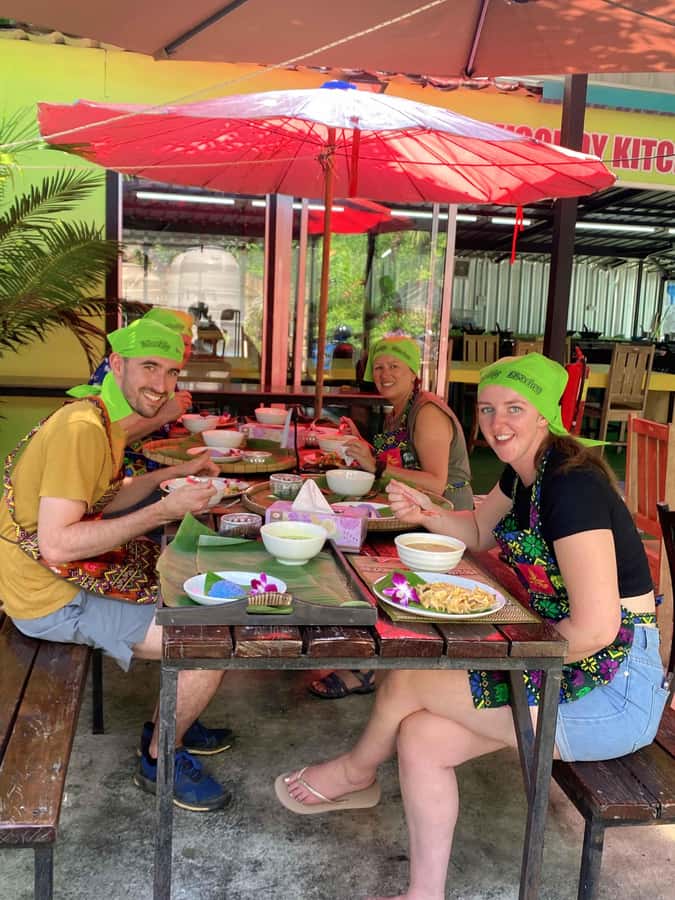
The take-home package is a real selling point. You get:
- A recipe book
- A recipe e-book and cooking videos sent to your email or WhatsApp
- A Thai-style apron used during the class
- A certificate of completion
This is what turns the class into long-term value. The next time you’re craving Thai food, you’ll have more than a memory. You’ll have a way to recreate the dishes, ingredient choices, and cooking steps.
If you’re the type who cooks at home, this matters more than people expect. A good cooking class gives you the mental model. The recipe package here supports that model so you don’t forget how you learned it.
Price and value: is $73 a fair deal for a 5-hour class?
At $73 per person for about 5 hours, the value comes from what’s included. This price covers round-trip hotel transfer (within the main pickup zones), the market tour, ingredient sourcing, cooking equipment, the instructor (English), fruit tasting, drinking water, and insurance.
You’re also getting a multi-part experience: market + garden + kitchen. Many separate Thai food tours would charge extra for market time alone, and this one bundles it in.
Alcohol is not included, and they specifically note no alcoholic drinks in the vehicle. That keeps your cost predictable. If you want cocktails, you’ll plan for that separately.
Bottom line: it feels like good value if your goal is learning and eating, not just taking photos. If you want only one small taste of Thai food, you might find it more than you need. But if you want to leave with recipes and actual skill, it’s easy to justify.
Safety, allergies, and dietary rules: what to watch on a hands-on day
Cooking classes are hands-on by nature, and ingredients can overlap. One important caution came up for a shellfish allergy scenario: the class involved making green curry paste by hand, and in that case, paste handling across participants became an issue for the child with the allergy.
So here’s my practical advice: tell them clearly about your allergy or dietary restriction, and ask how they handle shared steps. If you’re dealing with a serious allergy, don’t assume everything will be fully separated.
For regular preferences like vegetarian diets, you’ll likely be fine if you communicate your needs when selecting dishes. But with strong allergies, you’ll want to be more vigilant.
Who should book this class, and who might skip it
This class fits best if you:
- Want a hands-on Thai cooking class in the Phuket area
- Enjoy market learning and want to know what ingredients you’re buying
- Like curries, soups, noodle dishes, papaya salad, and Thai desserts
- Want an English-speaking instructor and structured guidance at your station
It might not fit if you:
- Need a super quiet activity (this is interactive and busy)
- Have very strict allergy requirements without flexibility
- Are traveling with very young children (it’s not suitable for children under 3)
Age note: it lists people over 95 as not suitable, which is mostly about overall comfort and safety during the class.
Should you book this Thai Cooking Class with Market & Garden Tour?
If your ideal day is part food education and part meal, book it. The combination of market shopping, garden tour, and a cooking class where you actually make and eat three dishes is the core reason this feels worth your time.
Choose morning if you want an earlier end and a fresh start. Choose afternoon if you want a slower pace and a dinner you helped cook from scratch.
Just do two things before you go: pick dishes you genuinely want to eat again, and tell the team about any dietary needs early so they can guide you the right way. If you do that, you’ll leave full, with recipes you can use, and a clearer sense of what makes Thai flavors work.
FAQ
What’s the duration of the Thai Cooking Class with Market & Garden Tour?
It runs about 270 minutes, or roughly 5 hours.
Where does pickup and drop-off happen?
Free round-trip transfer is included for hotels in Patong, Karon, or Kata Beach. Other areas may be available for an extra cost.
Is the cooking instruction in English?
Yes. The instructor is listed as English-speaking.
What does the tour include besides the cooking class?
You’ll get a hotel pickup and drop-off, a local market tour, seasonal fruit tasting, a garden visit, and a hands-on cooking class with all ingredients and equipment.
How many dishes do you cook?
You cook 3 traditional Thai dishes, choosing from the options listed for the morning or afternoon session.
Which dishes are available for the lunch (morning) class?
Common choices include Green Curry, Red Curry, or Panang Curry; Tom Yum Goong or Tom Kha Kai; Pad Thai or Pad See Ew; and Mango Sticky Rice.
Which dishes are available for the dinner (afternoon) class?
Common choices include Panang Curry or Green Curry; Som Tum (Papaya Salad); Tom Kha Kai (Chicken Coconut Soup); Stir-Fried Chicken with Cashew Nuts; and Deep-Fried Banana.
Do you receive a recipe book or cooking materials to take home?
Yes. You get a recipe book plus recipe e-book and cooking videos sent to your email or WhatsApp.
Is alcohol included?
Alcoholic drinks are not included, and alcohol is not allowed in the vehicle.