REVIEW · ZAKYNTHOS
Half-Day Greek Cooking Class of Zakynthian Culture with Lunch
Book on Viator →Operated by Greek Cookery Class / Zakynthian Culture ''A Journey Into Greek Cuisine'' · Bookable on Viator
Cooking lessons here come with island stories. At the Green Frog in Argassi, Alex and Mandy turn Zakynthos food into a hands-on morning that’s part kitchen work, part culture class. You’ll learn Greek classics and Zakynthian comfort food while tasting your way through the Mediterranean diet.
I love two things most: you actually cook (not just watch), and the pacing keeps you moving with tastings, wine sampling, and a proper lunch in a shady garden. One consideration: it runs about 4 hours and the experience requires good weather, so plan a little buffer around your day.
In This Review
- Key Things I’d Put on Your Radar
- A Four-Hour Taste of Zakynthos, Not a Lecture
- The Green Frog Starting Point in Argassi (10:30 am)
- How the Class Feels: Hands-On Cooking + Lots of Tasting
- Friday Mornings: Iced Coffee or Mountain Tea + Stifado
- Tuesday’s Greek Classics: Mousaka, Baklava Rolls, Saganaki
- Saturday Vegetarian Comfort Food Without Feeling Like a Trade-Off
- The Lunch Part: Shady Garden Eating (Yes, You Actually Sit Down)
- Wine, Olive Oil, and Cheese: Why the Tastings Matter
- Allergy-Friendly Handling (So You Don’t Get Cut Out)
- What You Take Home: Recipes by Email and Skills That Travel
- Price and Value: Is $108.89 Worth It?
- Who This Works Best For
- Quick Tips to Get the Most Out of Your Morning
- Should You Book This Cooking Class in Zakynthos?
- FAQ
- How long is the Greek cooking class with lunch?
- What days does this class run?
- What time does the class start?
- Where is the meeting point in Zakynthos?
- What dishes will I cook?
- Is lunch included?
- Is wine included?
- Is the class in English?
- Can the hosts accommodate allergies?
Key Things I’d Put on Your Radar
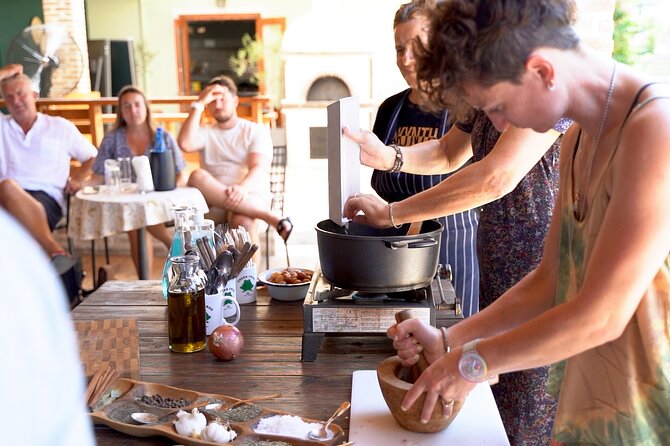
- Small group (max 12) means more help at your station and less waiting around.
- Different menus by day: Friday starts with iced coffee or mountain tea, Tuesday focuses on Greek classics, Saturday leans vegetarian.
- Filo pastry practice is part of the experience, not an afterthought.
- Island and food stories are built into the cooking flow, with plenty of time to ask questions.
- Real value for the price: you leave fed, with wines sampled and recipes provided.
- Allergy-friendly approach: separate portions can be arranged so you can taste along the way.
A Four-Hour Taste of Zakynthos, Not a Lecture
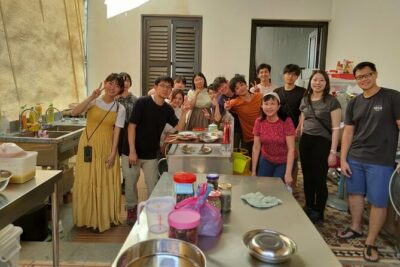
This is the kind of cooking class that feels like a family meal with a teacher. The setting is practical: you’ll work in an outdoor kitchen setup tied to the Green Frog, then sit down for lunch in the garden shade.
What makes it special is the mix of hands-on work and real context. You’re not just learning what to make; you’re learning how dishes fit into everyday life on Zakynthos, and why Mediterranean eating became what it is today.
The Green Frog Starting Point in Argassi (10:30 am)
You’ll meet at Green Frog, Main Road, Argassi (291 00), Zakynthos. The class starts at 10:30 am and ends back at the meeting point, so you don’t need to plan a second stop afterward.
A couple practical notes that matter for day planning: it’s offered in English, service animals are allowed, and it’s near public transportation. You’ll also use a mobile ticket, which is handy if your phone is your whole travel toolkit.
How the Class Feels: Hands-On Cooking + Lots of Tasting
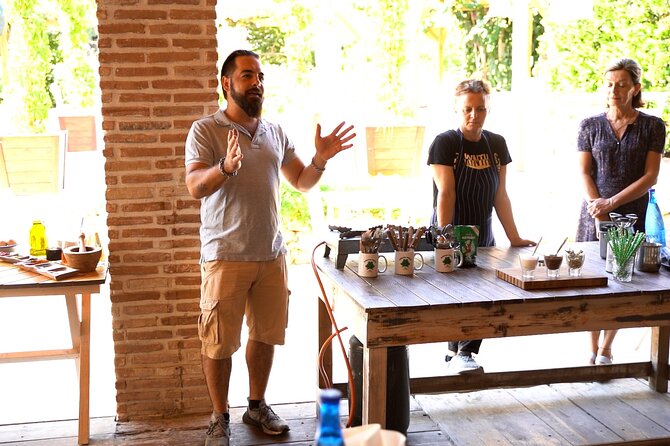
Expect an active morning. You’ll have hands-on opportunities throughout—mixing, assembling, and cooking in stages—while also taking breaks for tasting and sampling different products.
Wine sampling is part of the rhythm, and people do drink during the session. If you don’t drink alcohol, you may still find it useful to bring a heads-up for the staff when you arrive, since they’re used to handling different needs (including allergies) with separate portions.
The other big ingredient here is conversation. Between courses, Alex weaves in stories about Greece and Zakynthos, tying what you’re making to what locals eat and how the island’s food culture evolved.
Friday Mornings: Iced Coffee or Mountain Tea + Stifado
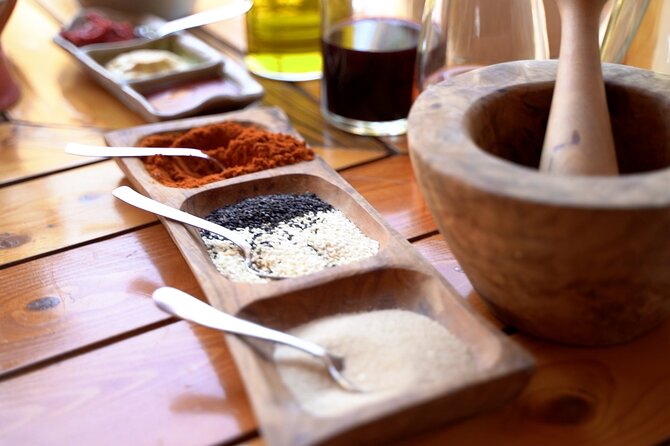
Friday has a specific start that sets the tone fast. The morning begins the truly Greek way with iced coffee and/or mountain tea, and everyone makes their own drink to get into the spirit.
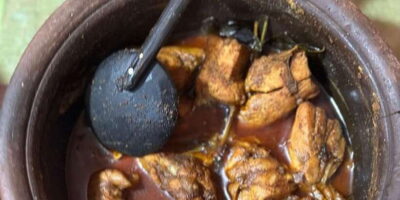
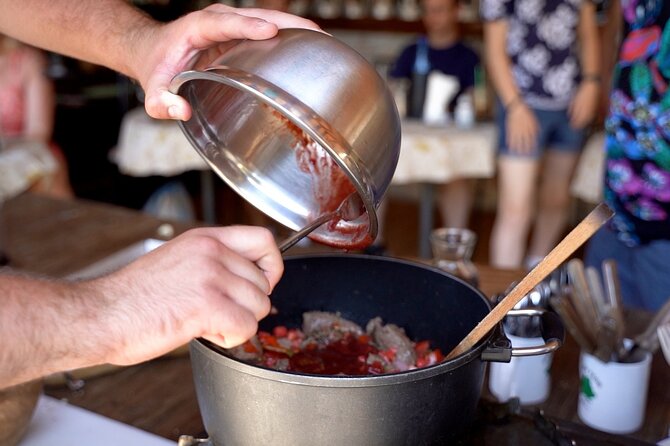
Once introductions are done, you’ll start with Stifado—a slow-cooked beef and tomato casserole with baby onions and Greek herbs and spices. It’s the kind of dish that’s built for relaxed dinner-party hosting because the flavors develop over time, and the process is more forgiving than it looks.
From there, the menu expands in a very learn-by-doing way:
- Spinach and feta pie, where you practice classic pie-making logic (and get a feel for why these fillings work).
- Dolmades, those rolling bundles that look fiddly until someone shows you the trick.
- A spicy cheese dip, designed for quick flavor impact.
- An easy Greek salad that’s surprisingly satisfying, especially after all the kitchen work.
You also finish with dessert: Orange cake, described as a traditional Zakynthian syrup cake that you’ll have as part of the included meal.
Tuesday’s Greek Classics: Mousaka, Baklava Rolls, Saganaki
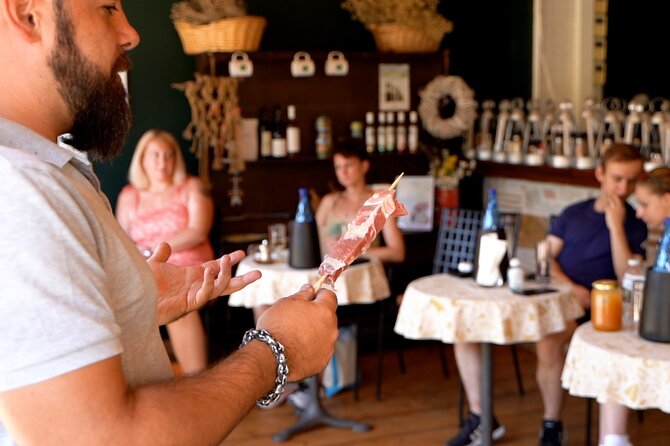
Tuesday follows the same overall format—hands-on cooking, tastings, stories—but the dishes shift toward Greek “greatest hits.”
On Tuesday, you can expect:
- Mousaka
- Baklava rolls
- Saganaki
- Greek salad
- Tsatsiki (often written as tzatziki)
This is a great day if you already know you want a mix of hearty comfort food and classic dip-and-salad staples. It’s also a smart choice if you’re the kind of person who wants to come home with a few repeatable recipes that fit both weeknights and company dinners.
A small but real takeaway: working with these dishes in a class setting makes them feel less intimidating at home. You’ll see how the pieces come together—especially for pastries like baklava rolls—without having to guess your way through the hardest steps.
Saturday Vegetarian Comfort Food Without Feeling Like a Trade-Off
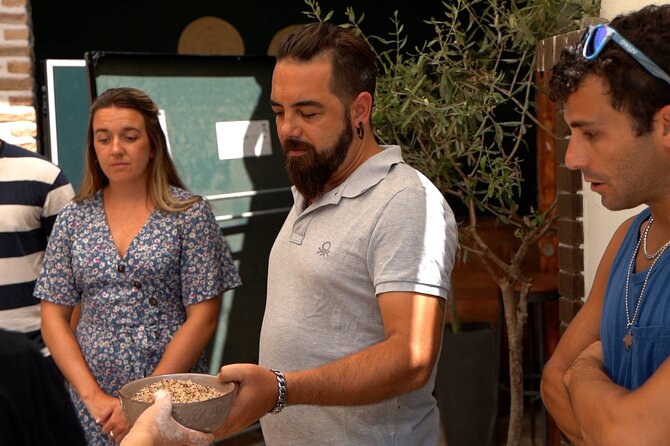
Saturday is vegetarian, and it’s not a watered-down version. The menu leans into Zakynthian comfort dishes built on vegetables, cheese, and spice.
You’ll cook things like:
- Stuffed tomatoes
- Courgette fritters
- Spicy baked cheese
- Kataifi
This is also a good day if you want to learn how Greek flavors behave when meat isn’t the center. Olive oil, herbs, and the way cheeses get used do a lot of the heavy lifting here—so when you go home, you can build vegetarian meals that still feel full-on, not token.
The Lunch Part: Shady Garden Eating (Yes, You Actually Sit Down)
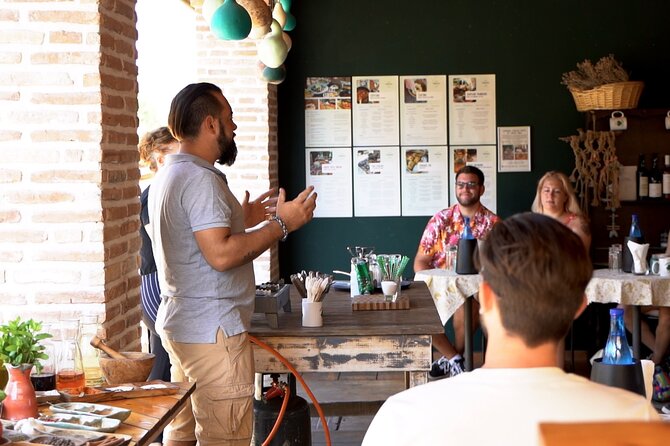
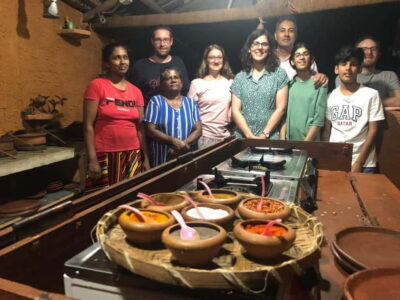
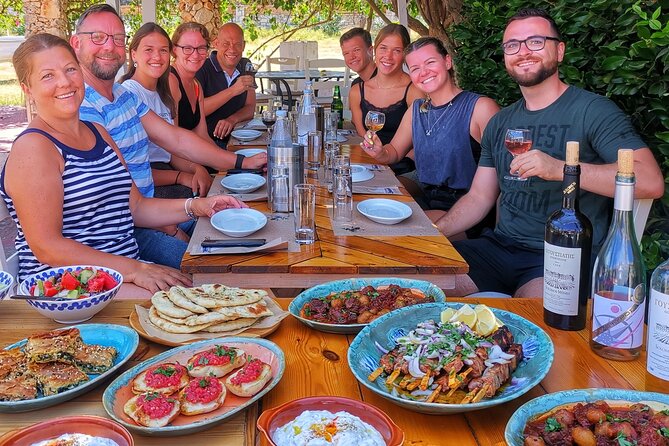
The lunch is included and it’s meant to be satisfying. You’ll eat what you help make, and the class uses a garden setting that stays comfortable when the sun gets strong.
In plain terms, this matters because many cooking classes turn into a snack-only situation. Here, you’re working through several dishes and then you get the meal you earned—plus dessert.
There’s also a nice bonus that shows up in how the hosts run the place: people often leave with recipes, and some have taken leftovers home as well. If you like stretching meals into the next day, it helps to ask about packing when you’re finishing up.
Wine, Olive Oil, and Cheese: Why the Tastings Matter
This isn’t just about cooking. You’ll sample local products along the way, including olive oil and cheeses, and the tasting moments are tied directly to what you’re learning.
That’s where the practical value lives. When you taste different olive oils and cheeses while you’re working, you start understanding what changes a dish—sharpness, saltiness, aroma, and how flavors carry in sauces and pies.
You’ll also hear how the Mediterranean diet formed over time, and how Zakynthos fits that story. It makes the recipes feel less random and more like a system you can learn.
Allergy-Friendly Handling (So You Don’t Get Cut Out)
One of the most reassuring things: the hosts can accommodate allergies. One person described being given separate portions so they could taste everything, without feeling left out.
That doesn’t mean every ingredient can always be swapped instantly, but it does mean the staff take it seriously. If you have allergies, mention them clearly when you arrive so the team can guide you to the safest versions.
What You Take Home: Recipes by Email and Skills That Travel
You’ll leave with more than memories. You get an email with the recipes, and the experience is structured so you pick up techniques you can repeat.
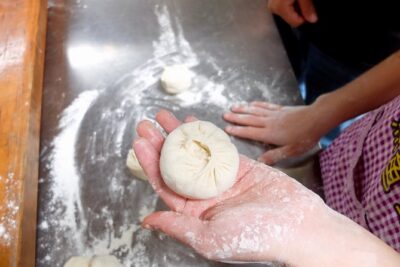
A big one is filo pastry work. Even if you’ve never used filo before, the class includes guidance on how to handle it—so at home you’re not starting from panic and dry sheets.
Because the class is small and interactive, you also get those micro-hints that make a difference: how to assemble, how to judge doneness, and how to plan a menu so you’re not stressed while hosting.
Price and Value: Is $108.89 Worth It?
At $108.89 per person for about 4 hours, this isn’t the cheapest thing you can do in Zakynthos. But it’s also not a vague “activity fee” where you mostly watch and snack.
You’re paying for:
- hands-on instruction in multiple dishes
- an included lunch in the garden shade
- tastings (including wines sampling)
- recipes sent to you afterward
For food lovers, the value is strong because you leave with a full set of usable recipes and a better sense of ingredients. If you’re only looking for a quick photo stop, then yes, any cooking class can feel pricey. If you like learning, eating well, and bringing skills back home, it’s one of the more reasonable uses of a half-day.
Who This Works Best For
This class is ideal if you:
- want a hands-on Greek cooking experience in Zakynthos
- enjoy food history and want it tied directly to what you’re making
- prefer a small-group format with time to ask questions
- want a menu that includes both classics and Zakynthian variations
It also works well if you’re not a confident cook. Multiple people have mentioned even non-cooks had a good time, mainly because the class is designed around guided steps and tasting checkpoints.
Quick Tips to Get the Most Out of Your Morning
A few practical things help you enjoy it more:
- Wear clothes you don’t mind getting a little food-friendly. (Cooking is cooking.)
- Bring water. Even with breaks and drinks, you’ll be active for the full morning.
- If you want to recreate dishes at home, focus on the steps that feel confusing—not just the finished plates.
- If you’re there for a specific day’s menu, check the day-of-week options (Tuesday, Friday, Saturday) before you lock your schedule.
Should You Book This Cooking Class in Zakynthos?
I’d book it if you want your time in Zakynthos to feel like more than sights. This is one of the best ways to learn Greek cooking without guessing, because you’ll practice key dishes and techniques, eat a proper lunch, and walk away with recipes.
I’d think twice only if you hate the idea of cooking actively for four hours, or you’re traveling with zero flexibility on weather-driven plans. If you can handle a hands-on kitchen morning, this is a very smart half-day choice.
FAQ
How long is the Greek cooking class with lunch?
It runs for about 4 hours.
What days does this class run?
Classes run Tuesday, Friday, and Saturday.
What time does the class start?
The start time is 10:30 am.
Where is the meeting point in Zakynthos?
You’ll meet at Green Frog, Main Road Argassi, 291 00, Greece.
What dishes will I cook?
The dishes vary by day. Friday includes Stifado, spinach and feta pie, dolmades, a spicy cheese dip, Greek salad, and orange cake. Tuesday includes moussaka, baklava rolls, saganaki, Greek salad, and tsatsiki. Saturday focuses on vegetarian options like stuffed tomatoes, courgette fritters, spicy baked cheese, and kataifi.
Is lunch included?
Yes. A hearty lunch in a shady garden is included.
Is wine included?
Wine sampling is included.
Is the class in English?
Yes, it’s offered in English.
Can the hosts accommodate allergies?
The class can accommodate allergies, with separate portions described in the experience feedback.