REVIEW · PORTO
Porto: Pastel de Nata Cooking Class with Porto Wine (Sé do Porto)
Book on Viator →Bookable on Viator
Fresh custard beats waiting in line. This hands-on Pastel de Nata workshop shows you the exact step-by-step rhythm for the classic Portuguese custard tart, and you get to taste the results fresh from the oven with Port wine in a relaxed setting. The only real watch-out is that the puff pastry dough is pre-prepared, so you’re not making it from scratch.
I like that it stays small and interactive near Sé do Porto, so you’re not just watching. You’ll actively help with the filling and baking stages, plus you leave with a house-made recipe and a way to transport what you bake.
In This Review
- Key Highlights You’ll Care About
- Why Make Pastel de Nata Near Sé do Porto?
- Meeting at Domus Arte Concept Store and Getting Oriented
- The 90-Minute Workshop Flow: From Custard to Oven Heat
- A short history primer before the mixing
- Puff pastry is ready, but the real work is the filling
- You take part in the shared process
- Baking finishes the job
- You eat warm tarts, not cooled disappointment
- What You Learn That Helps You Bake at Home
- Custard consistency and flavor control
- Step-by-step method you can repeat
- A house-made recipe you can actually use
- Port Wine, Coffee, and Snacks That Make the Time Feel Easy
- What You Take Home: Extra Pastel de Nata in a Transport Box
- Price and Value: What You’re Paying For at $42.34
- Best Fit: Who Should Book This Class (and Who Might Skip)
- Quick Tips Before You Go
- Should You Book This Pastel de Nata Cooking Class in Porto?
- FAQ
- How long is the Pastel de Nata cooking class?
- Is the class hands-on or just a demo?
- Do I make the puff pastry dough from scratch?
- Is Port wine included?
- Can I take the Pastel de Nata home?
- What if I need to cancel?
Key Highlights You’ll Care About
- Hands-on custard and baking with clear, repeatable steps
- Port wine pairing plus coffee and soft drinks during the class
- Small-group feel (maximum 8 people) with lots of turn-taking
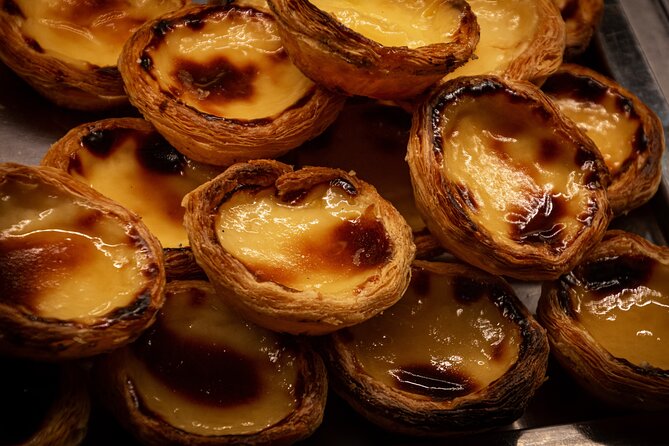
- Warm Pastel de Nata to eat and extra to take away in a transport box
- Quick history intro so you know what you’re making and why it matters
Why Make Pastel de Nata Near Sé do Porto?
Porto has two speeds: slow-walk sightseeing and sudden sugar cravings. This class hits the second one fast. You’re learning a signature pastry while you’re already in the historic center, near Sé do Porto, so it feels like part of the day—not a detour.
What makes this experience practical is that you’re not just sampling a treat. You’re building the tart you’ll be craving later—especially the custard filling and the baking process. In the end, it’s the kind of skill you can actually use at home, because the instructor gives you a recipe and shows you the consistency targets.
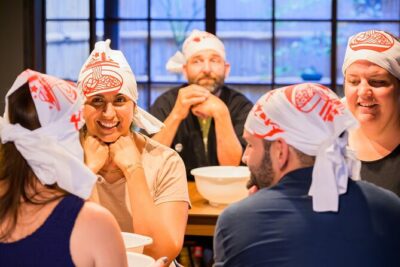
One more thing I appreciate: it’s designed for real participation. The workshop uses a turn-based format where everyone helps with the shared steps, which keeps it lively and helps you avoid the usual class problem—someone else does everything while you take notes.
You can also read our reviews of more tours and experiences in Porto.


Meeting at Domus Arte Concept Store and Getting Oriented
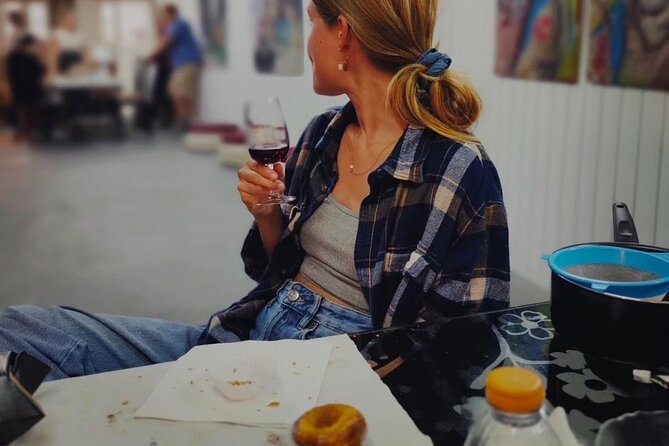
You meet at Domus Arte | Concept Store in Porto, Rua da Bainharia 135, not far from Sé do Porto. The start-to-finish format is simple: you begin there, you cook and taste there, and the experience ends back at the meeting point.
The venue matters more than you might think. Domus Arte is a concept store environment with modern and traditional handicrafts/souvenirs, and a few people also mention that the small shop area is worth a look while you’re there. It’s a nice change from cookie-cutter kitchens tucked behind a door. You get a real sense of place, not just a classroom.
Logistically, you’re in a spot that’s near public transportation, bathrooms are available, and service animals are allowed. If you’re traveling light, this is a good “one-and-done” activity that doesn’t require a complicated commute.
The 90-Minute Workshop Flow: From Custard to Oven Heat
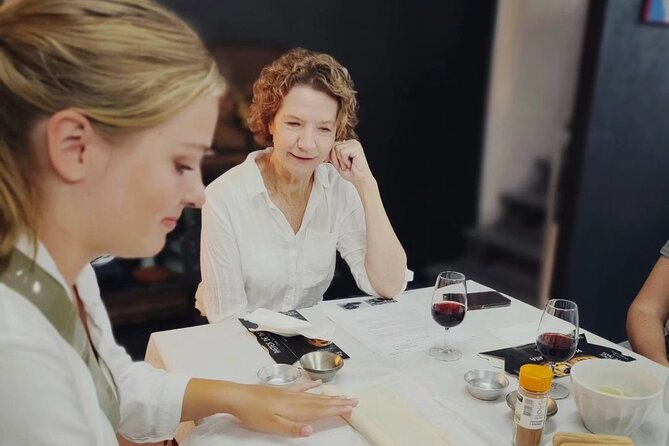
The class runs about 1 hour 30 minutes, and it’s built around a clear step-by-step process. Here’s how the timing tends to feel, and what you’ll actually do.
A short history primer before the mixing
You start with a short introduction to the history of Pastel de Nata in Portugal. It’s not a lecture that eats your cooking time. The goal is to give you context so the tart feels less like a random dessert and more like a local craft.
Puff pastry is ready, but the real work is the filling
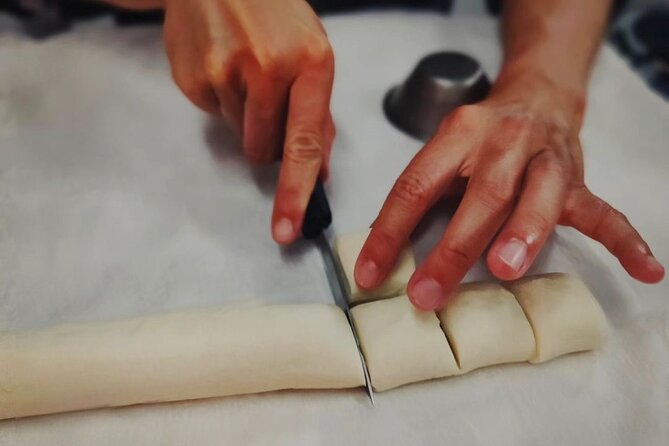
Important detail: the puff pastry dough is pre-prepared. That means you’re focusing on what actually trips people up when they try this at home—the custard filling and the baking.
This is also the biggest “make sure you know this up front” point. If you’ve been imagining rolling and laminating dough, this isn’t that workshop. You’ll get a house-made recipe so you can recreate it later, but the pastry comes to you ready to use.
You take part in the shared process
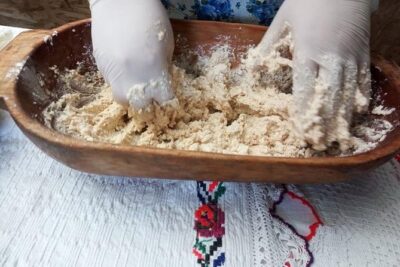
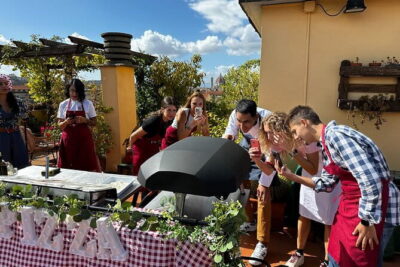
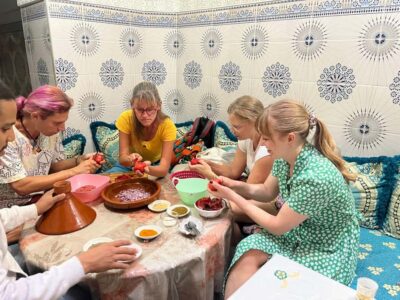
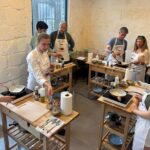
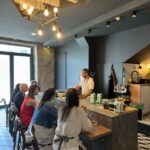
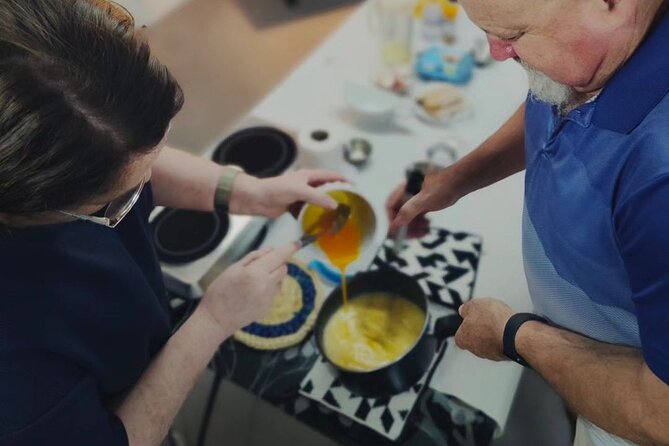
During the workshop, you’ll take turns with other people in the group. You’re actively participating in the stages for preparation and baking, guided by instructors with years of experience in Portuguese pastry.
In past sessions, instructors such as Anita, Luis, Ana, and Felipe/Filipe have led classes and kept everyone involved. The teaching style seems consistent: they break steps down clearly, then push you to do the handwork rather than just watch.
If you’re the kind of cook who wants every step at your own pace, there is a note worth keeping in mind: for full, individual participation in all stages, you can ask about a private workshop option.
Baking finishes the job
The hands-on part doesn’t stop at mixing. You’ll bake the Pastel de Nata so you can see what the custard does in the oven. That moment—when it rises and sets into the classic creamy center—turns the recipe into something you can understand, not just memorize.
You eat warm tarts, not cooled disappointment
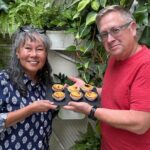
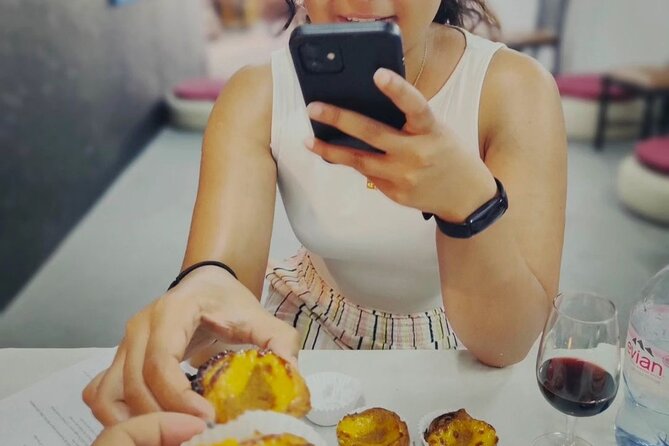
You’ll have Pastel de Nata to enjoy on site. Many people love this part because the tarts taste like the real deal—warm, freshly baked, and much closer to what you dream about when you smell Porto’s pastry shops.
What You Learn That Helps You Bake at Home
This isn’t a class where you leave with a vague sense of the pastry world. You leave with confidence and a recipe.
Here’s what you’re really picking up.
Custard consistency and flavor control
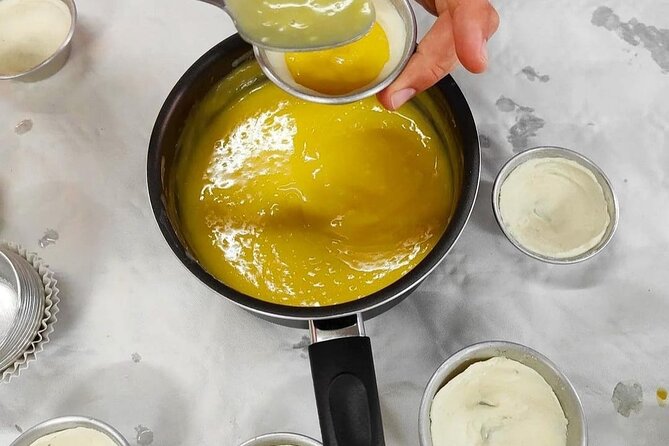
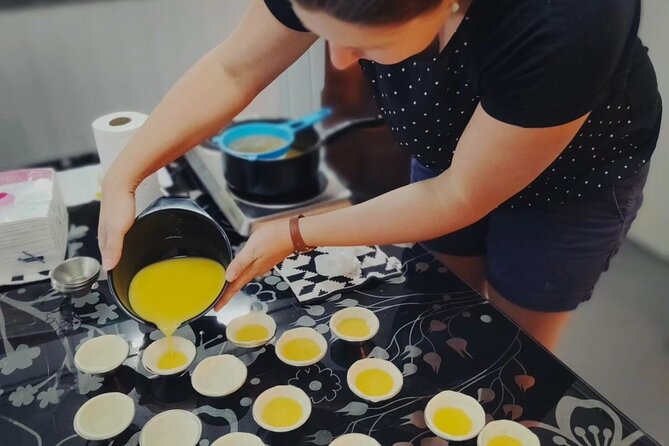
The custard recipe is the star here. The workshop emphasizes getting the filling right—texture and flavor—so your tarts don’t come out watery or flat. People consistently point out that the custard recipe is both easy to follow and a big reason the class feels worth it.
At home, this is the part that separates okay from excellent. Most people can find a way to use pastry dough. What they struggle with is dialing in the custard so it bakes properly.
Step-by-step method you can repeat
Because the class is structured with clear steps, you’ll know what to do next, not just what ingredients to use. That matters if you want to bake again and repeat results rather than hope for the best.
A house-made recipe you can actually use
You receive a house-made recipe intended for recreation. That’s huge. Cooking classes sometimes hand you a generic card you can barely interpret. Here, the recipe is part of the value: it’s meant to translate what you did in the workshop into something you can repeat at home.
Port Wine, Coffee, and Snacks That Make the Time Feel Easy
One of the smartest design choices in this class is how it treats the whole experience, not just the cooking.
Throughout the workshop, you get:
- Port wine
- Juice and water
- Coffee
- A selection of sweet and savory snacks
This does two useful things for you. First, it keeps energy up while you’re doing practical work with custard and baking. Second, it makes the class feel like a social break in the middle of Porto, not a stressful kitchen assignment.
Port wine especially fits the flavor story. The tart is sweet, warm, and creamy, and the wine gives you that classic pairing that makes the whole experience feel Porto-specific.
Also, it’s a solid rainy-day plan. When Porto weather does its sudden flip, you can still get something memorable without forcing a long walk.
What You Take Home: Extra Pastel de Nata in a Transport Box

You’re not leaving empty-handed. Each participant will prepare several Pastel de Nata, and you’ll have a transport box included.
That means:
- You can eat right away on site
- You can take more with you
- You can share without worrying about the pastry collapsing
One practical note from real-world use: if you’re traveling soon after, tarts can be delicate. A transport box helps, but you still want to plan how you’ll get them from Point A to your next stop without turning them into a personal stress project.
Still, for most people, this take-away feature is part of why the class feels like value. You’re paying for the ability to bake and then actually enjoy what you made, twice—once hot, once later.
Price and Value: What You’re Paying For at $42.34
$42.34 per person might feel like a “nice-to-have” until you count what’s included.
You’re getting:
- A hands-on workshop (not a demo)
- Guided step-by-step help with custard and baking
- Port wine plus coffee and snacks
- A house-made recipe to recreate at home
- Pastel de Nata to eat on site
- Pastel de Nata to take away in a transport box
So the price isn’t only for ingredients. It’s for instructor time, recipe development, the baked product, and the drink/snack package that makes the experience comfortable.
Now, here’s the balanced part: if you expect to make puff pastry dough from scratch during this 1.5-hour slot, you’ll feel a disconnect. Multiple comments underline that the “real cooking” centers on the custard and baking, not pastry dough production.
In other words, this is a great class if your goal is learning the custard and mastering the baking. It’s not the class for you if you want full pastry-laminating practice.
Best Fit: Who Should Book This Class (and Who Might Skip)
This workshop is a strong match if you:
- Want a hands-on cooking activity in Porto that feels local and doable
- Love Pastel de Nata and want to understand the custard and baking side
- Prefer small groups so you get real attention
- Like food experiences that give you both eating and a take-home plan
It’s also great for people who don’t have time for a long cooking day. At about 90 minutes, you can fit this into a Porto itinerary without wiping out your whole afternoon.
Consider skipping or looking for a different format if:
- You specifically want to make the puff pastry dough from scratch
- You’re hoping for a longer, more intensive pastry technique session
For families, the class can work well because it’s short and interactive, and the food payoff is immediate. If you’re cooking with dietary needs, tell the team ahead. One class mention notes that gluten-free accommodation may be available if you speak up in advance.
Quick Tips Before You Go
A few practical things to make the experience smoother:
- Wear layers. You’ll be in a workshop setting where temps can change while you bake.
- Go in hungry. You’ll sample pastries and snacks, but you’ll also want appetite for the fresh tarts at the end.
- Don’t expect pastry-dough laminating. Puff pastry is pre-prepared, so plan your expectations around custard and baking.
- If you like souvenirs, check the Domus Arte shop area while you’re there.
- Bring your best “small group” energy. You’ll be taking turns doing parts of the process, so being engaged really pays off.
Should You Book This Pastel de Nata Cooking Class in Porto?
Yes, if you want a short, friendly, high-reward Porto activity where you make the custard and bake the tarts, then take them home. The class is built for participation, and the custard recipe is the kind of take-home result that makes the workshop feel practical, not just fun.
I’d pass only if your top goal is full puff pastry dough creation. This is a smart “learn the real bottleneck” workshop: get the custard right, understand the baking, and walk away able to repeat it.
If you’re in Porto when the weather turns, this also works as a reliable plan B. You’ll still get a Porto moment, just indoors and delicious.
FAQ
How long is the Pastel de Nata cooking class?
It runs about 1 hour 30 minutes.
Is the class hands-on or just a demo?
It’s hands-on. You take turns participating in the preparation and baking steps.
Do I make the puff pastry dough from scratch?
No. The puff pastry is pre-prepared, and the class focuses on the custard filling and baking process.
Is Port wine included?
Yes. You’ll have Port wine during the workshop, along with coffee, juice, water, and snacks.
Can I take the Pastel de Nata home?
Yes. You prepare several Pastel de Nata and a transport box is included.
What if I need to cancel?
You can cancel for a full refund if you cancel at least 24 hours in advance. If you cancel less than 24 hours before the start time, the amount paid isn’t refunded.