REVIEW · CHENGDU
Half-Day Chengdu Cooking Class with a Local Market Visit
Book on Viator →Operated by Chilli Cool China · Bookable on Viator
Chengdu heat starts at a spice stall. This half-day Chengdu cooking class pairs a local market walk in Liangjiaxiang with hands-on Sichuan cooking led by English-speaking hosts and chefs. I love the market-to-kitchen flow and how you taste your way through ingredients before you touch the wok. One drawback: you’ll do a fair bit of walking and standing, so comfortable shoes matter.
You get about 4 hours of real food education, not just a demo. With a maximum group size of 15, it still feels personal, and they offer a vegetarian option if you ask ahead.
In This Review
- Key takeaways before you go
- Liangjiaxiang Market: where Sichuan flavor starts
- Sichuan spice lessons you can actually use
- Tea, then the wok: the flow makes it stick
- Chef-led cooking: dumplings, mapo tofu, kung pao and more
- Eating your work with beverages and recipes
- Price and value: what $90 really covers
- Getting there and staying comfortable (the stuff that affects your day)
- Who should book this Chengdu Sichuan cooking class?
- Should you book Chilli Cool China?
- FAQ
- How long is the Half-Day Chengdu Cooking Class?
- Where does the tour meet, and does it return there?
- What is included in the price?
- Is there a vegetarian option?
- Is there a minimum age requirement?
- Does the class run in bad weather?
- Can I cancel for a full refund?
Key takeaways before you go
- Liangjiaxiang market shopping first so you learn Sichuan ingredients by seeing and smelling them
- Sichuan spice focus that explains what you’re buying and why it works in the pan
- Tea stop included before the cooking gets serious
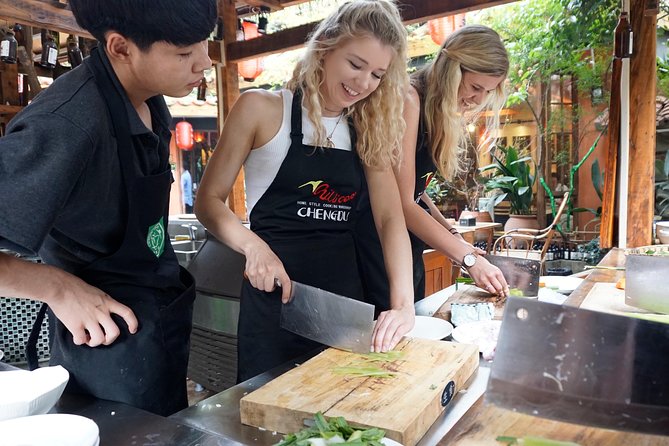
- Chef-led hands-on cooking where you’re not stuck watching
- Eat what you make with beverages/beer, plus recipes to take home
Liangjiaxiang Market: where Sichuan flavor starts
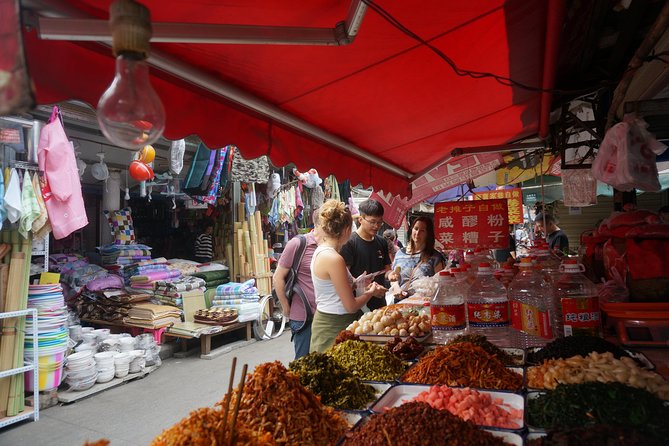
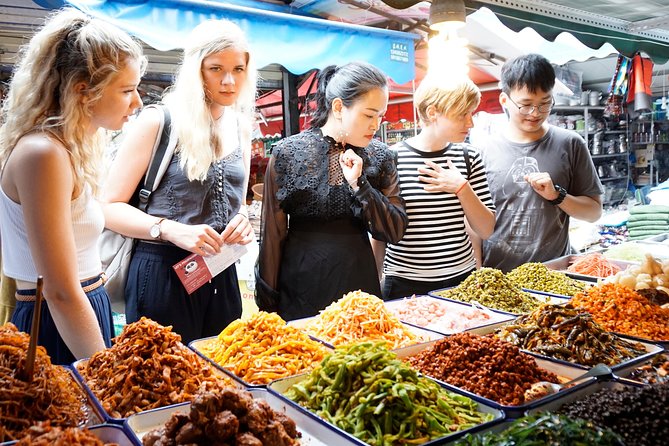
The best part of this class is that you start with the shopping brain, not the cooking brain. Your group meets near the subway and heads into the Liangjiaxiang area (Jinniu District) for a market visit that centers on spices, produce, and the everyday ingredients locals actually choose.
I like that the guide helps you connect names to real items. You’re not just told that Sichuan cooking uses bold aromatics—you see them in piles, jars, and dried shelves. You also get small interactive moments that help you notice details: how herbs look, how dried spices differ, and how certain ingredients are linked to specific flavors in the dishes you’ll cook later.
If you’re a foodie, this is the kind of market where your senses do the learning. People in the stalls are used to buyers moving fast, pointing, asking questions, and bargaining. You’ll pick up practical cues on what looks fresh versus what’s meant to be dried and stored. Even if you can’t name every vegetable in front of you, you’ll leave with a much better sense of how Sichuan meals build flavor.
You can also read our reviews of more tours and experiences in Chengdu.
Sichuan spice lessons you can actually use
Sichuan cuisine is known for bold taste—spice, heat, numbness, and deep savory sauces all in the same orbit. This experience treats that reputation like something you can break down into ingredients and technique.
During the market phase and immediately afterward, the hosts explain what you’re looking at and how it shows up in cooking. In the kitchen, you get guided steps rather than vague advice. One of the reasons this tour gets such high ratings is that the instruction is practical: you learn what to do with the ingredients, not just what they are.
That matters when you cook at home. A recipe like mapo tofu can sound complicated until you understand the basic flavor mechanics—aromatics, seasoning balance, and how sauce and heat interact in the wok. Here, you’re setting yourself up to recreate those flavors later with less guesswork.
Tea, then the wok: the flow makes it stick
Right after the spice and ingredient portion, there’s a tea moment in a traditional-style setting. Think of it as a palate reset. You’re coming from strong smells and sometimes heat from market samples, and tea helps you cool down before chopping begins.
This pause also makes the cooking class feel like a proper experience rather than a rushed timeline. By the time you reach the kitchen, you’re ready to focus. The hosts translate and guide throughout, and you’re not left figuring out the process in silence.
From what you’ll do next, you can tell the tea stop isn’t just ceremonial. It fits the pacing: learn ingredients, taste and absorb, then jump into technique.
Chef-led cooking: dumplings, mapo tofu, kung pao and more
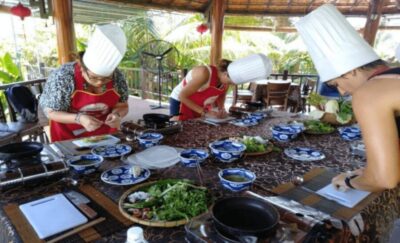
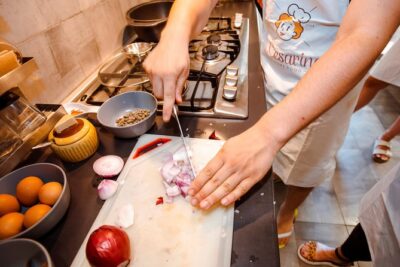
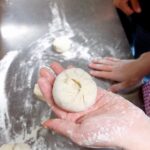
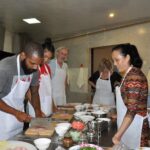
Now for the fun part: you’ll cook classic Sichuan dishes with help from a chef and an English-speaking guide. The kitchen setup is described as clean and well organized, and the teaching style is step-by-step—chop, heat the wok, control oil, and work quickly while keeping flavors balanced.
You might see or cook dishes like:
- Dumplings (including chaoshou style in some sessions)
- Wontons
- Mapo tofu
- Kung pao chicken
- Stir-fried cabbage
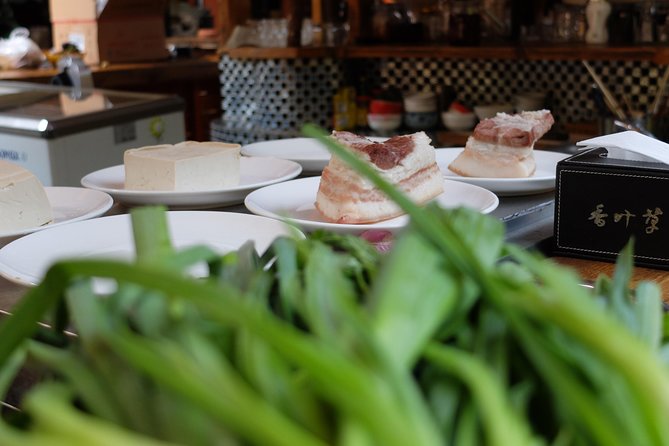
- Twice-cooked pork
- Cucumber salad
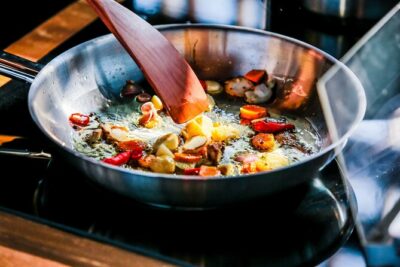
The exact dishes can vary by group and schedule, but the emphasis stays consistent: you’re practicing core Sichuan cooking moves. One common thread in the experience is learning how to time the fast stir-fry process so ingredients don’t just get cooked—they get flavored.
A chef like Chef Jerry or Chef Lei / Auntie Lee (names come up in the kitchen) guides the method while Lance or another English-speaking host helps translate and keep you on track. That pairing is a big deal. When the directions are clear, you actually retain what you learn—and your final plate looks like you worked for it, not like a cooking class souvenir.
A tip from the vibe of the class: ask questions as you go. They’re used to guests asking why one ingredient goes in first or how to adjust heat and seasoning. If you want to take the recipe home with confidence, this is where you do it.
Eating your work with beverages and recipes
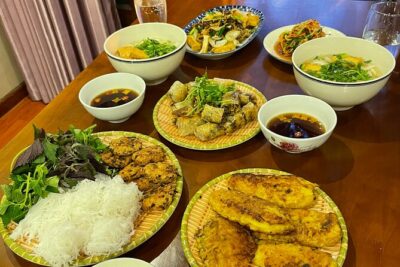
At the end, you eat what you cooked. That’s not a throwaway detail—it’s where the lessons click. You taste the dishes right after learning them, which helps you notice differences between what you did and what you aimed for.
Be ready for a meal setup that includes food tasting, plus lunch or dinner depending on the class schedule. Drinks are part of the experience too: beverages/beer are included, along with light refreshments. If you’re someone who learns best by eating immediately, this part is exactly your moment.
Many people leave talking about the satisfaction of actually making mapo tofu or dumplings and then sitting down to eat them. You get a chance to compare plates with your group, and the hosts are around to help explain what you’re noticing.
And you don’t leave empty-handed. Recipes are included, so you can rebuild your favorites later without relying on memory.
Price and value: what $90 really covers
At $90 per person for about 4 hours, this isn’t a bargain cooking class. But it’s also not just a ticket to a meal.
You’re paying for a package that includes:
- An English-speaking guide
- Market visit for ingredients and spice learning
- Food ingredients
- Beverages/beer and light refreshments
- Food tasting
- Lunch or dinner
- Recipes you can use at home
- A small group experience (maximum 15 travelers)
When you add up shopping + guided instruction + chef time + the meal, $90 starts to make sense—especially if you’re comparing it to booking a market tour and a separate cooking class. The best value shows up if you’re serious about learning technique. If you just want a quick snack, you’ll feel the price more. If you want to understand Sichuan ingredients and cook several dishes, you’re getting your money’s worth in food and skills.
Also, the tour is often booked about 18 days in advance on average, which is a polite way of saying it can sell out when dates are popular. If your Chengdu schedule is tight, book earlier rather than gambling on walk-up availability.
Getting there and staying comfortable (the stuff that affects your day)
This tour starts at a specific meeting location: 163-11 Yi Huan Lu Bei San Duan, Jin Niu Qu, Cheng Du Shi, Si Chuan Sheng, China, 610051. The good news is that it’s near public transportation, and several people mention meeting by the metro/subway area, which makes timing easier than hunting for a far-off pickup.
Dress for a normal walk-around-the-market day. They note operation in all weather conditions, so bring clothes that work if it’s hot, cool, or wet. Comfortable walking shoes are a must. You’ll be moving between stalls and into the kitchen, and you’ll spend real time chopping and cooking.
A couple more practical points that matter:
- Minimum age is 5, so it’s family-compatible for older kids.
- Vegetarian option is available if you tell them at booking.
- Passport name, number, expiry, and country are required for participants at booking.
If you’re planning outfits, go with practical layers. Sichuan markets and kitchens can mean sudden temperature shifts, and you’ll be happier if you can adjust.
Who should book this Chengdu Sichuan cooking class?
Book it if you want more than a meal. This is ideal for you if you:
- Want to learn Sichuan cuisine by ingredients, not just by recipe cards
- Like hands-on cooking with a chef and translation support
- Enjoy market wandering, especially when spices are the focus
- Want a practical skill you can repeat at home
Skip it if you want a totally relaxed, sit-down-only experience. You’ll walk, you’ll stand, and you’ll chop. Also, because Sichuan cooking is naturally bold, you should flag any spice sensitivity in advance—especially if you have dietary or tolerance limits.
Should you book Chilli Cool China?
If you’re in Chengdu for a few days and want one activity that connects the city’s food culture to something you can cook later, I’d book this. The market visit + chef instruction + recipes + the meal you make is a strong combo, and the class format keeps you involved from spice shopping to your final plate.
My advice: when you book, choose the vegetarian option if you need it, and come with questions about ingredients you want to replicate later. You’ll get the most out of the experience if you treat the market like research and the kitchen like practice.
FAQ
How long is the Half-Day Chengdu Cooking Class?
It runs for about 4 hours.
Where does the tour meet, and does it return there?
The tour starts at 163-11 Yi Huan Lu Bei San Duan, Jin Niu Qu, Cheng Du Shi, Si Chuan Sheng, China, 610051, and it ends back at the same meeting point.
What is included in the price?
It includes an English-speaking guide, the market tour, food ingredients, beverages/beer, light refreshments, food tasting, lunch or dinner based on your class schedule, and recipes.
Is there a vegetarian option?
Yes. You should advise them at booking if you need a vegetarian option.
Is there a minimum age requirement?
Yes, the minimum age is 5 years old.
Does the class run in bad weather?
Yes, it operates in all weather conditions, so you should dress appropriately.
Can I cancel for a full refund?
Free cancellation is available if you cancel at least 24 hours before the experience starts. If you cancel less than 24 hours before, the amount paid is not refunded.