REVIEW · HANOI
Hanoi: Old Quarter Market Tour and Cooking Class with Meal
Book on GetYourGuide →Operated by Hoang's Restaurant & Cooking Class · Bookable on GetYourGuide
Your lunch starts in a wet market. This Old Quarter class links market shopping with hands-on cooking, so you’re not just watching recipes—you’re buying the ingredients and turning them into real Vietnamese meals. You’ll begin at Hoang’s Restaurant (red panels) and head out with your chef or guide to a nearby market to pick fresh produce, herbs, and other staples.
What I love most is the built-in market tastings and guidance. Guides like Daisy (and chefs such as Chef L or Chef T) explain what you’re looking at and why it matters for flavor, from how ingredients get used to what local snacks are worth trying while you shop.
One thing to keep in mind: this isn’t a quiet, sit-down experience. You’ll be walking through a busy wet market and cooking in a shared kitchen setup, so it’s not a great match if you have mobility concerns.
In This Review
- Key things that make this Hanoi class worth your time
- Entering Hoang’s Restaurant in the Old Quarter
- The wet market ingredient run: where the flavor starts
- Choosing your dishes from a Hanoi-focused menu
- Cooking in the restaurant kitchen: step-by-step, not show-and-tell
- What you’ll actually eat: meal plus a sweet finish
- Price and timing: is $42 really good value?
- Who this Hanoi market-to-kitchen class suits best
- Practical tips before you go
- Should you book this Hanoi market cooking class?
- FAQ
- How long is the Hanoi Old Quarter market tour and cooking class?
- Where do I meet for the class?
- Can I choose what dishes to cook?
- What’s included in the price?
- Do they accommodate dietary requirements?
- Is the class suitable for everyone?
Key things that make this Hanoi class worth your time
- Start at Hoang’s Restaurant (red panels) with a welcoming team before heading out to shop
- Wet market shopping with tastings, so you learn what to buy and what to snack on
- Hands-on cooking with step-by-step instruction and recipes you can actually use later
- Customize your dishes from a real Hanoi-style menu (not a generic “tourist menu”)
- You eat what you cook, with a soft drink included
- Finish with egg or coconut coffee, the sweet send-off that locals love
Entering Hoang’s Restaurant in the Old Quarter
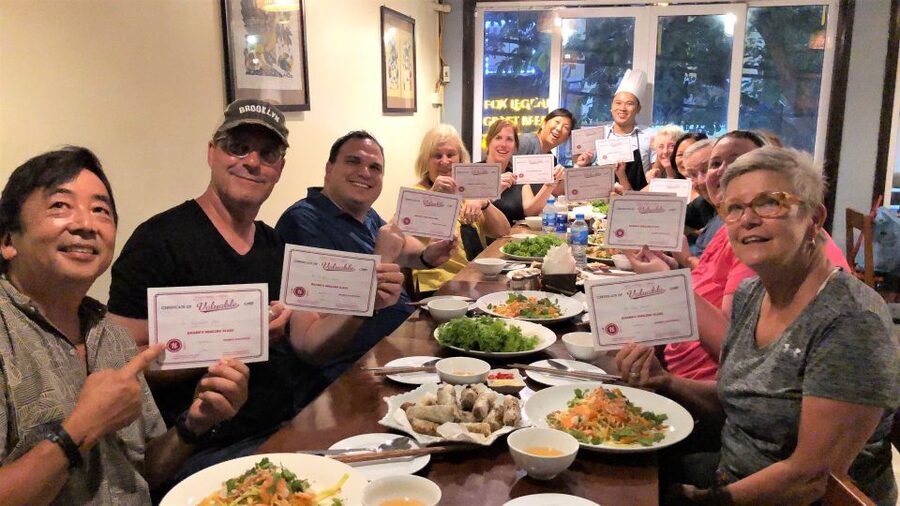
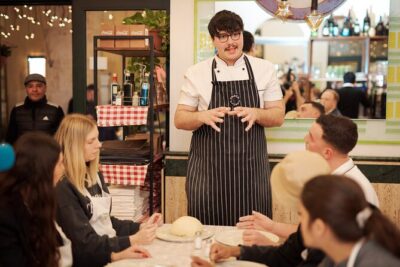
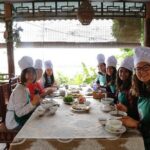
I like that this tour starts in a real restaurant setting, not a random office. You go to Hoang’s Restaurant, identifiable by the red panels, and you’re welcomed inside by the team. From there, the experience flows quickly: you meet your instructor (Vietnamese and English are available), confirm what you want to cook, and then head out to shop.
This matters because it sets the tone. You’re not just signing up for cooking class trivia. You’re joining a kitchen rhythm. And because you can choose a morning class (made for lunch) or an afternoon class (made for dinner), you can line it up with how you want your day to feel in Hanoi.
Also, the group format can be private or small groups. That usually means you’ll get more attention when you’re rolling, chopping, mixing, or asking why a dish tastes the way it does.
You can also read our reviews of more tours and experiences in Hanoi.
The wet market ingredient run: where the flavor starts
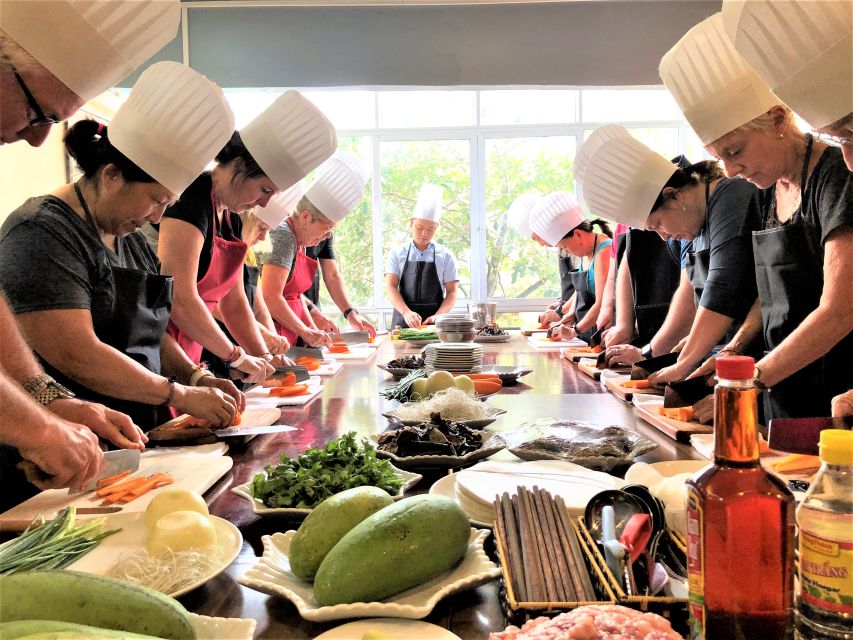
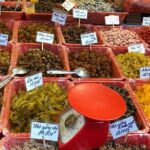
The heart of the experience is the ingredient hunt. You’ll go from the Old Quarter area to a wet market nearby to buy what you’ll cook. This is where the class earns its keep.
You’ll learn to shop like a local with your chef and/or guide—scanning stalls, talking through what ingredients are used for, and getting help choosing what’s freshest. Expect to see lots of greens, herbs, and produce that can look confusing if you’ve only ever bought supermarket versions.
Even better: this isn’t a silent shopping trip. You’ll do market tastings, including local snacks while you browse. In practice, this part helps you connect the ingredients you’re buying to the flavors you’ll end up eating later—so the cooking section feels more meaningful. It also gives you a reason to pay attention rather than just following along.
One small detail I appreciate: because this is a wet market, the experience is hands-on and sensory. Wear comfortable clothes and shoes. If you’re prone to blisters, take that seriously. You’ll be on your feet.
Choosing your dishes from a Hanoi-focused menu
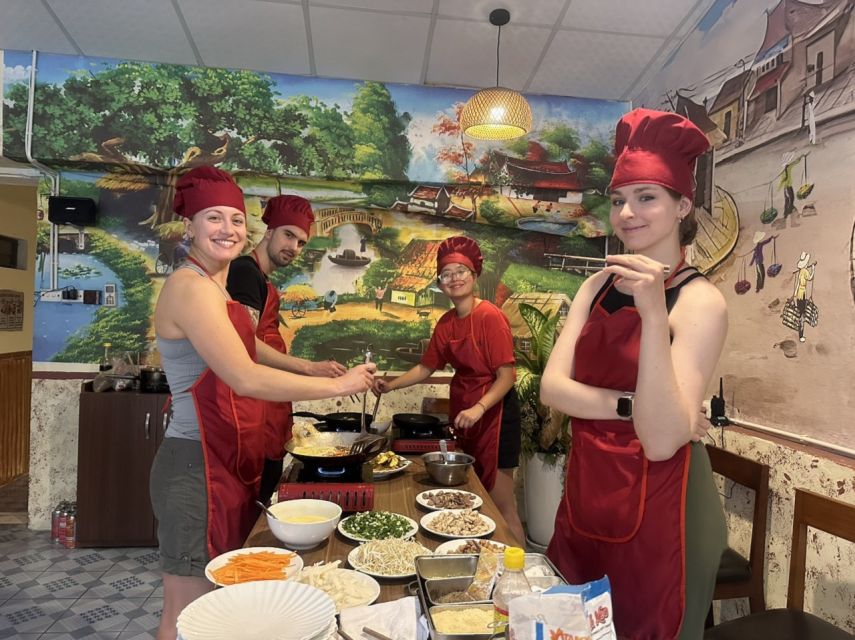
Once you’ve picked your ingredients, you’ll return to the restaurant for the cooking session. The menu options are classic Hanoi and vary by what’s available, but you can expect choices like:
- Green mango salad (with or without shrimp)
- Beef or chicken noodle soup (including pho-style options)
- Fried Hanoi spring rolls
- Fresh Hanoi-style spring rolls
- Hanoi fried fish
- Hanoi fried pork
- Stir-fried chicken with chili, lemon grass, and cashew nuts
- Grilled beef with betel leaves
- Vietnamese pancake
The biggest value here is control. You’re not forced into one predetermined set. You can pick dishes you actually want to eat, which is why so many people walk away thinking: I could make this again.
Private classes are also a plus if you want a tighter focus. If you’re traveling with a partner or small group, you can customize your picks more easily than in a big group format.
Cooking in the restaurant kitchen: step-by-step, not show-and-tell
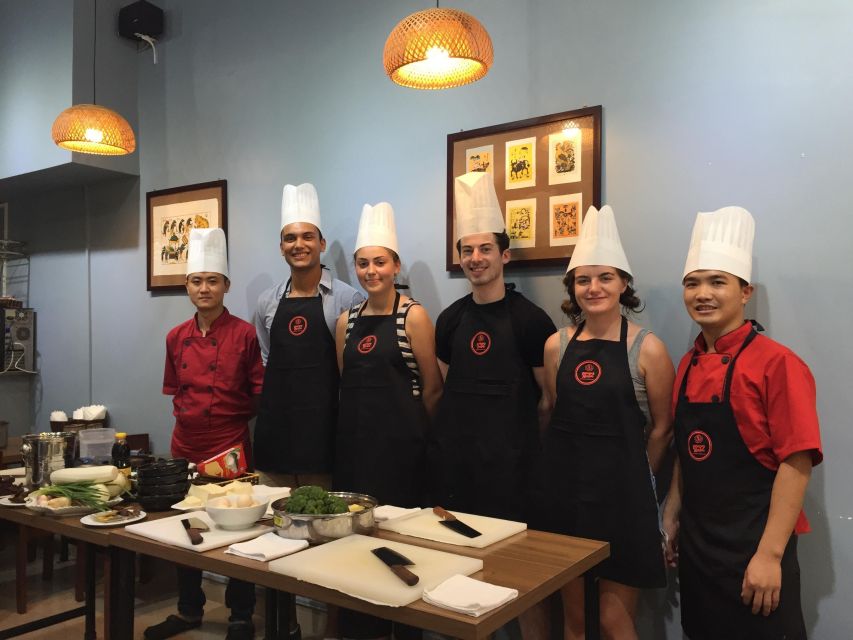
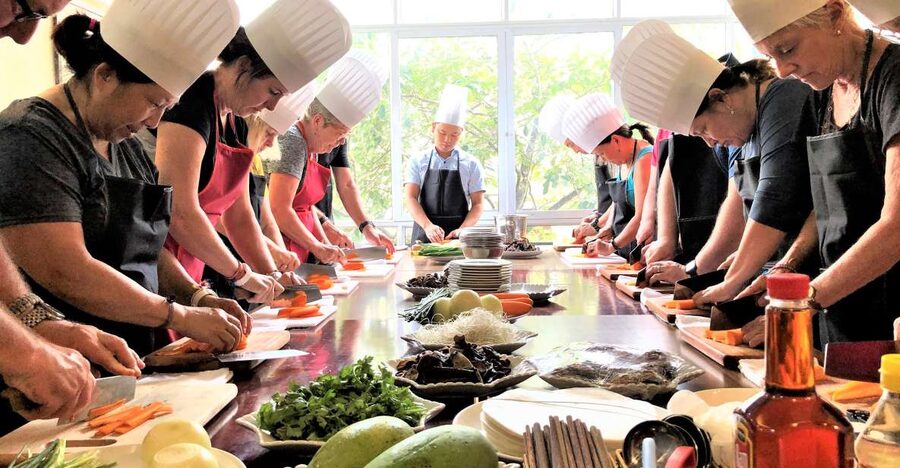
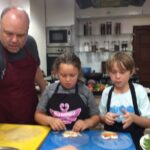
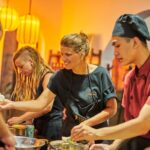
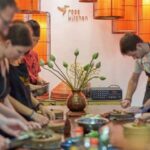
This class is hands-on, and that’s the difference between a fun food tour and something you’ll remember (and try again at home). You’ll get step-by-step instructions from the chef, with guidance that helps you move from raw ingredients to finished dishes.
One of the most praised parts of this format is the combination of translation and patience. Guides like Daisy have been known to translate for chefs when needed, and chefs such as Chef L or Chef T are described as calm and detailed with instruction. That matters because Vietnamese cooking has a lot going on—herbs, sauces, timing, and texture. If you’re confused, you won’t get stuck for long.
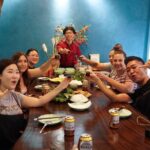
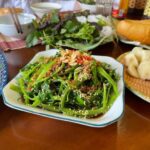
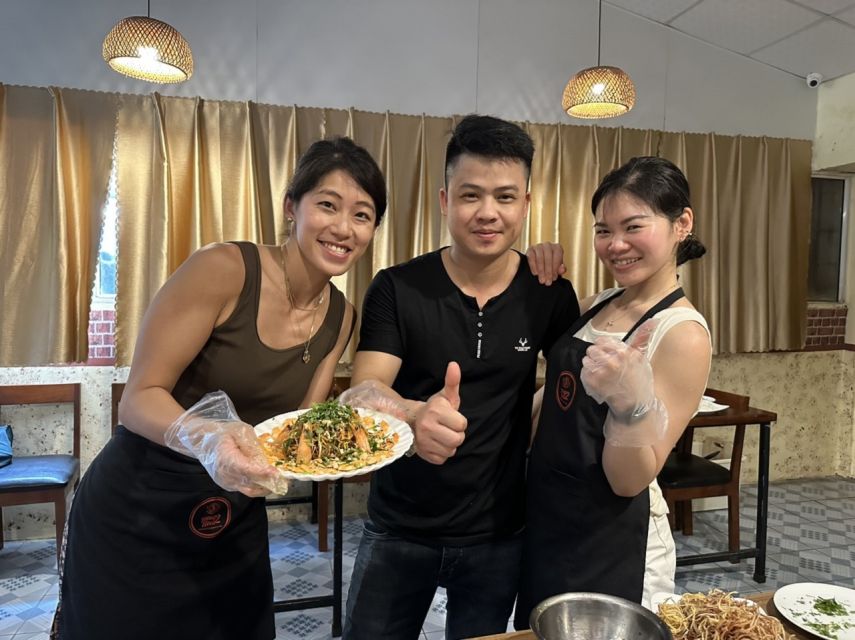
You’ll cook your selected dishes at the restaurant, then eat them afterward. And yes, in this setup you’ll usually end up with a lot of food. Many classes are designed so you’re not leaving hungry, and the meal is part of the experience, not an afterthought.
If you’re the type who wants to learn the logic behind the flavors, this is a good fit. Recipes are provided after the class, so you’re not trying to guess what you did when you get back to your kitchen.
What you’ll actually eat: meal plus a sweet finish
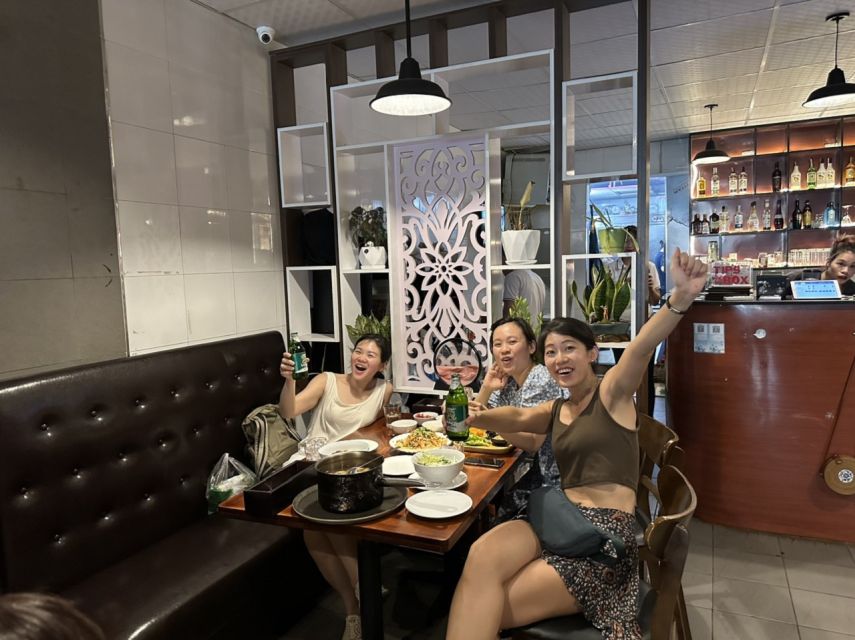
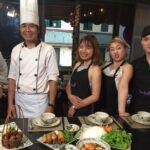
The payoff is simple: you eat what you cook. You’ll have your meal at the end of the cooking session with a soft drink included. That means the class ends the way it should—full, satisfied, and able to taste the difference between ingredients you picked and ingredients you only saw.
Then comes the sweet note: a cup of egg coffee or coconut coffee. This is one of those Hanoi staples that people love because it’s creamy and comforting without being complicated. You’ll finish on something locals actually treat as a real treat, not just a dessert add-on.
If you’re wondering whether you’ll get dessert energy or actual substance—this coffee is the kind of finish that makes the whole experience feel complete. Like, okay, now I get it.

Price and timing: is $42 really good value?
At $42 per person for about 3.5 hours, this sits in the “worth it if you’re hungry for real food experiences” category.
Here’s what you’re paying for, beyond the cooking itself:
- guided market visit with ingredient shopping help
- tastings at the market
- the cooking class
- the ingredients for the class
- a full meal with a soft drink
- egg or coconut coffee
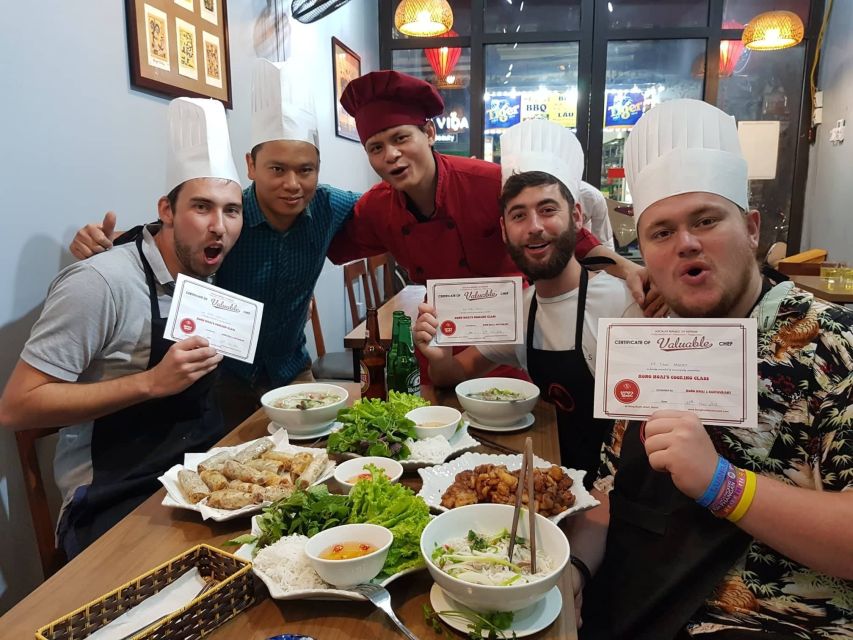
- a certificate from the chef
- recipes after the class
What’s not included is mainly comfort items like transportation and additional drinks. In other words, the money goes to the core of the experience: learning + ingredients + meal.
Timing also works well. Morning classes can effectively become your main lunch plan. Afternoon classes are set up for dinner. That makes it easier to build your day without squeezing in another meal reservation.
If you’re comparing this to a standard cooking class that only teaches you technique without the market component, the market shopping is the reason this usually feels better. You’re learning two skills at once: buying like a local and cooking like you mean it.
Who this Hanoi market-to-kitchen class suits best
This is a great match if you:
- want a food-focused Hanoi activity that teaches real skills
- like markets but don’t want to wander blindly
- enjoy dishes with herbs, sauces, and textures (spring rolls, noodle soups, stir-fries)
- want a meal you helped create
- want recipes you can use later rather than just photos for your phone
It’s also a good option for people traveling as a couple or in a small group because the class can be private or small-group, which typically means more attention.
If you’re traveling with very small kids, note the class is not suitable for babies under 1 year. And if mobility is a concern, this one is likely not the right fit, since it involves market walking and a hands-on kitchen.
Practical tips before you go
A few simple things will make the experience smoother:
- Wear comfortable shoes and clothes you can move in.
- Plan to arrive ready to walk through a busy market.
- Bring an appetite. This is a class that ends with a full meal.
- If you have dietary requirements, tell the team when you book or before the class starts. The instruction is clear on this, and it helps the chef tailor what you choose.
If you’re unsure which dishes to select, think about what you’ve enjoyed in Hanoi already. If you’ve liked noodle soups and grilled meats, choose those. If you’re curious about texture-heavy rolls, spring rolls and fresh rice-paper-style items can be a great choice.
Should you book this Hanoi market cooking class?
Yes, I think you should book it if you want a Hanoi experience that connects where food comes from to how it becomes a meal. The market ingredient hunt is practical, the cooking is hands-on, and the day ends with food you made plus egg or coconut coffee.
Skip it only if you’re looking for a low-effort, mostly seated activity. This class asks you to walk, cook, and taste. If that sounds like your kind of fun, it’s an easy yes.
FAQ
How long is the Hanoi Old Quarter market tour and cooking class?
The experience lasts about 3.5 hours. You can check available starting times when you book, and you can choose either a morning class or an afternoon class.
Where do I meet for the class?
You’ll start at Hoang’s Restaurant, which has red panels. Staff welcome you inside, and then you’ll head out for the market and cooking portion.
Can I choose what dishes to cook?
Yes. You can select the dishes you’ll prepare from options such as green mango salad, noodle soups, spring rolls, stir-fried chicken with lemon grass and cashews, grilled beef with betel leaves, and Vietnamese pancake.
What’s included in the price?
The class includes a welcome drink, a guided market visit, tastings at the market, the cooking class, the ingredients used, and a meal with a soft drink. You also get egg or coconut coffee, a certificate from the chef, and recipes after the class.
Do they accommodate dietary requirements?
Dietary requirements should be announced when you make the booking or before the class starts. This helps the instructor plan suitable dishes.
Is the class suitable for everyone?
It is not suitable for people with mobility impairments. It’s also not suitable for babies under 1 year.