REVIEW · HANOI
5 Traditional Dishes Hanoi Cooking Class with Market Trip
Book on Viator →Operated by Apron Up Cooking Class · Bookable on Viator
Some cities feed you with menus. Hanoi feeds you with hands. This 5-dish cooking class starts in the Old Quarter and turns into a guided market hunt before you cook and eat like you’re part of the kitchen.
I especially liked the way the class is built for action. You’re not just watching; you’re chopping, mixing, assembling, and tasting your own pho bo, bun cha, and more, with an English-speaking chef such as Vy, Perla, Emmy, or Sunny depending on your session. Another big plus is the small group size (max 10), which keeps instructions clear and gives you time to ask questions.
One consideration: the session moves fast to fit five dishes into about 3 hours 15 minutes, so you might find some steps are partly prepared ahead (like cooking components) so the whole group can stay on schedule. If you want slow, step-by-step mastery of every single detail, go in with the right expectations.
In This Review
- Key things you’ll notice
- Old Quarter meet-up and how this class fits your Hanoi day
- The market run: picking ingredients in Hanoi’s biggest market
- From shopping bag to cutting board: the studio workflow
- What you’ll actually make: Hanoi’s 5 classics in one sitting
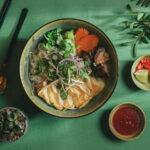
- Pho bo: learning how the base flavor shapes the bowl
- Bun cha: understanding grilled aroma and noodle balance
- Nem ran: making crunchy, not greasy
- Papaya salad: the push-pull between sweet, sour, and herb heat
- Egg coffee (or chocolate): the silky finish
- Eating your work: rice vodka and coffee/tea with the group
- Vegetarian and non-red meat versions: how the class adapts
- In-the-moment reality: what to expect about participation and hygiene
- Price and value: is $35.07 worth it in Hanoi?
- Who this cooking class is best for
- Should you book this Hanoi market cooking class?
- FAQ
- How long is the cooking class?
- How many dishes will I cook?
- What dishes are included in the menu?
- Is there a vegetarian option?
- What drinks are included?
- What group size should I expect?
- Where is the meeting point?
- Can I cancel for a full refund?
Key things you’ll notice
- Market first, then cooking: You shop for produce and spices before you touch a pan.
- Five classic Hanoi flavors: pho bo, bun cha, nem ran, papaya salad, and egg coffee (or a chocolate version).
- Hands-on in a small group: max 10 travelers, so you can actually participate.
- English explanation throughout: you’ll get clear guidance from an English-speaking chef.
- You eat what you make: the meal is part of the experience, not an afterthought.
- Dietary versions included: vegetarians and non-red meat eaters learn vegetarian-style adaptations.
Old Quarter meet-up and how this class fits your Hanoi day
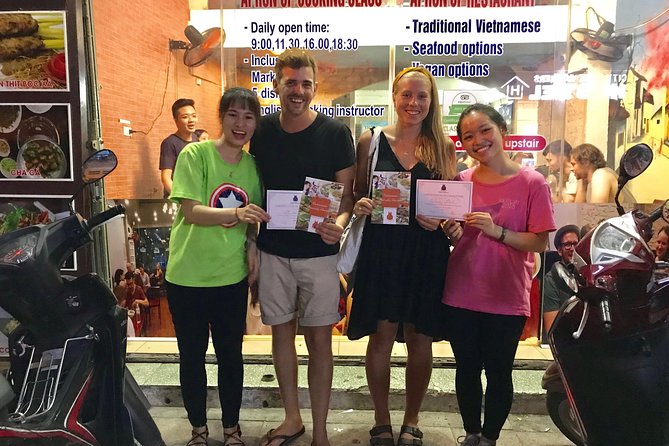
You start in Hanoi’s Old Quarter area, meeting at 8 P. Gia Ngư, Hàng Bạc, Hoàn Kiếm. There’s no hotel pickup, so you’ll want to head there under your own steam (a quick grab of street directions in advance helps).
The timing is also practical: the class runs about 3 hours 15 minutes. That’s long enough to get real cooking done, but not so long that it wrecks your evening plans. A mobile ticket helps too, since you can show up without hunting for paper.
Because the group is kept to 10 people or fewer, the whole vibe feels controlled. It’s not a cattle call, and it’s easier to get answers if you’re unsure about a step or ingredient.
You can also read our reviews of more tours and experiences in Hanoi.
The market run: picking ingredients in Hanoi’s biggest market
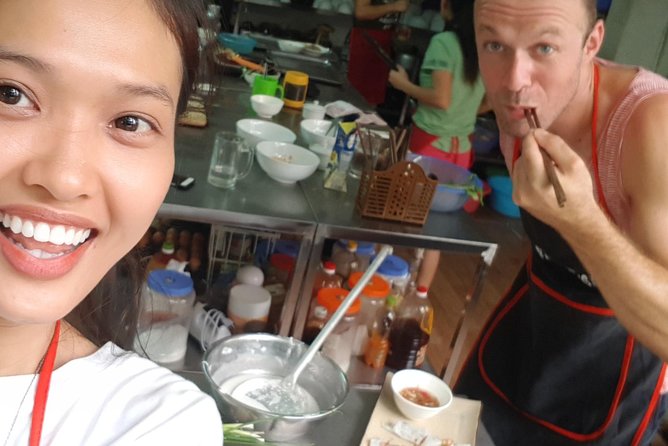
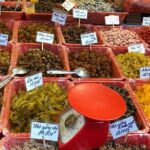
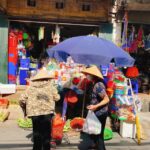
The first major “wow” moment is the market trip. You’ll go to Hanoi’s largest market with a local guide and learn what to look for before you cook. This is where the class becomes more than recipes on a screen. You see what’s fresh, what’s used for specific textures and flavors, and how Vietnamese cooking is built from balancing herbs, aromatics, and seasoning.
What I like about a market start is that it changes how you pay attention. Instead of thinking of dishes as fixed rules, you start thinking like a cook: What herbs smell right? What noodles are the right kind? Which cut matters? Which spice changes the whole bowl?
You’ll also get the chance to buy the ingredients you’ll use later. That matters at home. When you try to repeat these dishes, you’ll remember the “why” behind the choices, not just the final flavor.
From shopping bag to cutting board: the studio workflow
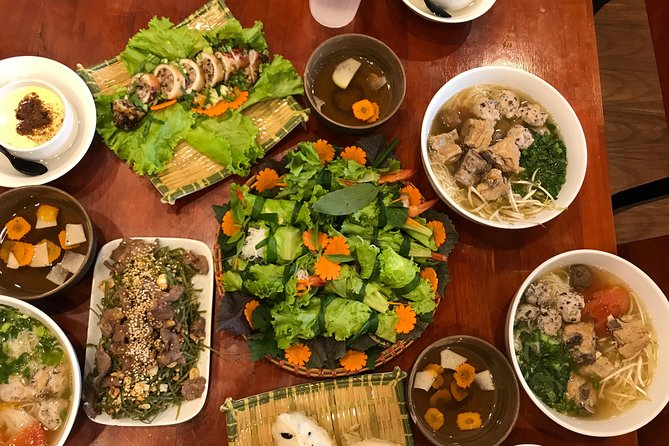
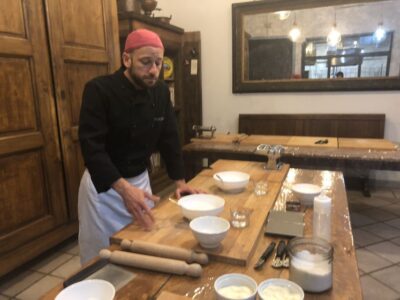
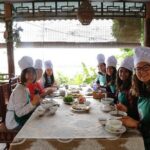
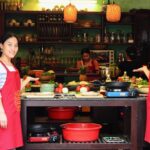
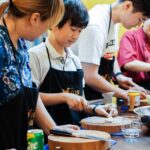
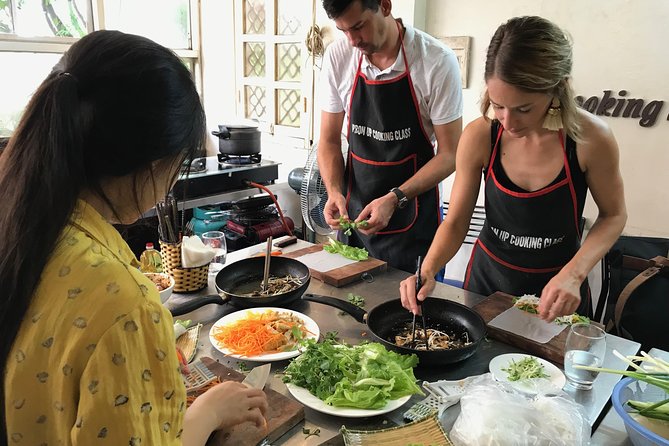
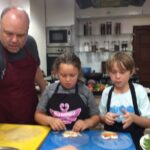
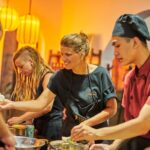
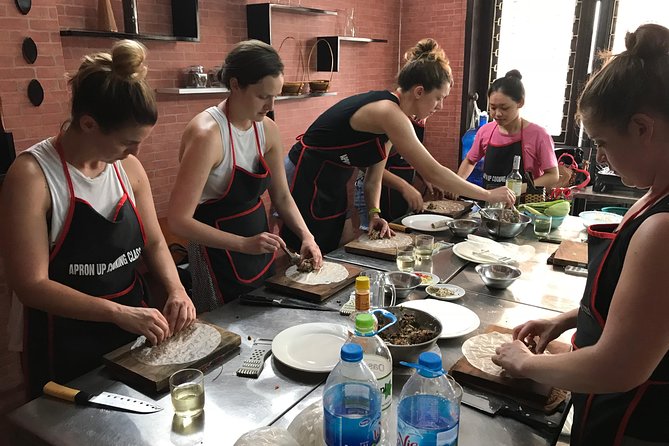
Once you’re done shopping, you head back to the cooking spot where the class is set up for participation. The format is hands-on, and it’s designed so everyone in the group can take part. In past sessions, instructors like Vy, Perla, Emmy, and others have been praised for keeping the class fun and interactive while still getting everyone through five dishes in the time window.
The pace is the key detail. This is not a slow cooking retreat. It’s closer to a well-run kitchen shift where multiple dishes are moving at once, and you rotate through tasks as each dish needs attention. That’s part of the value: you get real experience with the flow of cooking, not just one dish at a time.
Also expect that some prep may be handled by staff so the group can finish together. You might see components of a dish already cooked or partially prepared. Still, your job is to actively learn the method—how flavors come together and how the dish should look and taste when it’s right.
What you’ll actually make: Hanoi’s 5 classics in one sitting
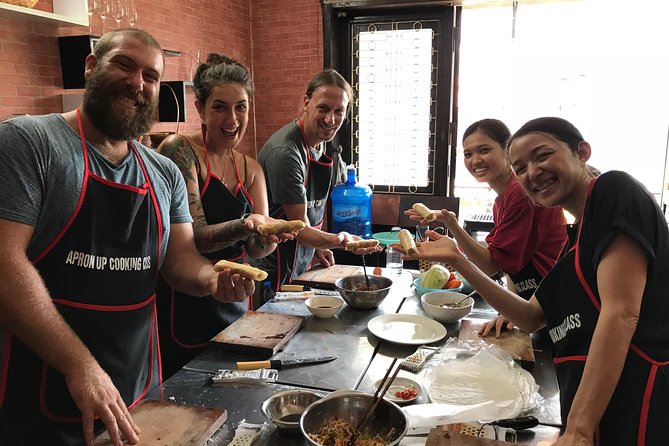
This is the menu you should plan around: pho bo (beef noodle soup), bun cha (Hanoi BBQ pork noodle), nem ran (fried spring roll), papaya salad, and egg coffee or chocolate. Vegetarians and non-red meat eaters learn vegetarian versions, so you’re not just swapping ingredients at the end.
Here’s what makes these dishes a smart set for a short class.
Pho bo: learning how the base flavor shapes the bowl
Pho bo teaches you about structure. Even when the steps are simplified for a class, the learning point is the base flavor—what makes a broth taste deep rather than salty. You’ll work through a bowl-style approach, where toppings and seasoning matter as much as the soup itself.
If you’ve ever tasted pho and wondered why some bowls taste warmer and more layered, this is where you start answering that question. The herbs and seasoning choices are part of the lesson, not decoration.
Bun cha: understanding grilled aroma and noodle balance
Bun cha is all about contrast: grilled flavor, tangy sauce, fresh herbs, and noodles that hold up to the dressing. In a group class, you usually won’t do every single minute of grilling yourself, but you’ll learn how the dish gets assembled and seasoned so it tastes like Hanoi, not just like a generic noodle plate.
The biggest takeaway is balance. If the sauce is heavy, the herbs and noodles lose their job. If the sauce is too light, the whole thing feels flat. The class helps you understand that ratio feel.
Nem ran: making crunchy, not greasy
Nem ran is your fried spring roll lesson. Frying is where technique matters, and this dish is a good one for learning how batter/skins react, how fillings are treated, and how to aim for that crisp texture.
In class settings, the goal is to teach method without leaving you alone at a deep fryer forever. You’ll typically get hands-on with the roll-building and assembly so you understand what makes a good nem ran.
Papaya salad: the push-pull between sweet, sour, and herb heat
Papaya salad sounds simple until you taste a properly made one. It’s a flavor tug-of-war: sour fruit, sweet notes, salt, and a little bite from aromatics and chili.
This dish is valuable because it trains your palate for Vietnamese balance. You learn that “sour” in this context isn’t just lemon-like sharpness—it’s part of a larger seasoning system that wakes up the herbs.
Egg coffee (or chocolate): the silky finish
Egg coffee is one of the most iconic Vietnamese drinks in Hanoi-style cooking culture. In this class, it’s part of the outcome meal, and you’ll learn the basics behind that creamy top and warm flavor profile. If egg coffee isn’t your thing, the class also references an egg coffee or chocolate option.
It’s a fun close to the meal because it shows another side of Vietnamese cooking: desserts and drinks built from technique, not just sugar.
Eating your work: rice vodka and coffee/tea with the group
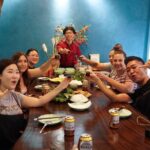
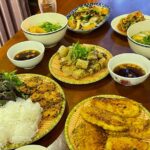
After the cooking, you sit down and eat what you made. This matters more than you’d think. Many cooking classes have you taste a sample, then get whisked away. Here, the whole point is that your dishes become your dinner.
Included with the meal are rice vodka and coffee and/or tea. For me, this is the “Hanoi evening” touch that makes the class feel local. The vodka isn’t just a drink add-on; it’s part of how you experience a meal in a Vietnamese context.
Also, it’s worth noting you’re not doing this alone. The small group and the shared sit-down help you relax after the cooking rush and compare notes with people at your table—without needing to talk all night.
Vegetarian and non-red meat versions: how the class adapts
If you’re vegetarian or you avoid red meat, you’re not stuck watching others eat. The class explicitly notes vegetarian versions for vegetarians and non-red meat eaters. That’s a big deal for a Hanoi-focused menu because the dishes can easily drift into beef-heavy territory if adaptations aren’t planned.
In practice, what you should look for is whether your instructor explains swaps clearly as you cook. Past instructors (like Emmy, Vy, and Sunny in different sessions) have been praised for helping with dietary needs, and that’s the kind of class structure you want.
In-the-moment reality: what to expect about participation and hygiene
This class is built for hands-on cooking, and the best sessions are the ones where you get real tasks. Multiple instructors have been described as keeping the process interactive so you cook through the steps, not just assemble at the end.
That said, the group pace matters. Some steps may be partially done by kitchen staff to keep five dishes on schedule. If you love ultra-specific technique (every timing and temperature), you might feel you want more guidance for one or two dishes. That’s not a dealbreaker. It just changes what kind of learner you are.
One more practical point: hygiene can be a personal comfort level issue in any food market environment. At least one participant flagged hygiene as a concern. If you’re sensitive, trust your instincts. Watch how ingredients are handled and how the station is cleaned before you start cooking.
Price and value: is $35.07 worth it in Hanoi?
At $35.07 per person for about 3 hours 15 minutes, the value comes from three places:
- You cook five dishes (not just one or two), including classics like pho bo and bun cha.
- You get to eat your own food plus rice vodka and coffee/tea.
- You leave with a cook book and a certificate, which helps you carry the experience past dinner.
In other words, you’re paying for coaching plus ingredients plus the meal. If you’re already planning to eat your way through Hanoi (and you probably are), this class gives you a structured, skill-building route through Vietnamese flavor.
The one cost tradeoff: you handle your own way to the meeting spot since there’s no hotel pickup/drop-off. If you’re staying close to the Old Quarter, this is easy. If you’re far out, factor in the extra time and transit cost.
Who this cooking class is best for
I’d point you to this tour if you want a fast, satisfying way to understand Hanoi food culture without needing advanced cooking skills. It’s especially good for:
- Food lovers who like hands-on experiences as much as eating
- First-timers in Hanoi who want to connect market ingredients to finished dishes
- Small groups or couples because max 10 means more interaction
- Vegetarians/non-red meat eaters thanks to vegetarian adaptations
If you want a super slow class where you master only one dish, you might find the pace a touch rushed. But if your goal is to leave with five real recipes you can reproduce and a clear sense of Vietnamese balance, this fits well.
Should you book this Hanoi market cooking class?
Book it if you want the clean combo: market time, real cooking, and a full meal that you didn’t just pay for—you made. The small group size, the variety (from pho to fried spring rolls), and the included drinks make it feel like a complete evening.
Don’t book it if you’re the type who gets anxious when several dishes run at once and you prefer long, one-dish instruction. Also, if hygiene is a major concern for you, go in with awareness and be ready to ask how cleaning and ingredient handling are managed.
If you’re visiting Hanoi soon and want a memorable food experience that actually teaches you something, this is a strong pick.
FAQ
How long is the cooking class?
The experience runs for about 3 hours 15 minutes.
How many dishes will I cook?
You’ll cook 5 traditional Vietnamese dishes.
What dishes are included in the menu?
The menu includes pho bo (beef noodle soup), bun cha (Hanoi BBQ pork noodle), nem ran (fried spring roll), papaya salad, and egg coffee or chocolate.
Is there a vegetarian option?
Yes. Vegetarians and non-red meat eaters will learn vegetarian versions of the dishes.
What drinks are included?
The class includes coffee and/or tea and rice vodka.
What group size should I expect?
The class has a maximum of 10 travelers.
Where is the meeting point?
You meet at 8 P. Gia Ngư, Hàng Bạc, Hoàn Kiếm, Hà Nội 08404, Vietnam.
Can I cancel for a full refund?
Yes, you can cancel for a full refund if you cancel at least 24 hours in advance. If you cancel within 24 hours of the start time, the amount paid is not refunded.