REVIEW · HANOI
Hanoi: 5 Local Dishes Cooking Class with Meal & Market Visit
Book on GetYourGuide →Operated by Apron Up Cooking Class · Bookable on GetYourGuide
A wet market start makes Hanoi food click. You meet a local chef at Apron Up in the Old Quarter, shop a wet market for fresh ingredients, then learn hands-on cooking for five traditional dishes before sitting down to eat what you made. The big watch-out: it’s not a fit if you have mobility issues or use a wheelchair, since the class is active.
What I like is the feel of a real local lesson, not a demo. Guides such as Vy and Winnie are repeatedly praised for clear guidance and a relaxed pace, and the menus can be adapted for vegetarian options, so you’re not stuck with a sad side dish.
In This Review
- Key points at a glance
- Entering the Wet Market Like a Hanoi Shopper
- Meeting Apron Up in the Old Quarter: Easy Start, Clear Focus
- The Two Set Menus: What You Can Cook in 3.5 Hours
- Set Menu options include familiar Hanoi favorites
- Vegetarian-friendly without turning it into a compromise
- Hands-On Cooking Flow: Step by Step, Not Chef Theater
- What you’ll learn along the way
- Cooking skills you can use right away
- The Meal You Make: Lunch or Dinner Plus Rice Whisky
- Why the shared meal works
- Tips for Ordering Your Menu Choice (So You Don’t Regret It)
- Price and Value: Why $40 Can Feel Like a Deal
- Who Should Book This Cooking Class in Hanoi
- Should You Book It or Skip It?
- FAQ
- FAQ
- How long is the Hanoi cooking class?
- What will I cook during the class?
- Do I visit a market?
- Is lunch or dinner included?
- Are vegetarian diets accommodated?
- Do I get to taste Vietnamese drinks and fruit?
- Where do I meet the guide?
- Is transportation included?
- Is it suitable for children or mobility needs?
Key points at a glance
- Wet market ingredient shopping with a chef selecting what’s fresh
- Two set menus with classic Hanoi picks, including pho, bun cha, egg coffee, and more
- Hands-on instruction where you craft each dish step by step (not just watch)
- Tea plus rice whisky tasting and fruit after you cook
- A take-home cookbook and certificate that make it easier to repeat the dishes at home
- Vegetarian adaptations available for the set menus
Entering the Wet Market Like a Hanoi Shopper
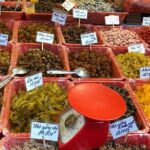
The market visit is where this experience starts doing something smart: it teaches you ingredients first, then dishes. You’ll head to a local wet market and watch your instructor pick the items you’ll need. The practical takeaway is learning what “fresh” looks like—right down to choosing herbs, produce, and other staples for Vietnamese cooking.
Why that matters: a lot of people can follow a recipe, but they can’t always recreate the flavor if the ingredient quality is off. When you see a chef select ingredients in front of you, you’re more likely to buy the right things back home and understand what to swap without ruining the dish.
You’ll also get a shopping rhythm you can copy later. Local markets aren’t set up like tidy supermarket aisles. That’s exactly the point. You’ll see how ingredients are grouped, what gets chosen for taste and texture, and how different vendors can influence what ends up on your cutting board.
You can also read our reviews of more tours and experiences in Hanoi.
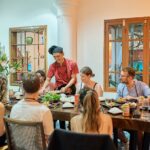
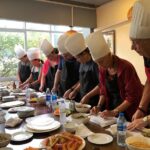
Meeting Apron Up in the Old Quarter: Easy Start, Clear Focus
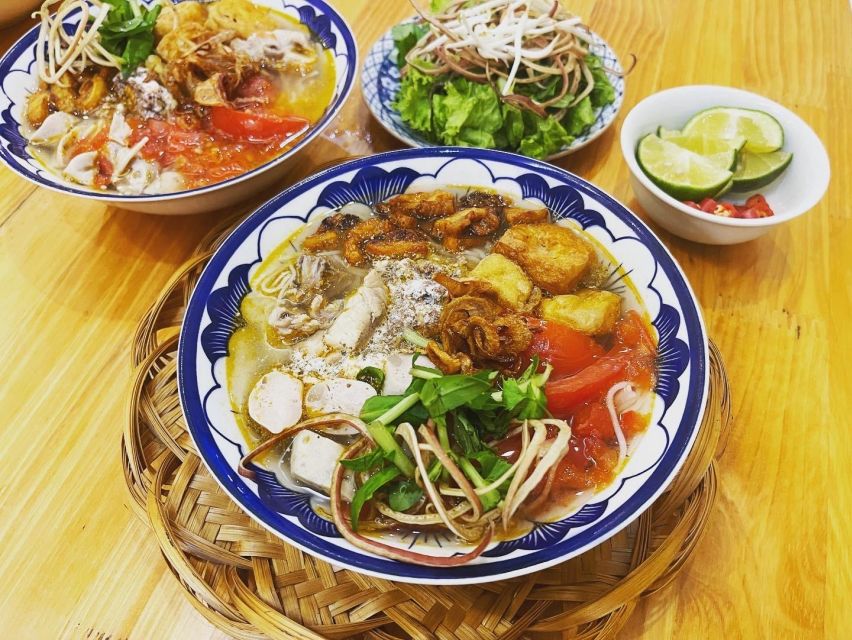
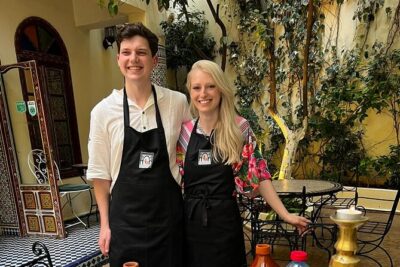
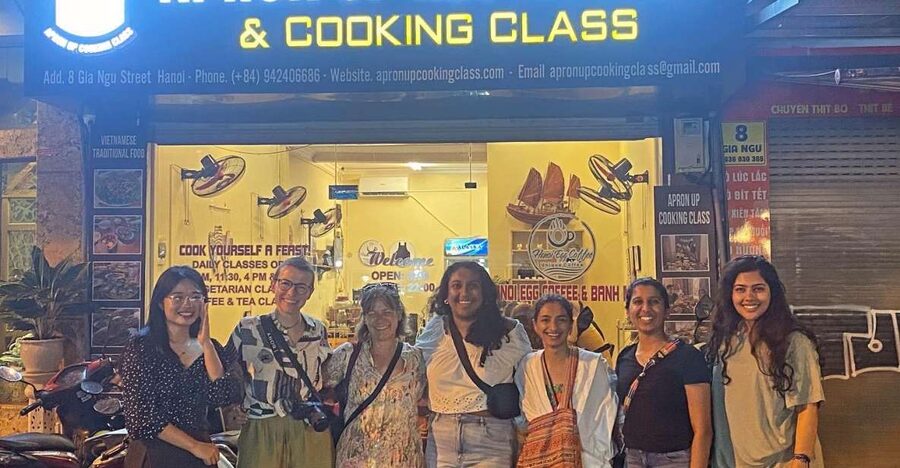
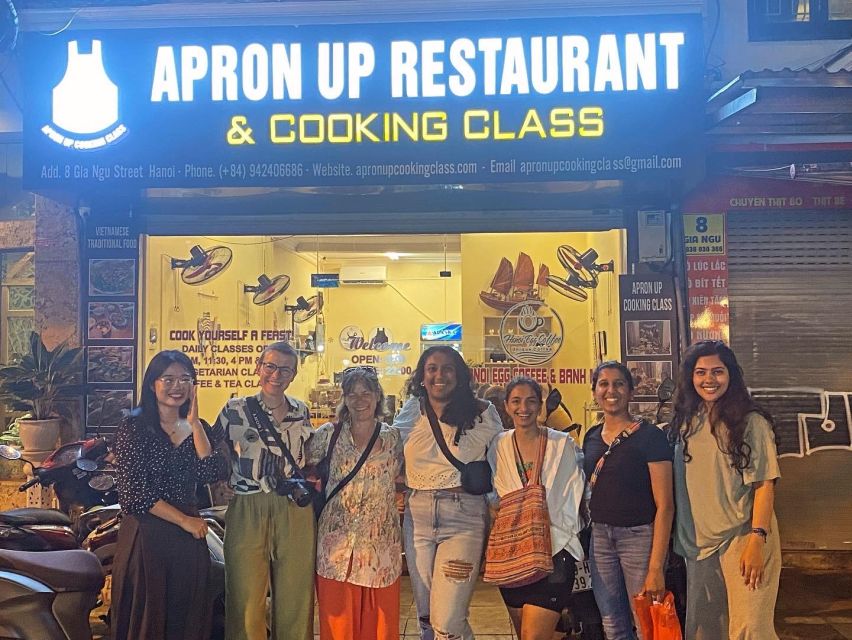
The class begins at the Apron Up Cooking Class in Hanoi’s Old Quarter. Look for the big Apron Up sign out front. A local chef welcomes you at the meeting point and then you’re off to the market and kitchen work.
Two things help this feel manageable:
- The format is timed (about 3.5 hours), so you’re not stuck waiting around.
- You’re always doing something—market, prep, cooking, then meal.
One small logistics note that matters for planning: transportation isn’t included. So build in time to get to the Old Quarter and arrive a bit early if you’re navigating on your own.
The Two Set Menus: What You Can Cook in 3.5 Hours
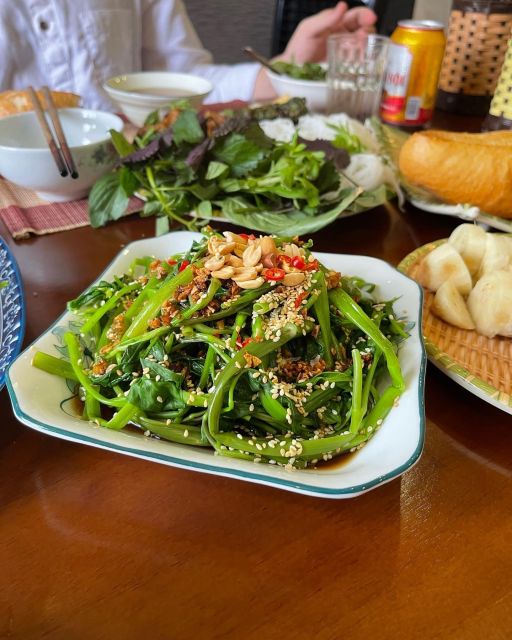
This is built around learning five dishes, but you get a choice of two menu directions. Both sets can be adapted for vegetarian diets.
Set Menu options include familiar Hanoi favorites
One menu route includes dishes such as:
- banh xeo pancakes
- bun cha (grilled pork and noodles)
- pork rib noodle soup
- beef fresh rolls
- chicken salad
- banana ice cream
The other menu route is centered on classics like:
- pho
- bun cha
- fried spring rolls
- papaya salad
- egg coffee
If you’re planning around a food mood, pick based on what you actually want to eat again later:
- Want comfort and soups? The pho route is your friend.
- Want grilled, fresh, and crunchy variety? The banh xeo/bun cha/fresh rolls lineup fits that craving.
Vegetarian-friendly without turning it into a compromise
Vegetarian guests are supported. The menus can be adapted to vegetarian diets, and the overall selection is broad enough that you’re not just eating one veggie version while everyone else gets the real thing.

Hands-On Cooking Flow: Step by Step, Not Chef Theater
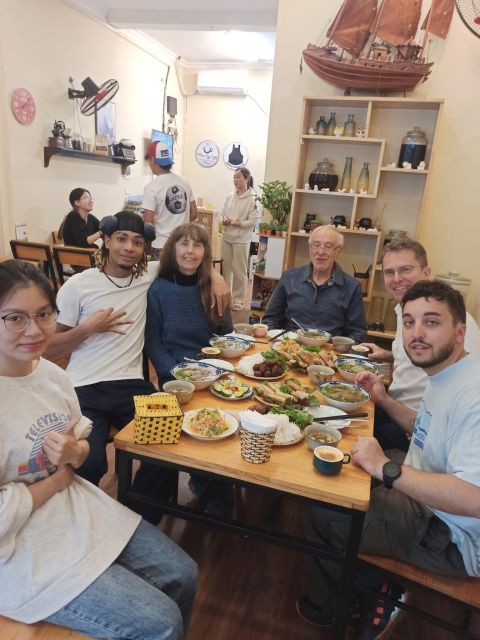
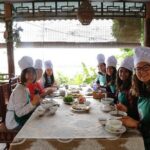
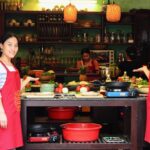
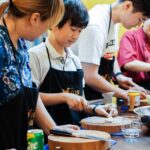
This class isn’t a sit-and-watch show. You’ll roll up your sleeves and cook. The structure is designed to keep things moving: each person gets tasks during prep and cooking, and you get step-by-step instruction for each dish.
That hands-on pacing is a major part of why people love this activity so much. One guest described it like a private session when their group was small, and the vibe stays relaxed even when everyone is cooking different components.
What you’ll learn along the way
Even if you don’t consider yourself a “cooking person,” you’ll leave with repeatable skills because the class focuses on technique and balance, not fancy equipment:
- How the ingredients come together for Vietnamese flavor (not just how to assemble)
- Tips and tricks so your dishes taste like what you ordered in Hanoi, not like a bland attempt
- How to work efficiently so the timing doesn’t fall apart
Some guides are also praised for bringing language into the lesson—like learning ingredient names in Vietnamese—so you can shop and order with more confidence after the class.
Cooking skills you can use right away
The dishes in the menu aren’t random. They represent common Hanoi cooking building blocks:
- Fresh roll assembly and sauce pairing
- Soup-focused comfort cooking (pho or rib noodle soup)
- Balance of sweet, sour, and herb-forward flavors (papaya salad, chicken salad)
- Crunch and texture from pancakes and spring rolls
You’re learning how to think like a cook: what needs to taste correct during the process, not only at the end.
The Meal You Make: Lunch or Dinner Plus Rice Whisky
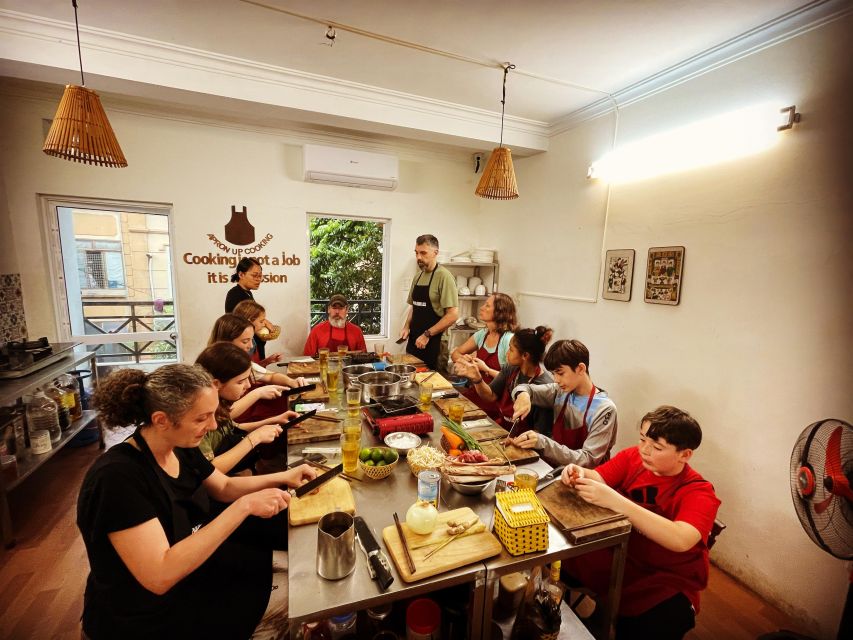
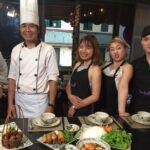
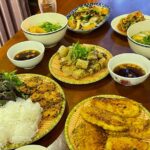
After cooking, you sit down and eat. This is the payoff moment, and it’s not just about satisfaction—it’s about learning by tasting.
You’ll have lunch or dinner included, plus tea, rice whisky, and fruit. Rice whisky tasting is part of the experience, and it’s a simple way to add a local detail beyond the dishes themselves. If you don’t want to drink much, you can still treat it like a flavor moment and focus on the food.
Why the shared meal works
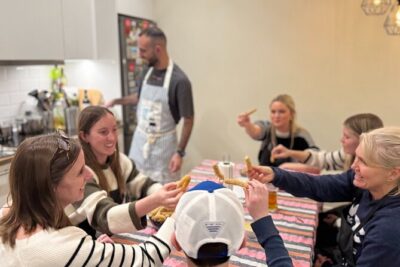
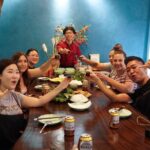
This class also functions socially. You cook with others, then everyone eats together. That shared table matters because you can compare notes on what worked for you and what tasted best. It turns the class into a practical food lesson, not a one-person cooking test.
And because the menu includes things like egg coffee and banana ice cream (depending on your set), you’re not only eating savory food. You get a fuller view of Vietnamese meals as a whole—sweet and drink moments included.
Tips for Ordering Your Menu Choice (So You Don’t Regret It)
Before you book, decide what you want most from your Hanoi meal education. Here’s a simple way to choose:
- Pick the pho route if you love soups, aromatic broth, and warming flavors.
- Pick the banh xeo/bun cha/fresh rolls route if you want variety in textures—pancake, grilled, rolled, and salad.
- If you’re a vegetarian, double-check that the set you choose can be adapted for you. The experience says vegetarian adaptation is possible, but your best outcome comes when you pick the menu whose flavors you actually want.
If you’re traveling with someone who likes different food styles, that’s also a reason to choose this class. Even inside the same 5-dish plan, you’ll usually get a mix of comfort, fresh, crunchy, and sweet.
Price and Value: Why $40 Can Feel Like a Deal
At $40 per person, this can look inexpensive or expensive depending on what you compare it to. Here’s the value logic that makes it work:
Included in the price:
- Market trip and an English-speaking instructor
- All ingredients and tools
- Hands-on cooking for 5 dishes
- Lunch or dinner
- Tea and rice whisky
- Fruit
- Cook book and certificate
Not included:
- Transportation
The value is strong because the cost covers more than a cooking lesson. You’re paying for guided ingredient selection at a real market, the instruction to make multiple dishes, and a meal at the end. You’re also bringing home a cookbook and a certificate, which turns the experience into something you can use, not just something you ate.
Also, if your group is small, the class may feel more personal. Multiple guides get praise for patient teaching and adjusting to different cooking skill levels, which is a big deal when you’re mixing beginners and more confident cooks.
Who Should Book This Cooking Class in Hanoi
This is a great fit if you want:
- A practical intro to Hanoi flavors
- Real cooking technique (not just tasting)
- A social meal where you also learn
- An option for vegetarian diets (menus can be adapted)
It’s especially good for first-timers in Vietnamese cooking. The dishes are recognizable, but the class teaches you the details that make them taste right.
It’s likely not your best choice if you:
- Need wheelchair access or have mobility limitations (the class is not suitable for people with mobility impairments or wheelchair users)
- Are traveling with very young children under 4
- Need an especially low-activity experience (this is hands-on)
Should You Book It or Skip It?
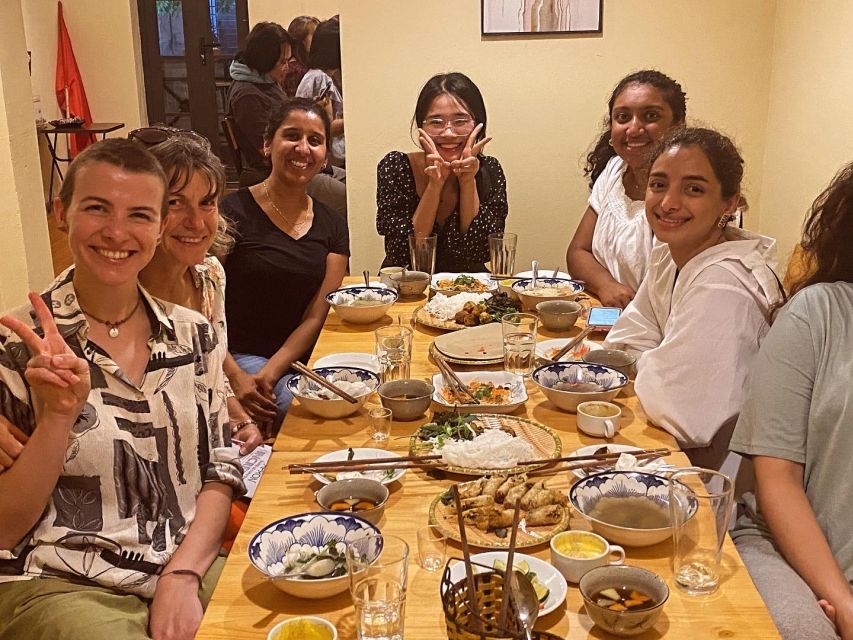
I’d book this if you want a market-to-meal experience with real teaching, not a food walkthrough. The mix of wet market shopping, hands-on cooking for five dishes, and a shared lunch/dinner makes the time feel worth it, and the rice whisky plus tea and fruit tasting adds a small local twist beyond the stove.
Skip it only if mobility is a concern for you or your group, or if you already feel confident cooking Vietnamese dishes from scratch and just want restaurant meals. Otherwise, this is one of the better ways to learn Hanoi food flavors quickly, then take the recipes home with you.
FAQ
FAQ
How long is the Hanoi cooking class?
It runs for about 3.5 hours. Starting times depend on availability.
What will I cook during the class?
You’ll make 5 traditional Hanoi dishes, chosen from one of two set menu options.
Do I visit a market?
Yes. You’ll go to a local wet market to buy fresh ingredients with your instructor.
Is lunch or dinner included?
Yes. Lunch or dinner is included, and it’s the meal you help prepare.
Are vegetarian diets accommodated?
Yes. The set menus can be adapted for vegetarian diets.
Do I get to taste Vietnamese drinks and fruit?
Yes. Tea and rice whisky are included, along with seasonal fruit.
Where do I meet the guide?
Meet at Apron Up Cooking Class. Look for the big Apron Up sign in front of the venue.
Is transportation included?
No. Transportation to and from the meeting point isn’t included.
Is it suitable for children or mobility needs?
It’s not suitable for children under 4. It’s also not suitable for people with mobility impairments or wheelchair users. People over 95 years are also not suitable based on the activity guidance.