REVIEW · HOI AN
Hoi An: Traditional Cooking Class & meal with Local Family
Book on GetYourGuide →Operated by Hoi An Eco Travel · Bookable on GetYourGuide
Cook Vietnamese food with a real local family vibe.
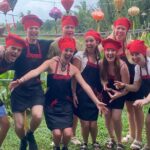
This Hoi An experience takes you out to the countryside around Cam Thanh Village and/or Tra Que Herbs Garden, with daytime and evening options and an English-speaking chef guiding everything step by step. Expect a relaxed, small-group atmosphere where you cook, laugh, and then sit down to eat what you made.
What I love most is the practical teaching style. You learn how to make four classic dishes (spring rolls and pancakes are commonly on the menu) instead of watching from the sidelines. I also like that you get a real meal as part of the class—plus you’ll get chances to chat with your group as you sample everyone’s food.
One drawback to keep in mind: the meeting point can vary depending on your slot (Cam Thanh Village vs. Tra Que Herbs Garden), and the provider may reconfirm exact details. If you dislike group logistics, plan to message on WhatsApp and arrive a little early.
In This Review
- Key things you’ll notice right away
- A cooking class in Hoi An that feels like countryside life
- Timing options: 10:15, 16:15, and 18:00 that match your day
- What you’ll cook: four dishes and the meal that follows
- A note on recipes for home
- Your English-speaking chef: the humor is part of the method
- Meal time: tea first, then the big sit-down
- Price and value: why $23 can make sense here
- Pickup, meeting points, and how not to lose time
- Diet needs: vegan/vegetarian and real accommodation
- Who this class fits best—and who should skip it
- Should you book? My straight take
- FAQ
- What are the start times for the cooking class?
- Where does the class take place?
- How long is the experience?
- How many dishes do I cook?
- Do I eat lunch or dinner during the tour?
- Is vegetarian or vegan food available?
- Is hotel pickup included?
Key things you’ll notice right away
- Countryside venue options near Cam Thanh Village and Tra Que Herbs Garden
- An English-speaking chef who teaches step by step and keeps people involved
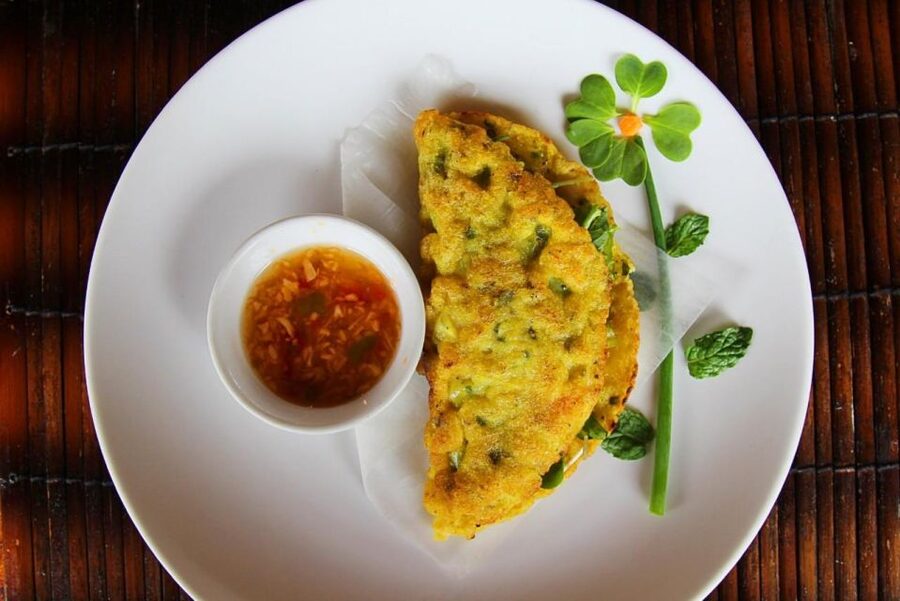
- Four hands-on dishes such as pancakes and spring rolls (menu can shift slightly)
- Welcome tea plus lunch or dinner included, and you eat what you cooked
- Take-home recipe support that many people said helped them cook again later
- Vegetarian or vegan adjustments available if you request them at booking
A cooking class in Hoi An that feels like countryside life
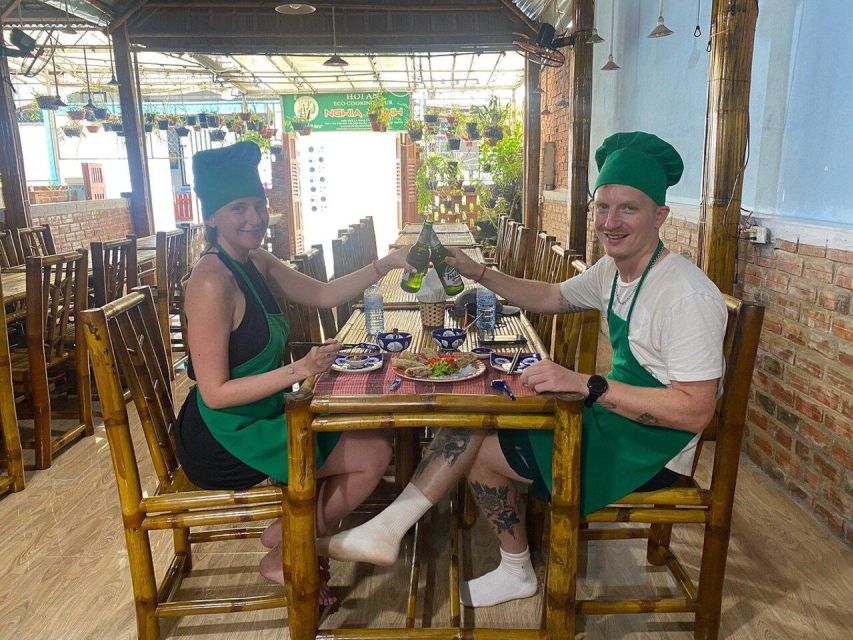
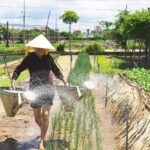
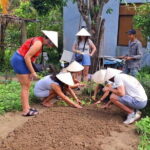
Hoi An isn’t just lanterns and riverfront strolls. This class pulls you into the working rhythm of rural Vietnam, where ingredients, herbs, and cooking methods matter. Depending on your time slot, you’ll start either around Cam Thanh Village or at Tra Que Herbs Garden, with the cooking space set up so you can actually participate.
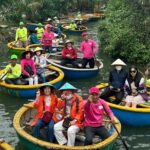
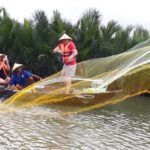
The setting does a lot of the work for you. There’s often a calm, outdoor feel—especially around water—so the experience doesn’t feel like a factory-style cooking show. You’re also more likely to get that village-energy vibe that makes Vietnamese food feel personal, not touristy.
The other thing I like: it’s not just about getting dishes right. Your chef tends to explain what you’re doing and why, then moves you through the process so you finish with something you’re proud to eat. In a country where spice balance and freshness can make or break a dish, that matters.
You can also read our reviews of more tours and experiences in Hoi An.
Timing options: 10:15, 16:15, and 18:00 that match your day
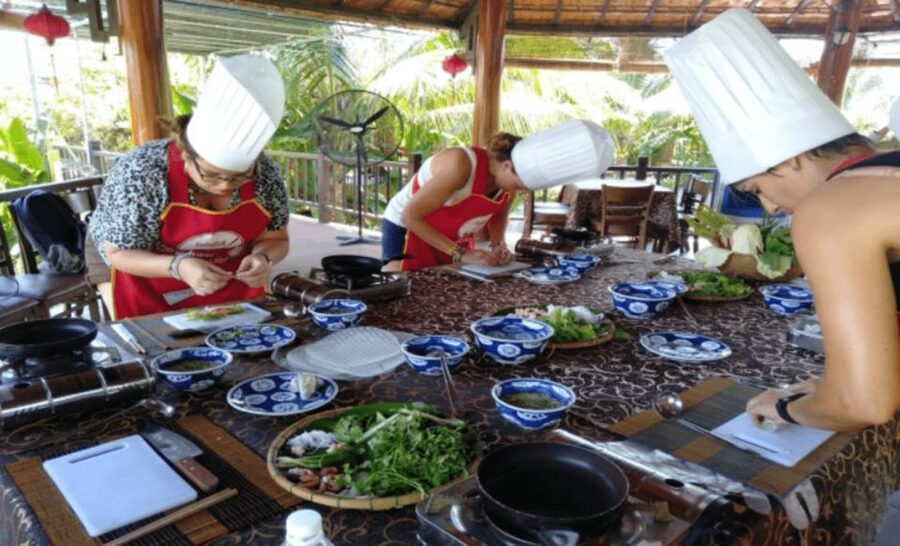
You’ve got three main starting times. Daytime classes run at 10:15 and 16:15, and the evening slot starts at 18:00. Duration is listed at 150–210 minutes, which means you should treat it as a half-day plan rather than a quick activity.
Here’s the practical advantage of choosing your time:
- Morning (10:15): Great if you want to eat early and still have energy for the rest of Hoi An that day.
- Late afternoon (16:15): Often a nice option if you’ve been sightseeing and want a relaxing meal plan.
- Evening (18:00): If you like a slower pace, the Tra Que Herbs Garden evening setting can feel especially pleasant.
The exact schedule and menu can change a little, so don’t plan a tight connection right after. Some parts of the day include a welcome drink and a short rest before you cook. Then you cook, eat, and often spend time chatting at the table.
If you’re the type who hates uncertainty, this is worth a quick check message the day before. The provider reconfirms the pickup time and meeting location, and you’re asked to share your WhatsApp contact for that reason.
What you’ll cook: four dishes and the meal that follows
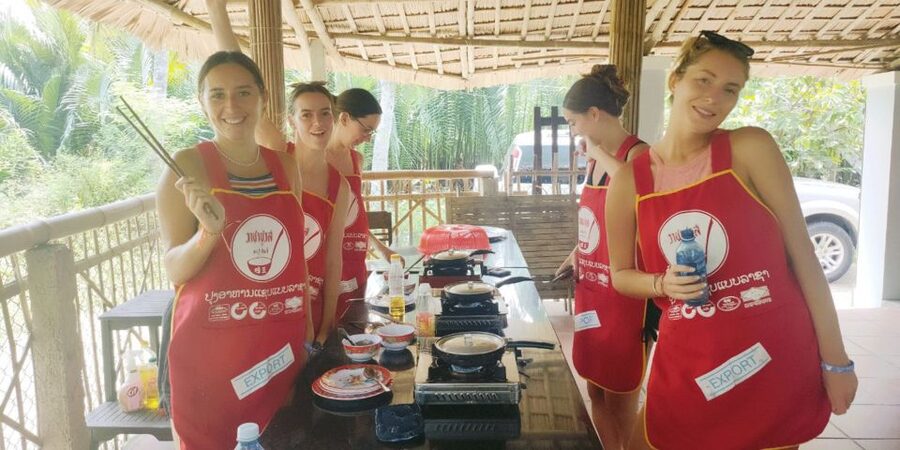
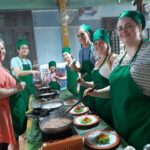
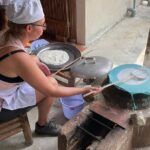
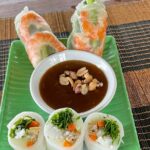
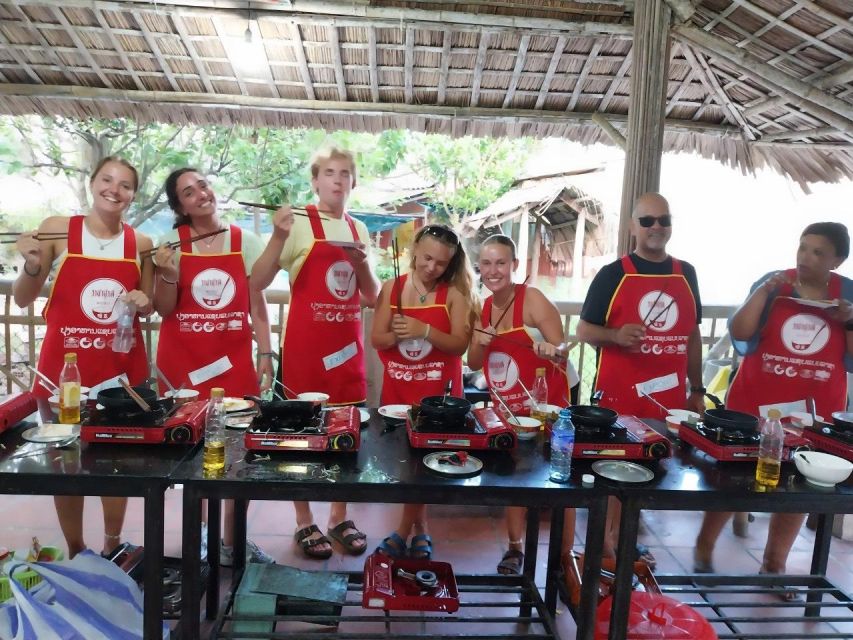
This is a hands-on class built around making four local dishes. The most consistently mentioned dishes include Vietnamese pancakes and spring rolls, but the menu can shift slightly based on timing.
What makes this valuable isn’t just the dish count. The structure is designed so you learn key techniques—wrapping, frying, mixing, rolling, and building flavor—rather than repeating one step four times. Even if you’re a total beginner, step-by-step instruction usually brings you to the point where your food looks like food, not homework.
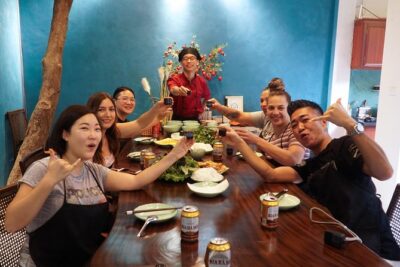
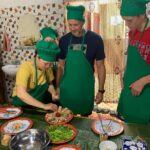
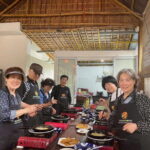
After cooking, you don’t get stuck with a sad sample portion. Lunch/dinner is included, and the meal is built from what you made. The group often takes time to eat together and share bites, and you may even get a chance to compare what different people did with the same recipe.
Also, keep your appetite realistic. Many people said the final meal is generous. Go hungry if you want the full experience.
A note on recipes for home
Several people mentioned they received recipe copies or notes to take home. That’s a big deal because Vietnamese cooking can feel slightly mysterious until you have the measurements or steps in writing. Even if you don’t follow perfectly at home, having a roadmap helps you recreate the flavors you enjoyed.
Your English-speaking chef: the humor is part of the method
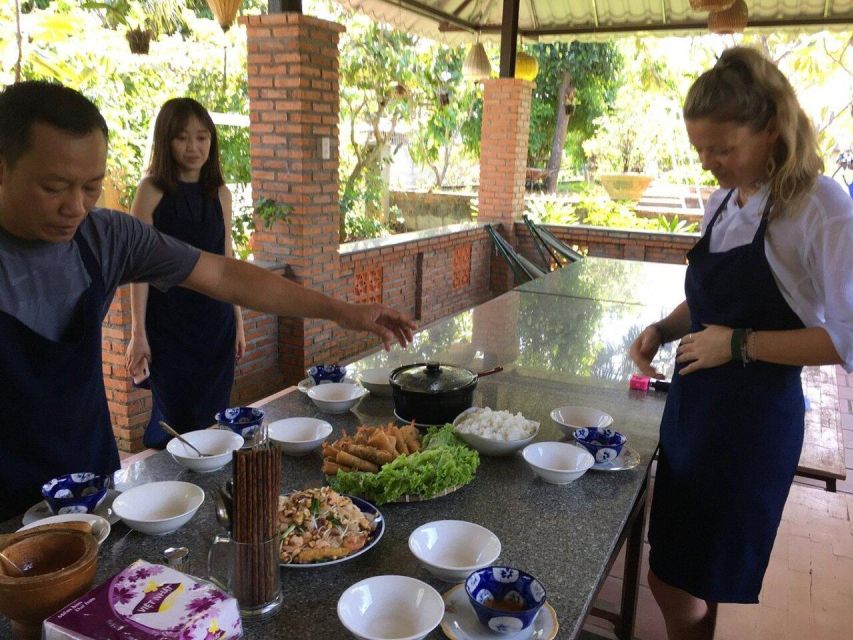
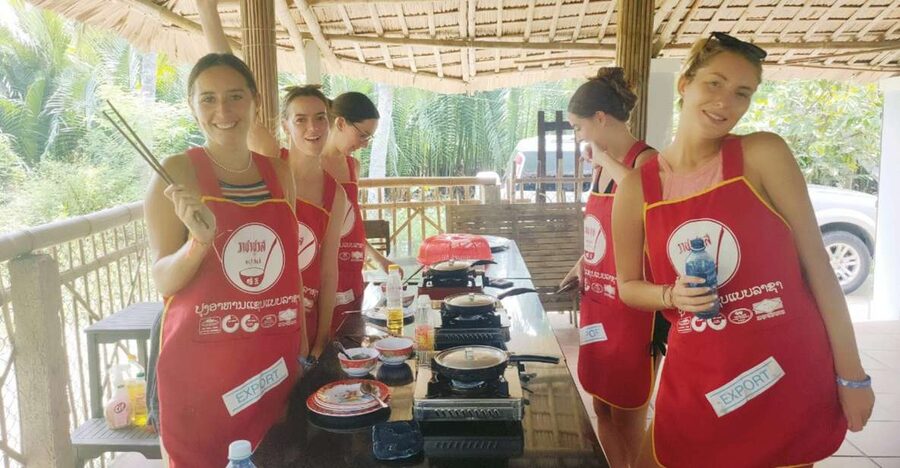
The chef is central to how this class works. Instruction is provided in English, and the teaching style is interactive—people are pulled into the process, and the chef usually keeps things lively.
From past participants, you’ll see a pattern: the chef or lead instructor often uses humor to break the ice and keep everyone participating. Names that come up in real experiences include Han, Ha, Nhung, Wan, Ha (multiple spellings appear), Giang, Jo, and Mr. Cu, plus helpers like Hang. You might not get the exact name you see online, but the teaching vibe seems consistent: clear steps, lots of encouragement, and a group atmosphere.
What you should expect in practice:
- You’ll get guidance before each dish so you know what success looks like.
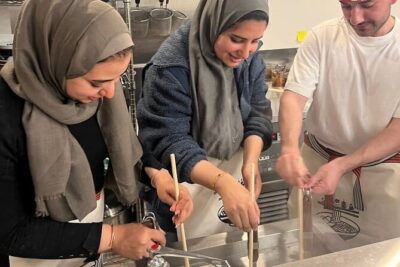
- You’ll get involved with hands-on tasks (like rolling and assembling), not just watching.
- Your chef keeps an eye on timing so you don’t fall behind.
If you’re traveling solo, this is the type of activity where you don’t end up alone at a station. The group setup tends to create a friendly rhythm.
Meal time: tea first, then the big sit-down
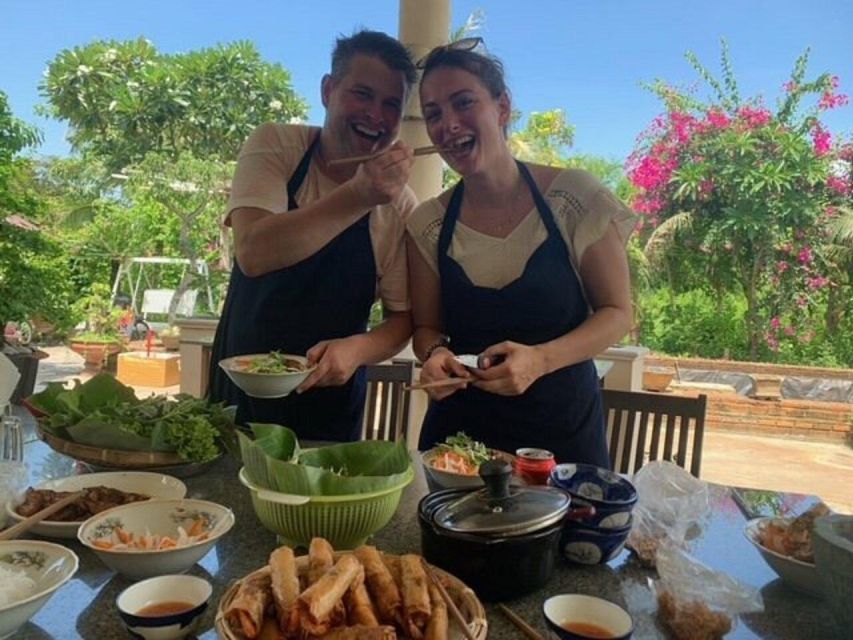
Before cooking, there’s a welcome drink—listed as welcome tea—and time to rest at the restaurant. That small buffer matters because it turns a hot, busy day into something calmer. It also helps you focus once the cooking starts.
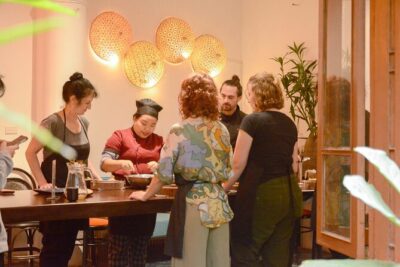
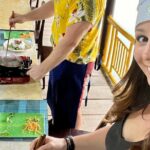
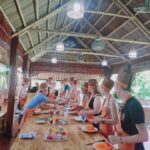
Then the class becomes a shared table experience. After dishes are finished, you eat what you cooked, and you often have a chance to chat and sample other people’s results. That part is underrated. Vietnamese food is sensitive to small differences—thickness of a pancake, tightness of a roll, how a sauce is balanced—and tasting variations makes the lesson “stick.”
If you’re hungry and you like social meals, this format is a win. You come for cooking, but you leave with a full stomach and a better sense of what each dish should taste like when it’s done well.
Price and value: why $23 can make sense here
At $23 per person, this isn’t just a cooking lesson—it’s a bundled meal experience. Here’s what’s included:
- English-speaking chef
- Welcome tea
- All ingredients for the cooking class
- Lunch/dinner
Not included: drinks, personal expenses, and hotel pickup/drop-off (pickup is optional if you’re in the Hoi An area).
When I look at value, the ingredient part is what carries the math. Good Vietnamese cooking depends on fresh components—herbs, wrappers, aromatics, sauces. In many “budget” cooking classes, you watch most of the process and eat a token portion. Here, you cook the meal and then eat it. That turns your money into something you can actually taste.
Is $23 a perfect deal for every traveler? If you hate group settings or you’re uncomfortable finding meeting points, you might feel the cost more than the payoff. But if you want a hands-on skill plus a full meal, the price feels reasonable for Hoi An.
Pickup, meeting points, and how not to lose time
Pickup is optional. If you choose it, you’ll be collected from hotels in the Hoi An area. If your hotel selection isn’t available through the booking system, you’re told to message for assistance.
Because the meeting point can vary based on your option, the provider reconfirms pickup time and meeting location. You’re asked to provide a WhatsApp contact so they can reach you quickly.
A couple of practical tips:
- Screenshot or save the reconfirmation message and the exact meeting details.
- Arrive a few minutes early, especially if your start time is daytime and you’re managing heat.
- If you’re staying far from the central pickup area, confirm the pickup point clearly.
The class itself runs on a schedule, so being late can throw off both you and the group.
Also: this is described as a group tour, and it can be combined with other participants. It still notes small-group availability, so you may be in a tighter group than you’d expect from some larger operations, but it’s not a private class.
Diet needs: vegan/vegetarian and real accommodation
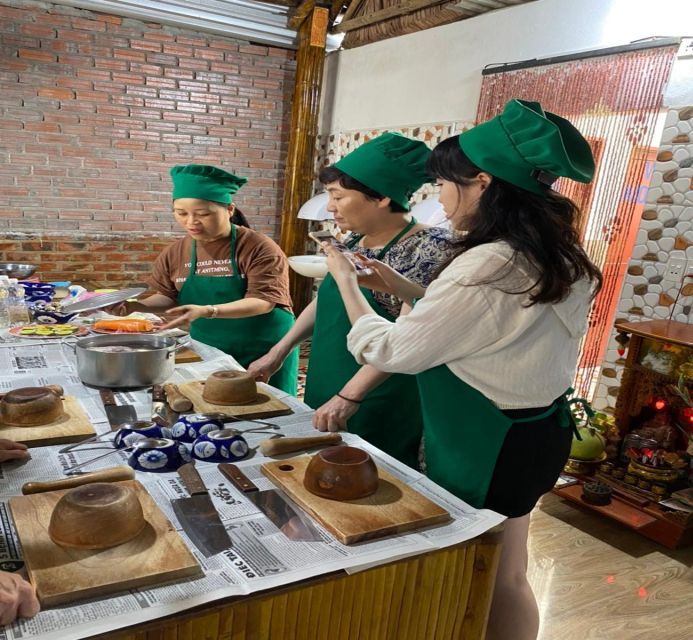
Good news: vegan and vegetarian options are available as requested during booking. That alone makes the experience easier to plan.
Even better, some people said the team adjusted for gluten-free needs, including coeliac-related requirements. That doesn’t mean every allergy is guaranteed without confirmation, but it does signal they take dietary requests seriously.
If your diet is restrictive, do two things:
- Request your preference at booking (vegan/vegetarian is explicitly supported).
- Mention specific restrictions clearly in your message, not just by category.
This type of cooking class relies on wrappers and sauces, so communication helps prevent surprises.
Who this class fits best—and who should skip it
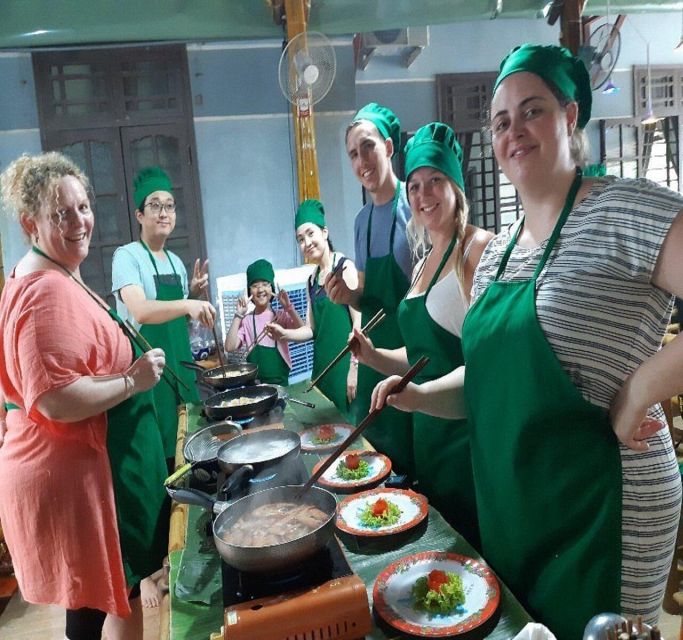
This is a fun choice for couples, friends, families with teens, and anyone who wants a hands-on food lesson instead of a lecture. Many people highlighted the class as a memorable highlight of their trip, and the humor makes it work even if you’re nervous about cooking.
It’s also a smart plan when the weather is unpredictable. Because the cooking is structured and the restaurant break happens before cooking, you’re not left scrambling for alternatives.
There are clear limitations:
- Pets aren’t allowed.
- It’s not suitable for people with mobility impairments.
If mobility is an issue for you, this is worth double-checking before you book. The data doesn’t provide workaround details, so don’t assume accessibility is possible.
Should you book? My straight take
Book this cooking class if you want three things in one: real Vietnamese cooking instruction, a countryside setting around Hoi An, and a full meal that you helped make. At $23 with lunch/dinner included, it’s strong value. The English instruction also makes it accessible without feeling like you need a culinary degree.
Think twice if your main goal is a private experience or you dislike group logistics. Meeting points vary by option, and the day’s flow can shift slightly. If you’re not comfortable coordinating via WhatsApp, it can feel more stressful than it needs to be.
If you’re flexible, hungry, and curious about Vietnamese cooking techniques, this is the kind of activity that gives you both stories and skills you can actually repeat at home.
FAQ
What are the start times for the cooking class?
Daytime options start at 10:15 and 16:15, and the nighttime option starts at 18:00.
Where does the class take place?
The meeting point can vary by option. Daytime experiences involve Cam Thanh Village, and the cooking happens behind a peaceful lake. The nighttime option is associated with Tra Que Herbs Garden.
How long is the experience?
The duration is listed as 150 to 210 minutes.
How many dishes do I cook?
The chef teaches you to cook four local dishes, and the menu can change slightly depending on the schedule.
Do I eat lunch or dinner during the tour?
Yes. Lunch or dinner is included, and you get to enjoy what you cooked.
Is vegetarian or vegan food available?
Yes. Vegan and vegetarian options are available as requested upon booking.
Is hotel pickup included?
Hotel pickup and drop-off are not included by default. Pickup is optional if you choose it, and it’s available from hotels in the Hoi An area.