REVIEW · MADRID
Spanish Cooking Class Paella Tapas and Sangria in Madrid
Book on Viator →Operated by Cooking Point, S.L · Bookable on Viator
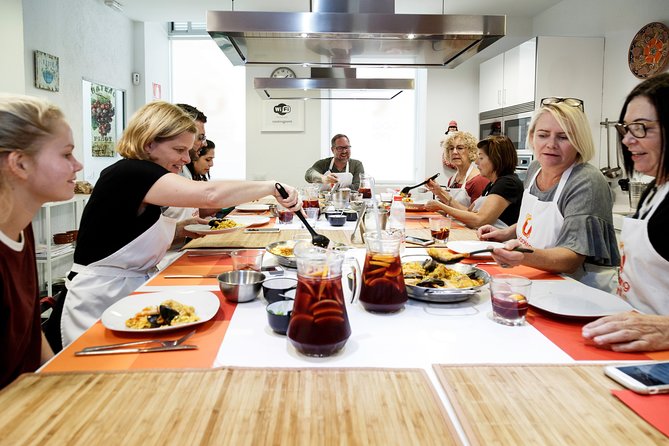
Every plate starts with your hands. In Madrid, you cook paella or tapas and sangria with an English-speaking chef in a small group of 12. I like the hands-on pacing (you do the real work, not just watch) and the meal afterward is genuinely part of the fun. The one catch is menu depends on whether you book the morning paella class or the evening tapas class, so check what you want before you lock it in.
You’ll meet at Cooking Point in Centro, then team up in pairs to cook your menu. If you’re solo, they match you with a buddy, and many classes include ingredient shopping at a local market for the morning option. Expect a relaxed, friendly atmosphere where people talk about Spanish food habits while the aromas build.
In This Review
- Key things to know before you cook in Madrid
- Meeting in Centro and getting cooking fast
- What you’ll feel in the first 15 minutes
- Morning paella class: market-to-pan for fresh, repeatable flavors
- What you might cook in the morning
- Market visit note (why it’s worth it)
- Evening tapas class: multiple bites, the techniques behind them
- What you might cook in the evening
- One important consideration before you book
- Cooking side by side in pairs: the real reason it feels personal
- Alcohol and sangria: included, but planned
- The meal at the end: more than just lunch
- Take-home recipes that help you repeat it
- Price and value: why $102.79 can be a smart Madrid buy
- Who this cooking class fits best (and who should skip it)
- Quick tips to get the most from your class
- Should you book Spanish paella or tapas in Madrid?
- FAQ
- What dishes are included?
- Is the class hands-on?
- Do I need to be an experienced cook?
- Are dietary restrictions accommodated?
- Do morning and evening classes include different experiences?
- What language is the class taught in?
- How large is the group?
- Is alcohol included, and is there an age limit?
- How do I get there, and is there pickup?
- What’s the cancellation policy?
Key things to know before you cook in Madrid
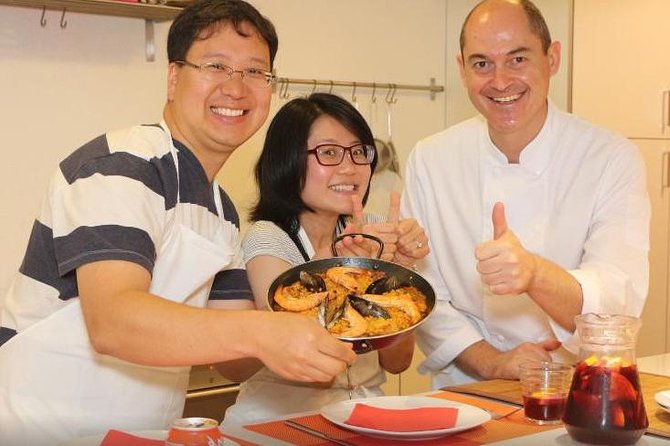
- Small-group class (max 12): you get enough attention to actually cook, not just stand by the stove
- Morning paella option can include a market visit: you shop for fresh ingredients before cooking
- Menu changes by time of day: paella-style dishes in the morning, tapas-style plates in the evening
- English-speaking chef guides you step-by-step: plus paired teamwork at the stations
- Dietary needs can be accommodated: share requirements at booking so you cook what fits you
- You take recipes home: a booklet with everything you made
Meeting in Centro and getting cooking fast
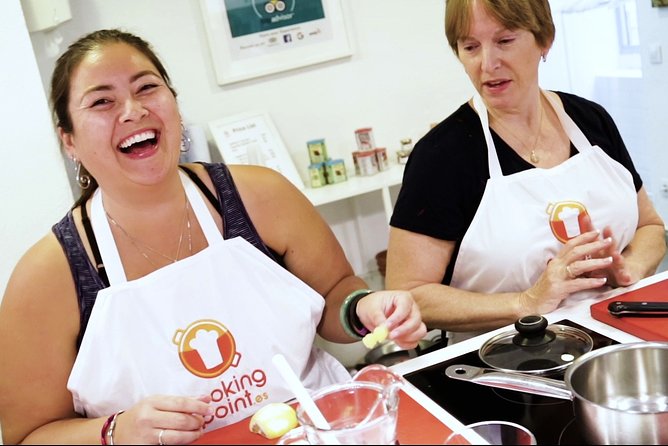
This is the kind of Madrid experience that works even if you’re only in town for a short stretch. You start at C. de Moratín, 11 (Centro) at the Cooking Point location, and the tour runs about 4 hours. No hotel pickup, so you’ll want to arrive on time and ready to roll up your sleeves.
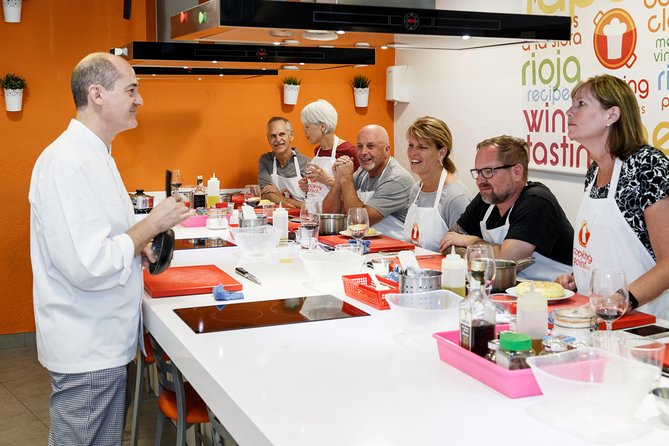
The format is simple and effective: the group stays small, and you cook in pairs. That matters because Spanish cooking can feel a little technical once you get going, especially with timing. In a group of 12, the chef can notice if your pan is too hot, your chop is too big, or your liquid needs a bit more time.
You can also read our reviews of more tours and experiences in Madrid.
What you’ll feel in the first 15 minutes
You’ll get an intro to the menu and how the class flows. From there, you’re not stuck in a lecture. You’re working at your station, making choices, and tasting as you go. Reviews highlight instructors like Angel, Teresa, Eduardo, and Elisa as friendly and organized, and that’s a big part of the value here: you’re learning without feeling rushed.
Morning paella class: market-to-pan for fresh, repeatable flavors
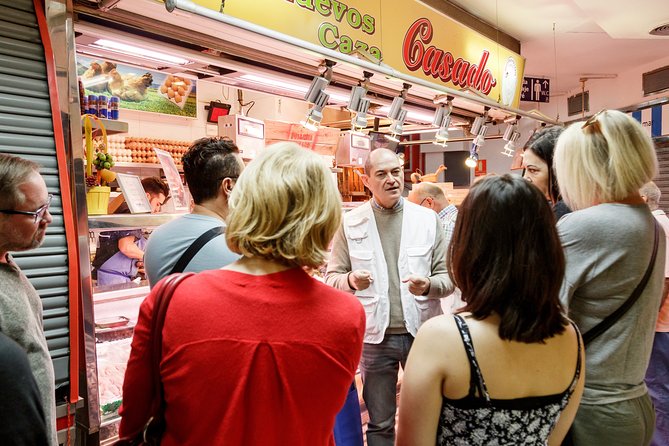
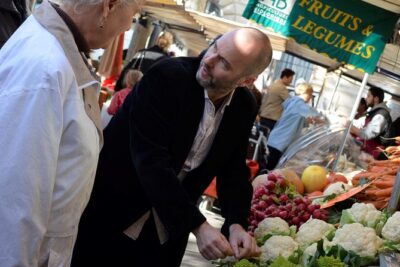
If you book the morning version, you may get a visit to a local market to shop for ingredients. That’s one of the most practical parts of the experience, because paella is all about what you put in the pan and when. Shopping first helps you understand the real-world logic of Spanish cooking: fresh produce, seafood/meat choices, and the basics of what’s typical where.
You’ll also see how Spanish meals often move from ingredient to technique to sharing. Paella is a centerpiece dish, so the chef tends to focus on the structure: how to build flavor, how to manage the heat, and how to avoid overthinking it. Once you cook, you’ll have a much easier time recreating the dish at home, because you remember the order of steps and the texture cues.
What you might cook in the morning
A sample morning menu includes:
- Paella (main)
- Gazpacho (starter)
- Sangria (served with the meal)
That combo is smart. Gazpacho gives you cold, fresh contrast, and it’s a great way to learn Spanish flavor balance without turning the whole class into a hot-kitchen endurance test. And since sangria is part of the experience, you’re not just cooking one item and calling it a day.
Market visit note (why it’s worth it)
Even if you don’t buy anything fancy later, the market stop gives you a mental shopping list. You learn what to look for and why certain ingredients work better than others. In the reviews, market-led guidance from instructors like Eduardo is repeatedly called out as a highlight, especially the way they explain what to buy and how to think like a local.
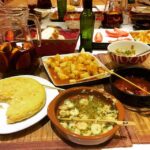
Evening tapas class: multiple bites, the techniques behind them
The evening option shifts the focus from one big centerpiece to a spread of plates. That’s often a better match for couples or groups who want variety and don’t want to spend the entire class staring at one pan.
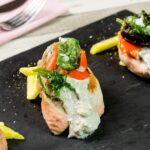
You can expect a mix of savory dishes that teach different techniques: frying and crisping for patatas bravas, sautéing for garlic shrimp, and building flavor for chorizo preparations. The learning here isn’t just recipes. It’s understanding how each tapa style gets its character.
What you might cook in the evening
A sample evening menu includes:
- Spanish potato omelet (main)
- Garlic shrimp (main)
- Chorizo in cider (main)
- Patatas bravas (main)
- Tomato bread with ham (starter)
- Crema catalana (dessert)
- Sangria (main drink)
That lineup hits a sweet spot for home cooks. You’ll cover egg cookery (omelet), quick seafood heat control (garlic shrimp), sauce flavor building (chorizo in cider), crisp-fry mechanics (patatas bravas), and a classic custard style dessert (crema catalana). If you’ve ever felt like tapas are just random plates, this class shows the technique thread underneath.
One important consideration before you book
Make sure you choose the right class if you have a specific wish. The paella class and the tapas class are separate menus, so it’s easy to end up in the wrong option if you expected both in one sitting. Reviews reflect this confusion, and it’s a simple fix: double-check whether you’re booking paella in the morning or tapas in the evening.
Cooking side by side in pairs: the real reason it feels personal
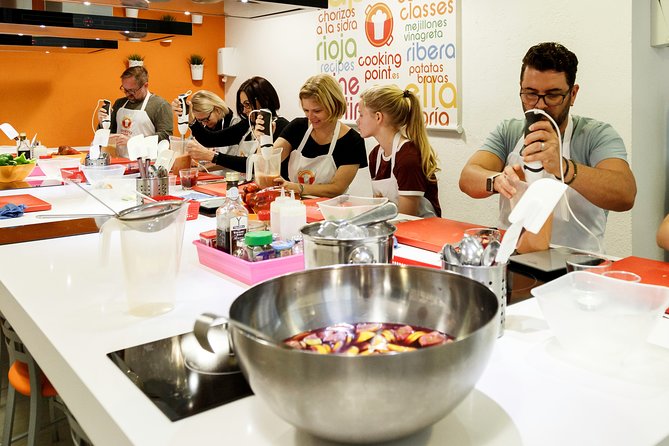
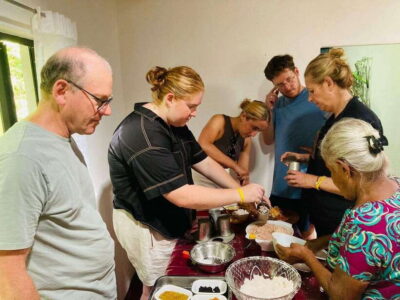
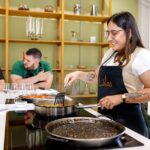
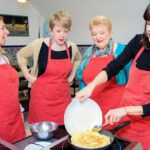
The hands-on part is the main event, but the pairing system is what makes it work. In the kitchen, tasks aren’t always one-size-fits-all: someone chops faster, someone prefers stirring, someone learns best by doing. When you’re in a pair, the workflow moves and you still get direct input from the chef.
If you’re traveling solo, you’ll be matched with a cooking buddy. That turns a potentially awkward “I’m just watching” situation into something social. And because the class is capped at 12 participants, you usually get time to ask questions without waiting your turn for a long line of people.
Alcohol and sangria: included, but planned
Sangria and drinks are included. The minimum drinking age is 18, so if you’re under that age, you’ll still be able to enjoy the food and the cooking instruction. Also, come with an appetite because the meal is part of the class, not a tiny tasting.
In reviews, sangria is often described as refilled and generous, and that fits the overall vibe: you cook, you eat, and the kitchen energy keeps the time flying.
The meal at the end: more than just lunch
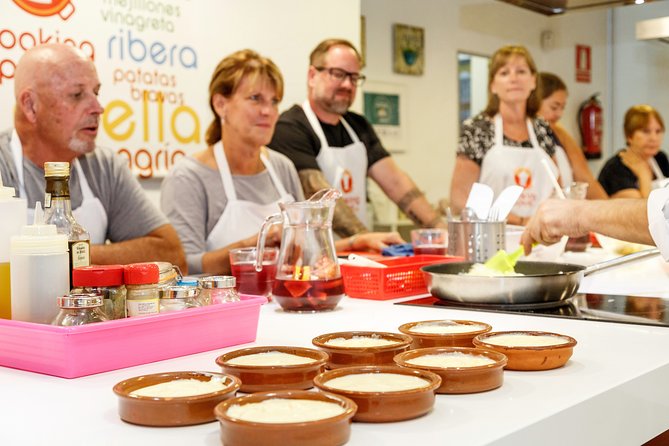
Once cooking is done, you sit down with your classmates and share the meal you made. This is where the whole experience clicks into place. Food classes can sometimes feel like a performance for the chef, but this one is set up to be a shared dining moment.
You’ll eat the dishes your group cooked, and you’ll also hear Spanish food stories from the chef—things like local eating habits and where ideas come from. Reviews repeatedly mention instructors explaining origins and techniques, and that’s what turns recipes into knowledge you can actually use.
Take-home recipes that help you repeat it
At the end, you take a recipe brochure/booklet with the dishes you prepared. That’s not a minor extra. It’s the difference between remembering you made something delicious and being able to cook it again with confidence.
If you love cooking but hate guessing, the booklet reduces that stress. You’ll have a roadmap for ingredients and steps, which is especially helpful for dishes like paella where timing can make or break the final result.
Price and value: why $102.79 can be a smart Madrid buy
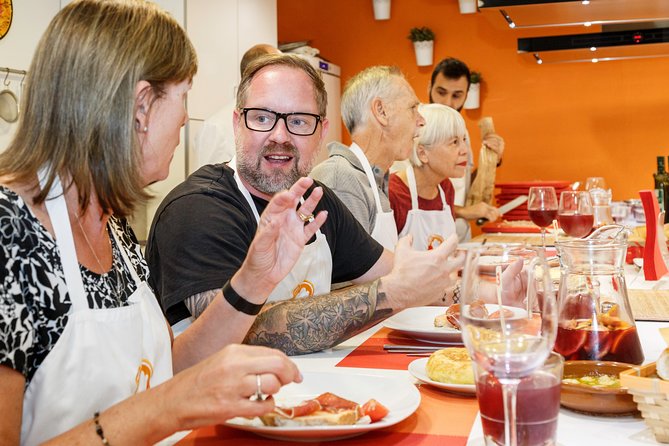
At $102.79 per person, this isn’t a budget snack class. But it’s also not one of those “pay for a demo” tours. You get:
- hands-on cooking instruction
- small-group format (max 12)
- a full meal including sangria
- ingredient shopping for the morning option (market visit)
- a recipe booklet to bring home
- English-speaking local chef guidance
When you compare that to the cost of eating well in central Madrid plus the cost of learning something you’ll use again, the price starts to make sense. You’re paying for time with the chef, kitchen use, and the full meal you helped create.
Also, it’s a strong value if you’re traveling as a family or with friends. Reviews highlight the experience working well for children too, and that’s believable with the paired, guided structure.
Who this cooking class fits best (and who should skip it)
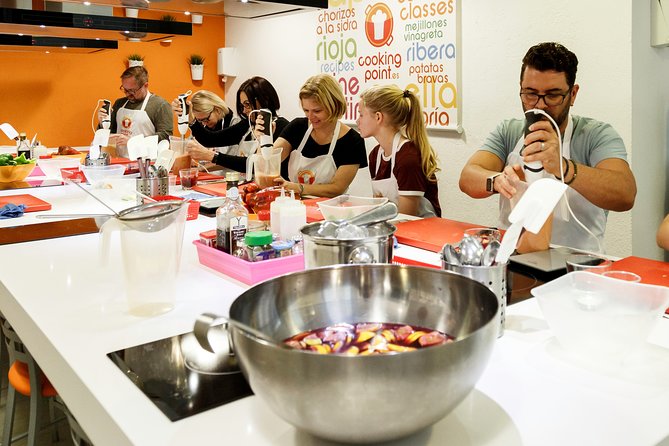
This is a great match if you want a practical Madrid activity that feels both cultural and hands-on. I’d especially recommend it if:
- you want to learn Spanish cooking techniques, not just eat Spanish food
- you like small groups and paired teamwork
- you’re a beginner who wants clear steps and support
- you want a meal that you can recreate later
You might want to think twice if:
- you care more about sightseeing landmarks than a single food-focused block
- you want the exact same menu both morning and evening in one class (you’ll need to book the specific time you want)
- you prefer watching rather than cooking (this one is built for doing)
Quick tips to get the most from your class
- Bring comfortable clothes and shoes. You’ll be standing and moving around while cooking.
- Think about which menu you want before booking: paella-style in the morning, tapas spread in the evening.
- If you have dietary needs, tell them at booking so your menu can be adapted.
- Come hungry. This is a cook-and-eat experience, not a light bite.
Should you book Spanish paella or tapas in Madrid?
If you’re in Madrid and you want more than another meal out, yes, book it. The class structure is designed for real participation: small group size, paired cooking, and step-by-step guidance from an English-speaking chef. In reviews, instructors like Angel, Teresa, Eduardo, and Elisa are praised for being friendly, funny, and hands-on, and that’s exactly what you want when you’re learning new cooking techniques.
Choose the morning option if you’d like the extra layer of ingredient shopping at a local market. Choose the evening tapas option if you want variety across several dishes and a more spread-out meal. Either way, you’ll leave with a full, satisfying dinner and a recipe booklet you can actually use back home.
FAQ
What dishes are included?
The included dishes depend on whether you book the morning paella class or the evening tapas class. A sample paella menu includes paella, gazpacho, and sangria, while a sample tapas menu includes items like Spanish potato omelet, garlic shrimp, chorizo in cider, patatas bravas, tomato bread with ham, crema catalana, and sangria.
Is the class hands-on?
Yes. This is a cooking class where you prepare and cook your own meals under the chef’s guidance, and you’ll work in pairs.
Do I need to be an experienced cook?
No. The class is structured with instruction and support, and it’s designed for a range of skill levels since you cook alongside a chef and a partner.
Are dietary restrictions accommodated?
Yes. The class can accommodate dietary needs, and you should advise them at the time of booking.
Do morning and evening classes include different experiences?
Yes. The morning paella option may include a local market visit to shop for fresh ingredients. The evening tapas option focuses on the tapas menu and cooking.
What language is the class taught in?
The class is offered in English, with an English-speaking local chef.
How large is the group?
The experience has a maximum of 12 travelers, and you’ll typically cook in pairs.
Is alcohol included, and is there an age limit?
Drinks are included, including sangria. The minimum drinking age is 18.
How do I get there, and is there pickup?
Hotel pickup and drop-off are not included. The meeting point is Cooking Point, C. de Moratín, 11, Centro, 28014 Madrid, and the activity ends back at the meeting point.
What’s the cancellation policy?
Free cancellation is available. You can cancel up to 24 hours in advance for a full refund. If you cancel less than 24 hours before the start time, the amount paid is not refunded.