REVIEW · MADRID
Madrid Tapas & Paella Cooking Experience with Local Market Visit
Book on Viator →Operated by Devour Madrid Food Tours · Bookable on Viator
Markets and cooking in Madrid, all in one morning. This class pairs a visit to Mercado de Antón Martín with time in a Huertas-area Ferretería Restaurante kitchen, so you learn and cook with the same ingredients you just picked out. I love the focus on practical Spanish cooking techniques and the fact that ingredients are included, but note that you’ll likely share cooking tasks rather than working completely on your own.
You start with an aperitivo of sweet vermouth and snack, then spend a few hours prepping classic plates together. The day ends with a sit-down lunch, seasonal fruit dessert, and your choice of beer or wine. It’s about 3 hours 30 minutes, led in English in a small group of 12 or fewer, and it can fit vegetarians and pescatarians, but it’s not set up for vegans or celiac disease.
In This Review
- Key highlights worth planning around
- Why the market visit is more than a warm-up
- Mercado de Antón Martín: shopping like a neighborhood regular
- Ferretería Restaurante: cooking space, aperitivo first
- What you’ll make: tapas, croquetas, patatas bravas, and paella
- The aperitivo of sweet vermouth: a small detail that helps you taste better
- Lunch, seasonal fruit, and your choice of beer or wine
- Small-group size and English-led instruction
- Hands-on cooking: what you truly control
- Dietary needs: what fits and what doesn’t
- Safety and age: plan for a no-kid kitchen
- Price and value: what $114.93 buys you
- Timing tip: start at 10:30 and don’t overbook afterward
- Should you book this Madrid tapas and paella class?
- FAQ
- Where does the experience start and end?
- How long is the cooking experience?
- Is the tour offered in English?
- What’s included in the price?
- Do I need to bring ingredients or anything special?
- Is transport included?
- Can this class handle dietary restrictions?
Key highlights worth planning around
- Market-to-kitchen flow: You shop fresh ingredients first, then use them right away in the cooking class.
- Hands-on technique practice: You get shown how Spanish staples come together, not just how to assemble a dish.
- Aperitivo time with sweet vermouth: You begin with a traditional pre-lunch ritual that sets the rhythm for the meal.
- Classic menu, small-group size: Tapas, croquetas, patatas bravas with sauces, and paella are handled with a tight group dynamic.
- No ingredient shopping on your part: Everything you need for the meal is included, so you can travel light.
Why the market visit is more than a warm-up
A lot of cooking classes skip the “why” and jump straight to chopping. This one uses the market as the start of the story. When you see products up close—fresh produce, pantry items, and regional staples—it’s easier to understand what makes Spanish food taste like Spanish food.
That matters because the flavors here come from simple ideas done well: good ingredients, good timing, and the right technique. A market stop helps you clock those differences fast. You’re not memorizing recipes. You’re building a feel for what goes into them.
You also get the chance to talk with people selling the food. Even a short conversation can help you learn what locals actually look for—ripeness, sourcing, and how certain products are used.
You can also read our reviews of more tours and experiences in Madrid.
Mercado de Antón Martín: shopping like a neighborhood regular
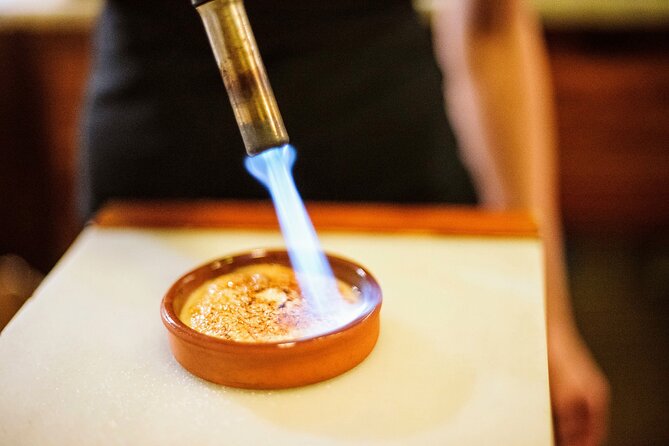
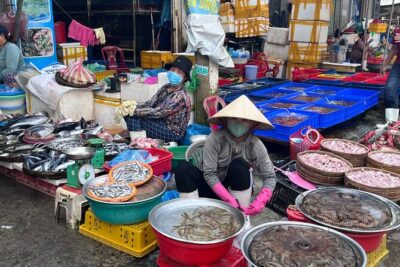
You’ll meet near Plazuela de Antón Martín and head into Mercado de Anton Martin, a historic market where local residents have been shopping for over a century. The vibe is practical: vendors are there because they sell. That makes your market time feel real, not staged.
Here’s what you can expect to do with your guide:
- Walk through the market with a food-focused plan.
- Stop to learn what ingredients matter for the dishes you’ll cook later.
- Pick up fresh items that become part of your class meal.
This is a smart way to get oriented in Madrid’s food culture without spending hours doing research on your own. And since the class later uses market ingredients, you’ll recognize what you bought when you see it back in the kitchen.
One thing to keep in mind: market time can move at a local pace. If you’re the type who hates crowds or fast walking, go in with a calm mindset and wear comfortable shoes.
Ferretería Restaurante: cooking space, aperitivo first
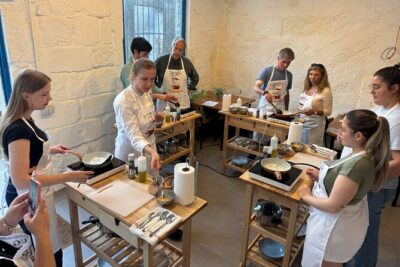
After the market, you head to the restaurant setting in Madrid’s Huertas neighborhood, where you’ll cook in a dedicated space reserved for a small group. This matters because a classroom-style kitchen can feel like a lecture. A restaurant kitchen setup tends to feel more like real cooking—plus it keeps the pacing tight.
Before you start working, you’ll enjoy a typical aperitif featuring sweet vermouth and accompanying snack products from the market. This isn’t just a drink. It’s part of the Spanish lunch rhythm: take the edge off hunger, then start cooking and talking in a relaxed way.
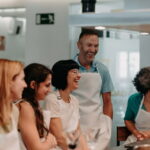
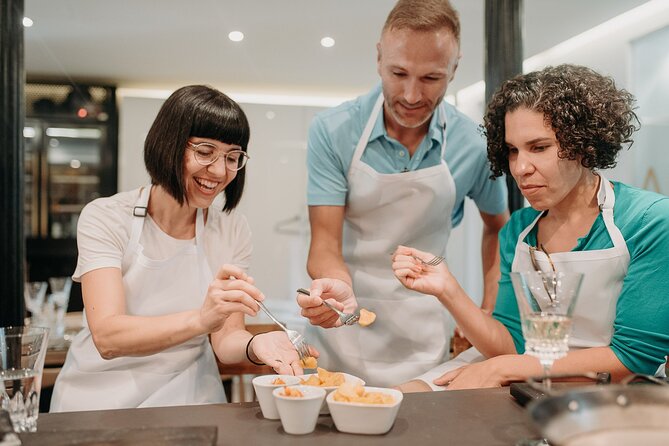
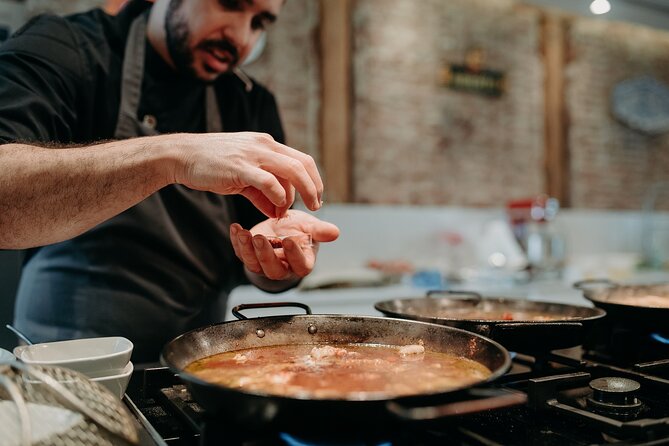
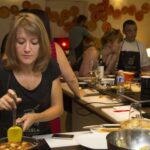
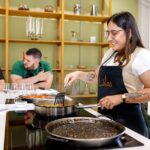
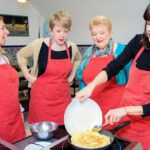
From the cooking side, the key point is that you’re not just watching. You’re working in the kitchen with your group to prepare Spanish classics, and the guide’s job is to help you understand the technique behind the dish.
What you’ll make: tapas, croquetas, patatas bravas, and paella
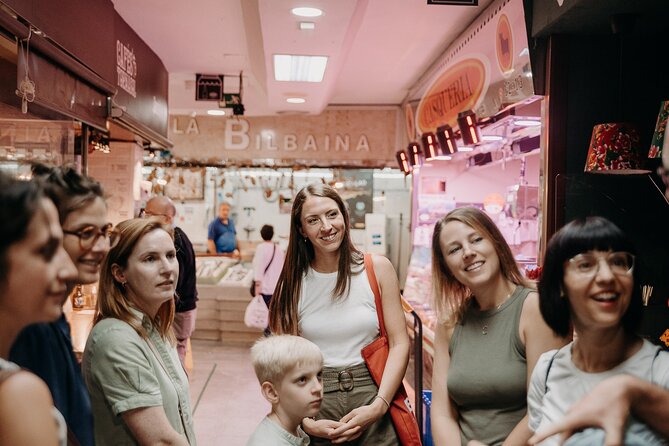
The heart of the experience is classic Spanish comfort food, built for learning. Over the session, you’ll prepare:
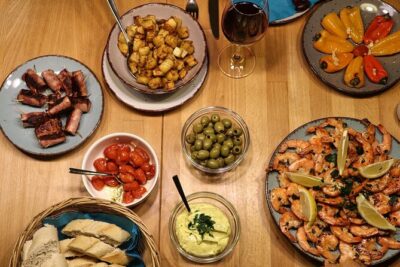
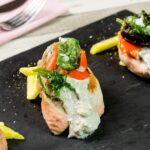
- Typical Spanish tapas
- Homemade croquetas
- Patatas bravas with two homemade sauces
- Paella, which is repeatedly highlighted as a standout item
Even if the menu is familiar from tapas bars you’ve visited before, the value here is process. Croquetas, for example, teach you how to handle creamy textures and get that coating right. Patatas bravas teach you how sauces are balanced—thick enough to cling, seasoned enough to pop.
And paella tends to be the dish people remember most. You get to see how timing and heat control affect the result. When someone makes an excellent paella, it usually means they nail the basics: heat management, correct texture, and seasoning that doesn’t feel heavy.
The aperitivo of sweet vermouth: a small detail that helps you taste better
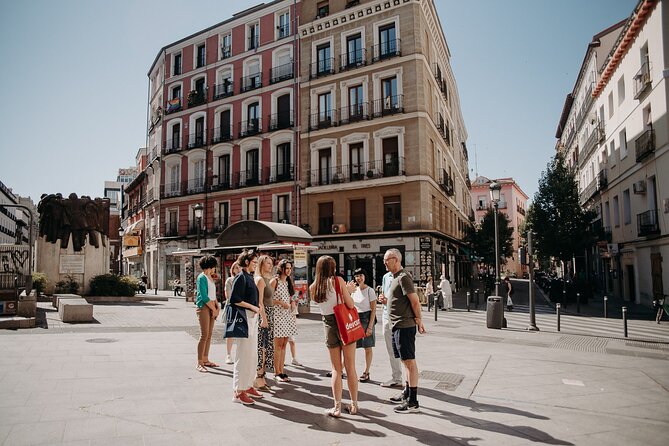
Starting with sweet vermouth changes the whole feel of the class. You’re not waiting around until the end to enjoy something “real.” Instead, you begin with a local-style drink and snack, then transition into cooking mode.
This also helps you appreciate the food later. People often focus on “did I like the dishes?” But the best classes also train your palate. Vermouth before cooking gives you a sense of what Spanish flavors feel like before you start building dishes.
If you prefer not to drink alcohol, the tour is adaptable with non-alcoholic options. That’s a big plus for keeping the experience comfortable.
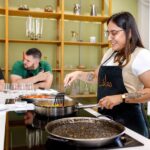
Lunch, seasonal fruit, and your choice of beer or wine
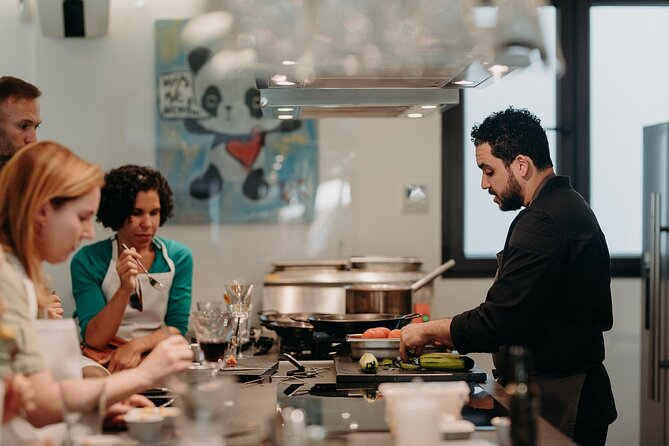
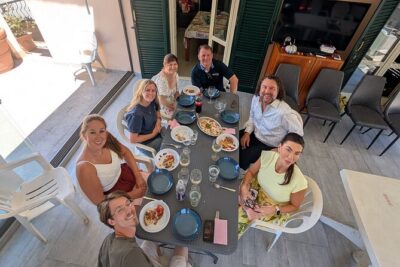
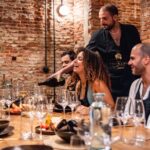
After the cooking work, you sit down for lunch with the food you made. Dessert is seasonal fruit from the market. You also get your choice of beer or wine with the meal.
What I like about this setup is the pacing. You don’t cook for hours and then wonder if you’ll actually enjoy what you made. You eat it while the techniques are still fresh in your mind. That makes it easier to recreate at home later, because the flavors you’re tasting come with context.
One practical consideration: the experience can feel like a lot of food for one sitting, especially if you snack during the market walk. That’s not a drawback; it’s just a reason to plan your day around this lunch.
And if you’re the type who hates wasting food, keep in mind that one participant wished they’d been asked about taking paella home. If leftovers matter to you, it’s reasonable to ask at the end of the meal whether you can take any with you.
Small-group size and English-led instruction
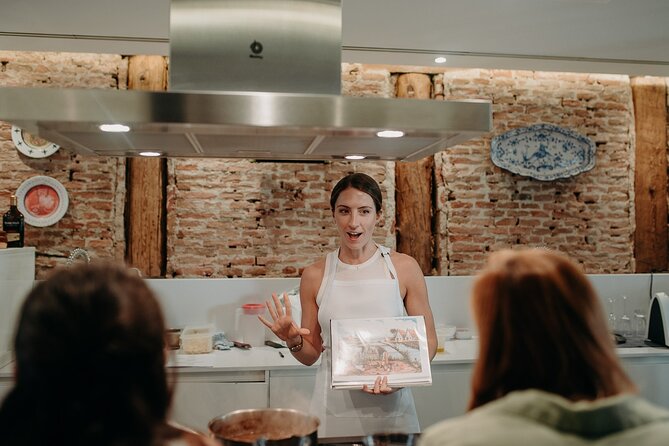
You’ll be in a small group of 12 people or fewer, which is ideal for a cooking class. Smaller groups usually mean:
- more time for questions
- faster feedback
- fewer moments where you feel “in the way” in the kitchen
The class is offered in English, so you won’t have to rely on guessing. Food vocabulary is one thing; technique is another. Clear language makes technique stick.
The teaching style also varies by instructor, and the best version of this tour tends to balance humor with hands-on action. From past classes, chefs like Arantxa, Daniel, and Andrea show up with strong personality and real craft. If you get one of those dynamic instructors, you’ll likely have a fun mix of cooking and story.
Hands-on cooking: what you truly control
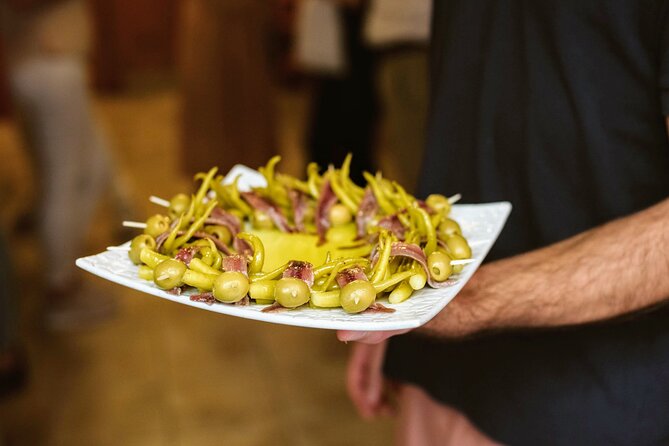
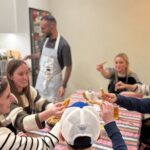
Let’s be honest about the hands-on part. Some people arrive expecting to fully cook every dish end-to-end. This class is designed for group cooking, so you’ll likely do parts like chopping, stirring, assembling components, and working alongside the chef as dishes come together.
That approach has two benefits:
- You learn multiple techniques in one session.
- You get to see how each dish is finished, not just started.
The downside is also real: one review noted the class can feel a bit formal and less personalized than expected, with cooking tasks distributed among participants rather than each person owning a whole dish. If you want maximum hands-on autonomy, go in with the mindset that you’re practicing cooking skills as a team.
Dietary needs: what fits and what doesn’t
This tour can be adapted for:
- Vegetarians
- Pescatarians
- Gluten free (not celiacs)
- Non-alcoholic options
- Pregnant women
It is not suitable for:
- Vegans
- Those with celiac disease
- People with lactose intolerance
If you have dietary restrictions or food allergies, you need to email the guest experience team after booking so they can arrange your ingredients. That’s important. Spain’s cooking uses dairy and wheat in many forms, and a smooth class depends on getting the right substitutions lined up ahead of time.
If you’re lactose intolerant or gluten-related, this is one of those “check first” tours. Don’t assume the kitchen can switch everything last minute.
Safety and age: plan for a no-kid kitchen
This experience is not suitable for children under 12 because of sharp knives, hot stoves, and high surfaces. That safety setup is exactly what keeps the pace efficient and the cooking real.
If you’re traveling with kids under 12, you’ll want to choose a different Madrid food activity. Adults and older teens will usually fit fine, especially with a structured class environment and adult-only group rules.
Price and value: what $114.93 buys you
At $114.93 per person for about 3 hours 30 minutes, the value is best understood in terms of what’s included:
- Market visit with fresh ingredients
- An aperitivo (drink and snack)
- Guided cooking class in English (small group)
- Drinks with lunch
- Enough food for lunch and dessert
- No need to bring ingredients
Cooking class pricing always includes the cost of the food and the guide time. Here, you’re also paying for a market experience and an actual restaurant kitchen session. That combination tends to be worth it if you want more than a basic cooking demo.
Also, this tour is often booked ahead (on average about 44 days in advance). That’s a hint it’s popular for a reason: good structure, strong satisfaction, and a menu that delivers.
Transport isn’t included, but the meeting point is near public transportation, so you should be able to get there without a taxi if you plan your route.
Timing tip: start at 10:30 and don’t overbook afterward
With a 10:30 am start and a few hours of cooking and eating, this makes a smart morning plan if you want to free up your afternoon. It’s also a great way to avoid the late-day tapas scramble where everything is either too crowded or too late.
If you’re visiting other neighborhoods later, think of this class as your anchor meal. After it ends back at the meeting point, you’ll be full, informed, and ready to taste Madrid with better instincts.
Should you book this Madrid tapas and paella class?
Book it if you want:
- a market-to-kitchen experience that teaches more than just how to assemble food
- a small-group cooking class in English
- classic dishes you can realistically recreate at home, especially croquetas, sauces for patatas bravas, and paella basics
- an aperitivo and sit-down lunch included in the price
Skip it if:
- you need vegan or celiac-safe cooking
- you’re lactose intolerant
- you want a fully independent, person-owned cooking experience where you do everything solo from start to finish
- you’re traveling with kids under 12
My take: this is a strong “taste-and-learn” class for people who like structure but still want real technique. The market visit gives you context. The kitchen time gives you practical skills. And the meal closes the loop so the flavors stick.
FAQ
Where does the experience start and end?
It starts at Plazuela de Antón Martín, Centro, 28012 Madrid, Spain at 10:30 am. The experience ends back at the meeting point.
How long is the cooking experience?
It runs about 3 hours 30 minutes.
Is the tour offered in English?
Yes, it is offered in English.
What’s included in the price?
You get a traditional aperitivo (drink and snack), a small group cooking class (up to 12 people), drinks, enough food for lunch and dessert, fresh ingredients from a local market, and a fully guided experience in English.
Do I need to bring ingredients or anything special?
No. Ingredients are included, and the experience does not require you to bring food items.
Is transport included?
No, transport is not included.
Can this class handle dietary restrictions?
It is adaptable for vegetarians, pescatarians, gluten free (not celiacs), non-alcoholic options, and pregnant women. It is not suitable for vegans, celiac disease, or lactose intolerance. If you have restrictions or allergies, you need to contact the guest experience team after booking so ingredients can be arranged.