REVIEW · MADRID
Traditional Paella & Tortilla & Sangria
Book on Viator →Operated by Gourmet Traditional Paella&Sangria Cooking Class · Bookable on Viator
Paella tastes better when you cook it. This is a small-group Madrid class that mixes a quick walk in Chueca with a hands-on lesson in Valencian paella, plus tortilla and sangria. It’s taught in a home setting, with an English-speaking host who keeps the mood warm and practical.
I especially like the hands-on guidance—you don’t just watch. Names you might meet include Pipa, Paloma, or Pilar, and the common thread in their teaching style is getting everyone involved step by step. I also like that you’re learning food with roots: the paella focus is described as coming from a Valencia native, with stories that go beyond the recipe card.
One thing to consider: the experience runs about 2 hours, so it’s plenty to understand the method, but you won’t have time to fully “master” every technique from scratch.
In This Review
- Key Highlights You’ll Care About
- Chueca to the Stove: How This Madrid Start Shapes the Day
- A Valencia Native Teaches Paella in a Real Madrid Home
- Spanish Omelet (Tortilla Española): The Technique You’ll Use Again
- Valencian Paella Lessons: Step by Step, Not Guesswork
- Sangria, Wine Tasting, and Coffee: Food That Comes With Drinks
- What You Learn Beyond Recipes: Tips, History, and People Skills
- Time and Food Reality Check: About 2 Hours, Then You Eat
- Price and Value: Is $95.58 Worth It?
- Who This Fits Best in Madrid
- Should You Book This Paella, Tortilla, and Sangria Class?
- FAQ
- Where does the experience start?
- What time does it begin?
- How long is the class?
- Is the class in English, and how big is the group?
- What food and drinks are included?
- What if the weather is bad or the minimum isn’t met?
Key Highlights You’ll Care About
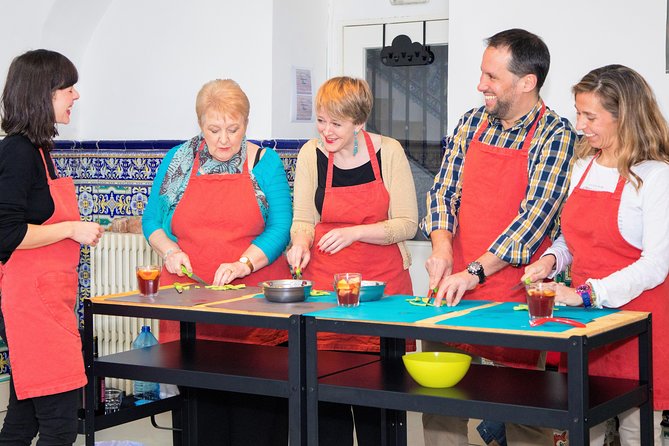
- Up to 7 people means you get real instruction at the stove, not a distant demo.
- Valencian paella emphasis is the star, taught by a Valencia native with family-tied explanations.
- Tortilla española + paella together lets you compare two very different Spanish cooking rhythms.
- Sangria and Spanish wine tasting are part of the meal, not an afterthought.
- Recipe notes may be emailed after; if you do not see them, check your spam folder.
Chueca to the Stove: How This Madrid Start Shapes the Day
You start at C/ de Hortaleza, 92, Centro (28004 Madrid) around 12:00 pm, and the activity ends back at the same meeting point. Before you get cooking, there’s a stop focused on Gay Madrid & the Chueca District. Even if the walk itself is brief, it helps set the context: you’re not just hopping straight into a kitchen without any sense of place.
Chueca is a neighborhood many people use as a base for exploring, and this format gives you a quick orientation without turning your class into a full sightseeing day. The practical upside is timing. A 12:00 start works well if you want a midday activity that still leaves the afternoon open.
The main drawback is also simple: since this is a cooking class, don’t expect a long, deep neighborhood tour. If you want hours of walking and museums, you’ll need a separate plan for that.
You can also read our reviews of more tours and experiences in Madrid.

A Valencia Native Teaches Paella in a Real Madrid Home
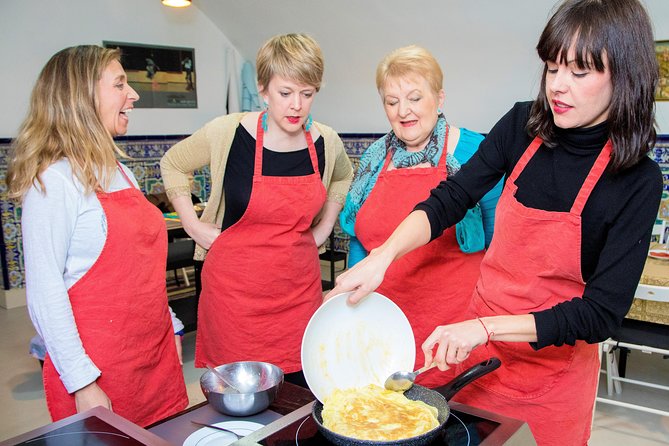
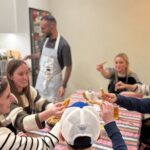
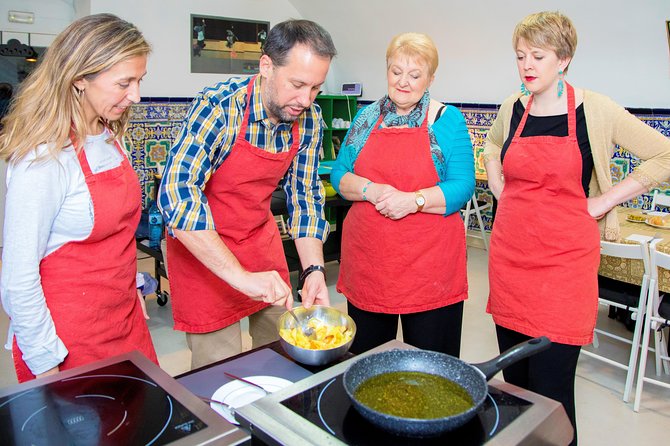
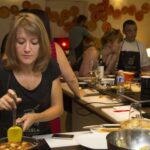
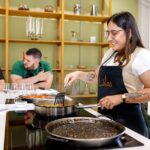
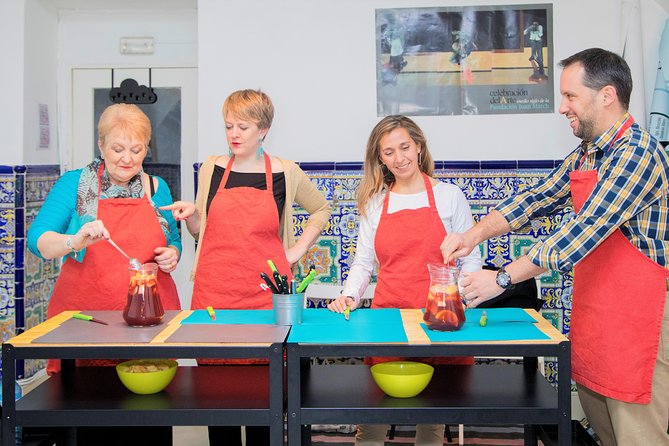
This class is built around an intimate setting: a group size capped at 7. That matters because paella is not one of those dishes you can learn by hovering. The host needs to see what you’re doing—stirring, timing, adjusting—and you need to get hands-on coaching.
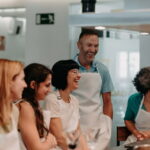
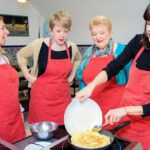
The experience is also described as an invitation into the host’s kitchen and Spanish home life. That shows up in the teaching approach: hosts like Pipa, Paloma, and Pilar are repeatedly praised for being warm and welcoming, and for making sure each person participates. In plain terms, you should expect to do real work, not just taste.
The class is offered in English, and the booking includes a mobile ticket, so you can keep things simple on arrival. Also, the meeting point is described as near public transportation, which is a relief in Madrid, where getting from one area to another can be fast—if you start close.
Spanish Omelet (Tortilla Española): The Technique You’ll Use Again
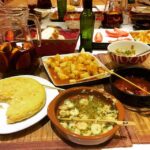
Your menu includes Spanish omelet (tortilla) as a main course. What I like about adding tortilla to the paella-and-sangria plan is that it’s a different kind of skill. Paella is big and communal; tortilla is precise and quiet. Learning both gives you more than one takeaway.
The training is described as step-by-step, with tips you’d miss if you only relied on written recipes. And the reviews back up that teaching style: people repeatedly mention clear explanations, plus lots of interaction while the tortilla comes together.
What you should watch for during your class:
- You’re learning how to get texture right, not just how to follow an ingredient list.
- You’ll likely get coached on when to adjust heat and how to judge doneness by what you see and smell.
Even if tortilla seems easy on paper, it’s one of those dishes where the “feel” matters. That’s exactly what this kind of class is for: turning vague instructions into something you can repeat at home without second-guessing.
Valencian Paella Lessons: Step by Step, Not Guesswork
Paella is the headline here, and the focus is on a true Valencian paella, taught by a Valencia native. That detail is more important than it sounds. A lot of paella descriptions in the wild are broad or Westernized. Here, you’re specifically aiming at the Valencian approach, and the host’s background is part of the storytelling.
You’ll cook the paella during the class, and the most repeated theme is that you learn the “secrets” and method in a way you can’t get from a cooking video. The best part of learning paella in a small group is that the instructor can correct what you’re doing right then, when it matters.
One interesting practical note from the experience itself: the paella can vary. Some people mention one paella version with rabbit and chicken, and another with seafood and chicken. So if you care about a specific protein, don’t assume it will be identical for every session. The good news is you’ll still learn the core method behind paella, not just one fixed flavor.
Here’s what makes this valuable for you:
- You’ll learn what “timing” means while you’re standing over the pan.
- You’ll understand why the process matters more than a single ingredient swap.
- You’ll leave knowing how to approach paella confidently, instead of copying a recipe blindly.
Sangria, Wine Tasting, and Coffee: Food That Comes With Drinks
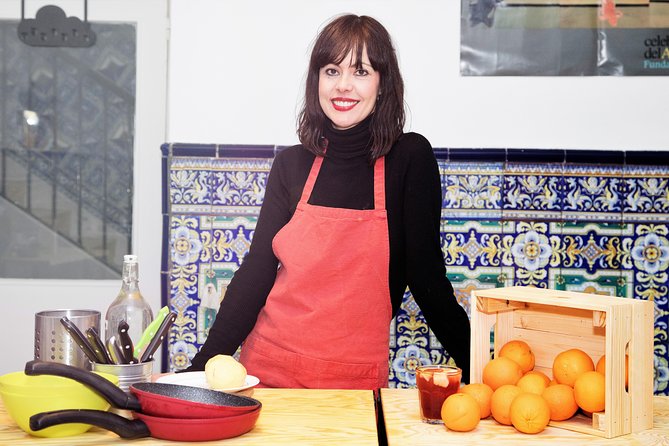
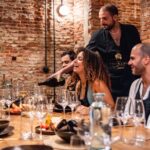
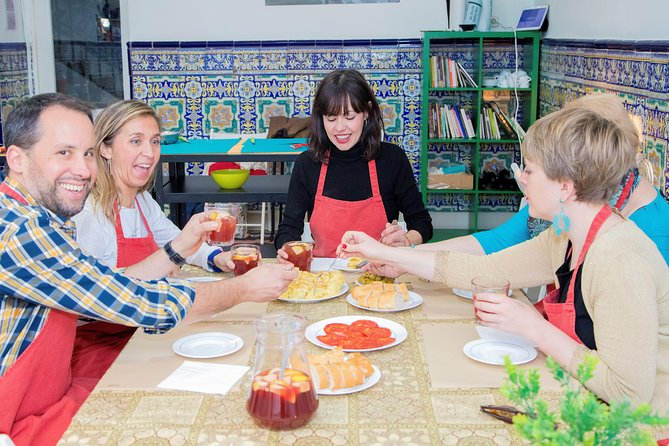
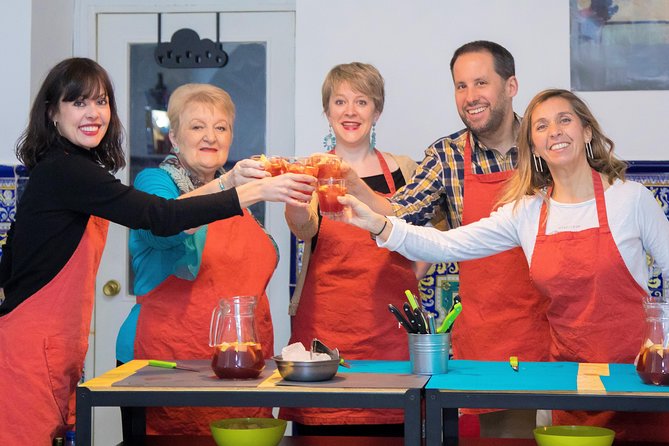
This experience is designed as a meal, not a quick snack break. You get wine tasting, and sangria shows up as a key part of the day. The highlights specifically call out sangria, and reviews mention making sangria together—along with enjoying plenty of it during the meal.
In a class like this, drinks do two jobs:
1) They keep the energy social while you’re cooking.
2) They turn food education into an actual lunch experience, which is what makes people remember it.
Your dessert is listed as coffee, which is a classic way to end a Spanish meal feeling—something warm and simple after heavier dishes like tortilla and paella.
One small consideration: because you’re cooking, eating, and drinking, if you have a strict schedule that afternoon (like a long train ride or an important reservation), plan buffer time. The class is short, but the meal part still takes real energy.
What You Learn Beyond Recipes: Tips, History, and People Skills
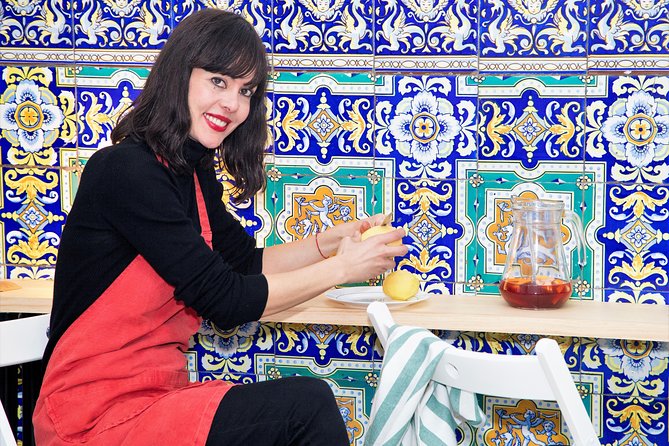
The strongest feedback across this experience is not just that the food tastes good. It’s that the hosts teach with energy and keep everyone involved.
You’ll get the kind of details that matter in real kitchens: the “why” behind steps, the little adjustments, and the significance of dishes tied to specific places. The paella lesson is described as coming from Valencia, and the host’s family connection is part of the narrative, too.
In practical terms, the class is doing three things at once:
- Teaching technique: You learn what to do and when.
- Building confidence: You learn how to make judgment calls.
- Creating momentum: The group stays moving, so you don’t get stuck waiting.
If you like classes where questions are welcome, this is your style. Hosts like Pipa, Paloma, and Pilar are repeatedly described as making people feel at home, involving everyone, and staying friendly while giving detailed explanations.
Time and Food Reality Check: About 2 Hours, Then You Eat
The duration is about 2 hours, with the class starting at 12:00 pm. In that time, you’ll cover Chueca as a start point, then switch gears into cooking and eating.
What this means for you:
- You should arrive hungry. The menu is not just tasting portions; you’re making the main dishes and eating them.
- You’ll get a guided process, but you won’t leave with hours of step-by-step practice for every single technique.
- It’s a great “skills intro.” If you already cook a lot, you’ll still enjoy the cultural food context and the method checks.
A good strategy is to treat the class like a crash course in how Spanish home cooking works: fewer long speeches, more doing, and learning what matters while the food is actually happening.
Price and Value: Is $95.58 Worth It?
At $95.58 per person, this isn’t a budget activity. But it has several value drivers that usually justify a higher price point for food classes:
- Small group size (max 7): you’re paying for access to an instructor at a real kitchen.
- Hands-on cooking: paella and tortilla are skills, not just guided tasting.
- Drinks included: wine tasting and sangria are part of the experience.
- Meal outcome: you cook and then eat what you make, plus coffee.
Also, the experience is commonly booked about 29 days in advance on average. That signals steady demand, often a sign that the class format is popular.
If you’re comparing value, think less about whether it’s cheap, and more about whether you want a true method lesson in a small home setting. If yes, it tends to be a fair price. If you only want a quick food hit and zero technique, you might prefer something else.
Who This Fits Best in Madrid
This class is a strong match if you want:
- A hands-on Spanish cooking experience in English.
- A midday plan that feels local and personal, not like a factory tour.
- To learn paella plus tortilla together, rather than choosing one dish.
It also seems to work well for different group types: couples, families, and mixed ages. The recurring praise is about hosts involving everyone and making the process fun and interactive.
If you’re someone who needs a strict schedule with lots of built-in downtime, note the time limit. It’s active, cooking-focused, and designed to move.
Should You Book This Paella, Tortilla, and Sangria Class?
I’d book it if you want to leave Madrid able to repeat at least two Spanish staples—paella and tortilla—without feeling lost. The class format is built for real participation, and the hosts (Pipa, Paloma, Pilar are all names you may see) are consistently praised for warmth, inclusion, and clear teaching.
Before you decide, do these quick checks:
- You can do a 12:00 pm start and stay flexible for about 2 hours.
- You’re excited about learning technique, not just eating.
- You’re okay with the paella variety depending on the session (rabbit/chicken or seafood/chicken are both mentioned).
FAQ
Where does the experience start?
It starts at C/ de Hortaleza, 92, Centro, 28004 Madrid, Spain. The activity ends back at the meeting point.
What time does it begin?
The start time is 12:00 pm.
How long is the class?
It lasts about 2 hours.
Is the class in English, and how big is the group?
Yes, it’s offered in English, and the group maximum is 7 travelers.
What food and drinks are included?
You’ll do a paella cooking class and enjoy wine tasting. The menu includes Spanish omelet (tortilla), traditional paella, coffee, and sangria is part of the experience.
What if the weather is bad or the minimum isn’t met?
The experience requires good weather. If it’s canceled due to poor weather, you’ll be offered a different date or a full refund. If a minimum number of travelers isn’t met, you’ll also be offered a different date/experience or a full refund. Free cancellation is available up to 24 hours in advance for a full refund.