REVIEW · MADRID
Madrid: Half-Day Spanish Cooking Class
Book on GetYourGuide →Operated by Cooking Point · Bookable on GetYourGuide
Cooking in Madrid is fun for one reason: you do it yourself. This half-day class turns Spanish food into a hands-on skill session, whether you pick the morning paella route with a market stop or the evening tapas menu. You’ll learn the how and the why behind common ingredients and Spanish table habits, then sit down and eat what you cooked.
Two things I really like: the instruction is in English and runs step-by-step, so first-timers aren’t left guessing; and you’re not just watching—your hands help finish dishes from start to plate. One possible drawback to plan around: there’s no hotel pickup, and the meeting point can vary by option, so you’ll want to check the exact location before you leave your accommodation.
In This Review
- Key points to know before you book
- Paella morning or tapas evening: choosing your Madrid menu
- The market stop in the paella option: shop like locals
- Cooking paella, gazpacho, and sangria: the skills you’ll carry home
- The evening tapas class: build a Spanish table, plate by plate
- Hands-on cooking in pairs: what solo diners should expect
- Dietary needs and allergies: how to plan without stress
- Value for $100: what’s included and why it can feel fair
- Where to go, timing, and what to bring
- Who this class is best for (and who might skip it)
- The chef factor: why the teaching style matters here
- Should you book this Madrid cooking class?
- FAQ
- Is the class offered in English?
- Do I need a partner if I’m going alone?
- Can you accommodate allergies or dietary needs?
- What’s included in the paella option?
- What’s included in the tapas option?
- Is hotel pickup included?
Key points to know before you book
- Paella morning includes a real market tour, so you shop for your ingredients before you cook
- Tapas evening is built like a casual Spanish dinner, with 5 tapas plus dessert and sangria
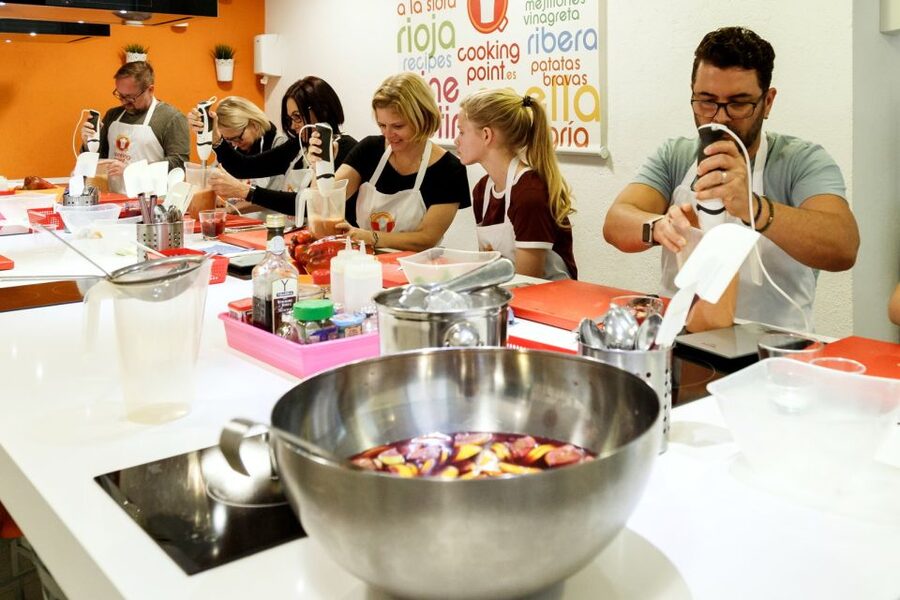
- You cook in pairs, and solos get a partner assigned so you’re never sitting on the sidelines
- Sangria and drinks are included, and the class has a social, laughs-in-the-kitchen feel
- Allergies and dietary needs can be accommodated, with planning in advance
- Recipe booklet included, so you can recreate the dishes back home
Paella morning or tapas evening: choosing your Madrid menu
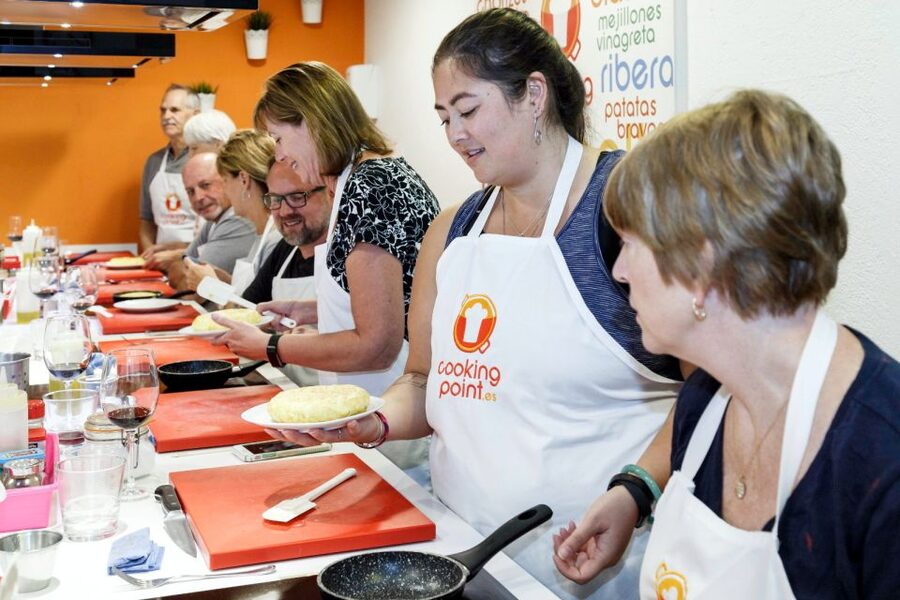
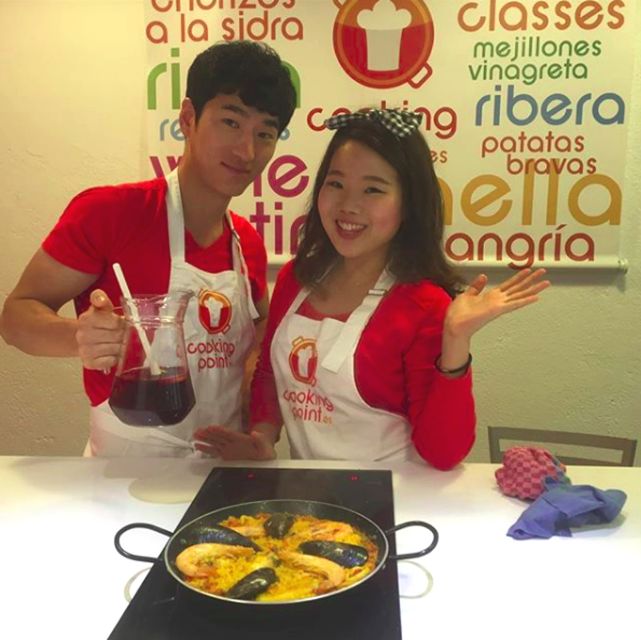
This is a 4-hour cooking class with two different paths. Pick the morning paella class if you want the market experience plus classic Spanish recipes like paella, gazpacho, and sangria. Choose the evening tapas class if you prefer a slower, more variety-packed dinner with multiple small plates.
For planning, the big difference is how your time fills up. The paella option starts with shopping and then a full cooking flow for a mixed chicken-and-seafood paella, plus cold tomato gazpacho and sangria. The tapas option is a more menu-style session, where you make 5 tapas, one dessert, and sangria—built for tasting and sharing.
If you’re traveling with kids, the tapas format can feel more approachable because it’s bite-sized and includes familiar ingredients like potatoes and ham. If you’re a food nerd who loves technique, paella is the reason to go in the morning.
You can also read our reviews of more tours and experiences in Madrid.

The market stop in the paella option: shop like locals
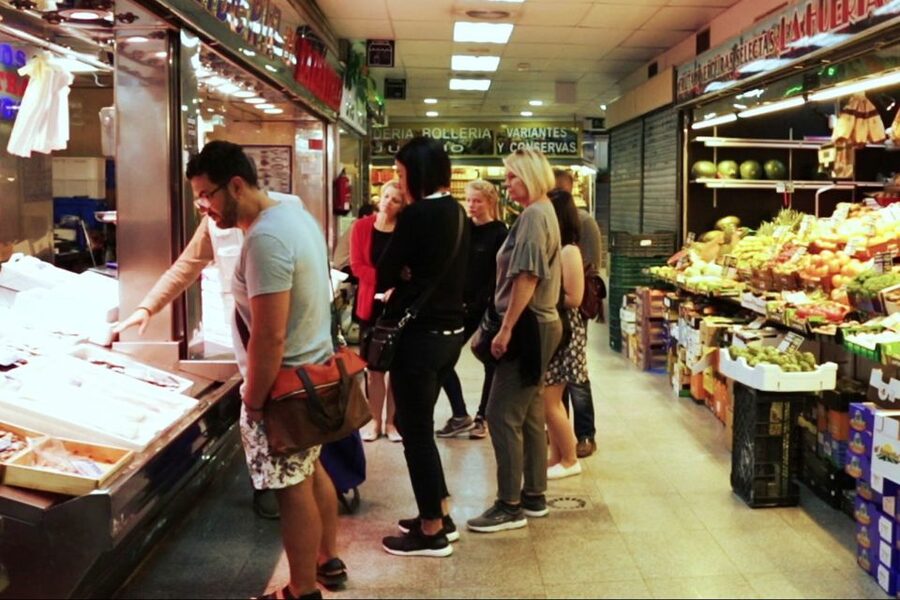
In the paella + market version, you start by visiting a local market and shopping for the groceries you’ll use back at the school. You’ll hear explanations around ingredients and how locals shop, which matters because Spanish cooking is ingredient-driven. It’s not just recipes—it’s how you choose seafood, produce, and cured items.
One of the best parts here is that the market visit isn’t treated like a quick photo stop. You get time to understand what you’re buying and why, including details related to cured products like ham. If you’ve ever bought paella ingredients back home and wondered why your result tastes off, this is the missing step.
Keep in mind: this option is morning-based. If you hate early starts, the evening tapas class may fit you better while still giving you a hands-on cooking day.
Cooking paella, gazpacho, and sangria: the skills you’ll carry home
Once you’re back, you cook as directed, following the chef’s directions from start to finish. The paella menu is a mixed chicken and seafood paella, with gazpacho (cold tomato soup) and sangria. In other words, you’re learning both a warm, savory rice technique and a cold, fresh flavor foundation.
Paella is where technique shows up fast. You’re not just mixing ingredients—you’re learning the flow of seasoning, timing, and cooking steps that make rice-based dishes work. You also get practical tips that make a difference with seafood, including advice shared during prep (like handling prawns properly).
Gazpacho is the balancing act. It helps you understand how Spanish flavors lean toward fresh, bright ingredients—especially when tomatoes are the center of attention. This portion is also useful if you want something you can replicate without specialized equipment.
Then comes sangria, which turns the meal into a true Spanish-style shared experience. More than one chef in the class has been praised for being lively and organized while still explaining clearly, and sangria is often where that energy shows. You’ll also leave with a recipe booklet, so your memory isn’t the only tool you have later.
The evening tapas class: build a Spanish table, plate by plate
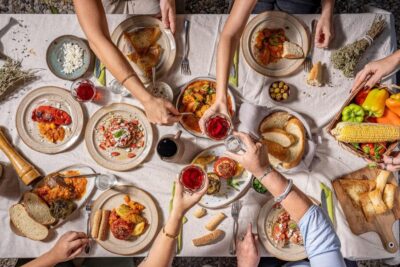
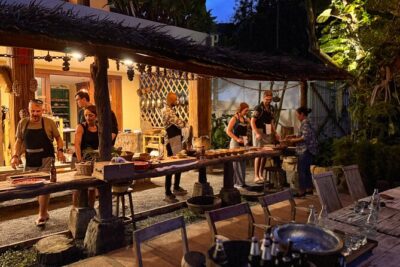
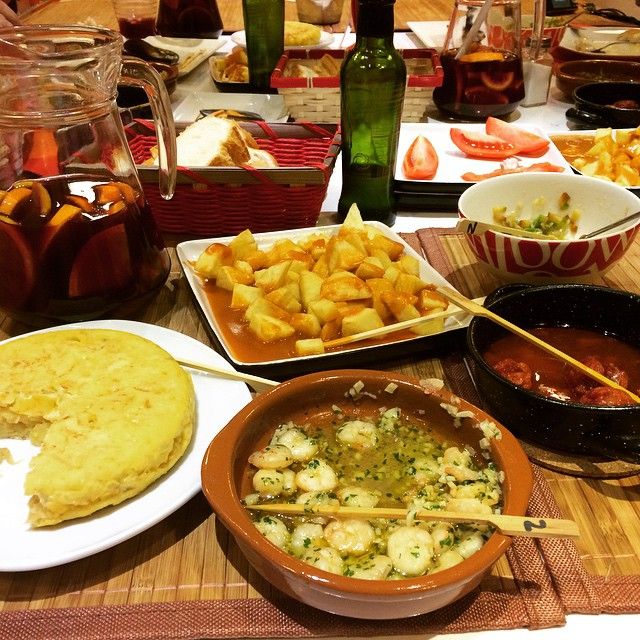
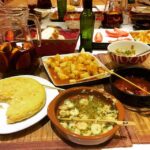
The tapas option is designed like a dinner you’d actually eat in Spain: multiple small plates, one dessert, and sangria. You cook your own menu of 5 tapas, plus Catalan crème for dessert. The tapas list is specific and classic, so you aren’t stuck making vague “tapas-style” dishes.
Here are the tapas you cook:
- Spanish potato omelet (often called tortilla española)
- Garlic shrimp
- Chorizo in apple cider
- Patatas bravas
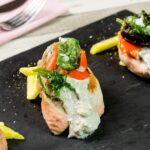
- Tomato bread with ham
That menu is smart for skill variety. The potato omelet teaches structure and patience with heat. Garlic shrimp is about quick flavor control. Chorizo in apple cider gives you a sweet-savor sauce lesson. Patatas bravas hits technique for crispness and sauce balance. Tomato bread with ham is a lesson in simple assembly done correctly.
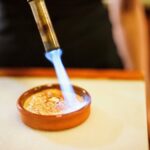
Dessert is Catalan crème—a nice close to a meal that’s mostly savory. And yes, sangria is included, so your cooking work turns into a proper shared dinner rather than just a tasting.
If you’re someone who learns by doing, tapas can feel extra satisfying because you’re actively cooking many different dishes in a single session.
Hands-on cooking in pairs: what solo diners should expect
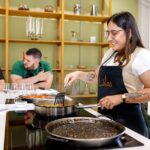
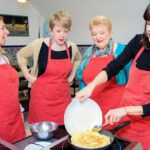
This class is hands-on, and it’s also set up in a practical way. Cooking happens in pairs, but if you book alone, the provider assigns you a cooking partner. That’s a big deal if you worry you’ll be stuck watching while others cook.
In practice, this setup also keeps the class moving. You’ll have clear tasks, and you won’t need to negotiate equipment or roles with strangers. Many participants have said the chefs explain things carefully in English, which helps you understand what you’re doing rather than just following a loose script.
If you’re traveling solo, this format can also turn into a low-stress social moment. You’ll share a table afterward, eat what you made, and compare notes with your partner and the group.
Dietary needs and allergies: how to plan without stress
The good news is that food allergies and dietary requirements can be accommodated. That means you shouldn’t assume the class is only for standard diets.
What you should do is message the provider with your needs before the day of class. Since the recipes and ingredients are tied to the menu (paella items in the morning; specific tapas dishes in the evening), clear communication is what allows substitutions to be done properly.
This is especially important for seafood and cured meats, which show up in both menu types. If you have limitations, ask early and be specific about ingredients you can’t have.
Value for $100: what’s included and why it can feel fair
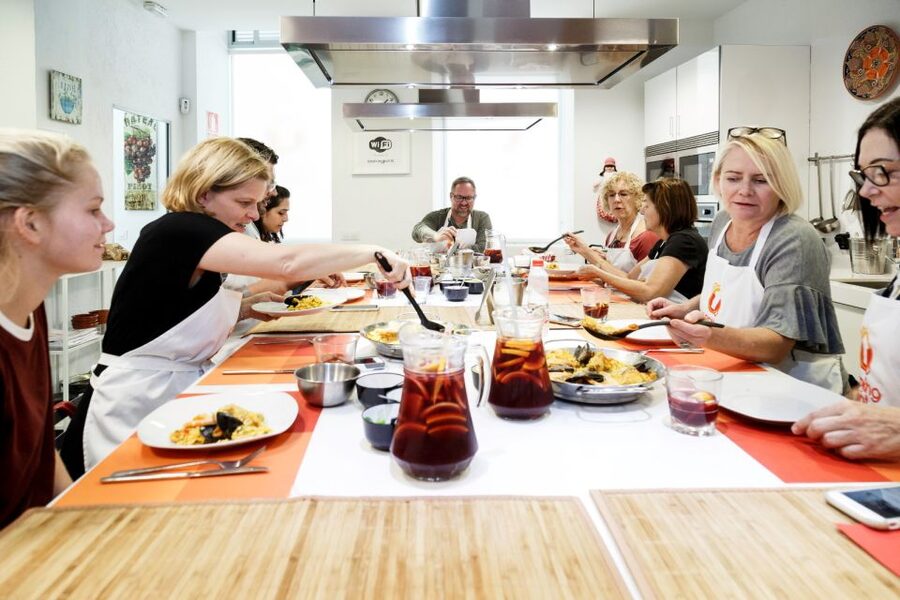
At $100 per person for a 4-hour session, the real question is what you’re getting beyond “someone teaches you to cook.” Here, the value case is pretty strong because you’re not paying for knowledge alone.
You get:
- all ingredients and drinks
- a recipe booklet
- market tour (only with the paella morning option)
- lunch or dinner (depending on which class you choose)
Then add the part that matters most: you eat what you cook. The class structure is built for you to finish a full meal, not just taste a couple bites. Sangria is included as part of the experience, and multiple participants highlight that it’s plentiful.
Does it cost more than buying groceries and cooking at home? Sure. But you’re paying for the kitchen, the tools, the chef coaching, and the structured “from start to finish” outcome. If you’ve ever tried to learn paella from a recipe at home and felt like something was missing, you understand why coaching and ingredient guidance matter.
Where to go, timing, and what to bring
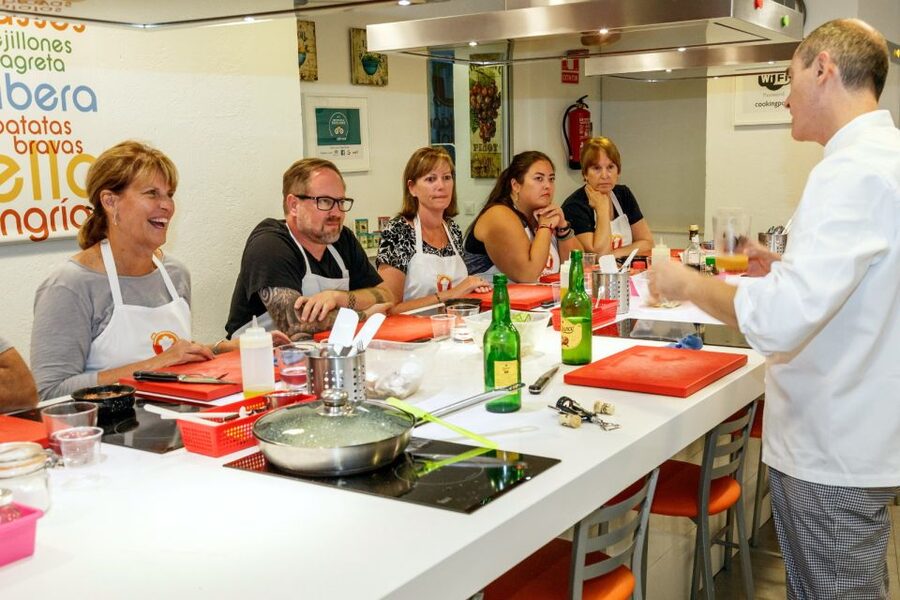
This class runs for 4 hours, and starting times depend on availability. There’s no hotel pickup or drop-off included, so you’ll need to get yourself to the meeting point. The meeting point may vary depending on which option you booked, so treat the confirmation details like your main source.
Because cooking is done in a working kitchen, plan to dress comfortably and bring shoes you can stand in. You’ll be chopping, stirring, and working alongside your partner, so think practical.
If you’re doing the paella option, remember you’ll spend time shopping at the market first. Wear clothes you don’t mind getting a little market-kitchen life on them.
Who this class is best for (and who might skip it)
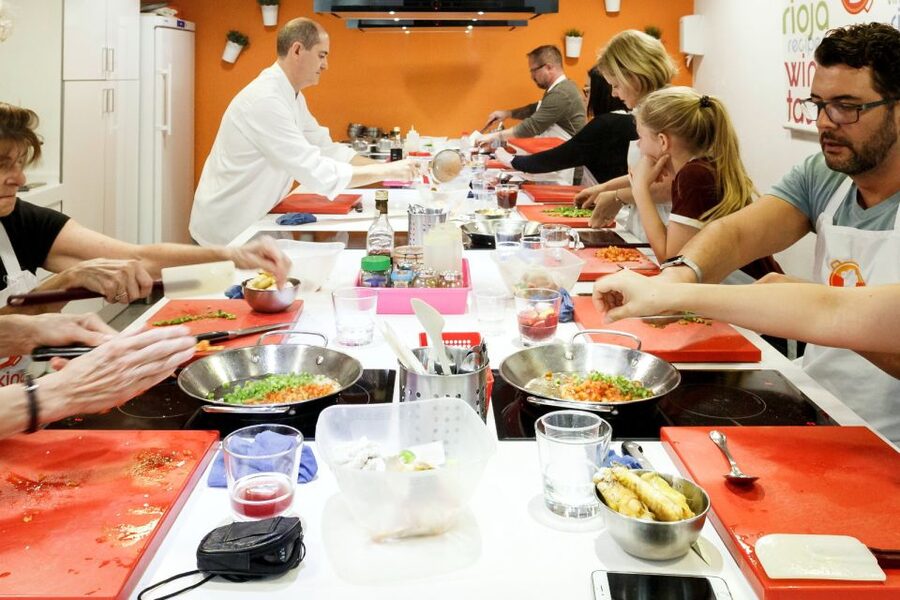
This class is a great fit if you want a Madrid experience that feels hands-on and food-first. It works well for couples, friends, and families, including families with kids, since the pacing is structured and the cooking steps are explained clearly.
It’s also a strong pick if you’re an intermediate home cook who wants technique reinforcement. Paella teaches rice technique and timing; tapas teaches multiple applications of heat and flavor. For novices, the step-by-step approach and pair cooking helps you keep up.
You might skip this if you’re looking for a purely sightseeing activity, since the bulk of your time is in the classroom kitchen and market (for the paella option). Also, if you strongly dislike following instructions or working in a group setting, the paired format could feel limiting.
The chef factor: why the teaching style matters here
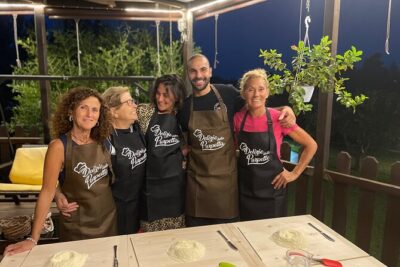
The class quality is tied to the chef-host energy and clarity. Multiple instructors have been praised for being patient, funny, and organized, and for explaining what to do in detail—especially for English speakers. Names that come up include Angel, Eduardo, Teresa, Elisa, and Maria, with praise for their teaching approach.
One small but meaningful detail: the instruction doesn’t stop at what to cook. You also get stories about ingredients and how Spanish food habits connect to daily life. That makes the recipes more than a list—you start to understand why they’re built the way they are.
You’ll also get that satisfying moment when the chef’s guidance turns into your own finished dishes, and you sit down together to eat.
Should you book this Madrid cooking class?
Yes, if you want a real food experience in Madrid that turns into a skill you can repeat. The strongest reasons to book are simple: you cook from start to finish, you eat a full meal made by your own hands, and the paella option adds a market visit that helps you buy and use ingredients more intelligently.
Book the paella class if you’re excited by paella technique and you like the idea of starting with shopping. Book the tapas class if you’d rather cook several dishes in one evening and finish with dessert and sangria in a dinner style flow.
A quick caution: check the meeting point details carefully since there’s no hotel pickup. If you’re good with that, this is the kind of activity that makes Madrid feel like more than postcards.
FAQ
Is the class offered in English?
Yes. The instructor teaches in English, and the coaching is designed to be clear step-by-step.
Do I need a partner if I’m going alone?
No. Cooking is done in pairs, but if you book solo, the provider assigns you a cooking partner.
Can you accommodate allergies or dietary needs?
Yes. Food allergies, intolerances, and dietary requirements can be accommodated.
What’s included in the paella option?
The paella morning class includes a market tour, and you cook a mixed chicken and seafood paella, plus gazpacho and sangria. Lunch is included.
What’s included in the tapas option?
The evening tapas class includes cooking 5 tapas, Catalan crème for dessert, and sangria. Dinner is included.
Is hotel pickup included?
No. Hotel pickup and drop-off aren’t included, and the meeting point may vary depending on the option booked.