REVIEW · MADRID
10 Tapas Cooking Class Experience in Madrid with Sangria
Book on Viator →Operated by A Punto Cooking School · Bookable on Viator
Madrid’s best lesson is on your plate. In this Madrid tapas cooking class with sangria, you’ll make up to 10 tapas with a professional chef, then sit down to a home-cooked meal paired with free sangria. What I like most is the small-group feel (max 15) and the practical, hands-on teaching style I see emphasized again and again, especially with chef Gustavo, often called Gus. One thing to weigh: there’s no fully vegetarian menu, and some non-drinkers report getting soft drink instead of sangria.
You meet in central Madrid at C. de la Farmacia 6, start at 4:00 pm, and the whole experience loops back to the same place. Based on the class flow, you should expect team cooking at stations, a lot of tasks split across the group, and a dinner that includes what you helped make. If you’re looking for a slow, relaxed cooking pace with zero time pressure, this might feel a bit brisk when many dishes are on the schedule.
In This Review
- Key points before you book
- Madrid Tapas Cooking Class with Sangria: What This Really Is
- The Kitchen Setup: How the Stations Make Ten Tapas Work
- Chef Gustavo (Gus) and the Assistants: Why the Teaching Style Matters
- What You’ll Cook: Ten Tapas Plus a Full Dinner Table
- Starters and small bites
- Mains and hearty plates
- Dessert (a Spanish twist)
- Drink included with the food
- Sangria Pairing and Non-Alcoholic Reality
- What Makes the Class Worth Your Time (Beyond the Food)
- Price and Value: Is $82.24 a Good Deal?
- Who This Fits Best (and Who Might Prefer Something Else)
- Logistics That Matter: Timing, Meeting Point, and Getting There
- Should You Book This Madrid Tapas Class?
- FAQ
- How long is the tapas cooking class in Madrid?
- How big is the group?
- Is the class in English?
- What’s included in the price?
- Do they accommodate dietary restrictions and is there a vegetarian menu?
- Do I need to be 18 to drink sangria?
- Is hotel pickup included?
Key points before you book
- Chef-led stations: you work on specific tapas tasks while the chef supervises and the assistant helps keep everything moving.
- Up to 10 tapas: not just a demo. You’ll actively cook and then eat what you make.
- Sangria is included: a homemade mix with fresh fruit and spices, served as part of the meal setup.
- Central meeting point: near public transportation in Centro, with no hotel pickup.
- Mixed menu reality: almost half the tapas can be vegetarian, but there is no full vegetarian option for the whole menu.
- Souvenir apron: you leave with a practical keepsake, not just a full stomach.
Madrid Tapas Cooking Class with Sangria: What This Really Is
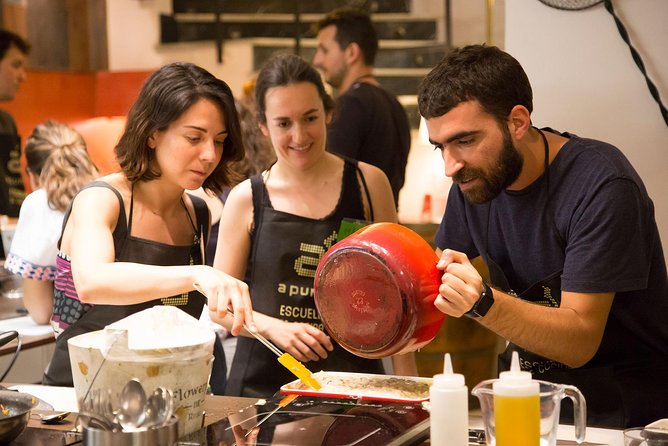
This isn’t a “watch and snack” cooking show. It’s a hands-on Spanish tapas cooking class where you join a small group (up to 15) and help build a full spread. The timing is late afternoon into early evening, which works well when you want dinner plans without hunting for a place afterward.
You cook while your chef leads the technique and the “why” behind the flavor. Then you sit down to a home-cooked dinner using dishes from your own work. On paper it sounds like a lot—ten tapas plus more—but the structure matters: the group cooks in parallel at stations.
The experience is offered in English, lasts about 2 hours 30 minutes, and includes all ingredients. If you like practical food skills and want a social evening in Madrid’s Centro, this fits well.
You can also read our reviews of more tours and experiences in Madrid.

The Kitchen Setup: How the Stations Make Ten Tapas Work
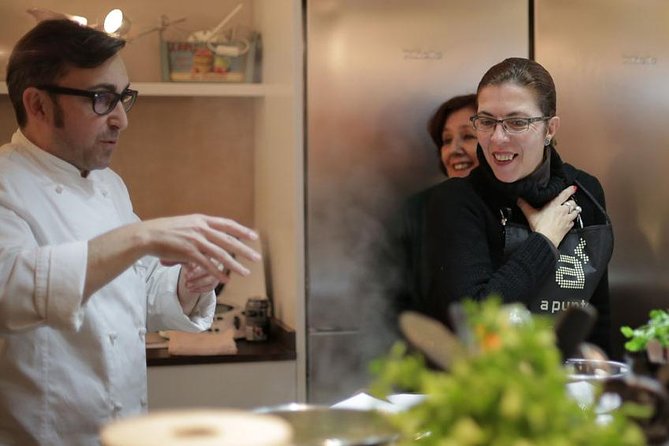
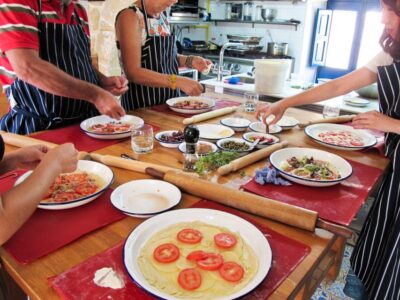
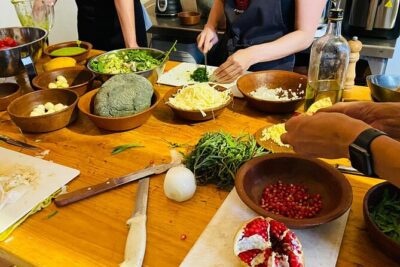
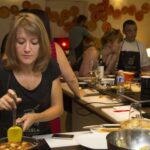
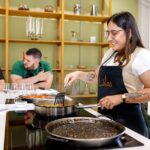
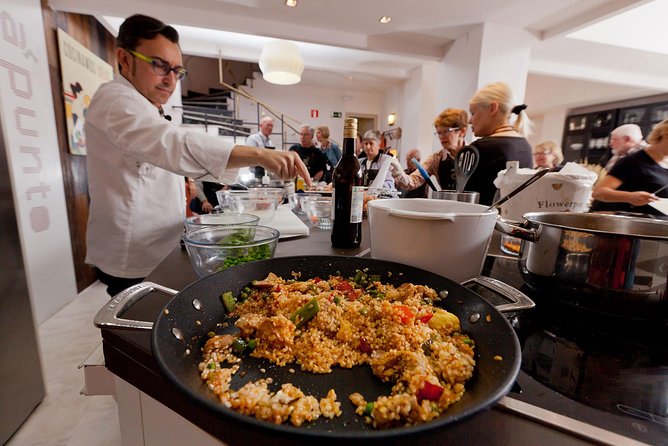
The class runs with a station-based setup. You’ll be placed into a cooking flow where each person takes on tasks for one of the dishes. The upside is that nobody sits idle. You do real prep and real cooking steps, even if you’re not making every single component from scratch.
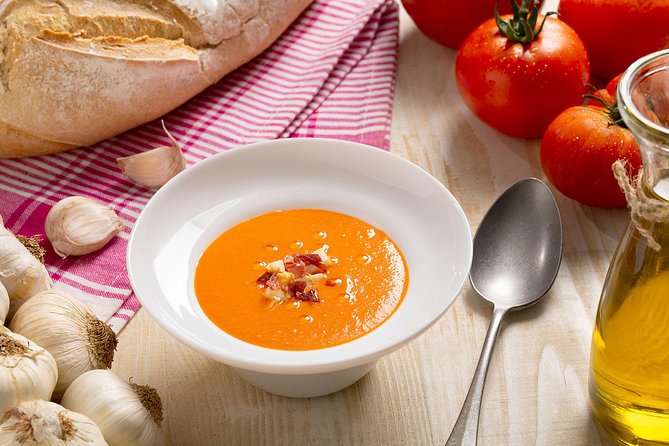
One detail I’d highlight from what people describe: the kitchen layout helps handle volume. One review notes a large L-shaped workspace that can support more than one group working on the same dish. That means you’re not stuck in a tiny room with one pot and one knife for everyone.
The possible drawback is also obvious from that same reality. When you’re aiming to produce 10 items in a short window, instruction can start quickly. One person notes it felt a little rushed at the beginning, even though the overall experience was still a great time with sangria and a finished meal.
Chef Gustavo (Gus) and the Assistants: Why the Teaching Style Matters
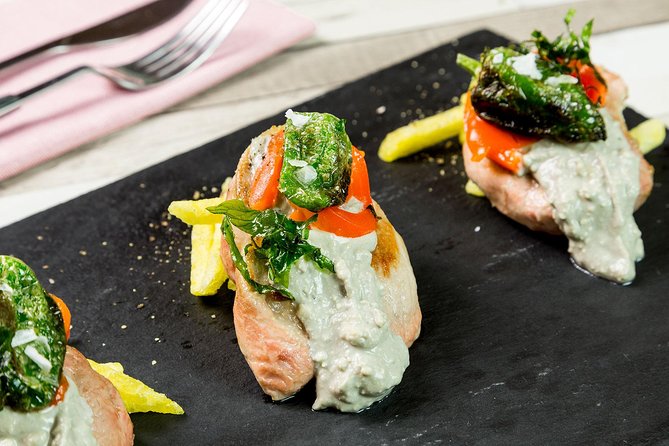
This class is repeatedly associated with chef Gustavo (Gus), and you can feel why from the way people talk about the energy. He’s described as funny, encouraging, and professional, and his English is called out as clear enough that everyone understands.
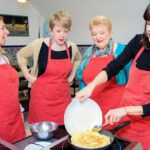
There’s also a support team angle. Reviews mention assistants like Carmencita and Sandra, plus an instructor named Rosa in some instances. The recurring theme is that staff are attentive while keeping the kitchen orderly—tools stocked, workspace clean, and questions answered without making you feel rushed.
That’s the difference between a class you remember and a class you skim. When the chef can explain in plain language and an assistant can keep things on track, you walk away with steps you can actually repeat.
What You’ll Cook: Ten Tapas Plus a Full Dinner Table
You can expect a menu built around Spanish comfort favorites and recognizable classics. The exact set may vary, but the sample menu gives a good map of what you’ll likely see.
Here are the dishes listed, with what makes each one distinct:
Starters and small bites
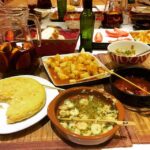
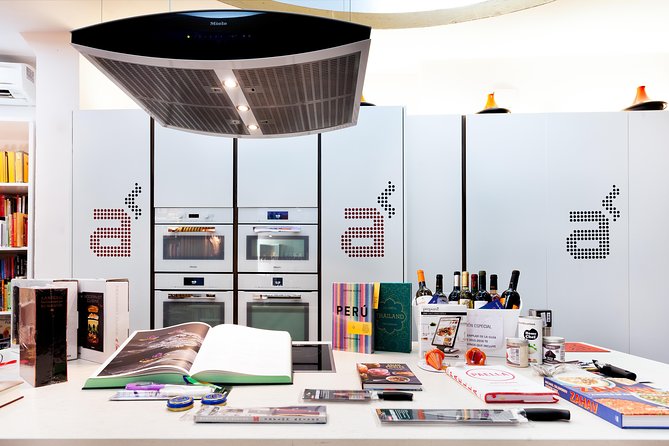
- Salmorejo: a typical Spanish cold tomato soup. Expect cool, thick comfort rather than thin broth.
- Idiazabal lollipops: made with idiazabal, a famous sheep cheese from Spain. The lollipop format means the class teaches shape and serving style, not just flavor.
- Coca with sobrasada or vegetables: a Spanish pizza-style dish from the Balearic Islands. You’ll learn a base concept that’s handy beyond one recipe.
- Gilda skewers: olives, anchovies, and more. This is tapas as bite-sized punch.
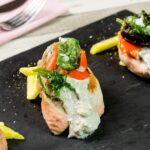
- Squid sandwich: a Madrid-style sandwich made with fried squid and aioli sauce.
Mains and hearty plates
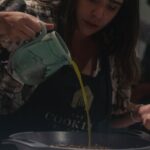
- Ajillo shrimps: fresh shrimp with garlic and a lot of olive oil. It’s simple, but the ratio and timing are the lesson.
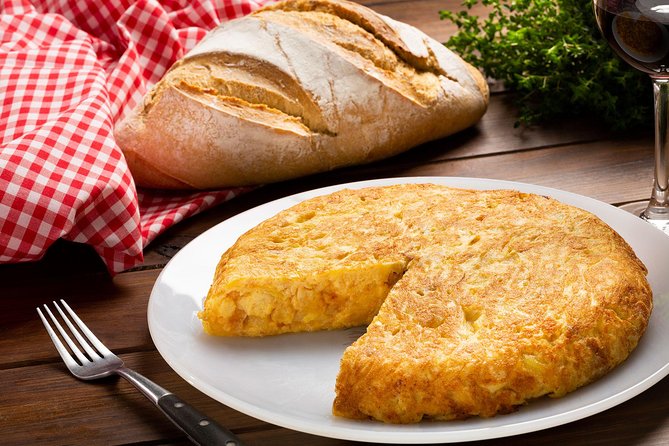
- Spanish omelette (tortilla española): potatoes, with or without onion, depending on how you decide to build it.
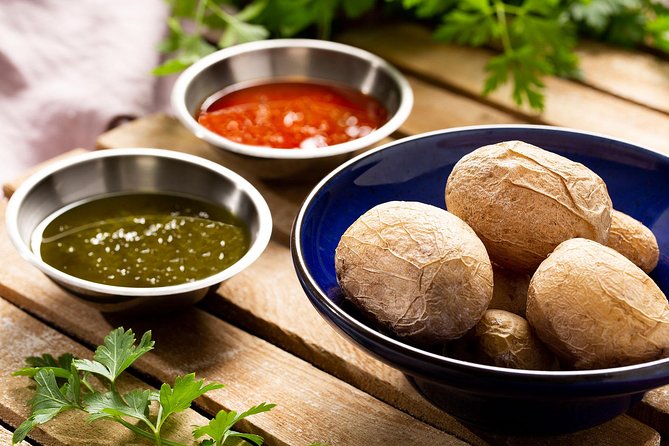
- Patatas bravas: potatoes with a special spicy tomato sauce. This is where you learn how heat and sauce texture work together.
Dessert (a Spanish twist)
- Horchata torrijas: a French-toast-like dessert made with horchata, a Levante drink. It’s a sweet ending that still feels local, not imported.
Drink included with the food
- Sangría: homemade with fresh fruit and spices. It’s not just an add-on. It’s part of the meal rhythm.
If you’re the type who likes finishing dinner feeling like you actually ate a “real night out,” this menu structure hits that target: cold starter, warm bites, main plates, and dessert.
Sangria Pairing and Non-Alcoholic Reality
Sangria is included in the class, and it’s described as homemade with fresh fruit and spices. That matters because many “free” drinks are bottled. Here, the drink is part of the experience flow, like the rest of the food.
If you don’t drink alcohol, don’t assume you’ll get an equal swap. One review notes that the non-alcoholic replacement was a soft drink instead of sangria. The comment frames it as a value mismatch for the price.
So my practical advice: if alcohol is a big part of your expectations, go in knowing that non-drinkers might not get a like-for-like version. If you just want the social beverage moment, you’ll still have something at the table.
What Makes the Class Worth Your Time (Beyond the Food)
A big part of the value here is that it’s not a lecture. The format pushes participation. People describe completing tasks at cooking stations and then sitting down to eat the results, sometimes with leftovers sent home.
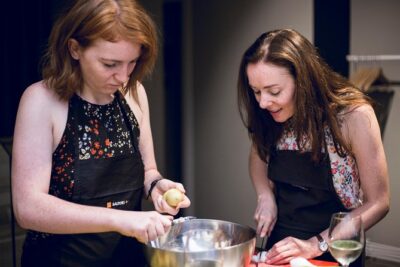
There’s also a social side that isn’t forced. Since the group is small and everyone cooks, it’s easier to chat than in a traditional dinner tour. One review describes meeting people from all over the world and having laughs while working side-by-side. That’s not just “nice.” In a cooking class, it can help you feel comfortable asking questions mid-recipe.
Another practical plus: the dishes are described as simple enough that you can make them at home. Reviews mention the food turned out delicious, fresh, and approachable, which is what you want if you’re paying for a skill transfer, not just a meal.
Price and Value: Is $82.24 a Good Deal?
At $82.24 per person, this isn’t a bargain. But it’s also not just a cooking demonstration.
You get:
- the cooking class with ingredients
- a home-cooked dinner
- free sangria
- a souvenir apron
When you stack those together, the cost becomes easier to justify, especially in Madrid’s central area. Also, since it’s a max 15 group class, you’re paying for more staff-to-cooking-time than many bigger tours.
That said, the “expensive but great” sentiment shows up in reviews. If you’re very budget-focused, you may decide this belongs to your “one special activity” list, not your daily habit. If you want a memorable evening where you eat what you cook and learn techniques, it can feel like good value.
Who This Fits Best (and Who Might Prefer Something Else)
This class is a strong match for:
- couples and solo travelers who want a social evening without dealing with late-night crowds
- people who enjoy learning food technique, not just tasting
- travelers who want a structured dinner plan in Centro
- anyone who likes classic Spanish flavors like tomato soups, garlic-forward shrimp, bravas, and tortilla
It may be less ideal if:
- you’re strictly vegetarian and expect the whole menu to be built around that (there’s no vegetarian option for the whole menu)
- you’re sensitive to time pressure, since multiple dishes move quickly
- you’re planning a party larger than allowed; the note says no parties over 5 people
Also, the minimum age is 14, and the minimum drinking age is 18. Service animals are allowed, and it’s near public transportation, which helps if you don’t want to fight for parking.
Logistics That Matter: Timing, Meeting Point, and Getting There
The class begins at 4:00 pm and ends back at the meeting point. It’s located at C. de la Farmacia, 6, Centro, 28004 Madrid. There’s no hotel pickup or drop-off, so you’ll want to plan your own arrival.
Near public transport is a plus, especially in Madrid when you’re mixing neighborhoods. If you’re doing other sightseeing that day, aim to keep your schedule flexible around that 4:00 start. Once the cooking begins, late arrivals can disrupt the station rhythm.
You’ll also get a mobile ticket, so have that ready on your phone.
One extra bonus: a review mentions a bookstore of cookbooks upstairs in the space. If you like bringing recipes home in real form, it’s worth a quick look while you’re there.
Should You Book This Madrid Tapas Class?
I’d book it if you want an evening that mixes real cooking, a full meal, and a chef-led experience in central Madrid. The small-group size, the focus on hands-on stations, and the included sangria make it feel like an actual night out with skills attached.
Skip it if you need a fully vegetarian menu, or if you’re mainly shopping for a cheap activity. Also reconsider if you hate any sense of pace. Ten tapas in 2.5 hours means the class can move fast, even when the staff are friendly and helpful.
If your goal is to leave Madrid with practical Spanish tapas confidence—bravas sauce, tortilla basics, garlic shrimp, and more—this is one of the more satisfying ways to spend a late-afternoon slot.
FAQ
How long is the tapas cooking class in Madrid?
It runs for about 2 hours 30 minutes, starting at 4:00 pm.
How big is the group?
The tour is limited to a maximum of 15 travelers.
Is the class in English?
Yes, it’s offered in English.
What’s included in the price?
You get the cooking class and ingredients, a home-cooked dinner, free sangria, and a souvenir apron.
Do they accommodate dietary restrictions and is there a vegetarian menu?
You can advise specific dietary requirements at booking, but the menu is not fully adapted for dietary restrictions. There is no vegetarian option for the whole menu, although almost half of the tapas proposed are vegetarian.
Do I need to be 18 to drink sangria?
Minimum drinking age is 18. The minimum age for the activity is 14.
Is hotel pickup included?
No. Hotel pickup and drop-off are not included, and the activity ends back at the meeting point.