REVIEW · UBUD
Balinese Authentic Cooking Class in Ubud
Book on Viator →Operated by Lesung Bali · Bookable on Viator
Cooking in Ubud starts with a market walk. This half-day Balinese cooking class puts you in a countryside setting on the west side of town, with a small group and a full run of market-to-kitchen steps. You’ll go from a traditional morning market (morning option), to a local Balinese home, to a farm where you harvest spices before you cook and eat.
I especially like the way the class teaches flavor through traditional spice work. You’ll grind and process seasonings the Balinese way with Lesung (mortar and pestle), then learn how the technique fits the dish. I also appreciate the clear menu options, including vegetarian and vegan choices, so you can still cook the real thing without forcing substitutions.
One consideration: the traditional market tour and spice buying happens only in the morning session. If you pick afternoon or evening, you miss that specific market stop and go straight into the rest of the day.
In This Review
- Key highlights worth your attention
- Half-day cooking in Ubud: market, home, farm, then food
- Price and value: what about $39.71 really buys
- Getting there from Ubud: shuttle, timing, and what to expect
- Morning market tour (morning classes only) and why it changes everything
- A traditional Balinese house visit: family compounds in plain language
- The farm and spice harvest: where the class gets real
- In the kitchen with Lesung: techniques you can use at home
- Menu options: regular, vegetarian, vegan, and dessert
- What you eat, how long it feels, and how to plan your day
- Who should book this cooking class in Ubud
- Quick practical considerations before you book
- Should you book this Balinese cooking class in Ubud?
- FAQ
- How long is the cooking class in Ubud?
- Is pickup and drop-off included?
- Do morning, afternoon, and evening sessions include the market tour?
- Are vegetarian and vegan menus available?
- How many people are in the group?
- What’s included in the price?
- What transport costs might apply if I’m staying outside Ubud?
- What happens if the weather is bad?
Key highlights worth your attention
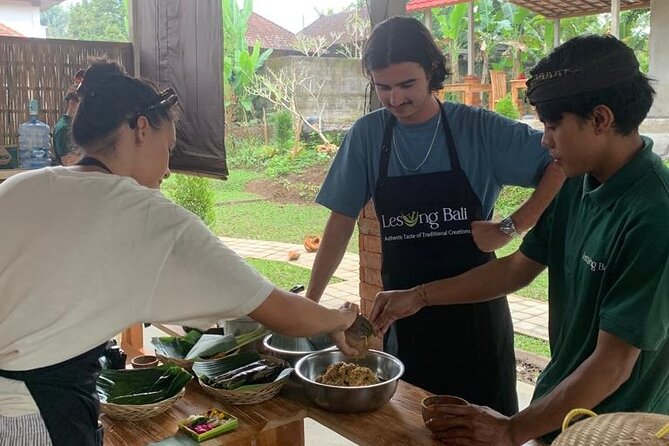
- Small-group format (max 15) for more personal help while you cook
- Farm spice harvest that sets up what you’ll cook with fresh ingredients
- Lesung mortar and pestle for hands-on Balinese spice technique
- Balinese house visit to understand family compounds and home layout
- Regular, vegetarian, and vegan menus to match your diet
- Ubud shuttle service included for a smoother half-day plan
Half-day cooking in Ubud: market, home, farm, then food

This experience is built like a mini day in Balinese life, not just a cooking show. The flow matters. You start with what people actually buy and use, then you see how families live, then you head to the farm to pick ingredients that make the dishes taste like they belong in Bali.
The setting helps, too. Your class meeting point is on the west side of Ubud, surrounded by greenery and a more rural feel than you get in the center of town. It makes the cooking part feel grounded, like you’re learning from where the ingredients come from, not from a classroom.
It’s also a practical length. At about 5 hours, you get enough time to see the prep steps, cook multiple dishes, and still have the rest of your day free. For many people, it becomes the easiest “must-do” to schedule because it doesn’t swallow your entire vacation.
You can also read our reviews of more tours and experiences in Ubud.

Price and value: what about $39.71 really buys
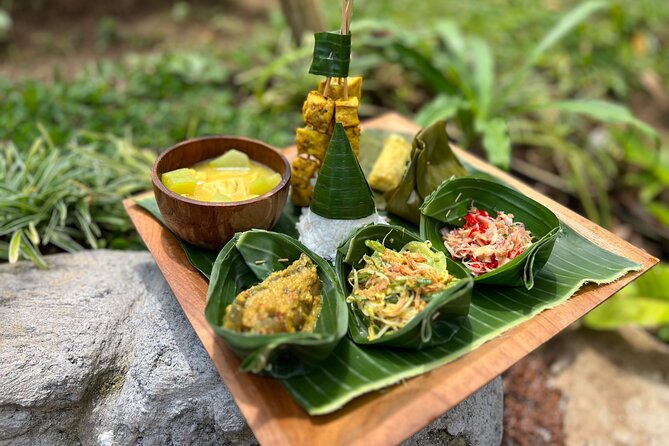
At $39.71 per person, this class is good value for what’s included. You’re not only paying for cooking. The price also covers the guided market and culture stops (depending on your time slot), the farm visit, and the instructor-led hands-on cooking session.
You also get useful inclusions that add up quickly in Bali: coffee and/or tea, mineral water, a Balinese cake, and an air-conditioned vehicle during transfers. And if you’re staying in the Ubud area, a free shuttle service is included, which keeps transport simpler.
The main cost caveat is distance. Pickup and drop-off outside Ubud isn’t included, and extra transport is listed for places like Nusa Dua, Jimbaran, Uluwatu, Kuta, Seminyak, Sanur, and Canggu. If you’re not in central Ubud, budget for that car fee so the final price matches your plan.
Getting there from Ubud: shuttle, timing, and what to expect
The class includes transfers from Ubud, and the free shuttle service applies within the Ubud area only. If you’re elsewhere on the island, the operator lists extra transportation fees by area. The lesson here is simple: check where you’re staying before you fall in love with the menu.
You’ll have a clear start once you confirm. Confirmation comes at booking time, and you’ll receive a mobile ticket, which makes day-of logistics easier. It runs in the morning, afternoon, or evening, so you can match your schedule to your energy level.
One more thing to plan around: the experience requires good weather. If conditions are poor, you’ll be offered a different date or a full refund. That’s not unusual in Bali, but it matters if you’re tight on dates.
Morning market tour (morning classes only) and why it changes everything
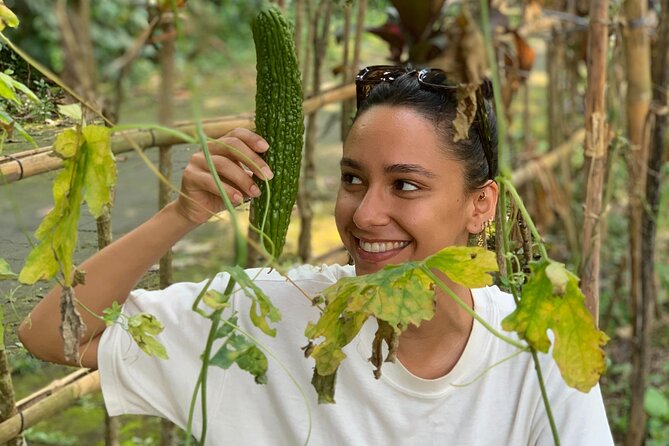
If you choose the morning class, you get an extra, meaningful stop: a traditional market tour. You’ll visit one of the local markets and buy spices from the area. This is the part that turns the cooking from, well, cooking, into learning how ingredients show up in everyday Bali.
You’ll see how the market supports the cuisine. Spices aren’t just flavoring; they’re part of the logic behind each dish. Shopping at the market also gives you a feel for scale. You begin to understand which ingredients are used often and which ones are more specific to certain dishes.
There’s also a cultural angle. The market helps you grasp how food connects to local routines. Even if you only remember a few spice names, that morning stop gives you a reference point for every dish you cook later.
If you go afternoon or evening, you don’t get this market-and-spice-buying step. You still cook and you still learn the techniques, but you’ll be skipping that early ingredient context.
A traditional Balinese house visit: family compounds in plain language
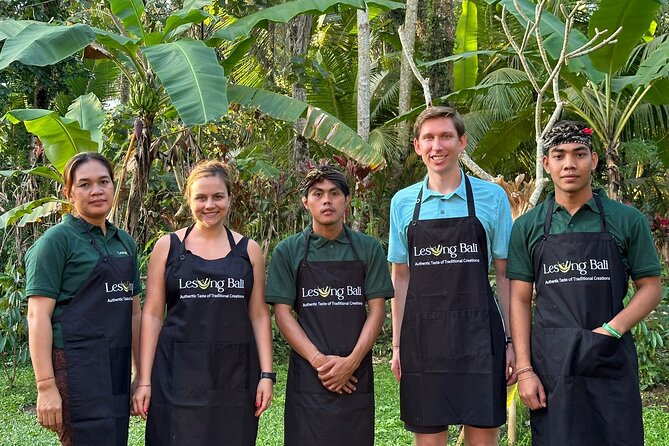
Next comes the culture stop that makes this class feel different from typical cooking tours: a visit to a local Balinese house. You’ll learn about Balinese culture and lifestyle, and you’ll hear how the place is set up in a way that reflects daily living.
This part is valuable for one reason: it helps you understand food as part of a living system. In Bali, cooking isn’t isolated. It sits inside routines, family structure, and how space is organized.
In practice, you’ll get coffee and/or tea around the home and learn from the visit itself. The pace here tends to be relaxed, so it doesn’t feel like you’re rushing through history. It’s more like you’re getting your bearings, then moving on to the hands-on part.




The farm and spice harvest: where the class gets real

After the home visit, you head to the farm. This is where the afternoon and evening experience earns its keep, even without the market stop. Before you cook, you’ll explore the farm and harvest spices that you’ll use during class.
I like this stage because it removes the mystery. When you’ve picked the ingredients yourself, the cooking steps feel less like following instructions and more like repeating what you just saw growing.
On the farm, your chef will guide you on deciding the menu first, then matching the ingredients to what you’ll cook. You’ll then move into the cooking phase with fresh items you helped collect. That shift is often what turns a good cooking class into a memorable one.
The farm setting also makes the whole day feel calmer. It’s one of those “step outside your phone for a bit” moments, and it’s easy to do without feeling forced.
In the kitchen with Lesung: techniques you can use at home
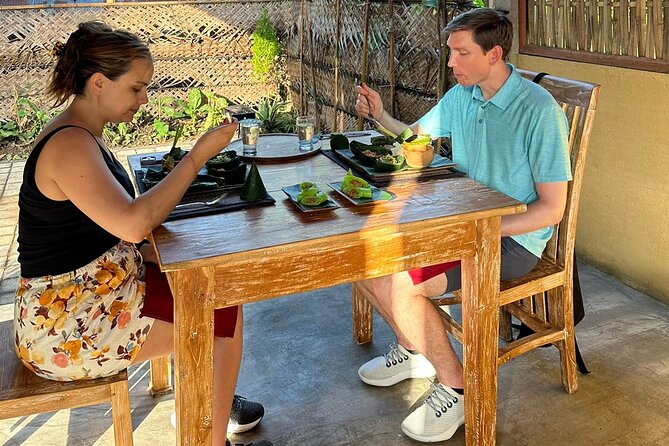
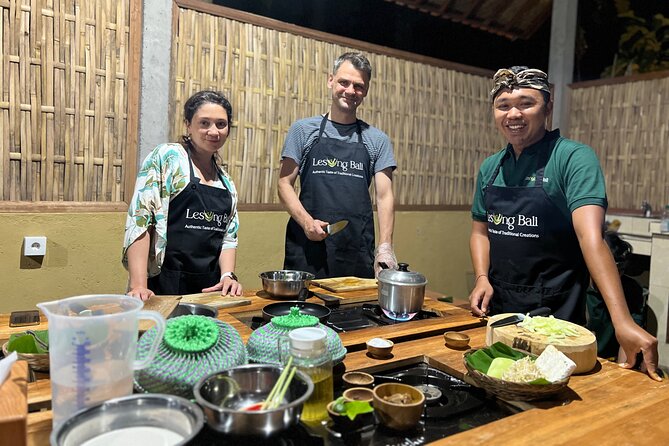
The hands-on cooking is the heart of the day. After your chef helps you settle on the menu, they show you how to make authentic Balinese dishes using fresh ingredients. You’ll learn techniques tied to the Balinese way of cooking, not just a list of steps.
A highlight is working with Lesung, the mortar and pestle. Chopping and pounding spices this way is a real skill, and it’s fun because you can feel the difference in texture as you grind. It’s also the kind of technique that makes your future cooking easier, because you learn what spice paste is supposed to feel like.
Your chef will explain ingredients and what you need to cook based on the menu you choose. You’ll also get guidance on how to handle each dish. If you’re a beginner, that help matters. Several people mention feeling comfortable and supported, even when they didn’t have much cooking experience before.
One practical tip: listen closely during the spice-pounding and tasting steps. Those quick additions often make the dish. If you’re unsure about a small ingredient, ask. The class is designed for hands-on participation, so you shouldn’t feel stuck waiting to understand.
Menu options: regular, vegetarian, vegan, and dessert
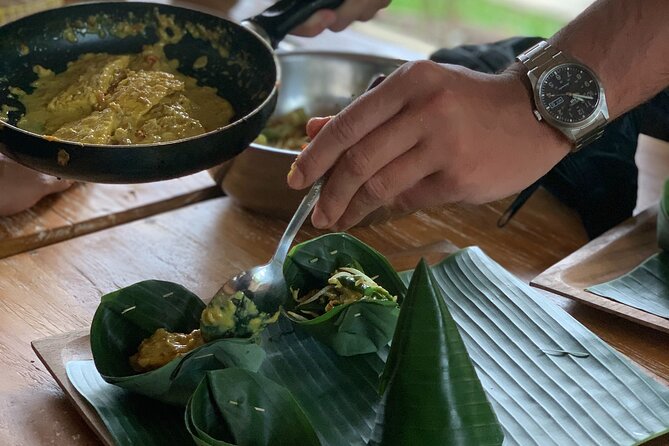
You can choose between regular, vegetarian, and vegan menu options. That’s not just a nice-to-have; it changes what you’ll learn and how you’ll approach the dishes.
Balinese cooking often relies on spice depth and layered seasoning, not just meat-based flavor. So the vegetarian and vegan menus still teach real technique, like building a base and balancing spice intensity.
During the class, you’ll cook multiple dishes and then enjoy what you make afterward. Many people leave full, so plan your appetite accordingly. If you arrive hungry, you’ll enjoy the cooking more because you’re not constantly thinking about whether you’ll have enough food later.
Dessert is also part of the experience, and you should treat it as part of the full meal, not an afterthought. The Balinese cake included in the package adds a sweet note before or alongside your main eating time.
What you eat, how long it feels, and how to plan your day
After cooking, you eat the meal you made. The food is typically generous, and the class runs about 5 hours total. Because it includes culture stops and transportation, it won’t feel like a quick kitchen sprint. It tends to feel like a guided afternoon where you’re constantly switching tasks: watching, chopping, pounding, cooking, then eating.
For scheduling, this is the sweet spot. If you do it in the morning, you’ll likely be done before your evening plans. If you choose afternoon or evening, you can match it with late meals and still get a full cultural dose earlier in the day.
I recommend eating lightly before you go, especially if you pick a session that includes a market stop and a farm-to-table cooking sequence. When you finish, you’ll probably want something simple for dinner, not a second big feast right away.
Who should book this cooking class in Ubud
This is a strong fit if you want more than a recipe card. You’ll get culture context (the Balinese house), ingredient context (market and/or farm), and cooking context (hands-on spice techniques).
It’s also a good choice for food lovers who want structure. The class is planned around a menu you cook, so you’re not wandering through a kitchen guessing what to do next. With a group size capped at 15, you’re less likely to disappear into the background.
If you’re traveling solo or as a couple, the small-group format tends to feel friendly. If you’re cooking with friends, you’ll get a shared experience without it becoming a chaotic free-for-all.
If you care a lot about the market experience, pick the morning class, because that’s where the traditional market tour and spice buying happen. Otherwise, any time slot still gives you the farm harvest, cooking, and the meal.
Quick practical considerations before you book
- The market stop and spice buying are morning-only.
- Weather can affect scheduling, so don’t book this as your only plan on a travel-critical day.
- Pickup included applies within Ubud. For areas farther out, extra transportation fees are listed by location.
- The group size is capped at 15, so you’ll get more attention than big-bus tours.
Also, check your dietary needs before choosing your menu option. Regular, vegetarian, and vegan choices are offered, but the menu selection happens as part of the class flow.
Should you book this Balinese cooking class in Ubud?
I think you should book this if you want a half-day in Ubud that mixes food plus real context. The market (morning), the Balinese house, and the farm spice harvest create a logical chain, and the cooking part teaches technique you can actually repeat.
Skip it only if you’re looking for a super quick, no-nonsense meal activity, or if you specifically need a time slot other than morning and you’re mainly chasing the market experience. In that case, you may still enjoy the cooking, but you won’t get the spice shopping piece.
If you want a practical, hands-on class that ends with a full plate of what you made, this one is an easy yes.
FAQ
How long is the cooking class in Ubud?
The experience runs for about 5 hours.
Is pickup and drop-off included?
Pickup and transfers are included from Ubud, and there is free shuttle service within the Ubud area. Pickup outside Ubud is not included, and extra transportation fees apply by area.
Do morning, afternoon, and evening sessions include the market tour?
The traditional morning market tour and spice buying are included only for the morning class option.
Are vegetarian and vegan menus available?
Yes. You can choose regular, vegetarian, or vegan options.
How many people are in the group?
The experience has a maximum of 15 travelers.
What’s included in the price?
Included items cover coffee and/or tea, mineral water, a Balinese cake, air-conditioned vehicle transfers, all fees and taxes, and free shuttle service in the Ubud area.
What transport costs might apply if I’m staying outside Ubud?
Extra transportation fees are listed for areas outside Ubud, including Nusa Dua and Jimbaran, Uluwatu, and Kuta/Seminyak/Sanur/Canggu.
What happens if the weather is bad?
The experience requires good weather. If it’s canceled due to poor weather, you’ll be offered a different date or a full refund.