REVIEW · UBUD
PRIVATE Balinese Cooking Class in Ubud with Dewa with Transfers
Book on Viator →Operated by Traveling Spoon · Bookable on Viator
Want food lessons with a real Balinese family? This private Ubud cooking experience takes you to Dewa’s home in the village of Keliki, where you’ll tour the garden, cook with traditional wood-fired methods, and eat what you make. I especially like the private transfers from Ubud hotels and the hands-on, home-style cooking that covers dishes such as pepes Ikan and bumbu kuning. One thing to weigh: transportation is only guaranteed from Ubud hotels, and if you’re staying outside Ubud you’ll meet Dewa directly at his home.
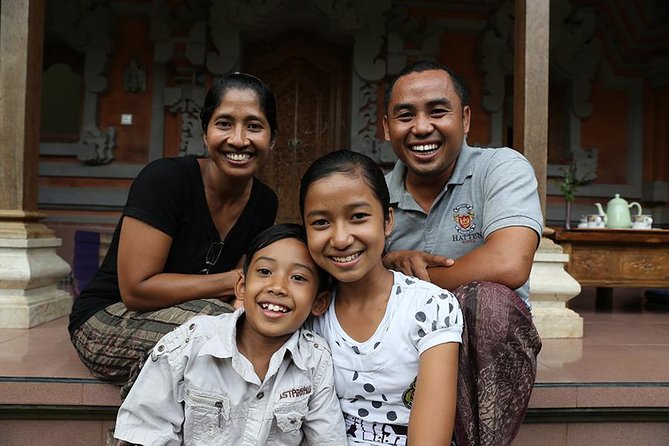
You’ll spend about four hours in and around a traditional Balinese family compound with open pavilions around a central courtyard. The rhythm is simple: walk through the grounds, learn why certain fruits and spices matter, cook over fire using pestle-and-mortar techniques, then enjoy lunch or dinner together with beer and water.
In This Review
- Key things that make this Ubud cooking class worth your time
- Why this Ubud Balinese cooking experience feels more like a visit than a class
- The 4-hour flow: garden tour, wood-fired cooking, and eating together
- Getting there: meeting point, Keliki village, and private transfers from Ubud
- The garden tour: what you’re actually learning about Balinese spices and fruit
- Cooking the classics: wood-fired stove methods and Balinese paste texture
- What you eat: beer, water, and a meal in the compound (not a restaurant setup)
- Value for $69: transfers, a private host, and recipes you can use
- Who should book this Ubud class—and who might want a different style
- Small practical tips so your day stays easy
- Should you book Dewa’s private Balinese cooking class in Ubud?
- FAQ
- What’s included in this private Balinese cooking class?
- How long is the experience?
- Is this experience really private?
- Where does the experience start and where does it end?
- Do I get transfers if I’m staying in Ubud?
- What if my accommodation is outside Ubud?
- Is there a vegetarian meal option?
- What dishes will I learn to cook?
- What equipment and cooking style are used?
- Is this a professional cooking class?
- Do I need to download anything or show a ticket?
Key things that make this Ubud cooking class worth your time
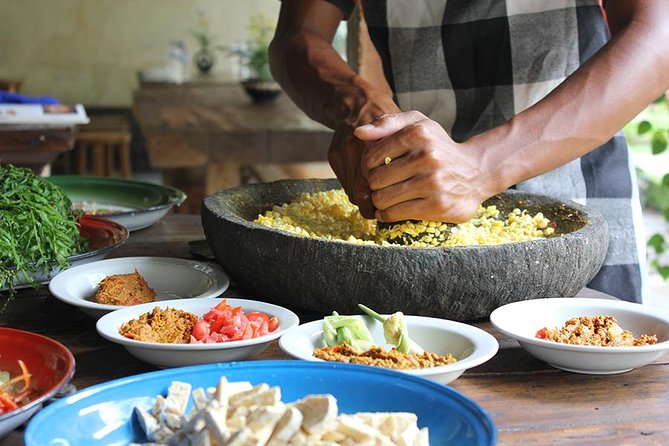
- Dewa and his family host the day in their own walled compound in Keliki, not a commercial studio
- Garden tour first, including how fruits, herbs, and spices connect to everyday cooking and traditional medicinal ideas
- Wood-fired cooking + pestle and mortar, so you feel the process, not just watch it
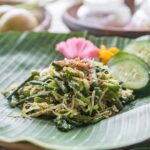
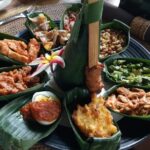
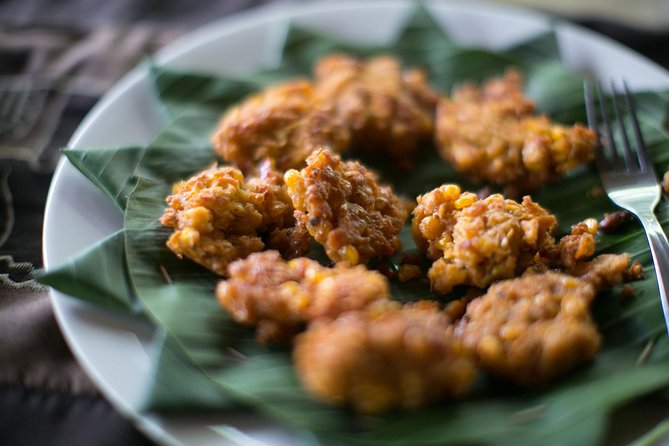
- Classic Balinese dishes like pepes Ikan (tuna in banana leaves), bumbu kuning (turmeric-coconut chicken sauce), and bregedel (hand-ground corn fritters)
- You eat your own meal right there, with local beer and water included
- Private group format, so the host can adjust the pace to you
Why this Ubud Balinese cooking experience feels more like a visit than a class
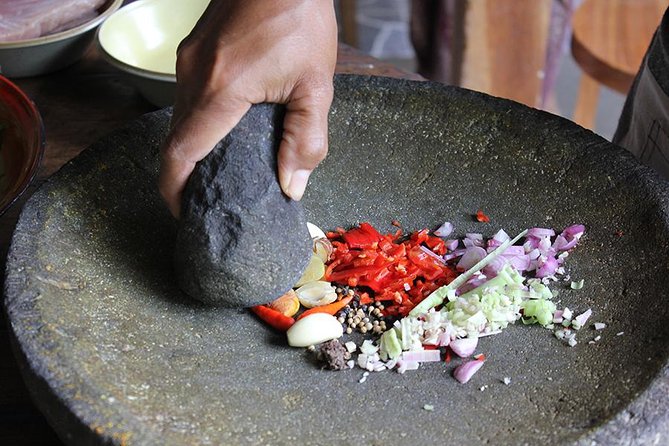
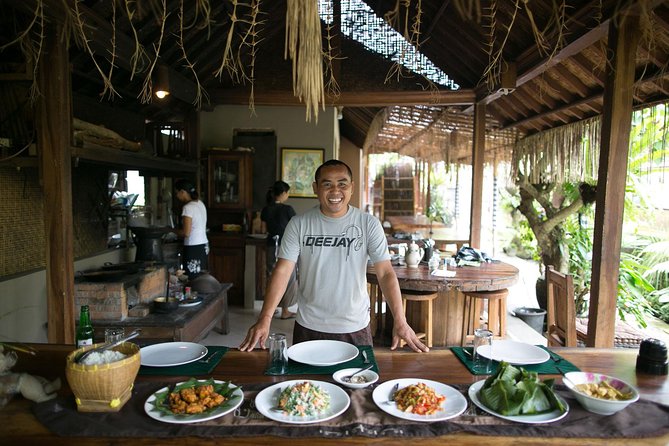
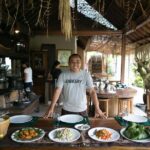
If you’ve done the typical “cooking class” route in Ubud, you already know the pattern: arrive, chop a few items, cook one dish, pose for photos, then leave. This one moves differently. You’re invited into Dewa’s extended family compound in Keliki—a traditional setup with multiple open pavilions grouped around a central courtyard. It’s the kind of place where daily life isn’t “on display.” The food and stories just happen alongside it.
Two details make it especially appealing. First, the host setup is personal. You’re not handed off to an anonymous instructor; you’re hosted by Dewa, or another family member if Dewa isn’t available, alongside his wife Jero. Second, the day is designed around real ingredients and real tools: you’ll hear about how specific items are used, then you’ll grind pastes and cook over a wood-fired stove.
The “not-a-professional-class” note matters too. You’re not getting a culinary-school syllabus. Instead, you’re learning the way a family home cooks—often simpler in technique, but rich in local logic about flavors, health, and tradition.
You can also read our reviews of more tours and experiences in Ubud.
The 4-hour flow: garden tour, wood-fired cooking, and eating together
The day is built like a half-day chapter you can actually remember. It’s long enough to feel hands-on, but short enough that you won’t feel like your whole Bali trip disappears into one activity.
Here’s what the experience centers on:
1) Start with the garden and ingredient story
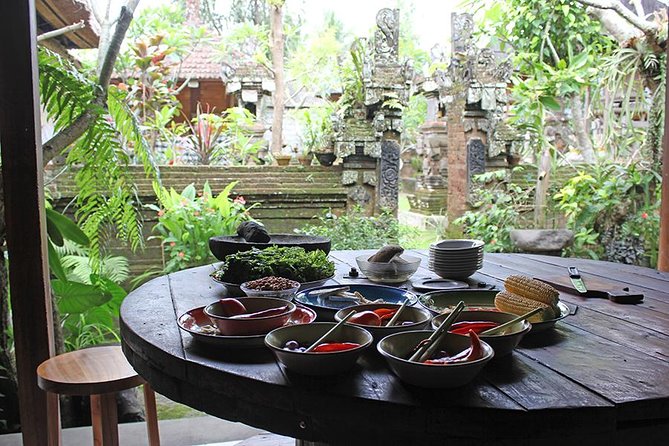
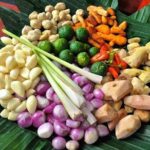
You’ll begin with a garden tour where Dewa shows you fruits, herbs, and spices. The provided details call out things like galangal, cacao, and nutmeg, plus the idea that many ingredients also play a role in traditional medicinal beliefs. This is useful because it gives context for the food you’ll make later. It’s not just flavor; it’s why the ingredient belongs in the village kitchen.
2) Move into open-kitchen cooking with the family
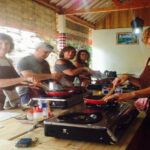
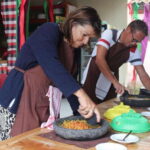
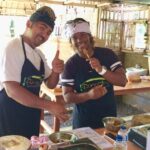
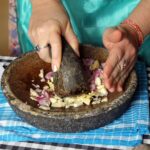
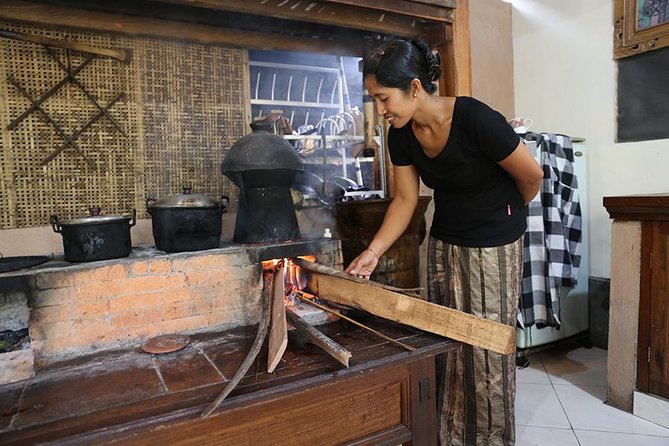
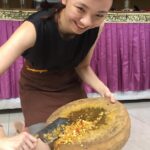
Next, you join Dewa’s wife in their open kitchen. This is where the experience turns into hands-on work. The cooking happens over a traditional wood-fired stove, and you’ll use classic methods like a pestle and mortar for grinding. That’s a big deal. Pre-ground spice mixes don’t teach you what Balinese pastes actually feel like, or how the texture changes as you grind.
3) Cook specific Balinese dishes, then eat your results
You’ll learn to make several dishes, with examples given including:
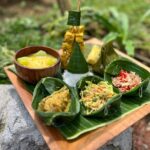
- Pepes Ikan: grilled tuna in banana leaves
- Bumbu kuning: chicken in a turmeric and coconut milk sauce
- Bregedel: hand-ground corn fritters
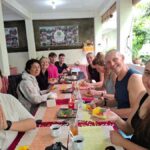
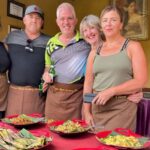
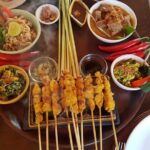
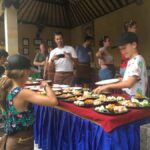
After cooking, you eat what you helped prepare, in a setting that’s part home, part communal dining. Local beer and water are included, so it’s not only a demonstration—it’s a meal shared with the family that hosted you.
Getting there: meeting point, Keliki village, and private transfers from Ubud
Logistics can make or break a Ubud day. This one includes round-trip transfers from Ubud hotels, which is a practical win because you don’t need to figure out timing, routing, or separate transport.
Your meeting point is at Rumah Makan Jero Nini (Keliki area listing details show it near Tegallalang):
Rumah Makan Jero Nini, Jl. Arjuna, Keliki, Kec. Tegallalang, Kabupaten Gianyar, Bali 80561, Indonesia
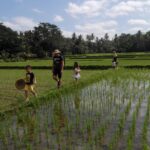
From there, you’ll travel by private vehicle through terraced foothills, then reach Dewa’s village in Keliki. The experience also notes that if you’re staying outside Ubud, there’s no transport included in the usual way. In that case, Dewa can meet you directly at his home in Keliki. If you’re outside Ubud—say, in a more remote villa—plan ahead so you’re not scrambling on timing.
One more thing: this is private, meaning only your group participates. No weaving through other parties on the same schedule.
The garden tour: what you’re actually learning about Balinese spices and fruit
The garden part isn’t filler. It sets you up to cook with intention. You’ll see and learn about exotic Balinese fruits, herbs, and spices, including examples like galangal, cacao, and nutmeg. The experience also connects these ingredients to medicinal properties, at least in the traditional sense Dewa shares.
Why this matters to you: if you care about recreating the food later, garden knowledge helps you shop and substitute intelligently. And if you’re not planning to cook at home, it still deepens the flavor experience. You’ll understand what’s fragrant, what’s warming, and what’s there for balance rather than “because it tastes good.”
Also, because you’re in a family garden, the tone is different from a market tutorial. It feels like ingredient sourcing as part of daily life, not a curated stop where everything is prepared for tourists.
Cooking the classics: wood-fired stove methods and Balinese paste texture
This is where the experience turns from cultural talk into real skill.
You’ll cook with a traditional wood-fired stove, which changes everything from the way food smells to the way it simmers. The day also emphasizes traditional prep methods—especially grinding with pestle and mortar. That texture component can be the difference between a paste that tastes flat and one that tastes alive.
Based on what’s outlined, you’ll learn dishes such as:
- Pepes Ikan (tuna in banana leaves): a classic Balinese way to cook and perfume fish
- Bumbu kuning (turmeric-coconut chicken): where turmeric and coconut milk do the work
- Bregedel (hand-ground corn fritters): a starch-and-spice comfort dish with real character
A helpful detail here is that this isn’t framed as “professional chef training.” That’s good news if you want a friendly, family-style pace. You’ll have a chance to do the steps, not just stand to the side.
You may also hear broader cultural context while you cook—examples from the experience description include Balinese traditions and beliefs connected to food and everyday practice. Even without a culinary-school feel, you come away with clearer reasons behind what you’re making.
What you eat: beer, water, and a meal in the compound (not a restaurant setup)
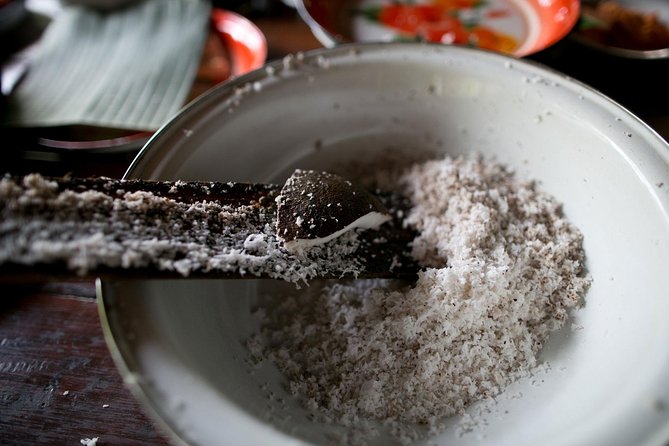
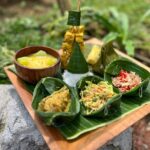
Eating is included, and it’s not an afterthought. You’ll enjoy lunch or dinner after cooking in the lush setting of the family compound. The experience specifically includes local beer and water with the meal.
For many people, the best part is that the meal is directly tied to your effort. You’re not ordering off a menu while someone else does the work. You helped with ingredient prep, you cooked the dishes on the stove, and then you sit down to eat in the same environment where the day happened.
One practical consideration: since this is a family home meal, the style is local and may not match the ultra-salty, heavily seasoned restaurant versions you might be used to. The experience’s framing emphasizes traditional methods and balance. If you’re sensitive to spice or prefer very mild flavors, plan to ask about what’s included—especially if you book the vegetarian option.
Value for $69: transfers, a private host, and recipes you can use
At $69 per person, this is positioned as a private, half-day cultural-food experience. Whether it feels like a bargain depends on what you compare it to.
Here’s what you’re getting for the price:
- Round-trip transfers from Ubud hotels
- A private garden tour and cooking experience with Dewa (or a family host)
- A traditional home-kitchen cooking format with real tools like pestle and mortar and a wood-fired stove
- Alcoholic beverages: local beer (plus water)
- A vegetarian option if you request it ahead of time
It’s also private, meaning you’re not splitting your attention with other groups. And you get to take the learning home. The experience notes that you leave with family recipes—many past participants highlight having a recipe book to write from—so this isn’t only a memory. It’s something you can cook from later.
Timing-wise, it’s also in demand: on average it’s booked 36 days in advance. If you’re traveling during peak season or have a narrow window in Ubud, booking earlier gives you more control.
Who should book this Ubud class—and who might want a different style
This fits best if you want:
- A true cultural home visit, not a scripted demo
- Hands-on cooking with traditional tools
- A focus on Balinese ingredients and how they connect to everyday life
- A private host who can share context as you go
You’ll likely enjoy it most if you’re a foodie who likes process—especially grinding pastes and understanding what’s going into a dish like bumbu kuning. It also works well for couples, because the private format and family meal make the experience feel personal rather than “group tour.”
Consider a different option if you want:
- A fast-paced, standardized class with strict timing and “chef-style” technique coaching
- A purely restaurant-like meal experience
- Pickup from outside Ubud without needing to meet at the home in Keliki
Small practical tips so your day stays easy
A few smart moves will help you get the most out of the day:
- Wear comfortable shoes. You’ll be moving through gardens and village areas before cooking.
- Plan around the full half-day. With a total duration of about four hours, it’s not ideal to schedule tight activities right before or after.
- If you want vegetarian, say so when booking. The experience explicitly notes a vegetarian meal is available if requested in advance.
- Confirm how pickup works for your specific hotel. Transfers are from Ubud hotels; outside Ubud, you meet Dewa directly at his home in Keliki.
- Bring patience for a family-paced day. This isn’t mass production; it’s a real home kitchen rhythm.
Should you book Dewa’s private Balinese cooking class in Ubud?
If you’re choosing between “another Ubud cooking class” and something that genuinely connects food to village life, I’d lean toward booking this. The strongest reasons are straightforward: private transfers (from Ubud hotels), an authentic family home setting with traditional wood-fired cooking, and a garden-to-stove structure that makes the spices make sense. Plus, you get to eat what you cooked, with beer and water included.
Book it especially if you care about process and want recipes you can try again later. The main reason to hesitate is the transportation limit outside Ubud—if your lodging is far from central Ubud, double-check meeting logistics before you commit.
FAQ
What’s included in this private Balinese cooking class?
Round-trip transfers from Ubud, a private garden tour and cooking class with local host Dewa, an immersive Balinese cultural and culinary experience, and local beer (plus water) are included.
How long is the experience?
The duration is approximately 4 hours.
Is this experience really private?
Yes. It’s listed as private, so only your group participates.
Where does the experience start and where does it end?
It starts at Rumah Makan Jero Nini (in the Keliki/Tegallalang area listing details) and ends back at the meeting point.
Do I get transfers if I’m staying in Ubud?
Yes. Dewa provides round-trip transportation from Ubud hotels.
What if my accommodation is outside Ubud?
The information says that if you’re staying outside Ubud, there is no transportation and you’ll meet Dewa directly at his home in Keliki.
Is there a vegetarian meal option?
Yes. A vegetarian option is available if you advise at the time of booking.
What dishes will I learn to cook?
Examples provided include pepes Ikan (grilled tuna in banana leaves), bumbu kuning (chicken in a turmeric and coconut milk sauce), and bregedel (hand-ground corn fritters).
What equipment and cooking style are used?
You use traditional equipment such as pestle and mortar, and cooking happens over a traditional wood-fired stove.
Is this a professional cooking class?
No. It’s described as a visit to an authentic local home to meet a family who are expert cooks and share Balinese culture and cuisine. You’re hosted by Dewa (or another family member if he isn’t available) and his wife Jero.
Do I need to download anything or show a ticket?
The experience includes a mobile ticket, and confirmation is received within 48 hours subject to availability.