REVIEW · UBUD
Jambangan Bali Cooking Class
Book on Viator →Operated by Jambangan Bali Cooking Class with market tour · Bookable on Viator
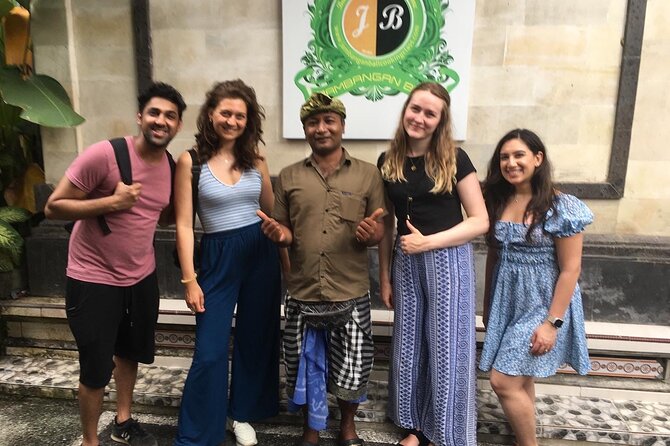
Spices first, then the story of how they’re used. I love that you start at a local market to pick herbs, spices, and other key ingredients, not just rely on a plated menu. I also love the family-home setup: an open kitchen where you cook alongside Balinese chefs and learn the meaning behind daily rituals like a Hindu offering.
One thing to factor in is timing. The plan starts early, and if you choose a later session, the market may not be at full hours depending on the day (I’d choose the morning class if you want the market experience at its best).
In This Review
- Key Highlights at a Glance
- Why This Ubud Cooking Class Feels Like a Home Visit
- From Tegallalang Market to Rice Paddies: How the Day Sets Up
- Inside the Balinese House Kitchen: Open-Air Cooking, Clear English
- What You Cook (and Why It’s Better Than Restaurant Eating)
- Beyond the Stove: Offerings, Coconut Oil, and Rindik Music
- Price and Logistics: Getting a Lot for $34
- Who Should Book This Class (and Who Might Skip It)
- Should You Book Jambangan Bali Cooking Class?
- FAQ
- FAQ
- How long is the Jambangan Bali Cooking Class?
- Is lunch included, and can I choose dinner instead?
- What does the price include and not include?
- Is the class taught in English?
- What is the group size limit?
- Where do I meet for the cooking class?
- What if the weather is bad?
Key Highlights at a Glance

- Market ingredient picking: herbs, spices, plus fresh choices like vegetables and cut of meat
- Choose lunch or dinner: same concept, different meal timing
- Open-kitchen class in a Balinese home: hands-on cooking with English guidance
- Small-group feel: max 15 travelers
- More than cooking: coconut oil processing, simple offering making, and rindik bamboo music
Why This Ubud Cooking Class Feels Like a Home Visit
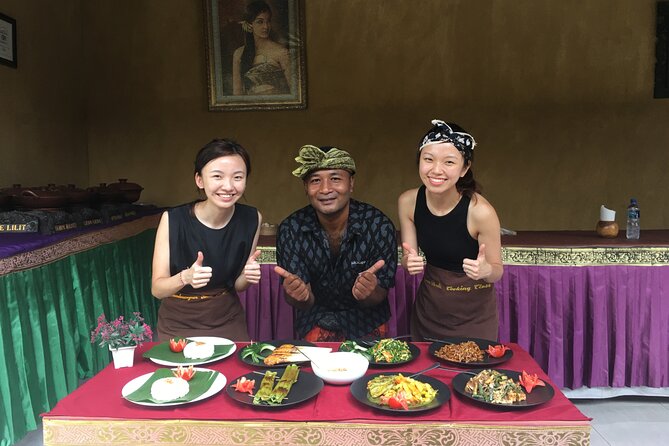
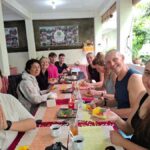
Ubud already sells you plenty of food tours. This one works because it puts you in a Balinese household routine instead of keeping you at a restaurant pace. You’ll shop for ingredients, cook in an open kitchen, and sit down for the meal you made, with the feeling that someone is showing you their “normal,” not performing a scripted show.
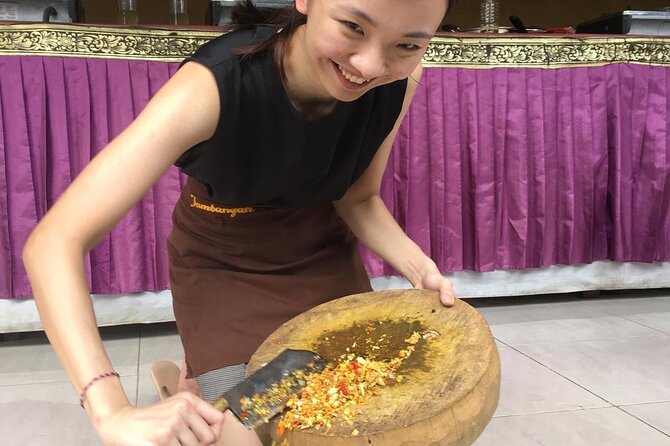
The best part is how the instruction stays practical. You’re not just watching someone else cook. You handle the prep, you learn why ingredients matter in Balinese cooking, and you get a copy of recipes so you can try again later without guessing.
For $34, the value is strong because you’re getting both culture and the meal included (lunch is included; alcohol isn’t). With a max group size of 15, you’re also less likely to get lost in the crowd, which matters in a hands-on class.
You can also read our reviews of more tours and experiences in Ubud.

From Tegallalang Market to Rice Paddies: How the Day Sets Up
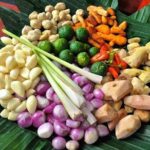
Your day starts early at a traditional market near Tegallalang (the meeting point is Warung JB Jambangan Bali). This isn’t a quick “look and go” stop. You pick your own ingredients: fresh herbs and spices, plus your choice of vegetable and cut of meat. That choice is a big deal, because Balinese cooking is all about flavor balance, and starting with the right aromatics makes the rest easier.
A nice extra is what happens after the market. You’ll see rice farming activity, including daily tasks connected to how the rice is grown and maintained. You also get a sense of the local countryside rhythm before you move into the house to cook.
Practical tip: wear something comfortable you can move in. Markets and rice areas tend to mean walking on uneven ground and lots of time outdoors. If you’re sensitive to heat, plan for shade and water breaks.
Inside the Balinese House Kitchen: Open-Air Cooking, Clear English
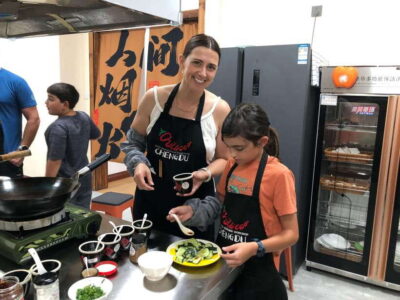
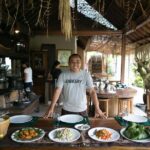
When you arrive, you step into a Balinese home setting with a beautiful atmosphere and an open kitchen. The class is taught in English by Balinese chefs who are fully conversant with Balinese cuisine and culture, so you don’t have to translate food terms in your head.
Because it’s in an actual home setting, you’ll notice the structure is different from a cooking school. The kitchen feels connected to daily life, not separated from it. That’s why the learning sticks. You’re not only learning recipes; you’re learning how people cook, serve, and think about food in their own environment.
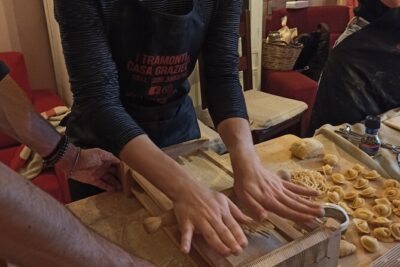
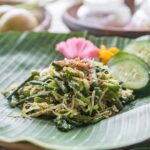
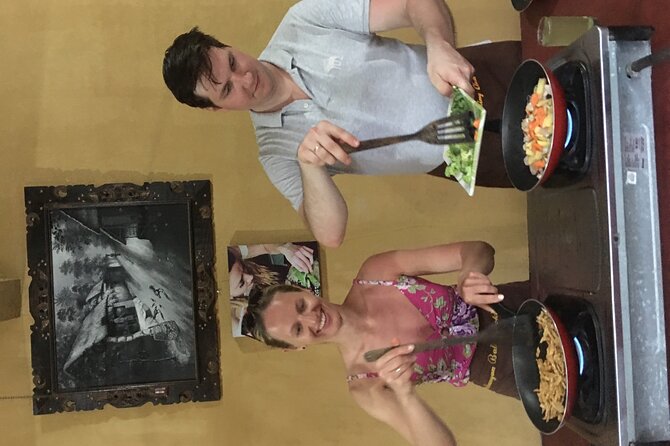
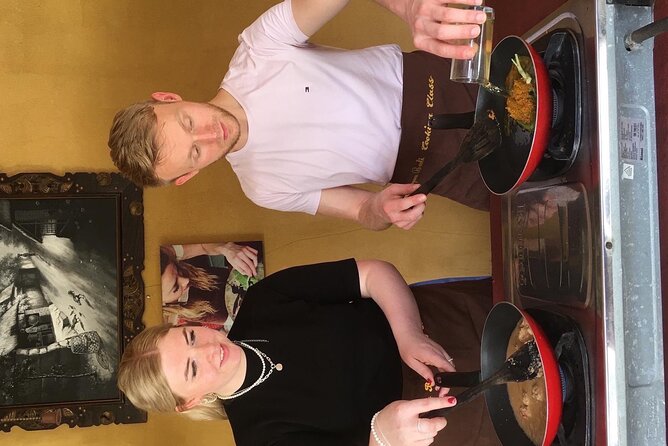
Also, you’re not limited to a single dish. The vibe is that you’ll make multiple items, which keeps the experience engaging and gives you more options to recreate later at home. One review mentioned cooking 8 dishes, and another highlighted getting recipe copies at the end, which is exactly what you want from a class at this price point.
What You Cook (and Why It’s Better Than Restaurant Eating)
At a restaurant, you taste Balinese food and move on. Here, you understand it. You’ll be choosing ingredients first, then making the recipes yourself. That hands-on part is where the value sits.
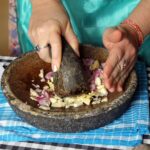
Balinese cuisine uses aromatics and spices in a way that can feel unfamiliar at first, especially if you’re used to Western or even generic Southeast Asian flavor profiles. By preparing components yourself, you learn what tastes “right” and how adjustments happen during cooking. The instructors also explain things in a way that helps you understand substitutions, so you’re not stuck if an ingredient is hard to find back home.
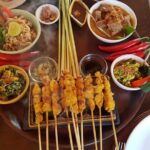
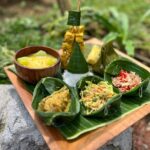
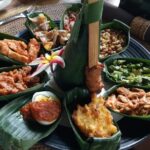
The class ends with the meal you created—lunch in the garden is part of the experience. That matters because it turns the day from a lesson into a full food experience. You’re eating something you made from start to finish, and that’s when the flavors really click.
If you have dietary needs, you should communicate them ahead of time. One review described an allergy to chicken and said the hosts made it work so the person could cook and eat without problems. That’s a good sign, but don’t assume everything is automatically possible—ask.
Beyond the Stove: Offerings, Coconut Oil, and Rindik Music
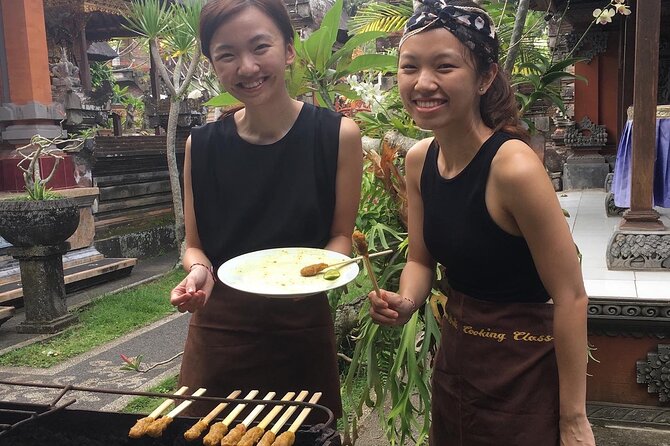
The cooking is the main event, but the cultural extras are what make the class feel more grounded than a standard “chop and stir” workshop.
You’ll experience traditional Balinese activities as part of the home visit. That includes authentic coconut oil processing, which is a great reminder that cooking starts long before the kitchen. You’ll also learn how to make a simple offering and witness a household daily offering. If you’ve never seen Hindu offerings in a Balinese home context, this is one of the clearest ways to understand it without feeling like you’re watching from behind glass.
Then there’s the music. You can play rindik, bamboo music made for Balinese sounds and rhythms. It’s interactive, and it breaks up the day in a fun way.
This is also where the family-home tone matters. The rituals aren’t tacked on like decoration. They’re part of how food, worship, and daily life connect.


Price and Logistics: Getting a Lot for $34
Let’s talk value. At about $34 for a roughly 5-hour experience with lunch included, you’re paying for three things:
- Ingredient shopping and selection time
- Hands-on cooking instruction from Balinese chefs in English
- A cultural add-on (offerings, coconut oil processing, and music), plus the meal you make
That’s why it feels like more than a meal. You’re not just paying for food. You’re paying for time, explanation, and access to local tools and ingredients you might never touch at home.
On the logistics side, you get a mobile ticket, and the meeting point is at Warung JB Jambangan Bali in Tegallalang area. The end is back at the meeting point, so plan around that if you’re traveling in the Ubud region.
A quick practical note: alcohol isn’t included. If you want drinks, plan on adding them separately.
Weather can also matter. The experience requires good weather, and if it’s canceled due to poor weather, you’ll be offered a different date or a refund. Since parts of the day involve being outdoors, a weather-friendly plan is always wise.
Who Should Book This Class (and Who Might Skip It)
This is ideal for:
- Food lovers who want to understand why Balinese flavors work, not just taste them
- Families who want an activity that mixes cooking with cultural experiences
- Travelers who prefer a small group (max 15) and a home setting over a crowd setting
- People staying in or near Ubud who want a half-day plan with a local feel
It may be less ideal if you:
- Hate early starts and want a late, slow morning (the class is described as starting early)
- Prefer only restaurant-style dining with minimal learning and no outdoor time
- Have very strict mobility needs, since markets and pathways can involve uneven ground (the data doesn’t list accessibility details)
Should You Book Jambangan Bali Cooking Class?
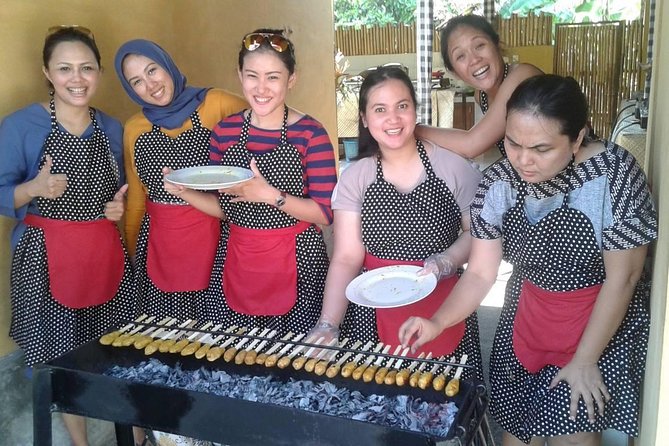
If you want one Ubud activity that connects Balinese cuisine to real everyday life, I’d book this. The combination of market ingredient picking, cooking in an open family kitchen, and cultural moments like coconut oil processing and making an offering is exactly the kind of “day you remember” travel experience that doesn’t disappear after the meal.
Choose the morning class if your top priority is the market and rice-farming views. If you’re more focused on cooking itself and less concerned about the early market pace, a dinner option can still be a good fit. Either way, you’ll leave with recipes you can actually use.
FAQ
FAQ
How long is the Jambangan Bali Cooking Class?
It lasts about 5 hours (approx.).
Is lunch included, and can I choose dinner instead?
Lunch is included. You can choose between a lunch or dinner class.
What does the price include and not include?
The experience includes lunch. Alcohol is not included.
Is the class taught in English?
Yes, the classes are conducted in English by Balinese chefs.
What is the group size limit?
The maximum group size is 15 travelers.
Where do I meet for the cooking class?
The start is at Warung JB Jambangan Bali, Jln kelabang moding no 713, Kelabang Moding No. 713, Tegallalang, Kecamatan Ubud, Kabupaten Gianyar, Bali 80571, Indonesia.
What if the weather is bad?
This experience requires good weather. If it’s canceled due to poor weather, you’ll be offered a different date or a full refund.