REVIEW · MILAN
Learn to Cook Italian Recipes with an Italian Chef
Book on Viator →Operated by Chef and the City · Bookable on Viator
You smell garlic before you even start. This is a hands-on Italian cooking class in Milan where you learn how, when, and why each step works, with Chef Ilaria. You cook three classic courses, using tools you’re provided and getting recipe sheets at the end, so you can actually repeat it at home. One heads-up: the wine is shared, not unlimited.
What I love most is the relaxed, professional pace and the fact that the menu is a surprise until you’re in the kitchen. It’s also built for different skill levels, since you can ask questions while you work. The trade-off is that it’s a shared class (up to 20 people), so the timing and menu examples can shift depending on the group.
In This Review
- Key highlights you’ll feel right away
- Cooking Italian recipes in Milan without the restaurant fuss
- Where you meet the kitchen: Via Laura Ciceri Visconti
- The class flow: snacks, three courses, then your meal
- Starter course: bruschetta, focaccia, parmigiana, and hands-on bread work
- First course: homemade fresh pasta and dumplings
- Dessert time: tiramisù, cantucci, pan meino, and chocolate tortini
- The wine-and-meal ending: you eat what you cooked
- Clean kitchen habits you’ll actually notice
- Group size and how it affects your experience
- What you’re paying for: $82.27 that includes more than instruction
- Who should book this class (and who might not)
- Tips so you get the most out of your night
- Should you book this Italian cooking class in Milan?
- FAQ
- How long is the cooking experience?
- What language is the class offered in?
- Do I get recipes to take home?
- What food will I cook?
- Is wine included?
- Are aprons and cooking tools included?
Key highlights you’ll feel right away
- A menu that stays hidden until class starts
- Hands-on cooking, from scratch, by hand
- Fresh pasta and dumplings techniques in the main course
- Desserts that go beyond tiramisù, with choices like cantucci or pan meino
- Italian wine and spirits with your meal, plus coffee or tea
- Recipes delivered at the end so you can cook again at home
Cooking Italian recipes in Milan without the restaurant fuss
If you’ve ever wished you could order Italian food and also understand how it’s made, this class is a smart fix. In about three hours, you’ll move through a starter, a first course, and dessert—then sit down and eat what you cooked.
The big hook is that you don’t get a rigid script ahead of time. You learn what you’ll cook when you arrive. That keeps the class feeling real, like you’re joining a kitchen rhythm instead of following a generic checklist.
You can also read our reviews of more tours and experiences in Milan.
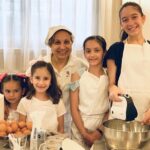
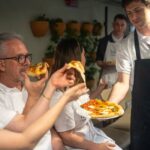
Where you meet the kitchen: Via Laura Ciceri Visconti
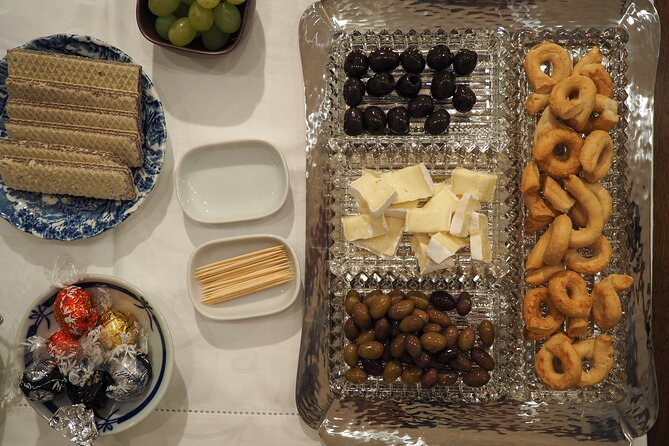
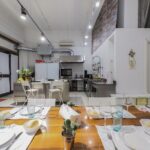
You’ll start at Via Laura Ciceri Visconti, 4, 20137 Milano and return there at the end. The cooking space is street level, with three windows showing the red CHEF AND THE CITY sign.
Look for the sign, then ring the front door bell. The place is near public transportation, so you can plan to arrive without a car. Also note the practical rules: no smoking, and no animals.
One more important detail: you’re forbidden to carry luggage. If you’re coming from train or airport with a bag, sort that out beforehand.
The class flow: snacks, three courses, then your meal
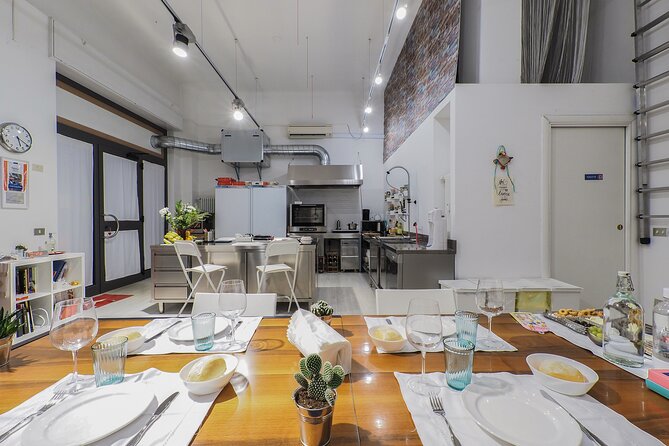
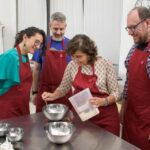
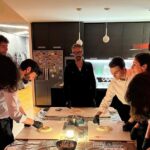
The experience is designed to feel professional and calm, not frantic. You’ll begin with Italian-style welcome snacks and drinks, then get guided preparation steps. The teacher stays close while you cook so you can ask questions and take notes.
The class ends with a dinner-style sit-down where your courses come together. All recipes are delivered at the end, so you’re not stuck trying to remember everything while your hands are floury and busy.
Even if you’re not a confident cook, this structure helps. You’re not just tasting—you’re doing the work, then eating the result.
Starter course: bruschetta, focaccia, parmigiana, and hands-on bread work
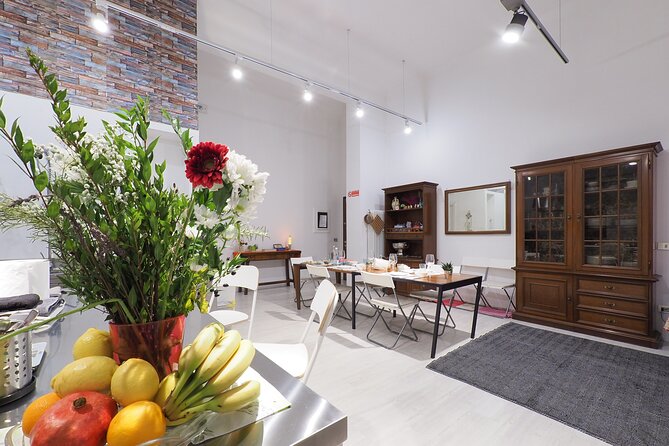
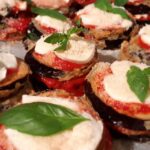
Your starter can include classics like bruschetta, focaccia, parmigiana, and possibly more. The point isn’t to do a fancy version of each dish. It’s to practice the core skills behind Italian comfort food.
Expect everything from scratch and by hand. That means you’re not just assembling toppings. You’re learning how dough, frying or layering, and seasoning choices affect the final bite.
This is also where the class’s teaching style shows. You’ll focus on how, when, and why each step happens. That matters because Italian cooking often depends on small timing cues: resting, thickness, heat level, and salt balance. Once you understand those, you can cook with confidence later.
First course: homemade fresh pasta and dumplings
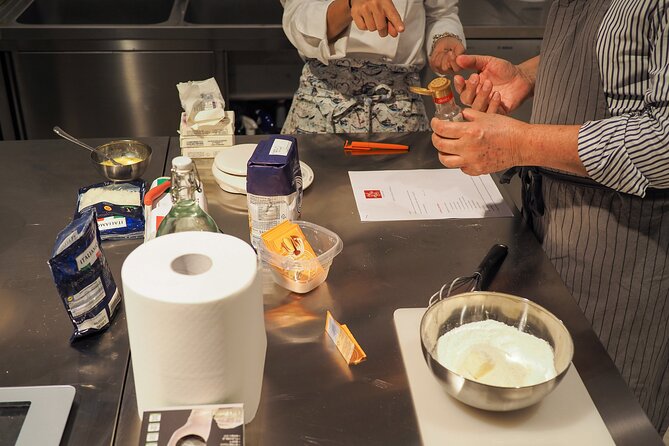
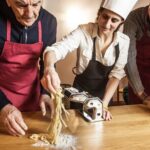
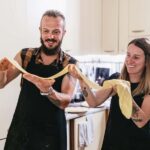
The main course is where the class earns its reputation. You’ll make traditional pasta by hand, such as gnocchi, tagliatelle, ravioli, or other pasta or dumpling options. You’ll also make the dressing together.
Handmade pasta teaches you more than one technique. You learn dough feel, rolling thickness, shaping basics, and how to pair the pasta with a sauce/dressing so it tastes complete.
Many people come to Milan thinking pasta is something you only do once you’re with a chef on vacation. This class flips that idea. By the end, you should be able to repeat at least part of the process at home—especially if you take notes as you go.
If you’re sensitive to heat: one participant suggested adjusting chili flakes for better flavor. If spice is an issue for you, it’s worth mentioning early so the kitchen can steer it your way.

Dessert time: tiramisù, cantucci, pan meino, and chocolate tortini
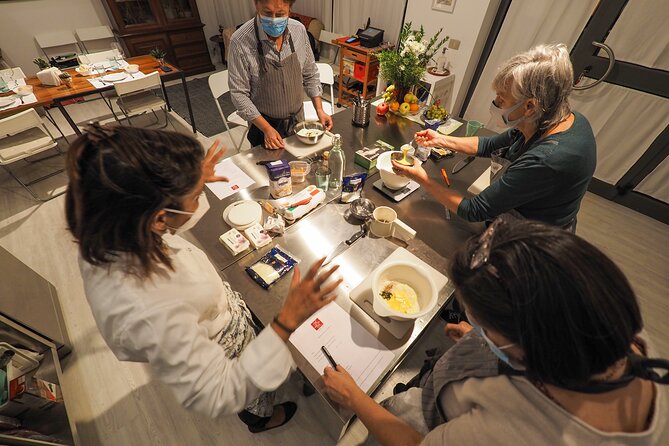
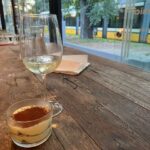
Dessert can be tiramisu, cantucci (Tuscan-style), pan meino (Milanese), or chocolate tortini, depending on what the chef decides in class. The menu flexibility keeps things interesting, but the teaching stays consistent.
This part of the class is valuable because desserts are where many people think they’re “not good at cooking.” In a group class with step-by-step coaching, dessert becomes doable. You’ll practice technique, not just memorize ingredients.
And since you’ll take home the recipes, you can rebuild the dessert later without guessing. That’s the difference between a fun evening and a skill you keep.
The wine-and-meal ending: you eat what you cooked
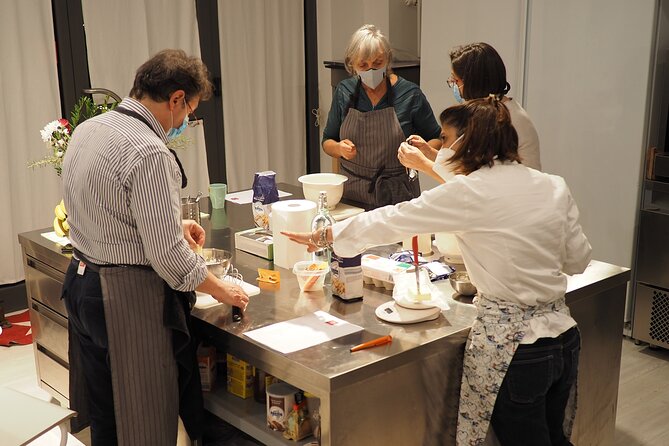
After the cooking, you sit down and eat. The included meal is a key part of the value, because you get to taste the results right away instead of watching it disappear off-camera.
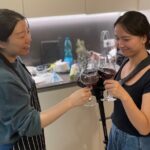
Italian wine and spirits are included as part of the experience. Coffee and/or tea, plus natural and sparkling bottled water, are also provided.
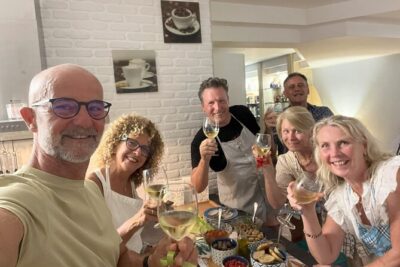
One expectation to manage: the wine is not marketed as unlimited. The kitchen shares wine among small groups (the chef’s clarification says a bottle is shared about every three guests), and anyone who wants more personally can pay extra. During the dinner portion, people often report it feels generous, but it’s best to go in knowing it’s a shared setup.
Clean kitchen habits you’ll actually notice
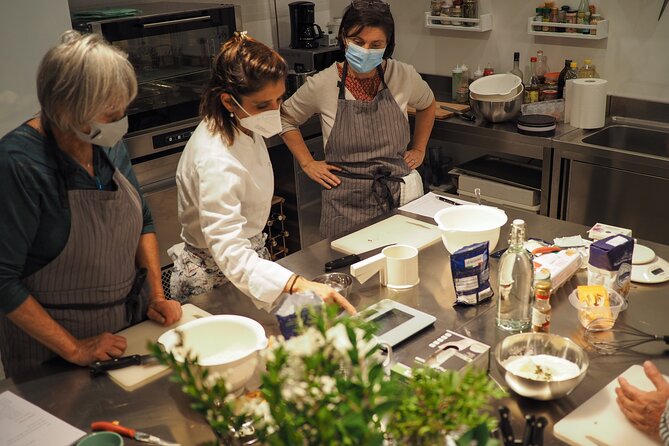
A few details stood out from real experiences: the class emphasizes cleanliness, and the staff helps keep the kitchen workable when everyone is hands-on. That matters because pasta, focaccia, and dessert can get messy fast.
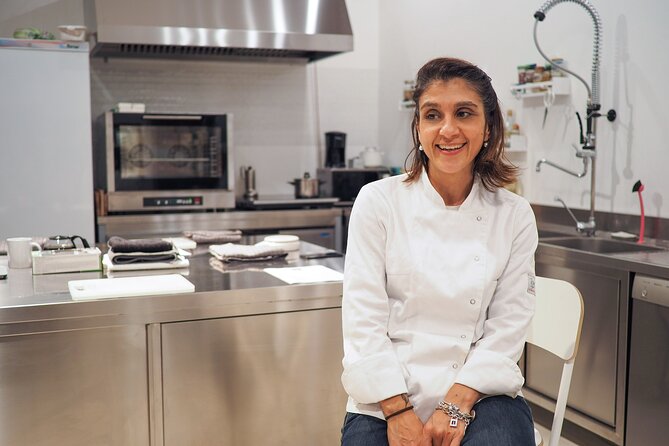
Also, the instructors are described as patient, energetic, and good at keeping the class moving. Chef Ilaria in particular is repeatedly praised for being warm and engaging, and for maintaining a positive learning vibe even with a room full of different skill levels.
Group size and how it affects your experience
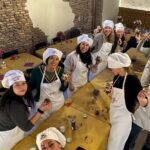
The class caps at 20 travelers, but the feeling can vary depending on how many people show up. Some groups have been described as small and intimate, which is when you get more time with the chef and more direct feedback.
Because it’s a shared class, you’re cooking alongside others and collaborating on tasks. That can be a fun social way to do it in Milan, but it also means you’ll be adjusting to the group pace. If you want a strictly quiet, solo experience, this likely won’t be your style.
What you’re paying for: $82.27 that includes more than instruction
At $82.27 per person for around three hours, the value is strongest when you look at what’s included:
- Cooking course tools and an apron
- Lunch and dinner (the experience includes a full meal built from what you cook)
- Italian welcome snacks
- Italian wine and spirits
- Coffee and/or tea
- Bottled water
That’s a big bundle for a short time. You’re not just learning technique; you’re eating a three-course meal and leaving with recipe instructions.
What’s not included is simple: private transportation and luggage storage. Since luggage is forbidden, don’t plan to rely on storage.
If you’re budgeting for Milan, this class can also replace one restaurant dinner and one “activity fee” in your day. You still get a real meal, not just tasting bites.
Who should book this class (and who might not)
This is a great fit if you want:
- A practical skill: pasta and dessert techniques you can repeat
- A group experience with structure but no pressure
- A surprise menu that feels more like local cooking than a staged demo
- An English-friendly class where you can ask questions while working
You might consider skipping it if:
- You’re expecting unlimited wine throughout the full class (it’s shared)
- You only care about restaurant-level flavors and don’t want to work for the results
- You dislike shared kitchens where timing and space are managed for a group
Tips so you get the most out of your night
Here are a few things that can make the experience smoother from start to finish:
- Wear comfortable shoes. You’ll be standing and moving while cooking.
- Take notes early, especially on dough feel, resting time, and heat. The class teaches how and why, but your notes help you remember the logic.
- If you have dietary needs, ask in advance. One experience described gluten allergy accommodation as possible, which suggests the kitchen can work with at least some restrictions.
- If spice matters to you, say so early. Small adjustments can change the whole flavor balance in Italian cooking.
Finally: don’t treat this like a restaurant. Treat it like a workshop. You’ll get more satisfaction because you’ll understand what you’re eating.
Should you book this Italian cooking class in Milan?
If you want a fun, high-value Milan activity that actually teaches you something, I think this class is a strong choice. The best part is the blend: you cook a real starter, a real first course, and a real dessert, then you eat it with Italian wine and take-home recipes.
Book it especially if you’re a casual cook who wants structured guidance, or if you’re traveling with food lovers and want a shared experience beyond museums and shopping. Just go in with the right expectations on wine being shared, and you’ll leave with both a full stomach and a kitchen skill you can use again.
If you tell me your cooking level (new, intermediate, strong) and when you’re going in Milan, I can help you decide what time slot makes the most sense and what dishes to hope for from the menu style.
FAQ
How long is the cooking experience?
The experience lasts about 3 hours.
What language is the class offered in?
It’s offered in English.
Do I get recipes to take home?
Yes. All recipes are delivered at the end of the experience.
What food will I cook?
You’ll prepare three typical Italian dishes: a starter, a first course (like fresh pasta or dumplings), and a dessert. The exact menu is not revealed until you arrive.
Is wine included?
Yes. Alcoholic beverages including Italian wines and spirits are included. The wine is shared (the chef clarified it’s a bottle every three guests) and more can be provided for an extra charge.
Are aprons and cooking tools included?
Yes. You’ll be equipped with an apron, and all cooking tools are included.