REVIEW · MILAN
Milan: Pasta and Tiramisu Small Group Cooking Class with Wine
Book on Viator →Operated by The Roman Food Tour - Food Tour Rome · Bookable on Viator
It starts with a drink and ends with tiramisu. This small-group cooking class in central Milan mixes hands-on pasta making with a guided tiramisu session, then finishes with a shared meal and wine. You’ll start right inside the restaurant with a Prosecco welcome, then head behind the scenes to see how an Italian kitchen runs day to day.
What I like most is the real teaching focus: you get step-by-step coaching on pasta dough (including what flour to use) and the practical difference between pasta fresca and pasta secca. Then you move straight into tiramisu, with clear instructions so you’re not just following steps—you’re learning how to build something that tastes right.
One thing to keep in mind: because the class happens in a working restaurant, the flow can be a little slower at busy times, and some people report that the final pasta you eat may be assembled with parts from more than one plate. If you’re sensitive to long waits, plan for a relaxed pace.
In This Review
- Key things to know before you go
- A central Milan cooking class you can actually fit in
- Who this works best for
- Welcome Prosecco and the restaurant-behind-the-scenes moment
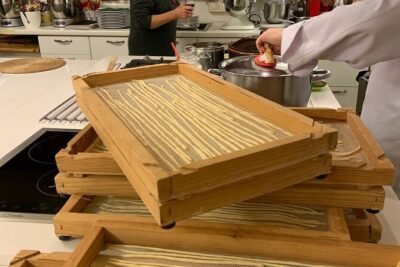
- Fresh pasta basics: flour choice, pasta fresca, and dough technique
- Expect real participation (with some chef support)
- What you’ll make: fettuccine and ravioli flavors you can replicate
- A practical tip for your at-home shopping
- Tiramisu teaching that turns into dessert you can repeat
- Lunch or dinner with wine: eating together like it’s part of the lesson
- One fair warning about pacing
- Group size and instructors: why small teams make the difference
- Price and value: is $83.44 worth it?
- How to make the most of your 3 hours in Milan
- Should you book this Milan pasta and tiramisu class?
- FAQ
- How long is the Milan pasta and tiramisu cooking class?
- What’s included in the price?
- How many people are in the group?
- Is the class offered in English?
- Is the meeting spot easy to reach with public transport?
- Can I cancel for a full refund?
Key things to know before you go
- Capped at 12 people so the chef can actually talk to you while you’re rolling dough.
- Prosecco welcome right at arrival, before you even step into the kitchen.
- Fresh pasta fundamentals with guidance on flour choice and pasta fresca vs secca.
- Tiramisu lesson focused on making it the correct way, not just assembling ingredients.
- Lunch/dinner plus wine included, so you get to eat what you made (and not just snack).
- English-speaking instruction with instructors praised by name, including Francesco, Alba, Memmo, Mimo, Dimitri, and Frederico.
A central Milan cooking class you can actually fit in
Milan can be efficient in a way that feels slightly rude—museums, shopping streets, schedules. This class is appealing because it’s three hours and centered in a convenient restaurant location, so you’re not spending half a day in transit just to learn a skill.
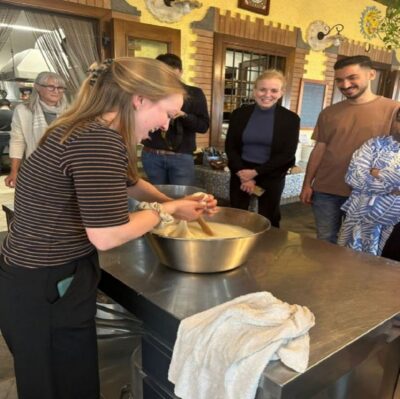
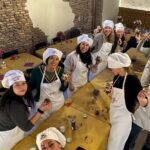
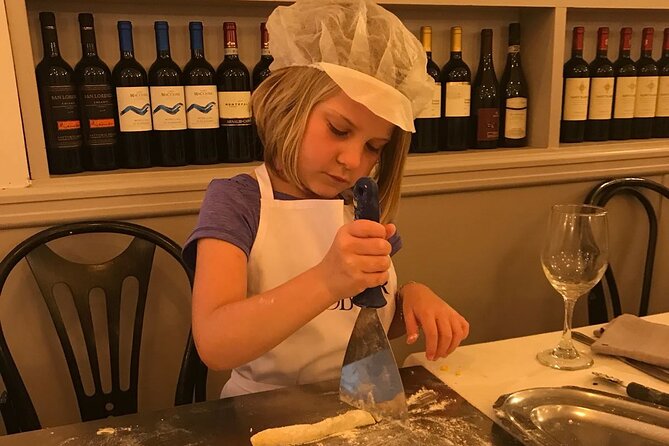
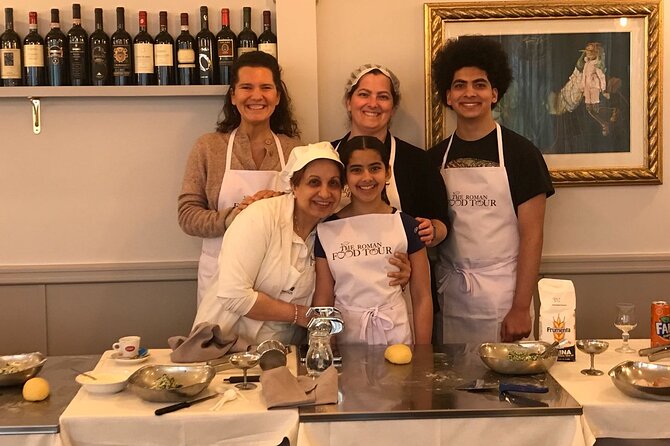
You’ll also enjoy that it’s not a giant show. The class is limited to 12 travelers, and that small number matters when you’re learning something tactile like pasta dough. You can ask questions, the teacher can correct your technique, and you don’t end up standing on the edge of the kitchen while others do the work.
And yes, it’s food-first. You’re learning how to make fresh pasta and tiramisu, then sitting down to eat. It’s a rare combo in Italy where the lesson and the meal feel linked instead of separate events.
You can also read our reviews of more tours and experiences in Milan.
Who this works best for
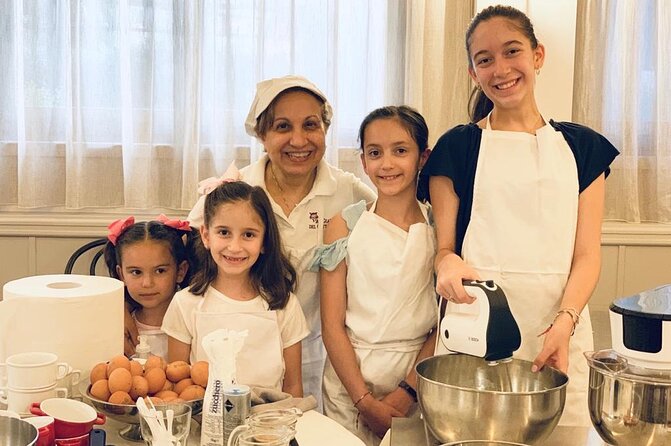
This fits families, couples, and solo travelers of all ages. If you’re traveling with kids, it’s particularly useful because it’s active—rolling, cutting, mixing—rather than a lecture. If you’re a couple, it’s a fun date-night structure that ends with wine and dessert. And if you’re solo, small group size makes it easier to meet people without being stuck in a forced group activity for hours.
Welcome Prosecco and the restaurant-behind-the-scenes moment
Your experience begins at a meeting point inside the restaurant. First you’ll get a welcome glass of Prosecco, then you’ll step behind the scenes to get a quick look at how the place operates. That part is more than a warm-up—it sets expectations for the whole night.
A real restaurant has prep work happening at the same time as service. In a working kitchen, you’ll see why timing matters, why some steps get handled by professionals, and why the kitchen runs on rhythm. That context helps you understand the pacing later when you’re learning. It also makes the whole thing feel less like a studio class and more like you’re visiting a real Italian operation.
This is also where you’ll likely get your first sense of the vibe. Many sessions are led by hosts and chefs known for being friendly and funny, and people often mention that the English is clear and easy to follow.
Fresh pasta basics: flour choice, pasta fresca, and dough technique
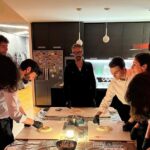
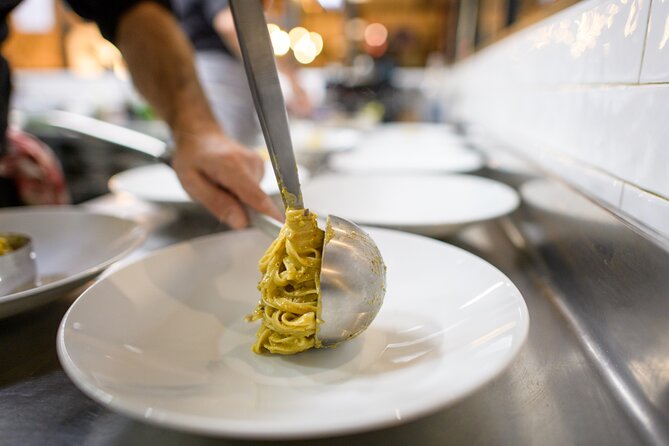
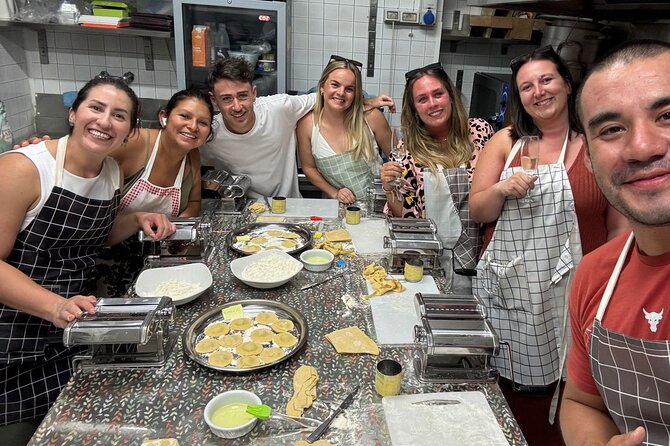
The core lesson is hands-on fresh pasta. After you arrive and get oriented, you’ll tie on an apron and head into the kitchen to work from your workstation.
You’ll learn the secrets that actually matter at home:
- how to prepare pasta dough correctly
- what type of flour to use
- and the difference between pasta fresca and pasta secca
That last part is practical. If you’ve only ever bought dried pasta, fresh pasta behaves differently in taste and texture. Understanding that difference helps you decide what to make at home and why it might not act the same way as store-bought pasta.
Expect real participation (with some chef support)
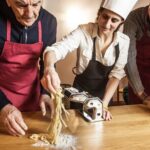
Most people should expect to actively make dough—rolling it out, shaping it, and learning technique as you go. Still, because this is a restaurant setting, a chef may also help with certain steps when needed. In some classes, people specifically mention making their own dough and cutting noodles; in other cases, they note that the restaurant team handles a few elements so everything comes out right for service.
Either way, you’ll leave with the method, not just a plate.
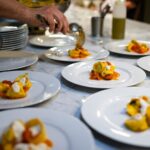

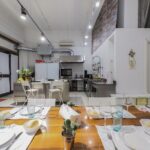
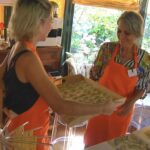
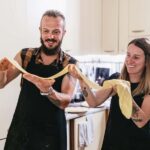
What you’ll make: fettuccine and ravioli flavors you can replicate
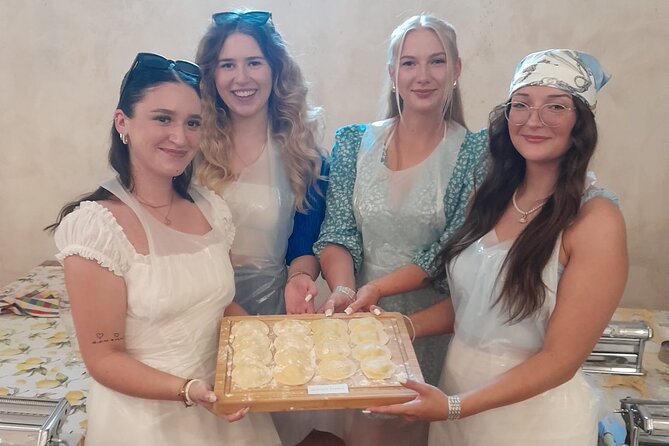
The class menu is built around Italian staples you can recreate later. You’ll sample dishes such as:
- fettuccine with tomato sauce
- ravioli filled with ricotta and spinach, served with butter and sage
You’ll also see Prosecco, red wine, white wine, and non-alcoholic beverages mentioned as part of the meal flow. So the food lesson isn’t isolated from the cultural part of the meal. It’s pasta-and-drinks together, in the way Italians actually live it.
One of the best values here is that you’re not learning one tiny skill. You’re working through dough, then you’re tasting finished pasta dishes that match what you practiced.
A practical tip for your at-home shopping
When you’re buying ingredients after the class, focus on flour that works for fresh pasta dough and choose fillings you can source easily. Ricotta and spinach are common, and that’s intentional. This is a lesson that aims for you to make it again without hunting for rare stuff.
Tiramisu teaching that turns into dessert you can repeat
After the pasta work, you’ll shift into tiramisu. This is where the class often feels most satisfying. Pasta can be intimidating the first time; tiramisu is comforting because it’s familiar. The trick is doing it right—texture, layering, and assembling so it tastes balanced instead of sloppy.
The class provides step-by-step guidance, so you learn how to put the dessert together in a way that holds up. And because you’re making it during the experience, you’ll understand what each step is for—not just what to do next.
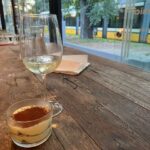
You’ll also get to eat your tiramisu at the end. Several people specifically highlight that the dessert tastes excellent, and that the instructors explain the technique in a way that actually sticks.
Lunch or dinner with wine: eating together like it’s part of the lesson
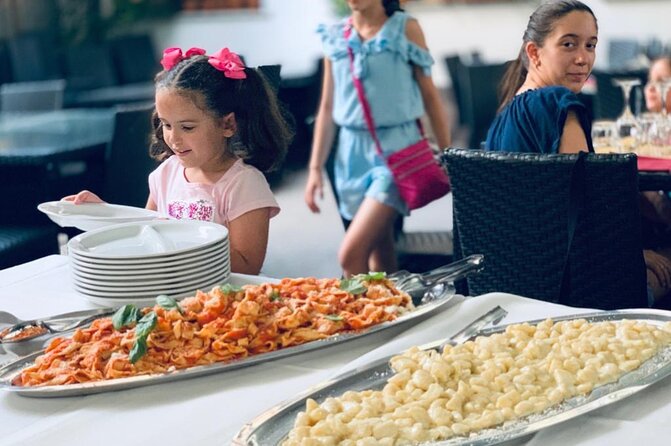
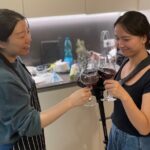
At the end, everyone sits down together for lunch or dinner (depending on your session) and you sip wine that pairs with the meal. Prosecco is the welcome drink, and wine shows up again during the shared meal. Non-alcoholic drinks are also available, so you can still enjoy the pacing without alcohol.
This part matters more than it sounds. You’re not just cleaning up; you’re reinforcing what you learned by tasting the finished result. When you eat immediately after making something, your brain locks in the cause-and-effect: the dough feel, the sauce balance, the dessert texture.
One fair warning about pacing
A small number of people report slow service at the restaurant level, especially when other diners are also present. That can happen in a busy central location. If you want a perfectly tight timeline, go in with a relaxed mindset. The experience is built more around enjoying the meal and learning than sprinting through a script.
Group size and instructors: why small teams make the difference
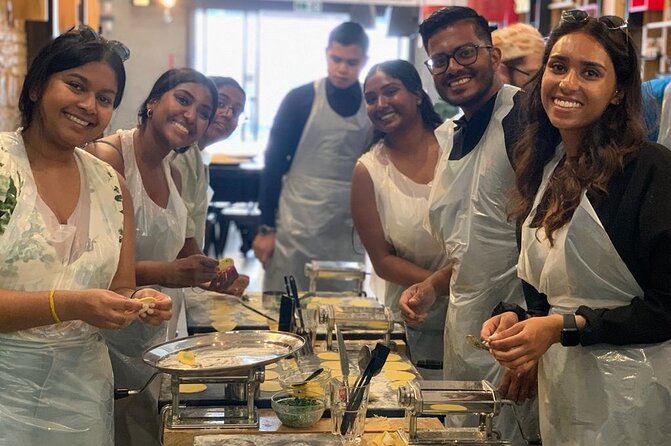
This is a small-group class with a maximum of 12 people, and that number keeps it personal. In reviews, instructors get praised by name for being patient, helpful, and clear—people mention teachers and hosts like Francesco, Alba, Memmo, Mimo, Dimitri, and Frederico/Frederico.
Even when the class gets fun and chatty (and many mention laughs and a friendly atmosphere), it still has structure:
- you get coached step-by-step
- you work at your own workstation
- you sit down as a group to eat the results
If you’ve been disappointed by tours where your role is mostly watching, this class tends to feel better because your hands stay busy the whole time.
Price and value: is $83.44 worth it?
At $83.44 per person, the value is strongest when you count what’s included.
You’re getting:
- instruction for fresh pasta and tiramisu
- the included meal (pasta and tiramisu)
- wine plus soft drinks/non-alcoholic options
- the convenience of a central Milan restaurant setting for a roughly 3-hour experience
- a small-group format
Most cooking classes that teach plus feed plus drink land in a similar range, but what makes this one especially reasonable is the small size and the fact you’re learning two different techniques—pasta dough and tiramisu—rather than a single dish. If you love Italian food, this is a practical way to turn your trip into a skill you can use at home.
If you’re budget-tight, compare against what you’d spend on dinner plus cooking-style workshops elsewhere. Here, the meal and wine aren’t an extra add-on; they’re part of the package.
How to make the most of your 3 hours in Milan
This is a hands-on class, so treat it like an active workshop. Practical moves:
- wear comfortable clothes you can move in
- expect a few minutes of standing and kitchen motion
- don’t be afraid to ask clarifying questions about flour and dough texture
Also, pay attention to the why behind the instructions. The flour choice and the pasta fresca vs secca difference are the kind of details that help you avoid common at-home failures. Most of the frustration people feel after a pasta class comes from skipping those fundamentals.
And if you’re traveling with family, it helps to go in knowing the experience is designed for mixed ages. It’s not only for culinary pros.
Should you book this Milan pasta and tiramisu class?
Book it if you want a small-group food experience in central Milan where you learn fresh pasta fundamentals and make tiramisu with clear guidance, then eat a full meal with wine right after. It’s a great fit for couples, families with kids, and solo travelers who want something active and social without being overwhelming.
Skip—or at least go in with eyes open—if you’re extremely picky about service speed or you expect to eat every exact portion you personally shaped with no sharing or restaurant assembly. Because it’s a working restaurant, pacing can vary, and the final serving can be handled in a way that keeps everything flowing.
FAQ
How long is the Milan pasta and tiramisu cooking class?
The class runs for about 3 hours.
What’s included in the price?
The price includes lunch of pasta and tiramisu, plus wine and soft drinks. Tips are not included.
How many people are in the group?
The experience is limited to a maximum of 12 travelers.
Is the class offered in English?
Yes, the class is offered in English.
Is the meeting spot easy to reach with public transport?
The tour/activity notes that it is near public transportation, and the restaurant location is in central Milan.
Can I cancel for a full refund?
You can cancel up to 24 hours in advance for a full refund. If you cancel less than 24 hours before the start time, the amount paid won’t be refunded.