REVIEW · MILAN
Milan: Italian Cooking Class with Food and Wine
Book on GetYourGuide →Operated by CHEF AND THE CITY · Bookable on GetYourGuide
Fresh pasta starts with a warm lesson. In Milan, this hands-on workshop turns an evening into a real meal: you cook, you sit down together, and you leave with recipes you can repeat.
I especially like the fresh pasta from scratch focus, with technique you can use again (tagliatelle, gnocchi, ravioli-style shapes, plus sauces). I also love the wine + group meal part, because it makes the 3 hours feel like food first, not just instruction.
One consideration: it runs like a professional cooking lab. You follow rules such as no drinks or food while cooking and no large bags, so plan to travel light and listen to the kitchen workflow.
In This Review
- Key things that make this Milan cooking class worth it
- Why This Milan Class Feels Like a Real Meal (Not a Demo)
- Chef and the City: Easy to Find, Street-Level and Simple
- The 3-Hour Flow: Snacks, Three Dishes, Then Wine at the Table
- Fresh Pasta Skills You’ll Actually Use at Home
- Sauce Lessons: Cacio e Pepe, Ragu’, and Waste-Not Timing
- Bread, Bruschetta, and Other Italian Comforts Along the Way
- The Meal Part: Wine, Conversation, and Sitting Down at the Right Time
- Rules in the Kitchen: Plan for a Workshop, Not a Casual Hangout
- Languages, Group Size, and the Feel of the Room
- Price and Value: What $80 Buys You in Milan
- Who Should Book This Class (and Who Should Skip It)
- Should You Book This Milan Italian Cooking Class?
- FAQ
- How long is the cooking class in Milan?
- What is included in the $80 per person price?
- Do I get recipes to take home?
- What languages are the instructors using?
- Where do I meet the chef?
- Is wine included?
- Is this class suitable for children or people with mobility impairments?
Key things that make this Milan cooking class worth it
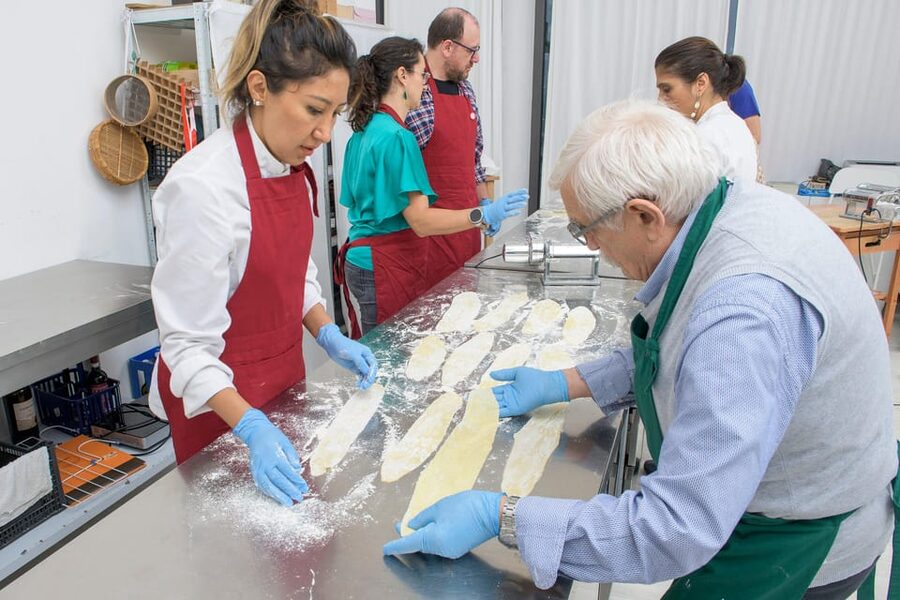
- Your own work desk: You cook at your station, not from a seat watching someone else.
- Three-dish rhythm: Antipasti snacks while you prep, then the main dishes, then dessert or sweets.
- Chef-led technique: You learn the why behind methods, from pasta shaping to sauce timing.
- Wine included with the meal: The tasting happens when you eat together, not during prep.
- Recipes to take home: You get the full set so you can recreate the dishes later.
- Small-group energy: Many classes are described as personal and social, great for solo travelers.
Why This Milan Class Feels Like a Real Meal (Not a Demo)
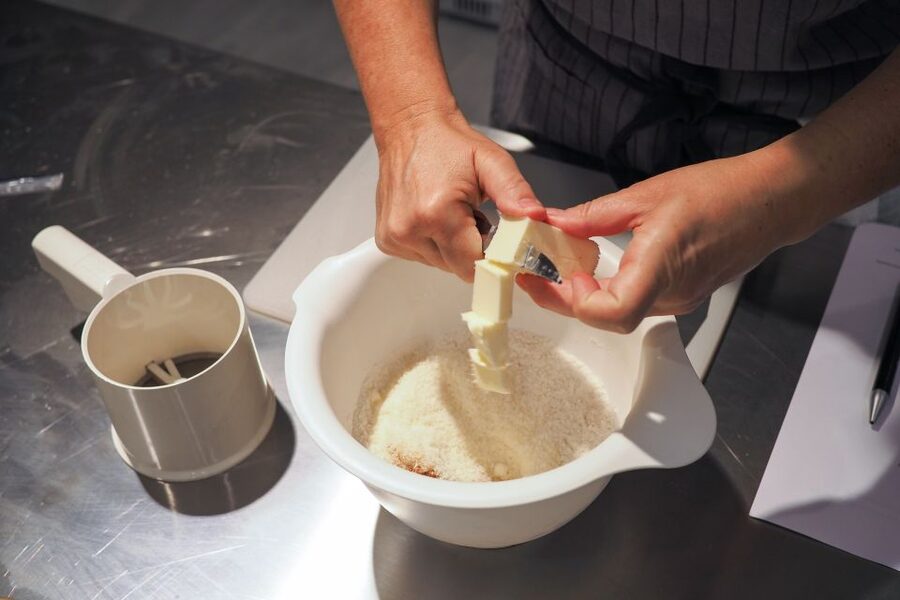
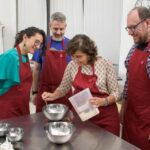
This class works because it treats cooking like something you do with your hands, not something you watch while taking notes. In a few hours, you move from prep to plating, and the payoff is immediate: you eat what you made, with wine.
You also get a strong sense of Italian logic. Fresh pasta isn’t just a novelty. It’s a base you can learn once and reuse. The same is true for sauces. Even when the class mentions different options (cacio e pepe, ragu’, and other favorites), the goal stays practical: help you understand texture, timing, and how things come together.
Another thing I appreciate is the emphasis on healthy, low-waste cooking. That shows up in the way snacks and ingredients are handled and in the hands-on plan that keeps momentum going without turning the evening into a wasteful kitchen marathon.
You can also read our reviews of more tours and experiences in Milan.
Chef and the City: Easy to Find, Street-Level and Simple
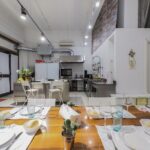
The meeting point is a street-level shop called Chef and the City, with three big windows and three red signs on top. When you arrive, you ring the bell at the main window door.
If you’re walking through Milan, this is the type of location that feels easy. No complicated transit. No hidden floors. Just show up, ring the bell, and you’re in the kitchen workflow fast.
The 3-Hour Flow: Snacks, Three Dishes, Then Wine at the Table
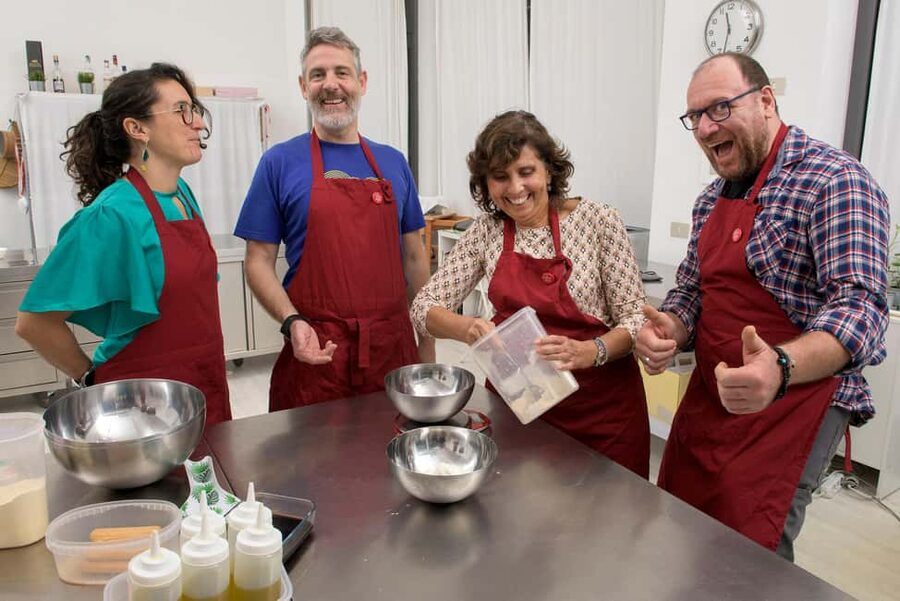
The timing is part of the appeal. For 3 hours, you get a full arc: light snacks during prep, then cooking your main dishes, then a sweet finish, and finally sitting down to eat everything together.
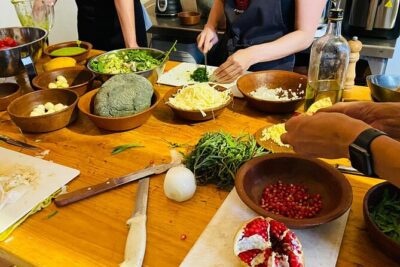
Before you start serious work, there are light snacks such as cheese, dry tomatoes, mortadella, and olives. You might also see sweets like cookies, biscuits, and candies along with coffee, tea, and water.
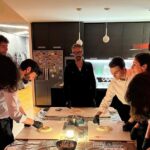
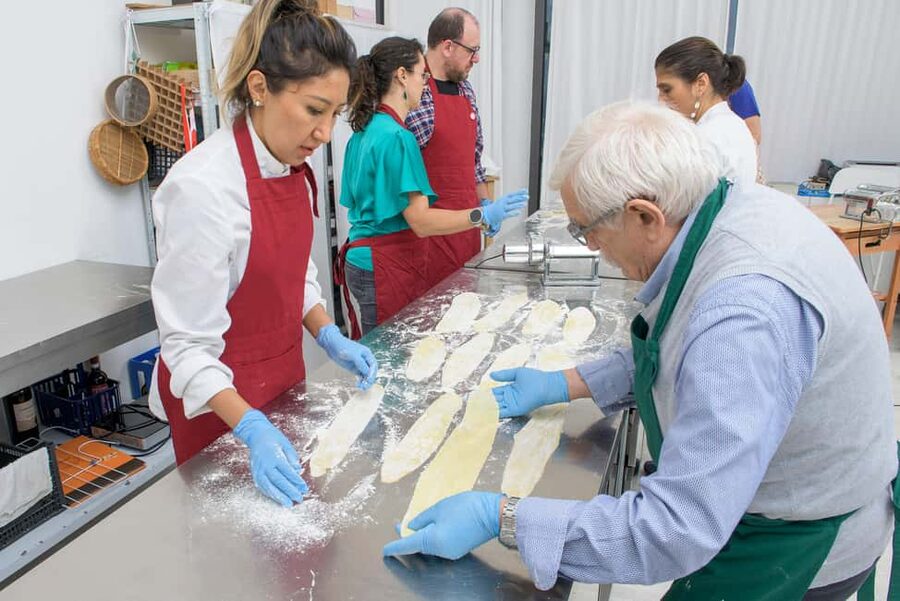
Then comes the core part: cooking three traditional dishes, supervised by the chef. The class is described as making fresh pasta from scratch and pairing it with sauces. Depending on the session, that could mean working with pasta shapes like tagliatelle, gnocchi, and ravioli, plus components like focaccia or bruschetta.
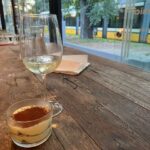
Dessert is usually built into the lesson too. You may make tiramisù, or other Italian sweets mentioned by past participants, including biscotti/cantucci and even apple strudel in some sessions.
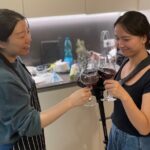
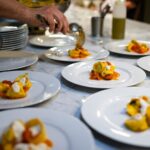
Finally, you sit down as a group and eat your creations. This is when wine enters the picture—time to chat, relax, and enjoy what you cooked.
Fresh Pasta Skills You’ll Actually Use at Home
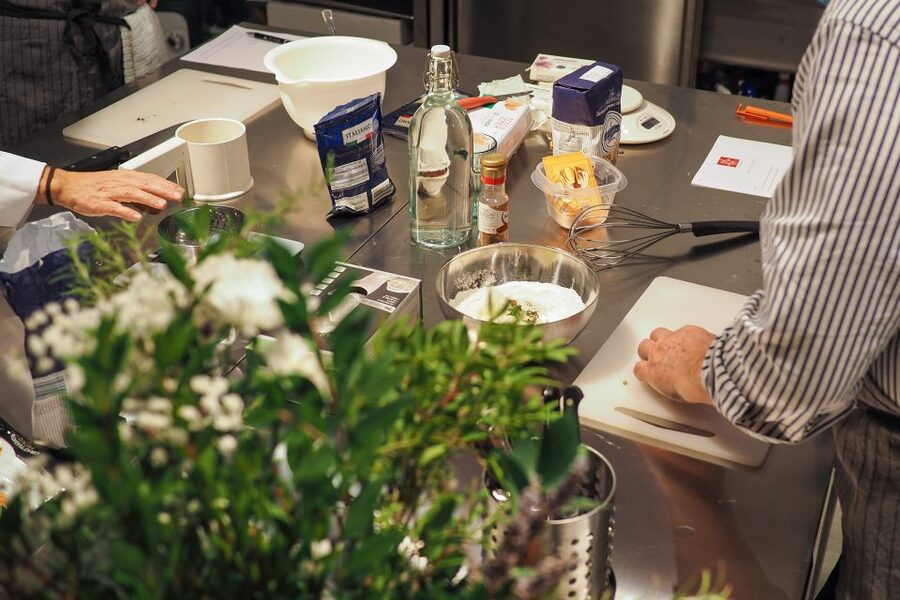
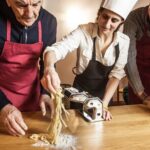
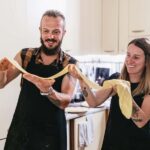
The headline skill is fresh pasta from scratch. You’ll work with dough, learn how to shape it, and practice handling it without stressing out every step.
The workshop highlights common pasta formats such as tagliatelle, gnocchi, and ravioli. Even if you don’t perfect every fold on your first try, you learn the mechanics that matter: dough texture, how to manage flour and stickiness, and what the finished pasta should look like.
One reason this matters for value is that pasta technique is where most people get stuck. At home, it’s easy to buy pasta and harder to confidently make it yourself. Here, you get a guided rep. You also get the reality check that makes you better: the chef can correct details as you go.
In past sessions, instructors also shared little culture-and-technique points. For example, there are reminders about classic approaches to dishes like carbonara (not using cream) and the idea that you can adjust flavors at home but still respect the dish’s identity.
Sauce Lessons: Cacio e Pepe, Ragu’, and Waste-Not Timing
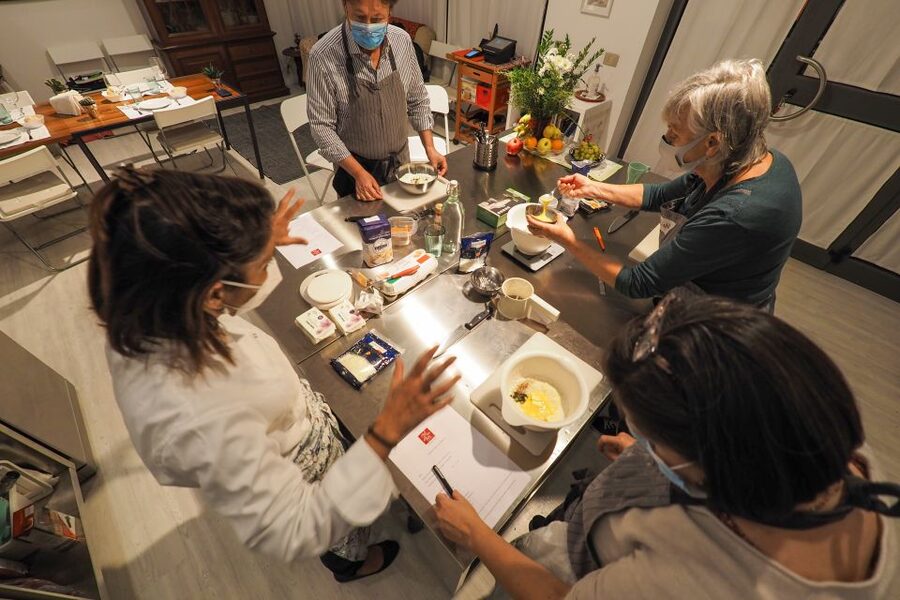
Pasta alone doesn’t make the meal. This is why the class pairs pasta with sauces and teaches the work behind them, not just the final spoonful.
The cooking description calls out cacio e pepe sauce and ragu’ sauce among the options. These are great choices for learning because they teach you how to build flavor with restraint and timing—how to bring a sauce together so it clings properly and tastes balanced.
You’ll likely notice that the workshop leans toward practical pacing. You get enough time to work the hands-on parts (dough, shaping, assembling components), while the overall plan keeps everything moving within the 3-hour limit. In some sessions, sauces may be partially prepared to keep the group on schedule, but you still get the technique and recipe guidance so you’re not stuck at home guessing.
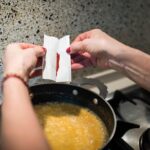
The class also frames this as no-waste and healthier cooking. That usually means smarter ingredient use and fewer throwaway steps. Instead of treating the kitchen like a lab experiment where everything has to fail before something works, you learn methods that are repeatable and efficient.

Bread, Bruschetta, and Other Italian Comforts Along the Way
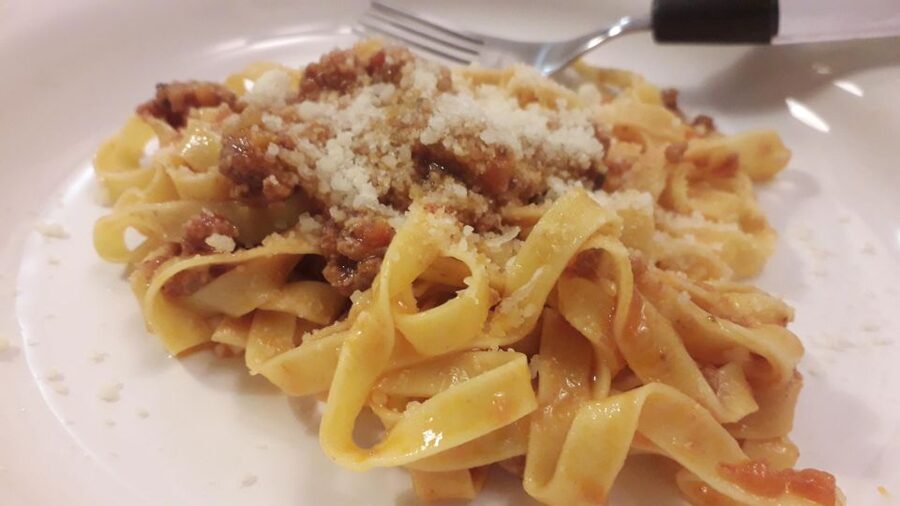
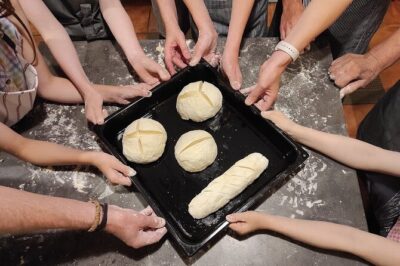
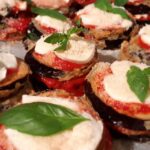
Not every part of the lesson is pasta dough. The workshop listing includes options such as focaccia and bruschetta, plus other traditional dishes like eggplant parmigiana.
Why that matters: Italian cooking is more than one trick. If you leave only knowing how to roll pasta, you’ll still feel limited when you try to host dinner. Learning at least one non-pasta element (like a bruschetta-style starter) gives you more ways to build a meal at home.
From the way sessions are described, you’ll likely work on a starter component such as bruschetta. You might also see focaccia as part of the menu. The point is the same: you get an Italian entry point that feels doable, not a project only meant for restaurants.
The Meal Part: Wine, Conversation, and Sitting Down at the Right Time
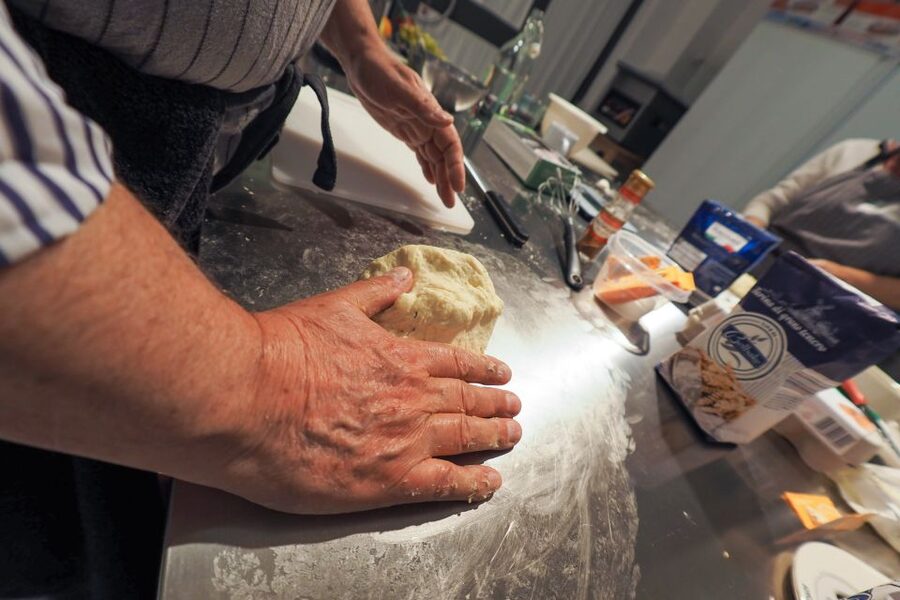
This class understands a simple truth: food tastes better after you’ve made it.
After cooking, you eat together in the dining room. Wine is included, and in past sessions it’s described as a helpful amount—people note both red and white options. It’s not a background detail. It’s part of the experience arc, because tasting happens when the meal is ready.
Along with the dinner, coffee and tea are part of the setup earlier when sweets are served. So even if you don’t drink wine, you still get the “Italian night” vibe: coffee after dessert, slow conversation, and the satisfaction of having made the whole spread.
One more small practical win: the kitchen rules help keep things moving. There’s no random wandering around during cooking. You concentrate, you learn, and then you relax.
Rules in the Kitchen: Plan for a Workshop, Not a Casual Hangout
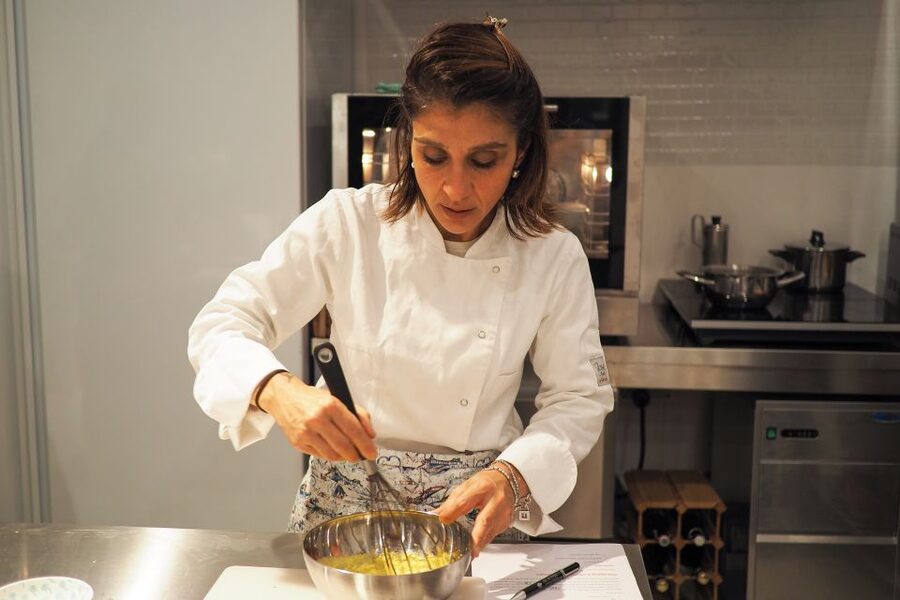
This is a professional lab, so read the rules like you’re signing up for a mini apprenticeship.
You’ll be asked to follow kitchen instructions such as:
- no drinks or food while you cook
- no tasting while you cook
- tie up long hair
- follow lab hygiene and kitchen workflow
They also note restrictions around luggage and large bags. Pets are not allowed, and smoking is excluded.
If you’re the type who likes to snack while you work, you’ll need to shift your mindset for this one. The payoff is that tasting comes with the meal at the end.
Languages, Group Size, and the Feel of the Room
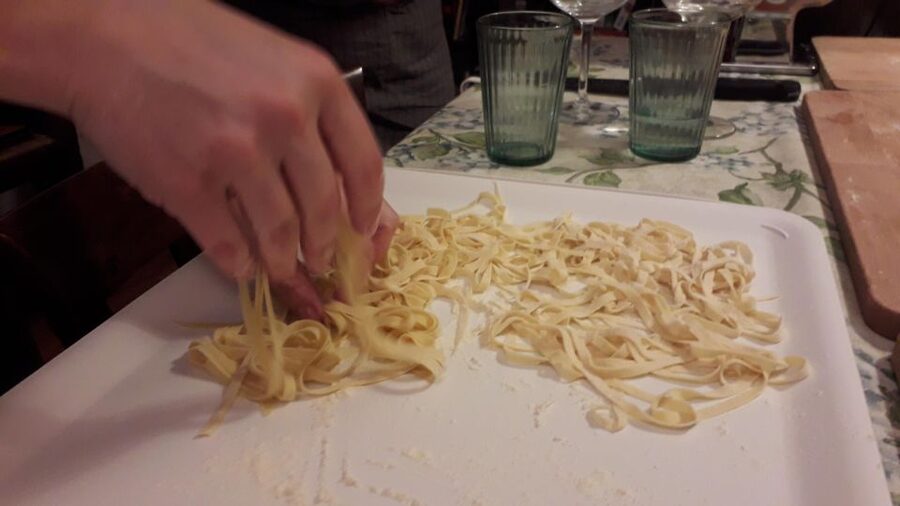
Most sessions run with Italian and English support. From experience shared by past participants, instruction is clear and the chef keeps things interactive.
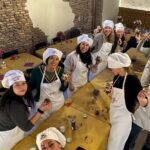
Group size is often described as small and personal. Some classes are mentioned as having only two people, while others are more like a friendly mix of different backgrounds. That small size tends to mean more chances to ask questions and get corrections.
If you travel solo, this is one of those activities where you’re not stuck awkwardly waiting to be “added” to someone else’s plan. You cook, you talk, you eat.
If you’re used to hands-on cooking classes, you’ll feel at home. If you’re brand new, you’ll still be fine as long as you follow directions closely—this kind of pasta class rewards attention to the basics.
Price and Value: What $80 Buys You in Milan
At $80 per person for 3 hours, you’re paying for more than ingredients. You’re buying:
- instructor time and technique coaching
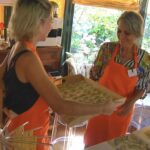
- cooking tools, gloves, and aprons
- food and beverages (including wine)
- the practical benefit of recipes you can recreate later
If you’ve ever tried to learn pasta at home, you know the hidden costs are real: flour experiments, broken batches, and equipment doubts. Here, the lesson is structured so you can focus on learning the method, then take the recipe set home without guessing.
Is it cheap? Not exactly. But it’s priced like a professional workshop with a real meal at the end. For many people, that makes it a fair deal in a city where food experiences can run high.
Who Should Book This Class (and Who Should Skip It)
I’d point you here if you want an authentic Milan food experience you can actually repeat. This is especially good if you:
- want hands-on fresh pasta technique
- like learning sauce logic, not just assembling plates
- enjoy social evenings with wine and a group meal
- care about leaving with take-home recipes
I’d think twice if you need step-free access. The class is described as not wheelchair accessible, and it also notes it’s not suitable for people with mobility impairments. It also isn’t for children under 10.
If you’re traveling with large luggage, also plan ahead. Large bags and luggage storage aren’t part of the setup.
Should You Book This Milan Italian Cooking Class?
Yes, if you want a guided, practical pasta-and-sauce lesson paired with a real sit-down meal. The mix of hands-on cooking, wine, and take-home recipes makes this one of the more useful cooking classes in Milan—useful in the sense that you’ll bring the skills home, not just the photos.
If you hate kitchen rules, don’t travel light, or need full accessibility support, you might feel frustrated. But for the majority of visitors, this is exactly the kind of evening that turns Milan from sightseeing into taste.
If you can, book a time that fits your dinner plans so you’re not rushed afterward. Then show up ready to cook. The best part is how quickly the work becomes the meal.
FAQ
How long is the cooking class in Milan?
The class lasts 3 hours.
What is included in the $80 per person price?
Food, beverage, cooking tools, gloves, aprons, and wine are included.
Do I get recipes to take home?
Yes. You receive a copy of all recipes so you can make the dishes at home.
What languages are the instructors using?
The host or greeter provides Italian and English.
Where do I meet the chef?
Meet at Chef and the City, a street-level shop with three big windows and red signage. Ring the bell at the main window door.
Is wine included?
Wine is included as part of the class beverages.
Is this class suitable for children or people with mobility impairments?
It’s not suitable for children under 10. It is not wheelchair accessible, and it’s noted as not suitable for people with mobility impairments.