REVIEW · MARRAKESH
Marrakech: Moroccan Cooking Workshop at La Maison Arabe
Book on GetYourGuide →Operated by La Maison Arabe Marrakech · Bookable on GetYourGuide
Cooking in Marrakech with a clean kitchen? That’s the twist. This Moroccan cooking workshop at La Maison Arabe gets you past the usual medina chaos and into a well-run space where you chop, stir, and learn the logic behind the flavors. You’ll choose a 1-hour express class or a longer 3-hour session, with a tea ceremony, flatbread making, and a meal at the end.
What I like most is the practical setup: you get your own station, the prep areas are spotless, and the instruction stays hands-on rather than just watching from the side. Guides such as Chef Hayat and Mohammed (with translation support in Arabic, English, or French) help turn a spice-heavy recipe into steps you can repeat at home.
One thing to keep in mind: at $35, this is pricier than casual cooking demos. If your goal is mostly photos and a quick taste, you may feel the cost more than if you want real technique and a full meal.
In This Review
- Key Highlights You’ll Care About
- La Maison Arabe: Where Marrakech Cooking Gets Real and Organized
- Picking 1 Hour vs 3 Hours: What Changes in the Workshop
- From Ingredients to Tajine: The Hands-On Cooking Flow
- Tea Ceremony and Flatbread Making: Skills You Can Actually Use
- Eating the Results: The Best Part, Plus a Little Surprise
- Price and Value at $35: What You’re Really Paying For
- Who Should Book This Moroccan Cooking Workshop
- Practical Tips so You Get the Most Out of Your Class
- Should You Book La Maison Arabe’s Moroccan Cooking Workshop?
- FAQ
- How long is the Moroccan cooking workshop at La Maison Arabe?
- What will I cook during the class?
- Is a tea ceremony included?
- Do I get to eat what I cook?
- Where do I meet for the workshop?
- What languages are available for instruction?
- Is drinks included?
Key Highlights You’ll Care About
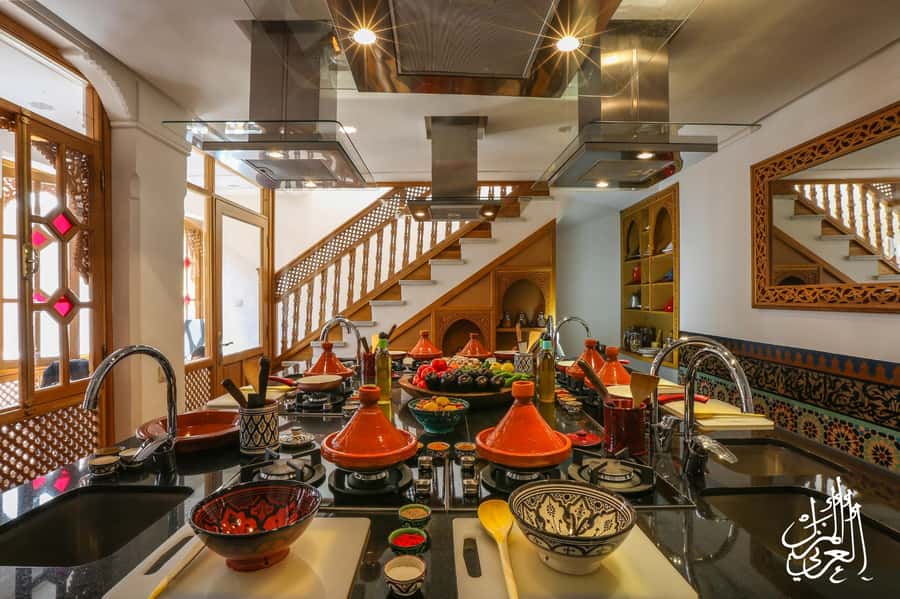
- Clean, individual workstations so you actually cook, not hover
- Small-group feel that keeps the class interactive and not rushed
- Tea ceremony + flatbread making so you learn more than just one dish
- Choice of 1-hour express or 3-hour workshop depending on your schedule
- Experienced instructors and translation in Arabic, English, or French
- A small gift at the end (often a tagine) that makes the experience feel special
La Maison Arabe: Where Marrakech Cooking Gets Real and Organized
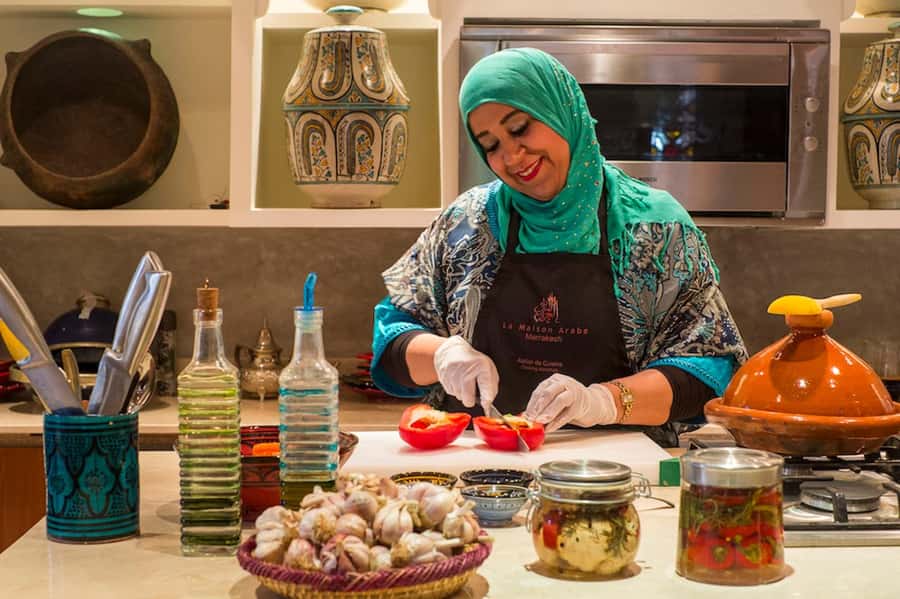
Meet at the front desk of La Maison Arabe. The experience can be routed either near the riad-hotel area or in a quieter spot described as secret gardens away from the worst crowds, but either way the goal is the same: get you into a calm zone where you can focus on food.
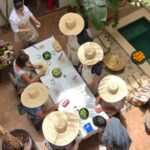
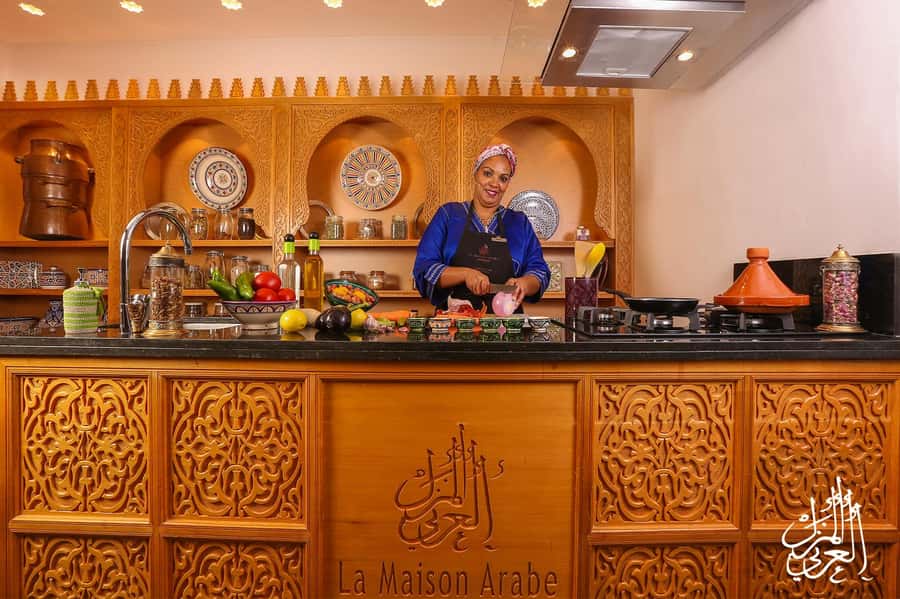
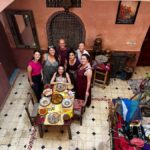
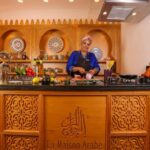
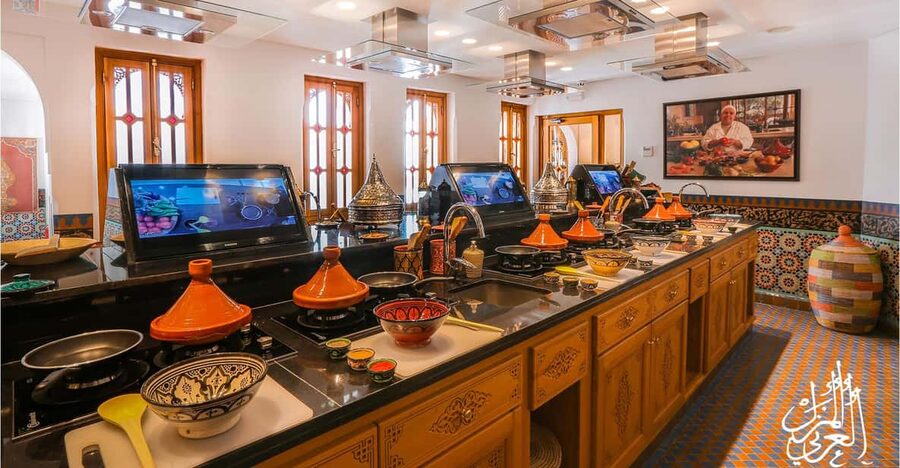
Once you’re inside, the biggest “wow” factor isn’t the spices—it’s the logistics. You’ll work at separate stations, and the kitchen space is described again and again as clean and well prepared. That matters because cooking classes live or die on flow. If counters are cluttered and tools are missing, you lose time and confidence. Here, you’re set up to move from chopping to cooking without feeling like you’re improvising.
You’ll also see the professional touch in how the class is delivered. Instruction is paired with live translation, and there’s mention of tech support like screens that help you follow along step-by-step. Add in the presence of a traditional cook (a dada) and it becomes less like a generic show-and-tell and more like learning how Moroccan home cooking is built.
You can also read our reviews of more tours and experiences in Marrakesh.
Picking 1 Hour vs 3 Hours: What Changes in the Workshop
You can choose between a 1-hour express class or a 3-hour cooking workshop. The short class is best when you want momentum—quick introduction, a key dish, tea, and then you eat what you made. Reviews describe the express option as interactive and fast, with people jumping straight into cooking.
The 3-hour version is where you get breadth. It’s built to include starters, a main dish such as tagine or couscous, plus dessert. It also folds in the tea ceremony and flatbread making as formal parts of the program, so you leave with more techniques than just the main recipe.
If you’re the type who likes to cook at home and doesn’t want to guess, the extra time is worth it. You’ll have more chances to ask “why this spice, why that timing,” and the class can cover more steps without turning them into a blur.
From Ingredients to Tajine: The Hands-On Cooking Flow
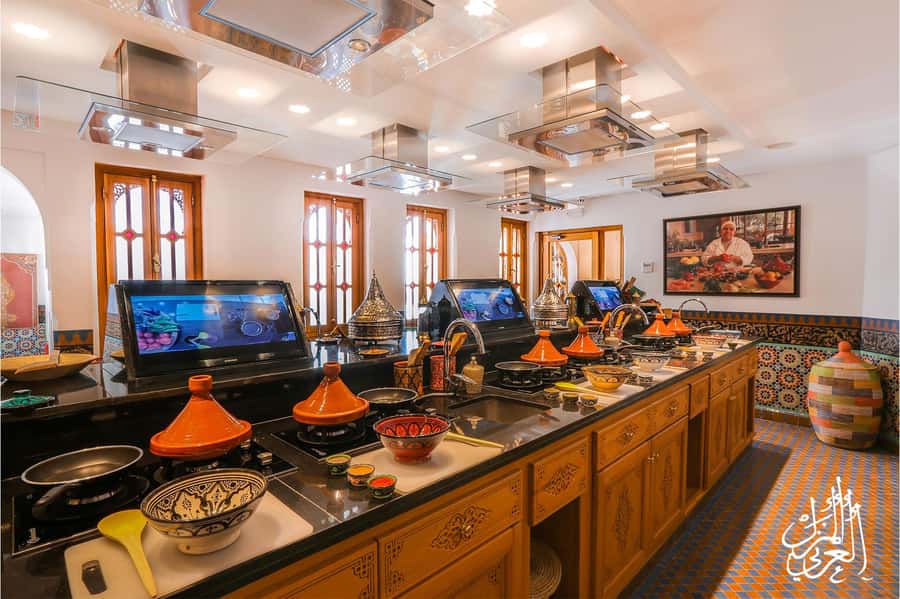
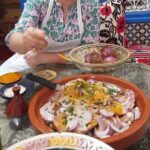
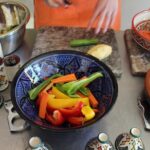
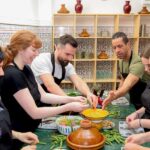
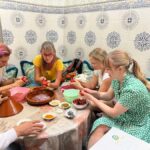
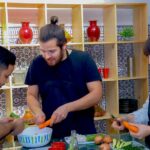
No one wants to pay to watch someone else do the work. This class is designed for you to do the cooking yourself, at your own station, using fresh local ingredients.
A typical flow goes like this: you start with ingredient prep—chopping and measuring—then move into seasoning and cooking. Moroccan cooking relies on balancing time and texture: how long something simmers, when aromatics go in, and how ingredients release flavor. The instructors (including people like Hayat and Mohammed in past sessions) help translate those ideas into steps that make sense even if you’re a basic home cook.
Another detail that shows up in feedback is patience. The staff repeatedly get praised for being clear, friendly, and encouraging. That’s important in cooking classes, because if you feel embarrassed or rushed, you stop asking questions and you don’t learn what you came for.
You’ll likely cook something centered on tagine, and chicken tajine is specifically mentioned in multiple experiences. Some sessions also include other elements like appetizers, which helps you understand how Moroccan meals are structured—small variety, spice harmony, and a main that’s built around slow cooking.
Tea Ceremony and Flatbread Making: Skills You Can Actually Use
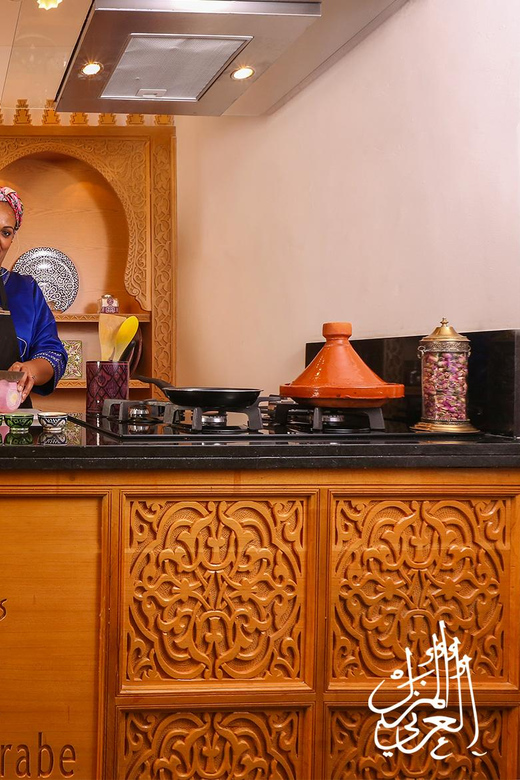
Moroccan food isn’t just the main dish. It’s also the ritual parts—especially tea and bread.
You’ll take part in a tea ceremony, including the chance to learn the Moroccan tea ritual. This isn’t treated as filler. It’s a guided moment where you pick up how tea culture fits into meals, and you’ll get explanations around spices and tea in a way that makes it easier to remember later.
Then comes flatbread making, often described as a demonstration within the workshop flow. Even when it’s taught as a demo, you still get a clearer view of dough handling and timing, and you see how bread fits right into the meal you’ll eat afterward. It’s one of those “small” parts that makes the experience feel complete.
If you’re worried about time, don’t be. The class doesn’t treat tea and bread as extra burdens. It uses them to teach you rhythm—how Moroccan cooking moves between active steps and brief moments of technique and explanation.
Eating the Results: The Best Part, Plus a Little Surprise
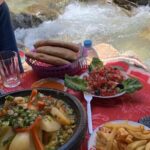
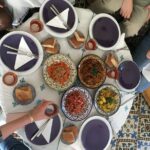
The meal isn’t an afterthought. You eat what you make. For many people, that’s the proof: if the dish tastes great, you know the technique works. Chicken tajine is repeatedly singled out as a highlight, with people calling it the best they ate in Marrakech.
The setting also matters. Some sessions are described as enjoyable in a scenic environment, and in at least one case, people mention rooftop dining afterward. That’s not just ambience. When the meal is served in a calm setting, you actually taste more carefully, and you’re more likely to remember how it was assembled.
Food format depends on your session length:
- The 1-hour express focuses on a key dish plus tea and tasting
- The 3-hour session tends to include starters, a main (tagine or couscous), and dessert
And then there’s the end-of-class gesture. Many reviews mention a gift—often a small tagine—which turns a standard class into something you keep as a reminder.
One more plus: there are signs the kitchen can handle at least some dietary needs. One reviewer specifically mentions a vegetarian friend being well catered for. If you have dietary restrictions, it’s smart to tell the team when you book, so they can plan your menu.
Price and Value at $35: What You’re Really Paying For
Yes, $35 is more than some basic cooking classes. The question is what you get for it, and here the value case is pretty solid.
You’re paying for:
- A clean, modern facility with organized stations
- Individual prep areas, meaning you do the work
- Translation and structured teaching, so you don’t miss key steps
- A multi-part experience that can include tea ceremony and flatbread
- A full meal, often more than one course in the 3-hour option
The best way to think about it: this class reduces friction. You spend less time fighting for tools, less time stuck waiting, and more time learning technique. If you’ve done cooking tours where you watch everything from a distance, you’ll feel the difference immediately.
Also, the fact that guides and staff are repeatedly praised for clarity and friendliness suggests the class isn’t just a scripted routine. People come away feeling like they learned something they can cook again—not just something they ate once.
If you’re on a tight schedule, the 1-hour express can be the best value. You get a taste of Moroccan cooking without committing half a day. If you want deeper skills, the 3-hour workshop justifies the higher price by expanding what you cook and what you learn.
Who Should Book This Moroccan Cooking Workshop
This is ideal for you if:
- You want hands-on instruction (not a passive food show)
- You’d rather cook in a controlled, clean environment than risk a chaotic kitchen setup
- You like learning the meaning behind the food—especially tea and spice culture
- You want a social activity that still feels structured
It also works well for couples and small groups, since the small-group setup keeps conversation moving. Reviews mention people chatting with others after the meal, and that matters because food classes can otherwise feel like a silent factory.
It may not fit if you want only a quick taste. But if you’re the type who wants to leave with a recipe and a repeatable method, you’ll likely enjoy it a lot.
One practical note from the provided details: it’s not suitable for children under 12 and wheelchair users. If either applies, you’ll want to choose a different activity.
Practical Tips so You Get the Most Out of Your Class
A few simple things will make your experience smoother:
- Bring water and wear comfortable clothes you don’t mind getting flour or spice on.
- Plan for no outside beverages: drinks aren’t allowed in the experience. Tea is part of the program, and you can also expect to eat your meal as included.
- Arrive on time at the front desk of La Maison Arabe. The class depends on a steady start, and you’ll get more instruction if you don’t rush in late.
If you’re choosing between 1 and 3 hours, pick based on your cooking style. The express class is great for a single-dish win. The longer workshop gives you more steps and more chances to refine seasoning and timing.
And if you’re curious about language, this workshop supports Arabic, English, and French. Translation is built into the teaching, which makes it much easier to ask questions without guessing.
Should You Book La Maison Arabe’s Moroccan Cooking Workshop?
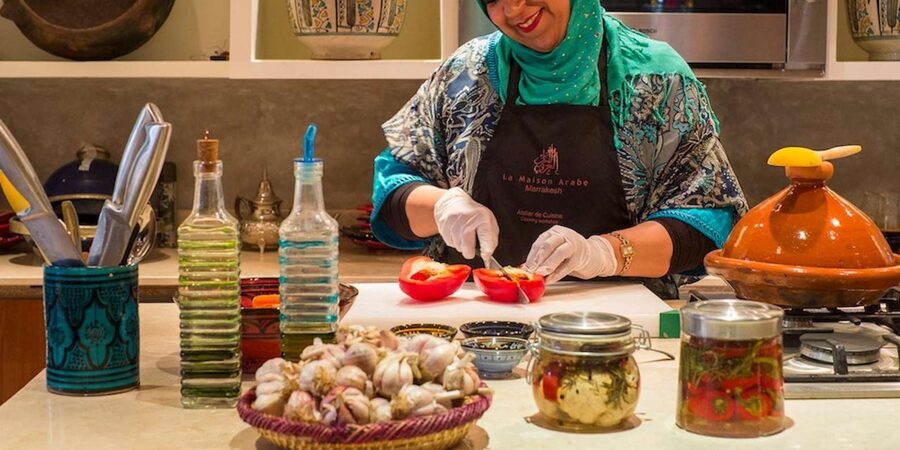
I think you should book it if you want a Moroccan cooking experience that’s organized, hands-on, and focused on skills you can reuse. The repeated praise for cleanliness, station setup, and clear instruction tells me this class is built to reduce stress so you can learn.
Choose the 1-hour express if you’re short on time but still want real cooking plus tea and tasting. Choose the 3-hour workshop if you want a fuller menu—starters, tagine or couscous, dessert, tea ceremony, and flatbread—plus more time to understand the why behind Moroccan flavors.
Skip it only if you’re mainly hunting for low-cost entertainment or a casual photo stop. This is a paid skill session, and it’s best enjoyed when you treat it like one.
FAQ
How long is the Moroccan cooking workshop at La Maison Arabe?
You can choose between a 1-hour express workshop and a 3-hour cooking workshop. The experience duration is listed as 1 to 3 hours depending on which option you select.
What will I cook during the class?
You’ll prepare a traditional Moroccan dish. Tagine is specifically mentioned in many experiences, and the longer option may include tagine or couscous along with additional courses.
Is a tea ceremony included?
Yes. The program includes a tea ceremony as part of the experience.
Do I get to eat what I cook?
Yes. You’ll enjoy a food tasting, and the experience includes a meal that you eat at the end of the workshop.
Where do I meet for the workshop?
The meeting point is the front desk of La Maison Arabe.
What languages are available for instruction?
Instruction is available in Arabic, English, and French. Live translation is provided during the class.
Is drinks included?
Drinks are not included, and drinks are also listed as not allowed. Tea is part of the experience.