REVIEW · MARRAKESH
Marrakech: Traditional Moroccan Crepes & Bread Cooking Class
Book on GetYourGuide →Operated by Khmisa Workshops · Bookable on GetYourGuide
Three Moroccan breads in one session. This class is interesting because you’re not watching from the sidelines: you’ll learn msemen and the techniques behind harcha and batbout by hand, then sit down with your results. I especially like the way the session ends with the mint tea ritual you help prepare, not just a drink poured for you.
The one thing to think about before you book: this activity isn’t suitable for people with gluten intolerance or food allergies.
In This Review
- Key takeaways from this Marrakech bread class
- Why msemen, harcha, and batbout are worth 2 hours
- Finding the workshop near Bab Doukkala (Der Hajra)
- Your hands-on baking class: getting control of the dough
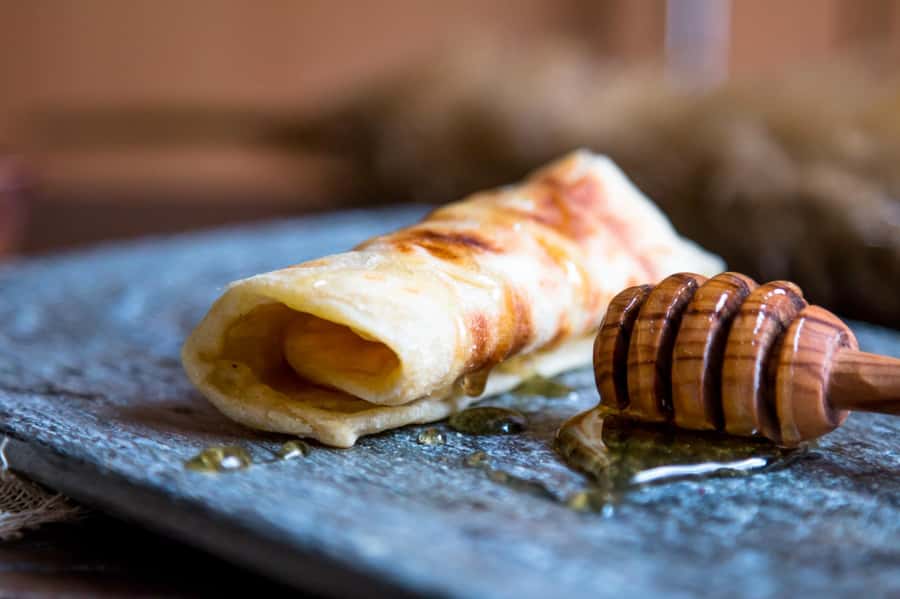
- Msemen: learning the fold-and-fry texture
- Harcha: a crumbly griddle experience
- Batbout: learning a round, pocket-style flatbread
- The mint tea ritual: what makes Moroccan tea taste Moroccan
- What’s included (and why that matters for value)
- Group size and language: why the small class feels personal
- Eating what you make: tasting, accompaniments, and take-home bread
- Price and logistics: the real decision is transport and timing
- Who should book this class (and who shouldn’t)
- Quick practical tips for your 2 hours in the kitchen
- Should you book this Marrakech crepes & bread cooking class?
- FAQ
- How long is the Marrakech traditional crepes and bread cooking class?
- How much does it cost?
- Where is the meeting point?
- What breads or crepes will I learn to make?
- Is Moroccan mint tea included?
- What’s included in the price?
- What is not included?
- What languages do the instructors speak?
- Who should not book this activity?
Key takeaways from this Marrakech bread class
- Hands-on cooking: you control the process from dough to cook time, with guidance in the workshop.
- Three distinct breads: msemen, harcha, and batbout use different methods and textures.
- Mint tea ritual: you learn the steps and make tea to match your breads.
- Small group feel: limited to 10 participants, so it’s easier to ask questions and get help.
- Value for $37: ingredients, tools, apron, tasting, and electronic recipes are part of the deal.
- Real neighborhood setting: the workshop is on Der Hajra near Bab Doukkala.
Why msemen, harcha, and batbout are worth 2 hours
If you’ve been eating Moroccan flatbreads for days in Marrakesh, you’ll notice they don’t all taste or cook the same. That’s exactly why this class works. You’re learning three familiar names, but each one behaves differently in your hands, from shaping to frying to how it browns.
I like that the goal is practical skill, not a “food history lecture.” You walk away knowing what you did, why it worked (or didn’t), and what to repeat at home.
This is also a nice change of pace from the usual medina routine. You get a real workshop moment in the city, in a small group, with time to talk and taste what you made.
You can also read our reviews of more tours and experiences in Marrakesh.
Finding the workshop near Bab Doukkala (Der Hajra)
The meeting point is simple: the workshop address is 44 Der Hajra, Bab Doukkala. It’s in Marrakesh-Safi, and the area is close enough to the old city energy that you’ll likely recognize the neighborhood vibe quickly.
A couple of practical notes for arriving:
- Wear comfortable clothes you don’t mind getting a little flour or dough on.
- Bring water, because your 2-hour stretch is active and warm.
From the way participants describe the walk to the workshop, you’ll pass through food market areas used by locals more than tourists. That’s not “extra sightseeing,” but it does make the start feel like you’re moving with the city, not around it.
Your hands-on baking class: getting control of the dough
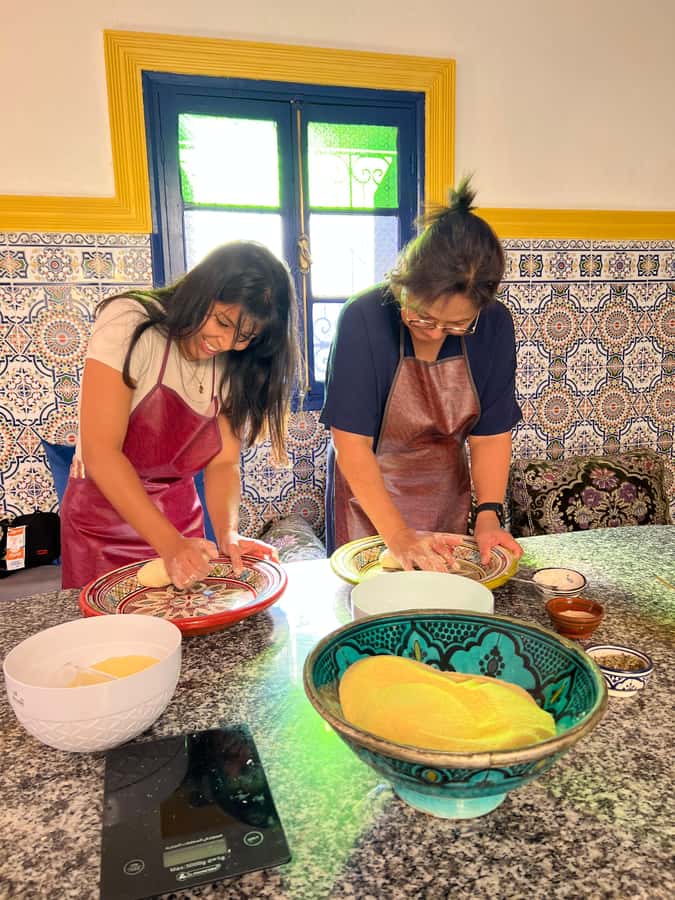
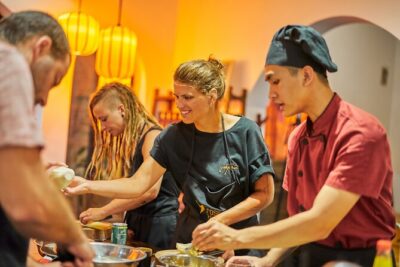
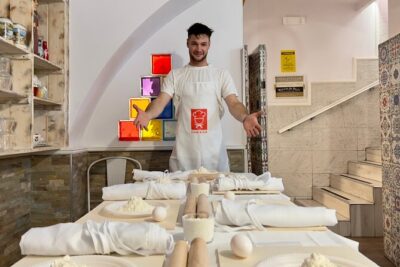
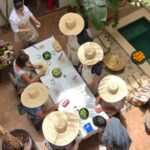
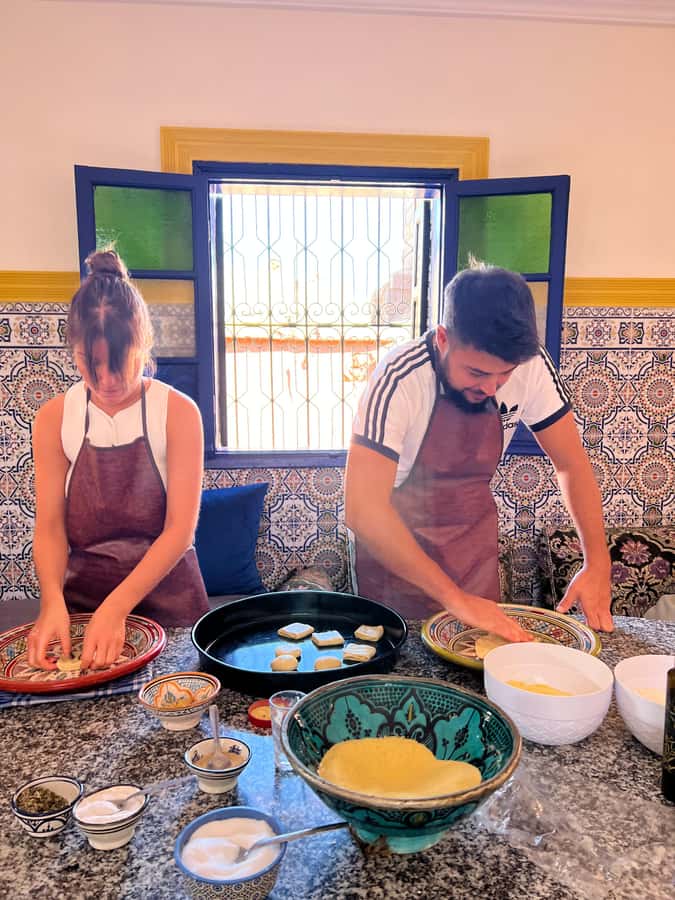
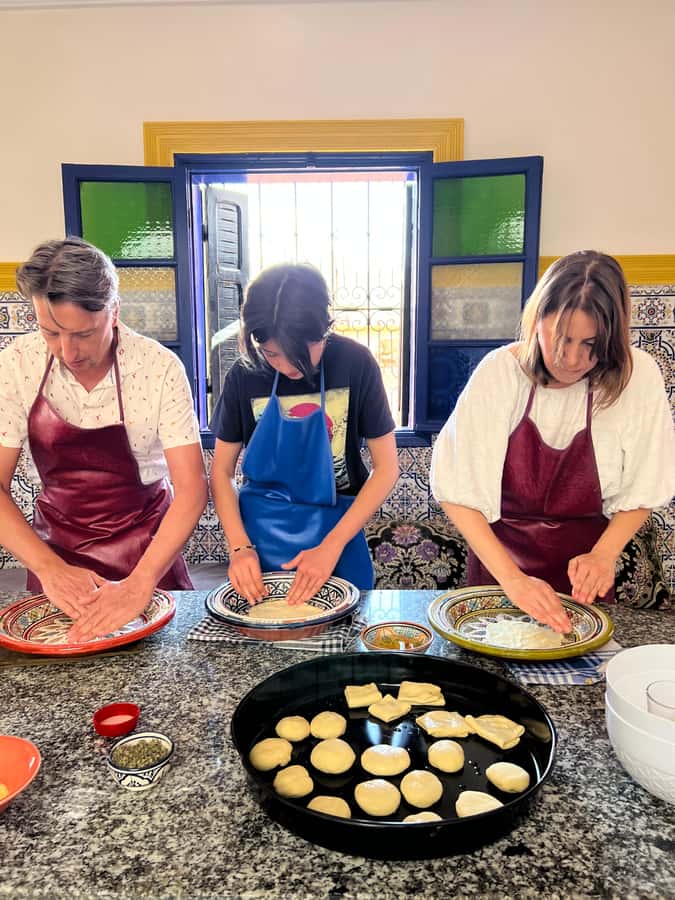
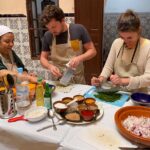
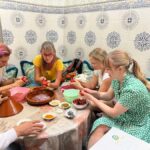
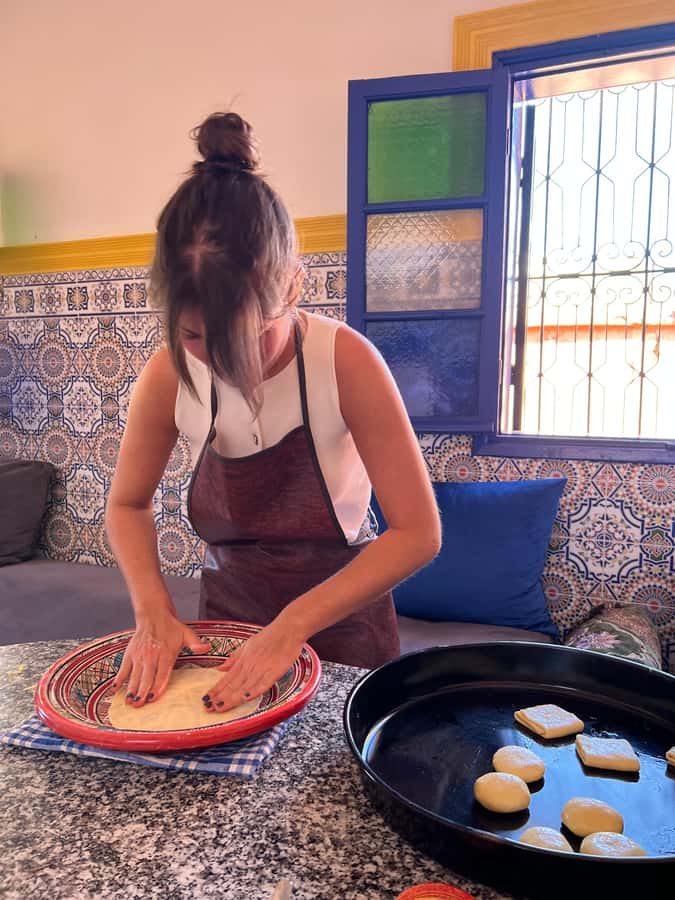
At the start, hosts welcome you into their workshop and put you in an apron with the utensils and ingredients you need. The pacing is interactive: you’re shown what to do, then you do it. One review called it like cooking at home, which is a good way to think about it—less performance, more instruction.
You’ll also have support through the class languages. The instructor team works in Arabic, French, and English, and in practice that can mean you get explanations in your language, or help through translation when needed. That matters in a bread class, because the small moves—how you press, fold, or flip—make the difference.
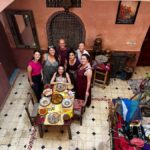
Don’t expect a high-pressure cooking show. Several participants mention the techniques feel manageable, especially in a group of around 9 or 10 people, where the host can check in and help without rushing you.
Msemen: learning the fold-and-fry texture
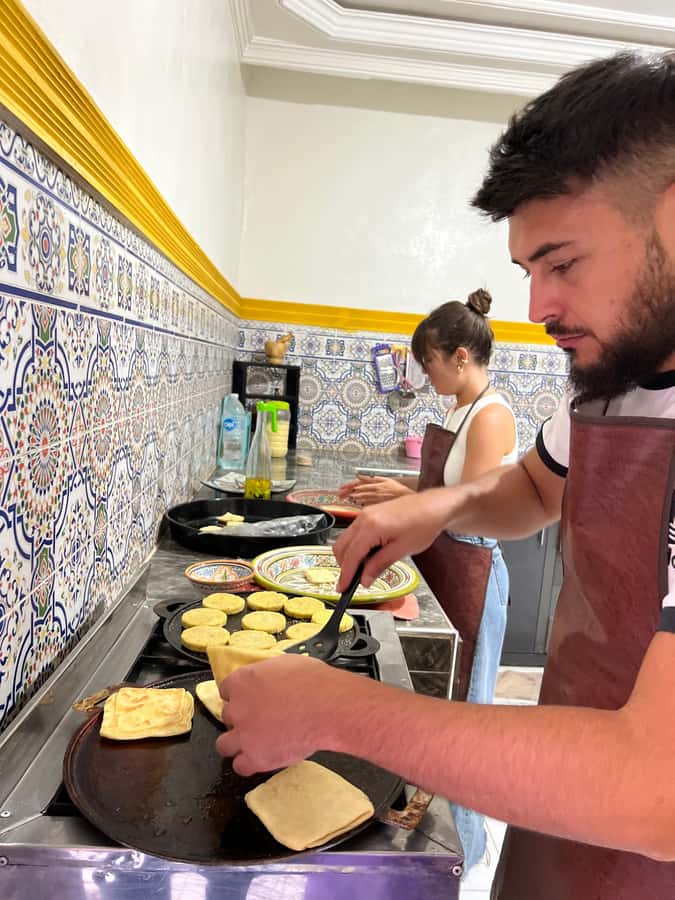
Msemen is one of Morocco’s best “why does this taste like that?” breads. It’s usually layered and pan-cooked, and in class you learn how to shape it so it cooks up tender, flaky, and a little crisp at the edges.
What you’re really learning with msemen is technique: how the dough handles and how the folds create those separate layers. The host guidance is the key here, because the dough’s feel changes as you work. You’ll go from small steps to building confidence that you can control the texture.
Once you cook your msemen, you’ll taste it warm, often with classic accompaniments like olives and jam that help you understand how it’s meant to be eaten, not just tasted.
Harcha: a crumbly griddle experience
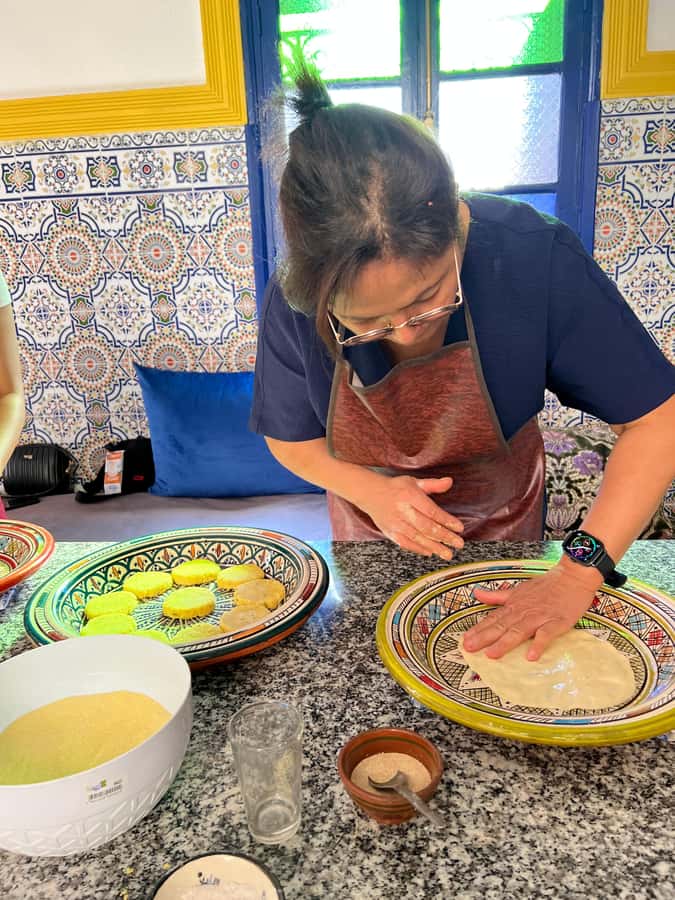
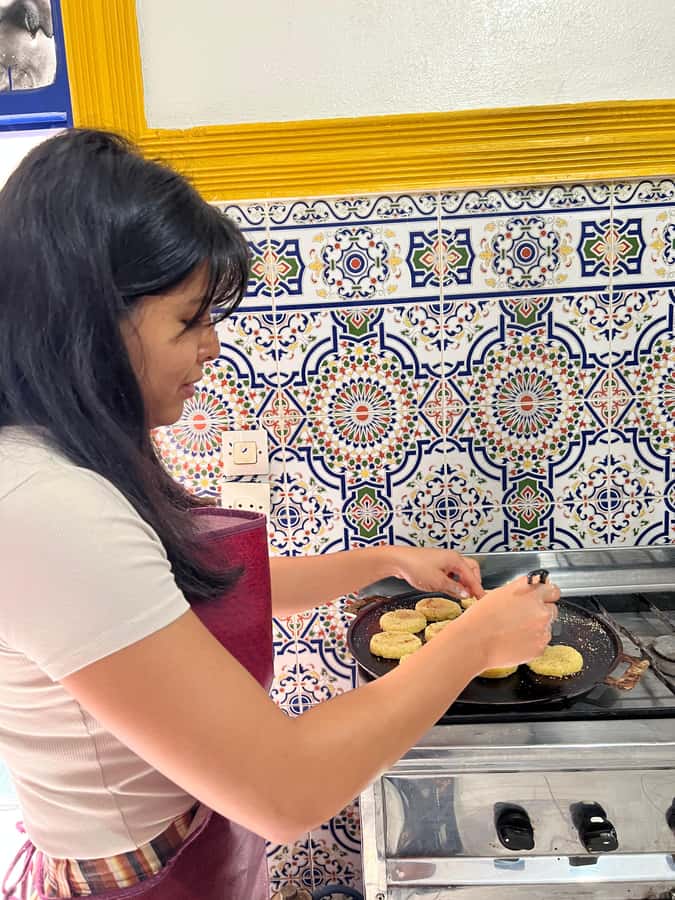
Harcha is different in feel. Where msemen leans toward layered fold work, harcha tends toward a cozier, griddled style that ends up crisp on the outside and tender inside.
In class, you’ll make harcha using a guided approach so you can see how to form it and how it browns. This is the bread where you learn to trust timing more than force. Press too hard and you change texture; wait too long and you push it past the ideal color.
If you love the harcha you keep ordering in cafés around the city, this is the moment you connect the flavor to the method.
Batbout: learning a round, pocket-style flatbread
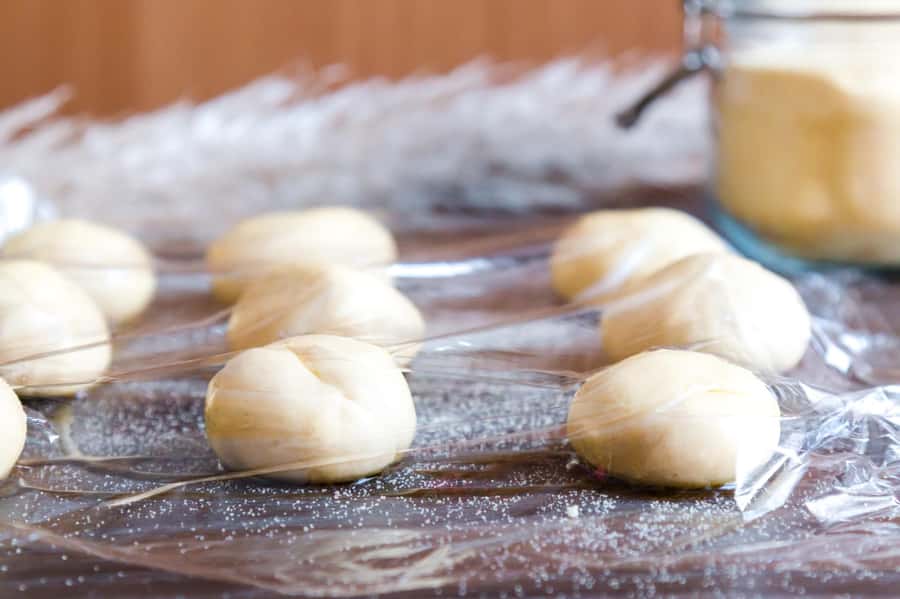
Batbout is the bread that often shows up as soft, slightly chewy, and ideal for stuffing or eating alongside a spread. In the workshop, you’ll make batbout (sometimes described as a type of Moroccan pita-style bread) and learn the steps that create that classic chew.
This bread tends to reward steady heat and careful handling. You’re learning how to shape and cook it so you get the right softness without it going dry.
By the time batbout is finished, you’ll have a full comparison set in your hands. You’ll taste three breads that look similar on a plate but behave very differently in the pan.
The mint tea ritual: what makes Moroccan tea taste Moroccan
The mint tea part is not an add-on. It’s a major finish, and it teaches something people often miss: the ritual is built into the flavor.
You prepare traditional Moroccan mint tea together after your breads are cooked. Even if tea seems simple, this class treats it as a skill you can learn—how to pour, how to balance, and how to carry the tea through the ritual steps.
One reason this is memorable is that you’re drinking tea made from start to finish, right in the same workspace where you cooked. The pairing makes more sense, too: warm tea with your bread, at the pace of a real kitchen break.
What’s included (and why that matters for value)
Here’s what you get as part of the experience:
- Interactive baking class with a host
- Apron, plus all necessary ingredients and utensils
- Guidance and explanations during the session
- Tasting of the breads you make
- Moroccan mint tea preparation and tasting
- Electronic recipes
For me, the value isn’t just the ingredients. It’s that you’re paying for instruction and time. A $37 price tag for 2 hours is reasonable only if the experience stays hands-on and you leave with something usable. Based on the feedback style, this one does: people mention learning techniques, eating plenty, and getting recipes afterward.
One extra detail: electronic recipes are included, but I recommend you ask during the class how you’ll receive them. A review note mentioned one participant didn’t get them yet after the fact, so it’s smart to confirm you have the right contact details before you walk out.
Group size and language: why the small class feels personal
This is a small group experience, limited to 10 participants. That matters more than you’d think. Bread depends on micro-instructions, and in a small class the host can spot your issue fast—dough too dry, fold not holding, heat running hot, tea steps slipping.
The instructor languages include Arabic, French, and English, and some participants mentioned having a translator support along with demonstrations. Even if communication isn’t perfect in every moment, you’ll still pick up a lot by watching, then doing.
It also makes the “chat” part easier. People mention conversations about their trip to Morocco, which makes the class feel less like a transaction and more like a shared kitchen hour.
Eating what you make: tasting, accompaniments, and take-home bread
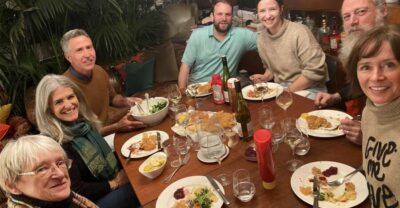
After cooking, you sit down and taste. That’s not a token bite. Reviews describe the portions as filling, and at least one person specifically mentioned how there was plenty to eat.
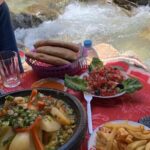
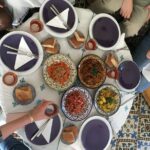
You may also get traditional accompaniments alongside your breads, such as live olives and jam or honey. These flavors show you how Moroccan households balance salty, sweet, and fresh tastes with warm bread.
A nice practical plus: several participants mention receiving a box to take leftovers home. That turns the class into part meal, part pantry lesson. Even if you can’t finish everything, you’re not stuck with waste.
Price and logistics: the real decision is transport and timing
At $37 per person for 2 hours, this is priced like a focused local workshop, not a big tourist production. The included elements—apron, ingredients, utensils, instruction, mint tea, and tasting—make the price feel fair for a hands-on cooking experience.
What isn’t included is transportation to and from the experience, so you’ll need to plan how you’ll get there. The meeting point is fixed at 44 Der Hajra near Bab Doukkala, so you’ll want a plan that gets you there without stress, especially if you’re pairing it with other medina visits.
If you’re already walking the area, it’s easy to fit. If you’re staying far out, build in time for getting back and forth.
Who should book this class (and who shouldn’t)
This experience is a great match if you:
- Love Moroccan bread and want to understand the method, not just the flavor
- Want a hands-on activity that breaks up the medina day
- Prefer small-group instruction so you can ask questions while you work
- Enjoy mint tea as a ritual, not just a drink
It’s not suitable for:
- Children under 4
- People with food allergies
- People with gluten intolerance
If gluten is a concern, don’t gamble. The class is built around bread dough ingredients, and the suitability note is clear.
Quick practical tips for your 2 hours in the kitchen
To get the most from your time, come ready to move:
- Bring water.
- Wear comfortable clothing suitable for baking and dough work.
- Bring appetite and good vibes for learning.
If you get nervous about cooking, don’t. The experience is set up for instruction, and the small group size helps a lot. You’ll likely start by learning technique, then you’ll repeat it until it makes sense.
Also, ask what you should focus on for each bread while you’re cooking. With msemen, it’s the way the dough is handled; with harcha, it’s browning and timing; with batbout, it’s shaping and heat control.
Should you book this Marrakech crepes & bread cooking class?
I think you should book it if you want a meaningful food experience that teaches real technique and ends with mint tea you help prepare. It’s not just eating—it’s cooking, tasting, and learning in a small workshop setting near Bab Doukkala, and for the price it includes more than most half-day food tours.
Skip it if gluten intolerance or food allergies apply, or if you’re looking for a laid-back, no-effort activity. This one asks you to roll up sleeves.
If your goal is bread you can recreate at home, this is exactly the kind of class that gives you skills you’ll actually use.
FAQ
How long is the Marrakech traditional crepes and bread cooking class?
The class runs for 2 hours.
How much does it cost?
It costs $37 per person.
Where is the meeting point?
The workshop address is 44 Der Hajra, Bab Doukkala, Marrakech.
What breads or crepes will I learn to make?
You’ll learn to make three Moroccan varieties: msemen, harcha (galette style), and batbout (flat bread/pita-style bread).
Is Moroccan mint tea included?
Yes. You’ll prepare and taste Moroccan mint tea as part of the experience, including the traditional mint tea ritual.
What’s included in the price?
Included are the interactive baking class, apron, ingredients and utensils, host guidance, tasting of your creations, mint tea preparation and tasting, and electronic recipes.
What is not included?
Transportation to and from the experience and personal expenses are not included.
What languages do the instructors speak?
The instructor is listed as Arabic, French, and English.
Who should not book this activity?
It’s not suitable for children under 4 years old, people with food allergies, or people with gluten intolerance.