REVIEW · MARRAKESH
Marrakesh cooking class with chef Hassan – Local dishes
Book on Viator →Operated by Cook in Marrakesh with Ahmed and Hassan · Bookable on Viator
Tagines taste better when you make them. In Marrakesh’s small-group class with Chef Hassan (and Ahmed as the friendly right-hand), you start at a local market, learn proper mint tea, then cook classic Moroccan dishes as a team instead of watching from the sidelines.
I especially loved the hands-on cooking with clear, patient instruction and the fact that the food stays clean and organized the whole time. The only real catch is that couscous may depend on what you request ahead of the class, so if it’s on your must-eat list, say so when you book.
In This Review
- Quick Hits: What Makes This Class Worth Your Half Day
- Why Marrakesh Tagine Lessons Feel More Local Than a Tour Bus Meal
- Price and Value: Getting More Than a Meal for $34.76
- Meeting Up and the Walk That Starts the Learning Curve
- The Market Tour: Fresh Ingredients and the Skill of Choosing
- Mint Tea 101 With Ahmed: Where the Class Builds Real Flavor
- Tagines as a Team Sport: How You Learn Technique Fast
- A small consideration: cooking roles vary by what you’re comfortable doing
- Couscous and Moroccan Salads: What You Should Confirm Before You Book
- Learning Moroccan History and Culture While You Cook
- Clean Workshop, Clear Teaching, and the Kind of Group Energy You’ll Remember
- The Meal: What You Eat After Cooking Together
- Spices and Tagines to Buy: A Useful Souvenir (Not Just a Tourist Markup)
- Dietary Needs, Kids, and Other Common Questions Before You Go
- Who This Marrakesh Class Fits Best
- Book or Pass: A Simple Decision Checklist
- FAQ
- What dishes will I learn to cook?
- Is it lunch or dinner?
- How big is the group?
- Can the class handle dietary restrictions like vegan or gluten-free?
- Do I get recipes to take home?
- Is there free cancellation?
- Are kids allowed?
Quick Hits: What Makes This Class Worth Your Half Day
- Market walk first so you cook with ingredients you actually pick and weigh
- Mint tea taught step-by-step by Ahmed, not just poured and forgotten
- Multiple tagines as a team so you learn technique, not just one recipe
- Dietary options welcome (vegan, vegetarian, gluten-free) with advance notice
- Up to 9 people (often 10) for real interaction, not a cooking demo
Why Marrakesh Tagine Lessons Feel More Local Than a Tour Bus Meal
Cooking classes in Marrakech can be either hands-on learning or a staged performance. This one leans hard toward the real stuff: ingredients from a nearby market, tea that gets treated like a skill (because it is), and tagines cooked together in an actual workshop setting.
Chef Hassan and Ahmed keep things practical. They explain what you’re doing and why, including bits of Moroccan history and culture as you cook, taste, and eat. That turns the class into more than a meal-making exercise. It becomes a shortcut for understanding how Moroccan flavors and habits fit together day to day.
And yes, the group eats what you cook. You don’t just leave with recipes and good intentions. You leave full—and with a new set of techniques you can reuse at home.
You can also read our reviews of more tours and experiences in Marrakesh.
Price and Value: Getting More Than a Meal for $34.76
At about $34.76 per person for roughly 4 hours, this class stacks up well if you compare it to restaurant meals plus any paid workshop.
You’re getting a full rhythm of the experience, not a single dish:
- a market ingredient tour
- welcome tea
- bread, bottled water
- your included lunch or dinner (depending on the option you choose)
- instruction and tasting while you cook
- recipe sharing at the end
- a small-group cap (so you get time with the chef)
Add in the fact that they’ll share recipes for what you make and more, and the value starts to make sense. This is the kind of activity where your notes actually matter later.
Meeting Up and the Walk That Starts the Learning Curve
The experience starts at a meeting point near a pharmacy, at the coordinate area in Marrakech. Once you book, they’ll text you so you can find them without stress.
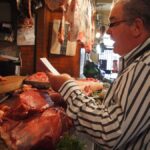
After meeting, you take a short walk to a local market near their house. This matters. Markets in Morocco aren’t just shopping trips. They’re where you learn what to buy, how fresh looks, and which ingredients drive flavor.
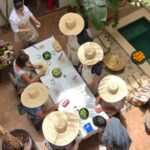
Then it’s back to the house workshop. The cooking area is air-conditioned, which is a quiet blessing in Marrakech heat.
The Market Tour: Fresh Ingredients and the Skill of Choosing
The market stop is one of the best parts because it connects to the final meal. You’re not just learning a list of ingredients. You’re practicing selection—what to buy, what to look for, and how different produce changes the cooking outcome.
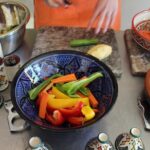
One detail people love is how involved you can be with picking vegetables. Hassan and Ahmed guide you through buying and weighing ingredients, which makes the process feel grounded instead of vague.
Practical tip: go in with an open mind. If you’re used to standardized supermarket produce, Moroccan vegetables and spices can look different. Let the chef tell you what matters—texture, ripeness, aroma, and how each item performs in tagine cooking.
Mint Tea 101 With Ahmed: Where the Class Builds Real Flavor
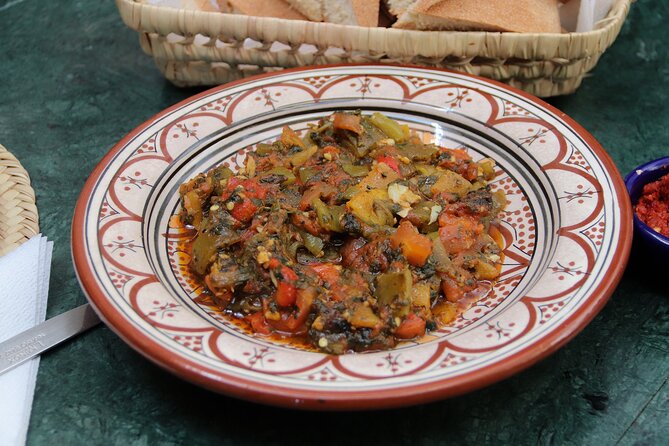
Before the pots start, you learn how to make fresh mint tea properly. Ahmed runs this part, and the instruction is detailed enough that you’ll actually be able to repeat it later.
Mint tea in Morocco isn’t just a drink. It’s part of hospitality and pace. In the class, you’ll learn the basics and the hands-on steps, then share the tea together as you get acquainted.
What I like about this segment: it slows everything down. It also gives you a taste of Moroccan culture before you start building flavors in the tagines.
If you want the tea lesson to stick, pay attention to the method. Tiny details can change how the tea smells and tastes.
Tagines as a Team Sport: How You Learn Technique Fast
After tea, you begin cooking. The plan is smart: you start with the dish that takes the most time to cook so it can stay working while you handle the other components.
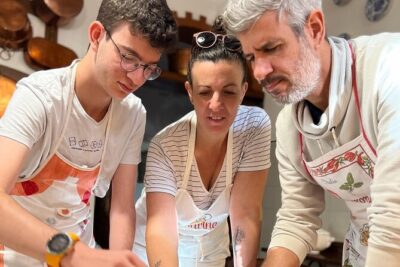
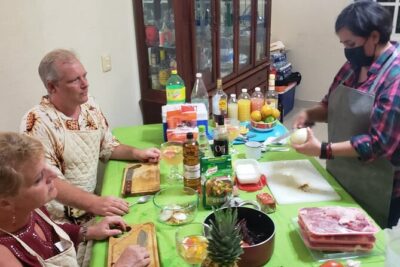
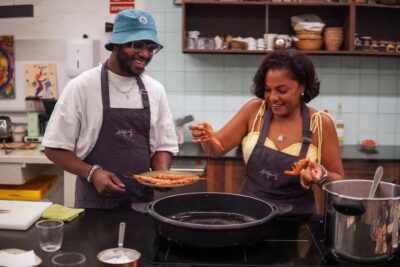
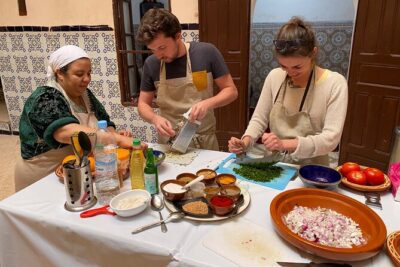
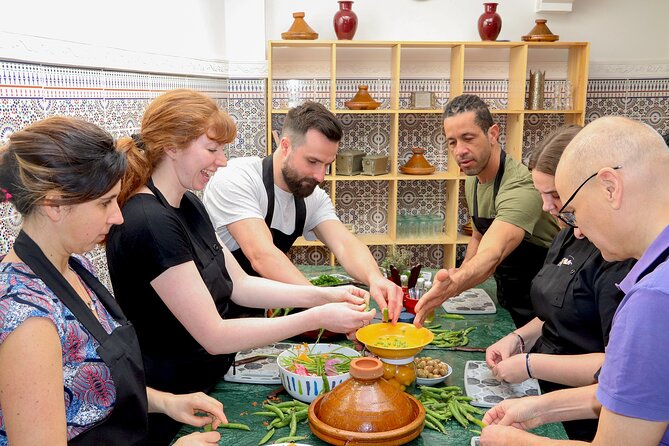
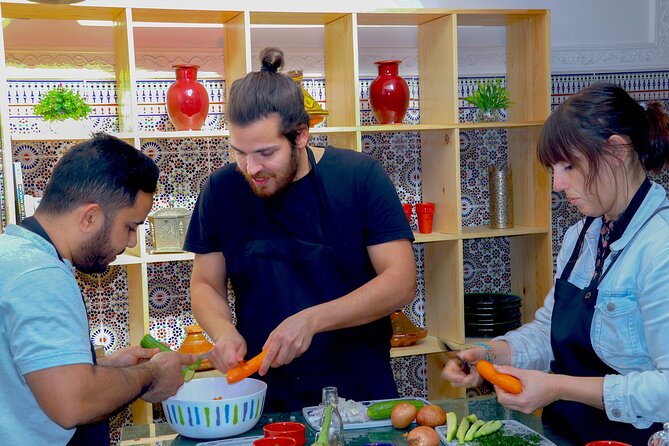
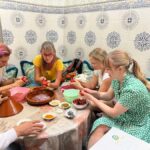
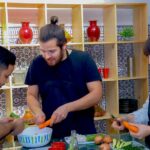
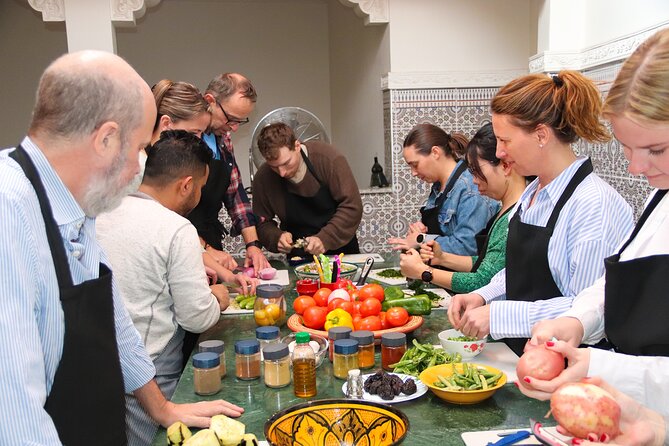
In the workshop, you cook as one team. That’s not only fun—it’s also efficient. You’ll work on different tasks and still learn the bigger picture: how ingredients come together, how spices shape the sauce, and how to manage timing across multiple dishes.
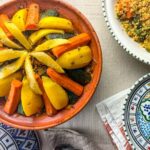
Many classes like this stop at one main recipe. Here, you’ll typically make multiple tagines—often with combinations like vegetables, chicken, beef, or meatballs. The exact lineup can shift based on what’s being cooked that day, but the teaching focus stays consistent: process plus flavor logic.
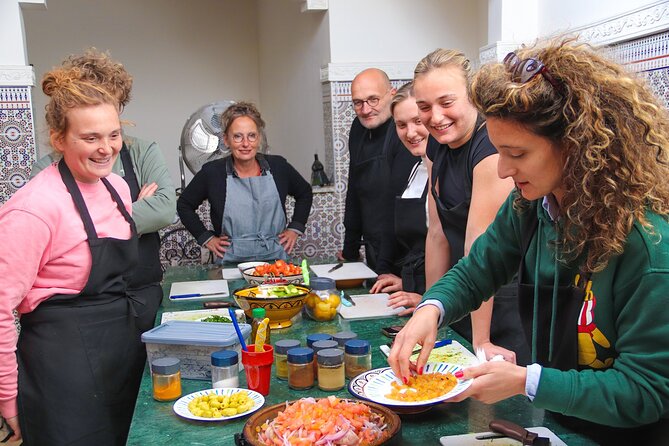
This is where the small group really pays off. With a maximum of 9 travelers (sometimes 10), you’re not just hovering around a cutting board. You’re participating.
A small consideration: cooking roles vary by what you’re comfortable doing
If you’re okay with chopping, stirring, mixing spices, and helping plate, you’ll get a lot from it. If you prefer only tasting and observing, you might feel slightly more involved than you expect. The class is designed for participation.
Couscous and Moroccan Salads: What You Should Confirm Before You Book
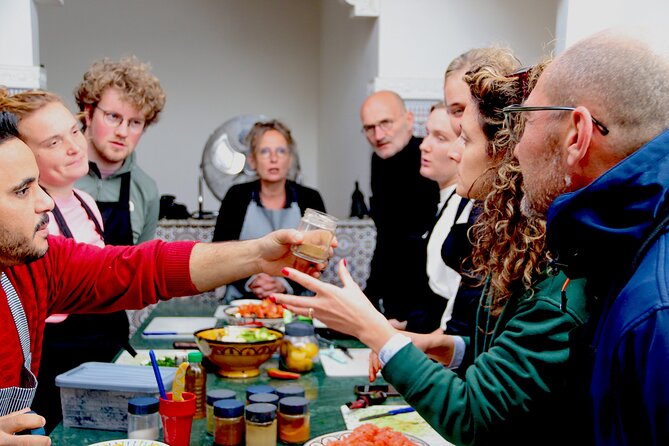
Moroccan couscous and Moroccan salads are part of the class concept. In the details here, the flexible part is that couscous is something you may want to specify before the class so it’s included as you expect.
So if you’re thinking, I want couscous for sure, ask during booking that you want it included. That one request can turn a nice meal into the exact meal you want.
Salads and sides also show up as part of the broader spread, and the overall point is to avoid the single-dish sandwich approach. You’ll taste how tagine sauces, grains, and fresh flavors play off each other.
Learning Moroccan History and Culture While You Cook
Some cooking classes are pure technique. This one adds context while you cook, taste, and eat—Moroccan history and culture woven into the lesson.
I find this practical. When you know the cultural rhythm behind a food tradition, you remember the recipe differently. You also understand why certain flavors show up repeatedly—spices, preserved notes, slow-cooked tenderness, and the role of tea and sharing.
It’s not a lecture. It’s conversation while your food is actually cooking.
Clean Workshop, Clear Teaching, and the Kind of Group Energy You’ll Remember
The cooking area stays clean, and the instruction is consistently described as friendly and patient. Hassan and Ahmed keep things organized, and they’re willing to explain steps and the reasoning behind them.
Another recurring highlight is how the class encourages participation from everyone, including teens in family groups. If you’re looking for something that feels social but still structured, this setup works well.
One more practical detail: at the end, they share recipes for what you made and more. In other words, you can recreate the flavors without guessing.
The Meal: What You Eat After Cooking Together
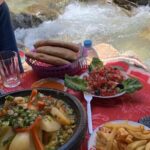
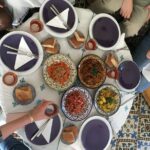
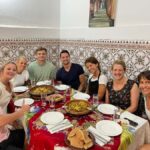
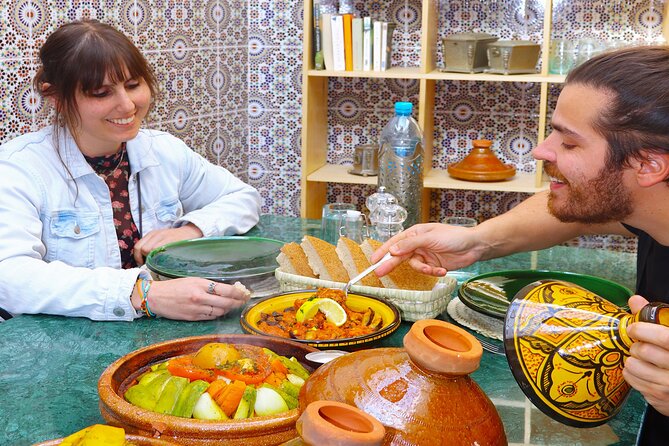
Once everything is ready, you sit down and enjoy what you cooked. You’re tasting multiple dishes you helped prepare, so it feels like a payoff, not just a finish line.
Typical spread includes:
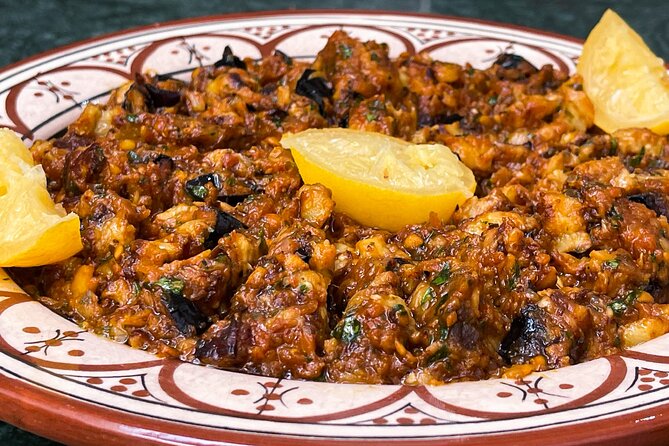
- several tagines (often including one or more meat options and vegetable options)
- couscous if requested
- side dishes and salads
- bread
- bottled water
You also get the feel of Moroccan dining: sharing, tasting, and then going back for one more bite because it’s that good.
Spices and Tagines to Buy: A Useful Souvenir (Not Just a Tourist Markup)
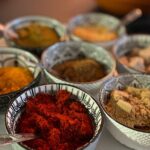
At the end of the class, they sell spices and tagines cheaper than tourist shops. This is a smart time to buy, because you’re leaving with real context for what you cooked.
You’ll know what you liked and what you want to replicate at home. If you buy spices later in a market without tasting or learning first, it’s easy to overbuy and underuse.
A hint: if you’re planning to cook at home, consider buying a smaller set of the spices you actually used in your tagines first. You’ll get better results than grabbing whatever looks colorful.
Dietary Needs, Kids, and Other Common Questions Before You Go
This class is designed to be flexible. They can cook vegan and vegetarian options and can accommodate gluten-free and other restrictions if you ask in advance.
Kids are allowed, but there’s an age consideration: children under 7 (including babies) should not attend. If you’re traveling with little ones, check ages before booking.
If you have long hair, bring a hairband, since you’ll be in a cooking space and it’s part of being comfortable while you work.
If you’re a woman with expectations about what the workshop will feel like: it’s a home-style cooking setup near a market, not a formal restaurant stage. That can feel more relaxed and less performative than many experiences.
Who This Marrakesh Class Fits Best
This class is a strong match if you want:
- a small-group activity where you actually do things
- Moroccan food education that includes technique (mint tea plus tagines)
- a practical souvenir: recipes plus some spices
- a hands-on experience suitable for families with older kids
It may be less ideal if:
- you hate cooking steps and prefer only watching
- you’re traveling solo and want to avoid any chance of changes (there’s a minimum of two participants required, so solo travelers should check first)
- you need a strictly set menu with couscous guaranteed unless you confirm it during booking
Book or Pass: A Simple Decision Checklist
Book this class if you want the best kind of Marrakech memory: food that you learn, not food you just buy.
I’d pass only if you’re chasing a quick photo stop or you don’t want any active cooking. But if you want mint tea skills, tagine technique, and a table full of what you cooked, this is a great use of time in Marrakech.
If you book, do one thing that improves your odds: confirm your dietary needs and ask about couscous inclusion up front so you get exactly the meal you’re imagining.
FAQ
What dishes will I learn to cook?
You’ll learn classic Moroccan cooking with tagines plus other dishes like couscous and Moroccan salads, depending on the class flow and what you specify ahead of time.
Is it lunch or dinner?
You can choose between a lunch or dinner option, and the experience runs for about 4 hours.
How big is the group?
The group is capped at maximum 9 travelers, and it might be 10 in some cases.
Can the class handle dietary restrictions like vegan or gluten-free?
Yes. The class is flexible and can cook vegan, vegetarian, and gluten-free options if you ask in advance.
Do I get recipes to take home?
Yes. You’ll receive recipes at the end of the class for the dishes you make and additional ideas as well.
Is there free cancellation?
Yes. You can cancel for a full refund up to 24 hours in advance of the start time.
Are kids allowed?
Kids are allowed, but children under 7 (including babies) should not attend.