REVIEW · MARRAKESH
Marrakesh: Moroccan Dishes Cooking Class with a Local Chef
Book on GetYourGuide →Operated by Marrakesh Local Experiences · Bookable on GetYourGuide
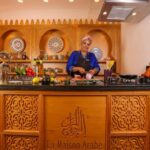
A class like this turns dinner into a story. You start with a quick market shop, then learn the Moroccan mint tea ritual, and finally cook a whole spread of tagines and sides with Chef Hassan and his team, including Ahmed. My favorite part is how hands-on it feels, and how the kitchen time comes with real context about Moroccan food traditions, not just instructions.
I especially like that you cook as a team, so you’re not stuck doing only one task. You also get recipes after the class, which makes it way easier to recreate the flavors at home. One thing to plan for: the class is not suitable for people with onion or garlic allergies.
In This Review
- Key highlights at a glance
- Meeting at Pharmacie Bab Doukkala and the short market shop
- Moroccan mint tea ceremony: the ritual you’ll actually remember
- Tagine cooking with Chef Hassan: more than one dish
- How the team-work buffet works (and why it feels like a real feast)
- Shopping for spices and recipes you can use at home
- Price and time: is $47 a good deal in Marrakesh?
- Comfort tips: what to bring and what to expect in the room
- Who should book this cooking class—and who might skip it
- Should you book this Marrakesh cooking class?
- FAQ
- What dishes will I make in the class?
- Do you make vegetarian, vegan, or gluten-free dishes?
- Is Moroccan mint tea included?
- How long is the experience?
- Where do we meet?
- What languages are offered?
- Is it suitable for kids?
- Can I cancel?
Key highlights at a glance
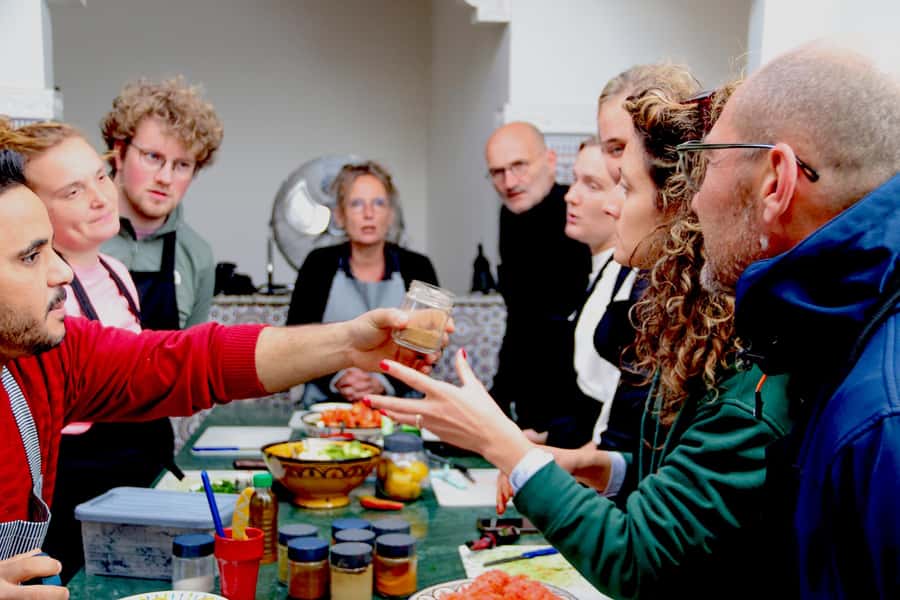
Market shopping near the cook’s home for fresh ingredients
Moroccan mint tea ceremony with Ahmed’s step-by-step approach
Hands-on tagines and sides, usually around 6 dishes for the group
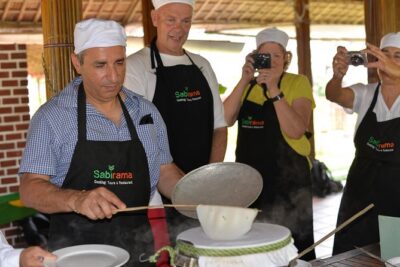
Small-group setup (limited to about 9–10 people) so you actually participate
Recipes sent after the workshop, plus a chance to buy spices at the end
Meeting at Pharmacie Bab Doukkala and the short market shop
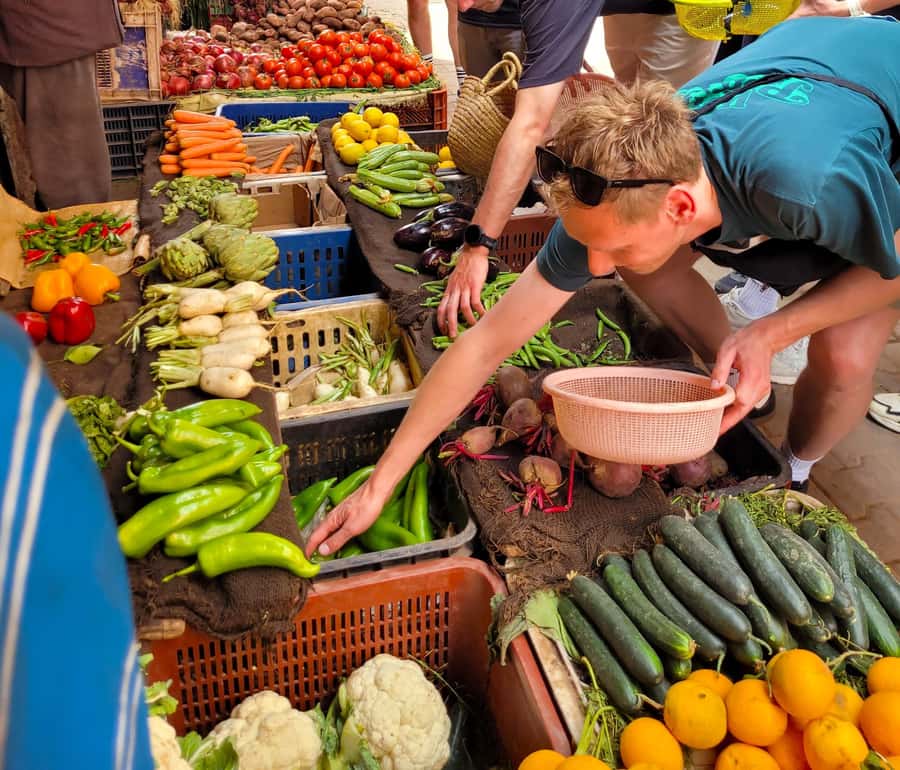
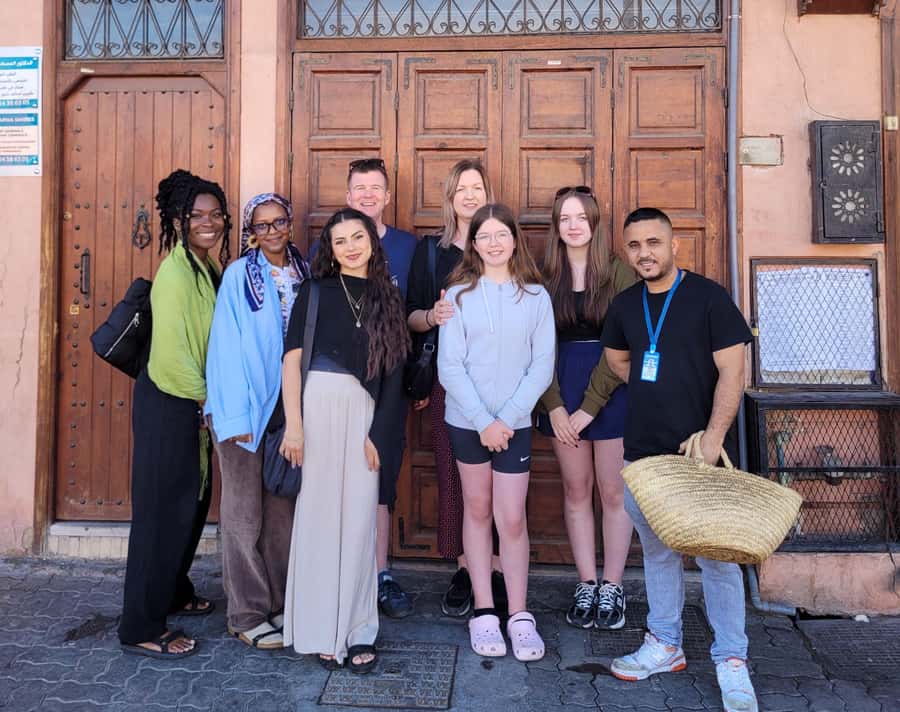
The experience starts at a real, practical meeting point: Pharmacie Bab Doukkala. It’s the kind of detail that matters in Marrakesh, because you don’t want to wander. I’d plug the exact name into Google Maps and plan to arrive a few minutes early so you can start relaxed.
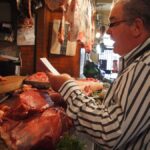
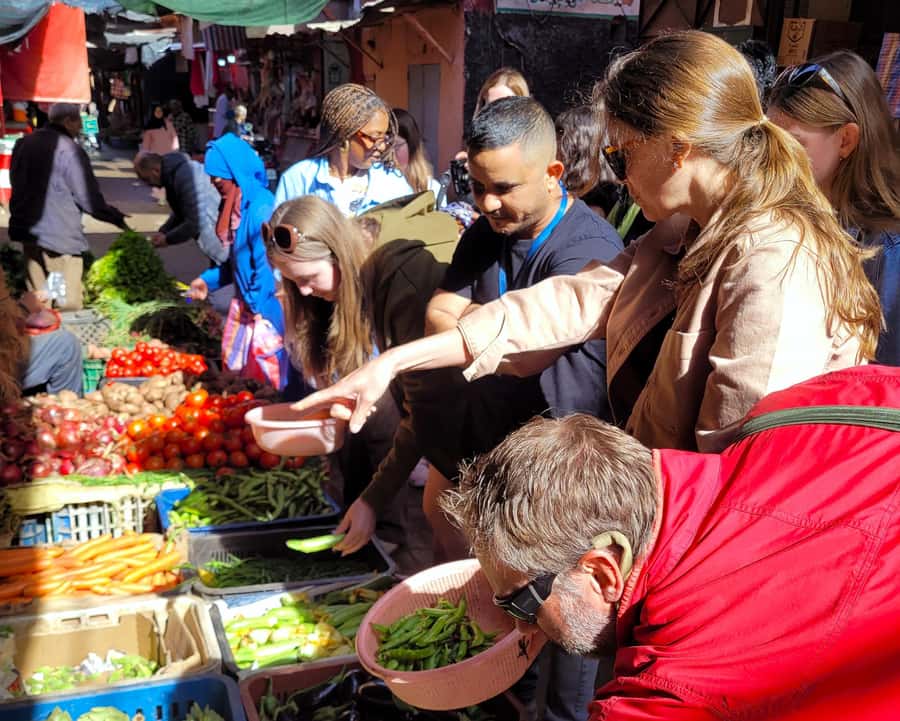
From there, you head to a local market nearby for about 15 minutes. This isn’t a long shopping spree; it’s a focused ingredient run. You’ll pick vegetables and other essentials that match what you’ll cook later—so you’re not just watching from the sidelines. It also gives you that useful “how locals shop” feeling: you learn what matters in produce, how ingredients are chosen, and why Moroccan cooking often relies on the right spice blend as much as fresh vegetables.
If you’re the kind of traveler who likes to understand how the meal begins—not just how it ends—this market stop is a big part of the value.
You can also read our reviews of more tours and experiences in Marrakesh.
Moroccan mint tea ceremony: the ritual you’ll actually remember
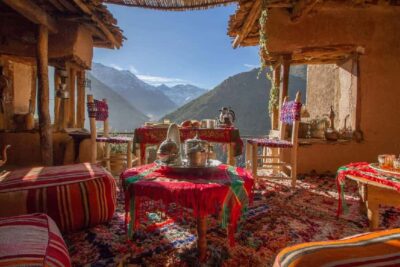
Before the pots come out, you do a tea ceremony (about 30 minutes). This is the part people tend to treat like a pre-dinner photo-op, but it’s more useful than that. You learn the traditional way Moroccan mint tea is made, and you get the cultural reasoning behind it.
Chef Ahmed and the team explain how mint tea fits into daily life—how it’s served, how it’s poured, and what the flavors represent in Moroccan hospitality. You’ll also drink tea as you get to know each other, which helps the class feel like an evening with friends rather than a rushed workshop.
One practical tip: Moroccan tea is central to the experience, so try to show up ready to pay attention. Once you’ve watched the steps and tasted the result, it’s easier to replicate at home than if you just took notes on ingredients.
Tagine cooking with Chef Hassan: more than one dish
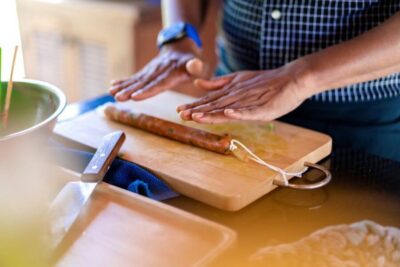
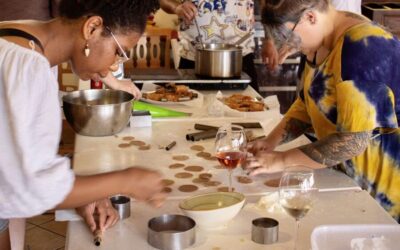
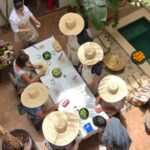
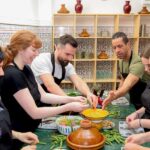
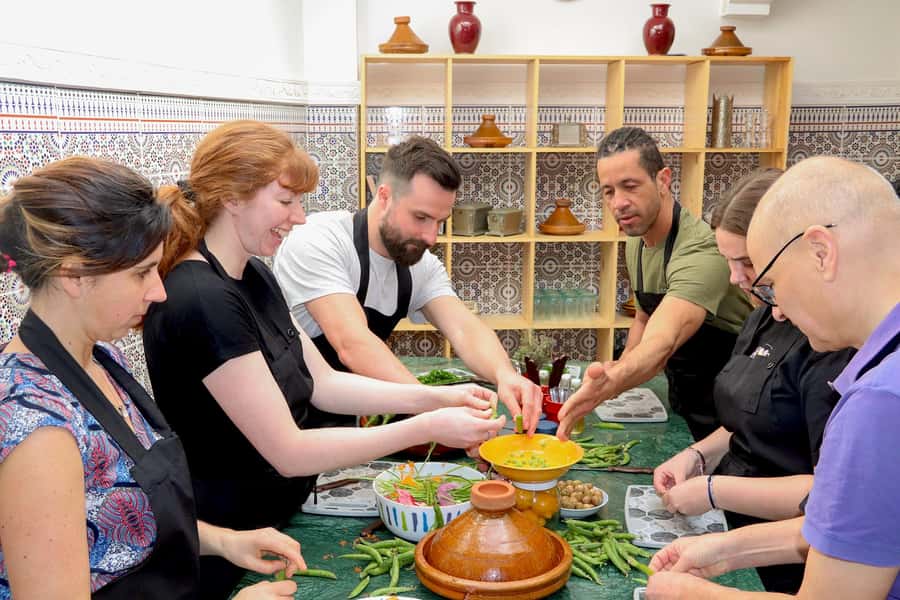
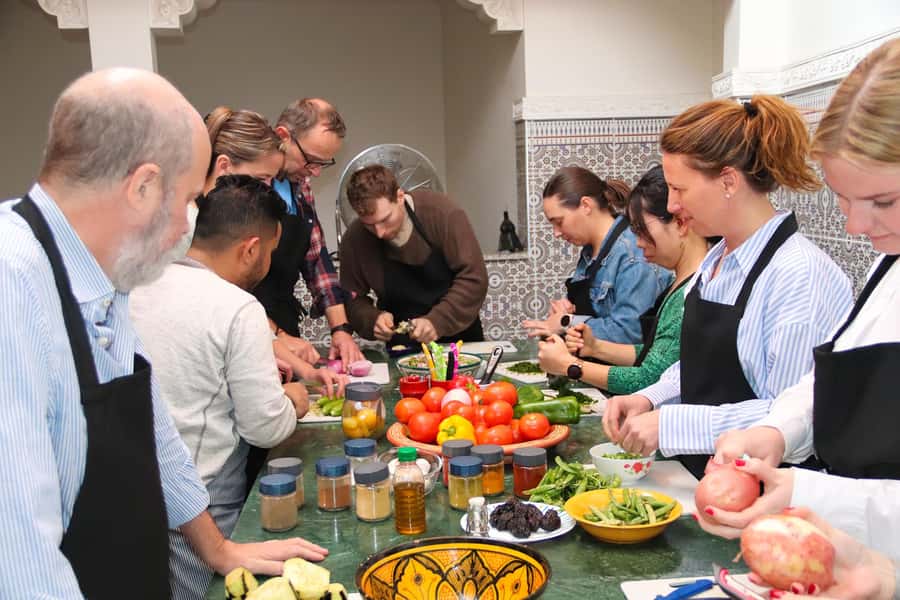
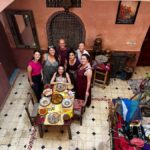
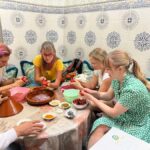
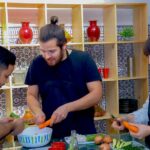
The main cooking block runs about 3.25 hours, and the class is built around tagines plus classic sides. The structure is teamwork. Dishes are made collectively, so you’re not stuck waiting for someone else to do everything. This is one of the reasons the meal feels so satisfying at the end—you contributed to the food you eat.
In most sessions, the class targets roughly six dishes, depending on group size. If the group is smaller (for example, under about 8 participants), you might make fewer than six, but you’ll still have enough people working through the menu so nobody feels left out.
Here’s what you’ll commonly cook:
- Beef with prunes tagine
- Chicken with preserved lemon tagine
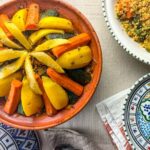
- Vegetables tagine
- Kefta (meatballs) with tomato sauce and eggs
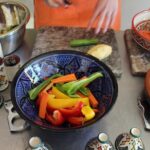
- Shakshuka (sweet peppers)
- Zaalouk (fried or grilled aubergine salad)
What I like about this menu is that it teaches you Moroccan cooking logic. Prunes, preserved lemon, peppers, aubergine—these aren’t random choices. They show different flavor patterns: sweet-savory fruit, bright brine-like acidity, and smoky depth from vegetables. You learn techniques for peeling, chopping, and seasoning, with guidance on which spices to use and when.
Also, the class supports dietary needs. Vegan, vegetarian, and gluten-free options are cooked when needed. That matters because Moroccan cuisine is often assumed to be heavy on meat—but with the right adjustments, you can still build the same flavor base.
How the team-work buffet works (and why it feels like a real feast)
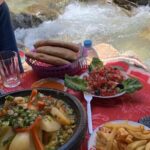
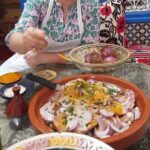
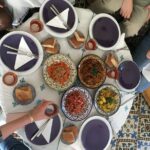
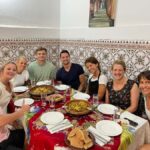
After you cook, you eat what you made. The meal is served buffet-style, so you can taste each dish instead of choosing only one. This format is great for learning: you get to compare sauces, textures, and spice levels side by side.
The big win is that it turns into a proper Moroccan feast. You’re not leaving the class with one recipe and one vague memory. You leave with a menu you helped build—often including tagines and sides that cover both comfort food and punchy, spiced vegetable dishes.
You’ll likely notice how the dishes share a common spice DNA, but each one lands differently. That’s the lesson: Moroccan cooking isn’t just a bag of spices. It’s how you layer them into ingredients, how long you let flavors meld, and how you balance savory with sweet, or tang with warmth.
Shopping for spices and recipes you can use at home
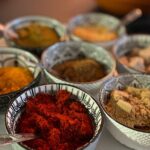
At the end, there’s time to buy spices from the workshop. This is more than a souvenir moment. If you know exactly what blend you used for your tagine, you can shop smarter afterward—either in the same shop or when you find similar blends back home.
You also receive recipes after the workshop (sent after the class). That’s crucial value. A cooking class is fun, but what makes it worth repeating is having a written path for the dishes you cooked—so you don’t just remember the taste and forget the steps.
I’d treat the recipe list like a starting point, not a strict rule. Moroccan home cooking is flexible. The class teaches techniques for seasoning and preparation, so you’ll understand why the recipe works, not just what to measure.
Price and time: is $47 a good deal in Marrakesh?
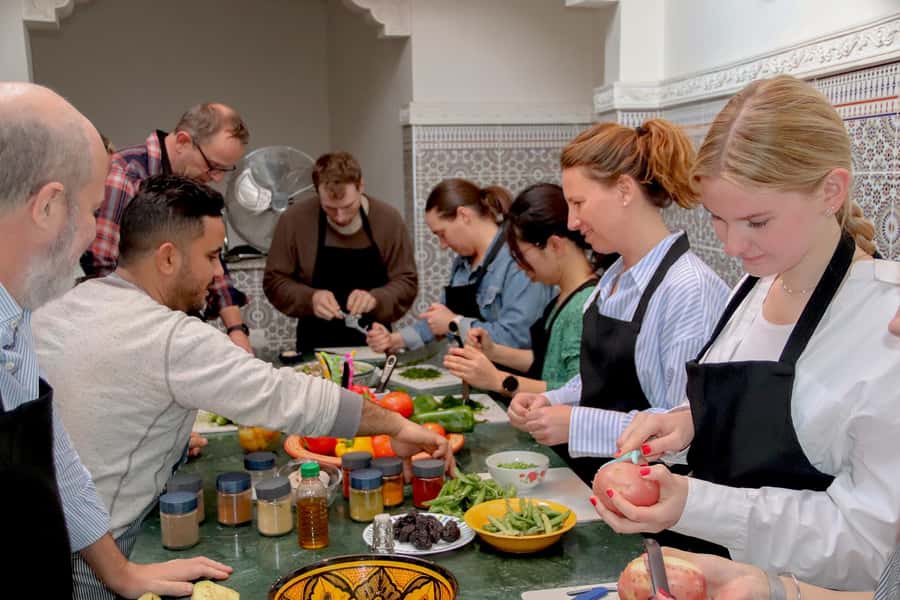
$47 for a 4-hour, small-group cooking class is strong value when you factor in what you’re getting. You’re not just paying for someone to show you how to cook; you’re paying for:
- a short market visit for fresh ingredients
- a mint tea ceremony and tea included
- hands-on cooking time (with small-group interaction)
- the meal and bread at the end
- water and tea throughout
- an apron
- recipes sent after the class
You don’t get hotel pickup or drop-off, and additional drinks aren’t included. But for a class that’s built around an included meal, included ingredients shopping, and recipe handoff, the math generally works out well—especially if you’d otherwise spend a similar amount on one restaurant meal without learning anything you can replicate.
Group size also matters. The class is limited to around 9 people (with rare cases of 10). That smaller group feel is exactly why you get tasks and attention instead of standing around.
Comfort tips: what to bring and what to expect in the room
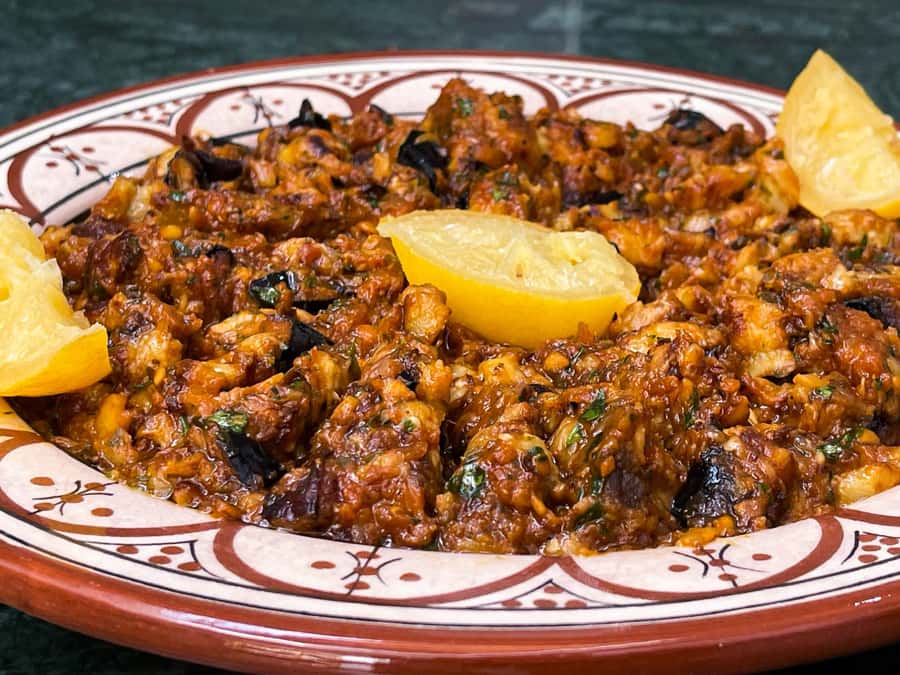
The cooking area has air conditioning, but one note from past participants is that it can still feel cold—so bring a light sweater. Marrakesh is hot outside, but indoor rooms can swing cooler, and you’ll be there long enough to feel it.
The class is bilingual in English and French when people speak different languages. If everyone in your group shares the same language, it’s held in one language only. So if you want a smoother experience, pick a class time that matches your language comfort.
A couple more practical constraints to keep in mind:
- Not suitable for wheelchair users and people with back problems
- Kids are allowed if they are 6 or older
- Onion and garlic allergies are a no-go
- Pets aren’t allowed
Who should book this cooking class—and who might skip it
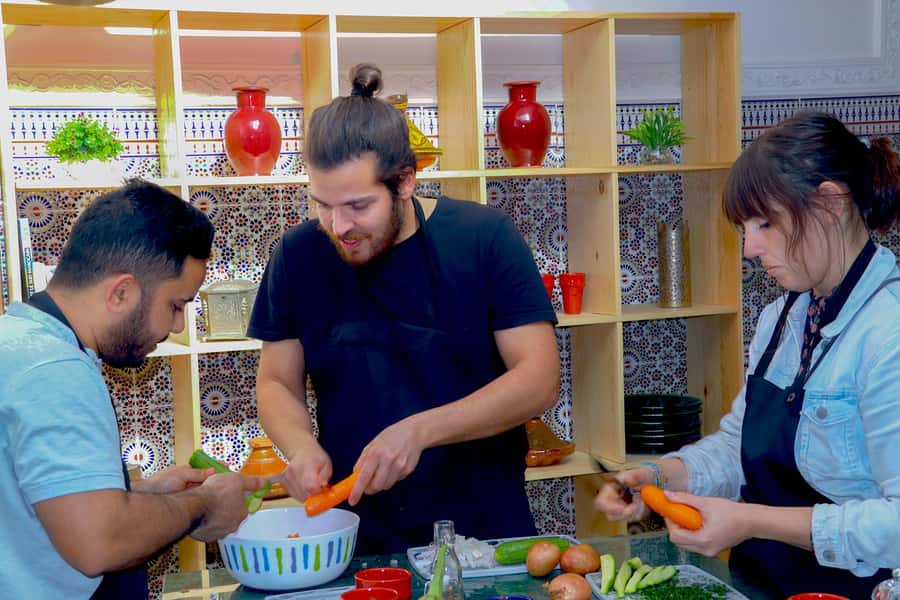
This is a great fit if you want a hands-on way to understand Moroccan food without doing a complicated full-day tour. I also think it’s ideal early in your trip, because once you learn the spice and technique patterns, it becomes easier to order Moroccan dishes later and notice what’s going on.
It’s also a strong pick for groups of friends or mixed ages (as long as everyone is 6+), because the teamwork structure naturally spreads out tasks. If you like meeting people while doing something real—rather than just listening—this class has that “everyone has a role” energy.
You might consider skipping if:
- you need wheelchair accessibility or have back limitations
- onion/garlic allergies affect you
- you want a class focused on just one dish (this is a multi-dish session by design)
Should you book this Marrakesh cooking class?
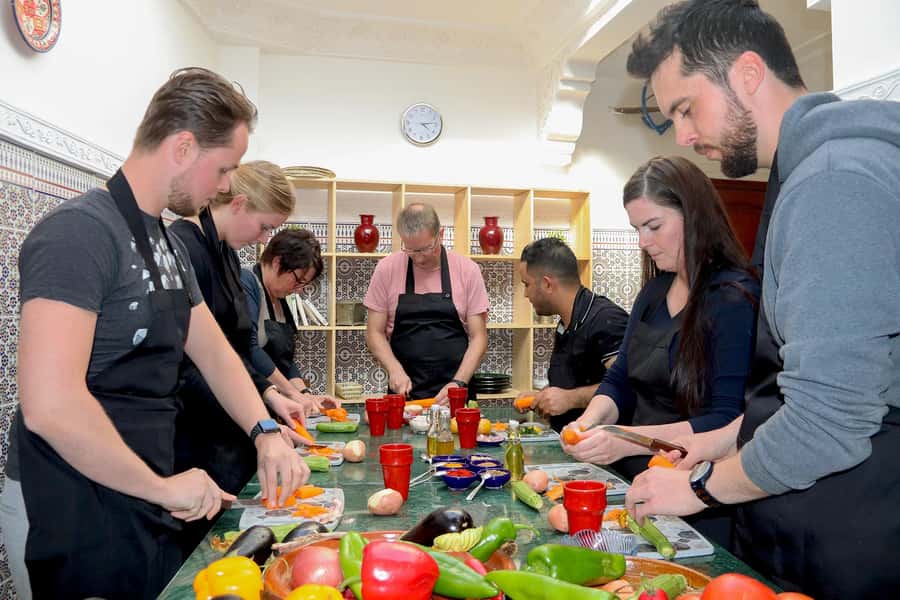
If your goal is to leave Marrakesh with more than photos—if you want skills, recipes, and a meal you built with your own hands—this is an easy yes. The combination of a local market ingredient run, a mint tea ceremony taught in a traditional way, and the chance to cook tagines plus sides creates a full Moroccan food experience in just half a day.
Book it if you like practicality: shopping, chopping, seasoning, tasting, and learning enough to cook again. Just be honest about allergies and physical needs, and bring a sweater for comfort.
FAQ
What dishes will I make in the class?
Most sessions include about 6 dishes, such as beef with prunes tagine, chicken with preserved lemon tagine, vegetables tagine, kefta (meatballs) with tomato sauce and eggs, shakshuka (sweet peppers), and zaalouk (aubergine salad). The exact number can be fewer if the group is smaller.
Do you make vegetarian, vegan, or gluten-free dishes?
Yes. The class can cook vegan, vegetarian, and gluten-free options depending on dietary restrictions.
Is Moroccan mint tea included?
Yes. You’ll do a tea ceremony and learn the traditional way to make Moroccan mint tea, and tea is included during the class.
How long is the experience?
From the meeting point to when you eat, it runs about 4 hours total, with roughly 15 minutes for the market and 30 minutes for the tea ceremony.
Where do we meet?
Meet at Pharmacie Bab Doukkala. Searching for that exact pharmacy name in Google Maps is recommended.
What languages are offered?
The class is offered in English and French. If all guests speak the same language, it’s held in one language; if not, it’s bilingual.
Is it suitable for kids?
Kids are allowed if they are 6 or older. It is not suitable for children under 6.
Can I cancel?
Yes. Free cancellation is available up to 24 hours in advance for a full refund.