REVIEW · MARRAKESH
Marrakech: Tajine Cooking Class in a Traditional Riad
Book on GetYourGuide →Operated by Intrepid Urban Adventures - Europe · Bookable on GetYourGuide
Tajines begin at the market. In this small-group Marrakech class, you shop the souks for fresh ingredients and learn what to look for in the spice stalls, then cook hands-on in a traditional riad kitchen with mint tea. One thing to consider: it starts at street level outside Café France in Djemaa el-Fna, and you’ll need to spot the right Urban Adventures guide yourself.
What you get for about 4 hours feels practical, not showy. Expect a warm local cooking team, a Moroccan salad alongside your tajine (often chicken with classic flavors like preserved lemon and olives), and a recipe sheet you can actually use later. Guides such as Amina or Samira run the market-to-kitchen flow, sometimes with family help from people like Khadija and Meriem—so the day feels like Morocco, not a staged demo.
In This Review
- Key things I’d prioritize before you book
- How this Marrakech tajine class feels different from a typical cooking show
- Finding your Urban Adventures guide at Café France in Djemaa el-Fna
- The souks: spice education plus a bit of Arabic food vocabulary
- Meet the chef and see how a Moroccan kitchen team really works
- Brewing mint tea, then moving to tajine: the day’s pacing
- Hands-on tajine + fresh Moroccan salad: what you’ll cook in 4 hours
- Eating in the riad: more than dinner, it’s part of the lesson
- The carbon-neutral and B Corp angle: why it matters in a practical sense
- Value check: is $57 worth it for a Marrakech tajine masterclass?
- Who should book this tajine cooking class in Marrakech?
- Should you book it? My honest take
- FAQ
- Where does the tour meet?
- Is hotel pickup and drop-off included?
- How long is the Marrakech tajine cooking class?
- How big is the group?
- Can the class accommodate dietary restrictions?
- What should I wear?
- Can children join?
Key things I’d prioritize before you book
- Djemaa el-Fna meeting point: You start outside Café France; fake touts are common, so find the Urban Adventures badge first.
- Souk shopping with real spice focus: You’re not just buying ingredients—you’re learning what makes them fresh and how they pair.
- Hands-on tajine cooking in a riad: You cook, not watch; you’ll stir, layer, and learn technique.
- Small group cap (up to 12): Big enough to meet people, small enough for the chef to correct you.
- Take-home recipe sheet: You leave with a guide for repeating the flavors back home.
- B Corp + carbon-neutral operation: The experience is designed to support local community work, not just tourism.
How this Marrakech tajine class feels different from a typical cooking show
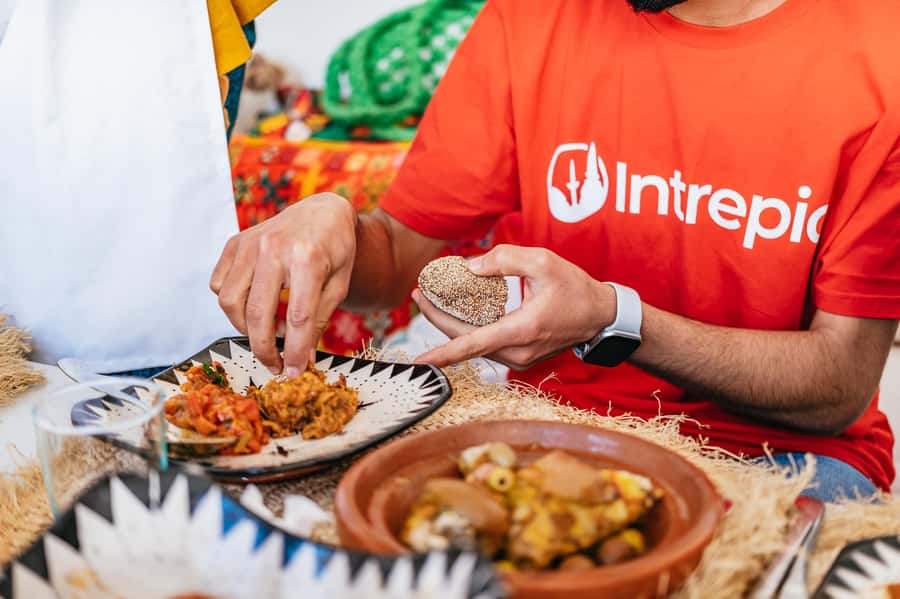
A lot of cooking classes in tourist-heavy areas teach you a script. This one teaches you a process. You start in the medina atmosphere where ingredients are chosen daily—then you carry that mindset into the riad kitchen where tajines are built slowly, with intention.
I love that it’s set up like a local day: souk shopping, mint tea, chopping and layering, then eating together. And because the group stays small (up to 12), you get enough hands-on time to learn what to do when something looks off—too dry, not enough seasoning, or a mix that needs adjusting.
The tradeoff is the “street-start” style. There’s no hotel pickup, and the meeting point is in the middle of Djemaa el-Fna, where the wrong-looking guide can try to pull you into their own plan.
You can also read our reviews of more tours and experiences in Marrakesh.

Finding your Urban Adventures guide at Café France in Djemaa el-Fna
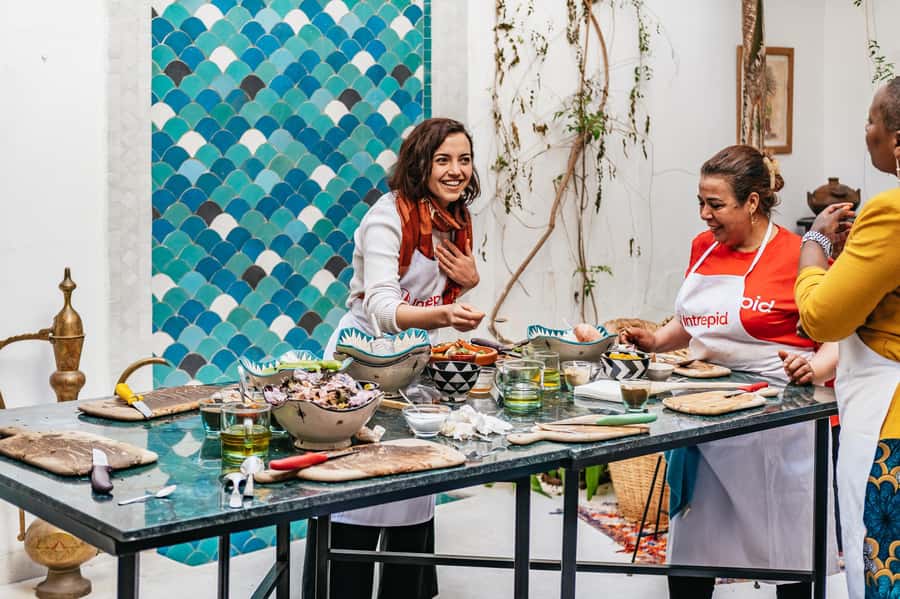
Your day starts outside Café France in Djemaa el-Fna. The square has a lot of people offering tours, and the info you were given is right: you’ll see fake guides who will try to convince you to join them.
Here’s how I’d handle it:
- Walk into Djemaa el-Fna through the main entrance.
- Look for the three-storey Café France on the right side of the square.
- Stand where the official guide is waiting with an Urban Adventures sign or badge.
Dress matters too. Shorts, short skirts, and sleeveless shirts aren’t allowed, so plan outfits that cover shoulders and knees. Comfortable shoes are also smart. Even though the class is only 4 hours, you’re walking through medina streets and doing a bit of market roaming.
The souks: spice education plus a bit of Arabic food vocabulary
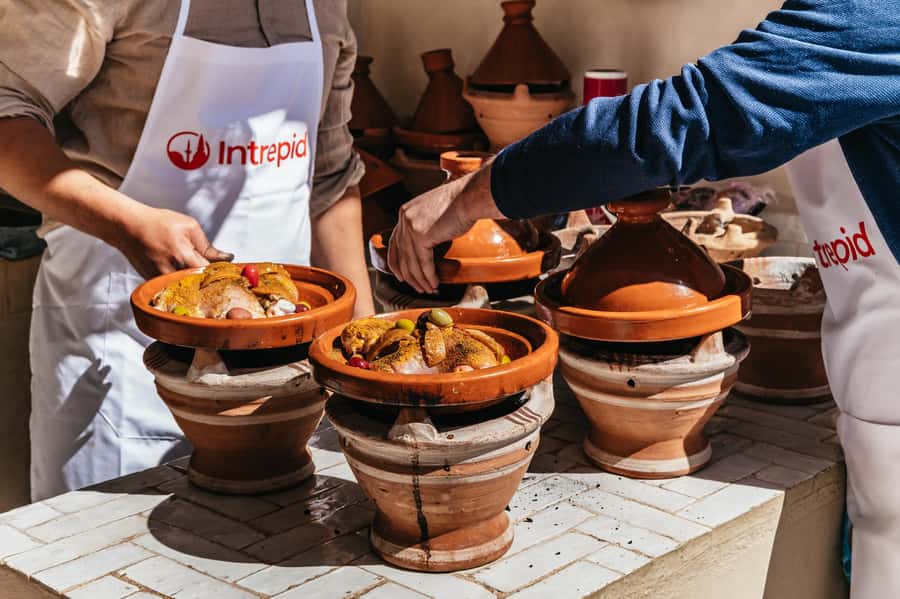
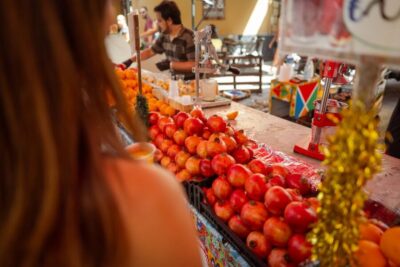
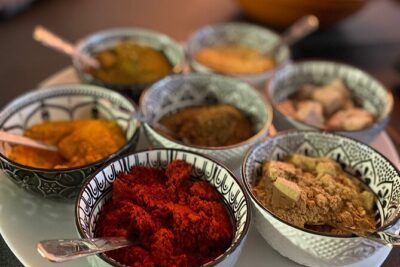
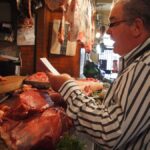
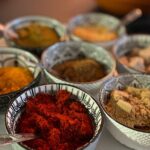
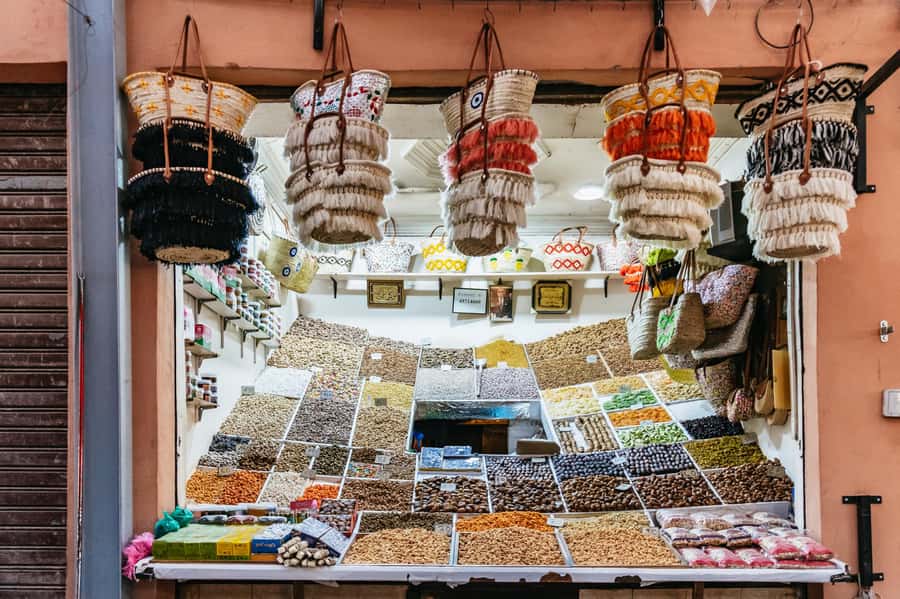
The market portion is where the class earns its keep. You don’t just buy groceries—you learn how Moroccan spice blends are thought about, and you get Arabic food vocabulary while you shop.
This part matters because tajine flavor is not random. It’s a chain: spice choices, herb freshness, how vegetables are prepped, and how you balance salt, aromatics, and fat. When you learn the “why” at the spice stall level, the dish makes more sense later.
You’ll also get the rhythm of medina shopping. That includes light haggling, but more importantly it includes knowing how to judge produce and spices without getting rushed. You’re moving through real local shopping behavior, not a staged market aisle.
One practical note: because route and places visited can change depending on availability, expect the markets and exact stops to be slightly flexible. That’s normal in the medina.
Meet the chef and see how a Moroccan kitchen team really works
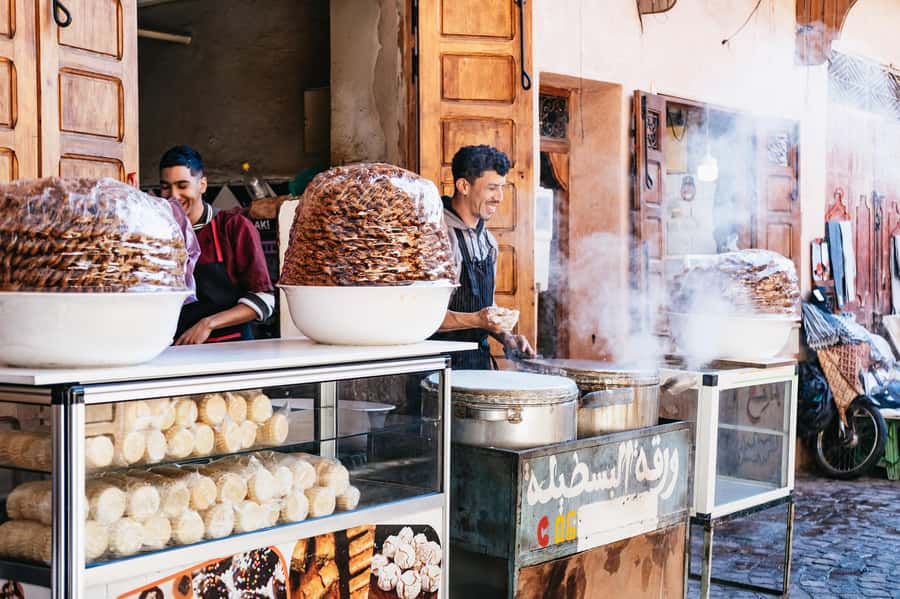
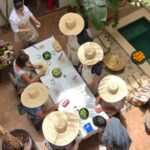
After the souk stop, you meet a welcoming local chef and head into a traditional riad setup. This is one of the strongest parts of the experience because the kitchen isn’t treated like a classroom. It’s treated like a home workflow.
In many runs, the cooking team is family-based—support from locals such as Khadija and Meriem shows up in the way equipment is prepared and the warm hospitality is handled. You’ll get more than recipe steps; you’ll get how people coordinate in a real kitchen.
A detail that keeps getting mentioned is how the day starts with mint tea. You’ll learn how to brew it patiently, and you’ll have time to actually enjoy it. That tea moment is not filler. It sets the pace so you’re ready to concentrate when the chopping and layering begin.
Brewing mint tea, then moving to tajine: the day’s pacing
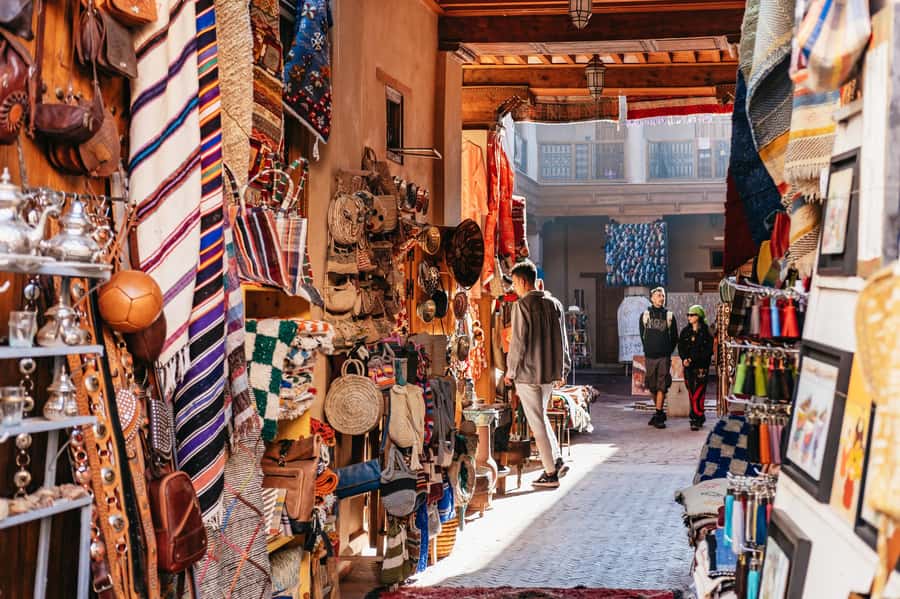
The format is smart: tea first, then cooking. You’re not thrown into heat and knives immediately after meeting in the square. Instead, you build a little rhythm.
In past sessions, the tea period also comes with small Moroccan sweets such as ghriba cookies. Even if your class variation differs, the idea stays the same: you get tea, a quick snack, and a calm reset before you start working.
Then the chef guides you through:
- what goes into a classic tajine build
- how to prep vegetables and herbs
- how to handle chicken (if you choose the chicken option, which is commonly offered in the class)
- how to season and layer so flavors hold through cooking
The group stays active. You’re not just watching from the side. You’ll do actual prep and cooking steps, then sit down to eat what you built.
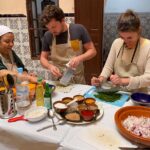

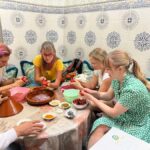
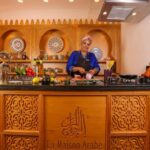

Hands-on tajine + fresh Moroccan salad: what you’ll cook in 4 hours
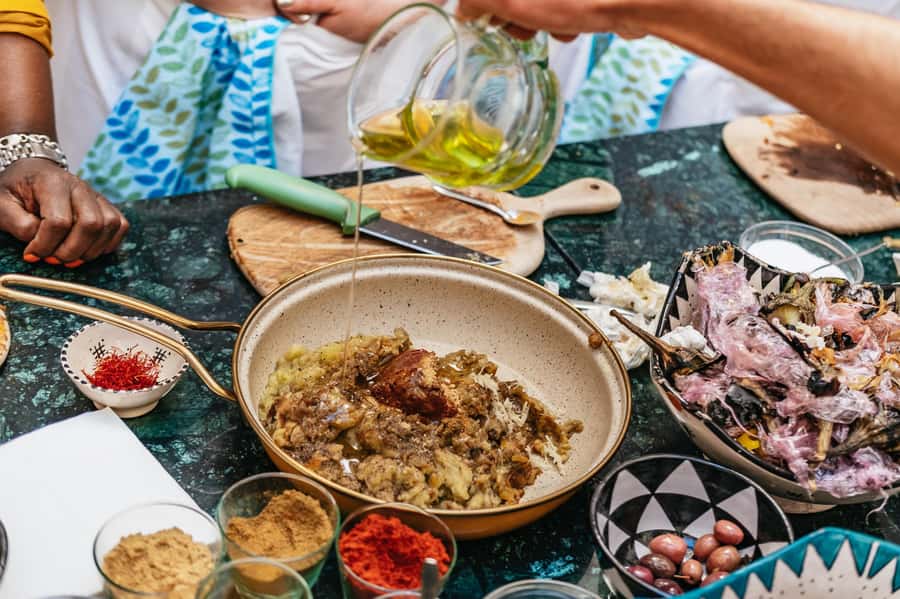
The core of the class is a traditional tajine plus a fresh Moroccan salad. Even with only 4 hours, the workflow is arranged so you don’t feel behind.
Here’s how the tajine portion usually clicks for beginners:
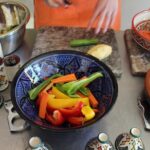
- You start with a base of vegetables and aromatics.
- You add meat and seasoning (often chicken in many runs).
- You finish with a technique for covering and cooking that keeps moisture and flavors together.
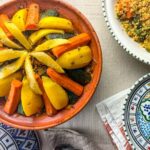
In some versions, the chicken tajine includes classic flavors like preserved lemon and olives—the kind of ingredients that can sound fancy but are very real to Moroccan home cooking. If you’re vegetarian or vegan, the experience can accommodate dietary restrictions, and the menu can adjust accordingly.
The salad is the other half of the meal. Moroccan salad isn’t just a side salad—it’s meant to bring crunch, brightness, and fresh contrast next to the slow-cooked tajine. If you care about getting the full plate balance, this part is a big deal.
If you’re gluten-free or have other restrictions, you can request those accommodations. Just remember that food inclusion can depend on what’s available on the day.
Eating in the riad: more than dinner, it’s part of the lesson
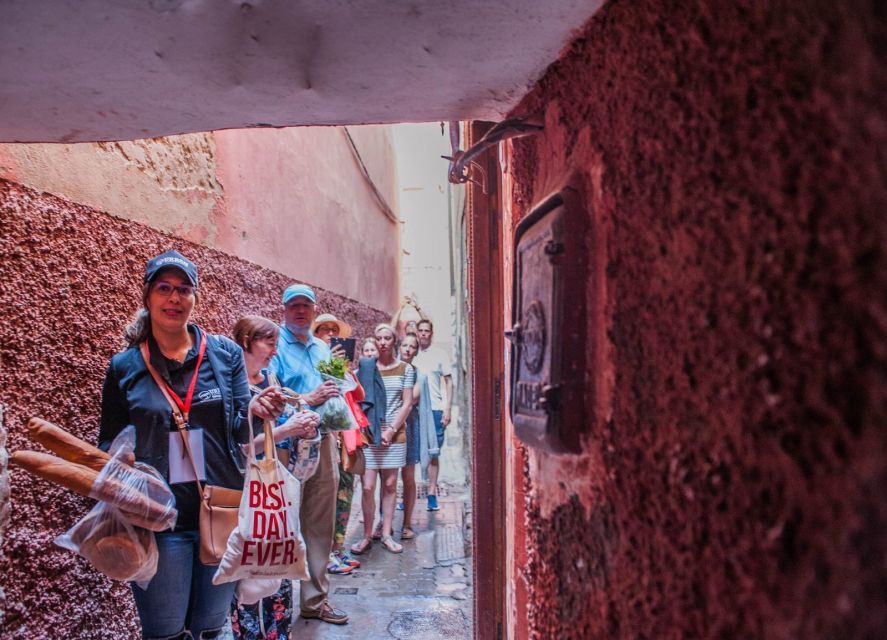
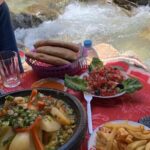
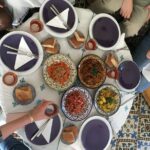
After cooking, you sit down and enjoy the meal you prepared, with Moroccan tea during the experience. This is where you see whether your spice balance and vegetable prep paid off.
Because the group is small, it’s also easier to share a table conversation. You’ll likely meet people while eating and compare what you chose and what you learned about spice pairing.
Another subtle value: the meal is eaten in the riad setting, not in a generic restaurant. Riads are known for their enclosed courtyards and home-like feel. Even if you only get a few hours, the atmosphere helps you take the day seriously as a cultural experience rather than a one-off activity.
The carbon-neutral and B Corp angle: why it matters in a practical sense
This experience is described as carbon-neutral and run by a B Corp–certified company. That’s not just a marketing badge. It signals that the operator is trying to make tourism more accountable—especially in places where visitor demand can distort local behavior.
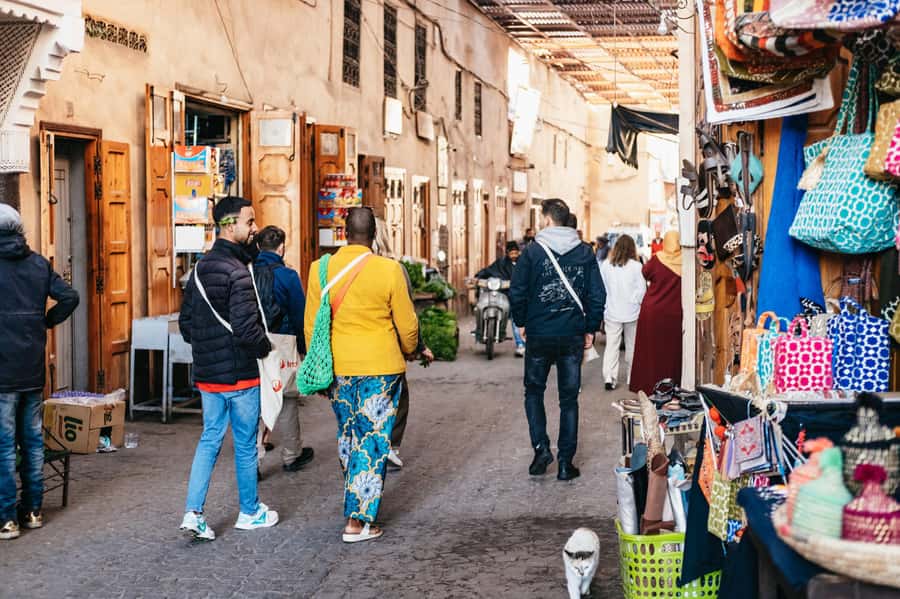
In practical terms, the experience is also designed around local support: shopping with a local guide, working with a local chef, and meeting a local family to learn about medina life. That’s the difference between spending money inside a bubble and spending it in a living neighborhood.
The class also aims to be “force for good” through how the trip is structured. You’re paying for hands-on learning and a community-based host relationship, not just paying for access to sights.
Value check: is $57 worth it for a Marrakech tajine masterclass?
At $57 per person for a 4-hour experience, the value depends on what you want out of Marrakech.
If you want:
- market time with spices and fresh ingredients
- hands-on cooking instruction
- the meal you cook
- Moroccan tea
- a take-home recipe sheet
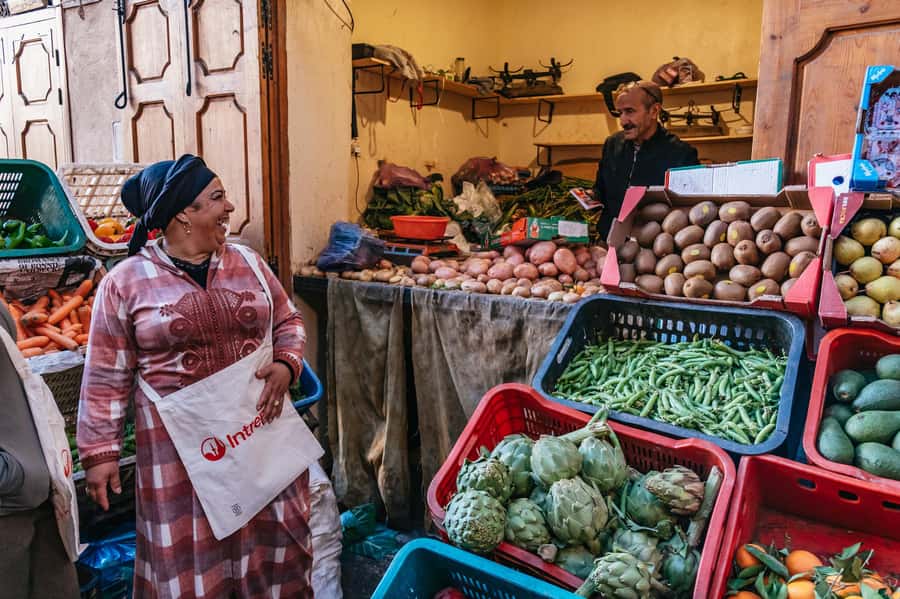
…then $57 starts to look reasonable. You’re not paying just for a plated lunch. You’re paying for ingredient shopping, guided instruction, and the full “market-to-plate” workflow in a traditional riad.
The main downside from a value perspective is what’s not included: hotel pickup/drop-off. That’s not a deal-breaker, but it does mean you should factor in time and energy to reach Djemaa el-Fna and find the correct guide.
Also, because the route and food can vary based on availability, the experience is less fixed than a mass-market product. That can be a good thing in the medina. It’s also a reason to go with flexibility in mind.
Who should book this tajine cooking class in Marrakech?
This class fits best if you:
- want to learn Moroccan food through actual cooking, not just tasting
- enjoy markets and don’t mind a bit of walking and negotiating in the souks
- like small-group experiences (up to 12) where you can ask questions
- want a cultural day that includes medina life, not only photo stops
- care about leaving with a skill you can reproduce later (the recipe sheet helps a lot)
It’s also child-friendly, and children under 6 can join free of charge. If you’re traveling with dietary needs, the class can accommodate vegetarians, vegans, and gluten-free requests.
If you hate markets, get overwhelmed easily by street-level chaos, or strongly prefer a door-to-door tour, this might feel like too much. In that case, it could be worth choosing something with a simpler start.
Should you book it? My honest take
Yes—if your ideal Marrakech day includes souks, spice talk, and hands-on riad cooking. The combination is the selling point: you shop for ingredients, learn the logic behind the flavors, cook the tajine and salad yourself, then eat it with tea in a real home-like setting.
Book with confidence if you’re okay meeting at Café France in Djemaa el-Fna and finding the Urban Adventures guide sign/badge on your own. If you want someone to pick you up and handle everything, you’ll need to make peace with the street-start.
One last tip: wear respectful clothing (no shorts, short skirts, or sleeveless tops) and bring comfortable shoes. It’s a small thing, but it makes the experience smoother from the first step in the square.
FAQ
Where does the tour meet?
You meet outside Café France in Djemaa el-Fna. The official guide will be holding an Urban Adventures sign or badge. Look out for fake guides around the square.
Is hotel pickup and drop-off included?
No. Hotel pickup/drop-off is not included.
How long is the Marrakech tajine cooking class?
The experience lasts about 4 hours.
How big is the group?
It’s a small group with a maximum of up to 12 guests. Private group options are also available.
Can the class accommodate dietary restrictions?
Yes. The experience can accommodate vegetarians, vegans, gluten-free, and other dietary restrictions.
What should I wear?
Shorts, short skirts, and sleeveless shirts are not allowed.
Can children join?
Yes. This is child-friendly, and children under 6 can join for free.