REVIEW · NAPLES
Naples: Pasta Cooking Class with Tiramisù and a Drink
Book on GetYourGuide →Operated by Luigi Marra · Bookable on GetYourGuide
Your hands learn Naples food fast. This pasta-and-tiramisù workshop in central Naples pairs hands-on dough work with real chef supervision in a proper restaurant setting near Teatro di San Carlo. I like the way it keeps things practical—fresh ingredients and simple techniques you can actually repeat later.
I also like that you make tagliatelle, ravioli, and maltagliati, then eat everything you help prepare, with a drink and espresso to close. One key consideration: this experience isn’t suitable if you have gluten intolerance.
In This Review
- Key things to know before you go
- Where You Meet and How Easy It Is to Get Oriented
- The Core of the Class: Making Pasta the Naples Way
- Tiramù Workshop: Coffee, Cream, and Getting It to Set
- How the Chef Finishes Everything (Including the Sauce Choices)
- The Meal Timing: Bruschetta, Your Pasta, Tiramisù, Then Espresso
- Drinks, Espresso, and What $71 Really Buys You
- Instruction in English: Small-Group Attention and Real Tips
- Who This Class Is Best For (And When It’s Not)
- Practical Tips to Make Your Night Smoother
- Should You Book This Naples Pasta and Tiramù Class?
- FAQ
- Where is the meeting point?
- How long does the experience last?
- Is the class taught in English?
- What dishes will I make?
- Are drinks included?
- Is extra alcohol included?
- What should I wear or bring?
- Is this class suitable for everyone?
- What’s the booking and cancellation policy?
Key things to know before you go
- Restaurant San Carlo 17 location: central Naples, easy to reach on foot from major sights.
- Three pasta types plus tiramisù: not just one dish—this is a full menu lesson.
- Chef-led cooking + your hands on prep: you shape and build; the chef finishes and sauce-cooks.
- Nerano, Sorrentina, and potato-provola sauces: Naples-style flavor combinations, served with what you made.
- English instruction: clear guidance throughout, with small groups in many sessions.
Where You Meet and How Easy It Is to Get Oriented
You meet at Via San Carlo 17, Naples, opposite Teatro di San Carlo, just a short walk from Piazza Plebiscito, Palazzo Reale, and Galleria Umberto I. It’s also close to the Municipio metro stop and the taxi rank, so even if you’re coming in from the waterfront, you won’t have to fight Napoli streets for long.
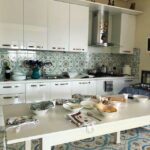
The class happens inside Restaurant San Carlo 17. Plan to arrive at least 5 minutes early—not because you’ll be rushed, but because the start matters. You’ll want time to settle in, find your station, and get into apron mode before the dough starts calling your name.
One more small detail that helps: the restaurant setting is part of the fun. Some past participants noted a view from an upper floor (oceanfront and a nearby castle), so if you have the choice in where you sit, take it.
You can also read our reviews of more tours and experiences in Naples.
The Core of the Class: Making Pasta the Naples Way
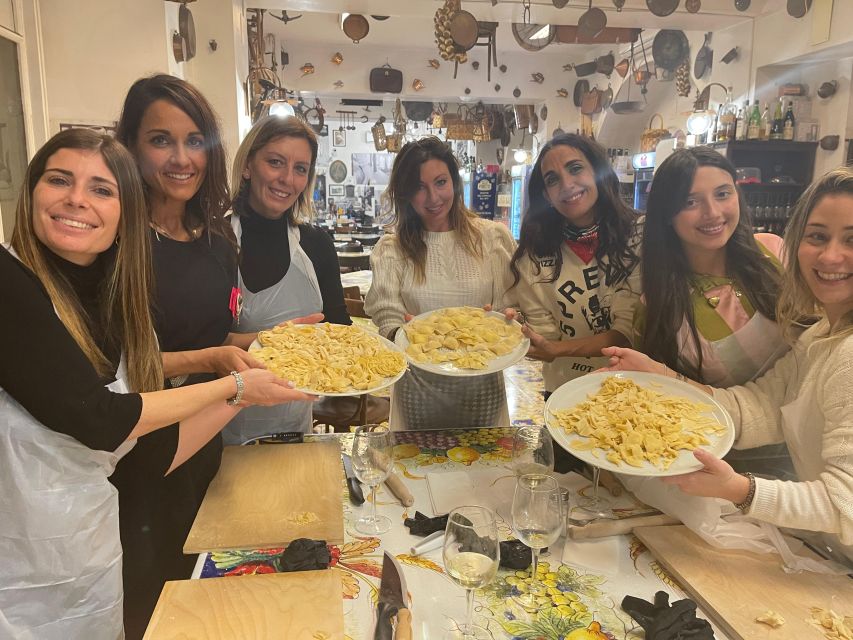
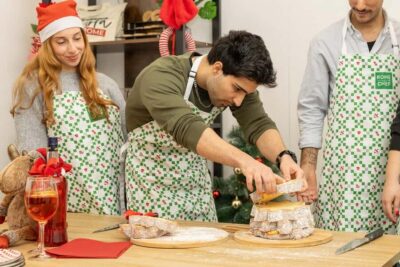
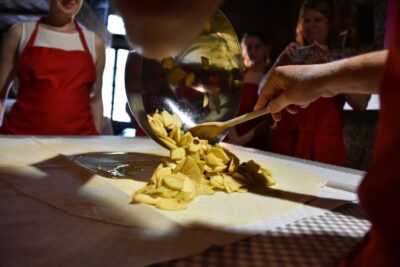
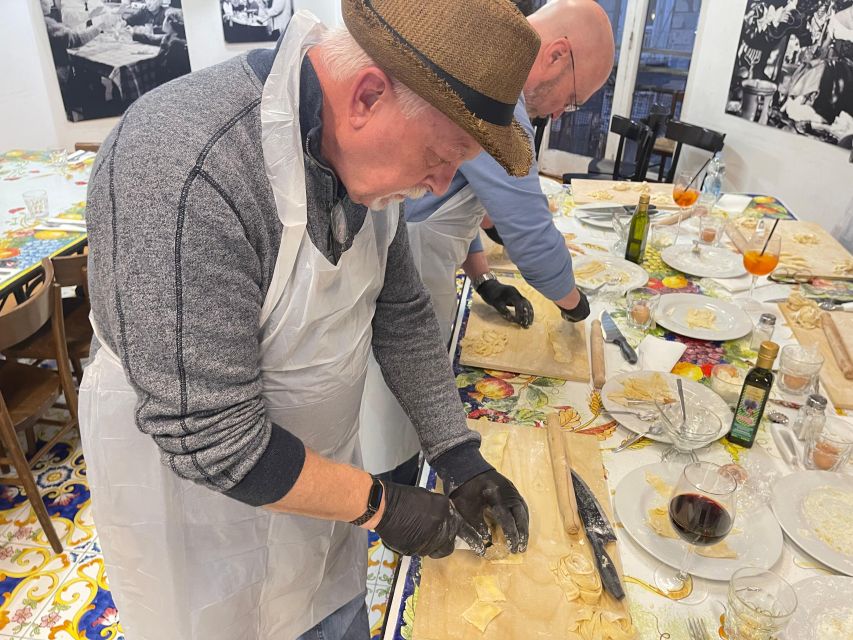
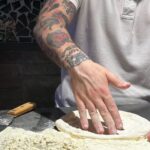
This isn’t a demo where you watch and hope. You’re actively doing the work: kneading dough, cutting/shaping, and assembling at least parts of what will become your meal. The chef and instructor guide you step-by-step, so you’re not left guessing with flour on your hands.
You’ll prepare three pasta styles:
- Tagliatelle Nerano
- Ravioli alla Sorrentina (filled with fresh ricotta)
- Maltagliati (a more rustic shape)
Even if you’ve never made pasta before, the class approach is built for confidence. You learn how dough should feel, how to roll it out, and how to handle pieces without turning it into a sticky mess. One past participant specifically mentioned rolling the dough with a roller instead of a machine, which is great because it teaches the physical “feel” behind the shapes.
And here’s why that matters: the real value of a pasta class isn’t just tasting good food in Naples. It’s learning the small decisions—thickness, texture, and timing—so when you’re back home, pasta doesn’t become a science project.
Tiramù Workshop: Coffee, Cream, and Getting It to Set
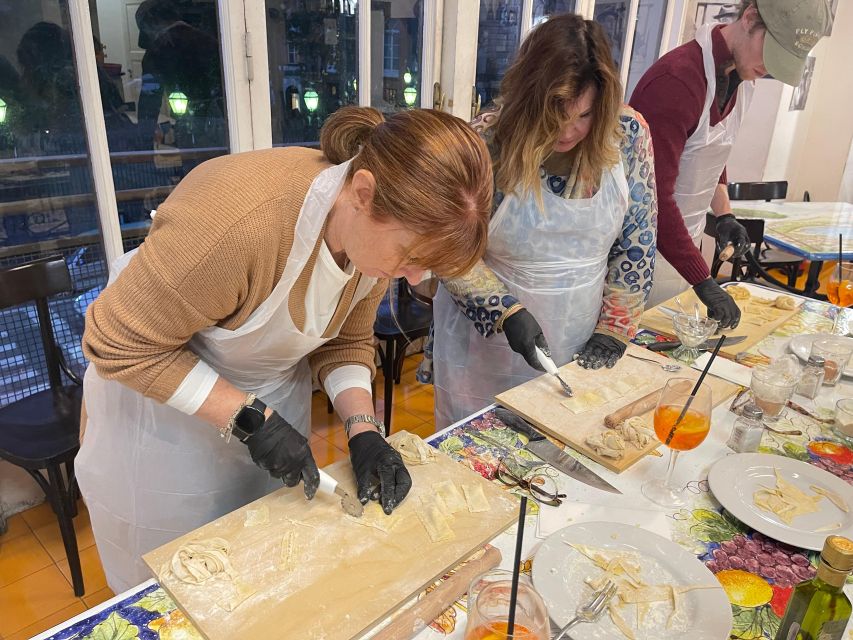
The tiramisù portion is a highlight because it teaches a dessert rhythm, not just a recipe. You help with the preparation, and the timing is built around setting so you can enjoy it at the end. In other classes at this venue, you often start tiramisù first so it has time to rest while you make pasta.
You’ll learn the classic structure: coffee flavor plus creamy components, assembled with care. Multiple participants noted that the result felt simple and fresh, and that it can differ from what many people expect based on versions outside Italy. Past comments also praised how the instructor made it both fun and actually doable, even for first-timers.
At the end, you’ll eat the tiramisù as part of the full meal, so you don’t just leave with a dessert in theory—you leave with dessert you made (and can judge).
How the Chef Finishes Everything (Including the Sauce Choices)
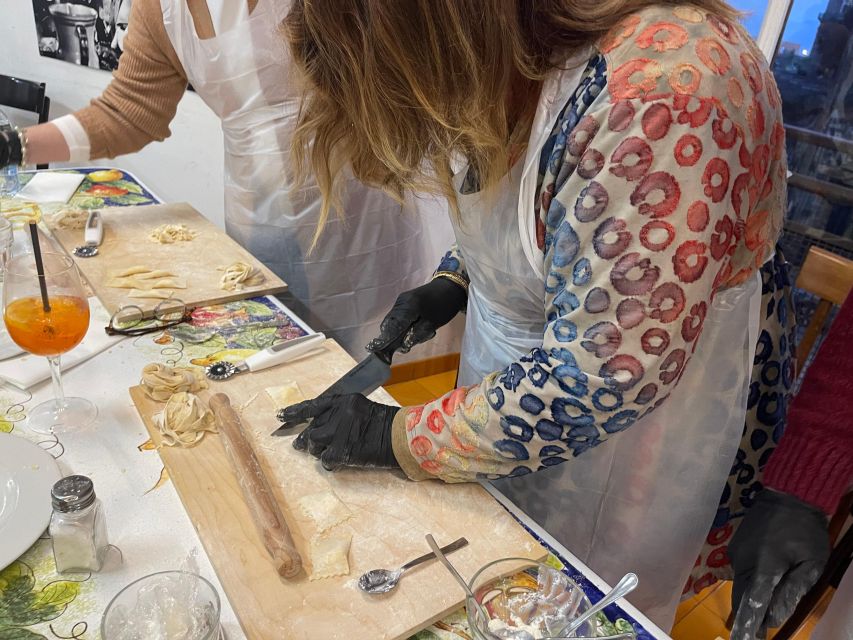
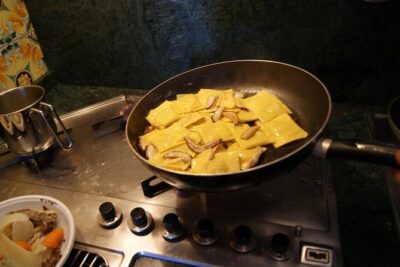
A key part of the experience is the balance between your hands and the chef’s kitchen skills. You shape and prepare the components, and then the chef handles the cooking and sauce work. That’s a smart setup: it keeps the class moving, and it ensures you’re tasting the kind of finish Naples cooks are known for.
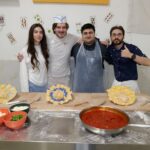
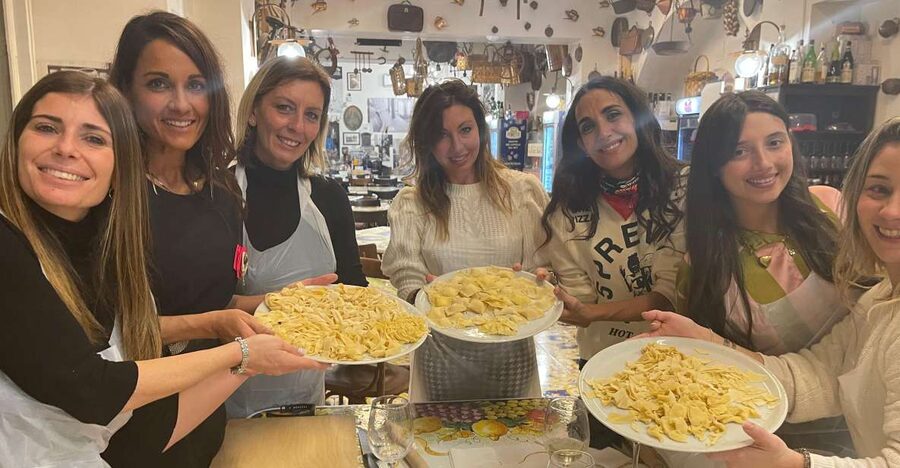
While you’re working on pasta and tiramisù, the chef cooks the pasta and pairs it with sauces including:
- Nerano Sauce
- Sorrentina Sauce
- Potato and Provola sauce
Why this matters: in Italian cooking, sauce isn’t an afterthought. It’s part of the lesson. These combinations also show how local ingredients shape everyday meals. If you’re someone who usually eats pasta but doesn’t think about sauce logic, this class gives you that missing link.
The Meal Timing: Bruschetta, Your Pasta, Tiramisù, Then Espresso
Once your hands are done, you get fed. The flow typically goes like this:
- You sit down with bruschetta as a starter.
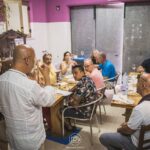
- You eat the pasta you helped make, served with the sauces the chef prepared.
- You finish with tiramisù.
- You drink a wine glass or one soft drink of your choice.
- The experience ends with espresso coffee.
Included items make this meal feel complete rather than snacky: you get 1 bottle of water and 1 drink, plus the espresso. Extra drinks cost extra, so if you’re a wine person, plan on the one included pour and then decide what to do next.
One practical tip: come hungry. Several past participants suggested that you’ll eat a lot. That’s believable—because you’re making three pastas plus dessert, the portioning adds up.
Deciding between pasta and pizza as your lesson? The dough-and-oven route is reviewed at naples-guide.com/naples-pizza-making-workshop-with-drink-and-appetizer/, runs shorter, and costs less; this class wins on the sit-down meal at the end. Both send you home with hands that smell of flour.
Drinks, Espresso, and What $71 Really Buys You
Price is $71 per person, and this is one of those experiences where value comes from the whole package, not just the cooking part. You’re not paying for a cookbook-style class. You’re paying for:
- a chef-guided hands-on session
- multiple dishes (three pastas + tiramisù)
- a meal with bruschetta and the pasta you made
- a drink plus water
- espresso at the end
For Naples, where food tours can sometimes feel like you’re mostly tasting and less often learning, this model is different. You leave with skills, plus you leave with dinner.
If you’re weighing it against a more basic food tasting, think about what you want from Naples: a few bites, or a real skill you can repeat at home. I’d pick this kind of class if you want your trip to produce something you can recreate.
Instruction in English: Small-Group Attention and Real Tips
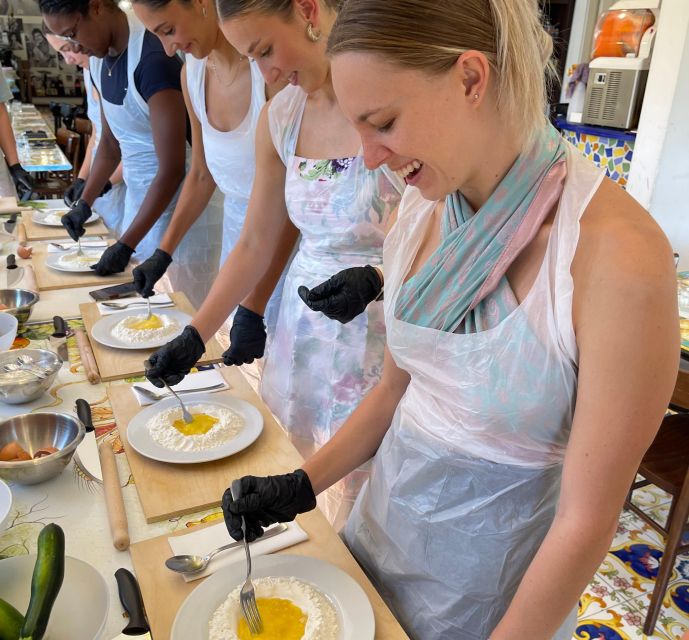
The class is in English, and instructors tend to be upbeat and patient—especially since many participants reported small groups. Some sessions even ran with just a couple of people on the pasta side, which gives you more room to ask questions and get corrections.
You might also pick up little regional details. One participant mentioned learning how Naples pasta often includes eggs, and how that compares to how pasta is made elsewhere (like parts of Canada or Sicily). Those kinds of “why” explanations are what turn a recipe into a method.
Also, expect instructors to guide the timing of dessert and the handling of dough. The pastry and pasta tasks are different skills, and the best part of the English instruction is that it stays practical—what to do with your hands, not just what to memorize.
Who This Class Is Best For (And When It’s Not)
This is a great fit if you want:
- a hands-on Naples cooking class with real technique
- a fun shared experience with friends or family
- an afternoon or evening activity that ends with a full meal
It’s especially appealing for first-timers because the structure is clear: you prep, the chef finishes, then you eat what you made.
It’s not a good match if you:
- have gluten intolerance
- have mobility impairments or use a wheelchair
- deal with motion sickness issues
- are traveling with very young children (this isn’t suitable for children under 2 or 3 years, and babies under 1 year)
If you’re unsure, focus on the part that matters most to you: do you need gluten-free flexibility, or do you need a seated, mobility-friendly setup? The class is designed around an active cooking format.
Practical Tips to Make Your Night Smoother
Here’s how to set yourself up for success:
- Arrive early enough to check in calmly at Via San Carlo 17.
- Wear comfortable clothes and shoes; bare feet aren’t allowed.
- Bring your appetite, because the meal includes bruschetta, multiple pastas, tiramisù, and espresso.
- If you’re picky about drinks beyond what’s included, remember extra beverages aren’t included.
One more detail that can help with expectations: the class is held in a restaurant space. In some sessions, another group may be doing a different cooking format in the same venue, so don’t be surprised if you hear other activity in adjacent areas.
Should You Book This Naples Pasta and Tiramù Class?
Book it if you want a Naples experience that’s hands-on, dinner-centered, and repeatable. You’ll learn three pasta types plus tiramisù, then eat your work with classic Naples sauces. At $71, it also feels like solid value because the included meal is part of what you’re paying for—not an add-on.
Skip it if gluten is an issue for you or if motion/mobility constraints would make a hands-on, standing-and-moving class uncomfortable.
If your goal is to come home with actual cooking confidence—rolling dough, shaping pasta, building tiramisù, and understanding why sauces matter—this is the kind of class that earns its place on a Naples itinerary.
FAQ
Where is the meeting point?
You meet at Via San Carlo 17, Naples, opposite the San Carlo Theatre.
How long does the experience last?
The duration of the experience is 2 hours.
Is the class taught in English?
Yes. The instructor teaches in English.
What dishes will I make?
You’ll prepare tagliatelle nerano, ravioli alla Sorrentina, and maltagliati, plus tiramisù.
Are drinks included?
Yes. You’ll get 1 bottle of water and 1 drink (alcoholic or non-alcoholic), plus an espresso coffee at the end.
Is extra alcohol included?
No. Extra drinks aren’t included.
What should I wear or bring?
You can’t be barefoot, so wear appropriate footwear. Show up at least 5 minutes early.
Is this class suitable for everyone?
No. It’s not suitable for wheelchair users, people with mobility impairments, people with gluten intolerance, people with motion sickness, and young children (not suitable for children under 2 or 3 years, and babies under 1 year).
What’s the booking and cancellation policy?
There’s free cancellation up to 24 hours in advance for a full refund. You can also reserve now & pay later.