REVIEW · CHIANG MAI
Chiang Mai: Traditional Thai Cooking Class with Market Tour
Book on GetYourGuide →Operated by Chiang Mai Smart Cook · Bookable on GetYourGuide
Market smells, then skillet lessons. In this Chiang Mai cooking class in a traditional Lanna home near Chiang Mai Gate Market, you start with a guided trip for Thai herbs, spices, and vegetables—then you cook your way through six classic dishes, including curry paste from scratch. It’s an English-taught, hands-on foodie day that ends with the meal you helped create.
I especially like the step-by-step focus on ingredients. The market tour makes the cooking click, because you see what goes into Thai food—bitter herbs, fragrant spices, and fresh veg—before you start chopping and pounding.
One thing to keep in mind: you may not end up with a huge dinner-sized portion, since some people report feeling a little hungry afterward. The upside is you’ll learn a lot, eat what you make, and leave with recipes and a full sense of what to buy and cook next time.
In This Review
- Key Takeaways Before You Go
- Market Tour First: Herbs, Spices, and What to Actually Buy
- A Traditional Lanna Home Near Chiang Mai Gate
- Cooking Six Thai Dishes in Four Hours: How the Pace Feels
- Curry Paste From Scratch: The Skill That Changes Everything
- Sticky Rice With Mango: Sweet, Salty, and Timing
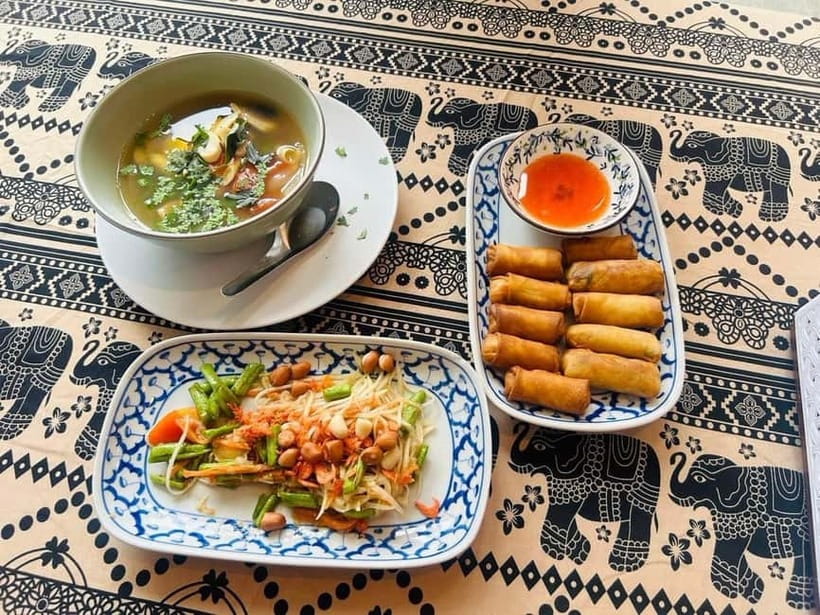
- The Meal You Cook: Big Flavor, Real Portions
- Instructor Style and Group Size: Where Learning Comes From
- What’s Included for $32: Value That Actually Adds Up
- Practical Tips So You Get the Best Day in Chiang Mai
- Should You Book This Chiang Mai Cooking Class?
- FAQ
- How long is the Chiang Mai traditional Thai cooking class?
- Does hotel pickup happen?
- How many dishes will I cook?
- Is alcohol included?
- What language is the instructor?
- What should I bring?
- Is there a cancellation policy?
Key Takeaways Before You Go
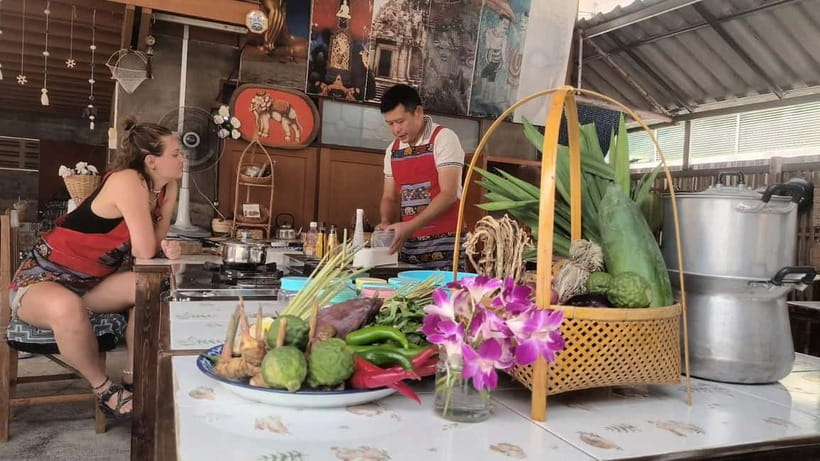
- Market-to-kitchen flow: herbs and spices you spot at the stalls show up later at your cooking station
- Curry paste from scratch: you’ll practice the base flavors that drive most Thai curries
- Sticky rice with mango: a Thai dessert classic that teaches timing and texture, not just sweetness
- Six dishes in about four hours: fast, practical cooking that’s built for real home use
- English instruction: chefs/guides explain what you’re doing and how to fix mistakes
- Recipe book included: you don’t just eat and forget; you take the steps home
Market Tour First: Herbs, Spices, and What to Actually Buy
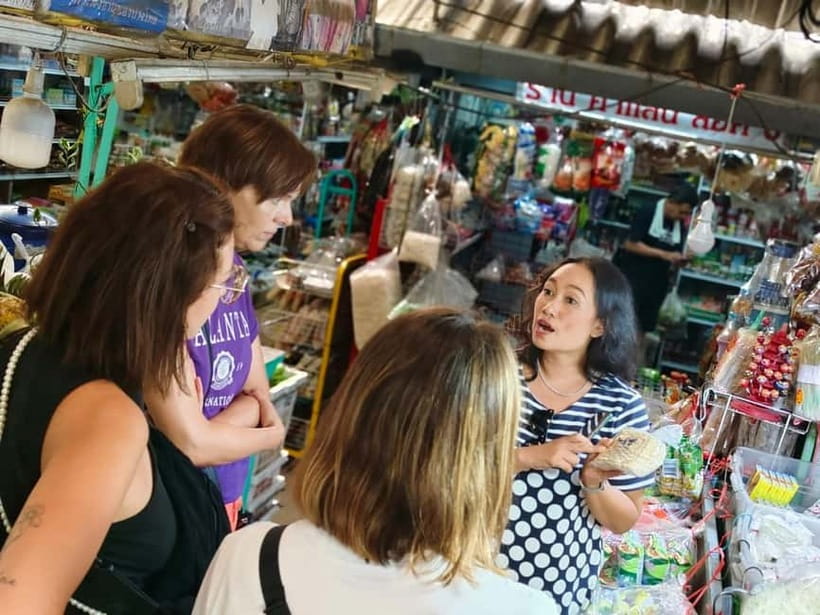
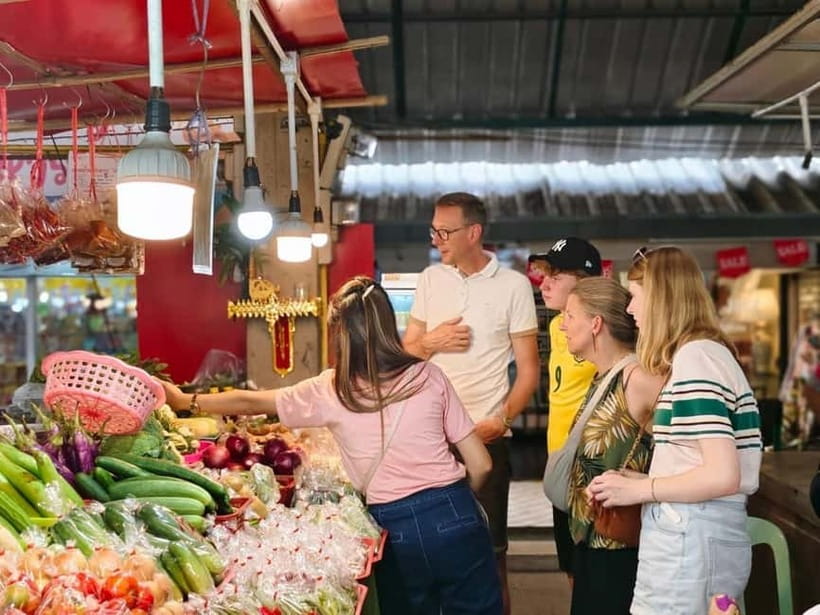
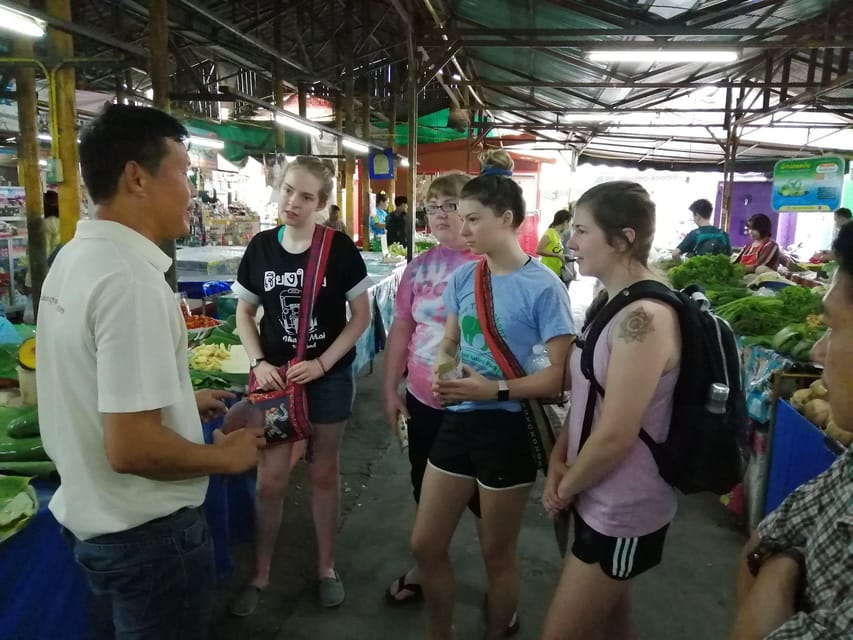
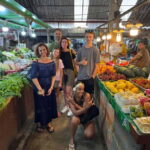
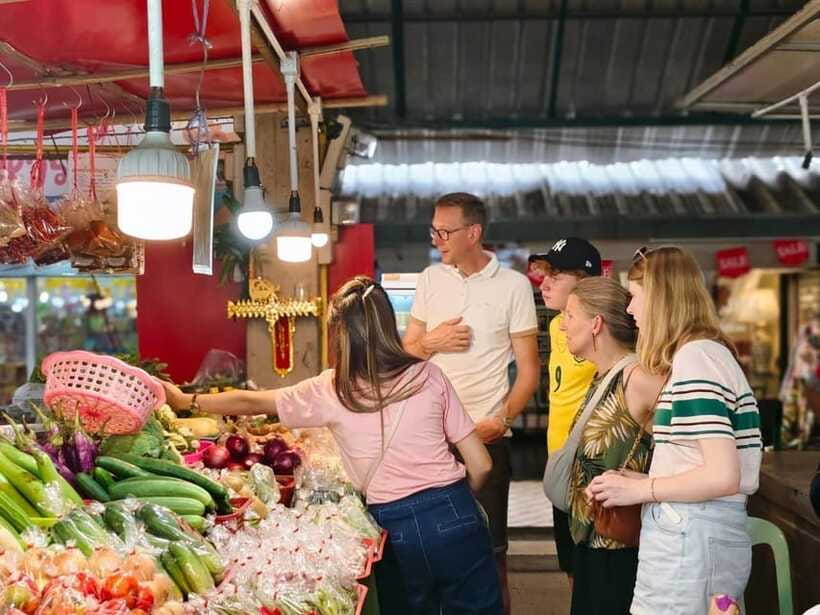
You’ll begin with hotel pickup, then head straight to a local market for a guided look at ingredients. This part matters more than it sounds. Thai cooking is ingredient-driven, and if you know what to look for—lime, galangal, lemongrass, dried spices, fresh herbs—you’ll be able to recreate flavors later without guessing.
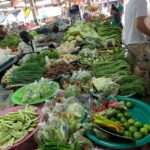
In the market, the focus is on Thai herbs, spices, and vegetables. Think of it like building your ingredient “map” before you start cooking. You’ll get a feel for what’s fresh versus dried, what’s meant to be ground, and what’s usually used for aroma. That’s why this tour works well even if you consider yourself a beginner: the cooking doesn’t happen in a vacuum.
A practical tip: wear comfortable clothes you can move in. Markets can mean lots of walking, heat, and close quarters. And since you’ll be going from shopping mode to cooking mode, it helps if you’re dressed in layers you can manage.
You can also read our reviews of more tours and experiences in Chiang Mai.
A Traditional Lanna Home Near Chiang Mai Gate
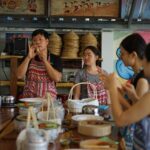
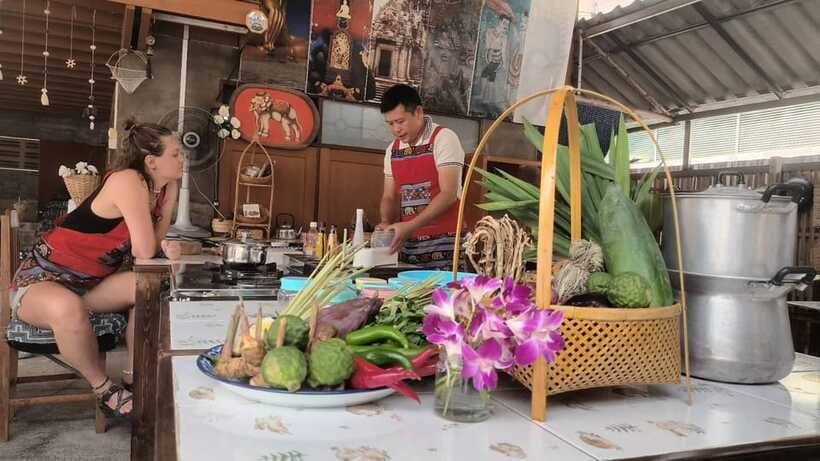
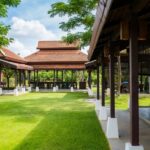
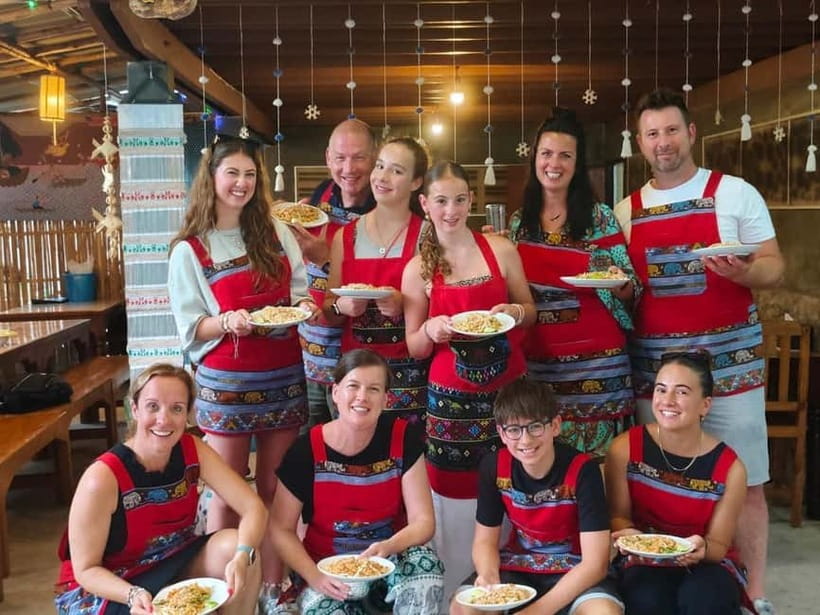
After the market, you shift from street life to a traditional Lanna home setup. This is where the class feels grounded and local, not like a cooking demo. You’re not watching from the back row. You’re working at your own station, following instruction in a way that makes the recipes feel doable.
This setting also helps explain the “why” behind Thai food. Lanna homes are tied to Northern Thai culture, and Chiang Mai’s cuisine has its own personality—herbs, aromatics, and textures that don’t always show up the same way in Bangkok-style cooking. Even if the dishes you cook include dishes known across Thailand, the environment keeps it tied to Chiang Mai’s rhythm.
Many classes like this are run by an English-speaking chef-guide, and the experience is known for being lively and organized. In past sessions, instructors named Tuu, Flook, Wave, Balloon, Mew, Tu, and Kat have led groups and taught with humor, patience, and hands-on guidance. You might not have the same instructor, but the style is consistent: you’re meant to actively cook.
Cooking Six Thai Dishes in Four Hours: How the Pace Feels
You’re in the kitchen for about four hours total, including pickup and the market time. The cooking portion is packed because you’ll make six dishes. That’s a lot for the clock, but the upside is clarity: you learn each dish’s key flavors and technique, instead of spending hours on just one plate.
For me, this is the sweet spot of cooking classes. Too short and you don’t learn anything. Too long and you forget what matters. Here you get a repeatable framework: ingredient first, then technique, then the final taste.
Also, the class is designed with variety in mind. Some instructors build a menu where not every dish is painfully spicy. One person specifically noted there’s plenty of choice and that not everything is extreme heat, which is useful if you like Thai flavors but don’t want your mouth on fire for four hours.
Curry Paste From Scratch: The Skill That Changes Everything
If you only remember one thing from this class, make it curry paste from scratch. Curry paste is the engine of Thai curries. Store-bought paste can taste fine, but homemade paste teaches you how flavor builds: aromatics, dried spices, and fresh ingredients blended together until they become a fragrant base.
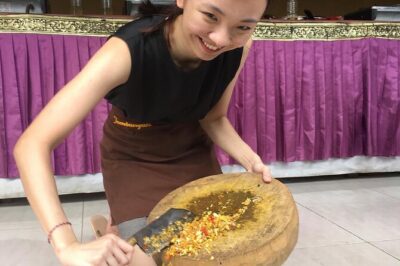
In this class, you don’t just watch someone grind. You learn how to make it from scratch and then use it in cooking as part of your dish lineup. That matters because curry paste isn’t only about ingredients—it’s about the process. Grinding, pounding, and mixing determine the paste’s texture and how the aromatics release.
This is where the market tour pays off again. You’ll likely recognize the ingredients you saw earlier, and you’ll understand why they were chosen. If you’ve ever tried cooking Thai food at home and the curry tasted off, curry paste technique is often the missing piece.
Sticky Rice With Mango: Sweet, Salty, and Timing
Another signature dish is sticky rice with mango. This dessert teaches Thai cooking texture and timing—sticky rice isn’t “just rice,” and mango isn’t only about sweetness. You learn how to get the rice properly sticky and how to balance it with the creamy, lightly sweet sauce that usually comes with this classic.
In a fast class, it’s easy to skip dessert fundamentals. Here, it’s part of the core set, which is a good sign. It tells you the class isn’t only about savory curries. You’re learning Thai cuisine as a whole meal experience.
If you’re the kind of person who wants to cook impressive meals for friends, this is also a standout takeaway. People remember mango sticky rice. If yours turns out right, it feels like you leveled up.

The Meal You Cook: Big Flavor, Real Portions
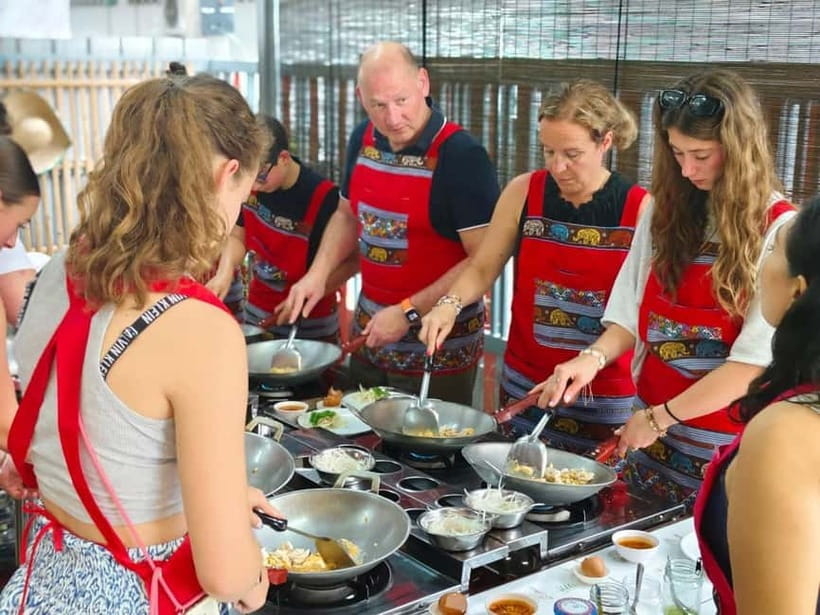
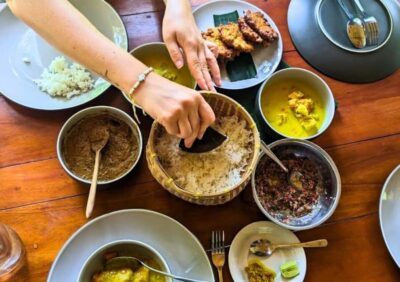
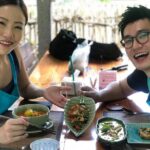
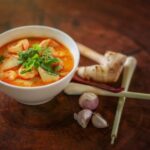
After you cook, you eat the dishes you prepared. That’s not a throwaway step. It’s part of learning. Taste while the food is fresh, compare dishes, and notice how each curry paste and herb note shows up in the final result.
Many people leave happy and full. One person described the group setup as well organized, with cooking stations prepared for you and extra help along the way—then everything you made is whisked away and cleaned up. That “someone handles the mess” feeling makes it easier to focus on learning.
Still, it’s smart to calibrate expectations on quantity. A couple of comments pointed out that portions might be a bit small if you planned to treat this class as a full dinner replacement. So if you’re hungry-prone, plan a light snack before the class and don’t assume this alone will cover every meal need.
Also note: the meal timing can shift. The schedule can mean your cooking class pairs with brunch, lunch, or dinner, depending on when you attend. That’s helpful because you can match it to your day in Chiang Mai, not the other way around.
Instructor Style and Group Size: Where Learning Comes From
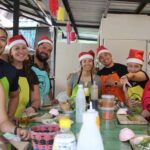
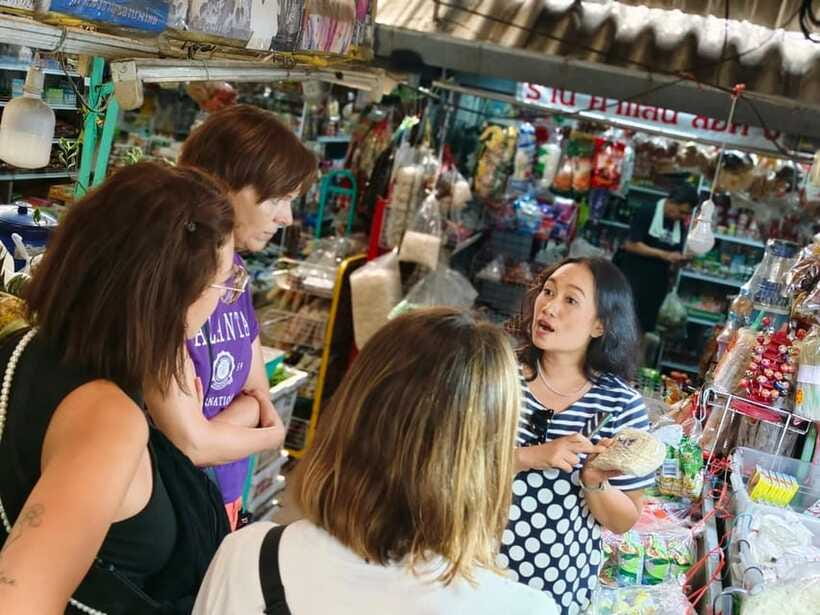
The most consistent theme is teaching style: the chefs and guides are described as patient, fun, and very helpful at each stage. People specifically praised instructors like Tu, Flook, Wave, Balloon, Mew, and Kat for being organized, funny, and supportive—so you’re not just learning recipes, you’re learning technique without getting lost.
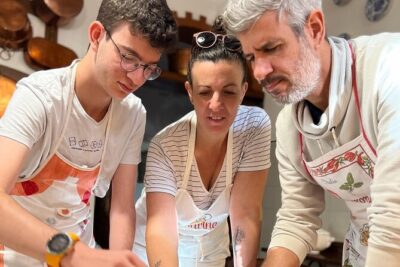
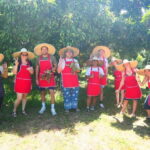
Another big factor is group size. Several comments mention small class sizes and that the format helps each participant get help while cooking. When you’re standing at a station trying to chop, grind, and stir, you need quick answers. A smaller group usually means less waiting and more chances to correct your method on the spot.
One thing to consider is the practical comfort layer. You’ll get a set-up that prepares your cooking stations, ingredients, and work flow. You should still come ready to roll—wear comfortable clothes, be prepared for heat during pickup and market time, and keep in mind that not all transport vehicles feel equally smooth (one person mentioned a bumpy ride in a jeep rather than an air-conditioned minivan).
What’s Included for $32: Value That Actually Adds Up
At about $32 per person for a four-hour experience, the value comes from what you’re getting, not just the price tag.
Here’s what’s included:
- Hotel pickup
- Local market tour
- Introduction to Thai herbs, spices, and vegetables
- Cooking class for six different dishes, including curry paste from scratch
- Ingredients for cooking
- A recipe book
That combination is the reason the class feels worth it. Many food tours only feed you. This one feeds you and teaches you. You’re walking away with a cookbook-style recipe set plus a clearer understanding of what ingredients do in Thai cuisine.
The one clear non-include is alcohol. Beer and alcohol aren’t included, and alcohol and drugs aren’t allowed on the activity. If you like pairing food with drinks, just plan to do that separately before or after.
Practical Tips So You Get the Best Day in Chiang Mai
This is one of those activities that goes smoothly when you meet it halfway. Here’s how to set yourself up:
- Bring comfortable clothes you can stand in and move around while cooking.
- Arrive at the lobby 15–30 minutes before pickup so your pickup doesn’t get delayed.
- Expect a market-to-kitchen schedule with heat and walking before you start cooking.
- If spice matters to you, tell your instructor your preference early. Some menus include dishes that aren’t all spicy.
- If you’re dieting or have allergies, you should be cautious, because the class includes cooking ingredients and multiple dishes, and the data you provided doesn’t list substitutions.
Finally, for families: the tour is not suitable for children under 5. If you’re traveling with younger kids, you’ll need a different option or a private setup elsewhere.
Should You Book This Chiang Mai Cooking Class?
You should book this if you want a hands-on Thai food day that includes both the ingredient lesson and the cooking results. It’s especially a good fit if you:
- like learning from an English-speaking chef-guide,
- want to cook curry paste from scratch (the real power move),
- care about learning techniques you can repeat later,
- and enjoy finishing your class by eating what you made.
You might skip it if your main goal is a big meal replacement. Even though you’ll eat everything you cook, a couple of people felt a bit hungry afterward. If you’re the type who plans dinner as a full event, consider scheduling this earlier in your day or pairing it with a meal after.
If you’re balancing value, authenticity, and practical take-home cooking knowledge in Chiang Mai, this is the kind of class that tends to make your next Thai meal taste better—because you understand what’s behind it.
FAQ
How long is the Chiang Mai traditional Thai cooking class?
The experience runs for about 4 hours from pickup through the class and meal.
Does hotel pickup happen?
Yes. Hotel pickup is included, and you should wait in the hotel lobby 15–30 minutes before your scheduled pickup time.
How many dishes will I cook?
You’ll learn to cook 6 traditional Thai dishes, including curry paste from scratch and sticky rice with mango.
Is alcohol included?
No. Beer and alcohol are not included, and alcohol and drugs are not allowed during the activity.
What language is the instructor?
The instructor teaches in English.
What should I bring?
Wear comfortable clothes. That’s the main item listed.
Is there a cancellation policy?
Yes. The tour offers free cancellation up to 24 hours in advance for a full refund.