REVIEW · BUDAPEST
Budapest: Small-Group Cooking Class & Market Tour with Local
Book on GetYourGuide →Operated by Foodapest · Bookable on GetYourGuide
Budapest tastes different when you cook it with locals. This small-group Foodapest class starts at the Central Market Hall and ends in a cozy apartment kitchen, where you learn Hungarian recipes family-style with real market ingredients. I like how the tour includes tastings right away, then the cooking flows naturally into a shared meal.
One thing to consider: if you’re expecting punchy flavors every step of the way, the chicken paprikash can come across a bit mild for some tastes, even though the technique is very useful.
In This Review
- Key Takeaways Before You Go
- Family-Style Hungarian Cooking in a Fully Air-Conditioned Apartment
- Central Market Hall: Tastings That Teach You What to Buy
- From Cold Cuts and Pickles to Wine Pairings Before the Stove
- The Hands-On Lesson: Chicken Paprikash, Goulash, or Stuffed Cabbage Rolls
- Dessert and Small Techniques You’ll Reuse at Home
- The Communal Table: Why Small-Group Social Time Works
- Price and Value: What You’re Actually Getting for $100
- Who This Class Is Best For (and Who Should Rethink It)
- Should You Book Foodapest in Budapest?
- FAQ
- What dishes will I cook during the class?
- Is the class suitable for gluten-free or vegan diets?
- What’s included besides the cooking lesson?
- Where do we meet, and does it change for evening classes?
- How long does the experience last?
- Do I receive anything to take home?
Key Takeaways Before You Go
- Central Market Hall first: you taste what you’ll later cook with, so you build real ingredient sense fast.
- Fully air-conditioned cooking space: it’s built for comfort when Budapest is hot out.
- Family-style, communal cooking: you’re not just watching; you’re cutting, cooking, and eating together.
- Pick your main dish: chicken paprikash, goulash, or stuffed cabbage rolls (tell them your preference ahead of time).
- Take-home keepsakes: a recipe booklet plus a one-of-a-kind handwritten vintage historic postcard.
Family-Style Hungarian Cooking in a Fully Air-Conditioned Apartment
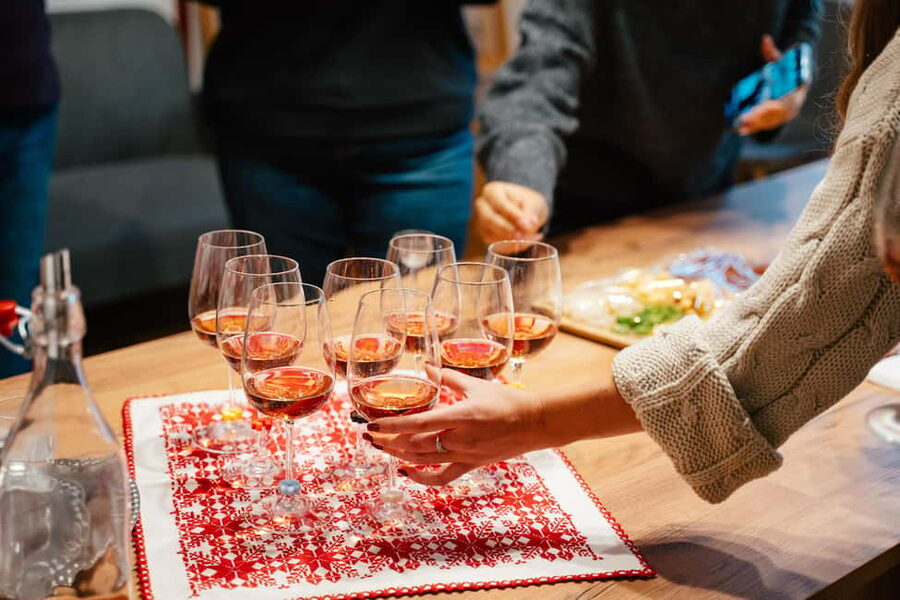
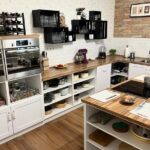
This is the kind of Budapest food experience that feels less like a class and more like getting invited into someone’s weekend routine. You start with a market visit, then you move to an apartment kitchen where the teaching stays practical and hands-on. And yes, it’s fully air-conditioned, which matters in summer when Hungary’s heat can turn walking into a chore.
What I like most is the rhythm. First you taste and learn what Hungarian producers actually make. Then you cook with those ingredients using traditional methods, not just quick steps meant to impress. The communal setup also keeps the energy up: you’ll talk, share tasks, and sit down together once the food is ready.
You can also set yourself up for success before you arrive. The experience offers gluten free, vegan, and vegetarian options, and you’re asked to send dietary restrictions ahead of time. That helps the kitchen plan, and it means you won’t feel like you’re “behind” the group’s meal.
You can also read our reviews of more tours and experiences in Budapest.

Central Market Hall: Tastings That Teach You What to Buy
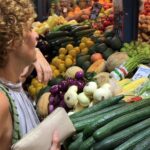
Central Market Hall is the big star here, and the way Foodapest uses it is smart. Instead of treating the market like a checklist of sights, the guide brings you through stalls with an eye for what you’ll taste and what you’ll later cook with. You’ll also skip the worst of the lines thanks to a separate entrance, so the experience starts feeling efficient right away.
As you walk, you’ll get a steady stream of local bites. Expect tastings tied to Hungarian everyday eating, not just tourist samples. One of the best benefits is that you learn the difference between ingredients that sound similar in English and those that actually taste different in Hungarian cooking. It’s the kind of knowledge you can use later when you’re shopping in another city.
You’re also getting more than food shopping. Your host shares context on culture and customs as you go, including how Hungarian cuisine developed around family meals and seasonal ingredients. Past sessions have had hosts like Ben, Mesi, and Marcell guiding the group, and the common thread is clear: you’re learning how to see the market like a local, not like a camera operator.
Practical note: bring a good walking posture mindset. Even with tastings planned in, you’re still moving through a large indoor market area. Comfortable shoes help more than you’d think.
From Cold Cuts and Pickles to Wine Pairings Before the Stove
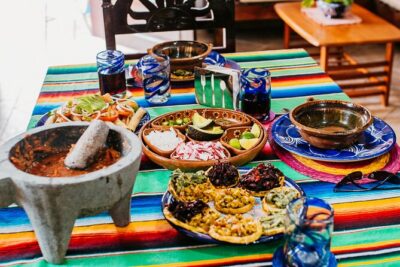
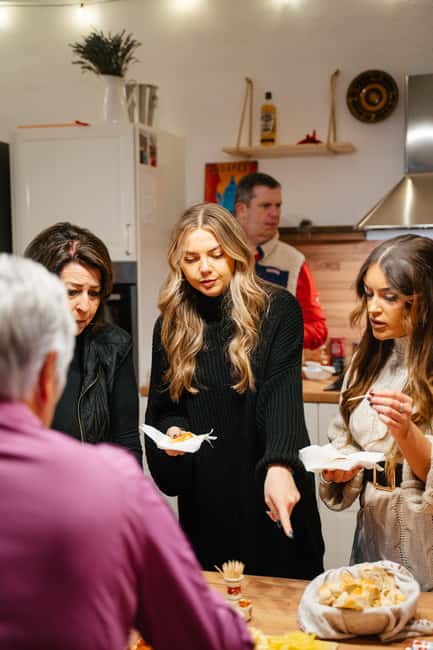
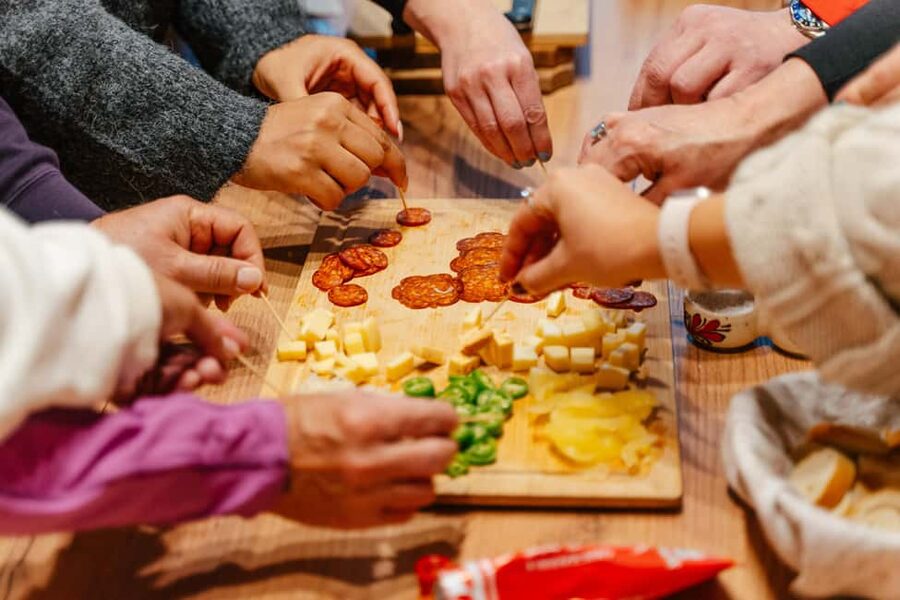
The experience doesn’t send you into the cooking room on an empty stomach. Right before class work starts, you’ll get welcome tastings like Hungarian cold cuts, cheeses, and pickles. This is more than a snack stop. It’s a quick way to train your palate to Hungarian flavor patterns—salty, tangy, smoky (depending on the producer), and paprika-forward in many dishes.
Then comes the drinks. You’ll have wine pairing and also a Hungarian spirit tasting, which gives you a more complete idea of the food-and-drink culture around the meal. Several people in past classes talked about how social the atmosphere was and how the pace stayed lively, partly because the tastings and pouring weren’t treated like a one-time thing.
One subtle advantage: you’ll often understand what you’re tasting more once you’re later cooking. Market tastings can be “nice” if you don’t know what to notice. Here, your guide links tastes to cooking decisions, so you’re more likely to remember what matters.
If you’re sensitive to alcohol, plan for a slower pace with the wine tasting. The group format is social, but you’re still in control of how much you drink and when you snack.
The Hands-On Lesson: Chicken Paprikash, Goulash, or Stuffed Cabbage Rolls
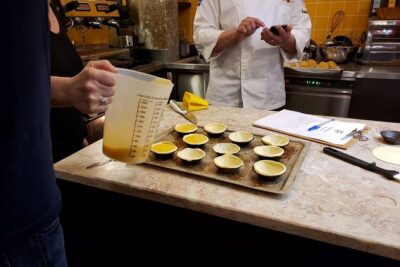
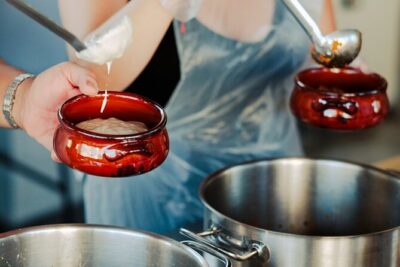
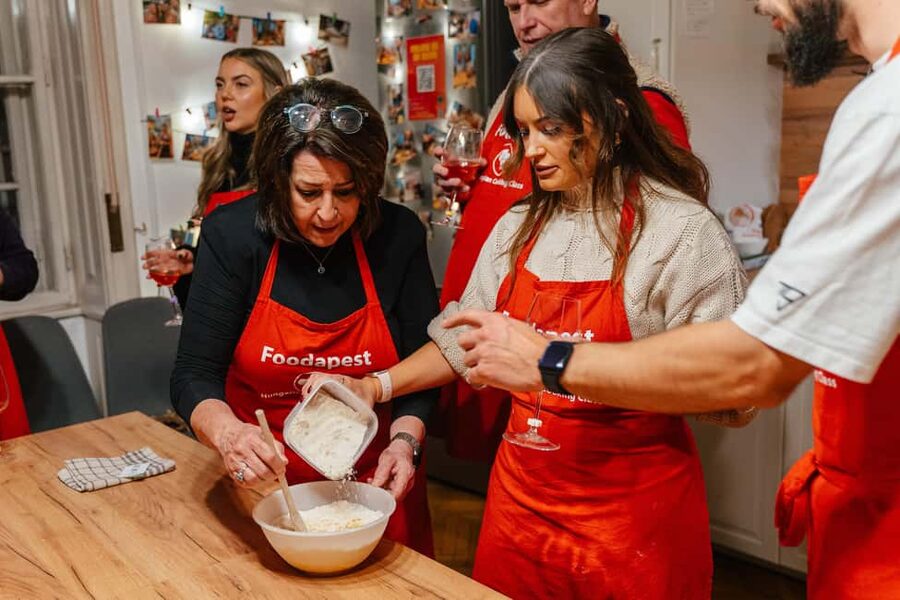
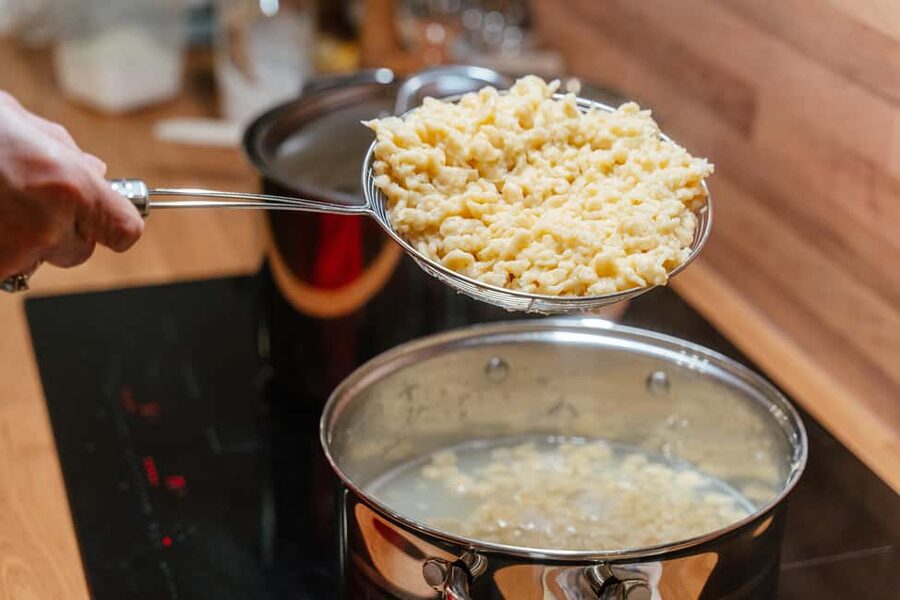
At some point, you stop walking and start cooking. This is where the experience earns its place among the better food tours in Budapest, because it’s not just about eating a dish someone else cooked. You’ll work with fresh ingredients you sourced at the market, then you’ll prepare a traditional main course and learn techniques you can repeat later.
You’ll choose or be assigned a main dish from one of the Hungarian classics: chicken paprikash, goulash, or stuffed cabbage rolls. Let the organizers know your meal preference ahead of time. If you have dietary needs, you’ll also want to specify those early so the kitchen can adjust ingredients and prep.
Here’s the practical angle: even if you’re not a serious cook, you’ll come away with basic skills you can use anywhere. Past participants highlighted learning cutting basics and getting clearer on how Hungarian cooking methods work with onions, paprika, and slow-simmered flavors. That matters because Hungarian home cooking isn’t just one flavor—it’s a system.
And about flavor expectations: one person said the chicken paprikash felt a little bland in their serving, especially compared to the way it looked in photos. That doesn’t mean the recipe is wrong. It does mean you should plan to taste and adjust to your own preference during cooking—especially salt and paprika intensity—if you like bolder flavors.
Dessert and Small Techniques You’ll Reuse at Home
Foodapest includes dessert as part of the class meal, which many cooking experiences skip or treat as an afterthought. The goal isn’t just a sweet finish. It rounds out your understanding of how Hungarian meals can move from savory comfort food into something lighter or gently spiced, depending on what’s prepared that day.
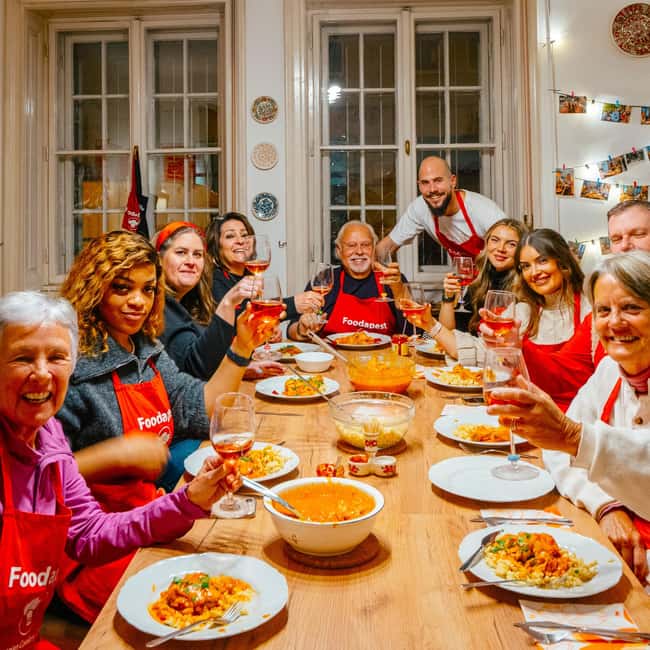
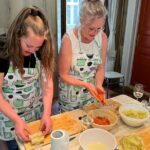
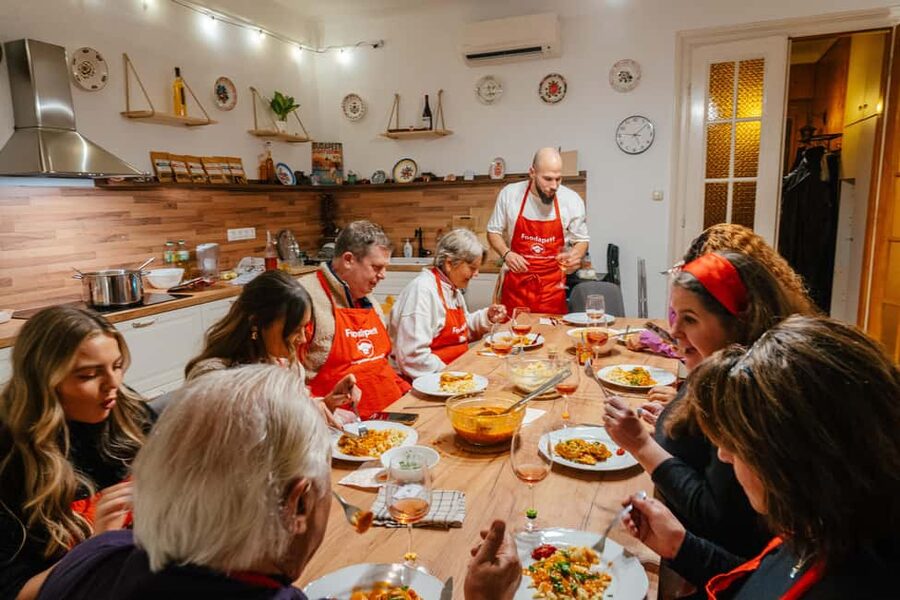
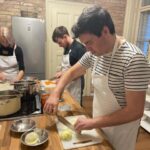
The class is described as communal and inspired by family tradition, which shows up in how the group works at the apartment table. You’re not sent to different corners with separate instructions. Instead, you cook together, share tasks, and eat what you made—together. That’s part of why people keep calling this a social highlight, not only a food event.
From a value standpoint, dessert also matters because it helps you justify the full cost as a meal package, not just an activity. You’re leaving with a complete Hungarian experience: market tastings, main course cooking, dessert, and drink pairings.
If you’re the kind of traveler who wants to take something home, you’ll also receive a recipe booklet. It’s an actual reminder tool, not just a souvenir folder. Use it to practice at home while the process still feels fresh in your mind.
The Communal Table: Why Small-Group Social Time Works
This tour’s real magic is how quickly strangers turn into a group. The format is small, and people have described feeling included in every part of the process—everyone cooking, tasting, and chatting. Several hosts have led classes, including Kinga and George in past sessions, and the common thread is a friendly teaching style that keeps the work from feeling stiff.
In practical terms, small-group cooking is easier than big tours. You can ask questions without shouting. You can actually see what the chef is doing while you’re holding the knife. And if you’re traveling solo, the communal meal gives you natural conversation starters without forcing awkward icebreakers.
You’ll also get cultural context while you work. Hosts often explain customs and Hungarian food habits as you go, including how families cook and eat on regular days, not only during holidays. That’s one reason the experience can feel more authentic than a scripted museum-style food show.
If you like meeting people from different countries, this is a strong match. If you prefer silence and minimal interaction, you might find the social energy a bit more than you want.
Price and Value: What You’re Actually Getting for $100
At about $100 per person for roughly 4 hours, this isn’t the cheapest thing to do in Budapest. But it also isn’t just a cooking demo. You’re paying for a layered experience:
- Market access and guided tastings at Central Market Hall
- Hands-on cooking in a local apartment kitchen
- Food components beyond your main dish, including cold cuts, cheeses, and pickles
- Wine pairing and a Hungarian spirit tasting
- Main course and dessert cooked and eaten together
- A recipe booklet plus a one-of-a-kind handwritten historic postcard
When you break it down, the market part matters. Central Market Hall tickets and guided tastings elsewhere can add up fast once you start paying for both access and food sampling. Then you add the cooking lesson with ingredients and equipment, plus drinks. The recipe booklet and postcard are small extras, but they do help you remember the day with something tangible.
Also, you’ll want to treat the location choice as part of the value. Cooking in an apartment kitchen changes the feeling. It’s not a generic studio kitchen where you watch and stand back. Here, you’re close to the cooking, like you’re at a host’s home.
Quick practical note: the booking info is designed to be flexible, with free cancellation up to 24 hours in advance and options to reserve now and pay later.
Who This Class Is Best For (and Who Should Rethink It)
Book this if you want Hungarian food that’s hands-on, social, and built around real ingredients. It’s especially great for:
- Food lovers who want technique, not just a plate
- Couples and small groups who like sharing a meal they helped make
- Solo travelers who want easy conversation without awkwardness
- Travelers who want an indoor activity that still feels local, especially in summer heat
You might rethink it if you strongly prefer a quiet, structured class where you just do your steps and leave. Communal cooking includes talking and group energy.
And if you’re extremely sensitive to alcohol or you never drink wine or spirits, you’ll still be in a setting that includes tastings. You can manage that by pacing yourself, but it helps to know the experience is built around pairing.
Dietary needs are welcome here—gluten free, vegan, and vegetarian options exist—but you’ll get the smoothest experience if you tell them your restrictions and dish preference in advance.
Should You Book Foodapest in Budapest?
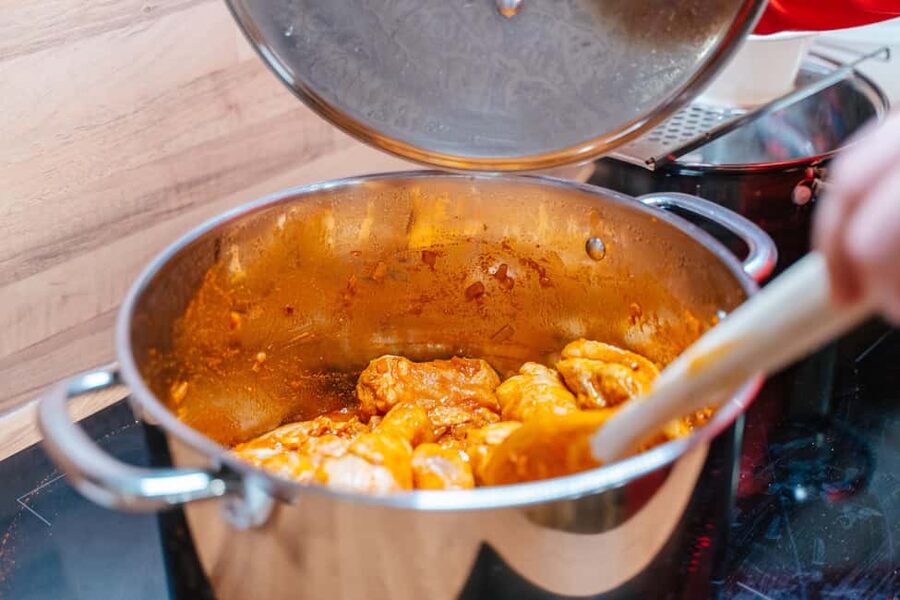
Yes, I’d book it if you want a high-satisfaction day with more than one payoff: market tastings, hands-on cooking, and a full meal at the end, all in a comfortable air-conditioned apartment setting. The best reason to choose this class is the combination of market context plus family-style cooking in one flow. You don’t just eat Hungarian food; you learn how it’s put together.
Do it especially if you’re only in Budapest for a few days and you want one activity that teaches you how to think about Hungarian ingredients. If you’re worried about mild flavor in certain dishes, show up ready to taste and adjust to your own preference during cooking. With that mindset, you’ll leave with both a great meal and skills you can use back home.
FAQ
What dishes will I cook during the class?
You’ll cook a traditional Hungarian main dish and dessert. The main dish meal preference is available among chicken paprikash, goulash, or stuffed cabbage rolls—so you’ll want to choose based on your tastes and share your preference ahead of time.
Is the class suitable for gluten-free or vegan diets?
Yes. Gluten free, vegan, and vegetarian options are available. Make sure you tell the organizers your dietary restrictions in advance so the cooking plan can match your needs.
What’s included besides the cooking lesson?
The experience includes a welcome tasting of Hungarian cold cuts, cheeses, and pickles. You’ll also get wine pairing and a Hungarian spirit tasting, plus soft drinks and water. You’ll eat the main course and dessert that you prepare during the class.
Where do we meet, and does it change for evening classes?
For the evening cooking class, you meet at the apartment directly. You can find the location by searching Foodapest – Hungarian Cooking Class, at Budapest, Kinizsi u. 22-6/B, 1092 Hungary.
How long does the experience last?
The class runs for 4 hours.
Do I receive anything to take home?
Yes. You’ll get a recipe booklet and an authentic vintage postcard souvenir that is handwritten and historic.