REVIEW · CHIANG MAI
Evening Cooking Class in Organic Farm with Local Market Tour
Book on Viator →Operated by The Best Thai Cookery School · Bookable on Viator
Thai cooking kicks off with herbs and a market stop. This evening class in Chiang Mai pairs a short local market visit with an organic-farm ingredient hunt, then lets you cook at your own station and sit down for the meal you made. Hotel pickup and an easy 5-hour flow make it simple, even if your day is packed.
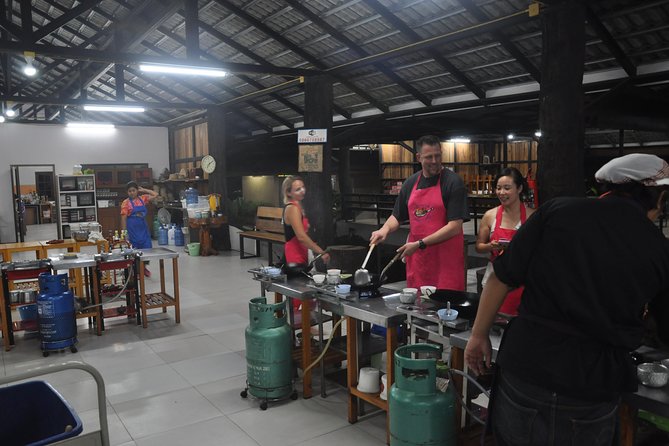
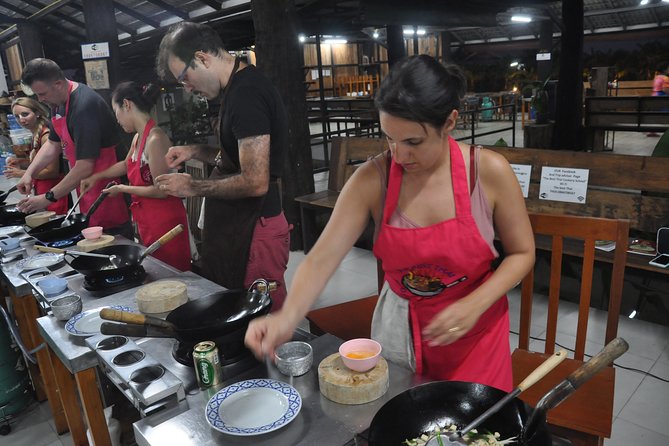
I love the setup with individual cooking stations, so you aren’t just watching from the sidelines. I also love that you get to eat what you cook while it’s hot and fresh, not later, not randomly.
One consideration: it starts at 3:30 pm, so you’ll want to keep your late-afternoon plans flexible and treat this like your main event that evening.
In This Review
- Key takeaways before you go
- Why this 3:30 pm cooking class fits Chiang Mai evenings
- Somphet Market: a 30-minute hit of local food culture
- Organic farm ingredient picking: why it changes your cooking
- Your own cooking station: curry paste basics and real technique
- The meal: eating your dishes while you remember how you made them
- Price and value: what $29 really covers in practice
- Practical tips so you finish happy, not flustered
- Who should book this (and who might skip it)
- Should you book this evening cooking class with market and organic farm time?
- FAQ
- What time does the tour start?
- How long is the cooking class experience?
- Is hotel pickup and drop-off included?
- What happens at the market stop?
- How many dishes do you cook?
- Can I get a full refund if I cancel?
Key takeaways before you go
- 3:30 pm start with round-trip hotel transfers makes the timing easy to manage
- Somphet Market stop is short (about 30 minutes), perfect for getting oriented fast
- Organic farm ingredient picking gives you a practical reason to care about quality
- Your own station helps you actually cook, not just learn
- Six dishes plus demos cover classics like papaya salad and mango sticky rice
- Small group (max 10) keeps the class feeling hands-on
Why this 3:30 pm cooking class fits Chiang Mai evenings
This is the kind of tour that works well when you want a real experience without losing half the day to logistics. The start time is 3:30 pm, and the whole thing runs about 5 hours. You can do lunch and still have a full evening left, but you’ll want to plan for this to be the main event between late afternoon and dinner.
The biggest practical win is the included round-trip hotel transfer. You don’t have to figure out who’s where, which songthaew to catch, or how to get back after you’re stuffed. Even with pickup, Chiang Mai can be busy at peak hours, so having a planned drive ahead of time helps your stress level more than you’d think.
It’s also capped at 10 travelers, which usually means questions get answered and you aren’t waiting for attention. That matters for cooking classes because the moments you need help are the moments you’re holding a knife or stirring something that changes fast.
You can also read our reviews of more tours and experiences in Chiang Mai.
Somphet Market: a 30-minute hit of local food culture
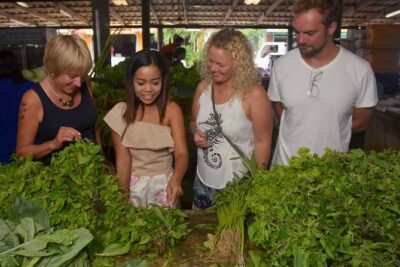
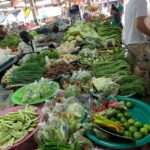
Your evening starts at Somphet Market for about 30 minutes, with admission included. This isn’t a long wandering day at a market. It’s more of a focused orientation: what’s fresh, what Thai cooks reach for, and what ingredients look like before they become curry, salad, and sticky rice.
Here’s how to make the market stop pay off: don’t just browse. Use the time to notice texture and shape. In Thai cooking, ingredients aren’t interchangeable. Herbs smell different, chili heat varies, and your final flavor depends on using the right parts of the plant.
A smart move is to come with a small mindset shift: treat this stop like a shopping briefing for your future meal. When you later learn curry paste basics and assemble dishes, the market visual memory helps everything click faster.
If you get distracted easily in markets, this short timeframe is actually a benefit. You get the flavor of local shopping without spending the evening stuck in a maze of stalls.
Organic farm ingredient picking: why it changes your cooking
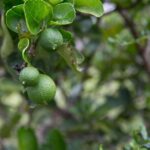
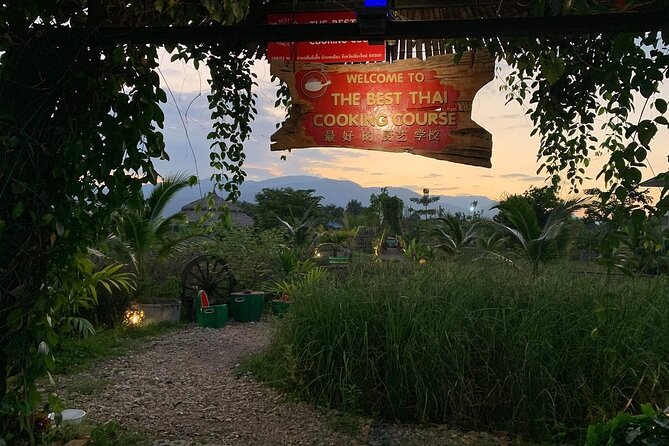
After the market stop, you’ll head out to the farm area for the organic part of the experience. The course includes time to hand-pick fresh ingredients. That sounds like a nice add-on, but it’s more useful than it seems.
When you pick ingredients yourself, you start cooking with intention. You understand what the teacher is talking about when they say to use fresh aromatics, choose ripeness for fruit, or look for the right herbs. Instead of memorizing steps, you connect them to real ingredients.
One of the best details from the class style is how the teacher uses senses. The chef often guides you through ingredient awareness—learning by handling and smelling herbs/plants—so you know what you’re adding and why. That kind of sensory coaching is especially helpful if you’re new to Thai cooking or you’ve only ever had these dishes from restaurants.
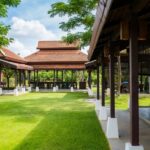
Also, the farm setting helps with pacing. You’re not stuck in a classroom. You’re in a place that makes ingredients feel real, which makes the cooking feel less like a chore and more like a skill you can take home.
Your own cooking station: curry paste basics and real technique
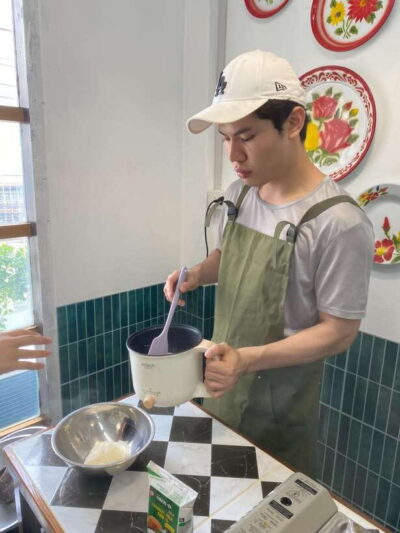
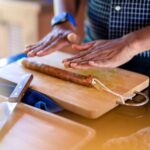
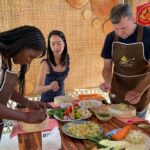
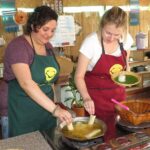
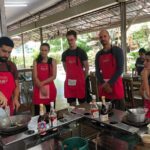
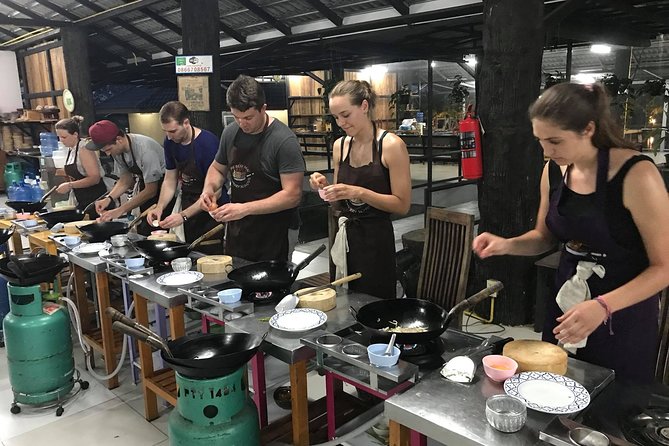
At The Best Thai Cookery School, you’ll get your own cooking station. This is one of the main reasons the experience works. When you’re cooking at your station, you can actually practice. You aren’t waiting for your turn to chop, stir, or taste.
The class is built around core Thai foundations, including making curry paste from scratch. Curry paste is the heartbeat of a lot of Thai flavors. Once you understand the paste-making logic—how aromatics and spices come together—you’ll notice why some curries taste deep and others taste thin, even if they use similar ingredients.
You’ll create six dishes during the hands-on session. That’s a strong amount for a 5-hour evening program. It also means you get range, not just one curry you repeat.
The course also includes a teacher-led demonstration of classics like papaya salad and mango sticky rice. Demos are useful because some steps are easier to learn watching first, especially when textures matter—crunch in salad, sweetness and stickiness in rice.
And the teacher style can be a big deal. The chef name Perm shows up in the class experience, and the energy is described as funny and upbeat. That matters because cooking classes can get stressful if you’re unsure. A relaxed teacher makes you more willing to try, taste, and adjust.
The meal: eating your dishes while you remember how you made them
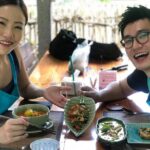
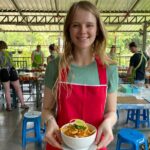
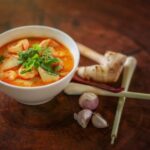
After the cooking, you don’t rush out. You sit down and eat what you cooked. This is a key detail. It turns the class into a full “learn and enjoy” loop instead of a dry instruction session followed by waiting.
Dining right after cooking helps you remember flavor decisions you made earlier—like how salty your seasoning was, whether your paste felt strong enough, or how much balance you got from sweet, sour, and spicy elements.
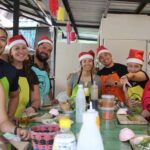
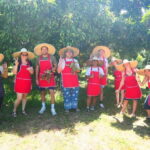
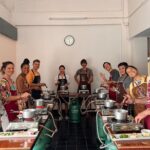
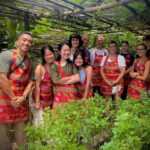
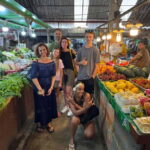
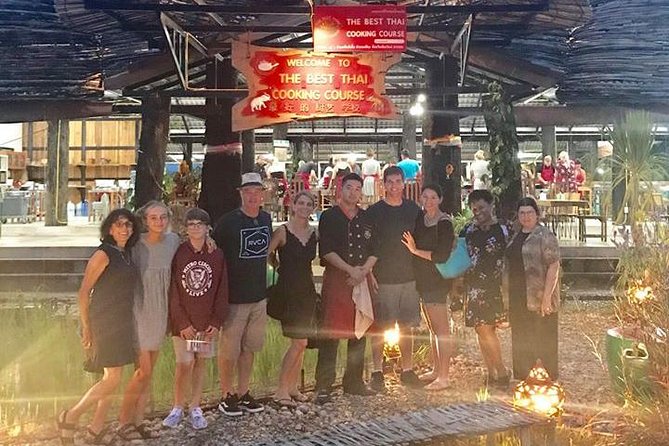
You’ll likely get a group picture too, which is a nice souvenir since you’re not just taking food photos. You’re documenting a shared cooking moment.
If you want to maximize the meal, do one simple thing: taste with a purpose. Take a small bite, then ask yourself if the dish matches the smell and texture cues you noticed during prep. That’s how you turn a fun evening into a real skill.
And yes, you’ll probably leave full. The class structure is built so you end the day on what you made, not on snacks.

Price and value: what $29 really covers in practice
At $29 for about 5 hours, this is priced like a budget-friendly way to get both culture and cooking skills. The value isn’t just the instruction. It’s what’s wrapped in:
- Round-trip hotel transfers
- A market stop with admission included
- A professional teacher leading hands-on cooking
- Individual cooking stations
- Cooking output: six dishes
- A meal: you eat what you cooked
- Extra demonstrations: papaya salad and mango sticky rice
- A small group size, with a max of 10 travelers
When you add up those components, the price starts looking fair. Many Thai cooking experiences charge more and still don’t give you that much food output or don’t include the convenience of transportation.
Where the price can be a little “trickier” is if you’re expecting a private, slow, custom lesson. This is a group class. It’s hands-on, but it’s still scheduled. You’ll have time to cook, taste, and ask questions, but you won’t control the pace like a one-on-one chef session.
Overall, if you want real Thai dishes you can repeat later, this is strong value.
Practical tips so you finish happy, not flustered
This is an evening class, so plan like it. Bring a light layer if Chiang Mai feels cooler in the evening, and wear comfortable shoes since you may move between the market area, the farm setting, and the cooking space.
Also, treat the market-to-farm-to-cooking flow as one connected experience. If you show up hungry, you’ll enjoy the timing more. Start the class with an open palate. Taste small amounts and adjust with the teacher’s guidance, especially when learning curry paste flavors.
Finally, with a small group, you’ll have more chance to interact. Don’t be shy about asking what something is or how to recognize doneness. Cooking classes get better when you treat it like a conversation, not a performance.
Who should book this (and who might skip it)
This tour is a good fit if you want:
- a hands-on Thai cooking experience with multiple dishes
- an included hotel pickup and drop-off
- a mix of food culture and cooking basics, starting with a market stop
- a relaxed evening plan that ends with dinner
You might skip it if you already have a private chef experience lined up, or if you specifically want a very long deep dive into one dish only. This class is designed for breadth: six dishes plus key demos, in a set 3:30 pm to evening timeline.
Should you book this evening cooking class with market and organic farm time?
If your goal is to leave Chiang Mai with dinner in your hands and actual cooking confidence, I’d say book it. The combination is smart: Somphet Market for quick ingredient context, organic farm picking for ingredient quality, then a structured class where you cook from scratch at your own station and eat immediately after.
At $29, with transfers included and a max group size of 10, it’s one of the easier ways to get a full-food experience without overthinking the logistics. Just make sure you keep that late-afternoon block free for the 3:30 pm start, and come ready to taste, chop, stir, and enjoy.
FAQ
What time does the tour start?
The tour starts at 3:30 pm.
How long is the cooking class experience?
It lasts about 5 hours total (with the market stop around 30 minutes and the cooking portion around 4 hours).
Is hotel pickup and drop-off included?
Yes. The tour includes round-trip hotel transfers for added convenience.
What happens at the market stop?
You visit Somphet Market for about 30 minutes, with the admission ticket included.
How many dishes do you cook?
You’ll cook six dishes, and there are also demonstrations for papaya salad and mango sticky rice.
Can I get a full refund if I cancel?
Yes. You can cancel for a full refund up to 24 hours before the experience’s start time.