REVIEW · CHIANG MAI
Chiang Mai: Elephant Sanctuary & Thai Cooking Workshop
Book on GetYourGuide →Operated by PON ELEPHANT (THAILAND) CO., LTD. · Bookable on GetYourGuide
Elephants and Thai food in one long day sounds like a lot, but the pairing actually makes sense here. You get gentle, ethical elephant time in a natural setting, then you learn to cook Thai classics from scratch using herbs you pick right on site. I especially like how the day balances animal care education with real cooking practice, not just watching from the side.
One thing to plan for: elephant river time can mean you’ll get wet, and a towel or change of clothes isn’t included—so pack smart before you go.
In This Review
- Key things to know before you book
- How the day flows: Chiang Mai to Pon Elephant in one focused stretch
- First stop: organic garden herbs and why it matters for Thai food
- Thai cooking workshop with a local chef: pick your dishes and learn the method
- Market and farm time: what you’ll do before the sanctuary portion
- Elephant briefing and jungle time: learning the rules that keep it ethical
- Feeding Napier grass, sugarcane, and bananas: the hands-on moment
- The river bathing experience: when you get wet, and when you don’t
- Transport, timing, and meals: making a 9-hour day feel worth it
- Price and value: why this combo can be a smart buy
- What to bring (and what to skip) for comfort and safety
- Who this tour suits best (and who may want a different option)
- Should you book Chiang Mai Elephant Sanctuary & Thai Cooking Workshop?
- FAQ
- What’s the total time for the tour?
- Is the market visit included?
- Can I expect river bathing with the elephants?
- What can you feed the elephants?
- Are vegetarian or vegan options available for lunch or dinner?
- What should I bring for comfort?
Key things to know before you book
- Small group size (up to 10): easier for your English-speaking guide to explain and help.
- Organic garden herbs inside the sanctuary: you’ll collect ingredients on the spot and cook with them.
- Thai flavor training (sweet, sour, salty, bitter, spicy): you learn what you’re tasting, not just recipes.
- Feeding approved foods: Napier grass, sugarcane, and bananas—plus an instruction on how to behave.
- River bathing depends on the elephants: activities can shift because they choose when to bathe.
- You take recipes home: a booklet helps you repeat the dishes later.
How the day flows: Chiang Mai to Pon Elephant in one focused stretch
This is a full 9-hour outing built around two main worlds: cooking and elephants. You’ll start in Chiang Mai Province and ride by air-conditioned van to Pon Elephant Thailand, which is roughly 1 hour and 20 minutes each way.
You can do it either in the morning or the afternoon. Morning runs about 7:30–8:00 AM to around 5:00 PM (lunch included). Afternoon starts around 12:30–1:00 PM and returns around 9:00 PM (dinner included), with the market visit not included that time slot.
If you hate rushing, this tour’s pacing is a big plus: you’re not just “in and out.” The goal is time—time to cook, time to feed, time to walk, and time to learn what’s going on.
You can also read our reviews of more tours and experiences in Chiang Mai.
First stop: organic garden herbs and why it matters for Thai food
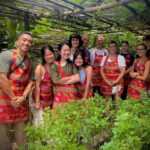
Before you cook, you’ll start under your guide’s direction by walking the organic vegetable garden to collect fresh herbs. This isn’t just cute sightseeing. It’s the foundation for understanding why Thai food tastes the way it does.
You’ll learn how Thai ingredients work together, and you’ll also get guided structure around the flavors: sweet, sour, salty, bitter, and spicy. When you know what each flavor is supposed to do, recipes stop feeling like random instructions. You can adjust later at home.
And since the garden is on-site, you’re not relying on a pre-packaged demo. The herbs and aromatics you pick are the same ones that end up in your cooking—so your dish is tied to the place you’re standing.
Thai cooking workshop with a local chef: pick your dishes and learn the method
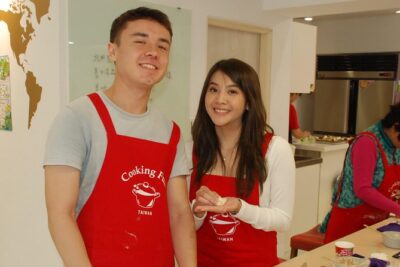
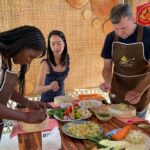
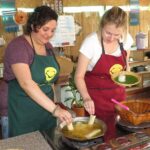
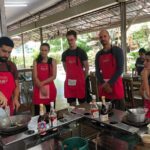
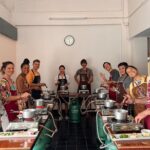
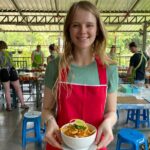
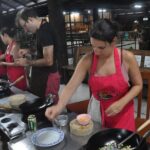
The cooking part is hands-on and interactive, led by an English-speaking guide who teaches like a real cooking class. You’ll prepare Thai dishes using traditional methods and fresh ingredients, with support as you go.
You’ll often get to choose which dishes you want and what you’re most in the mood for. That flexibility matters. Instead of forcing everyone into one fixed menu, the class can be tailored around preferences.
The course emphasizes classic Thai techniques and dishes such as:
- Pad Thai
- Khao Soi
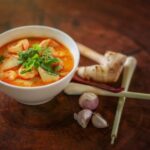
- Tom Yum Goong
- Green Curry
- Mango Sticky Rice
You might also see other Northern Thai favorites included in the day’s tastings or cooking options, like Chiang Mai sausage and similar snacks.
In the cooking stations, expect you’ll learn how to balance seasoning and how to think about texture and heat—especially for curry and noodle dishes. The result is that you leave with food you made yourself, not just a plate you were handed.
A word about guides: names that come up often include Pimdao, with other guides like Air, Som, Noi, and Totu also mentioned. Regardless of who you get, the common theme is clear instruction and a fun, energetic classroom vibe.
Market and farm time: what you’ll do before the sanctuary portion
The experience includes a market and an organic farm element, but the timing depends on which session you book.
- Morning session: includes the market visit and then moves forward to the sanctuary day.
- Afternoon session: skips the market visit because it’s evening-based, with dinner included instead.
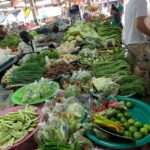
Even when the market is not part of your session, the tour still leans heavily on ingredient context. You’re building a mental map of herbs, produce, and Thai flavor-building blocks so your cooking makes sense in Thai terms, not just in your own language.
If you’re the kind of person who enjoys seeing where food actually comes from, the market/farm piece adds real value. It turns the cooking class into cultural food literacy: you understand what you’re buying and why.
Elephant briefing and jungle time: learning the rules that keep it ethical
After you cook and eat, you’ll head into the elephant habitat area with a briefing. This part is important, and it’s not just a speech.
You’ll learn:
- the elephants’ history, habits, and behavior
- how to behave around them so it stays calm and safe
Then you’ll walk around the natural environment with the elephants. The emphasis here is on respectful interaction, not staged contact. You’ll get the “up close” moment—without the whole circus vibe.
Many people pick this tour specifically because it’s framed as a sanctuary approach: rescued elephants, no forced behaviors, and caretakers focused on welfare rather than entertainment. In the tour day experience, you can feel that emphasis in the way your group is guided and in the fact that the animals aren’t being pushed into performance.


Feeding Napier grass, sugarcane, and bananas: the hands-on moment
Once you’re in the interaction area, you’ll have time to feed the elephants approved foods like:
- Napier grass
- sugarcane
- bananas
This is one of the most memorable parts because feeding is direct and simple. You’re not “doing a trick,” you’re participating in a routine that matches what the elephants naturally eat.
You’ll likely also get chances to observe different ages and personalities. Based on guide-led interactions, you may spend time with both older and younger elephants, and the group tends to get multiple feeding opportunities throughout the day.
A small practical tip: listen closely during the briefing and wait for your guide’s cues. The best moments happen when you move with the rhythm of the handler instructions.
The river bathing experience: when you get wet, and when you don’t
One of the headline highlights is time at the river—taking elephants there, then swimming and bathing. The key detail is also the reality check: the elephants choose to bathe in the river, and they’re not forced.
So yes, you should dress and prepare for the possibility of wet time. But you shouldn’t treat it like a guaranteed “tick the box” event. If the elephants decide not to bathe, your schedule may shift based on their choices.
Some people also mention getting showered by elephants, which is the kind of experience that’s both funny and a little shocking if you’re not expecting it. When it happens, it’s usually because you’re standing in the moment and following instructions closely.
Transport, timing, and meals: making a 9-hour day feel worth it
A 9-hour day can either be great or exhausting, depending on the pacing and how well food and breaks are handled. Here, lunch or dinner is included, and you also get drinking water during the day.
Lunch is included in the morning session. Dinner is included in the afternoon session. That matters because you’re spending most of your day far from restaurants once you’re out in the sanctuary area.
You’ll also have fruit included for the elephants. That may sound like a small detail, but it reinforces that your hands-on time isn’t just watching—it’s part of the care routine.
If you want to keep energy up, eat the meal you make at cooking time. It’s part of the class flow and it fuels you for the elephant half of the day. And bring sunscreen, because the sun doesn’t care about your itinerary.
Price and value: why this combo can be a smart buy
At about $63 per person, this feels like strong value because you’re getting three things that are often sold separately:
1) elephant sanctuary time with guidance and feeding
2) Thai cooking instruction with a real chef-style class
3) fresh ingredient sourcing via garden and (morning) market/farm stops
You’re not just paying for a single attraction. You’re paying for a full day experience with included ingredients, included meals, an insurance component, and a recipe booklet you can actually use later.
Small group size (limited to 10 participants) also matters. It’s easier for the guide to notice if someone needs help with chopping, seasoning, or timing—and it keeps elephant interaction more respectful and orderly.
If you’re deciding between a “pure elephant” day and a “pure cooking” day, this bundle saves time and gives you a deeper taste of Chiang Mai. You see the culture through animals and through food—two different lenses that match the region’s daily rhythms.
What to bring (and what to skip) for comfort and safety
The tour gives you a clear list, and it’s worth taking seriously.
Bring:
- change of clothes (this is especially important if river time happens)
- camera and/or phone with storage charged
- sunscreen and biodegradable insect repellent
- flip-flops
- beachwear (helpful for the river portion)
- cash (if you want small purchases)
- passport or ID card (a copy can work)
Also note: towel and a change of clothes aren’t included, so plan for that gap. If you’re wearing delicate shoes, rethink it. You’ll likely want something you can walk in comfortably and not worry about getting splashed.
One more practical thought: this is a mountain-and-river day. Weather can change. Pack for warmth during travel, then for water and sun during activities.
Who this tour suits best (and who may want a different option)
This is a great match for:
- people who want ethical elephant interaction paired with education
- food lovers who want to cook Thai classics from scratch
- anyone who likes small groups and clear, guided teaching
It also fits families in the sense that the day is structured and easy to follow, but it is not suitable for children under 5. It’s also listed as not for people over 70, so plan accordingly.
If you know you’re not a fan of getting wet, that river bathing possibility is something to weigh. The elephants choose what they do, so the best approach is to pack for water while mentally accepting that it might change.
Should you book Chiang Mai Elephant Sanctuary & Thai Cooking Workshop?
If you want one day that mixes hands-on cooking and meaningful elephant time, this is an easy yes. The biggest reasons to book are the ethical sanctuary emphasis, the amount of guided interaction (feeding and close observation), and the fact that you learn Thai flavors and techniques in a practical way—not just a sit-and-watch demo.
Book it if:
- you care about animal welfare and want a sanctuary-style experience
- you want fresh ingredient learning, including herbs from an organic garden
- you like the idea of bringing home recipes and actually using them
Skip it if:
- you really don’t want wet river time and you won’t pack for it
- you’re looking for a shorter outing than 9 hours
If you can handle a long, active day with some sun and water, you’ll likely leave feeling like you learned something real and ate something you can recreate. And if you get a guide like Pimdao (or another highly praised instructor such as Air or Som), the day often has that extra spark that turns a good tour into a memorable one.
FAQ
What’s the total time for the tour?
The tour runs for about 9 hours, with a morning session that returns around 5:00 PM and an afternoon session that returns around 9:00 PM.
Is the market visit included?
Yes, but only in the morning session. The afternoon session does not include a market visit.
Can I expect river bathing with the elephants?
River bathing is possible, but it depends on the elephants. The tour notes that elephants choose to bathe, so activities may change.
What can you feed the elephants?
You’ll have the chance to feed Napier grass, sugarcane, and bananas in the sanctuary area.
Are vegetarian or vegan options available for lunch or dinner?
Yes. Vegetarian and vegan options are available, and you’ll also receive a lunch or dinner as part of the package.
What should I bring for comfort?
Bring a change of clothes, sunscreen, biodegradable insect repellent, flip-flops, camera, and beachwear if you have it. A towel is not included.