A warm kitchen welcome in Thamel sets the tone fast. This Namaste Cooking School class is interesting because it’s women-led and built around Nepali cooking you can repeat at home, not just watch and snack on. You’ll get a traditional cup of masala chai right when you arrive, then move into choosing what you’ll cook and learning the spice logic behind it.
I really like the focus on hands-on work. You cook everything yourself with guidance, and the experience is structured so you’re not stuck waiting while someone else does the fun part. On top of that, lunch is included, and it’s the meal you helped create.
One thing to consider: the course timing and setup depend on good weather. If conditions are poor, they’ll shift you to a different date or refund you, so it’s smart to keep some flexibility in your Kathmandu schedule.
In This Review
- Key highlights to know before you go
- Thamel’s cooking class that feels human, not staged
- Women-led Nepal cooking: authenticity starts with who teaches
- The chai welcome and three-menu choosing part
- Spice lessons that make your leftovers taste like Nepal
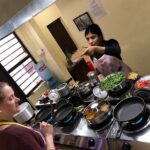
- Hands-on cooking: you really do the work
- Lunch included: eating what you made, while the class stays social
- Price and value in Kathmandu: $30 with real deliverables
- How pickup and meeting points affect your day
- What to expect from the itinerary, step by step
- Who should book this cooking class, and who might not love it
- Practical tips before you go
- Should you book Namaste Cooking School?
- FAQ
- How long is the cooking class?
- How much does it cost?
- Is lunch included?
- Where does the class start and end?
- Do they offer pickup?
- Is the class taught in English?
- How many people are in the group?
- What happens when I arrive?
- Do they ask about allergies or dietary restrictions?
- What if the weather is bad?
- Can I cancel for a full refund?
Key highlights to know before you go
- Women-led teaching that centers Nepal’s indigenous food traditions
- Masala chai welcome and a friendly, culturally warm start
- Choose from three menus, with dietary needs checked early
- Spice overview with practical use, not just names on a list
- You cook the full dishes, and the process stays relaxed and guided
- Thamel location makes it easy to tack onto your day in Kathmandu
Thamel’s cooking class that feels human, not staged
Kathmandu’s Thamel is where you go to find everything—hot showers, trekking gear, travel chatter, and casual meals. This class plugs into that flow, right in the center of it, so you don’t need a big plan just to have a good afternoon. If you’ve been moving around the city, it’s also a nice change to slow down in a bright, clean kitchen space and focus on one thing: cooking real Nepali food.
What makes this class feel different is how it runs. There’s no sense of rushing you through. You arrive, you’re welcomed with chai, you pick a menu, and then you learn in a way that matches how cooking actually works: taste, adjust, and keep going. The women running the school are energetic and upbeat, and they make solo diners feel included, not awkward. If you’re traveling alone, that matters more than people think.
The group is limited—up to 16 people—so you get interaction without being shoulder-to-shoulder the whole time. You can still see what’s happening, ask questions, and practice new words if you feel like chatting. That small-group size also helps the instructors stay on top of the cooking steps, especially when your hands are the ones doing the work.
You can also read our reviews of more tours and experiences in Kathmandu.
Women-led Nepal cooking: authenticity starts with who teaches
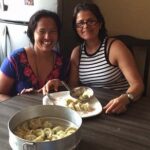
Namaste Cooking School is explicitly run by women, and that shows in the vibe. The teaching feels patient and encouraging, with the instructors really enjoying explaining what you’re making. In reviews, I saw names like Sabita and Sushila tied to the experience, and the consistent theme is that they’re attentive, friendly, and focused on helping you succeed.
Authenticity here isn’t just a buzzword. The school emphasizes Nepal’s indigenous culinary heritage and says it uses ingredients sourced directly from local farmers. For you, that matters because it changes what you’re cooking. Instead of tasting a generic version of Nepali food, you’re learning dishes built around the flavors and ingredients Nepal people actually use.
This is also a cultural experience, not only a cooking one. The class atmosphere has space for storytelling and even songs or light dancing, depending on the group mood. That might sound like “entertainment,” but the practical point is that it breaks tension. When you’re relaxed, you follow instructions better, and your food comes out better.
The chai welcome and three-menu choosing part
Your first steps are simple and structured, which is exactly what you want on vacation. You’ll be greeted with a traditional cup of masala chai, a customary Nepal hospitality gesture. It’s a small moment, but it helps you settle into the pace of the class right away.
Next comes the menu selection. You choose from three carefully curated menus for your cooking experience. This is also where they’ll ask about dietary restrictions or allergies. That’s important. Cooking classes can be chaotic when someone has a food concern late in the game, so it’s good that the process includes checking needs early while you’re deciding what you’ll make.
After you’ve chosen, you’re not just jumping into chopping. You get an introduction to the regional spices that shape Nepali cuisine. Think of this as the flavor map. Instead of memorizing recipes like formulas, you understand what role spices play, so you can adjust at home if your kitchen has different brands or you can’t find one ingredient.
Spice lessons that make your leftovers taste like Nepal
Nepali cuisine has a strong spice identity, and this class doesn’t treat spices like decoration. The session includes an overview of the regional spices integral to Nepali cooking, then ties that knowledge to what you’re actually cooking.
For you, this is the part that pays off after the class ends. A recipe book is nice, but spice knowledge is what helps you recreate dishes when you’re missing one ingredient. Even if you only remember the basic “this spice supports that flavor” logic, you’ll cook with more confidence.
You also learn by doing. The instructors guide you step-by-step while you handle the prep and cooking. That approach matters because you can’t just read about how something smells or how a paste behaves. You need to see it in the pan and taste it, and this class gives you that feedback loop.
One practical advantage: the class includes a recipe book at the end—a Namaste Cooking School Recipe Book—so your spice notes and learning don’t disappear. You’ll have something to refer to when you want to cook again, instead of relying on fading memory.
Hands-on cooking: you really do the work
This class is hands-on in the truest sense. You cook the dishes yourself, with guidance from the women teaching the class. That’s one reason the experience gets such strong ratings: you’re not just standing around. You’re making the meal.
Even better, many people love that the setup reduces your workload after cooking. In reviews, there’s a clear theme that you don’t have to manage the cleanup yourself—so you get the satisfaction of cooking without the end-of-class exhaustion that some classes leave you with. You can stay present, ask questions, and finish with lunch rather than shifting into scrub-mode.
Cooking in a group also teaches you small timing skills: when to add an ingredient, when to watch texture, and how to keep an eye on multiple pans or steps. The instructors keep the process relaxed, so even if your knife skills are rusty, you’re still likely to produce food you feel proud to eat.
And yes, the kitchen is the heart of the experience. You’re learning Nepali home-style technique, not just performing a recipe for a camera.

Lunch included: eating what you made, while the class stays social
The class includes lunch, and it’s not some separate side event. You eat what you cooked, which means the meal feels earned, and you can ask questions about flavor right at the table.
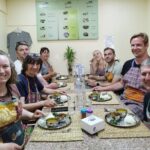
Because the group is capped (up to 16 travelers), the energy stays manageable. You’ll have enough space to work, and you’re more likely to interact with the people around you. Reviews mention a fun mix of guests, including couples and people traveling solo. If you’re the type who likes meeting others over food, this format helps.
There’s also a cultural exchange element. Some reviews mention chatting and even practicing English with the instructors while picking up Nepali words. You don’t have to be outgoing to benefit, but if you like conversation, this class rewards it.
How long it takes matters too. Expect around 4 hours total, which fits nicely into a half-day plan. It’s long enough to learn and cook properly, not so long that it eats your whole day.
Price and value in Kathmandu: $30 with real deliverables
At $30 per person, this is priced like a true short experience, not a premium food tour. Here’s what makes it good value: you’re paying for a full cooking session, lunch, English-language instruction, and a take-home recipe book.
A cheap class often means one of these is missing: instruction quality, actual hands-on cooking, or the meal you made. This one includes the key pieces. You choose a menu, you learn spices, you cook yourself, and you leave with written recipes you can follow later.
The fact that it’s often booked around 17 days in advance (on average) is a good sign. Popular classes can sell out, and you’ll want to lock your spot rather than guessing last minute. If you’re in Kathmandu for a short time, this is one of those activities worth scheduling early, especially since it depends on good weather.
Also, the school is in Thamel, which saves time. You’re not likely spending your whole day on transport to a remote location. Even small time savings add up in a city.
How pickup and meeting points affect your day
The experience includes pickup offered, and it starts at Tribhuvan Airport (Kathmandu, Nepal), with the activity ending back at the meeting point. That matters if you’re coming from the airport or trying to fit the class around arrival and departure times.
The tour also notes that it’s near public transportation, which is helpful if you don’t want to rely entirely on pickup. You can plan for a straightforward start and end without complicated transfers.
One more detail that can help: the ticket is listed as a mobile ticket, and you should receive confirmation at booking time. If you like to keep your travel day simple, that reduces friction when you’re moving around Kathmandu.
What to expect from the itinerary, step by step
The “itinerary” here is basically a smooth flow you can picture:
- You arrive in Kathmandu at the start point, then join the class with pickup as available.
- Warm welcome and masala chai set you up for the session.
- Menu selection from three options happens early, and you’ll be asked about dietary restrictions or allergies.
- Spice introduction explains the flavors behind Nepali cooking.
- Hands-on cooking follows, with guidance while you make the dishes yourself.
- After you finish, you get a Namaste Cooking School Recipe Book and then head back.
That sequence is practical. You’re never thrown into cooking without context, and you don’t leave without something to take home. For most people, that’s what separates a good class from a forgettable one.
A small drawback to watch for: you’ll be cooking actively for a few hours, so it’s not ideal if you want a totally calm, low-movement experience. If you’re expecting a tasting-only or watch-from-the-back setup, this class isn’t that.
Who should book this cooking class, and who might not love it
You’ll probably love Namaste if:
- You want hands-on Nepali cooking rather than a passive food walk
- You like meeting locals who teach in an upbeat, friendly way
- You want a class that works well for solo travelers
- You value instruction you can repeat later using a recipe book
You might want to reconsider if:
- You need a fully quiet experience with minimal interaction
- You can’t do active cooking prep for a few hours
- You’re traveling only with one fixed schedule and limited flexibility (weather can affect it)
The classroom is in Thamel, so it’s convenient. But it also means the class is tied to the rhythm of the city—plans work best when you’re not trying to rush from one far-away activity to another.
Practical tips before you go
- Bring an open mind for spice instruction. Even if you know Nepali food basics, this helps you cook more confidently later.
- Mention dietary restrictions and allergies during menu selection. They ask early, and that’s your chance to make sure you’re comfortable with what’s planned.
- Plan for about 4 hours and treat it as your meal plan for the half day since lunch is included.
- If you’re in Thamel already, give yourself time to find the school without stress. Clear communication is part of the experience, but you still want a calm arrival.
- If you’re booking during monsoon or uncertain weather, keep your schedule flexible since the class requires good weather.
Should you book Namaste Cooking School?
Yes, if you want a real cooking class with women-led instruction, a warm start with chai, and a hands-on session that ends with lunch you made. The value is strong for the price: instruction in English, a take-home recipe book, and enough interaction to feel like more than a transactional activity.
Book it early if you can. With a small group cap of 16, waiting until the last minute can work against you. And if you’re the kind of traveler who likes authenticity you can repeat—spices, techniques, and recipes—this is a satisfying half-day in Kathmandu.
FAQ
How long is the cooking class?
It runs for about 4 hours.
How much does it cost?
The price is $30.00 per person.
Is lunch included?
Yes. Lunch is included with the experience.
Where does the class start and end?
The start is at Tribhuvan Airport, Kathmandu, Nepal, and the activity ends back at the meeting point.
Do they offer pickup?
Pickup is offered.
Is the class taught in English?
Yes. English is available.
How many people are in the group?
There is a maximum of 16 travelers.
What happens when I arrive?
You’ll be welcomed with a traditional cup of masala chai, then you’ll select from three menus.
Do they ask about allergies or dietary restrictions?
Yes. During the menu selection, they ask about dietary restrictions or allergies.
What if the weather is bad?
The experience requires good weather. If it’s canceled due to poor weather, you’ll be offered a different date or a full refund.
Can I cancel for a full refund?
Yes. You can cancel up to 24 hours in advance for a full refund.