REVIEW · KATHMANDU
Half day cooking class in Thamel kathmandu
Book on Viator →Operated by Nepal Cooking School · Bookable on Viator
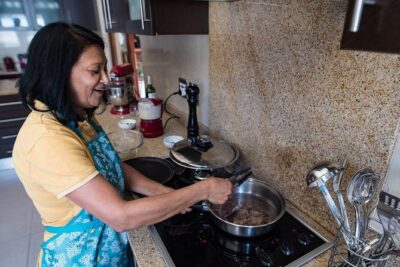
Spice, dough, and hot momos in 2.5 hours. This half-day cooking class in Thamel turns Kathmandu food into something you can actually repeat at home, starting from basic ingredient choices and working up to dumplings. I love that you cook and then eat what you make, so your food stays fresh and hot. You also get real control over heat, since you can add as much or as little chili as you like.
My second big win is the menu setup. There are three different menus, each built around four traditional dishes, with momos always on the list so you do not miss Kathmandu’s signature comfort food. You get structured step-by-step teaching, so even if you have never cooked before, you can keep up.
One possible drawback to plan around: you may need stairs to reach the kitchen area. Several past sessions note climbing flights, so wear shoes with grip and come ready for a bit of vertical movement.
In This Review
- Key points before you go
- Why Thamel makes this class feel instantly real
- Choosing your time slot: morning, afternoon, or evening
- From Thamel to the kitchen: what happens first
- What you cook: skills you can use at home
- How spice control works (and why you’ll appreciate it)
- The menus: four traditional dishes each, with momos built in
- Market time in Thamel: spices, ingredients, and real choices
- Eating what you cooked: fresh, hot, and adjustable
- Clean kitchen energy and patient, friendly teaching
- Parent-friendly and family-friendly, with a lively vibe
- Price and value: is $28 a fair deal?
- Who should book this cooking class in Thamel
- Should you book it
- FAQ
- How long is the half-day cooking class?
- What times are available each day?
- Where do I meet for the class?
- How big is the group?
- What food and drinks are included?
- Is pickup available and do I get a ticket?
- Can I cancel for a full refund?
Key points before you go
- Small group size (max 8): more hands-on attention and easier questions, especially for beginners
- Three daily shifts: morning, afternoon, or evening, each with its own meal flow
- Cook one course, eat immediately: your food comes out hot and you can adjust seasonings as you go
- Three menus, four dishes each: variety without feeling random, and momos are always included
- Market spice time (sometimes): you may get a quick look at ingredients before cooking
Why Thamel makes this class feel instantly real
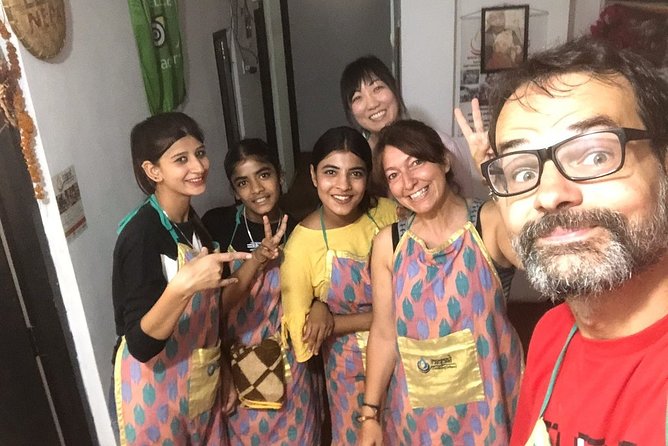
Thamel is the place where Kathmandu food life is easy to picture. You are not tucked away in a hotel kitchen. You are in the neighborhood where people buy produce, spices, and snacks every day.
That matters because the class leans hard into the basics you usually only learn by trial and error. You start from scratch: how to choose ingredients, how to recognize flavor by smell, and how spices actually behave when they hit heat. This is the difference between eating Nepali food once and being able to recreate it.
Also, the meeting point is right in the middle of it all: Divine Kathmandu Hotel in Thamel. That makes the start and finish simple, since the activity returns back to the same spot.
You can also read our reviews of more tours and experiences in Kathmandu.
Choosing your time slot: morning, afternoon, or evening
This is a half-day class with three options. You pick what fits your day:
- Morning: 9:00 am to 12:30 pm
- Afternoon: 1:30 pm to 4:00 pm
- Evening: 4:30 pm to 8:00 pm
Why this matters for you: the timing shapes the vibe. A morning session feels like you are getting an early Kathmandu win, before traffic and crowds feel heavy. An afternoon session is great if you want a hands-on break between sightseeing blocks. Evening can be fun if you like the idea of finishing your day with dumplings and a longer meal rhythm.
The class also includes multiple eat-in moments (breakfast, lunch cooking course, snacks, dinner) plus coffee and/or tea. The exact meal pairing depends on your shift, but the pattern is clear: it is not just cooking, it is cooking plus eating.
From Thamel to the kitchen: what happens first
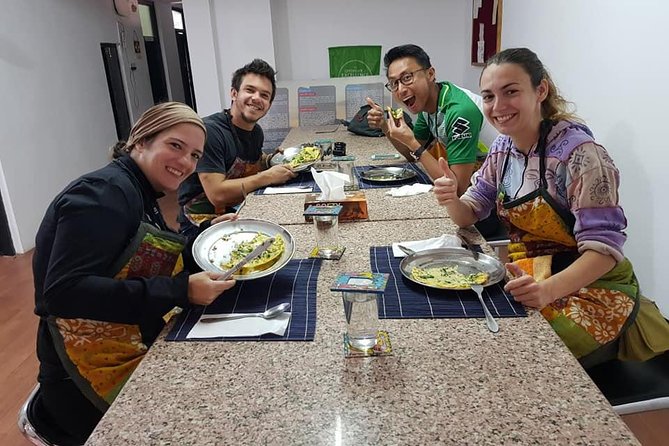
Your chef guides you through the whole process step by step. You start with ingredient prep and basic technique, then you move into the dishes. The pacing is designed around doing, not just watching.
A practical detail: you cook one course and then you eat it. That means you are not waiting for everything to finish before you taste. It also means you can correct seasoning in the moment and learn by feedback.
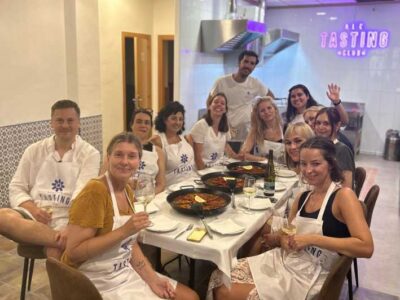
Small group size is another quiet advantage. The experience caps at 8 travelers, so you are not standing in a crowd with your hands hovering. Instructions are clearer, and if you get stuck, your turn to ask comes faster.
Pickup is offered, and you get a mobile ticket, which keeps day-of logistics straightforward if you are juggling other plans in Kathmandu.
What you cook: skills you can use at home
The class is built for people who want real cooking skills, not just a foodie photo moment. You learn how to choose ingredients, then you practice techniques that go beyond one dish.
The goal is simple: after you leave, you should feel comfortable making at least the parts of Nepali cooking that matter most:
- dough basics
- building flavor with spices
- getting dumpling or filling textures right
- balancing salt, heat, and depth
Momos are always part of the menu set, and that is a huge draw for many people. The instruction style is also set up for beginners. You do not need experience. You get a walk-through, and you are encouraged to try.
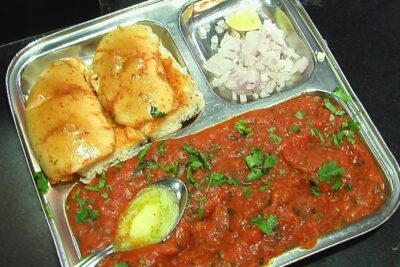
In at least one menu described by participants, you may make items like an egg roll-style dish (chapata egg roll) where dough is made, not just bought. Other sessions include dishes like chicken curry served with daal, and some even mention chocolate momos. You are not locked into one flavor story; you are learning a range of Nepali comfort food.
How spice control works (and why you’ll appreciate it)
Nepali food can be spicy, but the class does not force one heat level. The chef’s teaching includes customization during cooking. You cook the dish and then decide how you want it.
If you love chili, you can add more. If spice is not your thing, you can go light or skip it. That approach is practical for two reasons:
1) you still learn the technique, and
2) you eat food you actually want.
This is also where cooking classes tend to go wrong. Some are hands-on only in theory. Here, the structure supports real taste control while you cook, so the lesson sticks.
The menus: four traditional dishes each, with momos built in
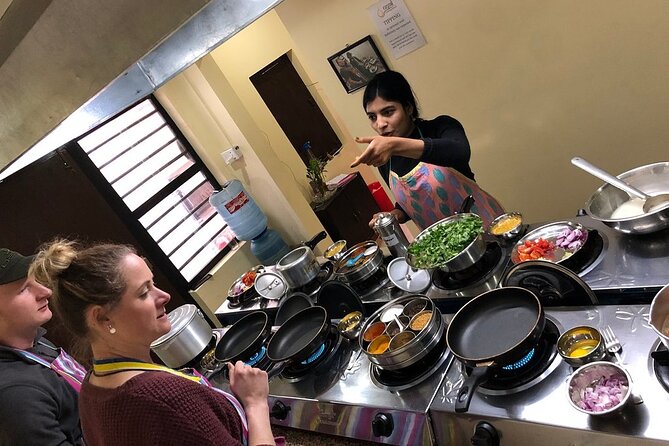
There are three menus, and each menu contains four traditional Nepali dishes. The variety is not just a marketing point. It changes what you learn, because different dishes use different techniques.
A useful way to think about it: you are not just making four random plates. You are working through a set of dish patterns. One menu might lean into dumplings. Another can include curry-style depth plus sides. Yet another can bring in a sweet or unusual momo variation, like chocolate momos, which helps you understand how fillings and seasonings change with the base.
No matter which menu you choose, momos are included. That removes one of the common disappointments with food classes: the fear you will arrive for dumplings and only get a token taste.
Market time in Thamel: spices, ingredients, and real choices
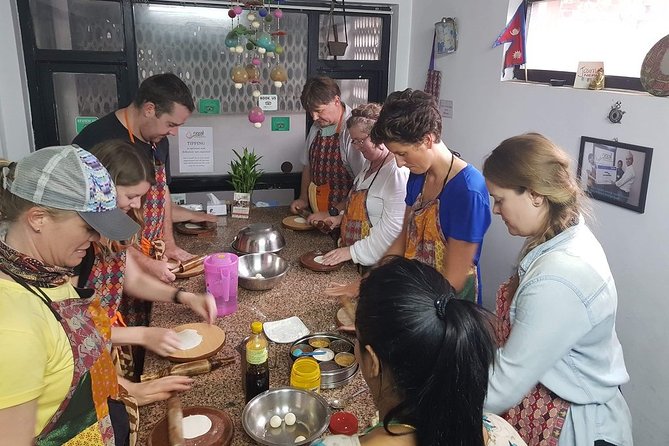
Many people love the hands-on cooking, but a big slice of the value comes from ingredients. Some sessions include a market jaunt to vegetable and spice shops where your chef explains what you are buying and why.
You might see both produce and spices and get practical info you can’t easily learn in a supermarket back home. People also mention that this part is informative, especially for understanding spices by smell and use.
One caution: some participants feel the shopping segment takes time and would prefer more cooking time. If you are the type who hates shopping errands, plan for it to be part of the experience.
If you do enjoy spices and ingredients, you will like this section because it turns cooking into a story you can repeat. You leave with names to remember and a better idea of what to look for when you buy ingredients later.
Eating what you cooked: fresh, hot, and adjustable
The best part of a good cooking class is not the chopping. It is eating. Here, the format makes meals feel like rewards for progress.
Because you cook one course and then eat it, the food comes out hot instead of cooling on a counter while you wait for the rest of the class. You also can season to taste during cooking, which makes the final plate feel like yours.
And the class includes drinks and snacks too, with coffee and/or tea plus the shift-based meal flow. Alcoholic beverages are not included, so if you want a drink, plan to handle that separately.
Come hungry. That sounds obvious, but “lots of food” is a theme here. You are cooking multiple dishes across the course of the session, so the total meal time feels substantial.
Clean kitchen energy and patient, friendly teaching
A cooking class lives or dies on the teaching style. This one consistently gets praise for being welcoming, fun, and organized, with clear instructions and a friendly team.
Several names pop up from past sessions: Anshu is mentioned in evening experiences, and Nilam is called out as an instructor who explains spices clearly and keeps things well organized. That kind of consistency matters in kitchens, because the minute you lose the thread, cooking turns stressful.
Also, the kitchen is described as hygienic and the facilities as clean. Even if you are comfortable in home kitchens, a clean setup makes you relax faster and focus on learning.
People also note that the instructors adjust the menu for needs like gluten-free. So if you have dietary restrictions, ask when you book, and do not assume it is impossible.
Parent-friendly and family-friendly, with a lively vibe
This is family-friendly. People describe it as parent friendly, with a vibe that works well for groups beyond just solo foodies.
The pace is structured, and the small group size keeps it from feeling chaotic. In some evening sessions, there is even mention of a quick dance lesson, which is a fun way to break up the work and keep energy high.
This matters because many cooking classes can feel intense or overly serious. Here, the tone seems designed to help you learn without fear of messing up a dumpling.
Price and value: is $28 a fair deal?
At $28 per person, this class is priced like an affordable local experience, not a luxury workshop. The value is strongest if you care about more than tasting.
Here is what makes the price feel fair:
- You get a hands-on cooking course plus included meals and drinks (coffee/tea, snacks, and shift-based breakfast/lunch/dinner flow).
- You learn techniques you can use again, especially around spices and momos.
- You work with multiple dishes, because each menu includes four traditional dishes.
- The group stays small (max 8), which improves the learning-to-effort ratio.
Where it might feel less like a bargain: if you only want a quick taste and you dislike shopping or prefer cooking with no guidance. But if you want skill plus food, the math works.
One more note: private transportation is not included. If you are outside walking distance, factor in a taxi or the offered pickup options.
Who should book this cooking class in Thamel
This is a great fit if you:
- want real Nepali cooking skills, especially momos
- like spice education and ingredient choices
- enjoy cooking with guidance, even as a total beginner
- want a fun, family-friendly activity with a small-group feel
It may be less ideal if you:
- hate stairs (some sessions mention climbing several flights)
- dislike market shopping time
- expect a class with zero customization or zero spice talk (the class is all about learning flavors and adjusting chili)
If you are visiting Kathmandu mainly for culture and food, this kind of class is a solid day-plan. It gives you a story you can retell and recipes you can cook without relying on a restaurant.
Should you book it
Yes, you should book this cooking class in Thamel if you want hands-on learning, not just a meal out. The combination of three menus, momos included, and the cook-and-eat format makes it feel worth your time, even if you have never cooked Nepali food before.
Do it if you are excited by spices, dumplings, and the idea of recreating the flavors at home. Bring comfortable shoes for possible stairs, and if you are not into shopping segments, consider that part of the rhythm.
Bottom line: for $28, you get a small-group kitchen experience that teaches technique and ends with a satisfying, hot meal you helped make.
FAQ
How long is the half-day cooking class?
It runs for about 2 hours 30 minutes.
What times are available each day?
There are three shifts: 9:00 am–12:30 pm, 1:30 pm–4:00 pm, and 4:30 pm–8:00 pm.
Where do I meet for the class?
You start at Divine Kathmandu Hotel, Paknajol Marg Amrit Marg, Thamel, Kathmandu 44600 Nepal, and the activity ends back at the same meeting point.
How big is the group?
This experience has a maximum of 8 travelers.
What food and drinks are included?
A meal and beverages are included. The included items list covers the shift’s breakfast/lunch/dinner, plus coffee and/or tea and snacks. Alcoholic beverages are not included.
Is pickup available and do I get a ticket?
Pickup is offered, and you receive a mobile ticket.
Can I cancel for a full refund?
You can cancel up to 24 hours in advance of the experience for a full refund. If you cancel less than 24 hours before the start time, the amount paid is not refunded.