REVIEW · ROME
Rome: Pasta Cooking Class with Market Visit and Wine
Book on GetYourGuide →Operated by Yellowsquare Rome · Bookable on GetYourGuide
Market mornings become dinner plans. This Rome experience pairs a walk through Nomentano Market with a hands-on pasta class led by chef Marco, plus lunch and Italian wine. I love the mix of shopping for ingredients and learning the technique behind real pasta, not just eating it.
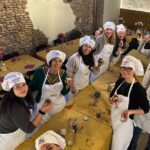
My second favorite part is the way you actually make multiple kinds of pasta at a work station, guided step-by-step until your dough and fillings behave. The only real heads-up: it is not suitable for gluten intolerance, since homemade pasta dough is part of the process.
In This Review
- Key highlights you should care about
- Market to Kitchen: a four-hour Roman food afternoon
- Finding the freshest ingredients at Nomentano Market
- Kitchen of Mamma: learning dough that actually works
- Ravioli, tortellini, and more: the hands-on pasta lineup
- Lunch with wine, then coffee and limoncello
- What you take home: recipes, certificate, and confidence
- Price and value: what $103 buys you in Rome
- Who should book this pasta class (and who should skip it)
- Practical tips so your pasta afternoon goes smoothly
- Should you book this Rome Pasta Cooking Class with Market Visit?
- FAQ
- How long is the cooking class in Rome?
- Where is the meeting point?
- Is a market visit included?
- What do you eat during the class?
- Is wine included?
- Do you get coffee and limoncello?
- Do you need prior cooking experience?
- Is this class suitable for gluten intolerance?
- What do you receive to take home?
Key highlights you should care about
- Market visit first so the recipes make sense before you start mixing dough
- Real pasta skills focused on dough, shaping, and saucing
- Chef-led, English/Italian instruction with lots of questions encouraged
- Lunch with Italian wine, plus coffee and limoncello at the end
- You take home recipes and a participation certificate so you can repeat it later
Market to Kitchen: a four-hour Roman food afternoon
This class is the kind of experience that turns Rome into something you can taste and recreate. You start with a short market stroll to see the ingredients up close, then you move into a kitchen setting to learn how to turn those basics into homemade pasta.
You’ll likely notice the rhythm right away: walk, choose, cook, eat, then finish with coffee and limoncello. It’s structured enough to feel efficient, but not so rushed that you miss the learning.
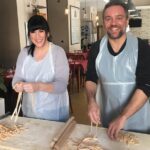
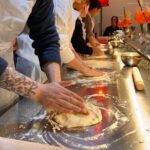
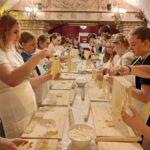
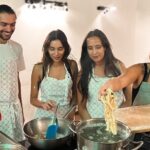
One more practical point: the whole experience is built around a hands-on pace. You’re not watching someone else cook while you take notes. You’ll be working with dough, shaping pasta, and assembling fillings and sauces under guidance.
You can also read our reviews of more tours and experiences in Rome.
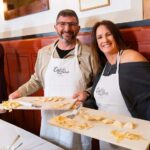
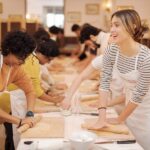
Finding the freshest ingredients at Nomentano Market
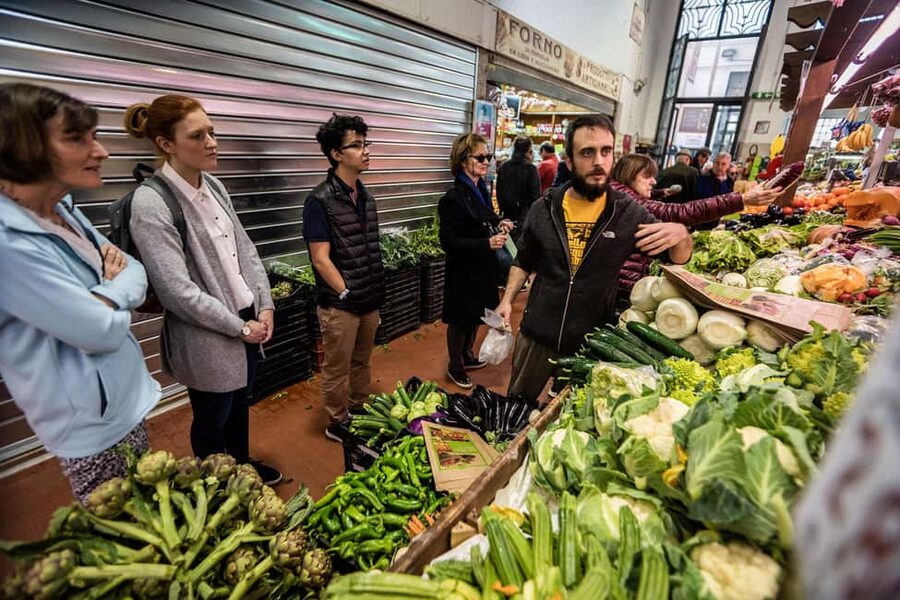
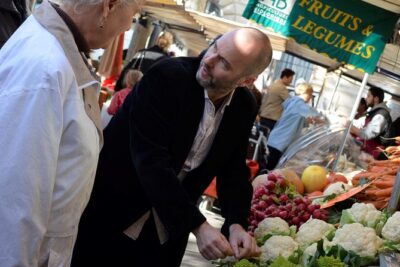
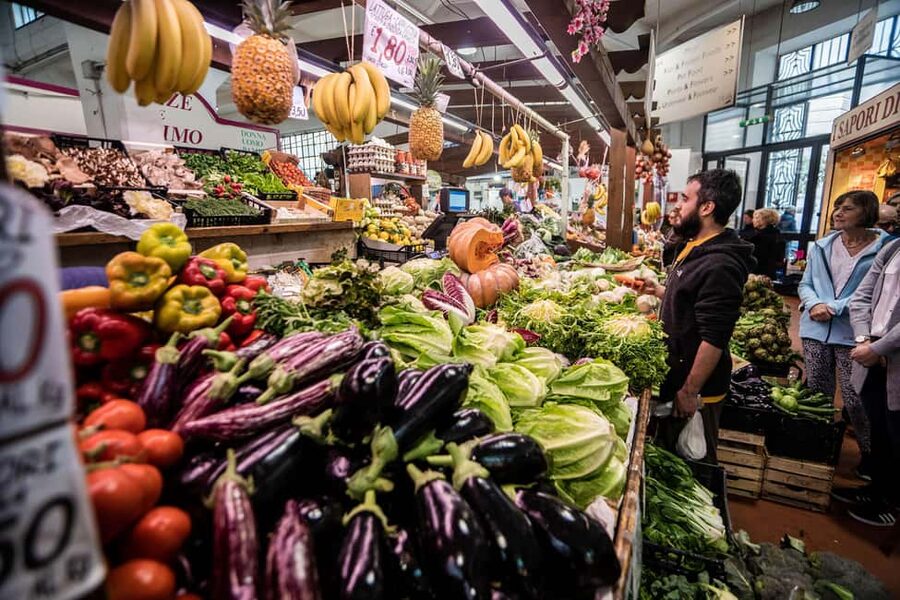
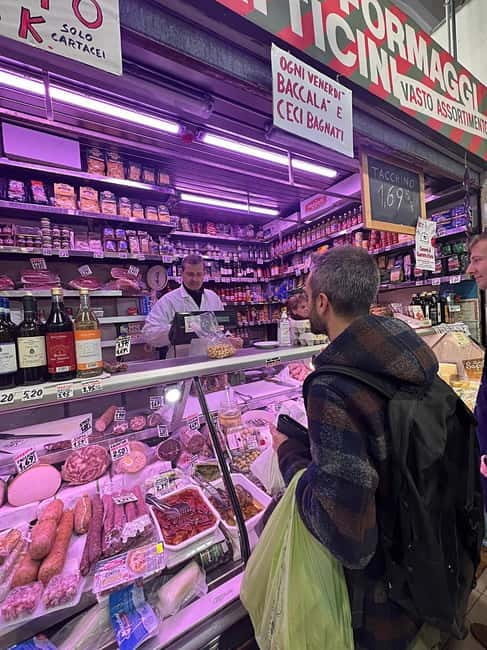
The market part is more than a nice stroll. It’s where the class builds its logic: you see what’s in season, you learn why certain ingredients belong together, and you get a better sense of what Italian home cooks mean when they say use good basics.
You’ll go to the Nomentano Market area with a guided market walk, geared toward the products that show up in your recipes. Along the way, the chef shares food-and-place context about Rome, so you’re not just looking at stalls—you’re connecting ingredients to a city and its habits.
This is also the moment where you get your bearings. If you’re new to Rome, it helps you understand the local food rhythm: people shop fresh, they choose by quality, and they treat a meal like a plan that starts earlier than dinner time.
Kitchen of Mamma: learning dough that actually works
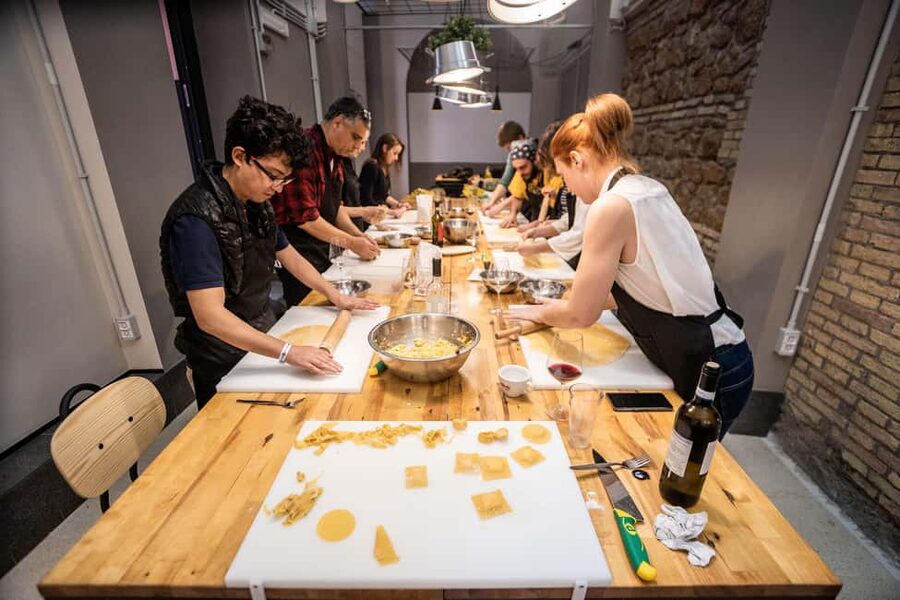
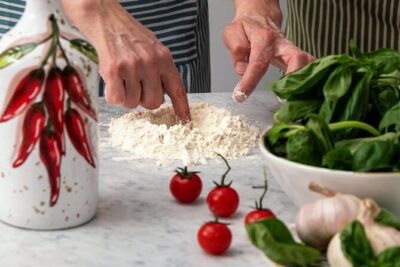
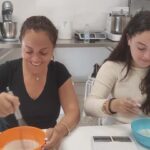
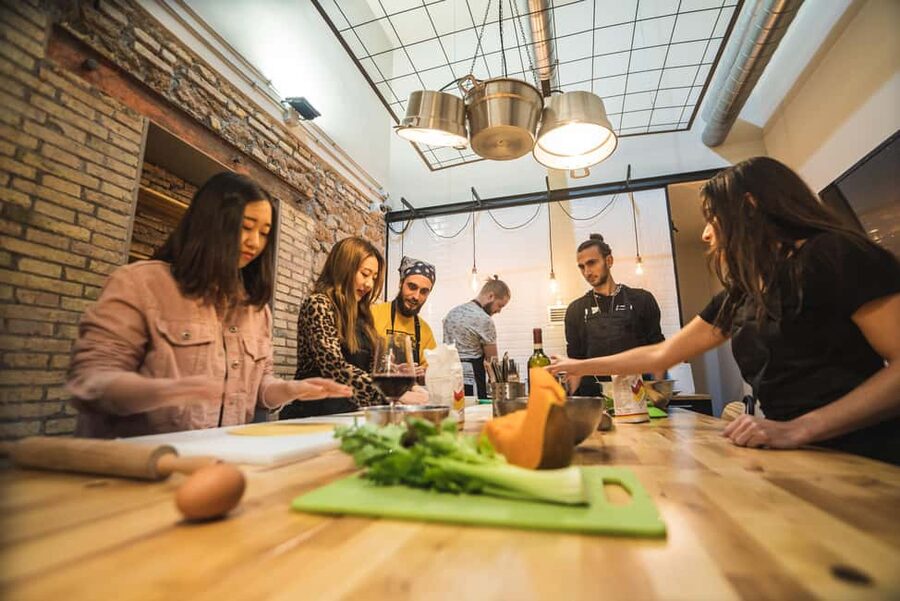
Back at the kitchen—called the Kitchen of Mamma—the focus shifts from ingredients to technique. This is where you learn the “secrets” to a perfect dough: how it should feel, how to handle it, and what changes when the dough is too dry or too soft.
This matters because pasta dough can look simple and still go wrong at home. The class doesn’t just give you a recipe; it teaches you what to watch for so you can adjust in real time. That’s the difference between copying instructions and understanding what’s happening.
Expect the chef to explain the steps clearly and to keep an eye on your progress. Several accounts highlight patient coaching and a lot of checking during the process, especially once you’re shaping and cutting pasta.
Ravioli, tortellini, and more: the hands-on pasta lineup
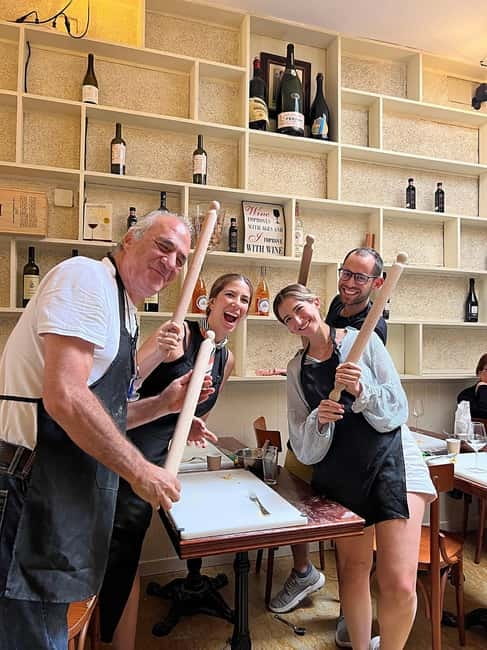
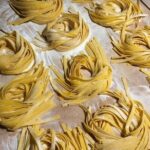
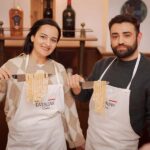
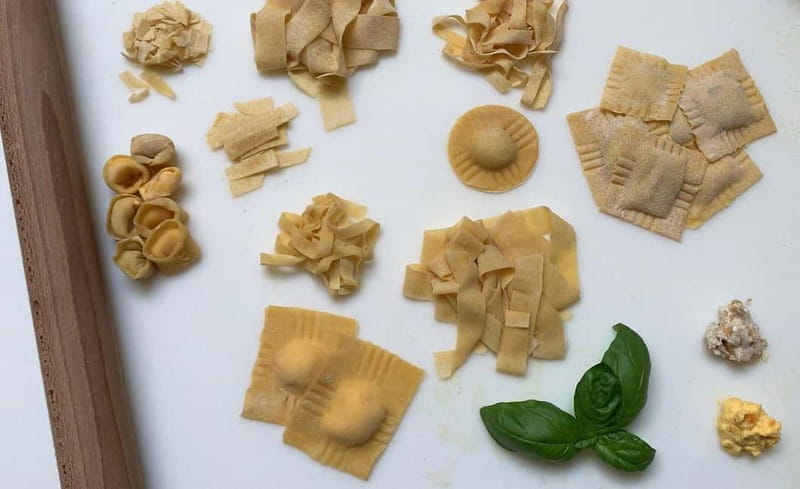
The headline here is variety. The class is designed to teach you traditional pasta making, and you’ll work through multiple types—often described as at least five, with some people doing significantly more shapes as the class progresses.
Here’s what you can realistically anchor on from the available details:
- You’ll learn core dough handling and shaping skills.
- You’ll make fillings for stuffed pasta (ravioli/tortellini style).
- You’ll create authentic sauces to go with your pasta.
- You’ll use individual work stations, not a single shared demo setup.
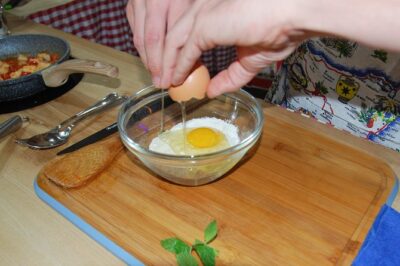
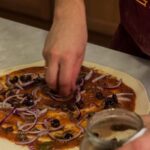
The cooking isn’t only about the dough. You also get instruction on cooking fillings and assembling sauces, so you leave knowing how the whole system fits together. That’s important, because pasta is only half the meal. Sauce quality and balance are the other half.
If you’ve only cooked pasta by boiling boxed shapes at home, this part will feel like a cheat code. Once you understand dough consistency and how stuffing and sauce interact, spaghetti night becomes something more interesting.
Lunch with wine, then coffee and limoncello
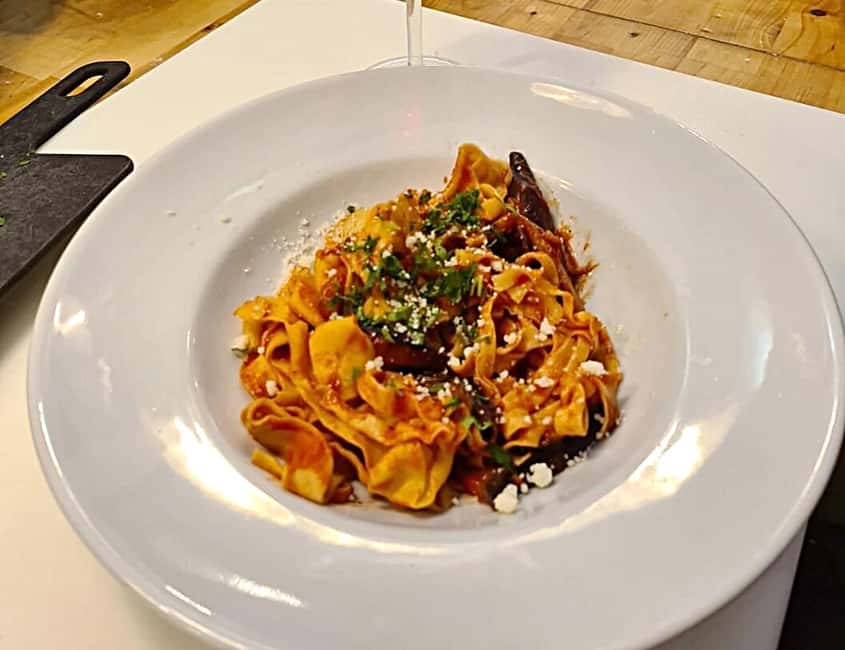
Eating is part of the lesson here, not a pause. Lunch is served with the pasta you helped make, plus a glass of Italian wine. That pairing is classic for a reason: wine brings the social side, but it also slows you down enough to appreciate texture, seasoning, and the difference between a homemade sauce and a store version.
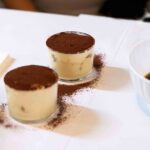
When lunch is done, the experience doesn’t end abruptly. You’ll finish with coffee and limoncello, which is a Roman/Italian-feeling way to close out a cooking class. It’s also a nice buffer if your afternoon needs something warm and bright after time in the kitchen.
For people who love food with a cultural angle, this is where the stories land. You’ll hear Italian stories while you eat, tying the recipes to how Italians actually think about meals.

What you take home: recipes, certificate, and confidence
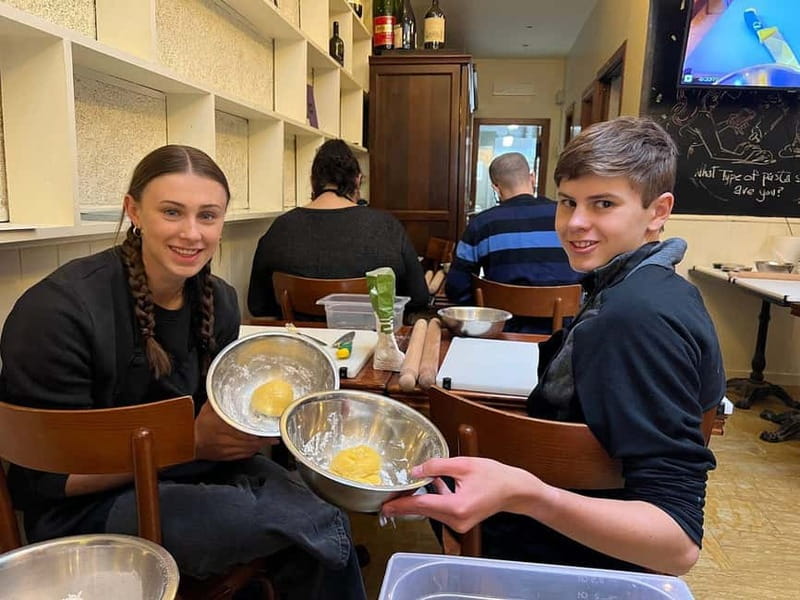
You don’t leave empty-handed. The class includes a participation certificate and pasta recipes you can use later. That’s not just a souvenir move—it’s what lets you practice without guessing.
The best value takeaway is confidence. After a session like this, you should be able to handle the basics of homemade dough and understand how to shape and cook pasta styles beyond one familiar dish. You’ll still need practice at home (it’s pasta; it takes feel), but the class gives you a strong starting point.
This matters especially if you’re the type who wants to cook during the trip. Rome has plenty of great meals to eat, but this experience gives you a skill that follows you back to your kitchen.
Price and value: what $103 buys you in Rome
At $103 per person for about four hours, this sits in the mid-range for cooking classes in Rome. The reason it can feel like good value is that you get multiple pieces in one ticket: market walk, chef instruction, a full lunch, wine, coffee, limoncello, plus recipes and a certificate.
Many cooking classes focus on the cooking and tack on a token tasting. This one covers the ingredients-to-plate flow, which is why it can feel more like a full food story than a single workshop.
The value also depends on your travel style:
- If you like hands-on activities, the price makes sense because you’re actively making pasta.
- If you only want to eat, you could get a similar Italian meal for less, but you’d miss the technique.
Who should book this pasta class (and who should skip it)
This is a great fit if you want an authentic food experience that teaches you something usable. It works well for couples, friends, and solo travelers who enjoy learning and then sharing a meal together.
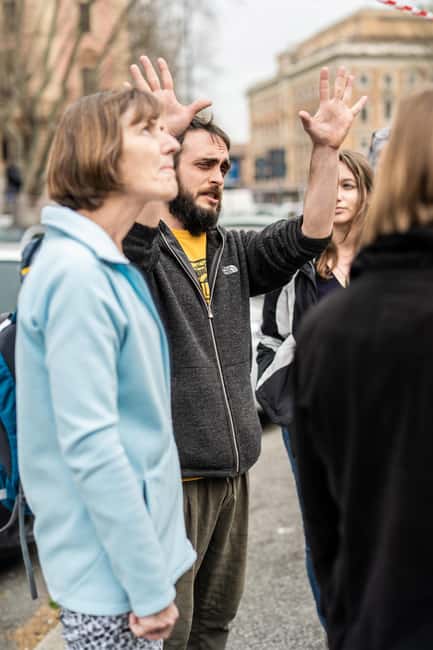
It also suits people who want a calmer alternative to big-tour crowds. The experience is built around a small-group feel and lots of interaction, so questions don’t get lost in the background.
Skip it if you have gluten intolerance. The class is explicitly not suitable for that. If you need other dietary accommodations, you’ll want to check directly with the provider, since the data here only confirms the gluten restriction.
Practical tips so your pasta afternoon goes smoothly
Here’s how to make the most of your four hours without stress:
- Arrive early enough to settle in. The meeting point is Via Palestro 51, 00185 Rome, and you’re advised to be there at least 10 minutes before start time.
- Wear comfortable clothes and shoes you can stand in. Pasta work takes a bit of time with your hands and posture.
- Ask questions while you’re shaping. That’s when guidance is most helpful, and it’s usually when pasta disasters can be fixed fast.
- Pace yourself at lunch. A glass of wine plus coffee and limoncello can hit harder than you expect after kitchen time.
Also, keep your expectations realistic. This is a cooking class designed to teach skills and give you a great meal. You’re not going to become a pasta-maker in a single afternoon, but you should leave with enough know-how to cook better immediately.
Should you book this Rome Pasta Cooking Class with Market Visit?
Yes, I’d book it if your goal is hands-on Italian food culture. The market-to-kitchen format is the kind of structure that turns a fun activity into a real takeaway. And the chef-led approach—especially the attentive, patient coaching—shows up again and again in how people describe their experience.
Book it if:
- You want more than eating pasta—you want to learn it.
- You like the idea of shopping for fresh ingredients first.
- You’re happy to focus on stuffed pasta and sauces, not just one dish.
Don’t book it if:
- Gluten intolerance affects what you can eat.
- You prefer a passive, sightseeing-style tour over active cooking.
If you’re choosing just one food class in Rome, this one has a strong case: it gives you ingredients, technique, and a sit-down meal with wine, coffee, and limoncello—so you end with both memories and recipes you can actually use.
FAQ
How long is the cooking class in Rome?
The experience lasts 4 hours.
Where is the meeting point?
You meet at Via Palestro 51, 00185 Rome. Arrive at least 10 minutes before the activity starts.
Is a market visit included?
Yes. You’ll take a walking tour of a local market, including a visit to the Nomentano Market to see fresh, seasonal ingredients.
What do you eat during the class?
Lunch is included, and it features the pasta you learn to make.
Is wine included?
Yes. Lunch includes a glass of Italian wine.
Do you get coffee and limoncello?
Yes. Coffee and limoncello are included at the end.
Do you need prior cooking experience?
No previous skills are required.
Is this class suitable for gluten intolerance?
No. It is not suitable for people with gluten intolerance.
What do you receive to take home?
You get a participation certificate and pasta recipes.