REVIEW · PALERMO
Palermo: Pasta & Tiramisu Cooking Class with Flowing Wine
Book on GetYourGuide →Operated by The Roman Food Tour · Bookable on GetYourGuide
Fresh pasta and tiramisu, plus plenty of wine. I like how this class teaches fresh pasta dough step by step, and I also like that you make a full classic tiramisu in the same session, then eat what you cooked. You’re in a real Palermo restaurant near Quattro Canti, and the vibe feels like dinner with friends instead of a demo.
The one big thing to consider: this is built around the traditional recipe (with gluten, dairy, and eggs). Substitutes exist for preferences and allergies, but they can’t guarantee zero cross contamination, and the class is listed as not suitable for vegans, people with gluten intolerance, or lactose intolerance.
In This Review
- Key Highlights to Know Before You Go
- Finding Carlo V in Palermo and Understanding the 150-Minute Flow
- Arrival Ritual: Prosecco, Apron Time, and a Real Restaurant Feel
- Tiramisu First: Classic Steps, the Set-Time Trick, and What to Aim For
- Fresh Pasta Workshop: Dough Texture, Flour Choice, and Pasta Fresca vs Secca
- Wine at the Table: Turning Skills Into a Proper Palermo Meal
- Who This Is Best For (and Who Might Find It Less Fun)
- Price and Value: Why $56 Can Actually Make Sense Here
- Dietary Limits and Allergy Reality: What You Can Ask, and What You Should Know
- What to Wear and Bring for a Hands-On Sicilian Kitchen
- The Hosts and Energy: Names You Might Meet and the Teaching Style
- Should You Book This Palermo Pasta & Tiramisu Class?
- FAQ
- Where is the meeting point?
- How long is the cooking class?
- Is there an English-speaking guide?
- What drinks are included?
- What food will I make and eat?
- Are dietary substitutions available?
- What should I wear or bring?
Key Highlights to Know Before You Go
- Prosecco on arrival and wine with your meal keep the afternoon light and social.
- Tiramisu comes first, then you switch gears to pasta so the dessert has time to set.
- Fresh pasta basics include flour choice and the difference between pasta fresca and pasta secca.
- Carlo V (Carlo Quinto) location puts you about a short walk from Quattro Canti.
- English guidance with high-energy hosts makes even first-time cooks feel capable.
Finding Carlo V in Palermo and Understanding the 150-Minute Flow
This is a straightforward, no-stress format: you meet at Carlo V (Carlo Quinto) and spend about 150 minutes cooking and eating. There’s no hotel pickup, so plan on walking in (or using local transit/taxi if you’re far out). The good news is the restaurant’s location is convenient—about 100 meters from Quattro Canti—so it’s easy to pair this with an afternoon of sightseeing.
What I like about the timing is how it matches how Italian home cooking actually works. You start with prep, you do the hands-on stuff while your kitchen skills are still fresh, and then you end with a proper sit-down meal. It feels less like rushing through a recipe checklist and more like learning a rhythm.
You can also read our reviews of more tours and experiences in Palermo.
Arrival Ritual: Prosecco, Apron Time, and a Real Restaurant Feel
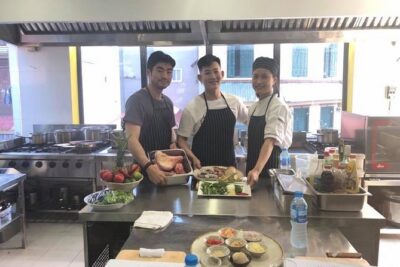
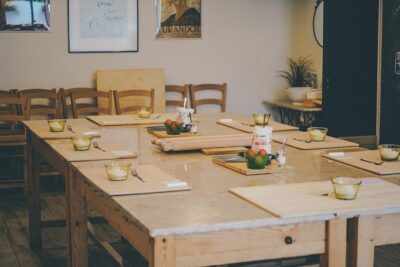
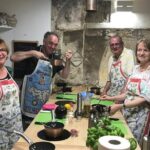
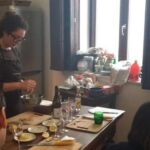
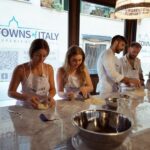
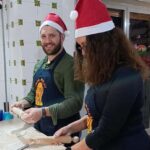
You’ll start at the restaurant entrance. Expect a greeting and a welcome glass of Prosecco before you wash up and put on an apron. That small sequence matters: it signals you’re entering a working restaurant space, not a pop-up classroom.
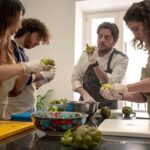
From there, the evening moves behind the scenes into how an Italian restaurant operates. The instructors guide you in plain, practical steps—things like how to handle dough and what “done” looks like—so you’re not just watching. Reviews consistently point out that the hosts keep things fun and interactive, with energy that makes the work feel easier than it sounds.
Also, you’ll notice something else in the atmosphere: music and a social group layout. Even if you come solo, it’s the kind of class where conversation comes naturally.
Tiramisu First: Classic Steps, the Set-Time Trick, and What to Aim For
The class starts with tiramisu, and that’s a smart choice. While you’re making the dessert, you’re also learning that tiramisu isn’t just about mixing ingredients—it’s about timing and texture. You’ll get guidance as you assemble it, and you’ll also learn some background on the dessert’s history.
Here’s the practical trick you’re likely to appreciate: you build the tiramisu, then you move on to the pasta part. That delay is useful because tiramisu tastes better after it sits. One review even mentioned the dessert is made early specifically so it can cool down before eating.
As for what you’ll take home from the experience: you should leave with a clearer sense of how the layers should behave—how it should look assembled, and what the final plate should feel like when it’s ready.
Fresh Pasta Workshop: Dough Texture, Flour Choice, and Pasta Fresca vs Secca
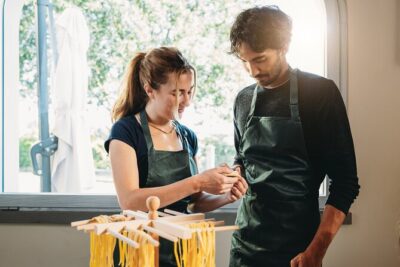
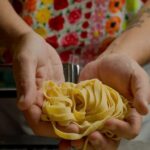
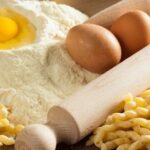
Then it’s pasta time. The guide helps you work through the process of making pasta dough from scratch, including which flour to use and the key differences between pasta fresca and pasta secca. Even if you’ve never cooked pasta before, this is the part that gives you real technique.
You’ll work at your station, mixing and kneading until the dough reaches the right feel. The whole point is that the class doesn’t assume you already know what dough should do. You get step-by-step coaching, and you learn how to adjust rather than just follow vague instructions.
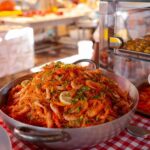
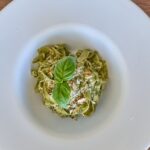
From the experience details, you’ll also be making multiple pasta shapes. Some class groups mention ravioli and tagliatelle in addition to the general pasta dough practice. Even if your final shapes aren’t perfect, you’ll still understand the core method—and that’s what lets you cook again at home without needing a cheat sheet every time.
Wine at the Table: Turning Skills Into a Proper Palermo Meal
After the kitchen work, you sit down for your meal—lunch or dinner, depending on the session time. You’re also served a glass of wine that pairs with what you made.
This is one reason the class feels like better value than many food tours. You’re not just paying for entertainment or a quick bite. You’re paying to learn, then immediately turning that learning into a shared dinner.
A few details from feedback you can trust: portions are described as satisfying, and the meal is genuinely delicious. The wine is also a big part of the fun—people repeatedly highlight the social atmosphere and the steady flow of drinks during the session.
One small note: some people wished the wine was more freely available. So if you’re a serious drinker, just know the focus stays on cooking and dining, not turning the class into a full-on wine bar.

Who This Is Best For (and Who Might Find It Less Fun)
This class is best for:
- First-time cooks who want real instruction without feeling judged.
- Food lovers who like hands-on learning more than restaurant wandering.
- Couples, friends, and small groups looking for something social near the sights.
It’s also a nice option if you’re not trying to over-plan your day. The 150 minutes fits well into a Palermo itinerary: you can tour for a bit, then head to Carlo V, then finish with dinner (which is included).
What about the “low-key and intimate” angle? Multiple accounts describe it as friendly and easy to join, with hosts who engage the group. Even if you’re solo, you’re working close enough to others that conversation happens naturally.
Price and Value: Why $56 Can Actually Make Sense Here
At $56 per person, this isn’t just a cooking lesson. You’re getting:
- Instruction for pasta from scratch plus classic tiramisu
- Apron, ingredients, and tasting of what you make
- Welcome Prosecco and wine with your meal
- A sit-down lunch or dinner
That combination is why the price feels fair. Many cooking classes charge similarly but don’t include the full meal or alcohol. Here, you’re essentially buying three things in one: a skill session, a dessert you learn to master, and a real shared dinner with drinks.
One more quiet value point: the class helps you avoid the usual beginner frustration—overly dry dough, filling that doesn’t hold, tiramisu that doesn’t set right. If even one attempt at home goes smoothly because you learned the method here, you’ve already gotten your money’s worth.
Dietary Limits and Allergy Reality: What You Can Ask, and What You Should Know
If you have dietary needs, treat this as a “confirm in advance” activity.
The key facts from the information you’re given:
- The traditional recipe includes gluten, dairy, and eggs.
- Substitutes are offered for allergies or food preferences, but instructions still focus on the traditional method.
- They cannot guarantee 100% free of cross contamination.
- The class is listed as not suitable for vegans, people with gluten intolerance, and people with lactose intolerance.
So if you’re vegetarian, you may have options (vegetarian is mentioned under dietary options). If you’re avoiding dairy or gluten, or you’re strictly vegan, this is where you need to be extra careful. Send your requirements to the provider before booking, and ask how substitutions will work for your specific situation.
What to Wear and Bring for a Hands-On Sicilian Kitchen
This is a practical class, but you will get hands-on. Bring comfortable shoes and comfortable clothes. You’ll be washing your hands, then working in an apron, so wear something you don’t mind getting dough dust on.
Also, smoking is not allowed, so plan accordingly if you’re the type who needs a post-meal cigarette break.
The Hosts and Energy: Names You Might Meet and the Teaching Style
In feedback, you’ll see names like Giuseppe, Simone, Pedro, and Carlos tied to the hosting team. Whoever you get, the teaching style comes through clearly: friendly, energetic, and interactive. People mention the hosts being funny and engaging, and they also mention practical guidance that makes first-timers comfortable.
A standout theme is pacing. Several comments say the learning steps are well paced, which matters because pasta dough and tiramisu both reward patience. If you’ve ever tried cooking something Italian at home and gotten frustrated, this approach should feel like a reset: the guide tells you what to do, you practice, and you don’t miss key points.
Should You Book This Palermo Pasta & Tiramisu Class?
Yes, if you want a hands-on food experience with real payoff. Book it when:
- You want to learn fresh pasta dough rather than just eat it.
- You want tiramisu skills you can repeat at home.
- You like a social setting with Prosecco and wine.
- You’re staying near Quattro Canti and want a convenient activity.
Skip or double-check if:
- You’re vegan, or you have gluten intolerance or lactose intolerance. The class is listed as not suitable for those categories.
- You have a serious allergy and need strong reassurance about cross contamination. Substitutions exist, but zero cross contamination can’t be guaranteed.
If your dietary needs are manageable and you’re okay following a traditional recipe, this is one of those Palermo activities that turns a good meal into a skill you keep.
FAQ
Where is the meeting point?
Please enter the restaurant Carlo V (Carlo Quinto).
How long is the cooking class?
The experience lasts 150 minutes.
Is there an English-speaking guide?
Yes, the tour guide is English.
What drinks are included?
You’ll get a welcome glass of Prosecco and a glass of wine with your meal.
What food will I make and eat?
You’ll make tiramisu and fresh pasta (with guidance for dough). You’ll also sample the dishes you prepare, with lunch or dinner included.
Are dietary substitutions available?
Substitutes are offered for people with allergies or food preferences, but the traditional instructions include gluten, dairy, and eggs, and they can’t guarantee 100% cross-contamination free. The activity is also listed as not suitable for vegans, people with gluten intolerance, and people with lactose intolerance.
What should I wear or bring?
Wear comfortable clothes and comfortable shoes. Smoking is not allowed.