REVIEW · PALERMO
Sicilian Cooking Class
Book on Viator →Operated by The Sicilian Pantry · Bookable on Viator
Palermo’s market-to-kitchen flow is the draw. You start near Porta Carini at the entrance to the Mercato del Capo, pick ingredients, then cook a full 4-course Sicilian meal with an English-speaking chef. I love how much time you spend actually working with your hands, not just watching.
I also love the small-group feel (max 8), which keeps the pace comfortable and the questions answered by Michael and his assistants like Elena and Melissa. The one drawback to keep in mind: it’s not ideal if you have severe food allergies, and the kitchen set-up includes stairs in the nearby studio space.
In This Review
- Key things I’d bet on
- From Porta Carini to the Capo Street Market
- Choosing ingredients matters more than you think
- Walking to the air-conditioned cooking studio
- The hands-on flow: what you’ll actually do
- Starter lineup: panelle, arancine al burro, and carciofi fritti
- Pasta course: fresh pasta with tomato sauce
- The Palermo main courses: pasta con le sarde and more
- Dessert in Palermo style: cannoli, cassata, granita
- Wine, coffee, and homemade liqueurs at the table
- English instruction and a relaxed, organized vibe
- Who should book this Sicilian cooking class in Palermo
- Price and value: is $118.56 worth it?
- Practical tips before you go
- Should you book this Sicilian Pantry cooking class?
- FAQ
- Where is the meeting point?
- What time does the class start and how long is it?
- What language is the cooking class taught in?
- What’s included in the meal?
- Do they provide mobile tickets?
- Is this class suitable for severe food allergies?
- What’s the group size?
- What’s the cancellation policy?
Key things I’d bet on
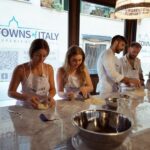
- Mercato del Capo shopping first so you cook with what’s actually in season
- Four courses plus drinks: Sicilian wine, homemade liqueurs, and coffee
- Hands-on instruction with lots of participation in every step
- English-speaking host (Michael) with clear explanations as you cook
- Small group size (max 8) for a more personal class
- Seasonal menu flexibility (vegetarian adjustments can be possible, but ask ahead)
From Porta Carini to the Capo Street Market
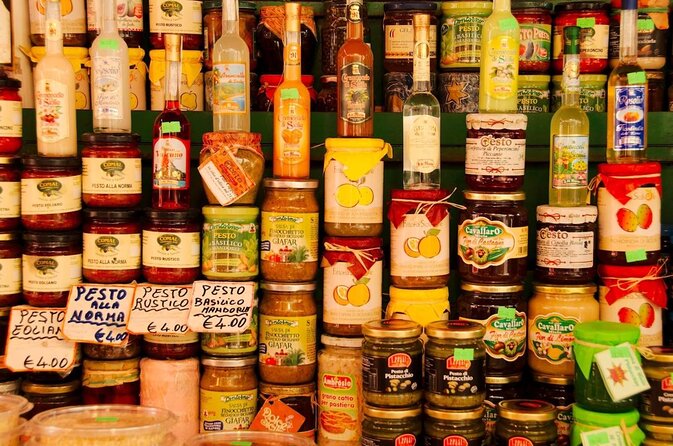
This experience starts with you getting your bearings fast in Palermo. You meet near Porta Carini, the entry point to the famous Mercato del Capo, and the day kicks off with a guided walk into the market area to choose the ingredients for your lesson. It’s a simple concept: buy food like locals, then cook it like locals.
What makes this part worth your time is how it changes the class. Your dishes reflect the market finds, so you’re not stuck with a fixed script if the day’s produce or specialties look different. That “seasonal match” shows up throughout the meal, from vegetables to seafood.
You’ll also learn how to shop the market way. The chef walks you through what to look for, and why certain ingredients matter in Palermo’s cooking style. Even if you only remember a few tips, it’s the kind of practical knowledge you can use later when you cook at home.
You can also read our reviews of more tours and experiences in Palermo.
Choosing ingredients matters more than you think
A market stop can sound like a quick photo break, but here it has real weight. The goal isn’t just atmosphere—it’s ingredient accuracy. When you pick the items together, you understand what goes into dishes like fried artichokes or chickpea fritters, and you can see the logic behind the flavors.
Keep an eye on weather too. The market is open-air, and one of the realities of Palermo is that rain can make things tighter, with vendors less available than you’d expect. If you’re going on a showery day, plan for a slightly different feel at the market, while the class still focuses on the meal.
Walking to the air-conditioned cooking studio
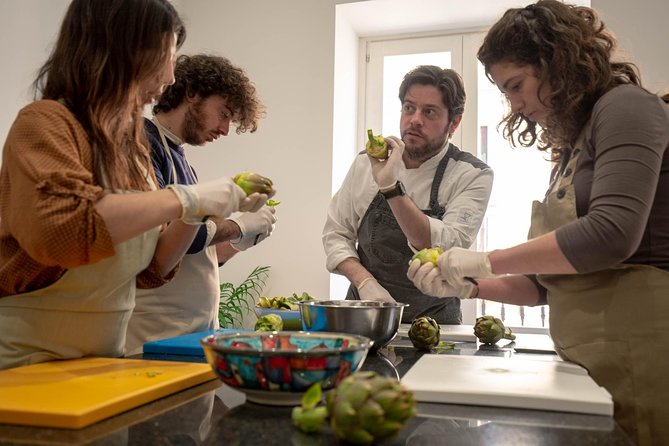
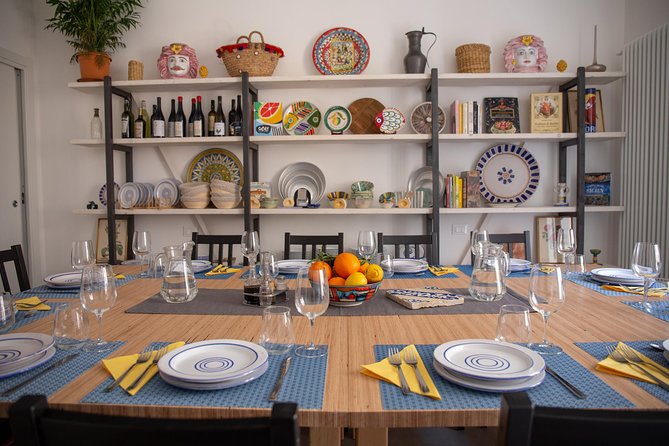
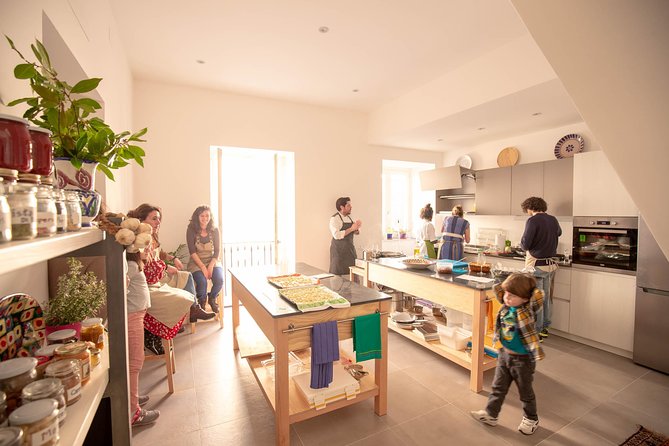
After shopping, you head to the kitchen for the cooking part. The studio is air-conditioned, which matters in Palermo when the day heats up and you’re standing over hot pans. It’s a big difference versus those classes where the “kitchen” is more like a drafty corner with no control over comfort.
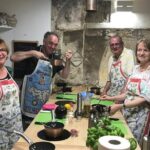
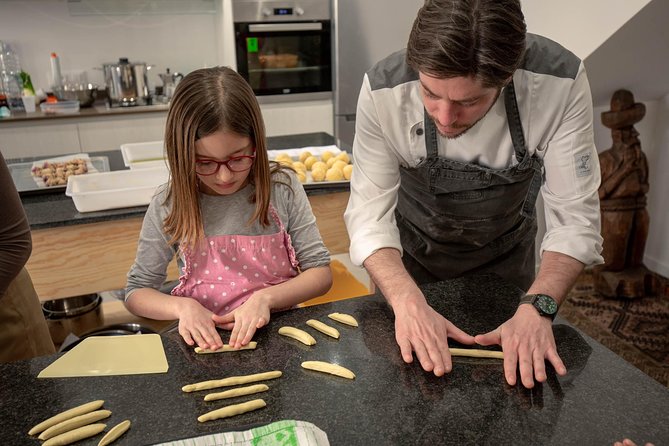
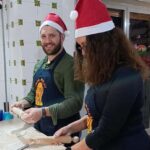
The group size is capped at 8 travelers, and that shows in how the lesson runs. Michael organizes the steps so everyone has a role. You’re not stuck waiting for your turn while someone else works; you’ll be involved across multiple dishes.
In practice, that small group size also makes the explanations easier to follow. When you ask why something is done a certain way, you get an answer without the instructor rushing off to the next station.
The hands-on flow: what you’ll actually do
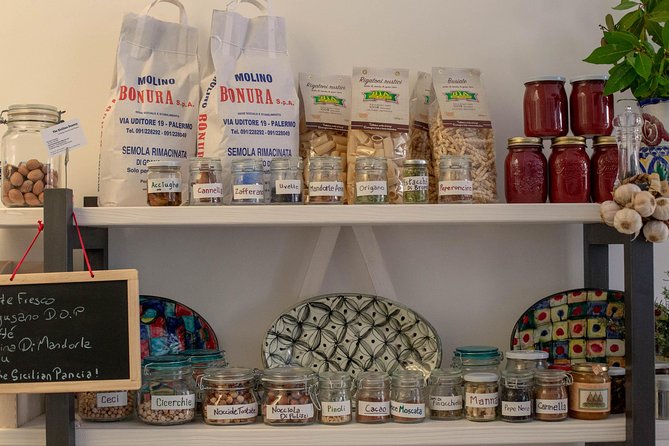
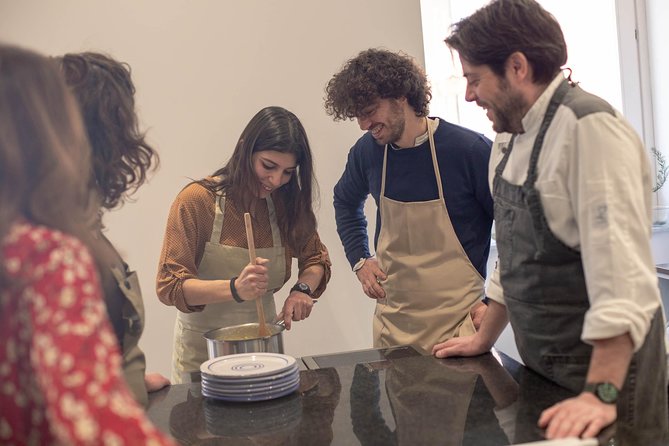
The class is structured as a four-course meal, and the cooking is organized so the work feels steady instead of chaotic. You’ll help clean, prep, assemble, bread, fry, and cook parts of the meal rather than just mixing ingredients in a bowl.
Based on the way the day is described, the teaching style is focused on technique and timing. You’re working through steps with guidance as you go, and the pacing aims to keep it fun rather than stressful. It’s also the type of class where you’ll likely pick up small practical tricks—how to handle tools, how to prep ingredients before the heat hits, and how to judge when something is ready.
And yes, you’ll learn while you cook. The menu is built around classic Palermo foods, and the instructor connects them to how people actually eat in the city.
Starter lineup: panelle, arancine al burro, and carciofi fritti
Your starters are all street-food style, which is perfect for a cooking lesson because the flavors are bold and the techniques are clear. You’re looking at three different fried components, each with a distinct texture and role at the table.
Panelle are freshly fried chickpea fritters, served with lemon. They’re a cornerstone of Palermo street food, and learning them is a shortcut to understanding why the city loves simple ingredients pushed to their best form.
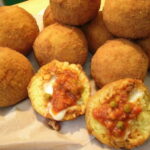
Arancine al burro are another classic: saffron rice balls filled with ham and cheese, then breaded and fried. It’s a good dish for technique because the filling, coating, and frying all affect the final bite.
Carciofi fritti rounds it out with fresh artichokes, cleaned, quartered, breaded, and fried. This is where you start seeing how Palermo treats vegetables: not as side thoughts, but as stars with their own flavor structure.
If you’re hoping for a “I’ll just watch” experience, this isn’t that. Frying and prep are hands-on, and the class structure is designed so you can participate through the steps.
Pasta course: fresh pasta with tomato sauce
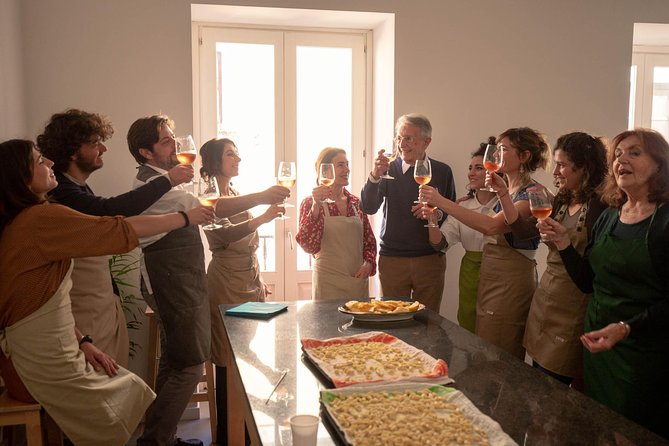
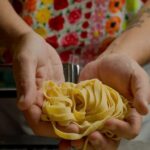
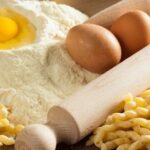
Next comes your pasta lesson, and this is where the class earns its keep. You’ll make pasta fresca con salsa fresca, which means you form the fresh pasta and top it with a freshly made tomato sauce. That’s not complicated in the way some cooking classes pretend it is, but it does teach you the core method.
There’s something satisfying about making pasta from scratch in a real kitchen, with a chef guiding you through the practical steps. You’ll leave knowing what the dough should feel like, and how tomato sauce behaves when it’s made fresh rather than from a jar.
And because the day’s market shopping feeds into the meal, the pasta course doesn’t feel disconnected. It sits naturally between the fried starters and the more seafood-and-meat main courses that follow.
The Palermo main courses: pasta con le sarde and more
Your menu includes dishes that show different sides of Palermo cooking—seafood, land-based comfort, and the way sweetness and acidity can play well together.
You’ll learn pasta con le sarde, a Palermitan classic with fresh sardines, wild fennel, saffron, currents, and pine nuts, topped with toasted breadcrumbs. It’s a strong example of Sicilian flavor logic: sweet elements like currents aren’t random; they balance. Toasted breadcrumbs add crunch, and saffron gives that unmistakable aroma.
Then you move into involtini di carne, thin meat rolls stuffed with cheese, breadcrumbs, currants, and almonds, skewered, breaded, and roasted. This is a family-style dish vibe—built for sharing, and structured around stuffing and technique.
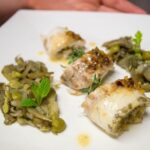
You also get pesce spada panato, swordfish slices dipped in extra-virgin olive oil and coated with breadcrumbs seasoned with fresh parsley, mint, and lemon zest. Swordfish can feel heavy when cooked wrong. Here, the crumb coating and bright herbs help keep it lively.
If you’re wondering whether you’ll feel overwhelmed with so many dishes, the small group pacing helps. Each course is taught and cooked in a controlled sequence, and the class doesn’t throw everything at you at once.
Dessert in Palermo style: cannoli, cassata, granita
Dessert is not an afterthought in Sicily, and this menu proves it. You get three well-known Sicilian sweets, plus coffee, so you’re tasting the range from creamy to crisp to icy.
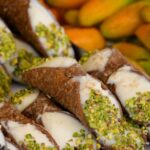
First up is cannoli, the famous fried pastry tubes filled with sweet ricotta cream, garnished with candied orange peel and pistachios from Bronte. The key here is contrast: crunchy shell, creamy filling, and citrus sparkle.
You also get cassata, the Sicilian cake with homemade almond paste and sponge cake stuffed with sweet ricotta cream, decorated with candied fruit. It’s richer and more structured than cannoli, which makes it a nice follow-up after the fried textures.
Finally, there’s granita di mandorle, a frozen dessert made with water, sugar, and almonds. It’s simple but effective, and it feels like a palate reset between rich sweets and coffee.
Even if you don’t think of yourself as a dessert person, this lineup is worth it because you’re learning how Sicilians treat ingredients beyond “sweet.” Almonds, oranges, pistachios, ricotta—these show up in specific ways, not just random toppings.
Wine, coffee, and homemade liqueurs at the table
The class ends with a sit-down meal pairing your dishes with a selection of Sicilian wines. This isn’t just “here’s a drink.” It turns the cooking into an actual shared dinner, and that matters when you’re trying to learn food culture, not just recipes.
You also finish with coffee and homemade liqueurs. One mention includes an orange liquor, which fits the broader Sicilian flavor theme you’ll see in dishes like cannoli.
This part is a big value driver. Many cooking classes have you leave right after cooking. Here, you stay to eat what you made, drink what matches, and talk with the instructor and other participants in a calmer setting.
English instruction and a relaxed, organized vibe
The day is offered in English, which is a major plus if you want to understand technique instead of guessing. Michael’s English is described as excellent, and you’ll hear clear explanations as the food comes together.
The instructor team is part of why the class feels smooth. Assistants like Elena and Melissa help keep things moving, and the organization shows in how often you get hands-on time without falling behind.
One of the most repeated points from the experience is that it feels like cooking with friendly experts rather than surviving a classroom. If you like conversation at meals, you’ll probably enjoy this format.
Who should book this Sicilian cooking class in Palermo
This is a strong fit if you want a Palermo-specific food lesson, not generic Italian cooking. The menu hits classic local picks like panelle, arancine, pasta con le sarde, cannoli, and cassata—things that actually anchor Palermo’s identity.
It’s also a good choice if you want an English-friendly class with a real market step. You’ll leave with a clearer sense of what to buy at Mercato del Capo and why.
It may be less ideal if you have severe allergies. The experience isn’t recommended for severe food allergy situations, and you’re asked to contact the provider if you have dietary needs. If you’re not sure whether your situation counts as severe, don’t wait—ask first.
Accessibility is another consideration. One detail that came up is that there can be a steep flight of stairs in the nearby studio space, so it might be hard for people with mobility concerns. Service animals are allowed, and it’s near public transportation, but that stair detail is worth planning around.
Price and value: is $118.56 worth it?
At $118.56 per person for about 4 hours 30 minutes, you’re paying for a full experience: market selection, hands-on cooking, and a meal with wine plus homemade liqueurs and coffee. It’s not just a recipe workshop; it’s a complete meal arc.
The value gets better because the group stays small (max 8). In larger classes, one or two people do most of the work. Here, the instruction flow is set up so you participate across multiple dishes.
Also factor in what’s included in the ticket. You’re getting multiple courses, plus drinks, without needing to budget separately for the meal afterward. If you were planning to do a similar “eat-and-drink” activity anyway, this helps shift the cost toward cooking instruction and food culture.
If you want a class where you walk away with technique and a real sense of Palermo flavors, this price makes more sense.
Practical tips before you go
You’ll meet at Parcheggio ORLANDO | APCOAP.za Vittorio Emanuele Orlando, 49, Palermo, starting at 10:00 am. Bring your mobile ticket, and wear comfortable shoes because you’ll be walking through the market area before heading to the kitchen.
For what to eat first: go hungry. The class includes starters, pasta, main courses, and desserts, and the meal is meant to be filling. If you snack too heavily beforehand, you’ll miss the joy of tasting each course properly.
Plan for weather. Since the market is outdoors, you might want a light layer and something for rain just in case. And keep your day flexible if weather changes what’s available in the market area.
Should you book this Sicilian Pantry cooking class?
If your goal is real Palermo food—from market ingredients to classic dishes like panelle and pasta con le sarde—this is one of the best ways to spend your afternoon. The small group size, hands-on teaching, English support, and the full dinner with wine and homemade liqueurs make it feel like a complete experience, not a rushed add-on.
I’d book it if you enjoy cooking, want technique you can repeat at home, and like learning through doing. I’d think twice if you have severe allergies or mobility limitations due to stairs.
FAQ
Where is the meeting point?
You meet at Parcheggio ORLANDO | APCOAP.za Vittorio Emanuele Orlando, 49, 90134 Palermo, PA, Italy. The activity ends back at the meeting point.
What time does the class start and how long is it?
It starts at 10:00 am and lasts about 4 hours 30 minutes.
What language is the cooking class taught in?
The cooking class is offered in English.
What’s included in the meal?
You’ll cook and eat a four-course menu, served with a selection of Sicilian wines. The meal also includes homemade liqueurs and coffee.
Do they provide mobile tickets?
Yes, the tour includes a mobile ticket.
Is this class suitable for severe food allergies?
It is not recommended for people with severe food allergies. The guidance is to get in touch to let them know about dietary requirements.
What’s the group size?
The class has a maximum of 8 travelers.
What’s the cancellation policy?
Free cancellation is available. You can cancel up to 24 hours in advance for a full refund; cancellations made less than 24 hours before start time aren’t refunded. Cut-off times are based on local time.