REVIEW · PHNOM PENH
Khmer Cooking Class Half Day (AM or PM)
Book on Viator →Operated by Banana Cooking Class · Bookable on Viator
Market shopping turns into lunch in four hours. This Khmer cooking class at Banana Cooking Class in Phnom Penh pairs a tuk-tuk market stop with hands-on cooking and real one-on-one guidance from chefs like Lom Ang and Sophen. I especially loved the way you get a private instructor feel even in a short session, and how the class teaches you why ingredients matter, not just what to do.
One possible drawback: if you end up as a solo diner, you might not have the same lunch setup as others in your group, so plan to be okay eating your meal by yourself.
In This Review
- Key highlights worth your attention
- Market stop first: how you learn Khmer flavors fast
- Banana Cooking Class schedule: AM or PM, and why timing matters
- Theory first: the demo that makes your cooking easier
- Hands-on cooking: your own station and wok
- The three Khmer dishes: what you’ll likely learn (and taste)
- Eating your own meal: lunch or dinner, plus a certificate
- Value check: is $31 worth it in Phnom Penh?
- Who should book this Khmer cooking class?
- Quick tips to get better results in the kitchen
- Final thought: should you book it or skip it?
- FAQ
- What time does the half-day class run?
- Do I go to a market before cooking?
- How many dishes will I cook and eat?
- Is this a private class?
- Do I get recipes to take home?
- Is there free cancellation?
Key highlights worth your attention
- Tuk-tuk to the local market to pick fruit, veg, herbs, and spices before you cook
- Private, hands-on instruction with your own cooking station and wok
- Three Cambodian dishes finished as lunch or dinner, then eaten right away
- Recipes and ingredient lists to take home so you can cook again later
- Certificate and photos at the end, plus a cold towel and drink to reset
Market stop first: how you learn Khmer flavors fast
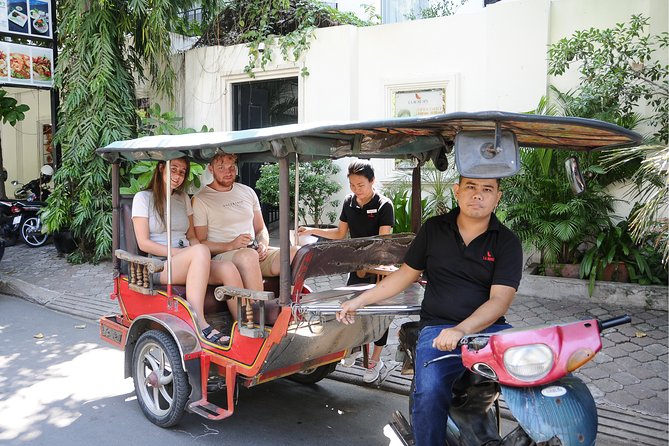
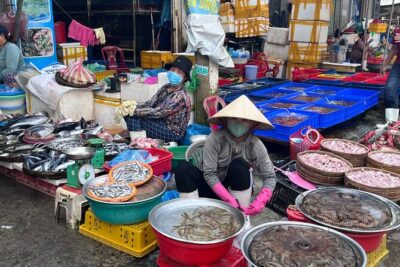
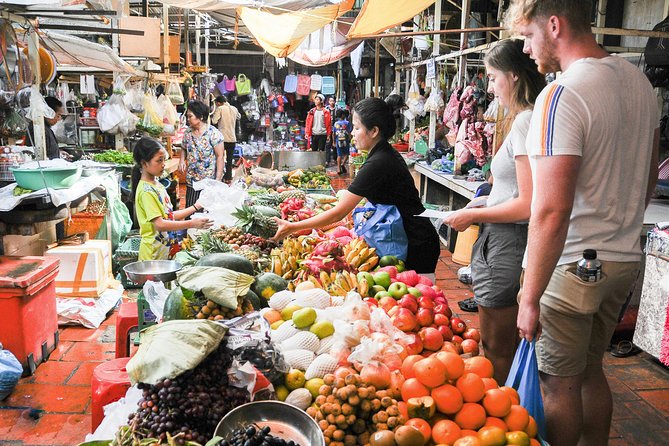
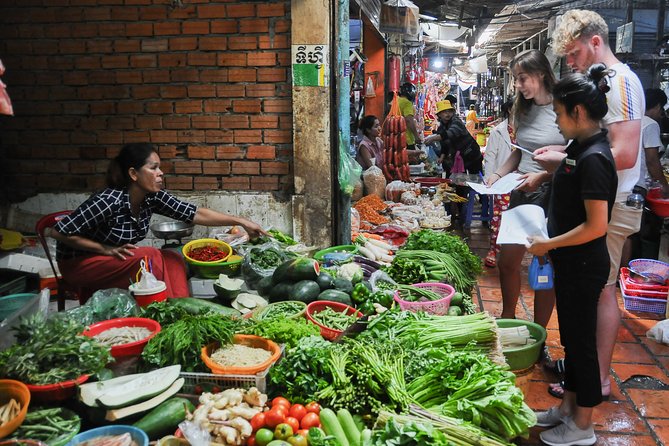
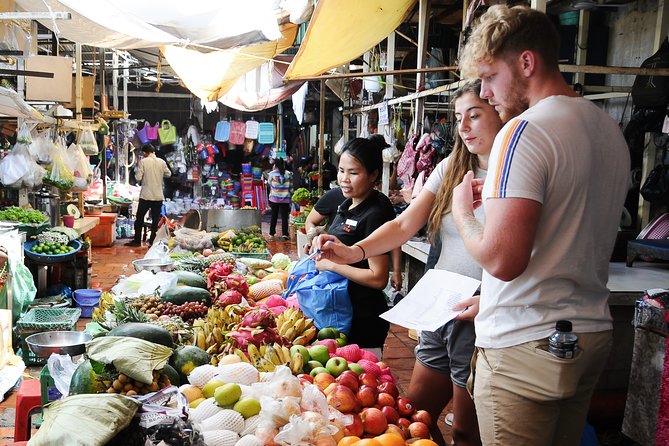
The class starts at Banana Cooking Class at 1, 4b Abdul Carime St. (21), Phnom Penh. After a quick meet-up, you head out by tuk-tuk to the local market. This is where the whole experience becomes more than cooking instructions. You’re not just buying “stuff.” You’re learning how Khmer cooks think about freshness, herbs, and spice blends.
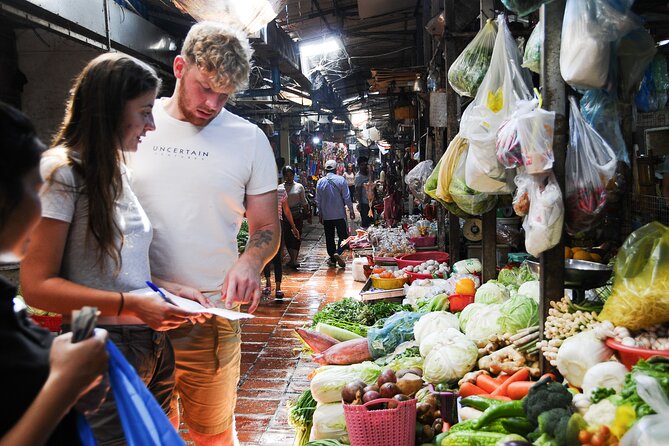
In the market, your chef instructor walks you through what to look for—especially things like herbs and how they smell and look when they’re at the right point. Several people in the class singled out the market guidance as a real highlight, and it makes sense. Market knowledge is the difference between a dish that tastes correct and a dish that’s just close. If you’ve cooked before, you’ll appreciate learning the ingredients that Khmer recipes rely on.
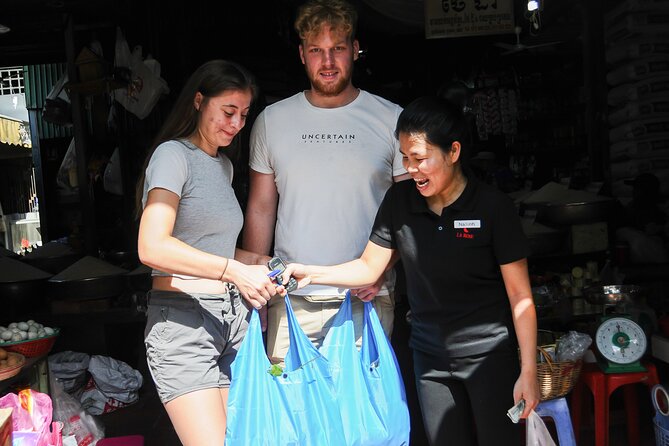
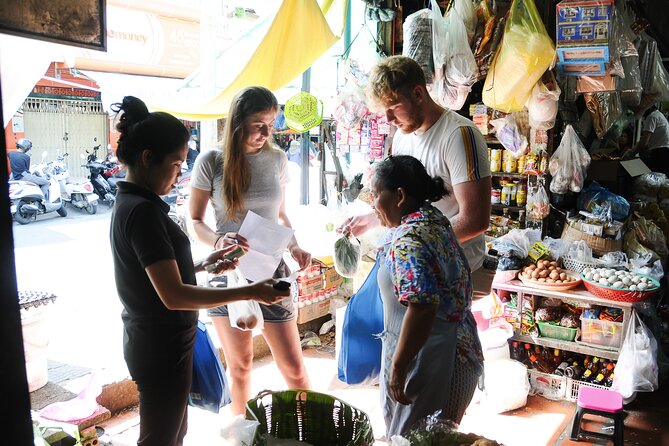
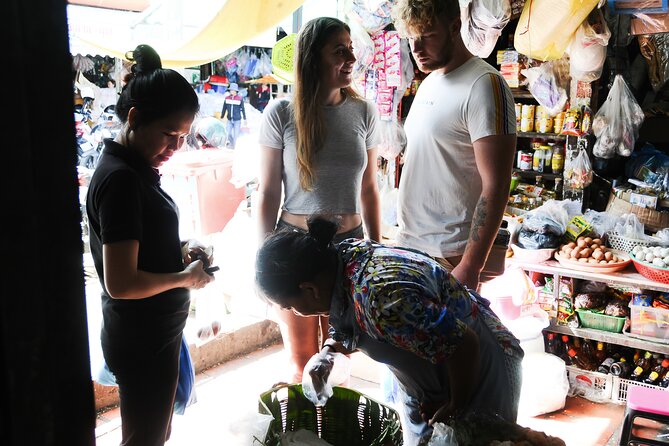
Also, expect this to be practical. The market visit is designed to support what you’ll cook in the kitchen. You’ll be told and shown fruits, vegetables, and spices as part of building your ingredient list for the dishes you’ll make.
You can also read our reviews of more tours and experiences in Phnom Penh.
Banana Cooking Class schedule: AM or PM, and why timing matters
You can choose a half-day course in either the morning or afternoon. The flow stays the same; the clock just shifts.
Morning session:
- Meet 09:00am, then head to the market by tuk-tuk
- Return to Banana Cooking Class around 10:00am
- Theory starts around 10:30am
- Hands-on cooking starts around 11:00am
- Lunch is around 12:00pm, with the class ending right after
Afternoon session:
- Meet 03:00pm, then head to the market
- Return around 04:00pm
- Theory around 04:30pm
- Hands-on cooking around 05:00pm
- Dinner around 06:00pm, then it ends
Why this matters: cooking classes can feel long when you’re waiting around. Here, the plan is tight and time-boxed—market, then theory, then practice, then eat. You’ll also get a clear end point, which helps if you’re building a Phnom Penh day around other activities.
The class also includes a refreshing drink and cold towel when you arrive back at Banana Cooking Class. It’s a small touch, but it helps you shift from outside heat and market walking to kitchen work without feeling wiped out.
Theory first: the demo that makes your cooking easier
Before you touch the stove, you’ll do a theory session with a cookery demonstration. This is where your chef lays out the logic behind the recipe: what ingredients are doing the job, how the dish should look at key steps, and where people usually go wrong.
In a short 4-hour class, this demo stage is what prevents the experience from becoming guesswork. When you understand what you’re aiming for, it’s easier to correct yourself mid-cook. You also get a feel for the Khmer technique style: building flavor step by step, using fresh aromatics, and balancing savory, sour, and fragrant elements.
You’ll likely notice that the chefs are focused on clear direction rather than complicated showmanship. People loved how explanations were easy to follow, even when they weren’t expert cooks.
Hands-on cooking: your own station and wok
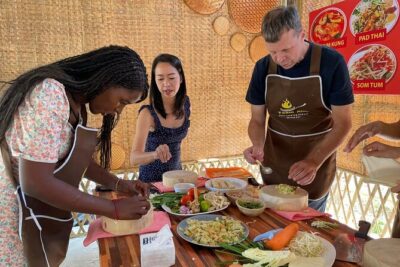
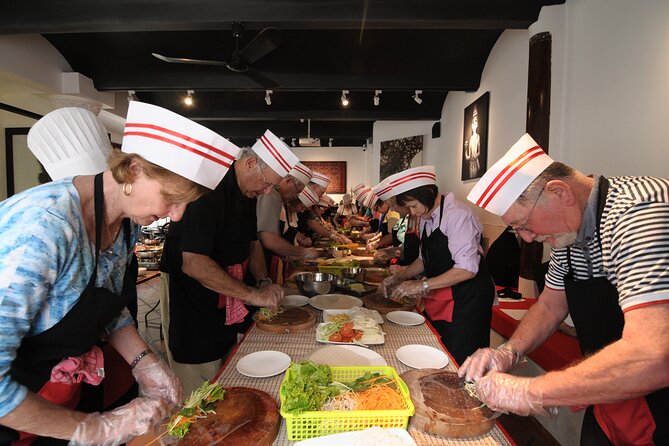
Then the class flips into practice. You get time to put your hands on the utensils, and each student has a cooking station with their own wok. That’s a big deal. In some classes, one person cooks while others watch. Here, you actually work.
The instructor assists as you cook, so you’re not left to fend for yourself. Multiple participants mentioned step-by-step guidance and the chef being patient, especially when it came to prep tasks and cooking timing. If you’re a beginner, that matters. If you’re more experienced, you’ll still like being able to compare your instincts against a chef’s technique.
What you do in the kitchen usually includes a mix of prep and cooking stages—washing, peeling, cutting, and then cooking each dish through to the point where it’s ready to serve. You’re also working in a setting that people described as clean and well organized, which makes hands-on cooking feel comfortable rather than chaotic.
The three Khmer dishes: what you’ll likely learn (and taste)
The class includes three traditional Cambodian dishes, finished as your lunch or dinner. The exact menu can vary by session, but the dishes mentioned across experiences included spring roll-style starters, chicken curry, fish amok, green mango salad, and banana palm sugar desserts.
Here’s why that mix is smart for learning:
- You get a curry so you understand Khmer-style spice and aromatics.
- You get a fish dish like fish amok, which teaches texture and steaming/binding style flavors people often can’t copy without guidance.
- You get something fresh or crunchy (like salad or rolls) so you learn how balance works beyond heat—acidity, herb freshness, and bite.
One standout repeatedly praised was chicken curry and fish amok, described as fresh and full of flavor. People also commented on the banana-based dessert being very sweet; that’s not a criticism, just a heads-up. If you have a sweet tooth, you’ll likely enjoy it a lot. If you prefer desserts less sugary, you might want to go in knowing that Khmer banana desserts often lean sweet—and ask your chef how to adjust if that comes up during your session.
No matter the exact dishes, the format is consistent: you cook, you taste, and you eat what you made. That’s part of the value—learning sticks better when you actually serve and enjoy the outcome.
Eating your own meal: lunch or dinner, plus a certificate
Once cooking finishes, you sit down to eat the three dishes you created. This is the payoff moment. After market shopping and kitchen work, it’s satisfying to taste the final flavors while your hands still remember the steps.
You’ll also get a certificate and a photo session at the end. Again, it’s not life-changing, but it adds a sense of closure and it’s a nice keepsake if you’re traveling with kids, cooking fans, or anyone who likes to document experiences.
Some people noted that portions were generous, and they appreciated being able to take home ingredients or what couldn’t be finished in certain situations. If you’re sensitive to eating alone, that’s one reason to consider group dining expectations, especially if you’re booking as a single person.
Value check: is $31 worth it in Phnom Penh?
At $31 for about 4 hours, this is strong value, mainly because you get multiple things bundled together:
- Market shopping with guidance (not just a token photo stop)
- Private-feeling instruction with one-on-one support
- A full meal made from scratch (three dishes)
- Recipes/ingredient lists you can use again at home
- A certificate and photos
A cooking class can be expensive when it turns into mostly watching and lightly prepping. Here, the structure pushes you into real cooking—your own station, your own wok, and your own dishes to eat. That changes the math. Even if you only take one or two dishes back as repeatable home recipes, you’re still likely getting your money’s worth.
It also helps that the class offers a takeaway element. Several people mentioned receiving recipe materials to recreate dishes later. That turns the class into a skill-building experience instead of a one-off meal.
Who should book this Khmer cooking class?
This fits best if you:
- Want a hands-on way to learn Khmer flavors without needing a long workshop
- Like market experiences that teach you what to buy, not just what’s pretty to photograph
- Cook at home and want ingredient lists and recipes to reproduce the dishes later
- Travel as a couple, small group, or with family
It can also work solo, but I’d plan your mindset accordingly. One concern that came up was the possibility of eating alone if group dining arrangements don’t match your schedule. If that would bother you, booking with at least one companion can make the experience feel more comfortable.
Finally, this is a good match if you’re short on time in Phnom Penh. Four hours is enough to learn and eat without stealing an entire day.
Quick tips to get better results in the kitchen
You’ll get the most out of the class if you show up ready to participate. Here are practical ways to make it smoother:
- Bring a curious attitude. The chef will point out what to look for in herbs and spices, and that’s where the real learning happens.
- If you’re not used to cutting herbs, don’t rush. The best dishes come from prep done carefully.
- Taste as you go. Ask what the dish should taste like at each stage so you can adjust confidently.
- Ask how to substitute ingredients if you can’t find them back home. People noted that the chef can explain swaps.
Final thought: should you book it or skip it?
I’d book this if you want a short, high-impact cooking experience in Phnom Penh that gives you real practice and a full meal. The market visit makes the recipes feel grounded, and the kitchen setup with individual stations means you’re not stuck watching. At $31, the balance is hard to beat when you factor in three dishes, instruction, and take-home recipe materials.
Skip it only if you strongly prefer cooking without market time, or if you’re likely to feel awkward eating alone as a solo participant. Otherwise, this is one of the more straightforward ways to learn Khmer cuisine and actually carry it home with you.
FAQ
What time does the half-day class run?
You can choose either the AM or PM session. The morning version meets at 09:00am and ends with lunch around 12:00pm. The afternoon version meets at 03:00pm and ends with dinner around 06:00pm.
Do I go to a market before cooking?
Yes. You meet at Banana Cooking Class, then you take a tuk-tuk to the local market to shop for Cambodian fruits, vegetables, and spices. After shopping, you return to the cooking school.
How many dishes will I cook and eat?
You’ll prepare and then dine on three traditional Cambodian dishes during the class.
Is this a private class?
Yes. It’s described as a private tour/activity, and only your group participates.
Do I get recipes to take home?
Yes. You’re given recipe materials (including ingredient lists) so you can recreate the dishes later.
Is there free cancellation?
Yes. You can cancel up to 24 hours in advance for a full refund. If you cancel less than 24 hours before the start time, the amount paid isn’t refunded.