REVIEW · SEOUL
Seoul: Taste of Korea, Authentic Home Style Cooking Class
Book on GetYourGuide →Operated by Hansik Korean Cooking Class · Bookable on GetYourGuide
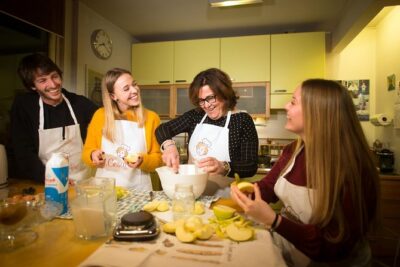
Cooking in Seoul beats just eating out. In this Hansik home-style cooking class, I found a fun, structured way to learn Korean flavors while actually cooking them with Chef Jennifer at a clean, spacious station setup.
I especially liked two things: the step-by-step instruction in English (you’re not left guessing), and how much food you get to make and eat—welcome drinks, Korean snacks, banchan, dessert, and the dishes themselves. It feels like a cooking lesson that turns into a full Korean meal.
One possible drawback to plan for: this class is a “come hungry” experience, and the included budae jjigae can include meat-style elements like Spam and hotdogs in the version used for class. The good news is dietary needs have been handled well, including vegetarian substitutions.
In This Review
- Key Points That Make This Class Worth Your Time
- Why Hansik Cooking Feels More Real Than a Typical Food Tour
- The Kitchen Setup: Clean Stations and Hands-On Guidance in English
- What You’ll Cook in This Seoul Class (And Why These Dishes Teach You So Much)
- Gimbap: Your Portable Skill Builder
- Tteokbokki: Spicy-Sweet Sauce Control
- Haemul Pajeon: Pan-Frying With Confidence
- Budae Jjigae: A Bold Stew You’ll Remember
- Welcome Drinks, Snacks, Banchan, and Korean Desserts: The Meal Is Part of the Lesson
- Time, Flow, and the Reality of a 3-Hour Cooking Session
- Price and Value: Is $89 Fair for a Full Korean Meal?
- Where the Class Is (So You Don’t Lose 20 Minutes in Seoul)
- Who This Class Fits Best (And Who Might Want to Consider Alternatives)
- Should You Book This Seoul Korean Cooking Class?
- FAQ
- How long is the cooking class?
- How much does the Seoul cooking class cost?
- Where do I meet for the class?
- What dishes will I make during the class?
- Is the class taught in English?
- How many people are in the group?
- What’s included with the meal?
- Can I get the recipes after the class?
- Are dietary needs accommodated?
- Is there flexibility with payment and cancellation?
Key Points That Make This Class Worth Your Time
- You cook multiple Korean favorites in one session: gimbap, tteokbokki, haemul pajeon, and budae jjigae are all in the mix.
- Chef Jennifer (English instruction) keeps it clear and patient so even beginners can keep up.
- Small group size (up to 10) means real attention at your own cooking station.
- Prepped ingredients reduce chaos so you spend more time learning technique and less time measuring everything.
- Included drinks and a full-course meal round out the class, with Korean desserts too.
- You get recipes by email and can take home extra food (in bags).
Why Hansik Cooking Feels More Real Than a Typical Food Tour
Hansik means Korean cuisine, but what matters here is the “home-style” angle. You’re not just tasting; you’re learning how everyday Korean dishes get built—seasoning, texture, heat control, and how sides fit with the main course.
This kind of class also helps you understand why Korean meals feel complete. The food isn’t one dish and done; it’s a system. You cook, you eat, and you learn what goes with what so you can recreate it later without turning your kitchen into a stress zone.
You can also read our reviews of more tours and experiences in Seoul.
The Kitchen Setup: Clean Stations and Hands-On Guidance in English
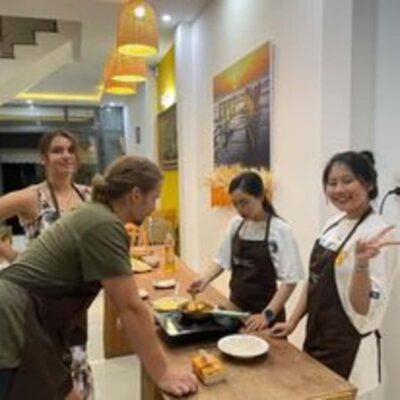
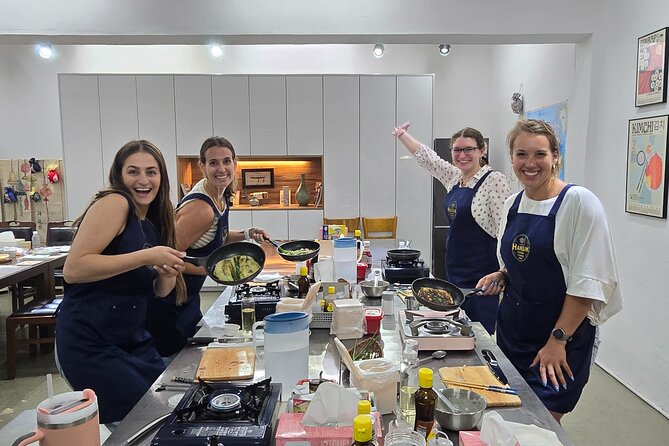
The class takes place in a dedicated cooking space with individual cooking stations, and that’s a big deal. In a small group of up to 10, you’re not standing around watching one or two people cook while the rest wait their turn.
You’ll also notice the way the workflow is designed for comfort. Ingredients are pre-portioned, and the chef walks you through what to do next, dish by dish. In practice, that means you can focus on technique instead of constantly re-measuring or hunting for ingredients.
Chef Jennifer is repeatedly praised for being patient and very clear. You’ll get step-by-step instructions, and she also shares context about the dishes so you’re not memorizing steps without knowing what you’re aiming for.
What You’ll Cook in This Seoul Class (And Why These Dishes Teach You So Much)
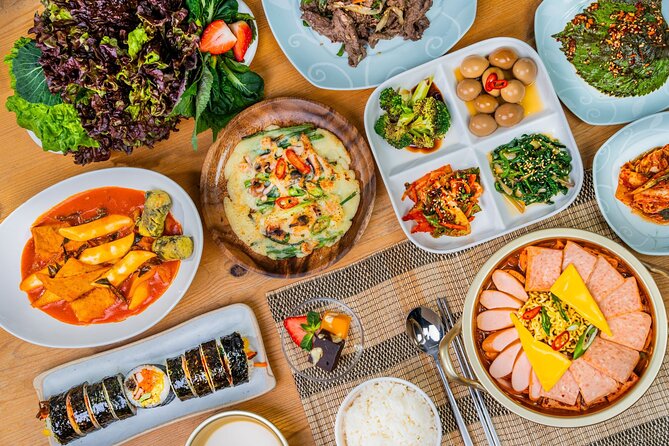
This isn’t a random lineup of Korean food. The dishes chosen teach four core ideas in Korean cooking: savory balance, noodle/rice comfort, spicy sweetness, and the art of pan-frying.
Gimbap: Your Portable Skill Builder
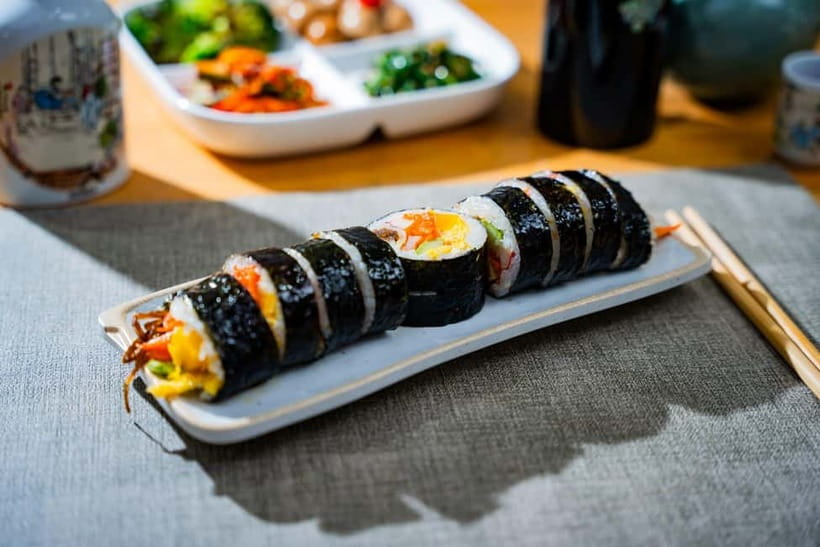
You’ll learn to make gimbap, Korean rice rolls. It’s a great starter dish because it teaches you rice handling and how fillings work together in a neat, sliceable format.
Even if you’re not a confident cook, gimbap tends to reward careful assembly. You learn what the texture should feel like and how the roll holds up—useful skills you can repeat later at home.
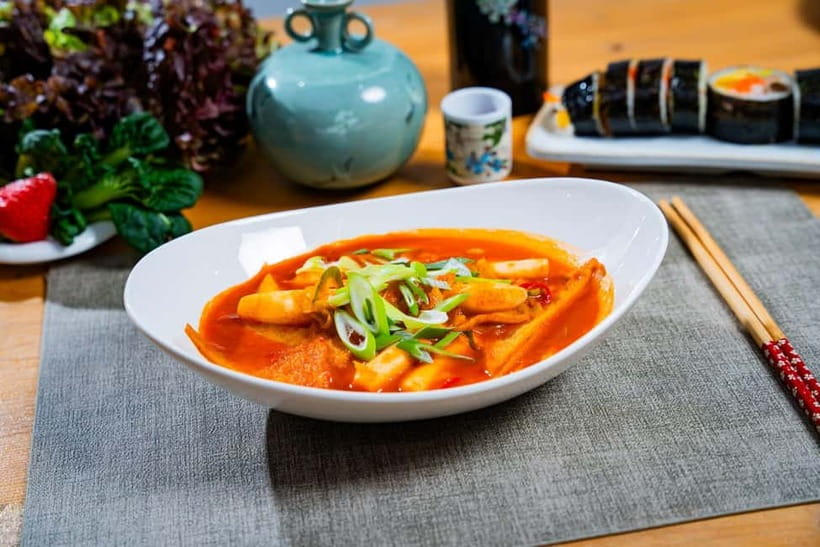
Tteokbokki: Spicy-Sweet Sauce Control
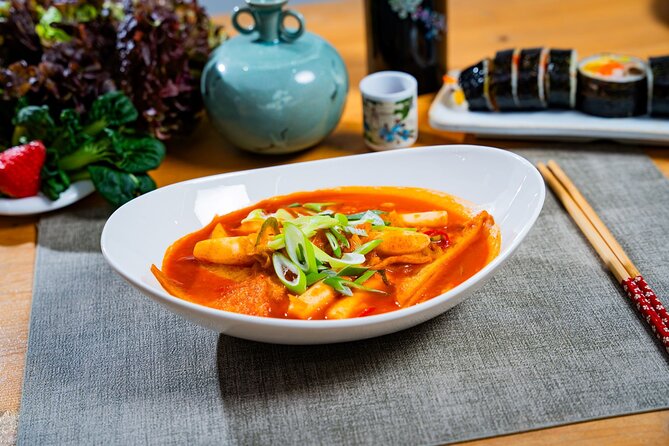
Tteokbokki is rice cakes cooked with gochujang (Korean red chili paste). The important lesson isn’t just that it’s spicy—it’s how the sauce clings, thickens, and turns glossy as it reduces.
You also get a feel for adjusting flavor through cooking time. That’s something you can transfer to other Korean sauces later, even when you aren’t making exactly the same dish.
Haemul Pajeon: Pan-Frying With Confidence
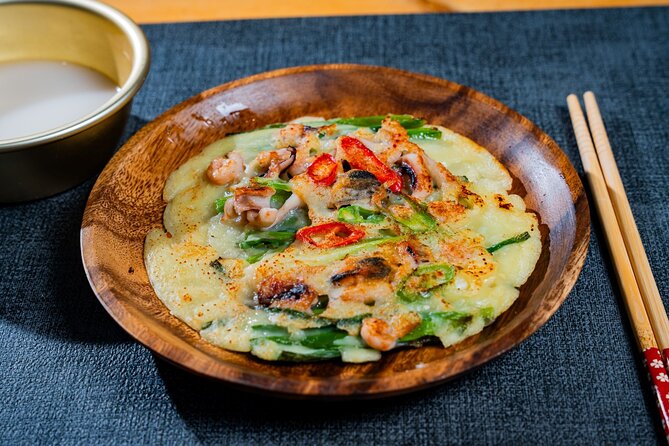
Haemul pajeon is a seafood and green onion pancake, and it’s a technique lesson disguised as comfort food. You’ll work with batter and learn how heat affects crisp edges versus softer centers.
This is one of the dishes that makes the class feel special because it’s interactive. People want to see what’s happening in the pan, and the chef can guide you through timing so you don’t end up with one side overcooked while the other side stays raw.
Budae Jjigae: A Bold Stew You’ll Remember
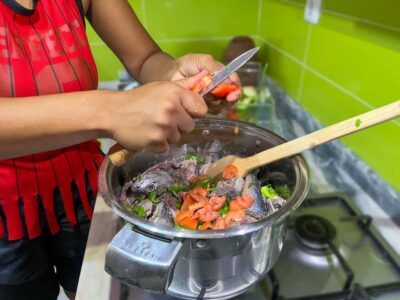
Budae jjigae, the military stew, is the dish people talk about most because it’s hearty and loaded with flavor. You’ll learn how to build a satisfying stew base and how to get the right balance in the pot.
Do note the consideration: one participant flagged that the version served for class included Spam and hotdogs. If you don’t eat those, still book, but tell the operator about your needs early so they can guide substitutions appropriately.
Welcome Drinks, Snacks, Banchan, and Korean Desserts: The Meal Is Part of the Lesson
This class doesn’t save the best part for the end. You’ll start with welcome drinks and Korean traditional snacks, and you’ll also have tea and coffee.
Sikhye (Korean punch) and makgeolli (Korean rice wine) are included, which is a fun add-on because they change how you experience the dishes. They’re not just drinks; they help you notice sweetness, tang, and how savory food relaxes your palate.
Then comes the full-course meal rhythm. You’ll eat what you cook, plus you’ll have seasonal banchan (side dishes). That matters because Korean meals often rely on the sides to complete the flavor picture—salty, crunchy, fermented, and spicy elements all working together.
Dessert is also included, so the class doesn’t end with “just enough.” It ends with a full close-out meal vibe.
Time, Flow, and the Reality of a 3-Hour Cooking Session
The duration is 3 hours, and the best tip I can give is simple: plan your day so you can arrive with an empty stomach. Multiple people specifically call out that there’s a lot to eat, and the class keeps you busy—prep, cook, taste, adjust.
The class structure also tends to keep things moving at a comfortable pace. Some reviews describe cooking two dishes at a time, while others mention creating and eating four dishes during the session. Either way, the key is that you’re not rushed through steps, and you have time to finish what you start.
You’ll also want to be ready for photos. The kitchen setup and the dish-building process make it easy to snap a few pictures, and you’ll have time to do it without feeling like you’re holding up the group.
Price and Value: Is $89 Fair for a Full Korean Meal?
At $89 per person for a 3-hour hands-on class, it has to earn its keep. Here’s what you’re actually getting based on the included items:
- All ingredients and cooking equipment
- A full-course meal with Korean seasonal banchan
- Korean traditional snacks plus tea and coffee
- Sikhye and makgeolli
- Korean desserts
- A bottle of water
- Recipes emailed to you afterward
When you factor in that you’re not only cooking but also eating a complete meal with drinks and dessert, the value starts to make sense. You’re essentially paying for the chef’s instruction, the cooking setup, and the “eat what you make” meal package.
If you love food, this price is easier to justify than if you only want one small tasting. You’re paying for the full experience: skills plus dinner.
Where the Class Is (So You Don’t Lose 20 Minutes in Seoul)
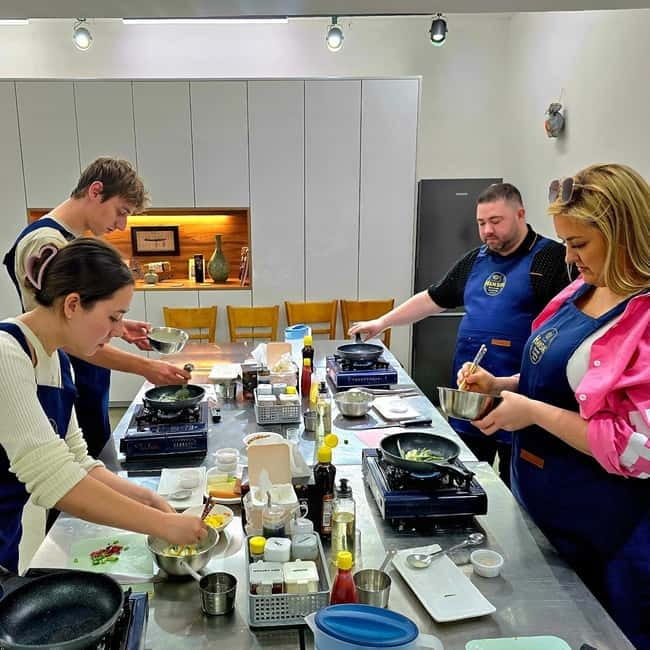
Your meeting point is at Gyeongbokgung Subway Station, Orange Line 3, exit 2. From there, it’s about a 5-minute walk to Woori Bank.
The studio is in a small alley between the bank and just right before the K-Pop Store. In a city where streets can look similar, this is one of those “go straight, don’t wander” directions—follow it closely and you’ll be on time.
Who This Class Fits Best (And Who Might Want to Consider Alternatives)
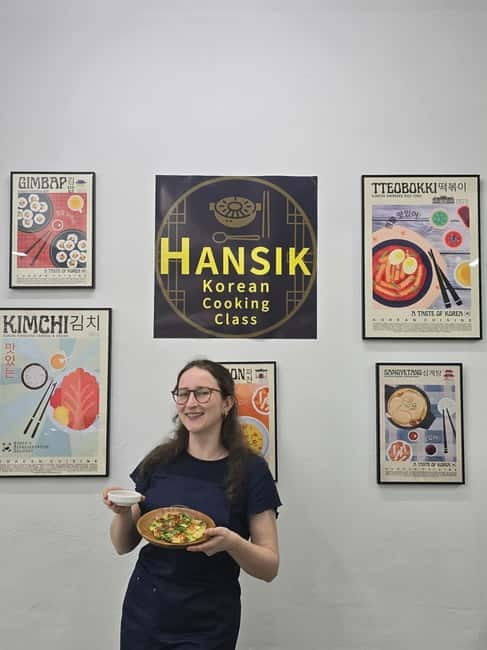
This class is ideal if you:
- Want a hands-on Korean cooking experience in Seoul, not a passive tasting tour
- Enjoy practical skills you can repeat at home
- Like learning the story behind dishes while you cook (Chef Jennifer shares cultural context as you go)
- Travel solo or in a couple and still want real group interaction without crowds (up to 10 people)
It may be less ideal if you:
- Have strong dietary limits that need very specific ingredients and don’t want any chance of cross-over
- Only want quick bites and don’t want a full meal format
On the positive side, vegetarian needs have been handled well, with substitutions offered for at least one vegetarian participant. So if you communicate your needs, you’ll likely be fine.
Should You Book This Seoul Korean Cooking Class?
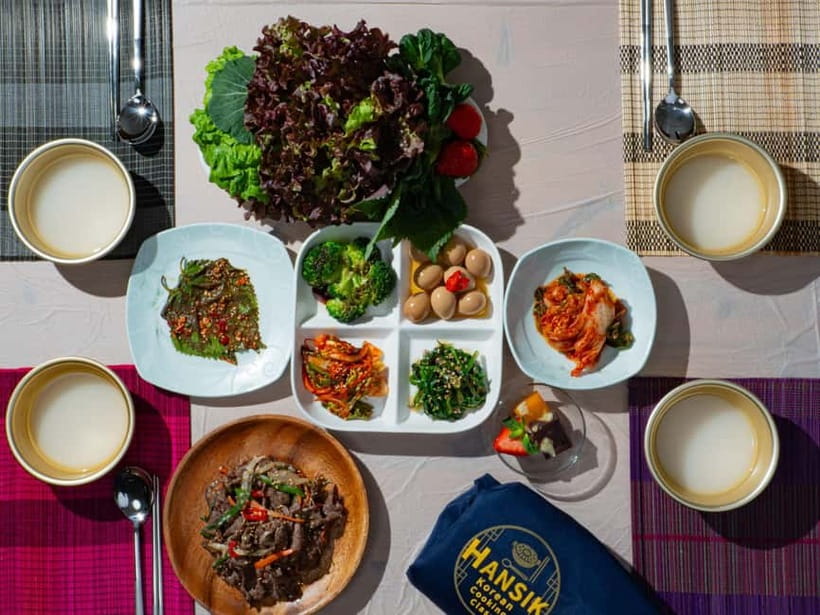
If your goal is to learn Korean cooking you can actually recreate, I’d book it. You’re getting clear English instruction, a small-group kitchen setup, and a full meal with drinks and dessert—plus recipes emailed after—so the value sticks with you beyond the 3 hours.
The only real “watch-outs” are simple: come hungry, and mention dietary needs early, especially if you want to avoid meat-style ingredients that may appear in the budae jjigae version used for class.
If that sounds like your kind of evening, this is a high-joy, high-skill way to spend time in Seoul.
FAQ
How long is the cooking class?
The class lasts 3 hours.
How much does the Seoul cooking class cost?
It costs $89 per person.
Where do I meet for the class?
Meet at Gyeongbokgung Subway Station (Orange Line 3, exit 2). Walk about 5 minutes to Woori Bank, then find the small alley between the bank and just before the K-Pop Store.
What dishes will I make during the class?
The class content includes gimbap, tteokbokki, haemul pajeon, and budae jjigae.
Is the class taught in English?
Yes. The instructor teaches in English.
How many people are in the group?
It’s a small group limited to 10 participants.
What’s included with the meal?
You get a full-course meal with Korean seasonal banchan (side dishes), Korean desserts, Korean traditional snacks, tea and coffee, and a bottle of water. Sikhye and makgeolli are also included.
Can I get the recipes after the class?
Yes. You’ll receive recipes by email.
Are dietary needs accommodated?
The class has catered for at least one vegetarian requirement with substitutions, so it’s best to share your dietary needs in advance.
Is there flexibility with payment and cancellation?
You can reserve now and pay later, and free cancellation is available up to 24 hours in advance for a full refund.