REVIEW · SEOUL
Seoul: Korean Cooking Class at a Local Home and Market Tour
Book on GetYourGuide →Operated by HELLO K COOKING · Bookable on GetYourGuide
Korean cooking tastes better when it comes with a market walk. This 3.5-hour Seoul class pairs a local ingredient hunt with hands-on cooking led by a native chef-guide, plus Korean phrases and cultural extras like the Tal mask. I especially like the mix of street-food tasting and practical, step-by-step cooking, and I also like the full Hanjeongsik-style meal you sit down to afterward. One thing to consider: there’s no elevator up to the home, so plan for stairs.
You’ll meet your guide at Mangwon Station (Exit 2, outside) and return there when you’re done. The class is limited to 10 participants, so it doesn’t feel like a factory tour. You’ll also be responsible for getting yourself to and from the meeting point, since there’s no hotel pickup.
Tal mask try-on, a local market that feels less touristic, and four main recipes with recipes to take home—this is the kind of Seoul activity that turns food into a story you can recreate later.
In This Review
- Key highlights worth your attention
- Market hunting near Mangwon Station (and why it matters)
- The local home setup: welcome drink, cooking stations, and stair reality
- Four classic dishes you’ll cook step by step
- Bibimbap: building a balanced rice bowl
- Dakgalbi: spicy stir-fry technique in motion
- Haemul-Pajeon: seafood and green onion pancake skills
- Doenjang-jjigae: fermented soybean paste stew comfort
- Hanjeongsik at the table: more than a meal, a format
- Korean culture extras: phrases and the Tal mask moment
- Price and value: what $98 really buys you
- Who this class is perfect for (and who should double-check)
- Should you book this Korean cooking class?
- FAQ
- FAQ
- How long is the cooking class?
- Where do we meet the guide?
- What dishes will we cook?
- How big is the group?
- Does the class include a market visit and street food?
- Is hotel pickup or drop-off included?
- Is there an elevator at the home venue?
- What’s included besides cooking?
Key highlights worth your attention
- Mangwon Station start point keeps it simple and lets you handle your own timing
- Market tour plus street-food samples show you what locals actually buy and snack on
- Four dishes taught hands-on: Bibimbap, Dakgalbi, Haemul-Pajeon, and Doenjang-Jjigae
- Hanjeongsik meal with 10+ side dishes makes the tasting part feel like a real Korean course dinner
- Korean phrase time and a friendly, high-energy host help you feel confident fast
- Tal mask experience adds a fun heritage element beyond the kitchen
Market hunting near Mangwon Station (and why it matters)
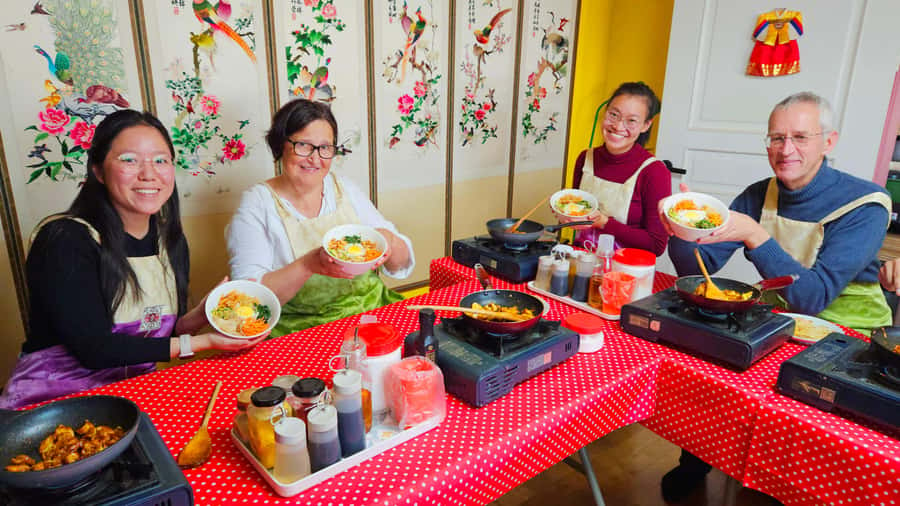
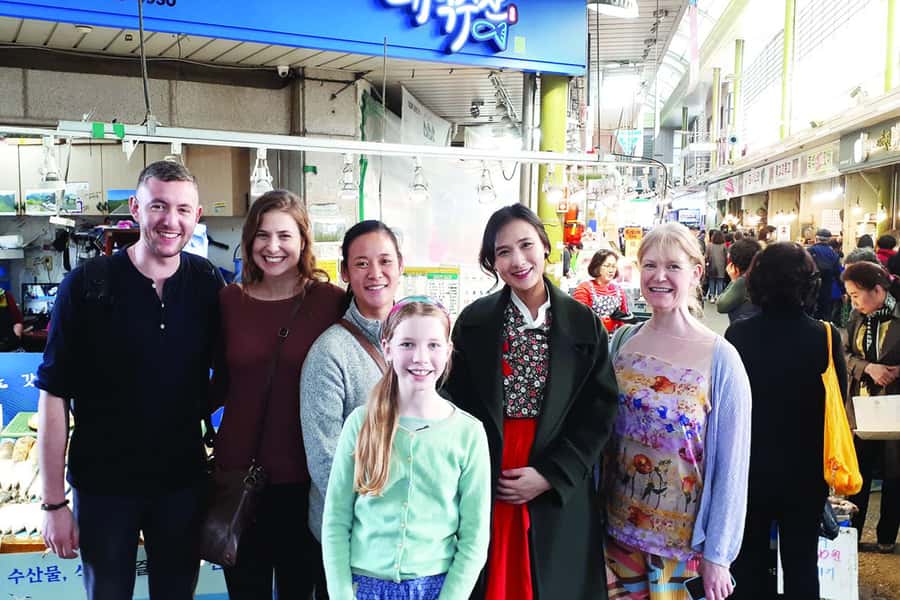
Start at Mangwon Station, Exit 2 (outside). From there, you’ll walk to a local market in Gyeonggi Province’s Seoul area, where the focus isn’t on postcard sights—it’s on ingredients and everyday food choices.
This part is more than a warm-up. When you see what’s sold, how it’s stacked, and what people reach for, cooking back at home stops being guesswork. I like that the class builds your shopping instincts: you learn what you’re actually looking for, then you buy fresher inputs for the dishes you’ll cook later.
You’ll also get street food samples during the market visit. These aren’t random snacks; they’re tied into the foods and flavors that show up again once you’re cooking. If you’re the type who likes to understand the “why” behind flavors—sweet, salty, savory, spicy—this is where it clicks.
There’s a good chance your guide (you may meet hosts like Sarah or Junghee depending on the group) will point out items you might never pick up on your own. Based on what people consistently praise, the guides don’t just translate—they explain what the ingredient does in Korean cooking and how to spot quality.
You can also read our reviews of more tours and experiences in Seoul.
The local home setup: welcome drink, cooking stations, and stair reality
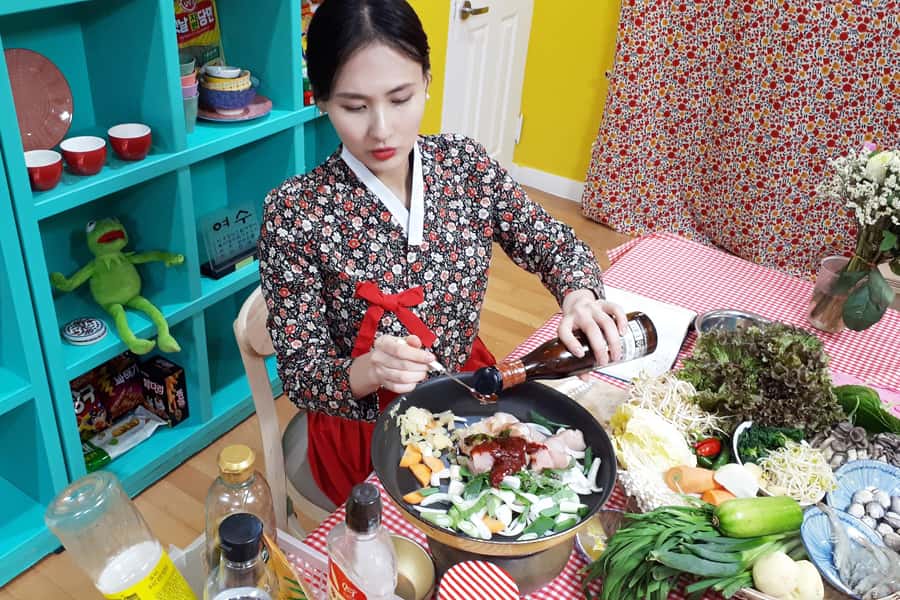
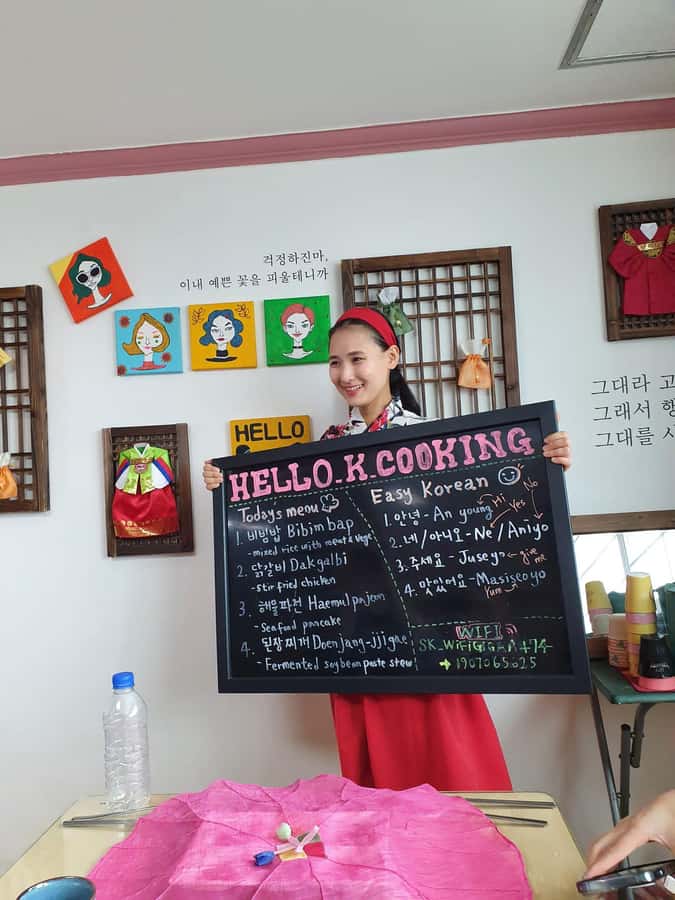
After the market, you head to the cooking venue, which is a local home. You’ll start with a welcome tea, and you’ll also get a moment to learn a few basic Korean phrases before you cook.
That language bit sounds small, but it’s the fastest way to stop feeling like a “visitor” in someone’s space. Even a few simple phrases help you relax, ask questions, and connect with the host during the hands-on parts.
One practical note: there’s no elevator to get up to the home. If stairs are an issue for you, plan accordingly. I’d treat this as the main logistical consideration of the whole experience.
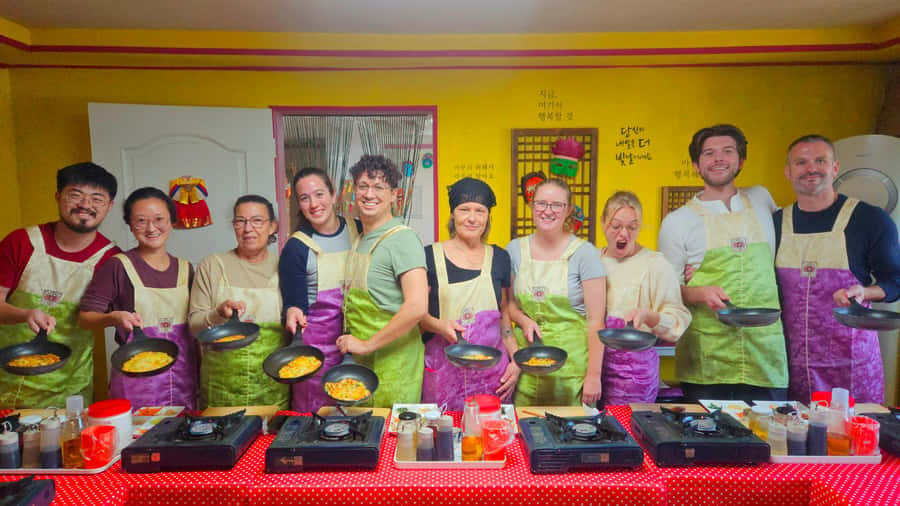
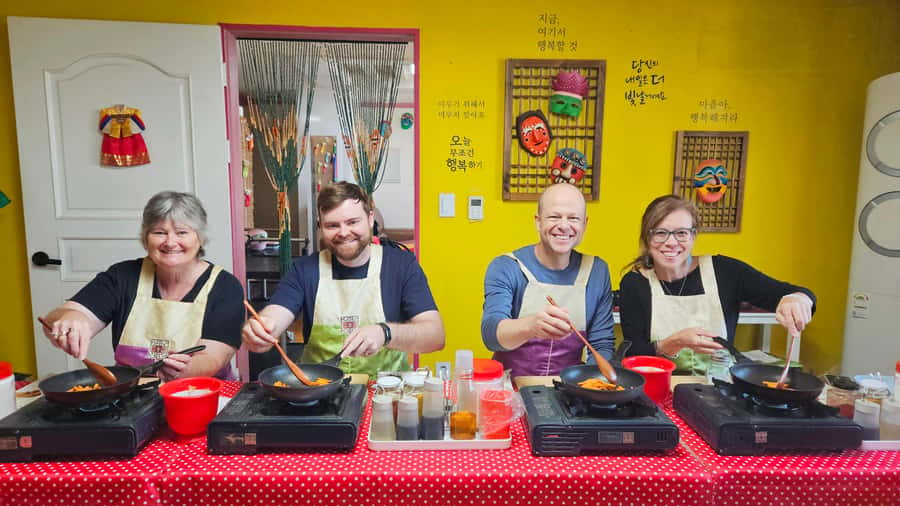
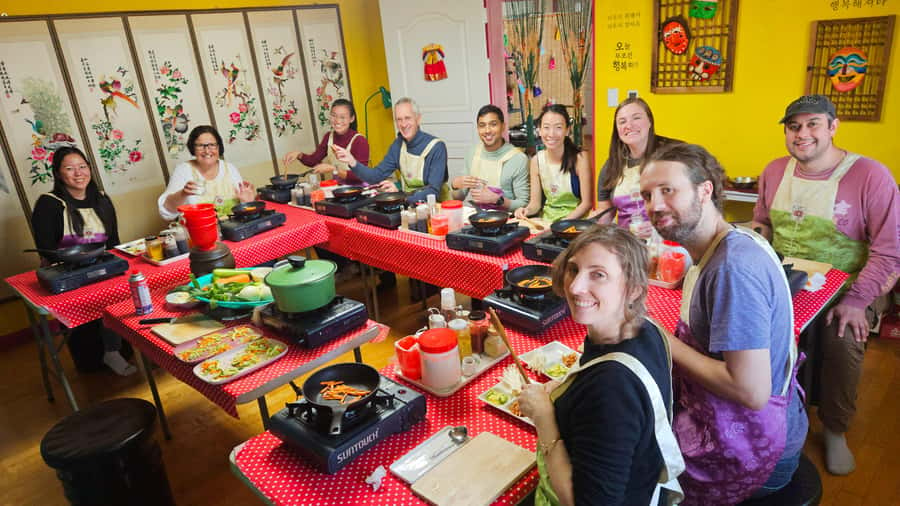
Once inside, the vibe is warm and organized. People who do this class tend to mention that the hosting feels personal, fun, and structured—like you’ve been invited to cook with friends rather than watch a demonstration. In a small group (up to 10), you’re more likely to get real attention, including when you’re moving from chopping to mixing to cooking.
You also get ingredients and equipment included, so you won’t spend time hunting down tools or figuring out kitchen setup. And for peace of mind, the class includes photo and video service, plus recipes to take home.
Four classic dishes you’ll cook step by step
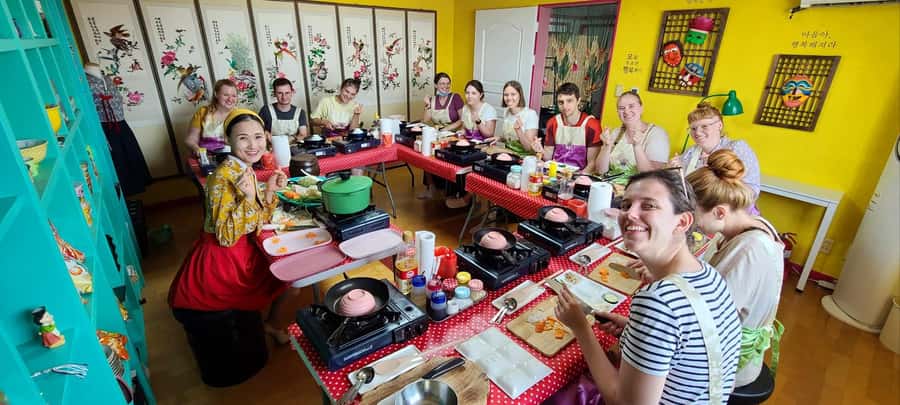
The centerpiece of the class is making 4 dishes with an experienced chef-guide: Bibimbap, Dakgalbi, Haemul-Pajeon, and Doenjang-Jjigae. What I like about this set is that it covers different Korean cooking styles in one sitting: bowl-building, stir-frying, pan-frying, and stew-making.
You’ll be learning while you cook, not after. Expect your guide to explain what you’re doing and why, and to keep instructions clear even if you’re a beginner. Many people specifically mention that the directions were easy to follow and that even novice cooks felt included.
Here’s what each dish teaches you, and why it’s a great “take-home” recipe:
Bibimbap: building a balanced rice bowl
Bibimbap is the signature Korean mixed-rice bowl. In class, you’re not just assembling toppings—you’re learning how to combine cooked components with rice into something that eats well with every spoonful.
This dish is a good starting point because you get instant feedback: if things are cut evenly and seasoned well, the bowl tastes right. It’s also flexible at home—once you know the basics, you can swap vegetables or proteins later.
Dakgalbi: spicy stir-fry technique in motion
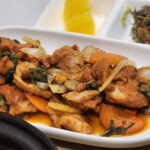
Dakgalbi is a stir-fried chicken dish, usually known for its punchy, savory-sweet profile. In class, the key lesson is timing: stir-frying is about keeping things moving while flavors build quickly.
If you’ve ever ended up with chicken that’s either overcooked or under-seasoned, this is the technique you’ll care about. The small-group format helps here, because you can ask questions mid-process.
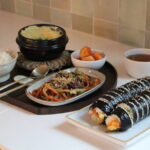
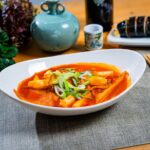
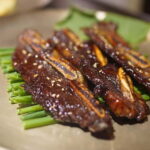
Haemul-Pajeon: seafood and green onion pancake skills
Haemul-Pajeon is a savory pancake with seafood and green onion. Pancakes are where many cooking classes lose people—too many steps, too much guesswork. Here, you’re doing it with a guide who can correct technique while you’re still at the stove.
This dish teaches you batter consistency and pan heat awareness. The goal is a pancake that’s cooked through but still enjoyable—not rubbery, not soggy.
Doenjang-jjigae: fermented soybean paste stew comfort
Finally, you’ll make Doenjang-Jjigae, a fermented soybean paste stew. Stews are all about letting flavors mingle and adjusting seasoning as it cooks down.
This is where Korean comfort-food logic comes through. You taste as you go, learn how the paste shapes the broth, and get a sense of what makes the stew deeply savory without needing complicated steps.
If you want to impress at home without turning cooking into a second job, this pairing—one bowl, one stir-fry, one pancake, one stew—gives you four different skills you can reuse.
Hanjeongsik at the table: more than a meal, a format
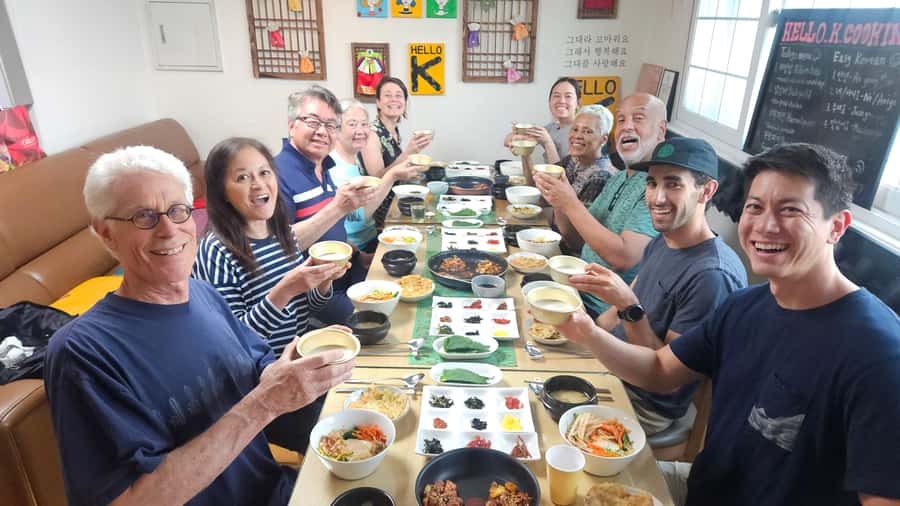
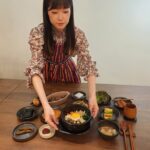
After cooking, you sit down to the meal in a traditional Korean course style: Hanjeongsik. The meal includes more than 10 side dishes, plus seasonal fruits and rice wine.
This is a big reason the class feels like a cultural experience, not just a food workshop. Hanjeongsik isn’t one dish. It’s a structure where you learn how Koreans balance tastes—savory with fresh, hot with cooling, rich with something lighter.
The side dishes matter because they show you the range Korean meals support. Even if you’re only cooking four items, you’ll leave with a clearer idea of how those flavors fit into a full Korean dining spread.
And yes, rice wine shows up here too. You’re not stuck with a single drink for the whole night; you get a real sense of how the meal feels as a complete event.
Korean culture extras: phrases and the Tal mask moment
Not every Seoul cooking class includes cultural extras you can feel in your hands. This one does.
You’ll learn a few Korean phrases during the welcome portion, which helps you connect with the host during cooking and asking questions. People often describe the guides as upbeat and humorous, and that energy makes the language practice feel less like homework.
Then there’s the Tal mask. You’ll get to try on an artful Tal mask that’s worn at many Korean heritage festivals. It’s short, but it lands because it turns culture from something you read about into something you actively experience.
It’s also a nice break from food work. After chopping, stirring, and tasting, getting a moment of playful heritage dressing keeps things memorable.
Price and value: what $98 really buys you
At $98 per person for about 3.5 hours, you’re paying for more than instruction. You’re getting:
- Market tour and street food samples
- A cooking class with a professional chef
- Ingredients and equipment
- Welcome tea
- The cooking meal, served in a Hanjeongsik-style format with many side dishes, plus rice wine
- Photo and video service
- Water and recipes
For value, the most important part isn’t the price tag—it’s what’s included around the cooking. Many classes only teach recipes. Here you also do ingredient shopping, taste street food, and then eat the results as a proper multi-side-dish meal.
Also, with a small group limited to 10, the experience doesn’t feel lost in a crowd. You’re more likely to actually cook, ask questions, and get help on the dishes rather than just follow along.
If you’re comparing this to other paid activities in Seoul, the sweet spot is that you leave with both: new cooking skills and a cultural meal you wouldn’t replicate on your own without planning.
Who this class is perfect for (and who should double-check)
This cooking class is a strong match if you:
- Want a hands-on Seoul experience, not just eating
- Like learning through doing—shopping ingredients, cooking, then tasting in a real Korean dining format
- Are a beginner who needs clear instructions and a friendly, energetic host
- Want recipes you can recreate later
You might want to double-check if:
- Stairs are a problem for you, since there’s no elevator to reach the home venue
- You strongly prefer a set meeting with hotel pickup and don’t want to handle your own transit—this one requires you to get to Mangwon Station Exit 2 (outside) yourself
Should you book this Korean cooking class?
I think this is an easy yes for many first-time visitors to Seoul who want something more personal than a typical sightseeing day.
Book it if you want the full package: market + street food + four core dishes + Hanjeongsik meal + recipes and photo/video support. It’s also one of the better options if you want a home-style setting, small-group attention, and a cultural add-on like the Tal mask.
If you can manage stairs and you don’t mind making your own way to the meeting point, you’ll likely leave happy—full from the meal, and with practical skills you can use back home.
FAQ
FAQ
How long is the cooking class?
It runs for 3.5 hours.
Where do we meet the guide?
You meet your guide at Mangwon Station, Exit 2 (outside).
What dishes will we cook?
You’ll prepare Bibimbap, Dakgalbi, Haemul-Pajeon, and Doenjang-Jjigae.
How big is the group?
It’s a small group limited to 10 participants.
Does the class include a market visit and street food?
Yes. The experience includes a market tour and street food samples.
Is hotel pickup or drop-off included?
No. You’re responsible for getting to and from the meeting point, since there’s no hotel pickup and drop-off option.
Is there an elevator at the home venue?
No. There is no elevator to get up to the local home.
What’s included besides cooking?
Besides the cooking class, the experience includes a welcome tea, meals with side dishes, rice wine, water, photo and video service, and recipes.