REVIEW · CATANIA
Catania: Pistachio Ravioli, Pasta Home Cooking Class w/ Wine
Book on GetYourGuide →Operated by Timonfaya Travel Lanzarote · Bookable on GetYourGuide
Pistachio ravioli in a real Sicilian home.
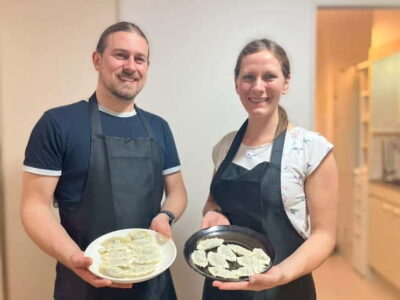
That is the heart of this small-group cooking class in Catania, where you learn to make pistachio-filled ravioli from scratch and then eat the results with local wine. The whole night feels like Sicilian food culture, not a scripted performance.
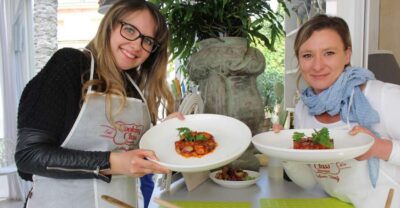
I like two things the most. First, you do the work—mix the dough, build the filling, and shape the ravioli with guidance. Second, the meal is a proper payoff: you sit down to enjoy your pasta plus a pear-and-cheese bruschetta paired with Sicilian wine.
One consideration: it’s in an apartment setting, and that usually means stairs. It’s also listed as not suitable for wheelchair users, so plan accordingly and expect a home-kitchen vibe, not a restaurant kitchen.
In This Review
- Key highlights you’ll care about
- Why Pistachio Ravioli in Catania Feels Like Real Sicily
- The $100 Value: What You’re Really Buying in 3 Hours
- Meeting in an Apartment: Ringing the Bell at Vignolo
- Course One: Pear Bruschetta with Cheese, Walnuts, and Chestnut Honey
- Building the Dough: Fresh Pasta from Scratch, Not a Shortcut
- Bronte Pistachios and Ravioli Shaping Tips That Actually Stick
- The Meal After Work: Wine, Tasting, and the Best Part of Learning
- Small Group Size Means You Get Real Technique Corrections
- Who Should Book This (and Who Might Skip It)
- Should You Book This Cooking Class?
- FAQ
- What will I make in the class?
- Is the ravioli class part of a full meal?
- What drinks are included?
- How long is the cooking class?
- How big is the group?
- What languages are used by the instructor?
- Where do I meet the host?
- Is this experience wheelchair accessible?
- Can I pay later or cancel?
Key highlights you’ll care about
- Small group (max 8) means more time for hands-on technique and corrections.
- Bronte pistachio focus: you’ll learn the story behind Sicily’s famous pistachios, often described as green gold.
- A true 3-course dinner: pear bruschetta, homemade pistachio ravioli, and a sweet finish.
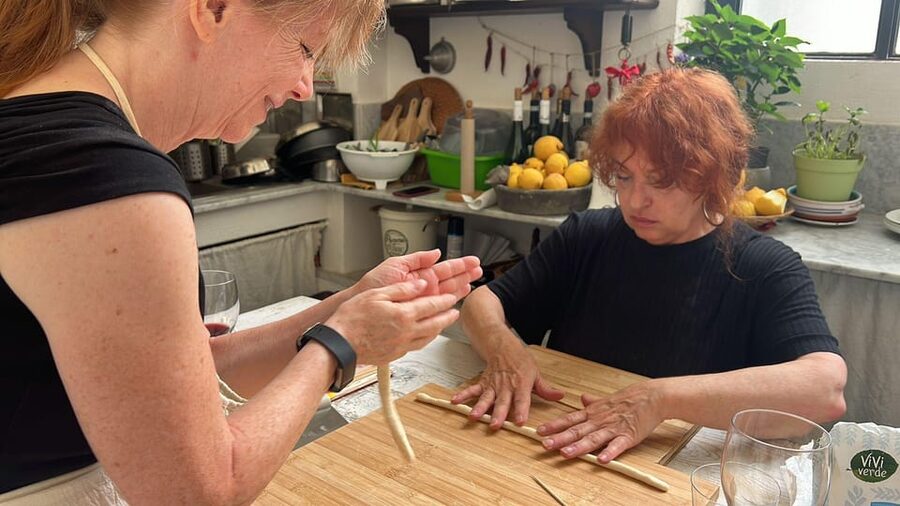
- You learn by doing, not by watching, while the host stays close during key steps.
- Wine at the table with your meal, plus water and coffee included.
- English/Italian instruction, often with help from Victor translating when needed.
Why Pistachio Ravioli in Catania Feels Like Real Sicily
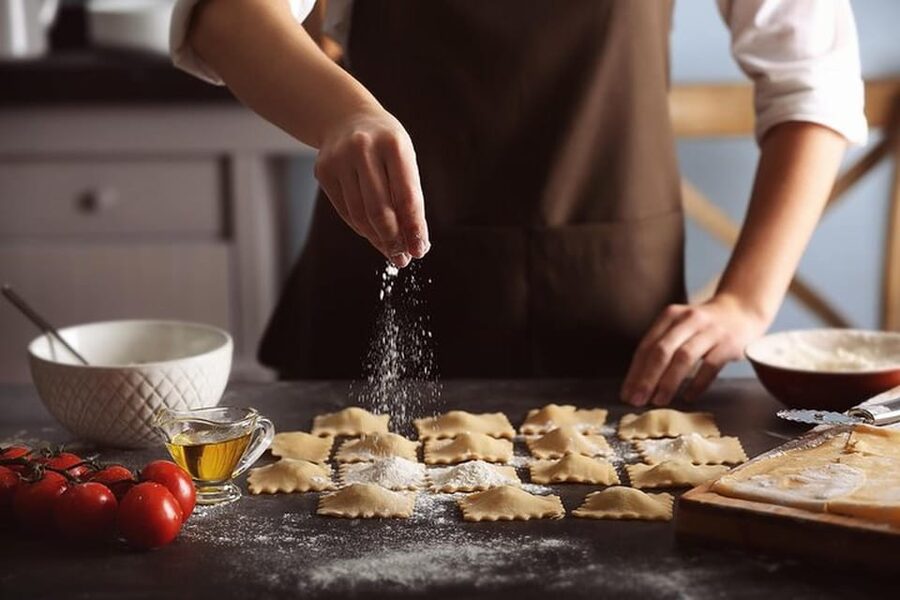
Catania has a way of making food feel practical. You’re not just tasting; you’re building something that starts with simple ingredients and ends with something special. This class centers on pistachio ravioli, a dish that’s closely tied to Sicily’s love affair with pistachios—especially the Bronte variety.
What makes the experience more than “a cooking class” is the pacing and the atmosphere. You spend time on the dough, then the filling, then the shaping. And when you finally eat, it’s not separate from the work. You’re basically tasting your own effort, while the host keeps things warm, funny, and very hands-on.
For me, that’s where the value lives: in the fact that you leave knowing how the texture should feel, how thick the dough should be, and how to seal ravioli so they actually hold together.
You can also read our reviews of more tours and experiences in Catania.
The $100 Value: What You’re Really Buying in 3 Hours
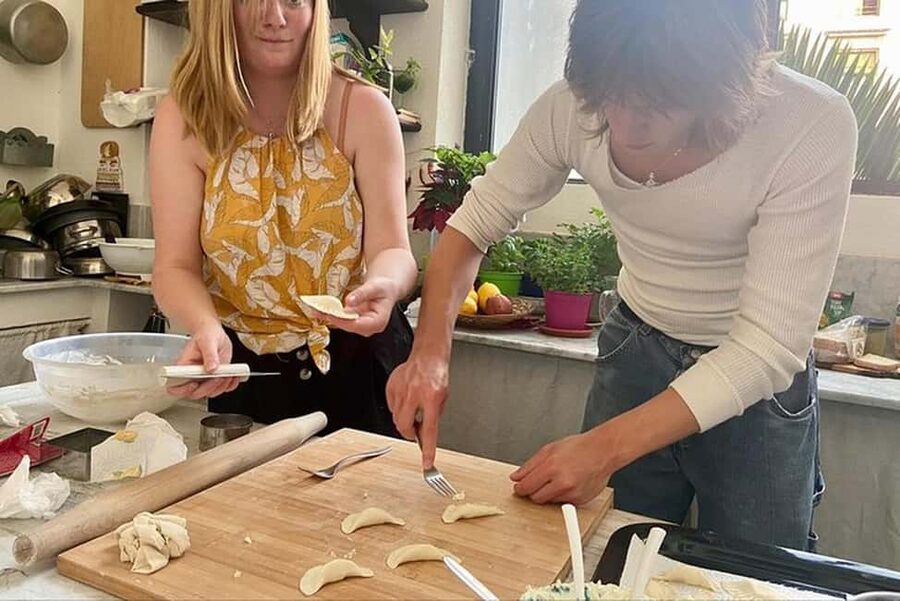
At around $100 per person for a 3-hour session, you’re paying for more than ingredients. You’re paying for time, technique, and the setup that makes a home-cooking experience run smoothly.
Here’s what’s included:
- a cooking class
- a 3-course dinner
- wine
- water and coffee
And you’re doing it in a small group limited to 8 participants. That matters. With more people, cooking classes often turn into “stand back and watch.” Here, the format is closer to learning at a shared kitchen table, where you can actually get corrected while you work.
Also, the menu is built to match what you’re learning. You start with bruschetta—fast enough to get you in the mood and slow enough to learn flavors that work on Sicilian bread and cheese. Then you move to pasta, which is the main event. Finally, you finish with dessert, often described as tiramisu, with at least one version in the group’s sweet course that has included ricotta and fruit.
One more value note: you’re not just leaving with a memory. Many people say they’ve come away ready to make ravioli at home, because you learn the method, not just the recipe.
Meeting in an Apartment: Ringing the Bell at Vignolo
This class meets at a local address where you’re told to ring the bell at Vignolo. That part is simple. The part that can trip you up is that it’s a home setup, not a big street storefront.
In practice, plan to arrive on time, then communicate clearly. Some guests have had trouble finding the exact location because there isn’t always an easy-to-spot sign. A quick check of the address details right before you go helps a lot.
Expect stairs. Multiple people describe a building you walk into, then climb up to the apartment. If you’re traveling with heavy bags, pack light. If you’re sensitive to stairs, take that seriously since it’s also listed as not wheelchair accessible.
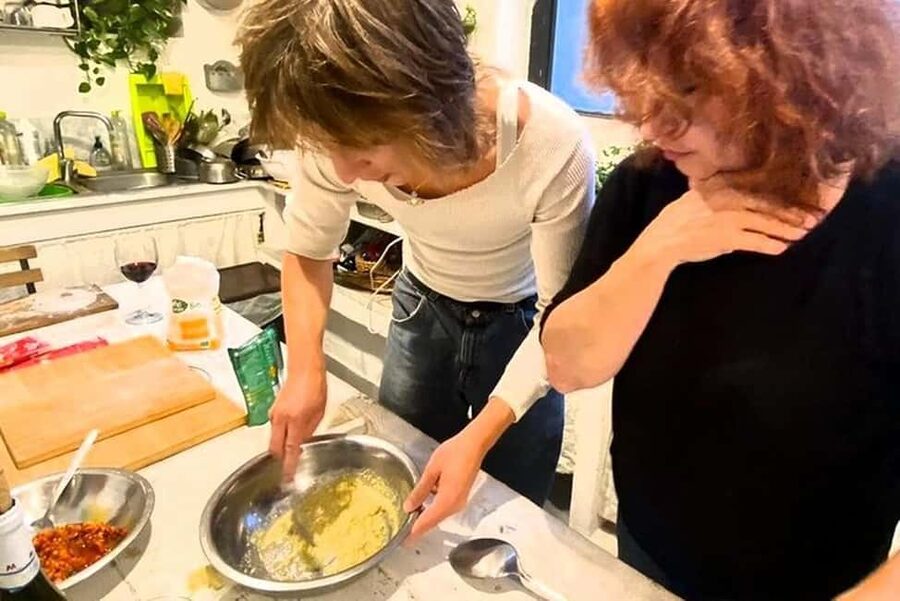
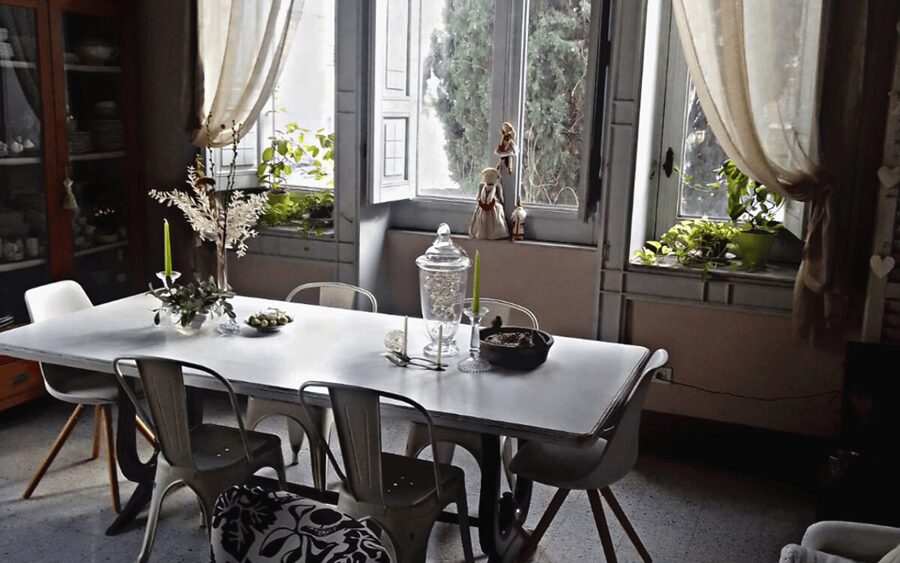
Inside, you’ll likely feel the same thing many guests highlight: the kitchen feels like a lived-in home—clean, organized, and set up for cooking with you right there at the table.
Course One: Pear Bruschetta with Cheese, Walnuts, and Chestnut Honey
Before the ravioli moment, you get an appetizer that screams Sicily. The bruschetta topping is described as a mix of cheese, pear, walnuts, and chestnut honey. That sweet-savory blend is a very Sicilian way to balance richness with fruit.
What I like about starting here is that it’s not an afterthought. It trains your palate for how the evening will work: sweet elements aren’t an accident, they’re part of the logic. Pear brings freshness; chestnut honey adds depth; walnuts bring crunch.
You also get a short break while the pasta dough rests. During that time, you’re not stuck waiting. You’re eating, chatting, and getting a rhythm for the evening.
If you’re picky about flavors, this is still manageable. It’s not just “sweet for dessert.” It’s designed to sit comfortably alongside wine and with the flavors that show up later in the pistachio dish.
Building the Dough: Fresh Pasta from Scratch, Not a Shortcut
The pasta part is where this class earns its keep.
You prepare the pasta dough from scratch. That means you’re learning what the dough should look like before it rests, and how it changes after resting. In a good class, the rest time isn’t wasted; it becomes part of the technique.
The host keeps an eye on key steps, so you don’t just guess. You’ll get guidance on texture and consistency—how to get the dough workable and elastic enough for rolling. Even if your first attempt feels awkward, the teaching style is built for correction. Many guests mention that the instructor and her son make sure everyone participates, with attention to detail and a lot of patience.
A practical tip: bring a towel or wear sleeves you don’t mind getting flour on. Pasta dough is forgiving, but it is also messy in a charming way.
Also, since language can vary, plan to use a translation app if needed. Several guests describe using tools like Google Translate successfully. That keeps things fun instead of frustrating.
Bronte Pistachios and Ravioli Shaping Tips That Actually Stick
The filling is a creamy pistachio mix, and the class includes a clear connection to Bronte pistachio—often referred to as Sicily’s green gold. You’re not just putting pistachios in pasta; you’re learning how that ingredient fits into the island’s identity.
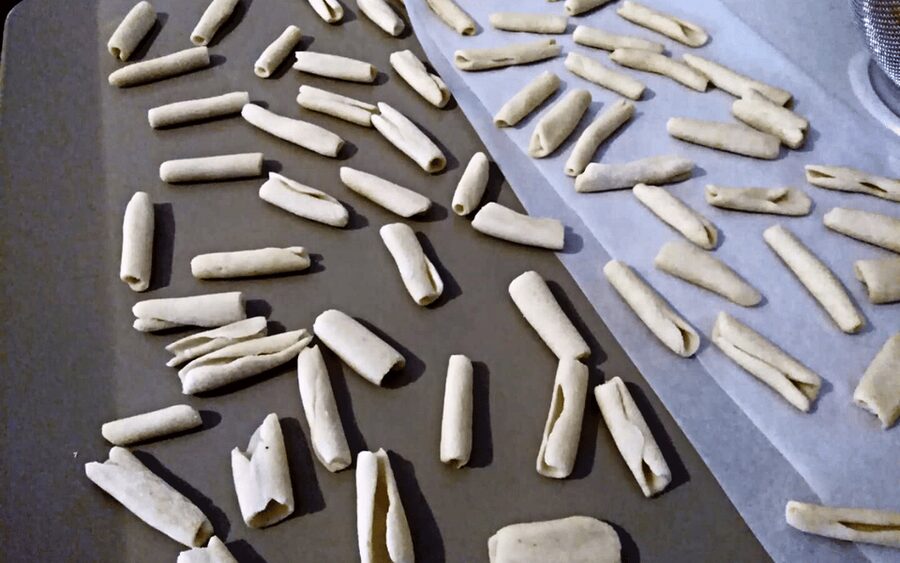
Then comes shaping, which is usually the hardest part of ravioli for beginners. The instructor guides you through forming and sealing so the ravioli keep their shape when cooked. The technique is where most “watch-only” classes fail. Here, you work it yourself.
A few things that help:
- roll and cut carefully so the dough edges behave
- seal with intention, not hope
- don’t rush the filling step—overfilling makes sealing harder
If you’ve ever made dumplings at home and watched them burst, you’ll appreciate what you’re being taught here: the tiny mechanical details that make a difference.
And because it’s a small group, you’re more likely to get the same kind of hands-on correction every step of the way, not just once at the beginning.
The Meal After Work: Wine, Tasting, and the Best Part of Learning
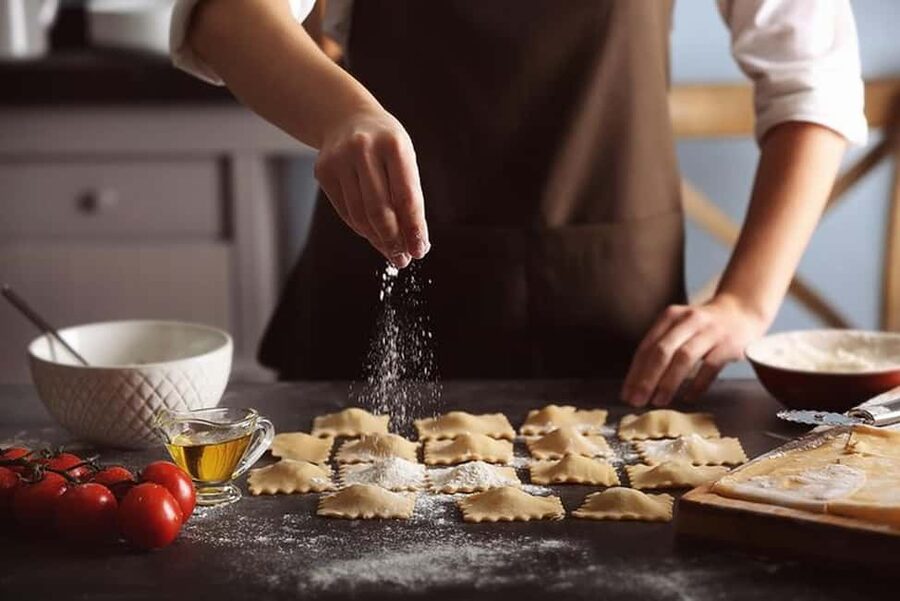
After cooking, you sit down and eat what you made, which is the point.
Your pasta is paired with a glass of local Sicilian wine. That pairing isn’t just about drinking. It helps you experience why the menu’s flavors match—particularly how the sweetness of the pistachio dish works alongside wine acidity and tannin.
You’ll also have the full dinner flow with water and coffee included. Desserts vary depending on the night, but you might see tiramisu as a common finish. Some groups also mention a ricotta-and-strawberry style sweet course.
This is also one of those experiences where you share the table with other cooks. Many guests highlight the warm, social tone—laughing while you work, then relaxing while you eat.
And if you’re the type who likes to ask questions, this is a good environment for it. The host is engaged and keeps the energy light, which helps you actually remember what you’re learning.
Small Group Size Means You Get Real Technique Corrections
One reason this class scores so well is the teaching format.
With a cap of 8 participants, you’re not stuck in a line behind someone else’s demo. You’re moving through steps and getting feedback. People mention a “right mix” of instruction and practice, and that the host stays involved during shaping and key pasta moments.
You’ll also likely notice how the host manages pace. Dough needs time. Ravioli need careful handling. When the host times things well, the group isn’t rushed and nobody feels lost.
The other practical advantage of a small class: you can talk with your host and classmates. If you’re traveling solo, that matters. If you’re traveling as a couple, it can feel less like an activity and more like a shared experience.
Who Should Book This (and Who Might Skip It)
This class is a great fit if you want:
- a hands-on way to learn Sicilian pasta
- an evening activity that ends with you eating a real meal
- a smaller setting where the instructor can watch what you’re doing
It’s also good if you like food that’s not the same as every tourist version of Italian cooking. Pistachio ravioli is a distinct Sicily move, tied to Bronte and to local tradition.
Skip it if:
- you need wheelchair accessibility (it’s listed as not suitable)
- you hate mess and flour on your clothes, because you’ll be kneading and rolling
- you want a quick, passive experience. This is work, done happily.
Language-wise, instruction is listed in English and Italian, and the host’s son (Victor) is often used for translation. If your Italian is limited, a translation app can help keep things smooth.
Should You Book This Cooking Class?
If you’re choosing between another dinner out and learning to make pistachio ravioli, I think this is a strong pick. The price makes sense because you’re getting a full 3-course dinner, wine, and a real technique lesson in a small group.
Book it if you want the kind of food experience where you leave with skills, not just photos. The bonus is that the evening is hosted like a home meal, with humor and a relaxed rhythm, so even if your ravioli aren’t perfect, you’ll still eat something great.
Book something else if you’re short on time, dislike stairs, or want a hands-off activity. This one is better when you’re ready to cook, talk, and learn in close quarters.
If you can swing it, reserve a spot and plan your evening around it. This is one of those Sicily experiences where the best moment is not the first bite—it’s the last one, when you realize you actually made it.
FAQ
What will I make in the class?
You’ll make fresh pistachio-filled ravioli from scratch, including preparing the pasta dough, creating the pistachio filling, and shaping the ravioli.
Is the ravioli class part of a full meal?
Yes. The experience includes a 3-course dinner, with the cooking class tied directly to what you eat afterward.
What drinks are included?
The class includes wine, plus water and coffee.
How long is the cooking class?
The duration is listed as 3 hours, with starting times depending on availability.
How big is the group?
It’s a small group limited to 8 participants.
What languages are used by the instructor?
The instructor teaches in English and Italian.
Where do I meet the host?
Meet at the provided address and ring the bell at Vignolo.
Is this experience wheelchair accessible?
No, it is not suitable for wheelchair users.
Can I pay later or cancel?
You can reserve now and pay later, and you can cancel up to 24 hours in advance for a full refund.